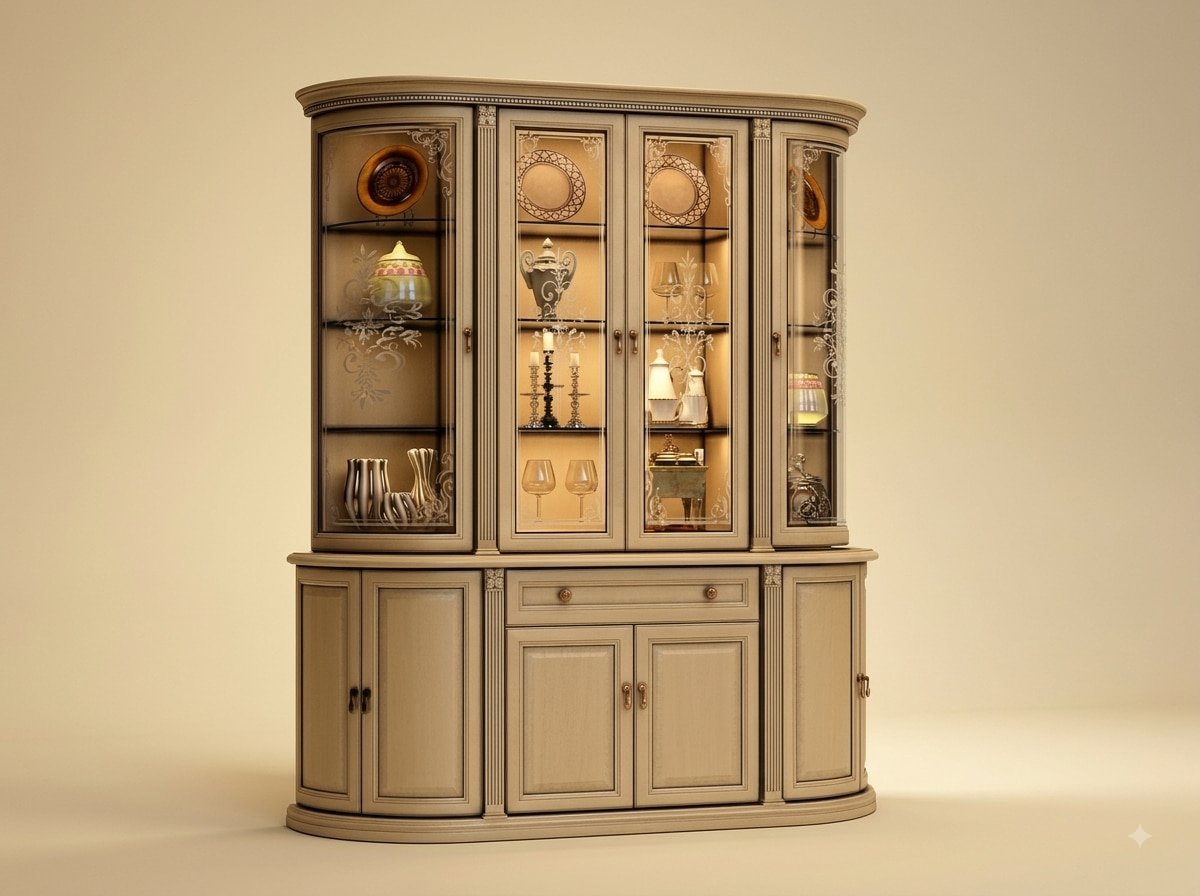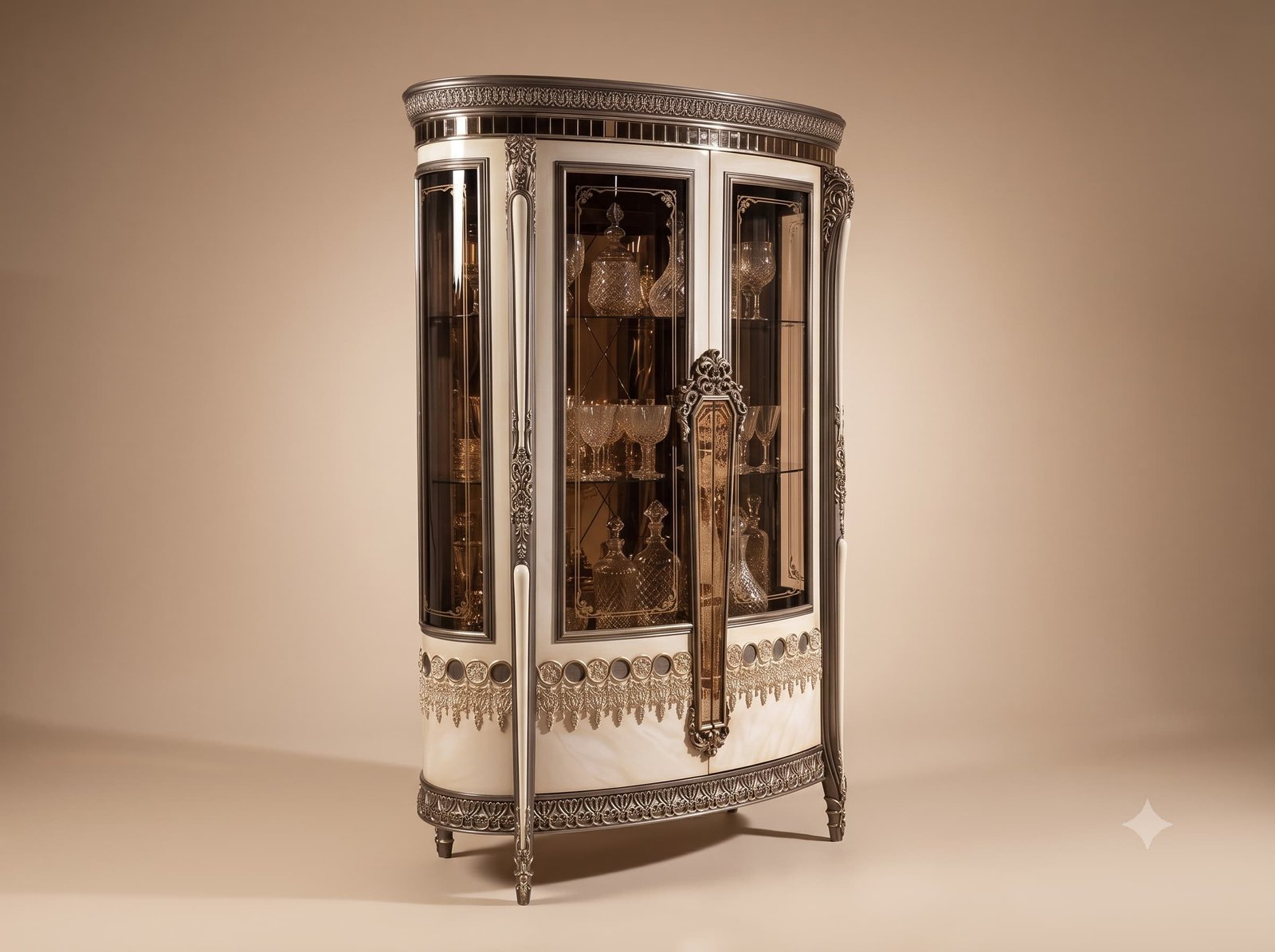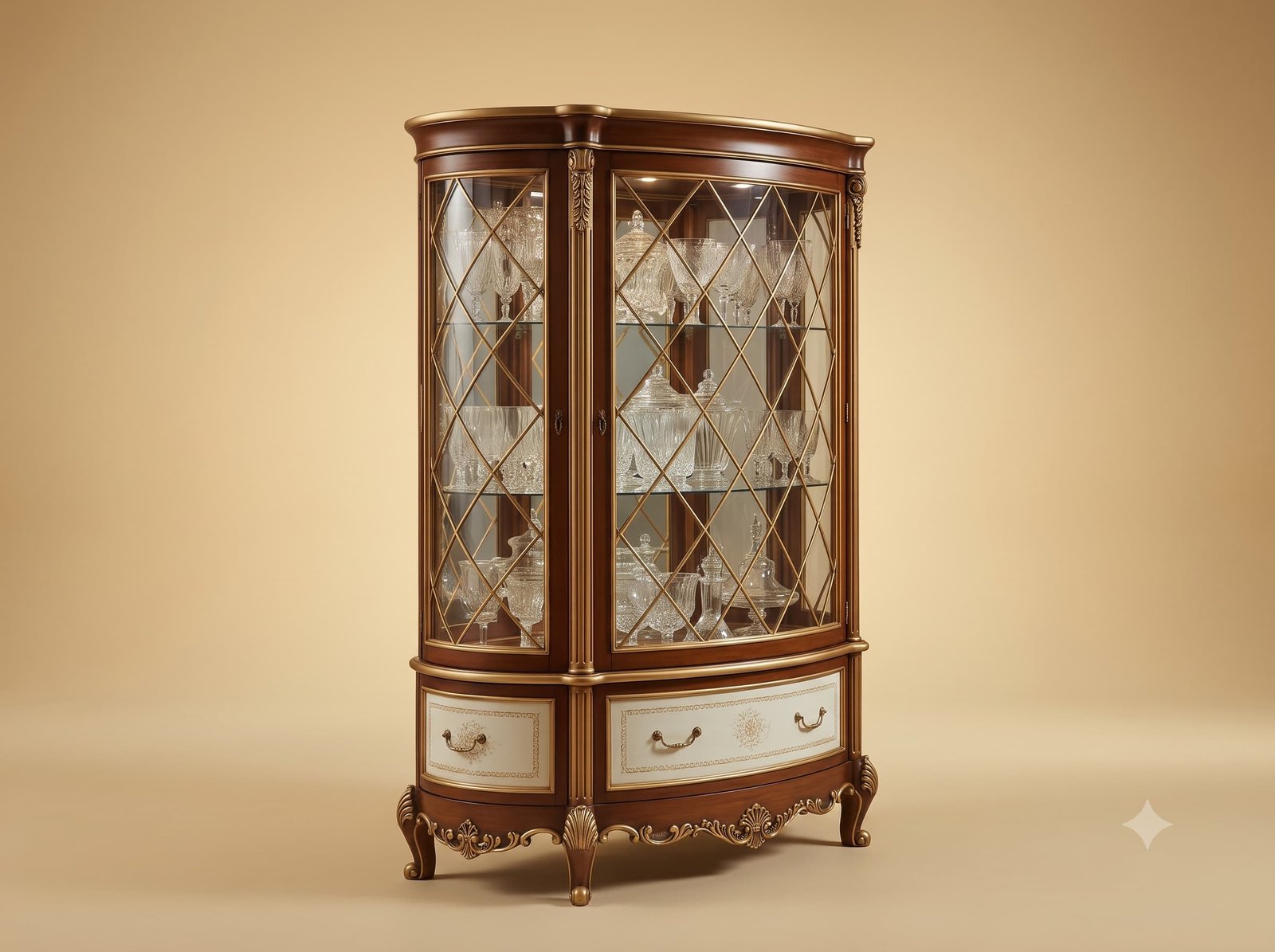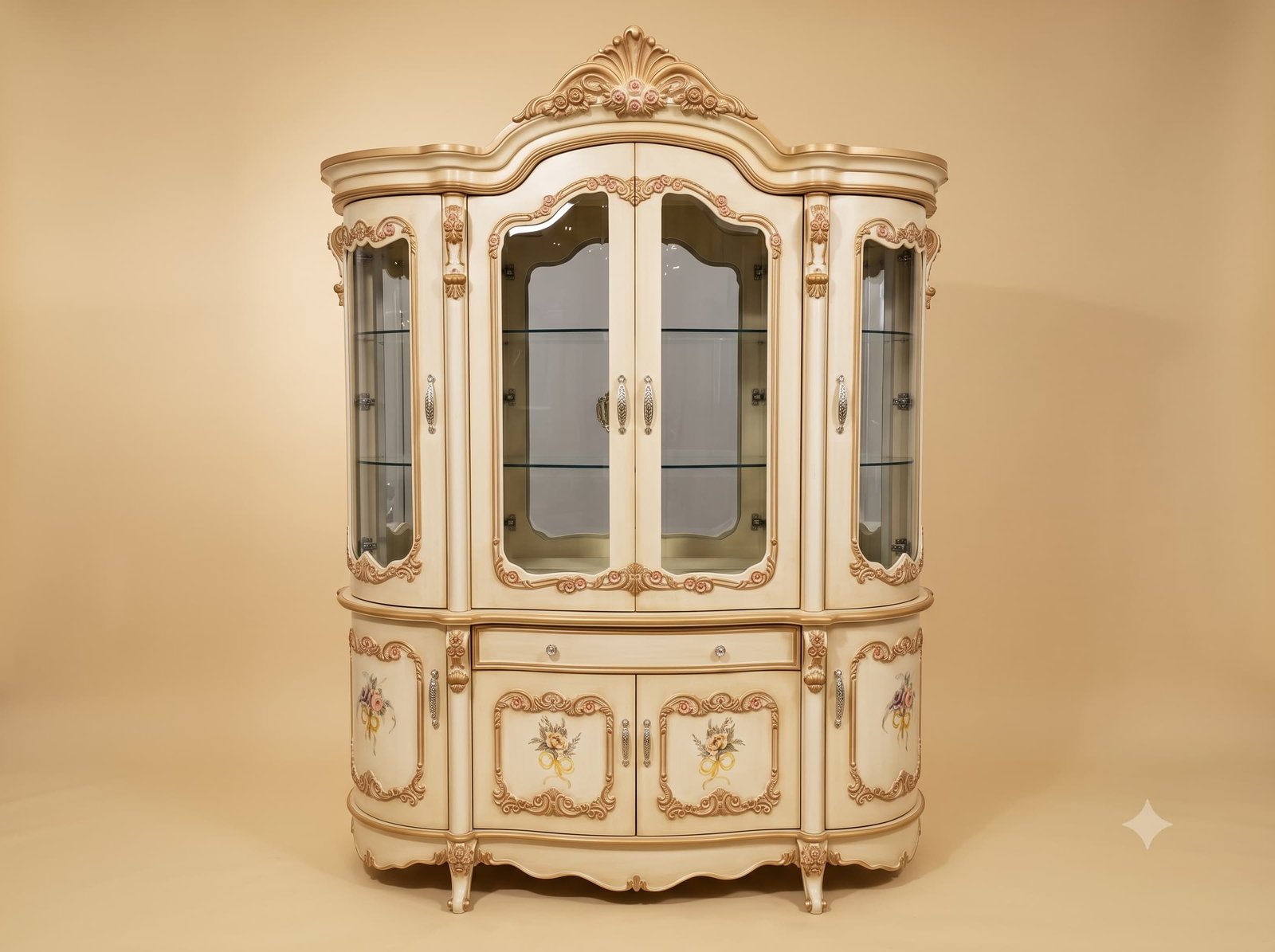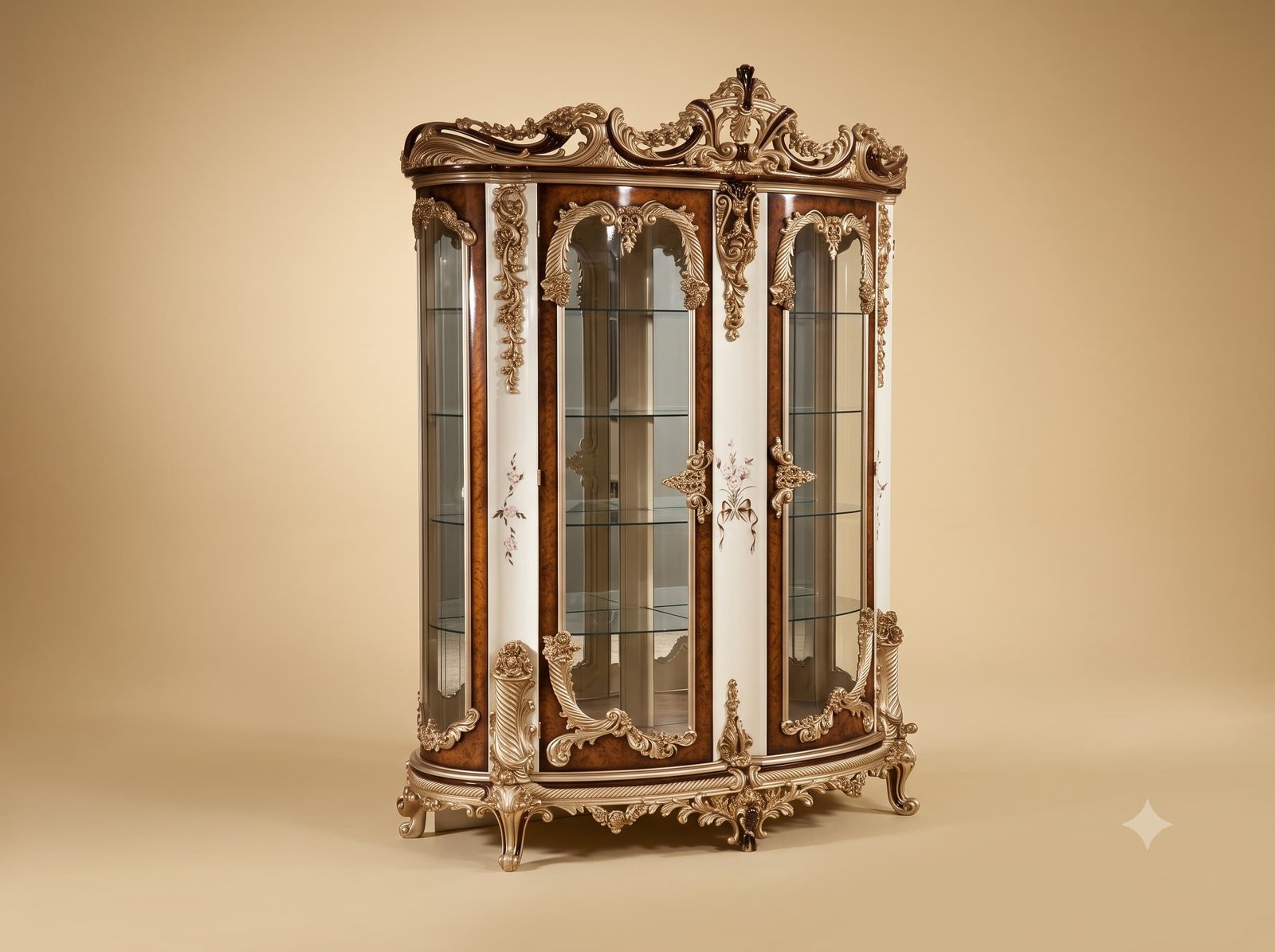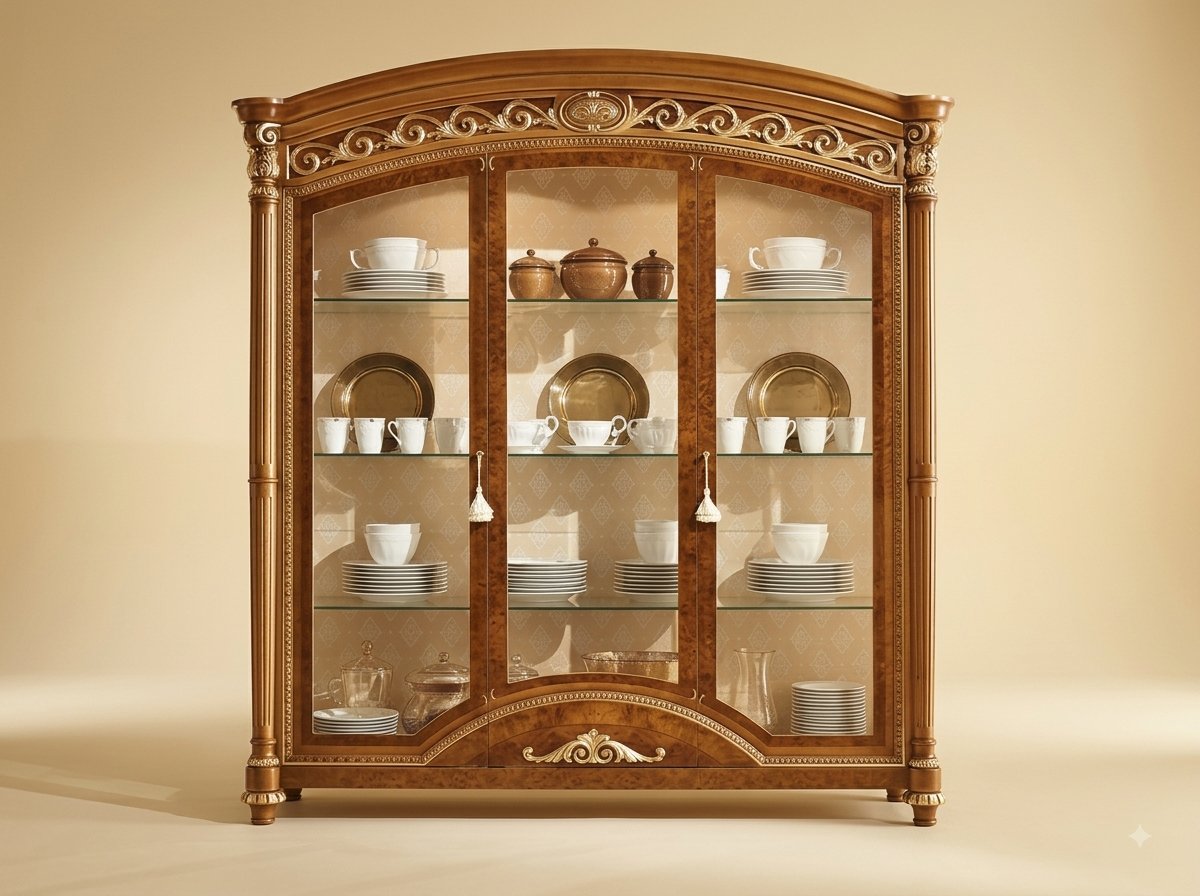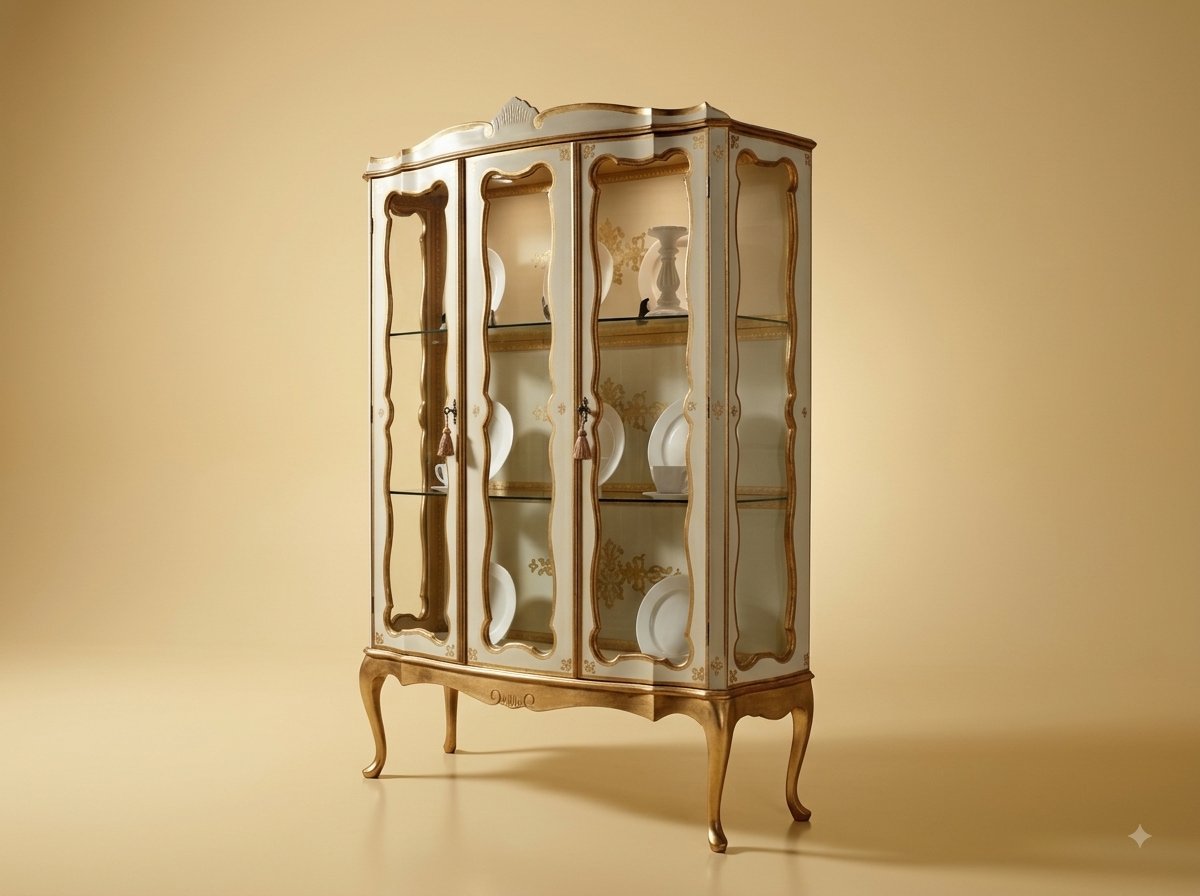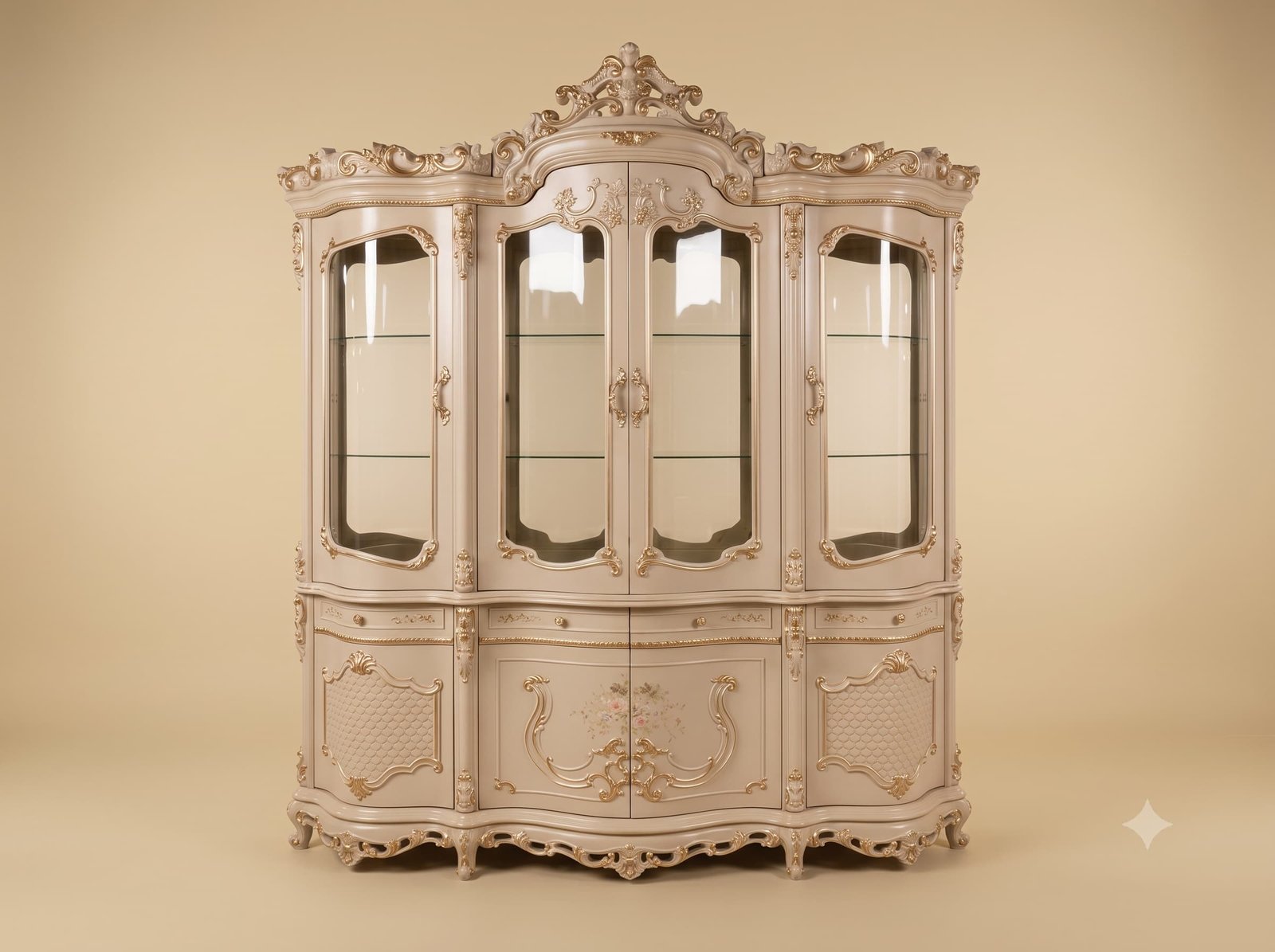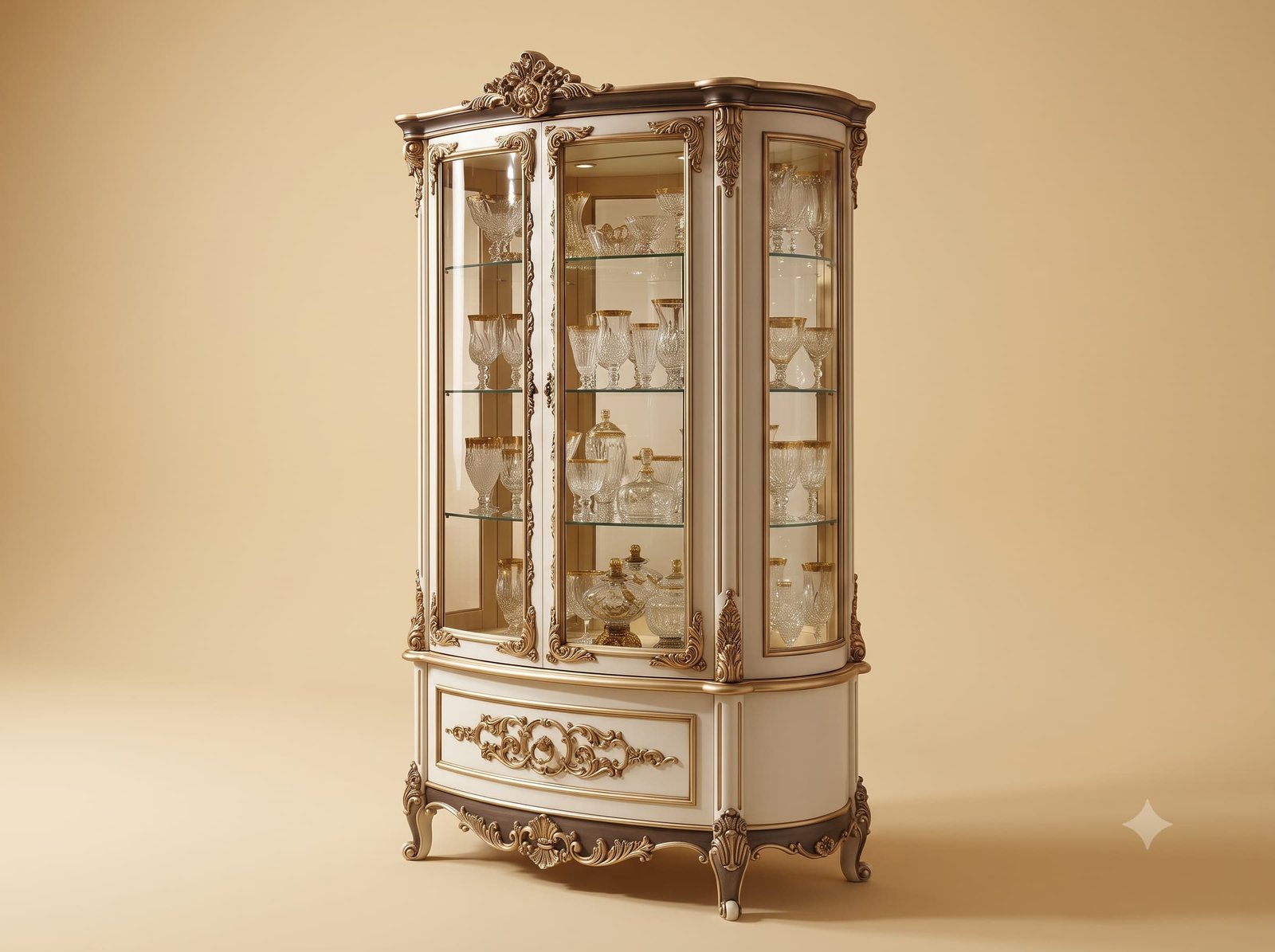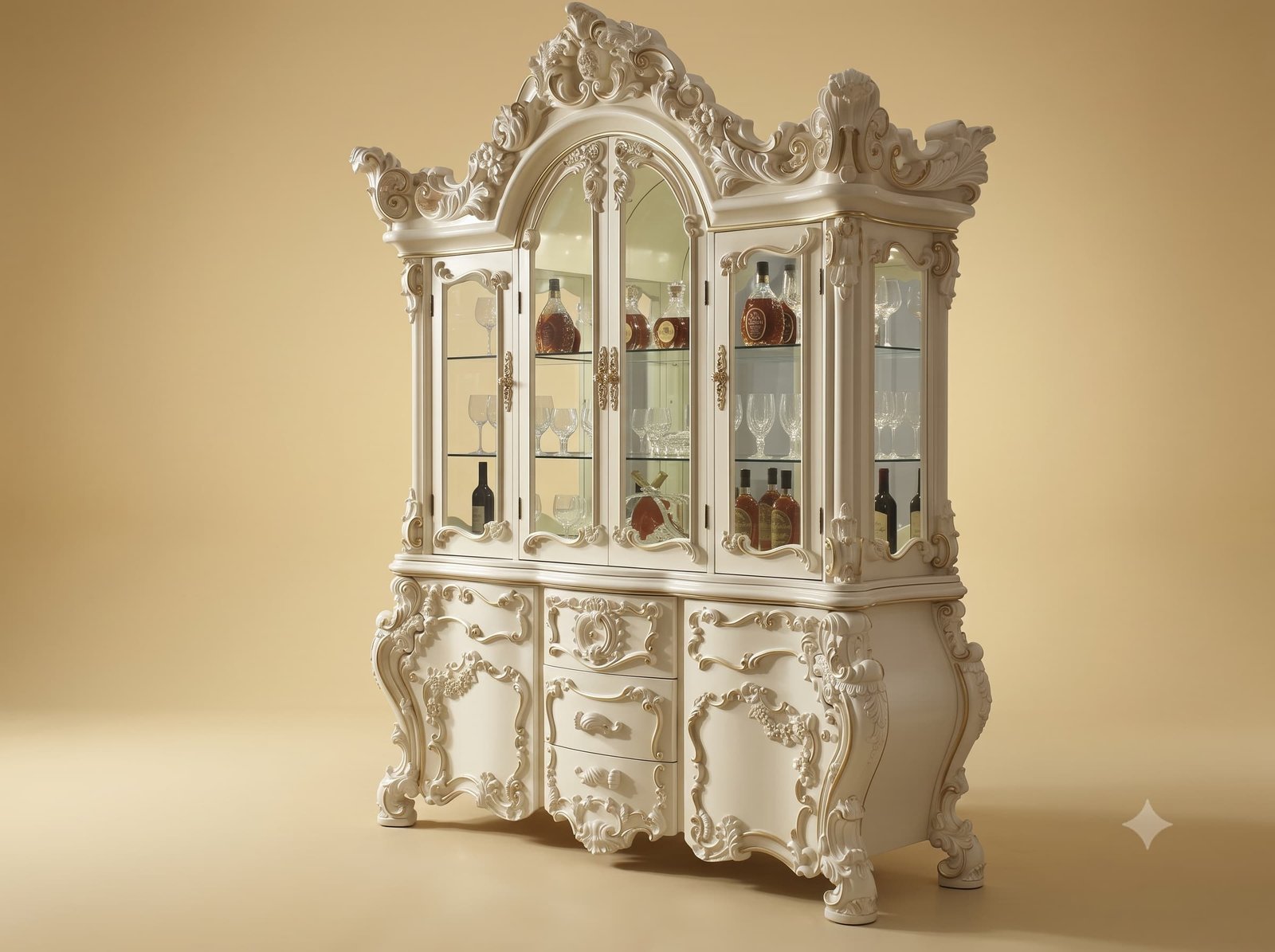
On a painted cabinet, any board will do. On this one, the boards are chosen before anything else happens.
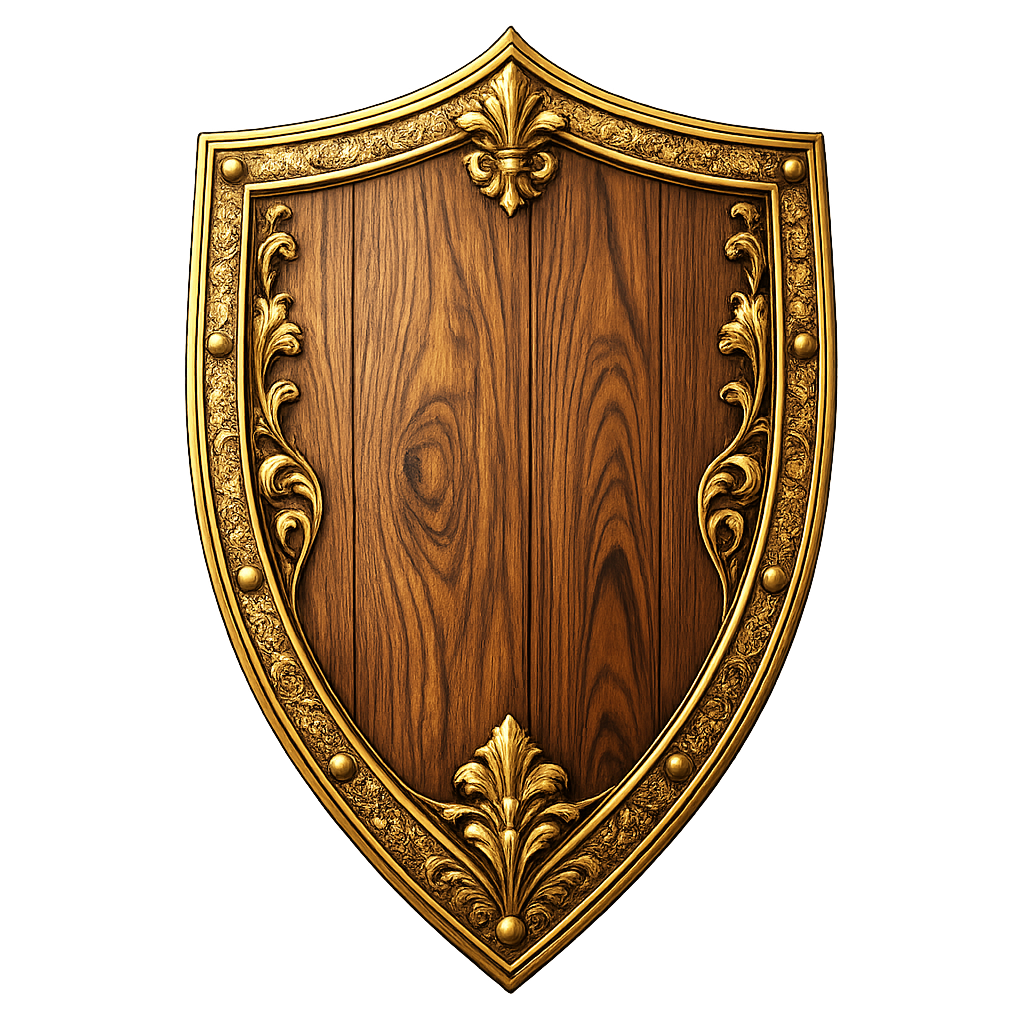
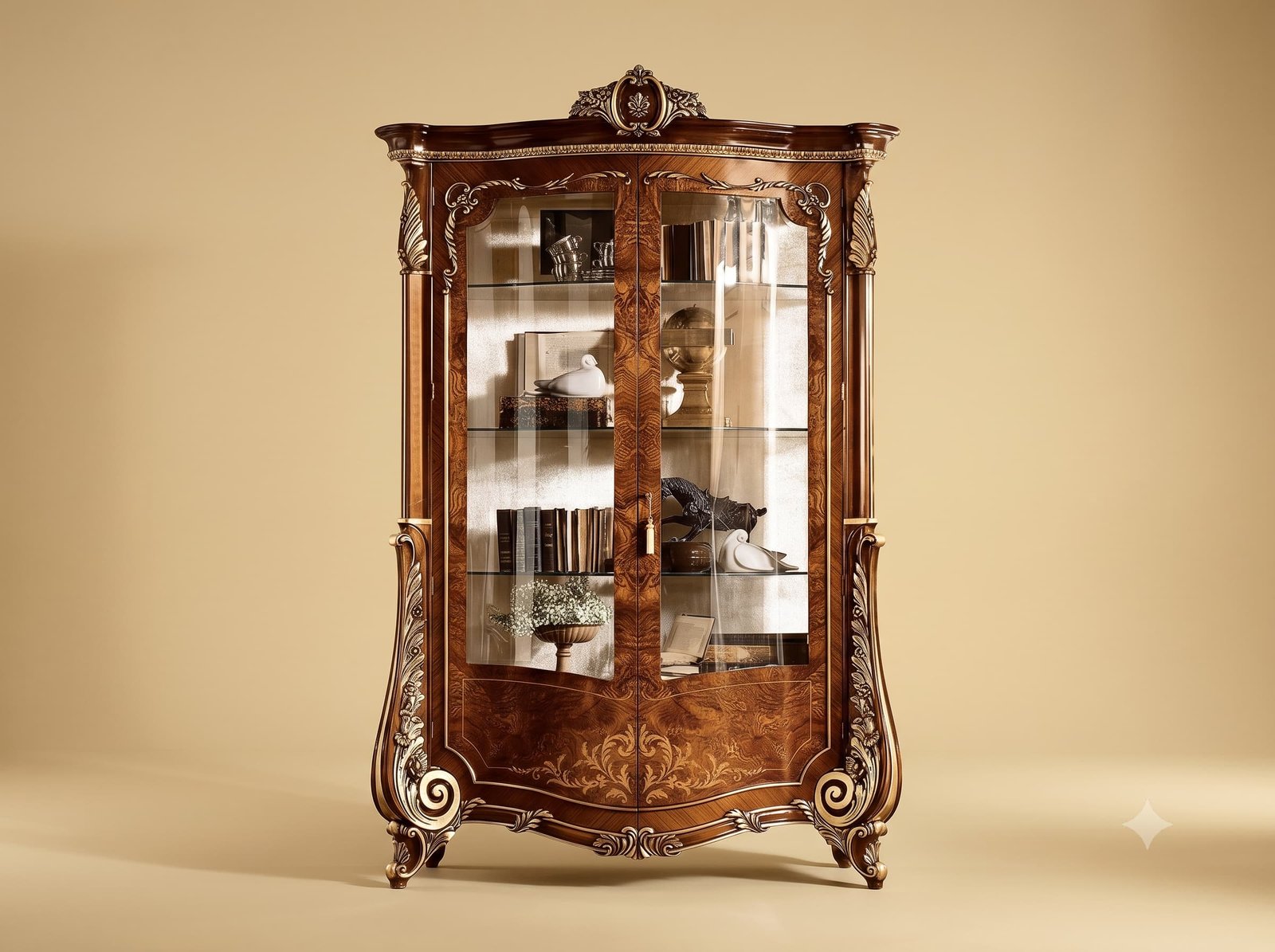
The two doors sit side by side with only a narrow meeting stile between them, so their grain is read as one image. If the two panels come from unrelated boards, the eye sees a join. If they come from adjacent boards in the same log, opened out like the pages of a book, the figure runs across the pair and the eye sees a single surface interrupted by a line.
So our artisans lay out the timber for the doors first, before the carcass is even jointed. Boards are set out on the bench, turned, paired, and rejected until a pair is found whose figure meets correctly at the centre. Only then is the wood cut to door size, and the offcuts from those same boards go to the lower panels so the cabinet stays consistent from top to bottom.
The carving is set out afterwards to suit the figure, not before. Where the grain is busiest, the carving is kept quiet.
 Ask Price On WhatsApp