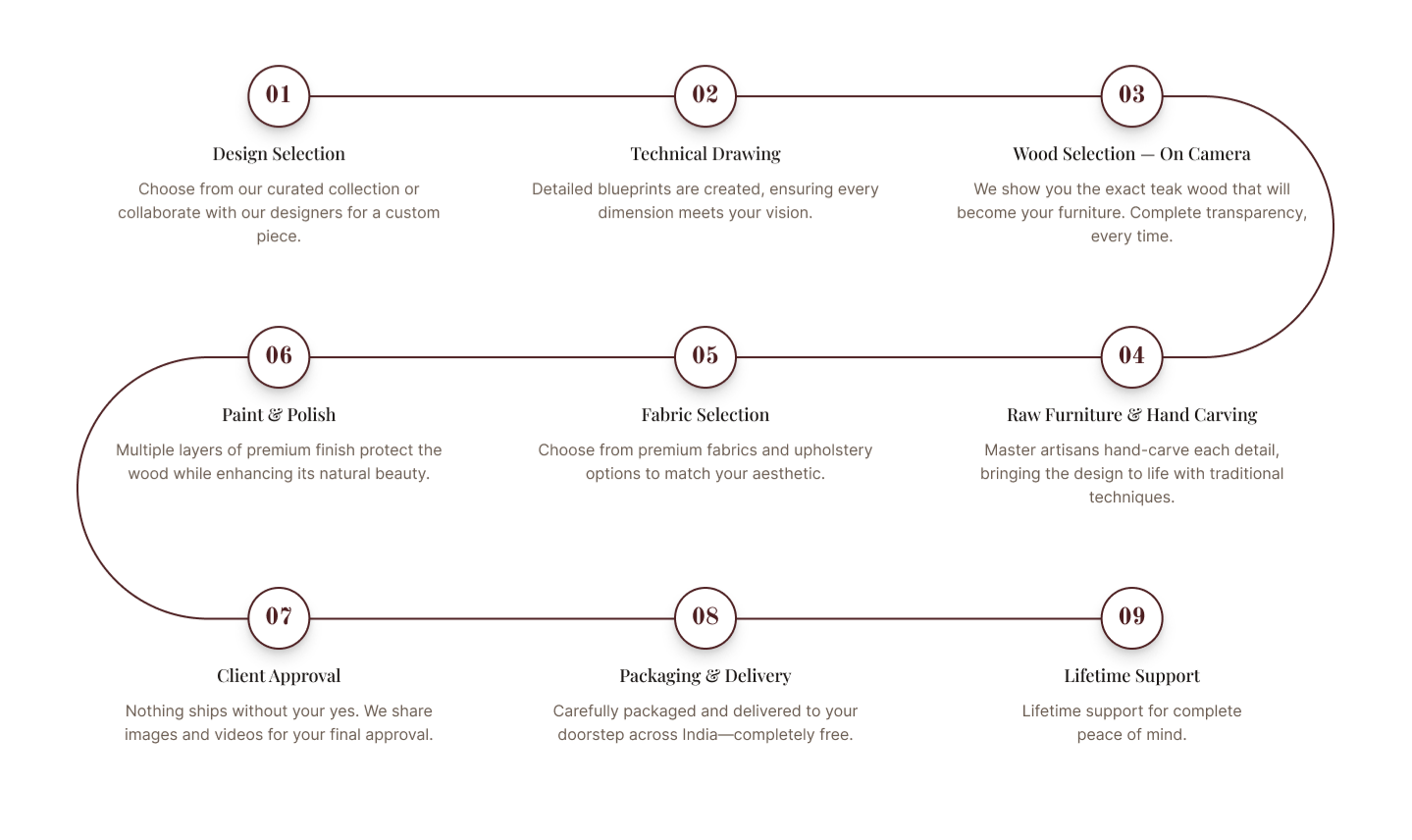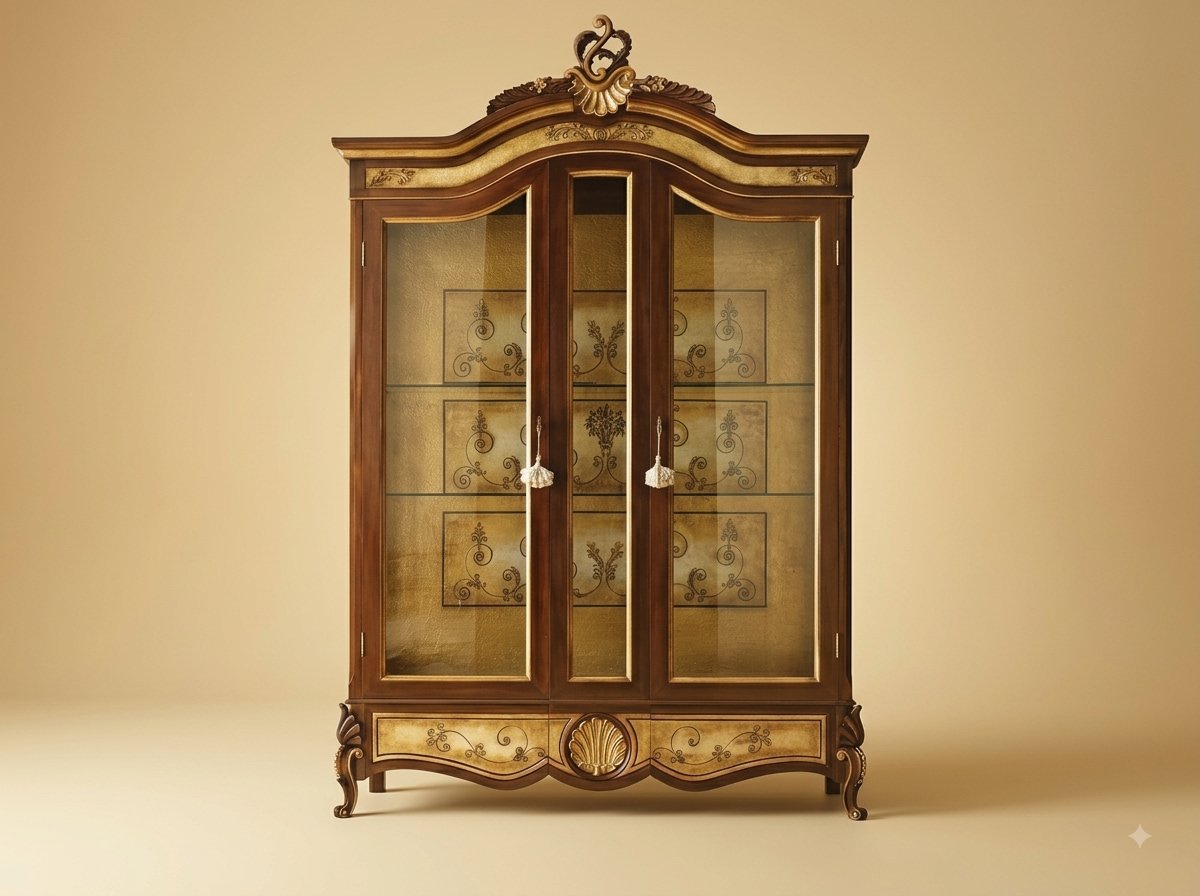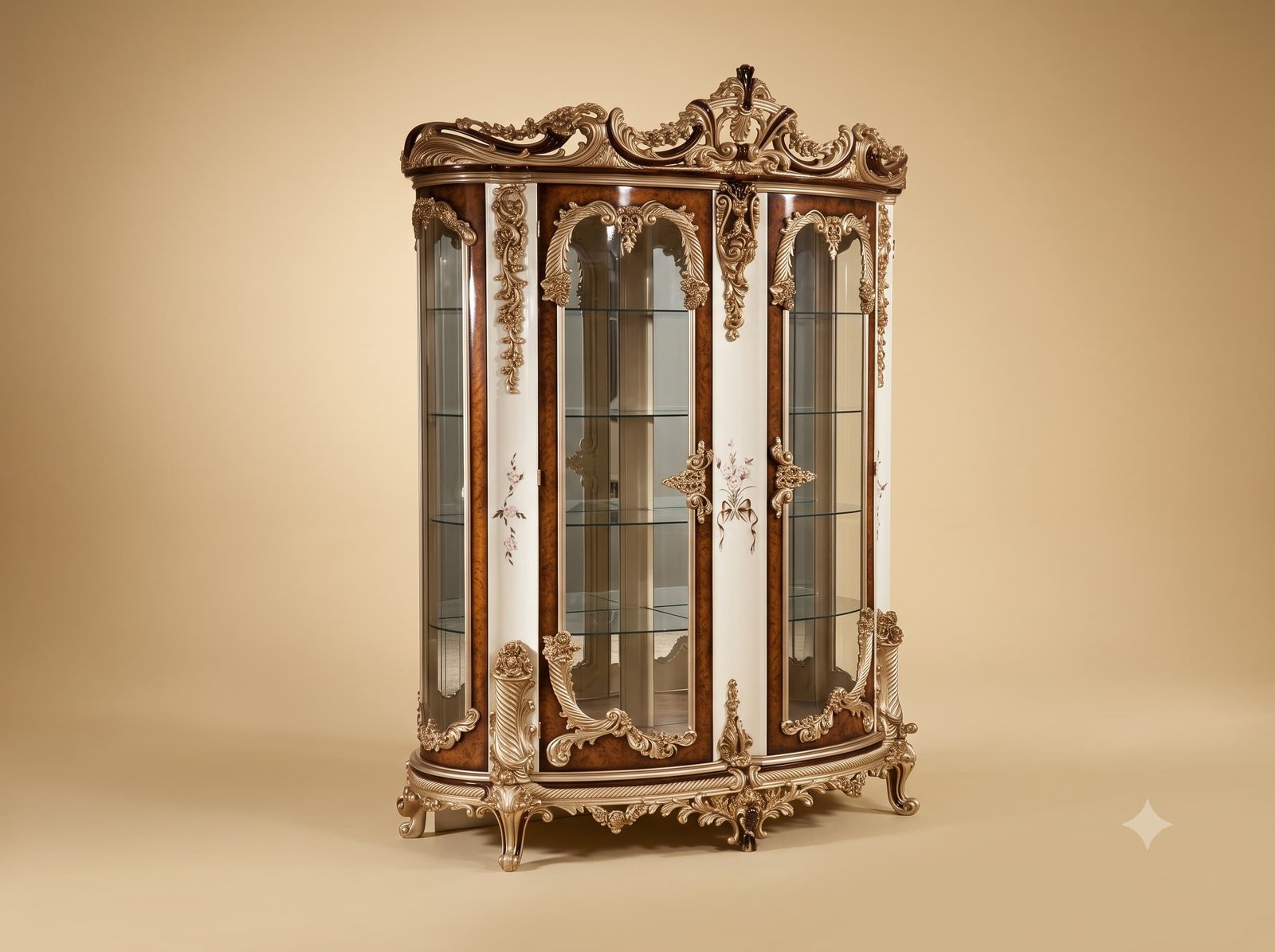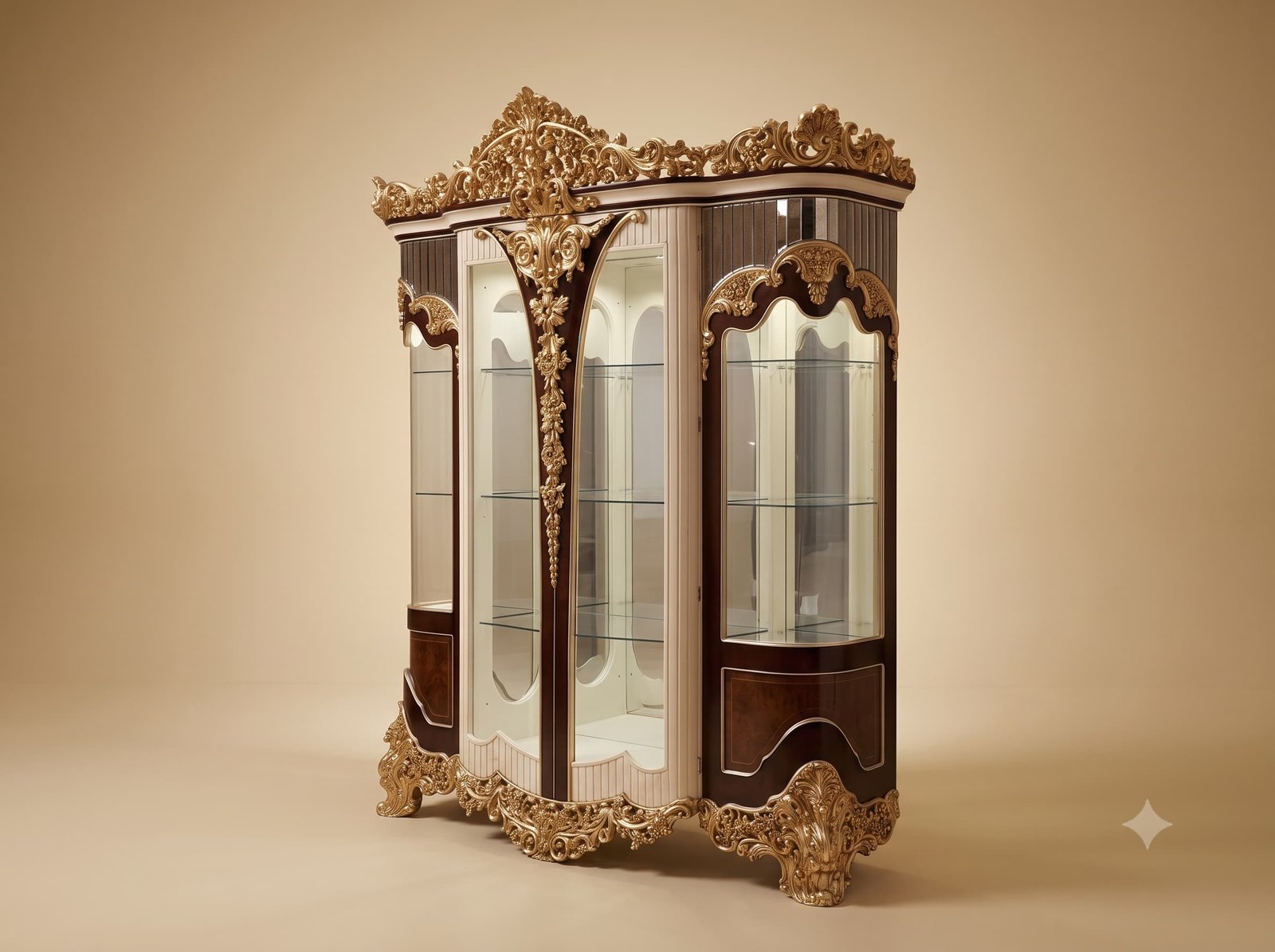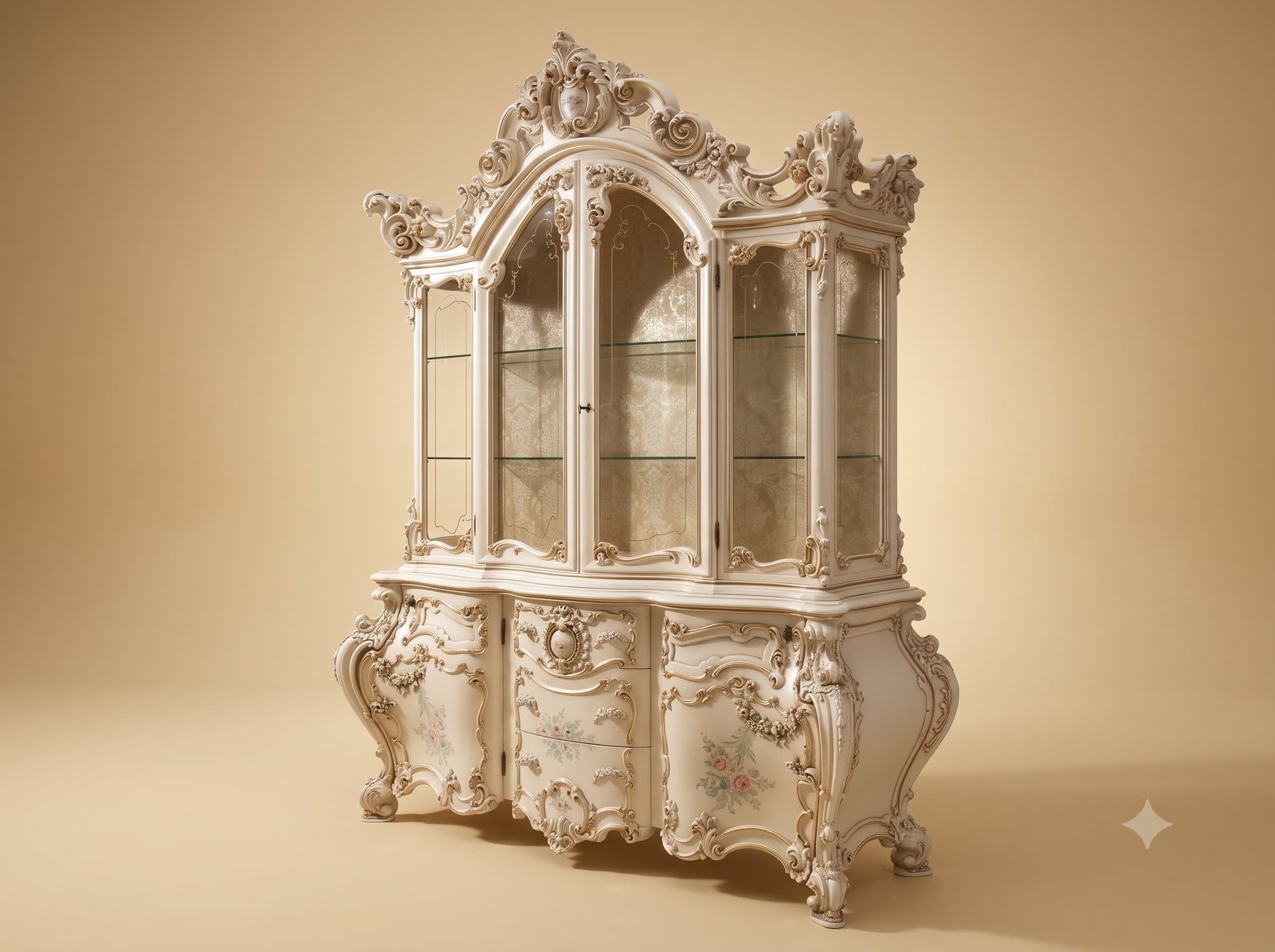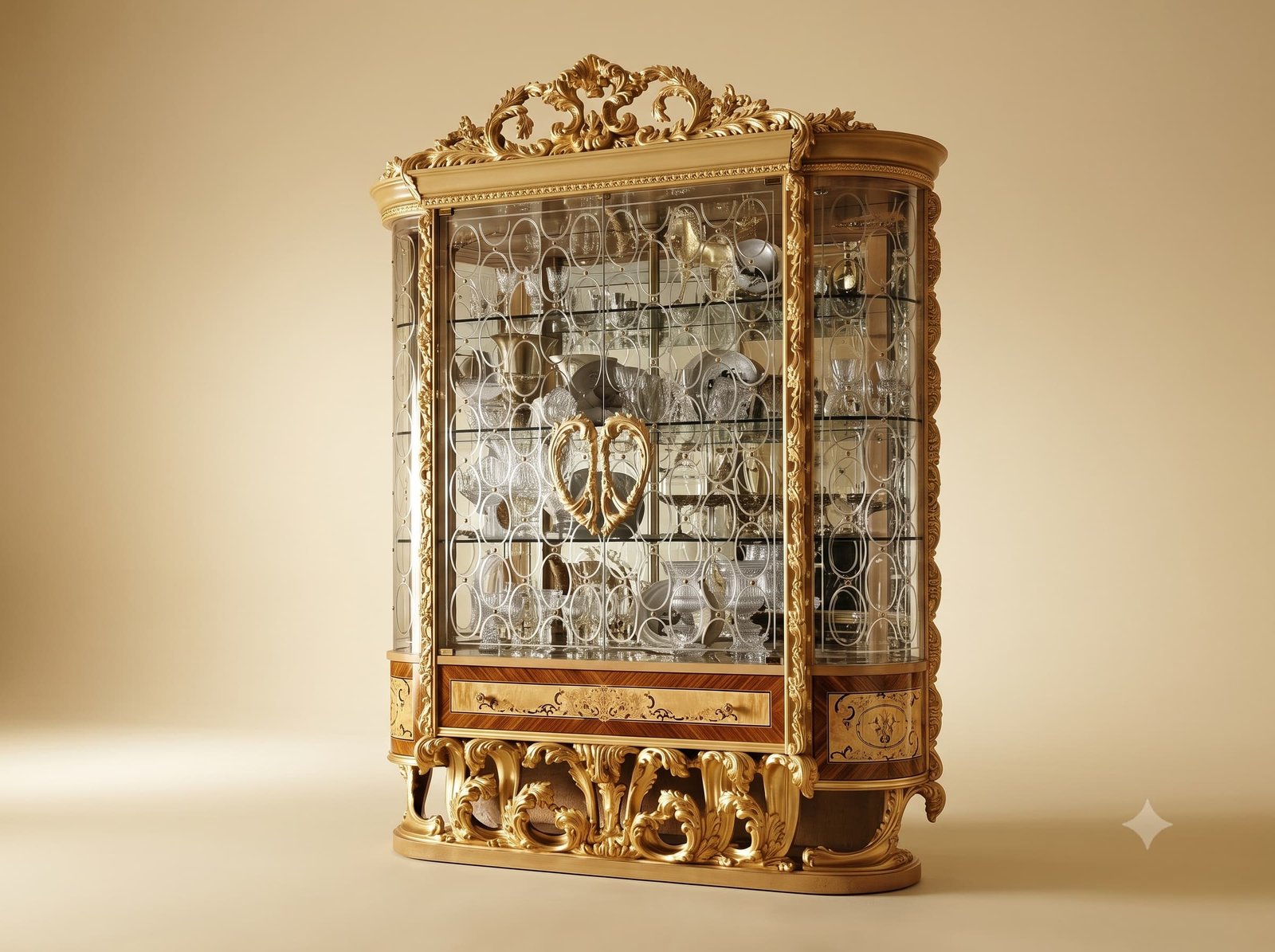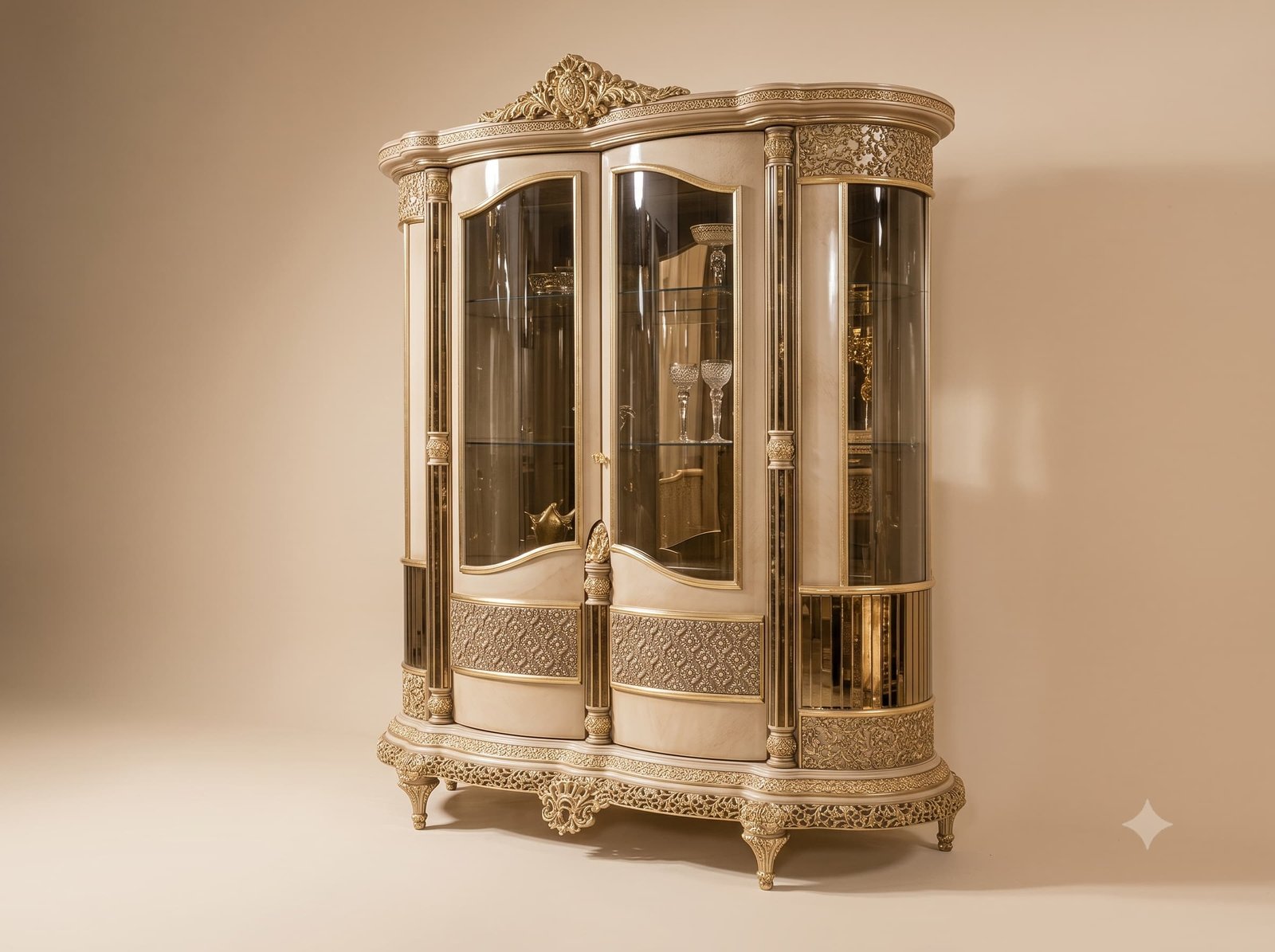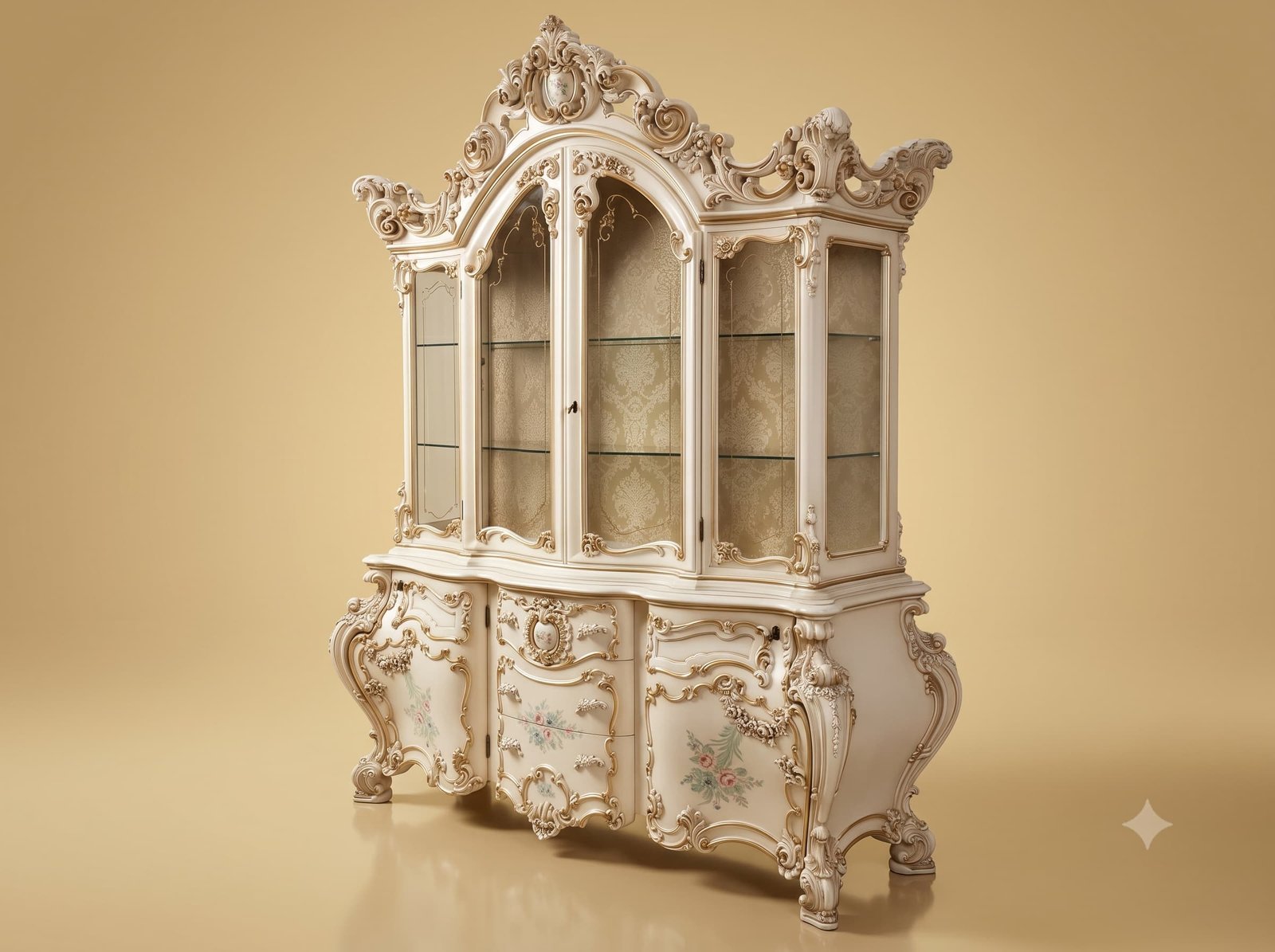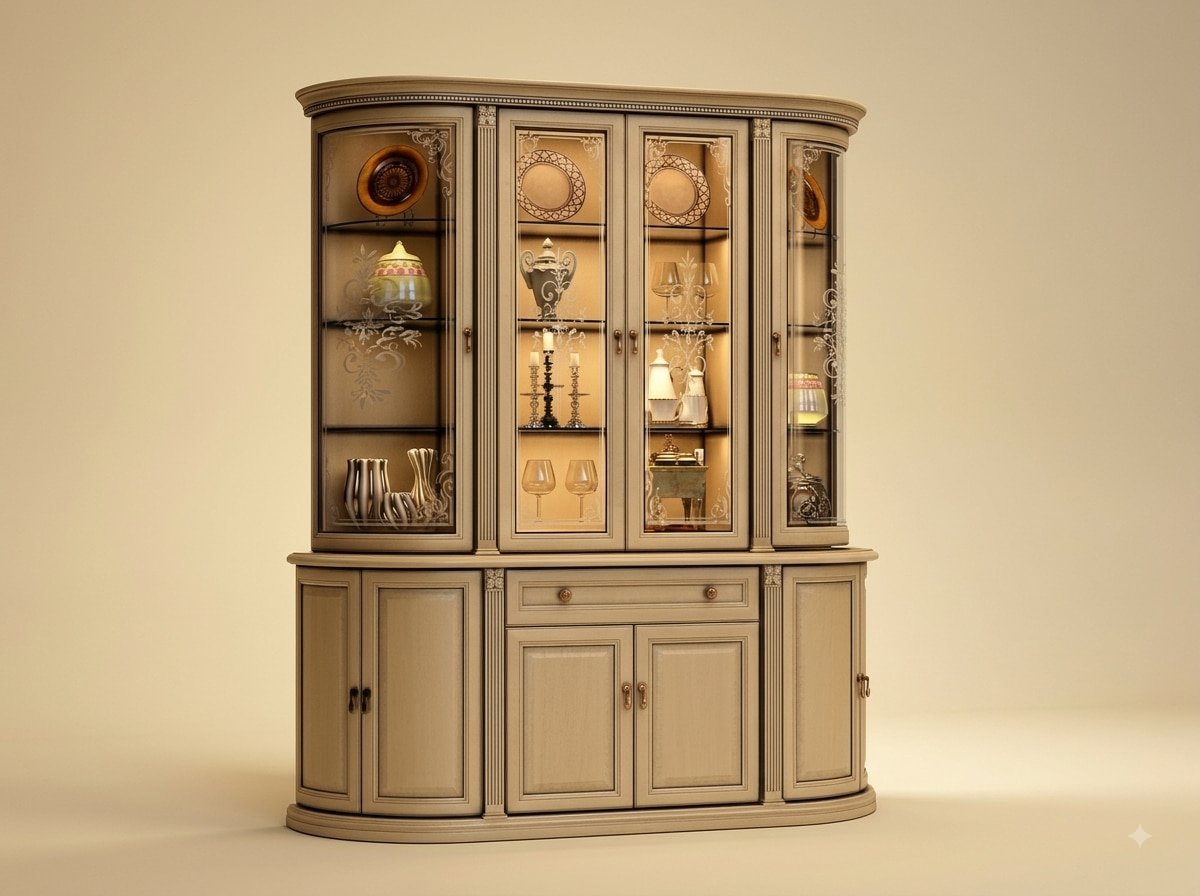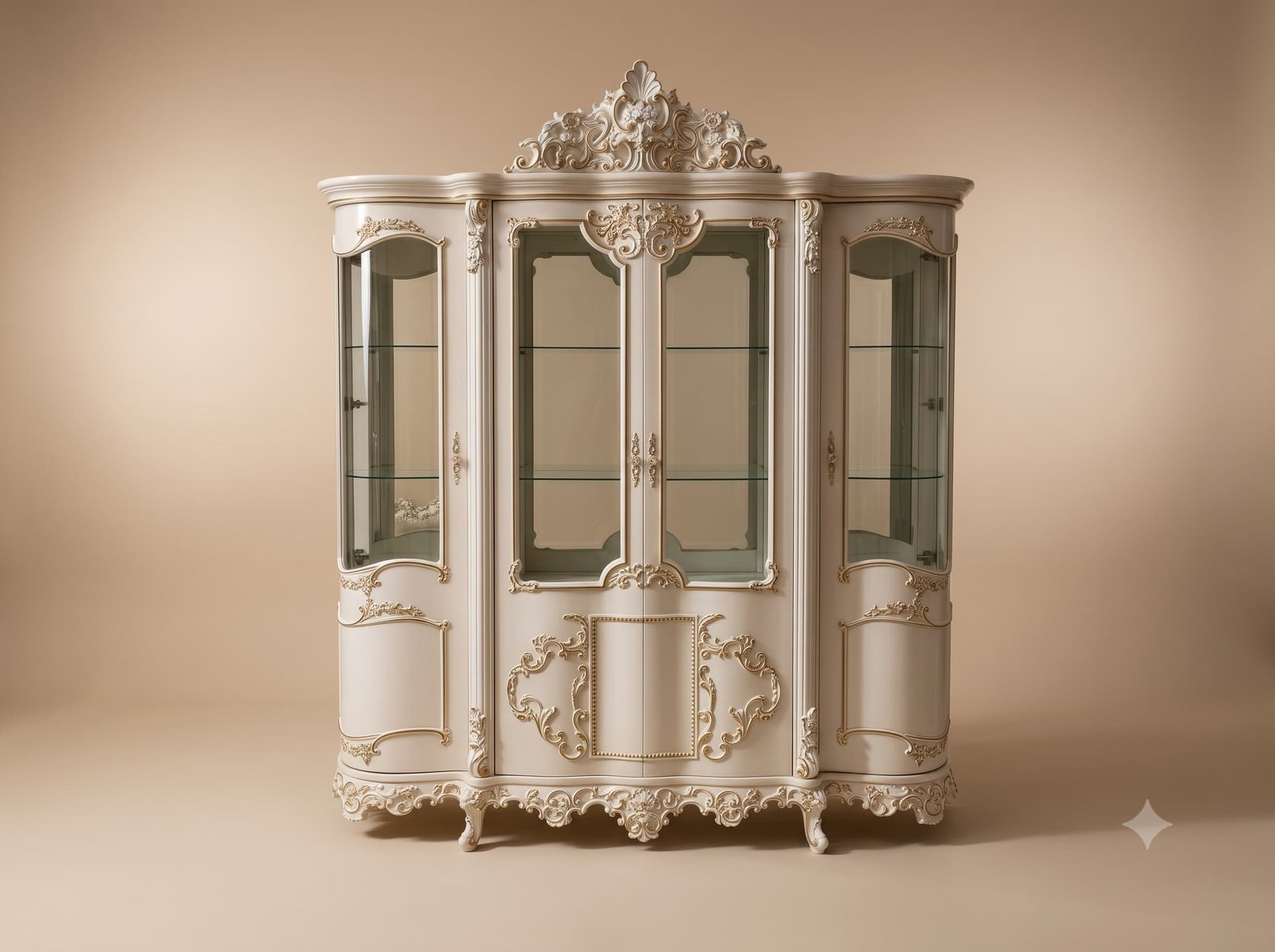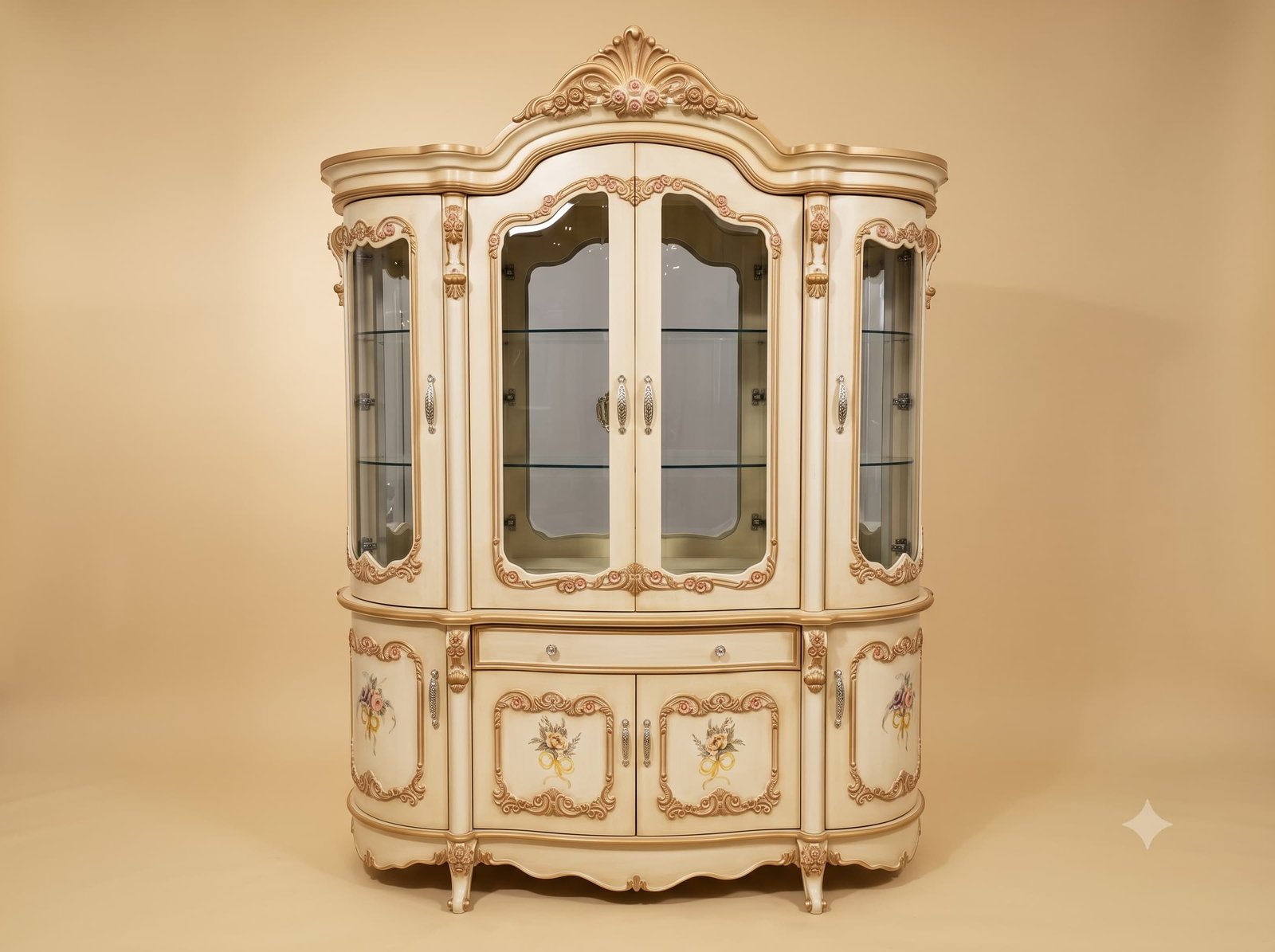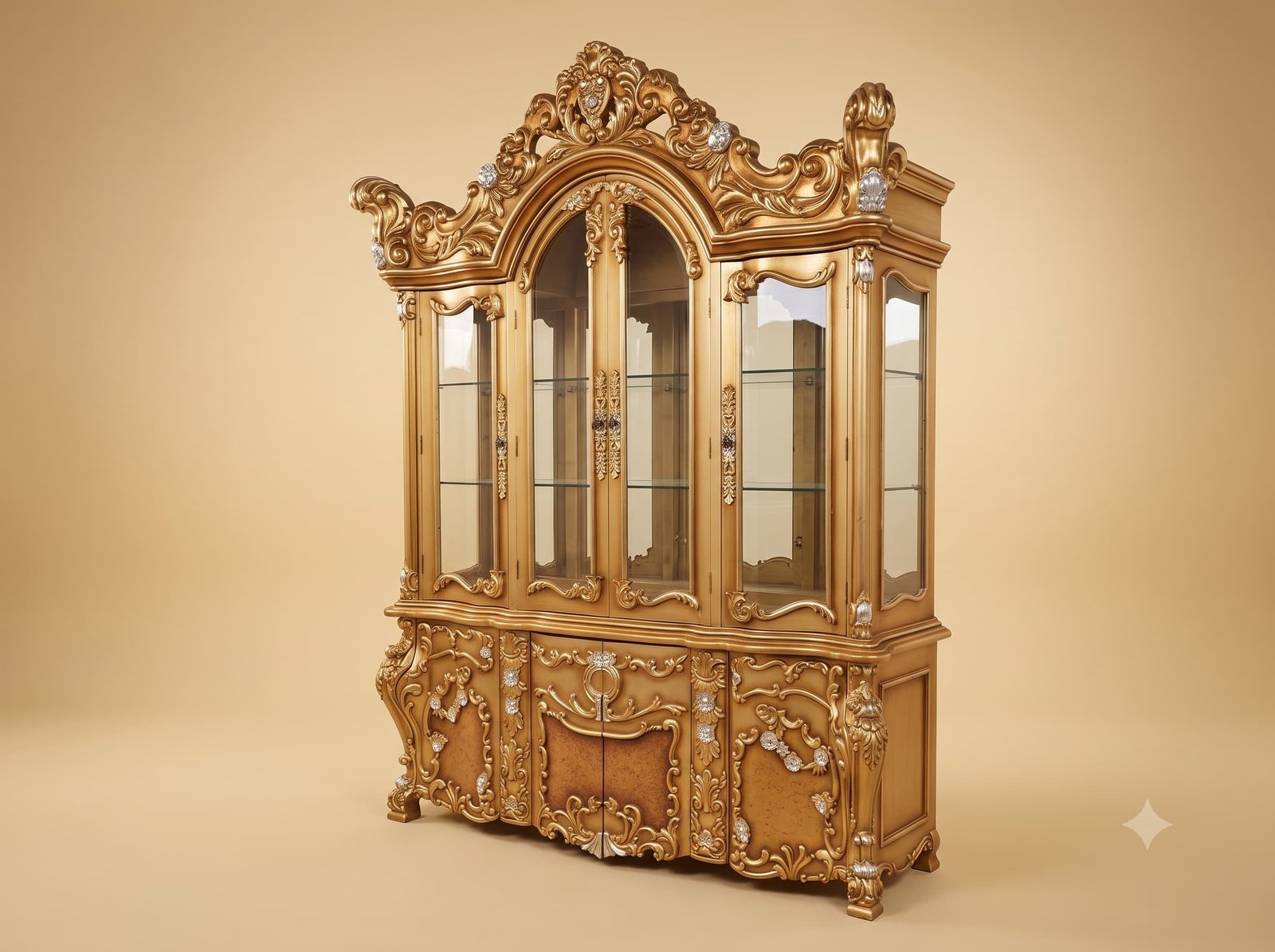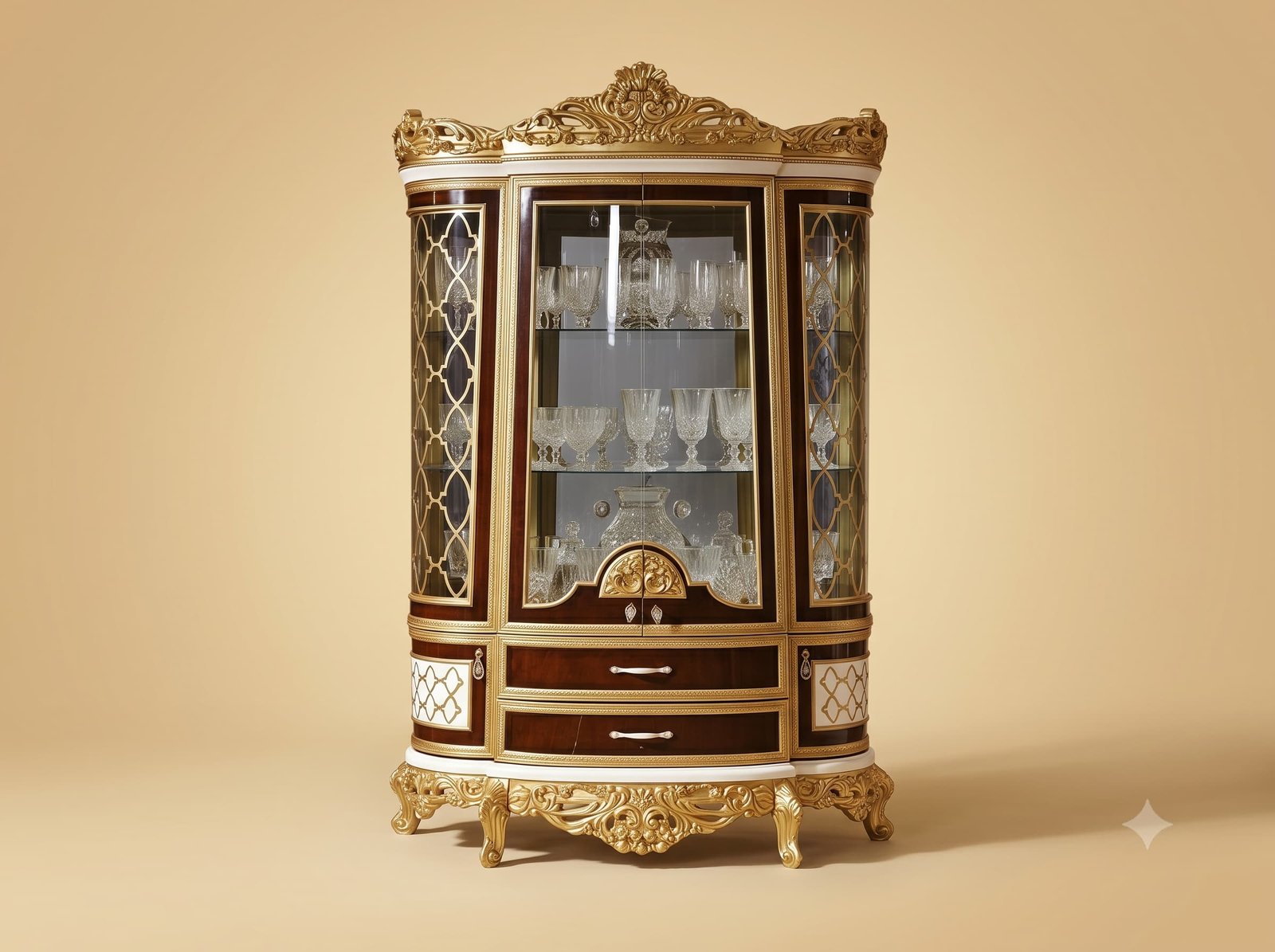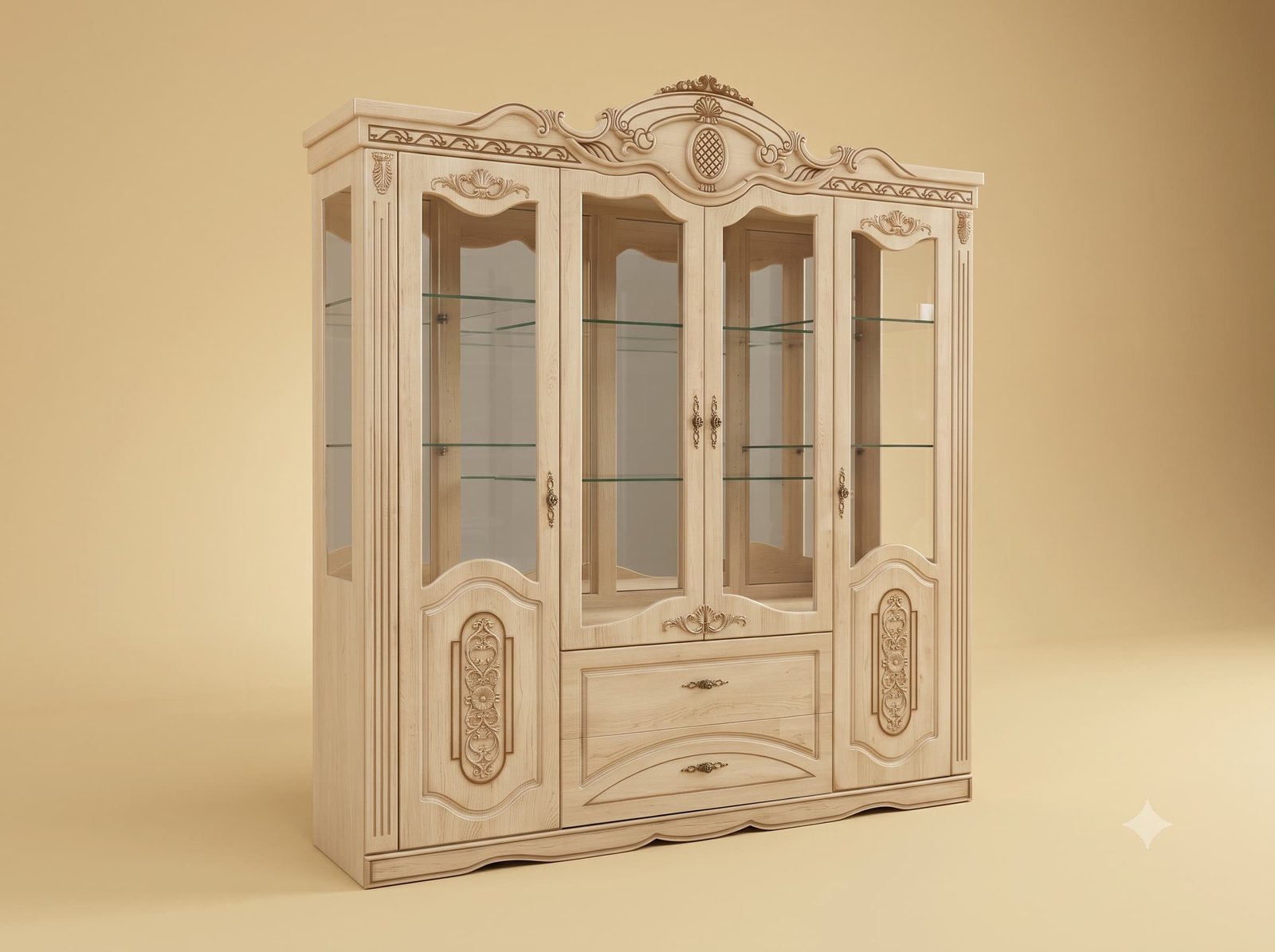
Glass in a door is never fixed to the door. It is held there, and how it is held decides what happens the day something breaks.
The quick way is to bed the pane in and pin or glue a moulding over it from the outside. It works, and it means a broken pane is a workshop job: the outer moulding has to be prised off the show face, which damages the finish, and often the door has to come off the cabinet to do it.
So our master Indian artisans glaze from the inside. The pane sits in a rebate cut into the back of the door frame, and a separately made bead is pinned in behind it - not glued. To replace a pane you open the door, lift out the bead with a thin blade, take out the glass, put the new pane in and press the bead back. The show face of the door is never touched, the door never leaves its hinges, and the finish is never disturbed.
The same detail also lets the pane be re-bedded if the timber ever needs easing, which matters over decades.
None of it is visible in the finished cabinet. That is rather the point: the decisions that matter most in furniture are usually the ones you cannot see until something goes wrong.
 Ask Price On WhatsApp