Carving and painting on the same door have to be kept apart, and the reason is that each ruins the other where they meet.
Paint a carved surface and the colour runs into the recesses. Wherever the carving is deep, the paint pools and dries darker, so the hollows read as shadows that are not shadows and the modelling turns muddy. From a distance it looks like the carving needs cleaning, which it never will again.
Carve through a painted surface and the opposite happens: every cut breaks the paint film and exposes bare timber at the arris, so the crisp edges - the whole point of carving - show as pale lines.
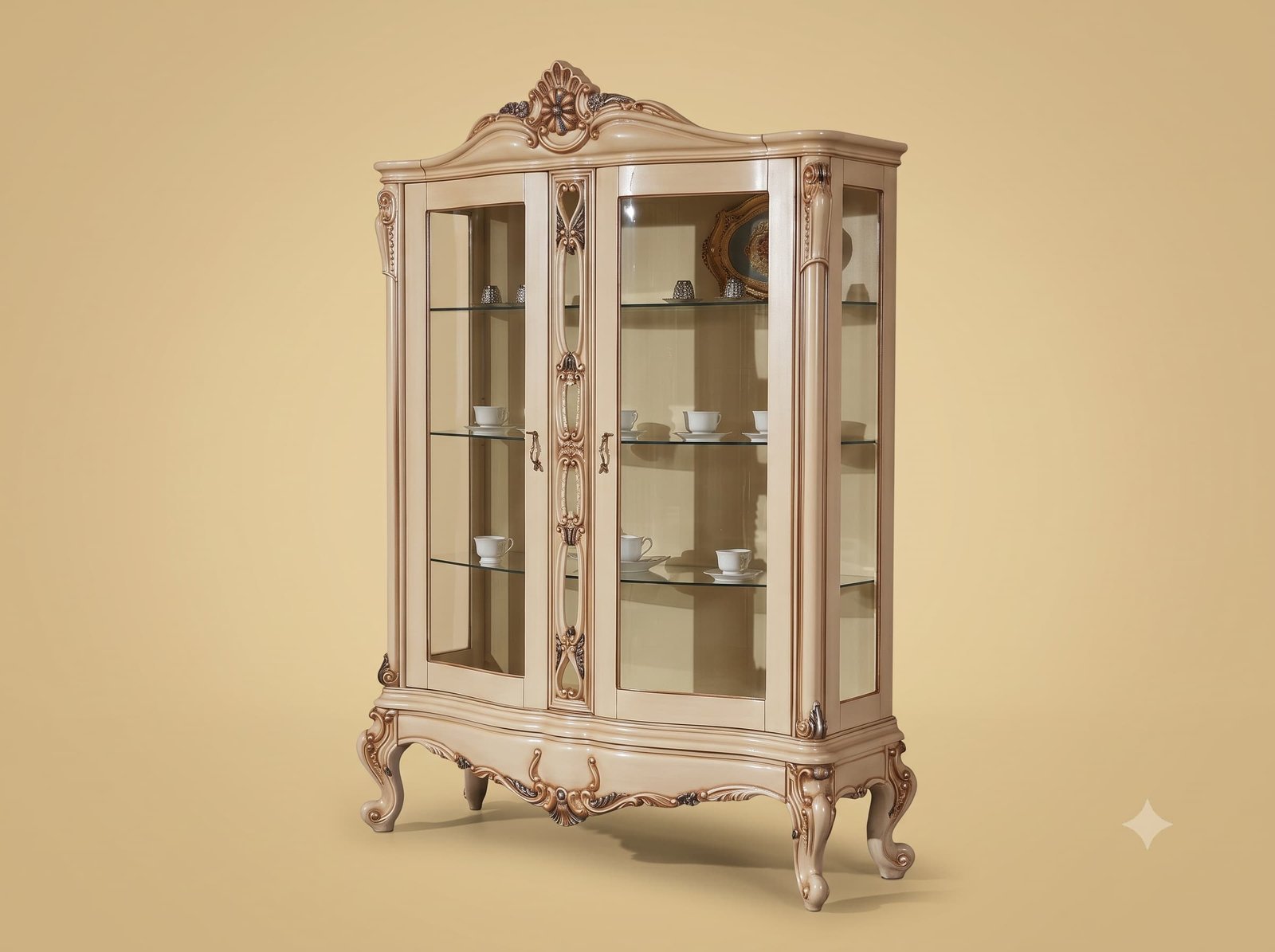
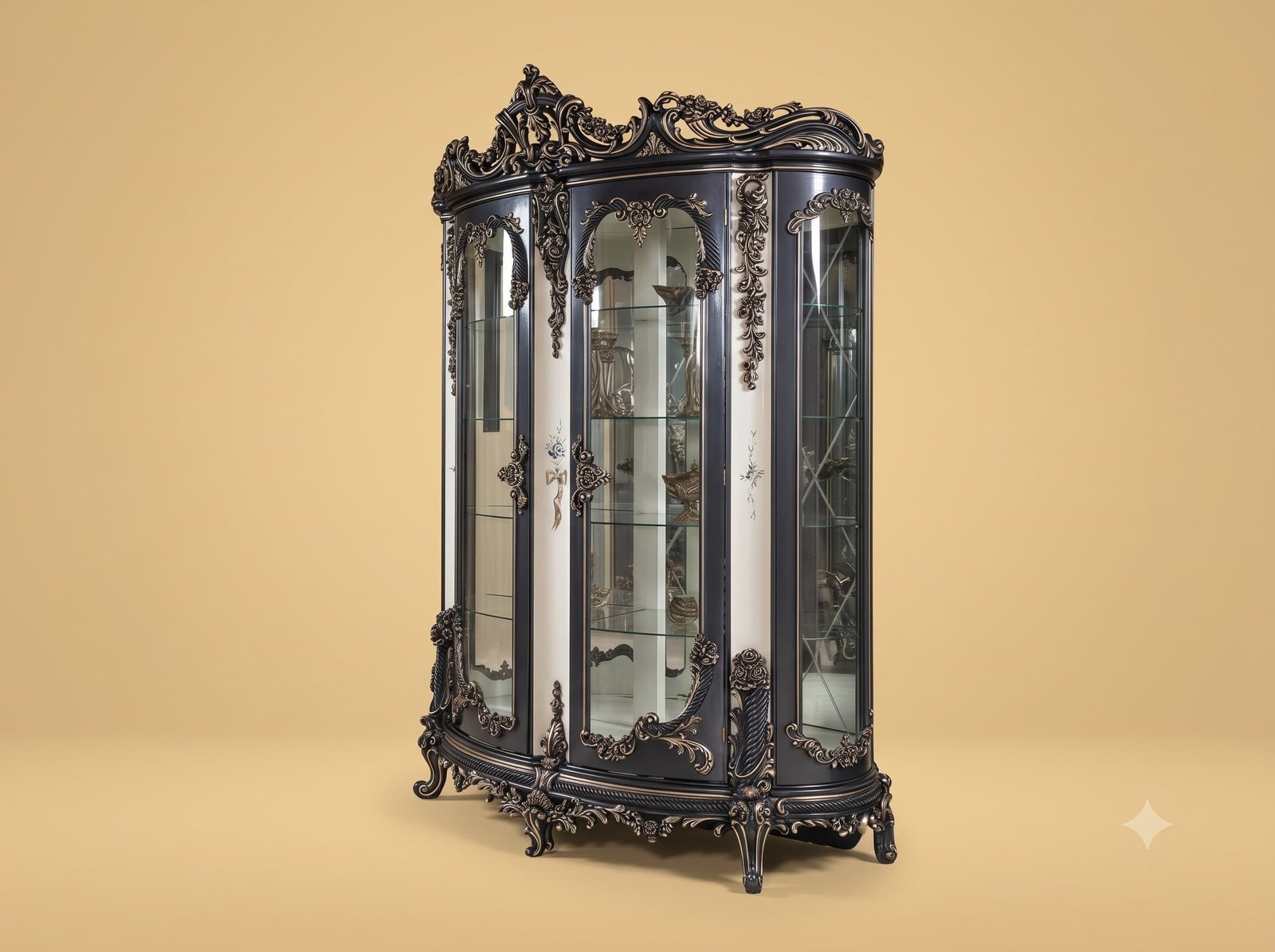
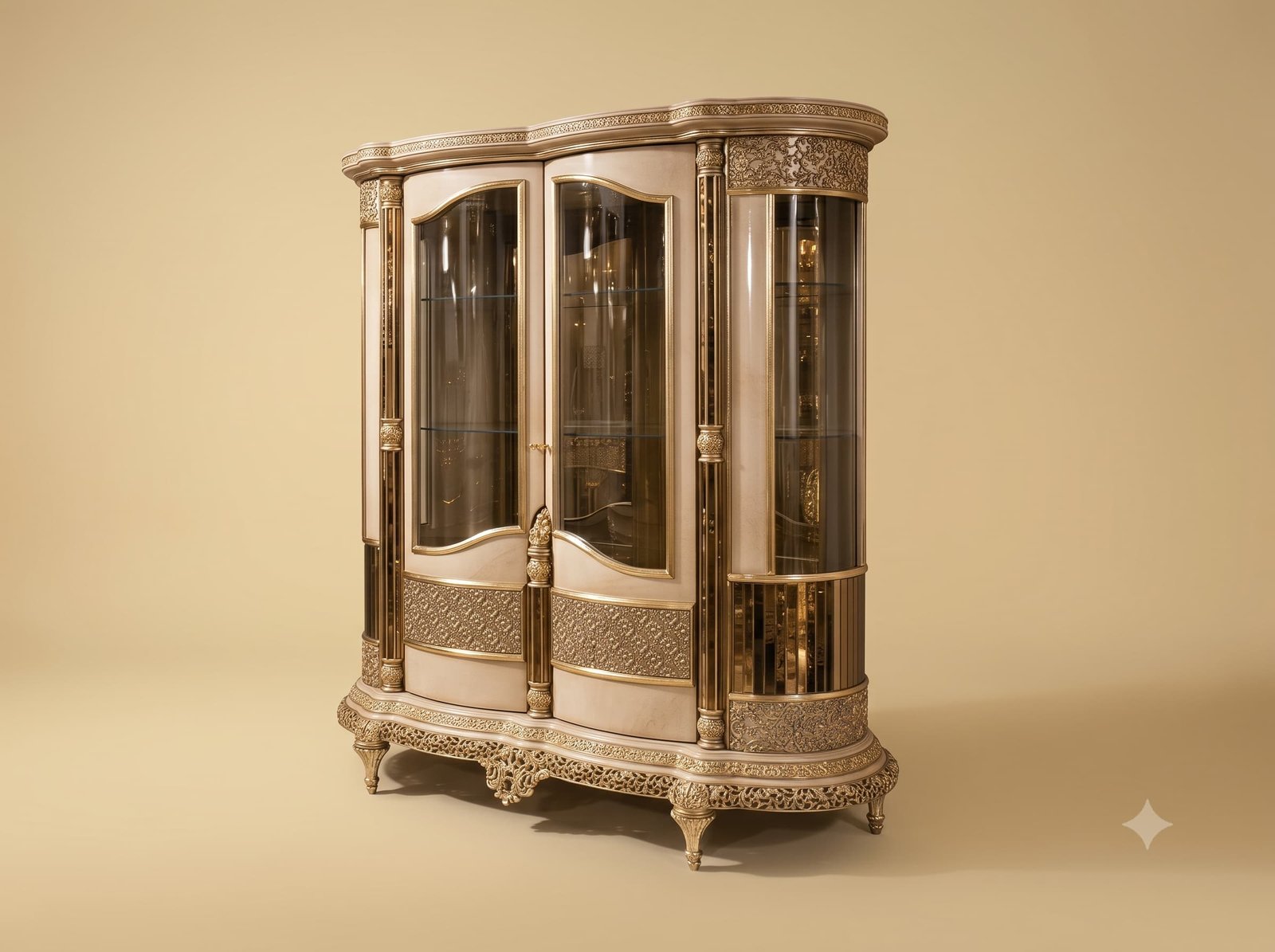
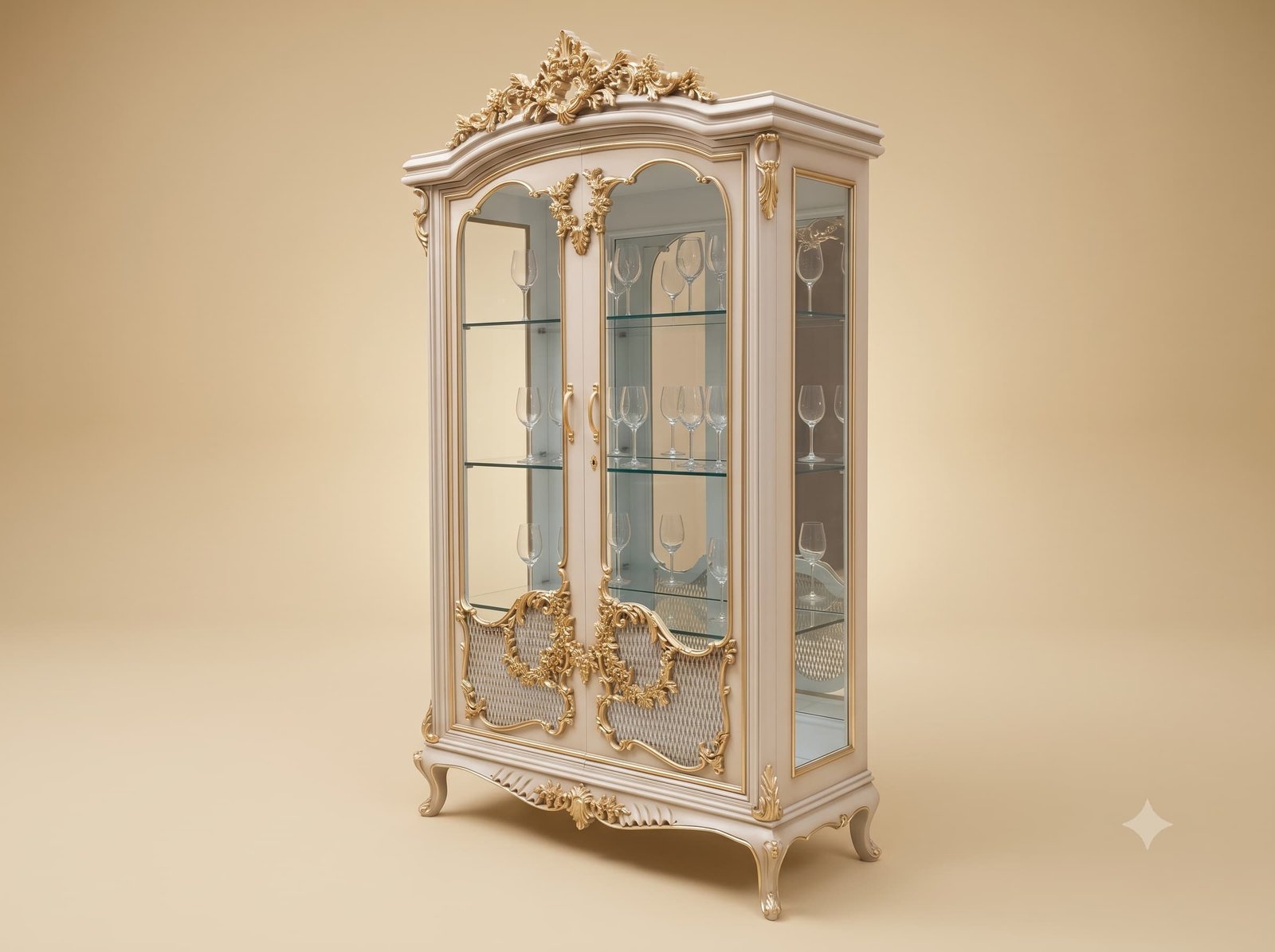
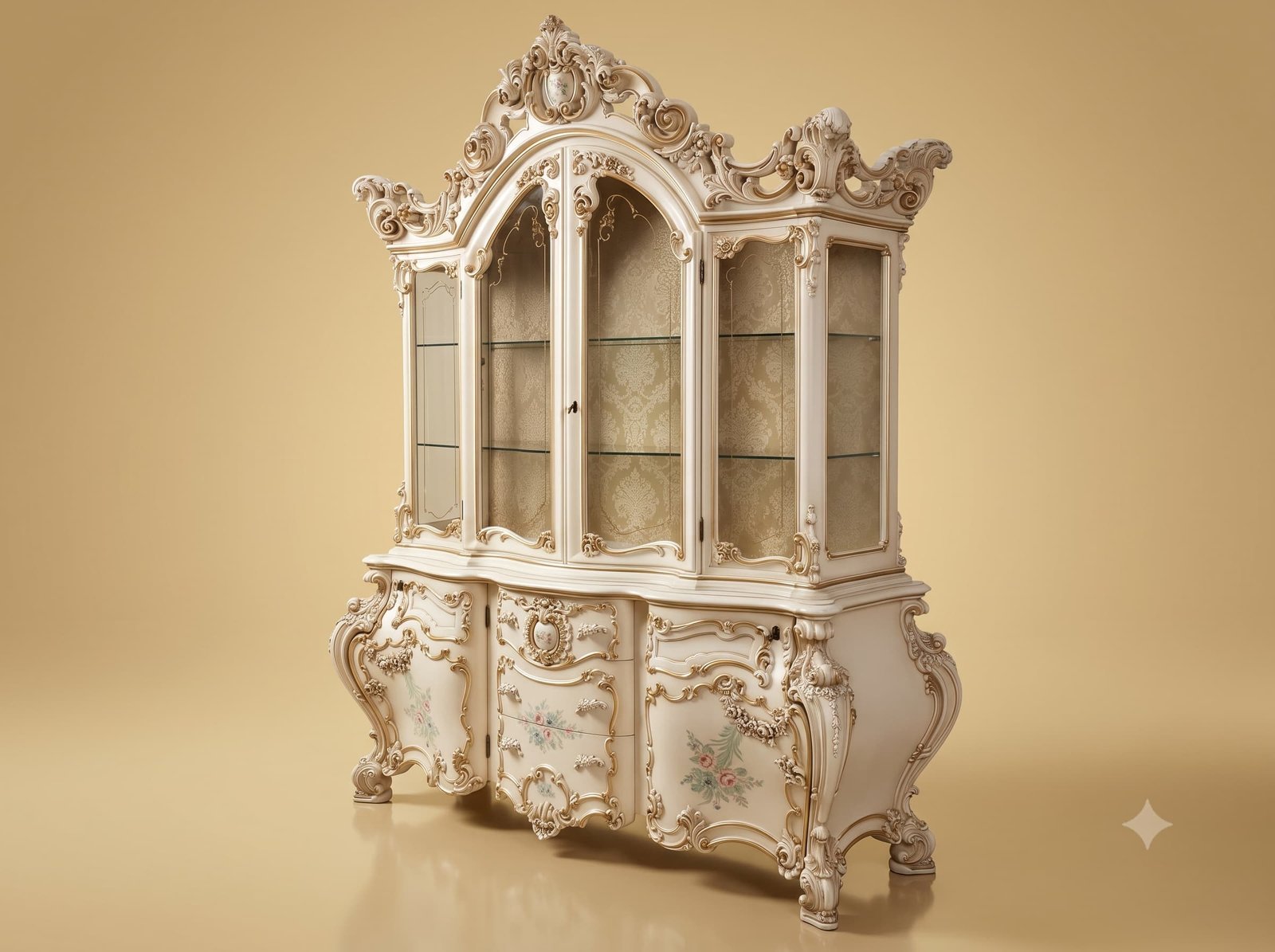
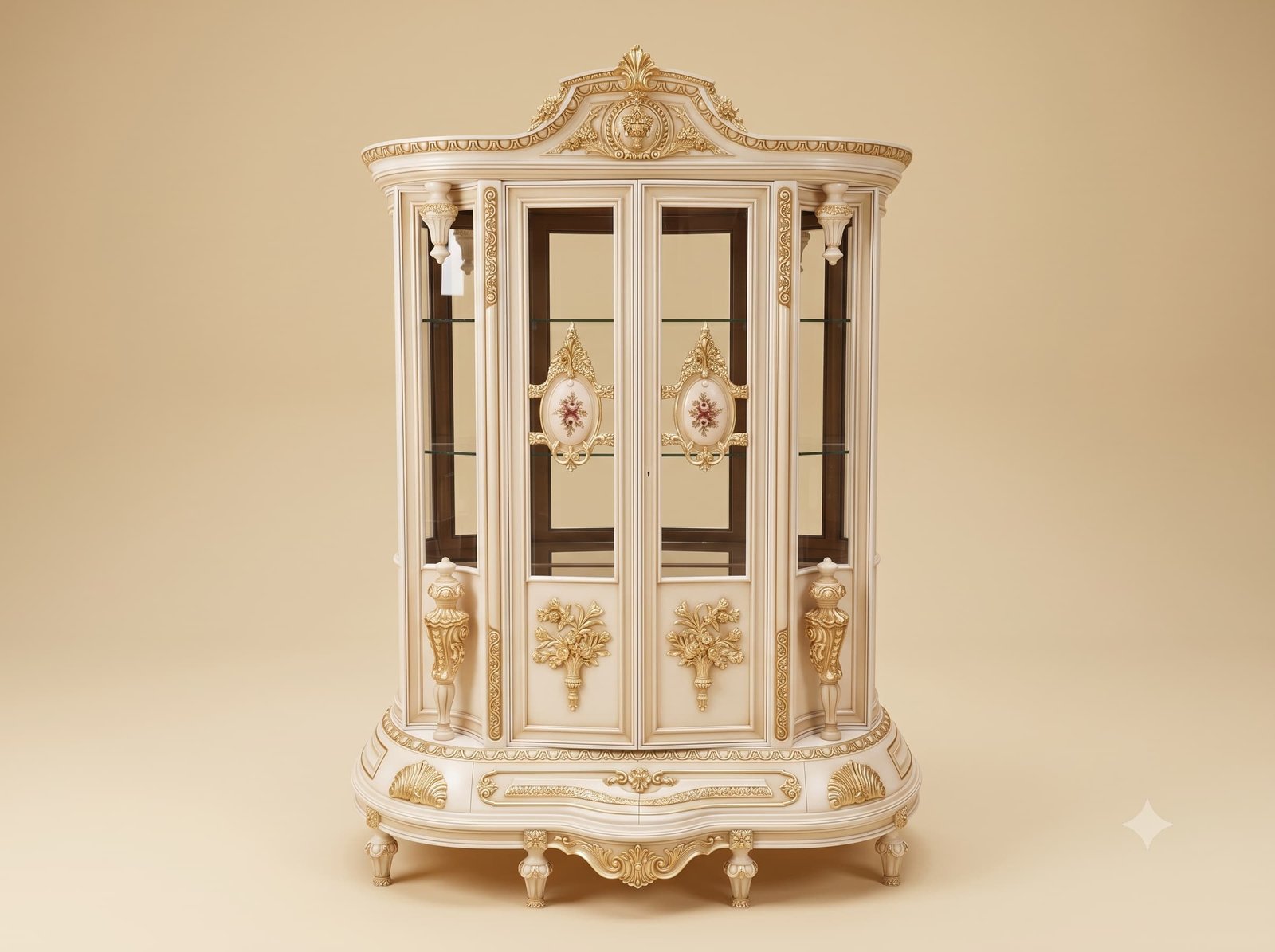
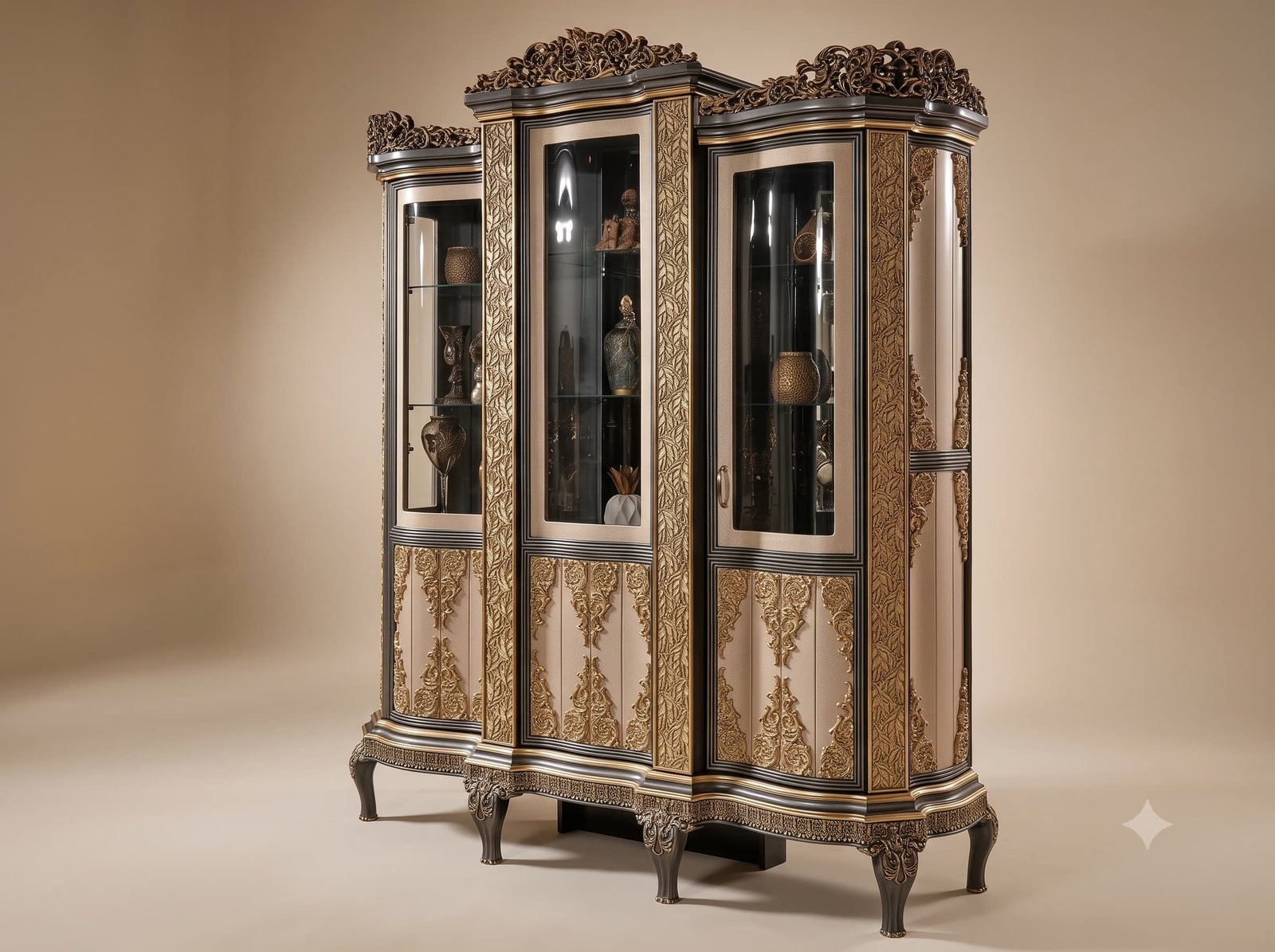
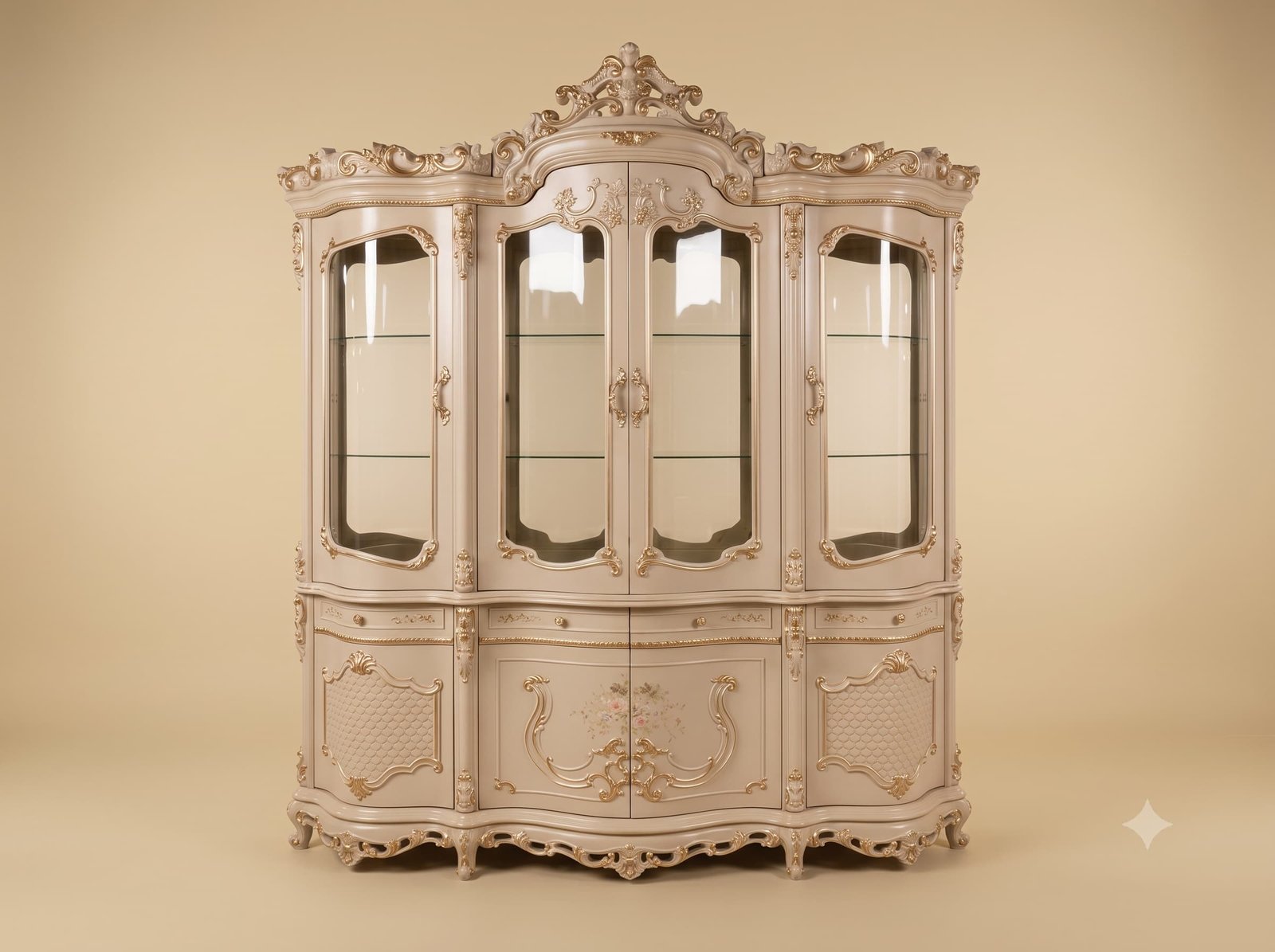
So our master Indian artisans divide the door before either is begun. Carving takes the perimeter, where relief and shadow do the work; painting takes the flat field in the middle, where a brush can be laid down cleanly and lifted without touching an edge. The two never occupy the same square inch.
On this cabinet you can see the rule applied twice: lattice carving at the outer doors, a painted spray on the flat centre panel of the middle one. Neither has been asked to be the other.
 Ask Price On WhatsApp