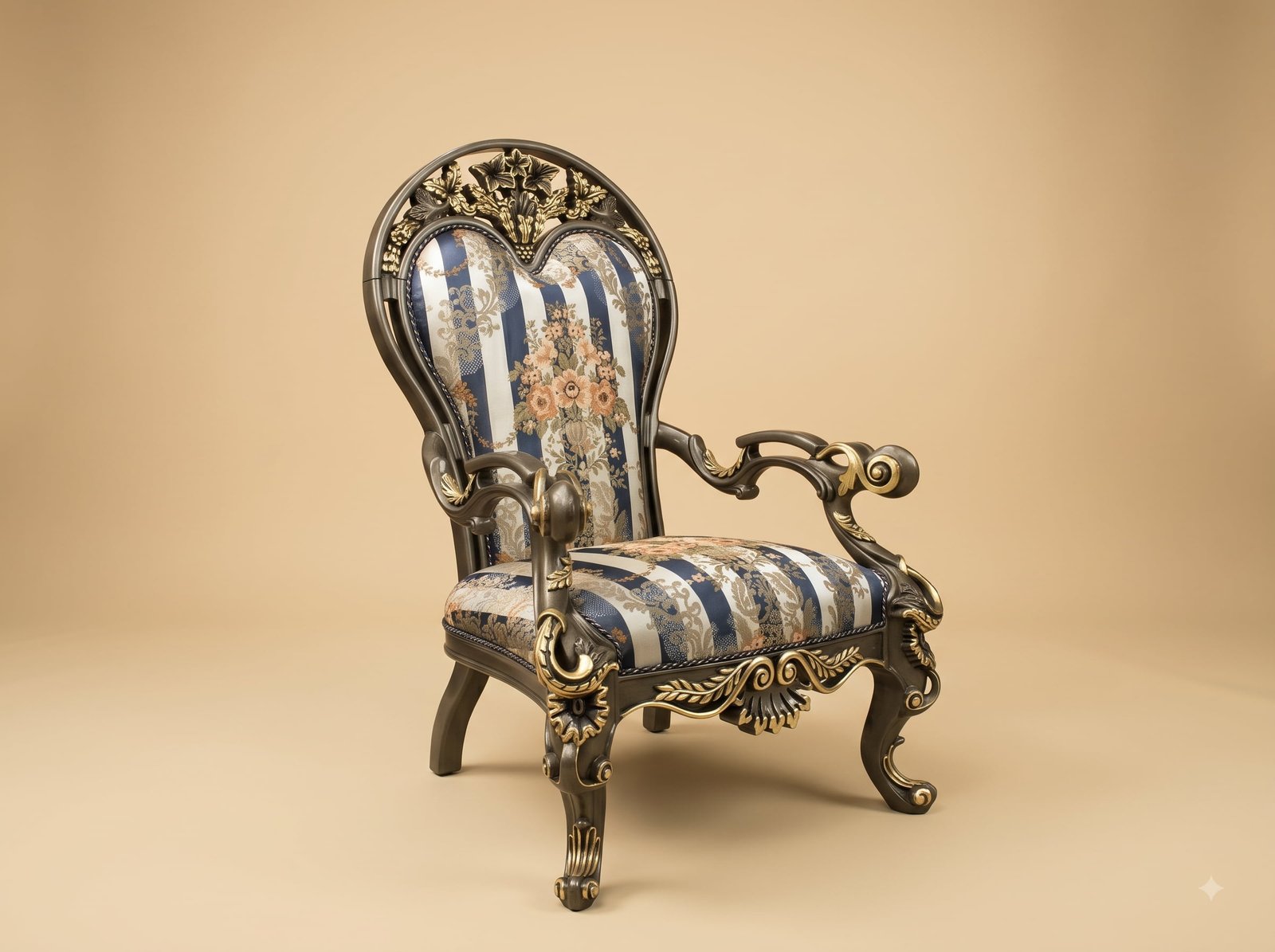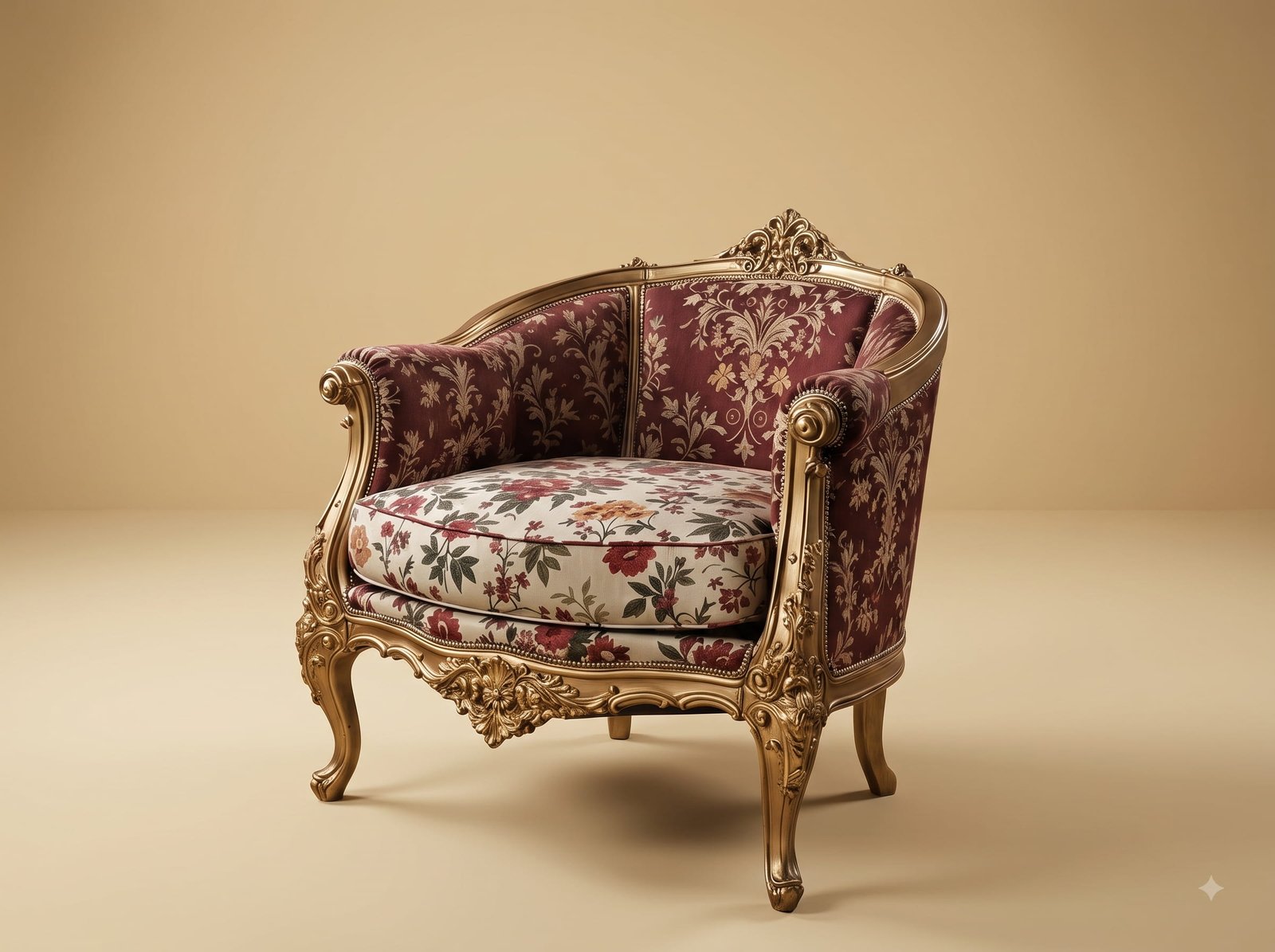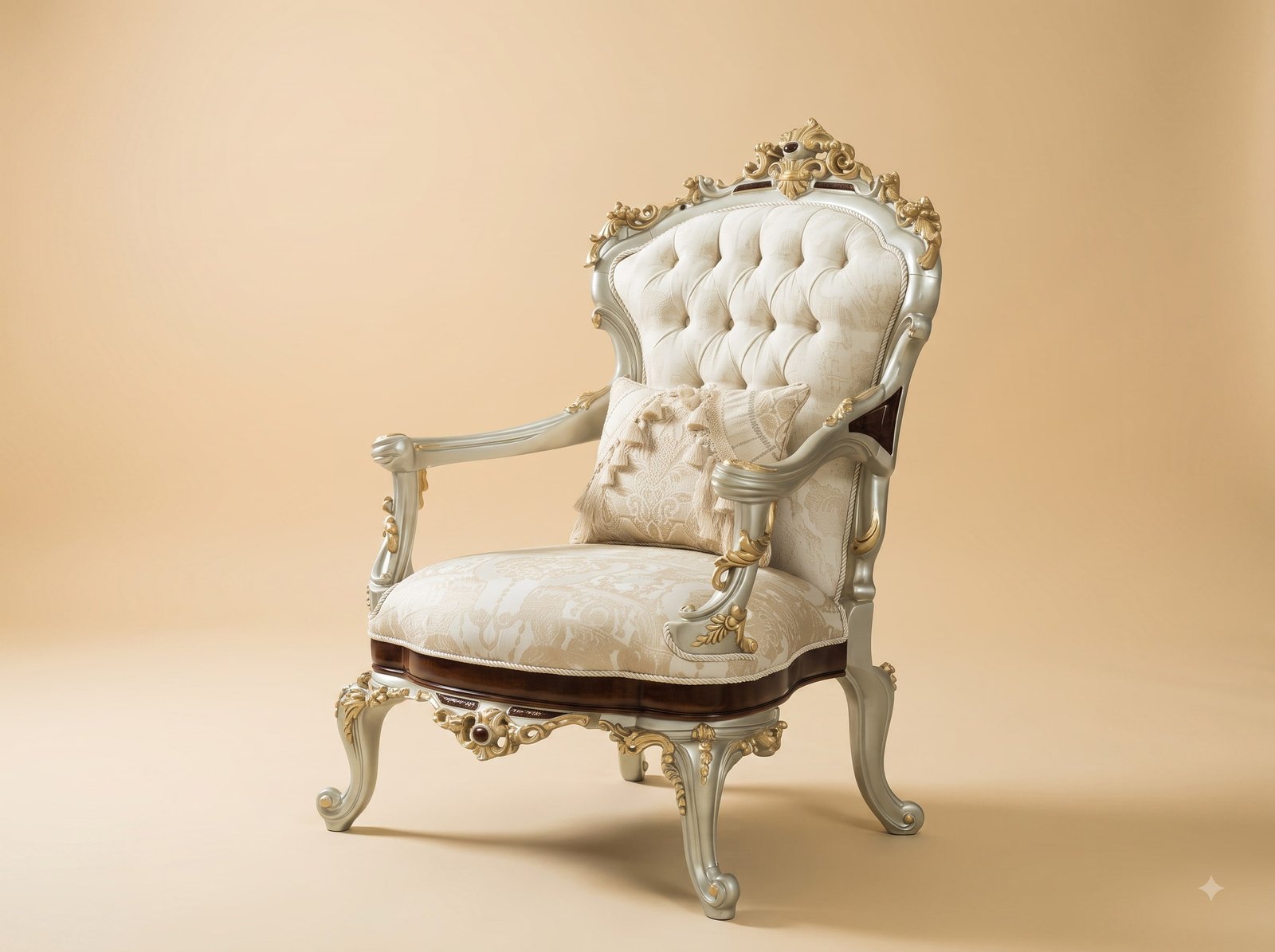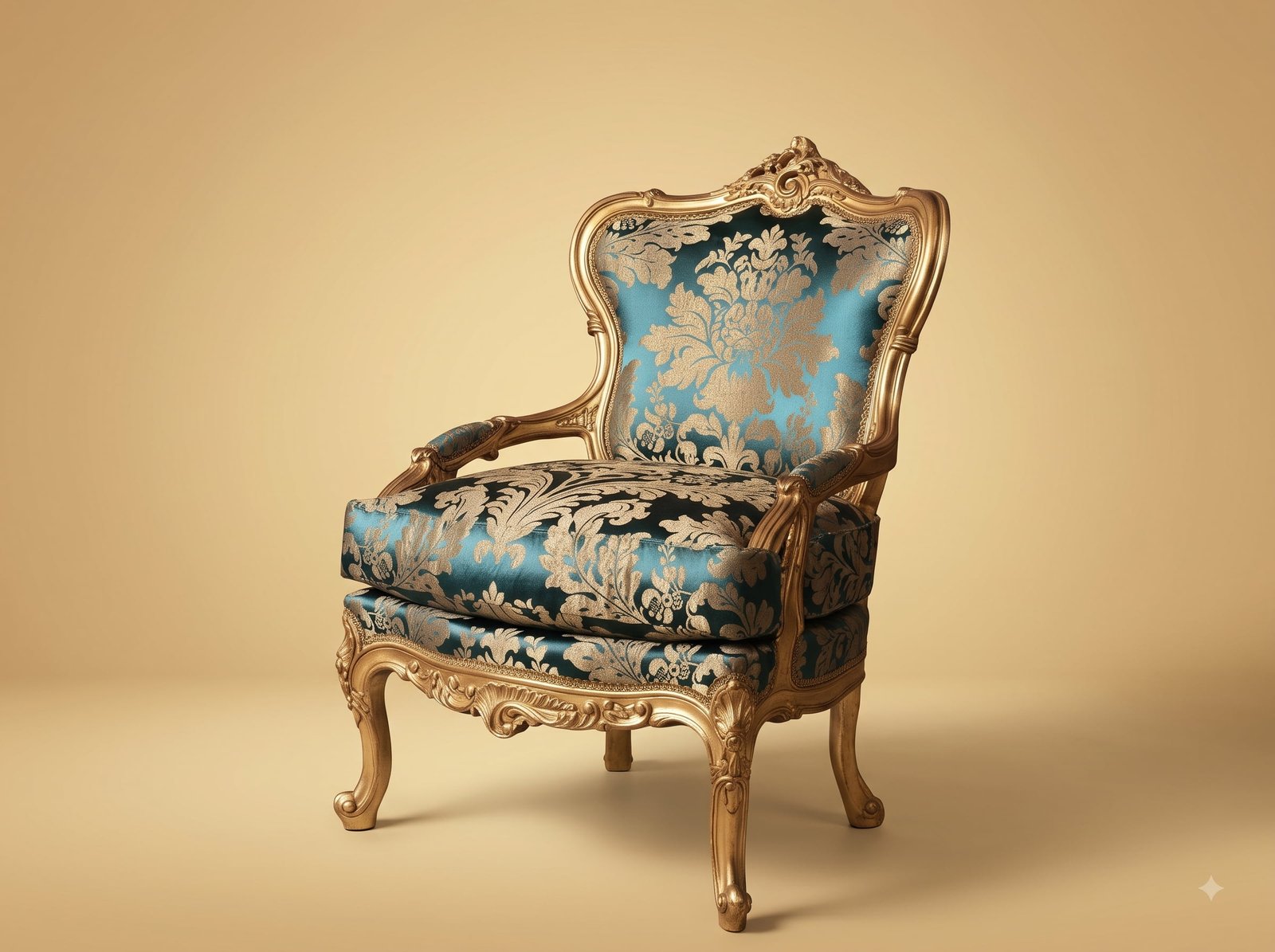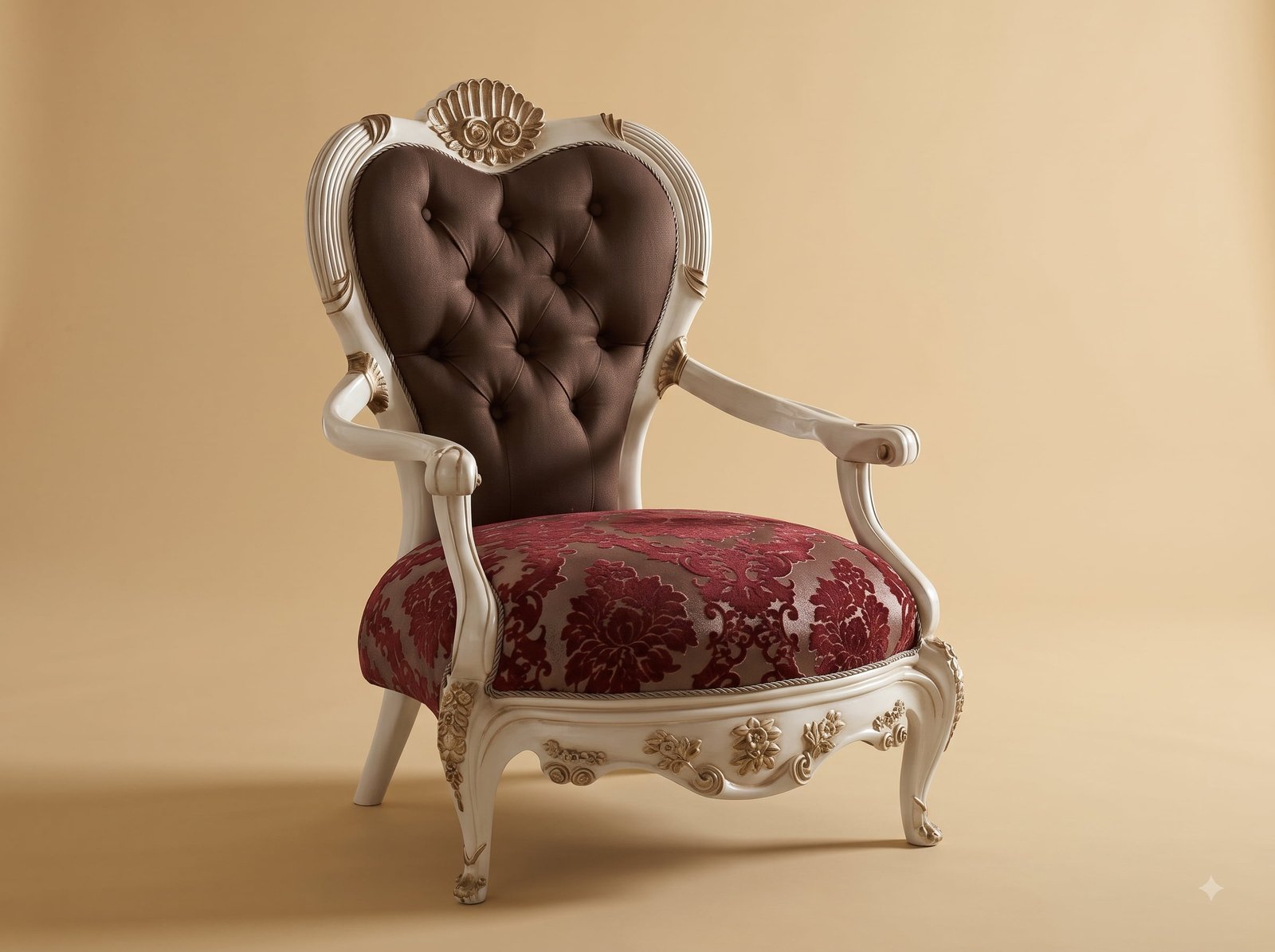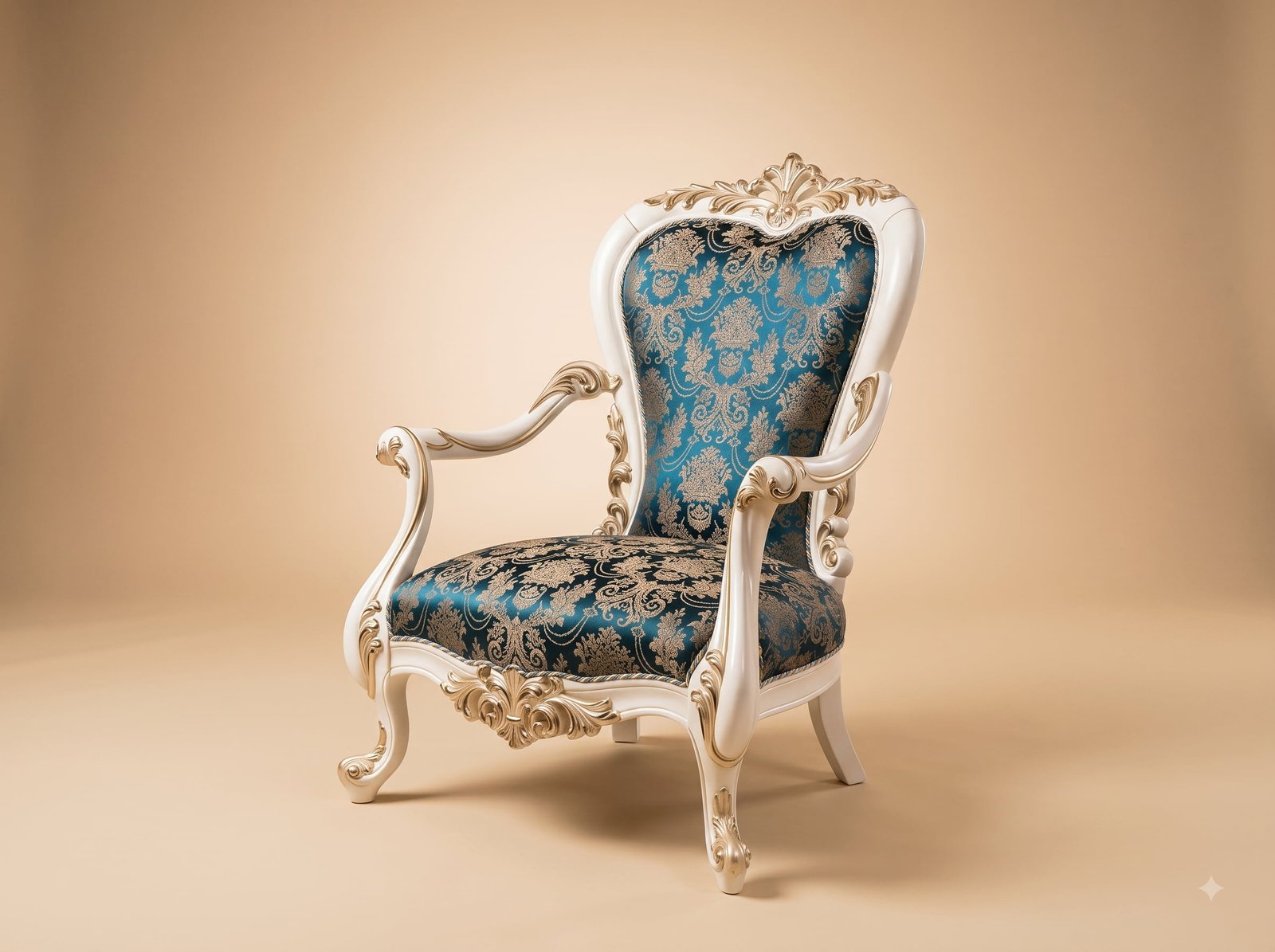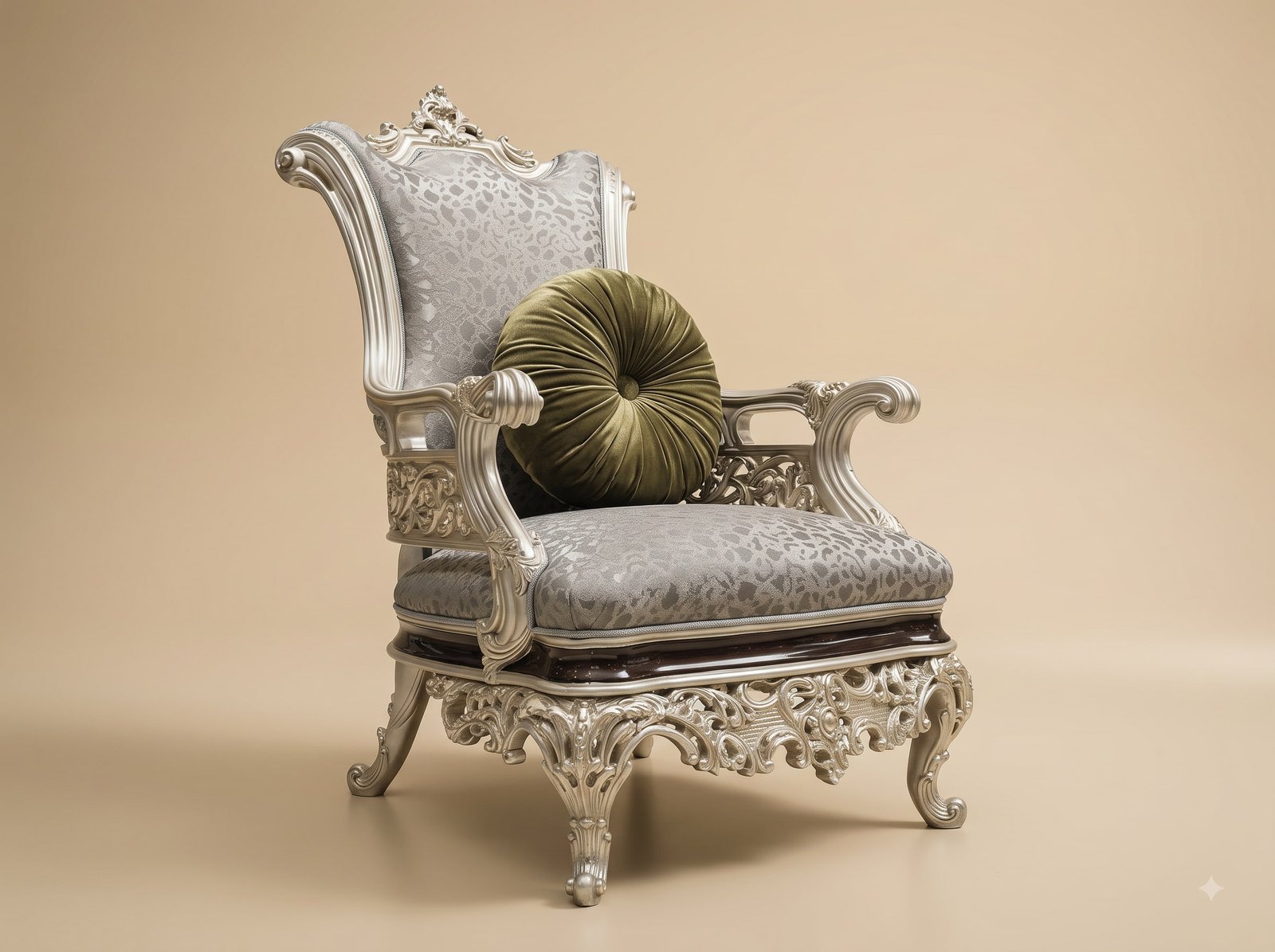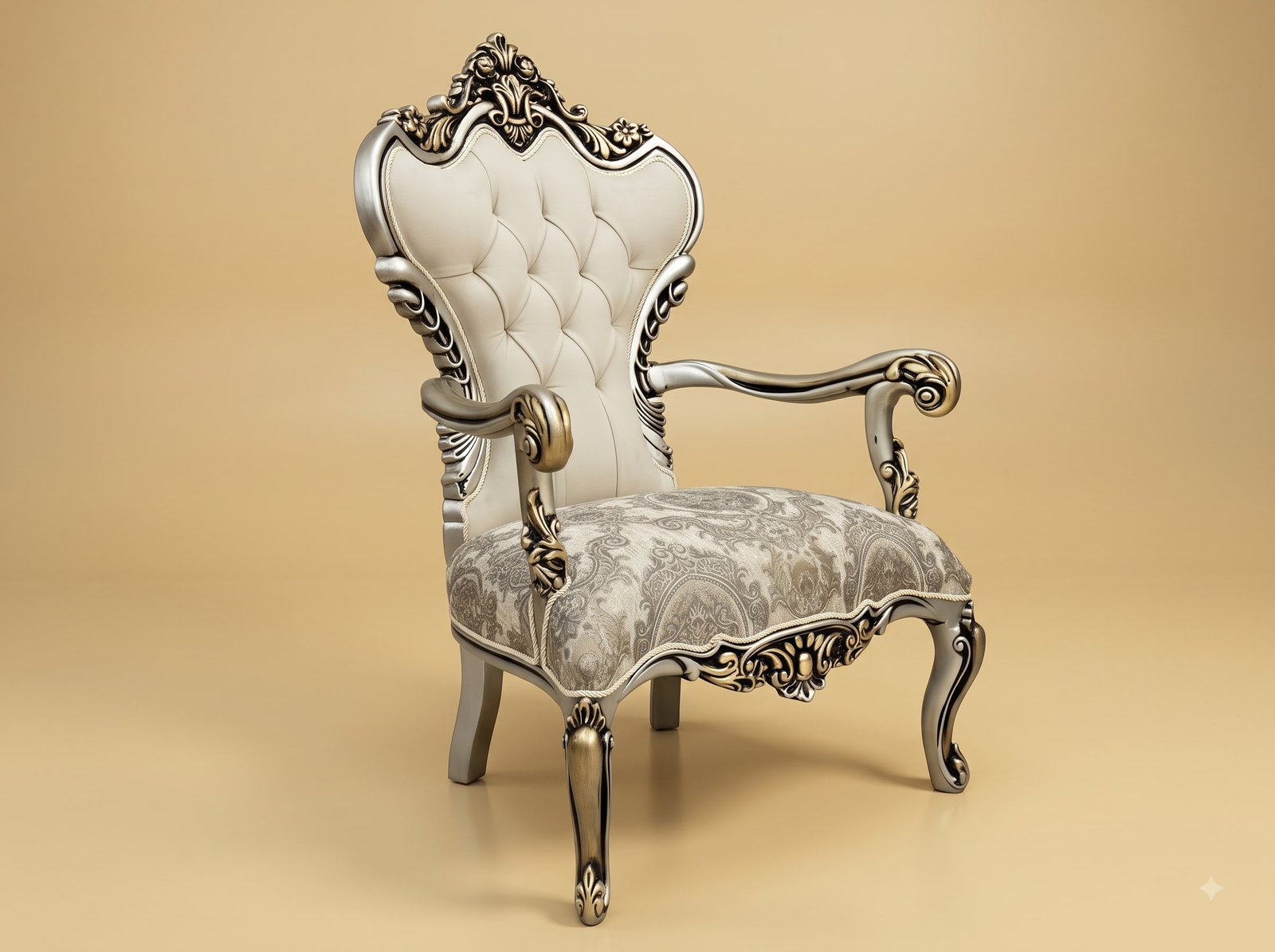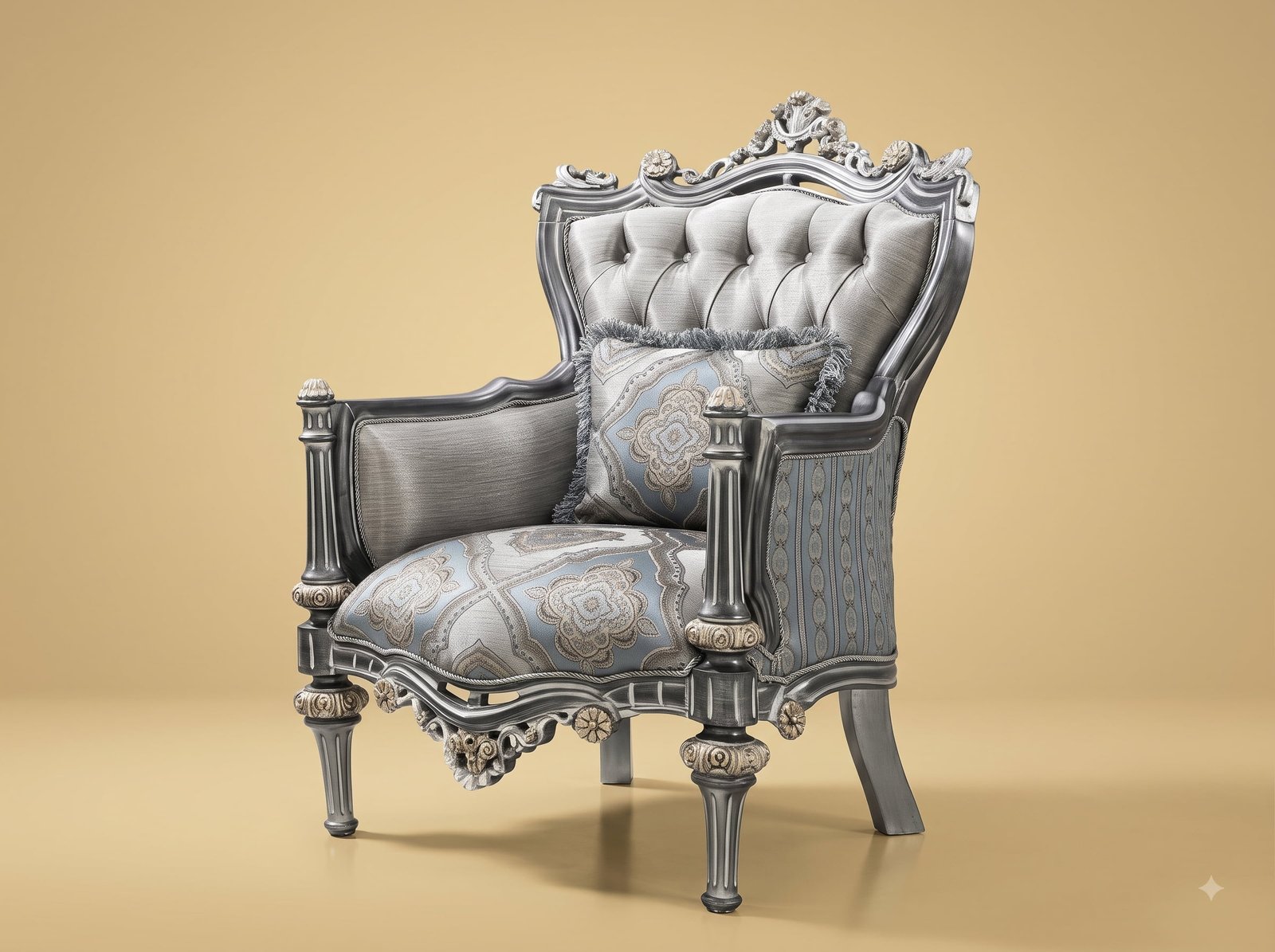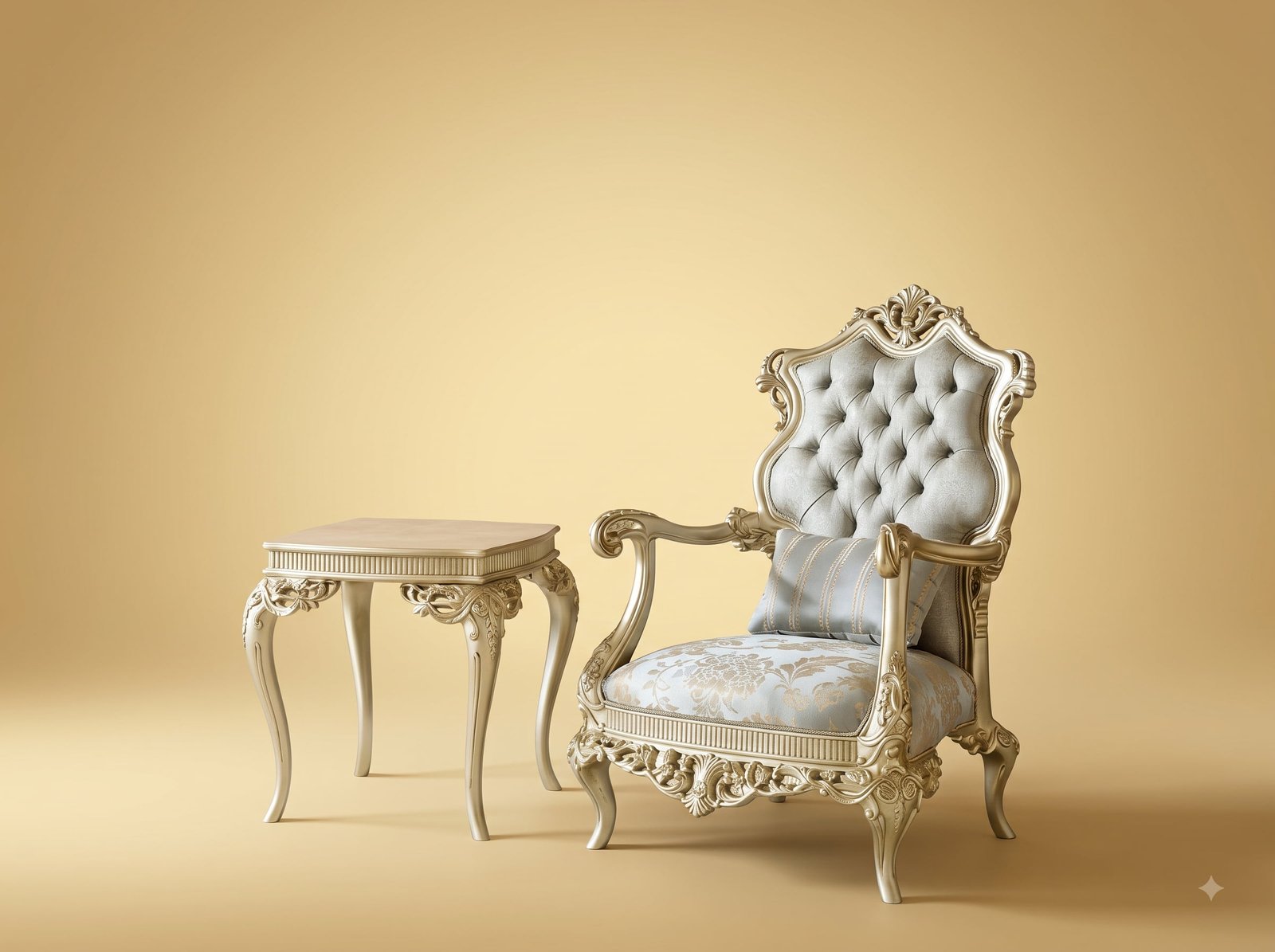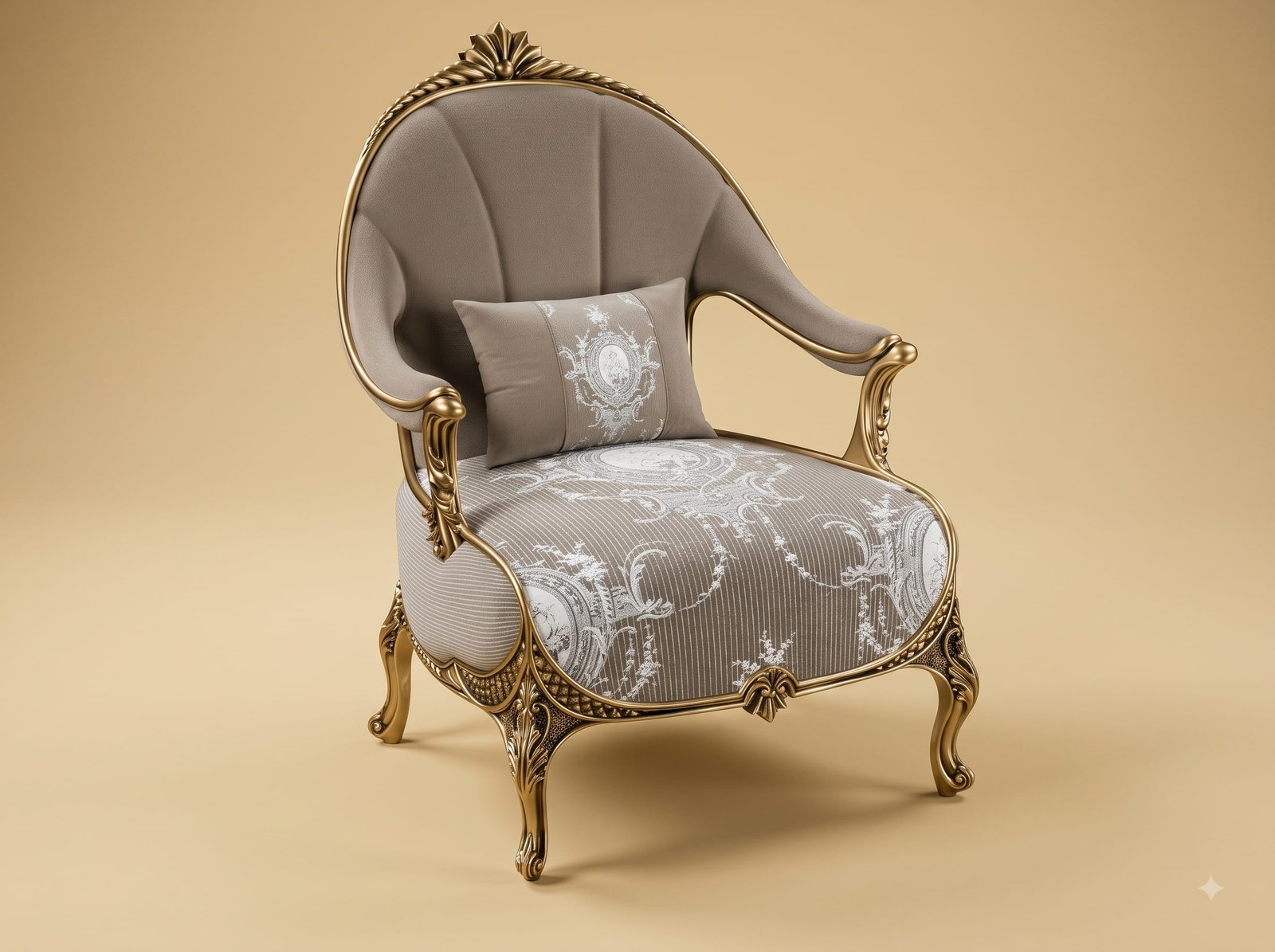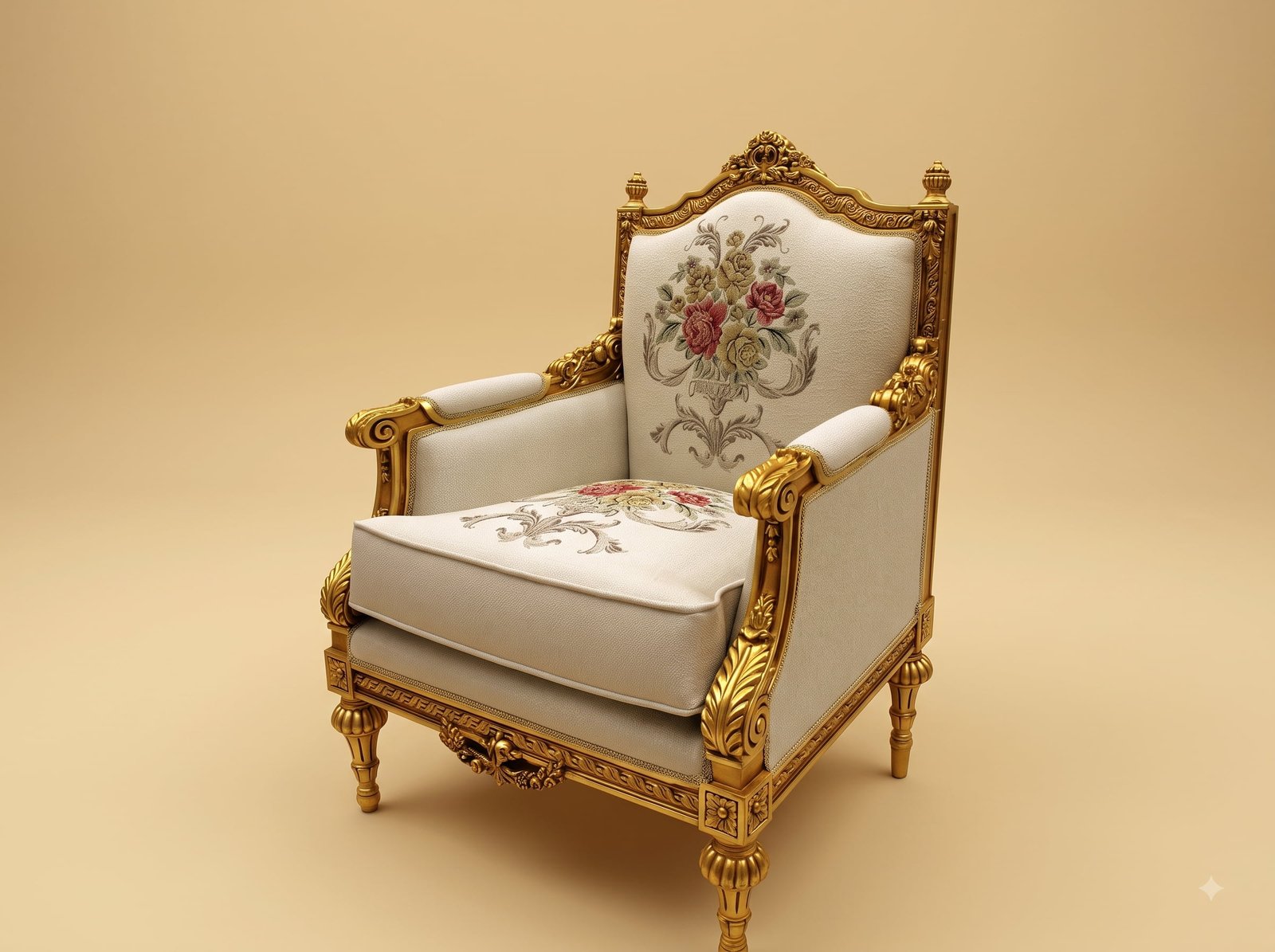
Look where a leg meets the seat rail on this chair. There is a small square block there, carved with a rosette, and it is not decoration.
A straight tapered leg creates a problem that a cabriole does not. A cabriole is thick at the top, so there is plenty of timber for a deep mortise where the seat rails join it. A tapered leg that is slim at the top has almost nothing to cut into - and a shallow mortise in a chair leg is exactly where chairs come apart.
The answer, worked out in the late eighteenth century and used ever since, is to leave the top of the leg square and full-thickness for a short distance before the taper and the fluting begin. That square section is the die block. It gives both seat rails a full-depth mortise, at right angles to each other, in solid timber - and it does it without making the visible leg any thicker.
Carving a rosette on its outer face then turns a piece of pure structure into a deliberate detail, which is why the block reads as ornament rather than as a lump.
Our craftsmen cut the mortises into those blocks before any fluting is worked, because the flutes have to start exactly where the block ends - and on all four legs at the same height, or the chair looks as though it is sinking on one side.
 Ask Price On WhatsApp