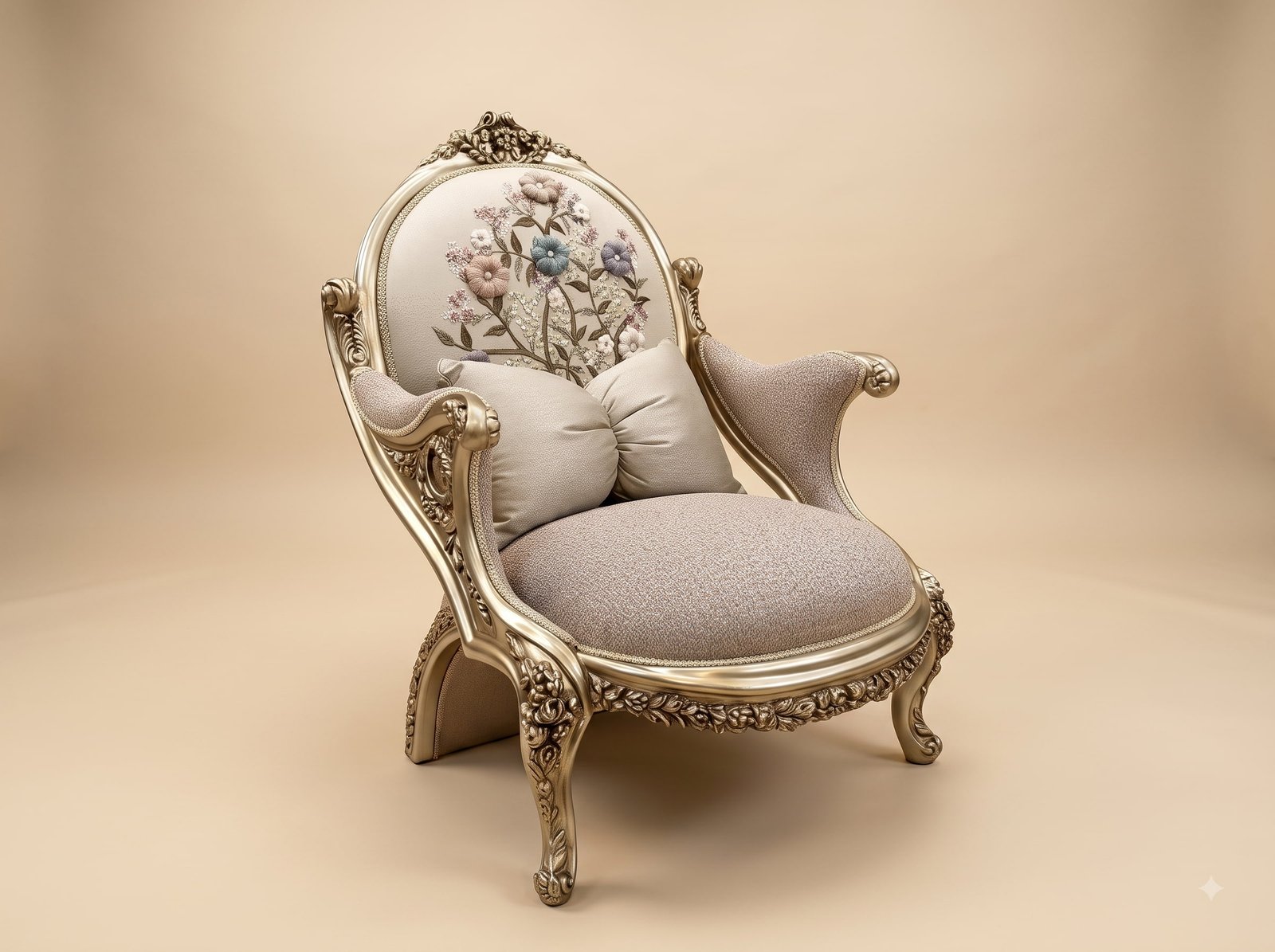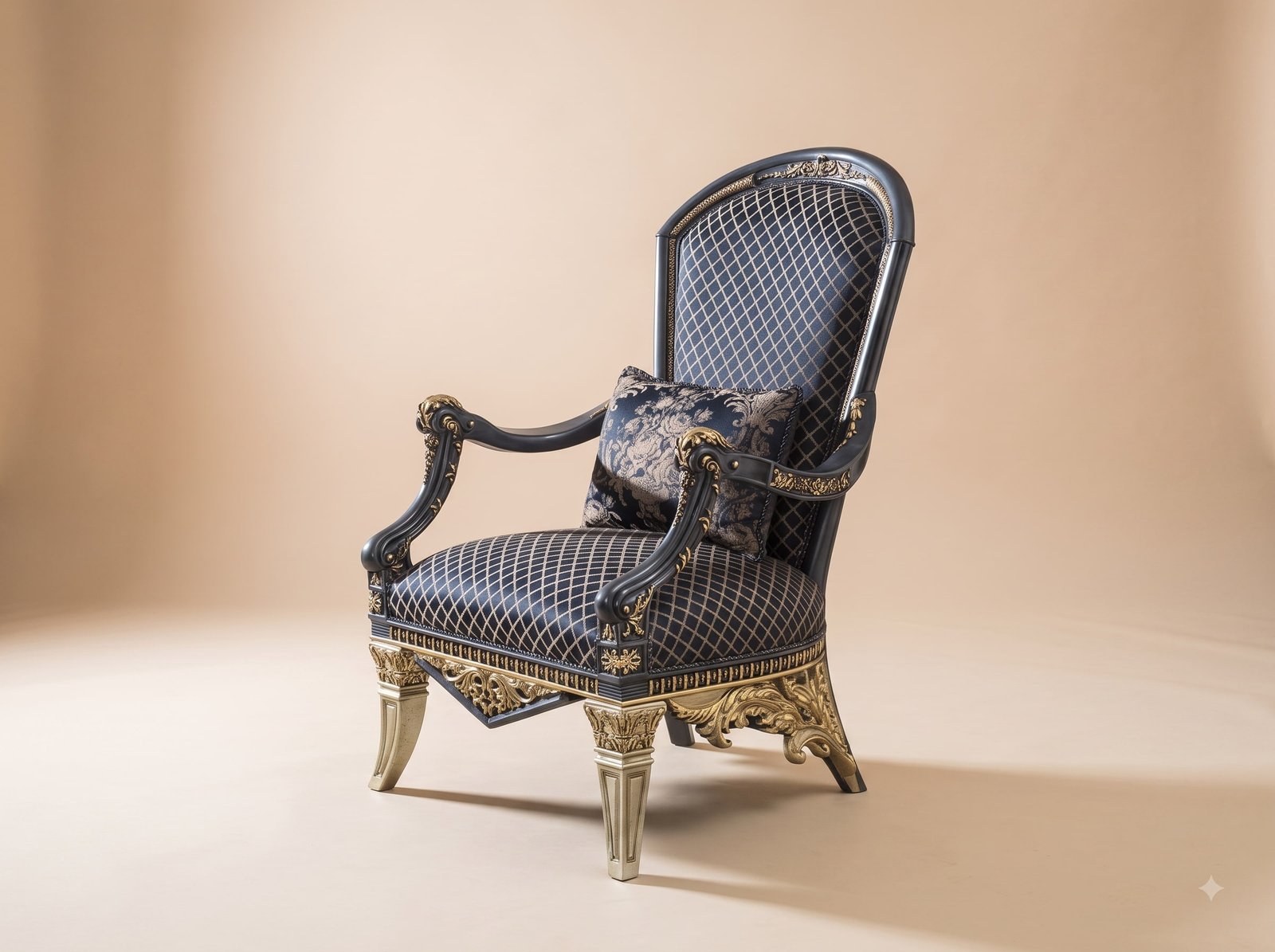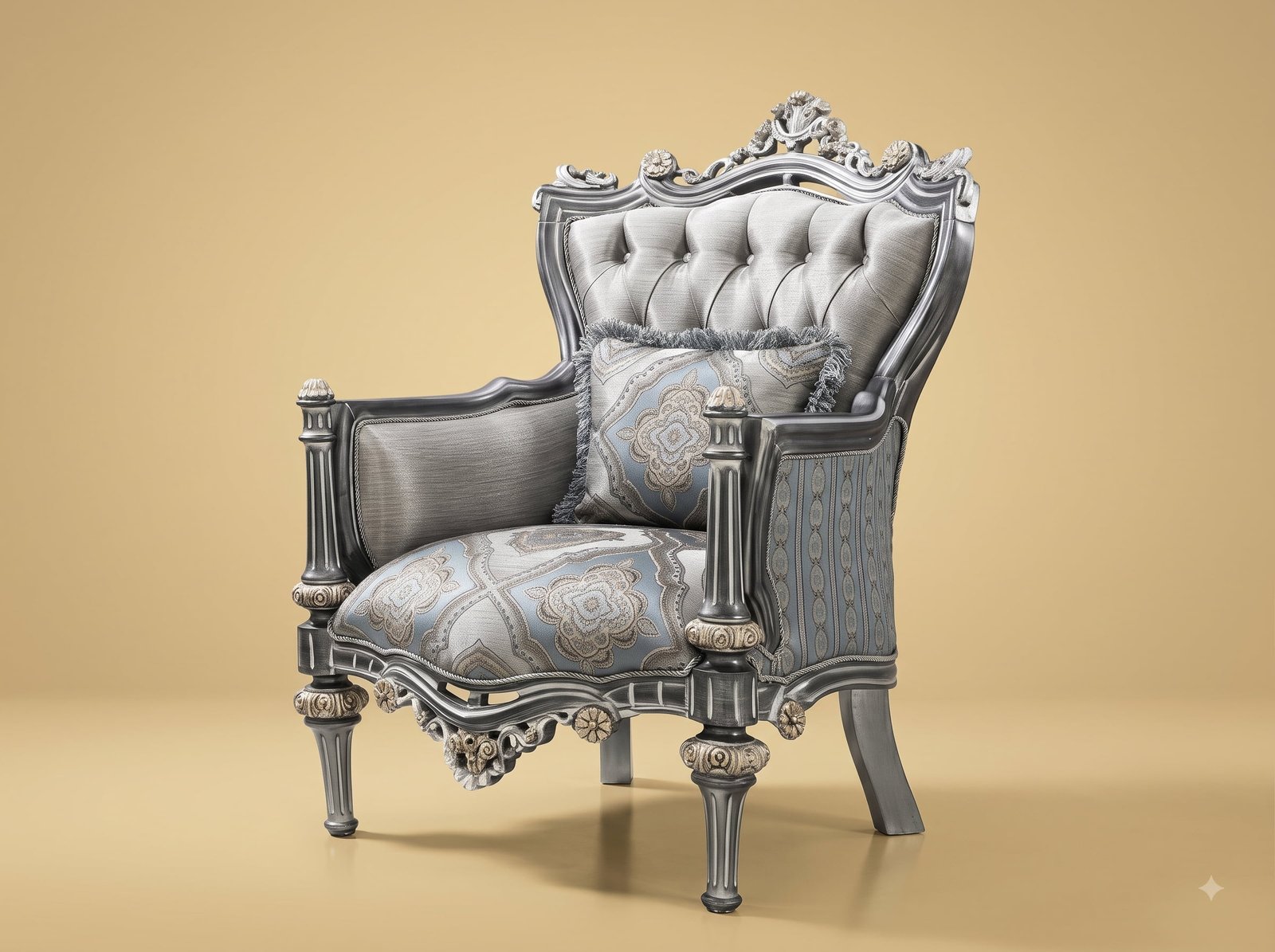
A sprung seat and a foam seat feel different in the first second, and the reason is what happens underneath.
Foam compresses. Press it and it squashes downward, and the more weight you put on it the more it flattens - which is why a foam seat feels supportive when it is new and progressively less so as the cells break down.
A spring seat works the other way. Coil springs are set upright on a webbed base and tied to each other, and to the frame, with twine running in eight directions from every spring - across, along and diagonally both ways. Sitting down does not squash them; it compresses them evenly against each other, and they push back.
The tying is the whole craft. Each spring has to be tensioned so it sits slightly lower at the edges and highest at the centre, so the finished seat is domed rather than flat, and so that no single spring can travel further than its neighbours. Get one knot wrong and that spring sinks first, and within a year there is a hollow in the seat.
Above the springs go a canvas, then a layer of stuffing, then the cover - so what you actually sit on is three separate systems working together.
It is the reason a properly sprung chair from a hundred years ago is still comfortable, and a foam one from ten years ago usually is not.
 Ask Price On WhatsApp