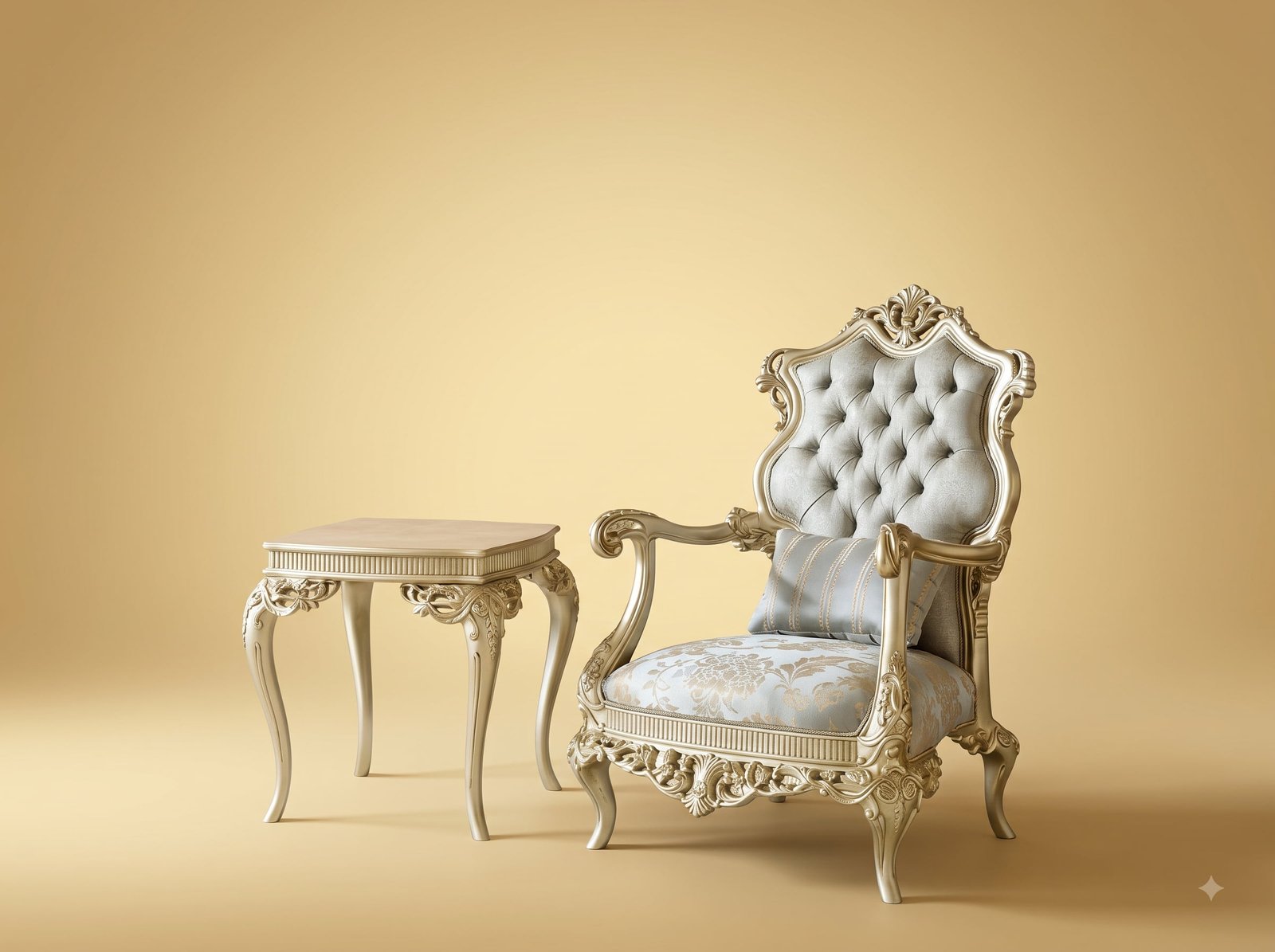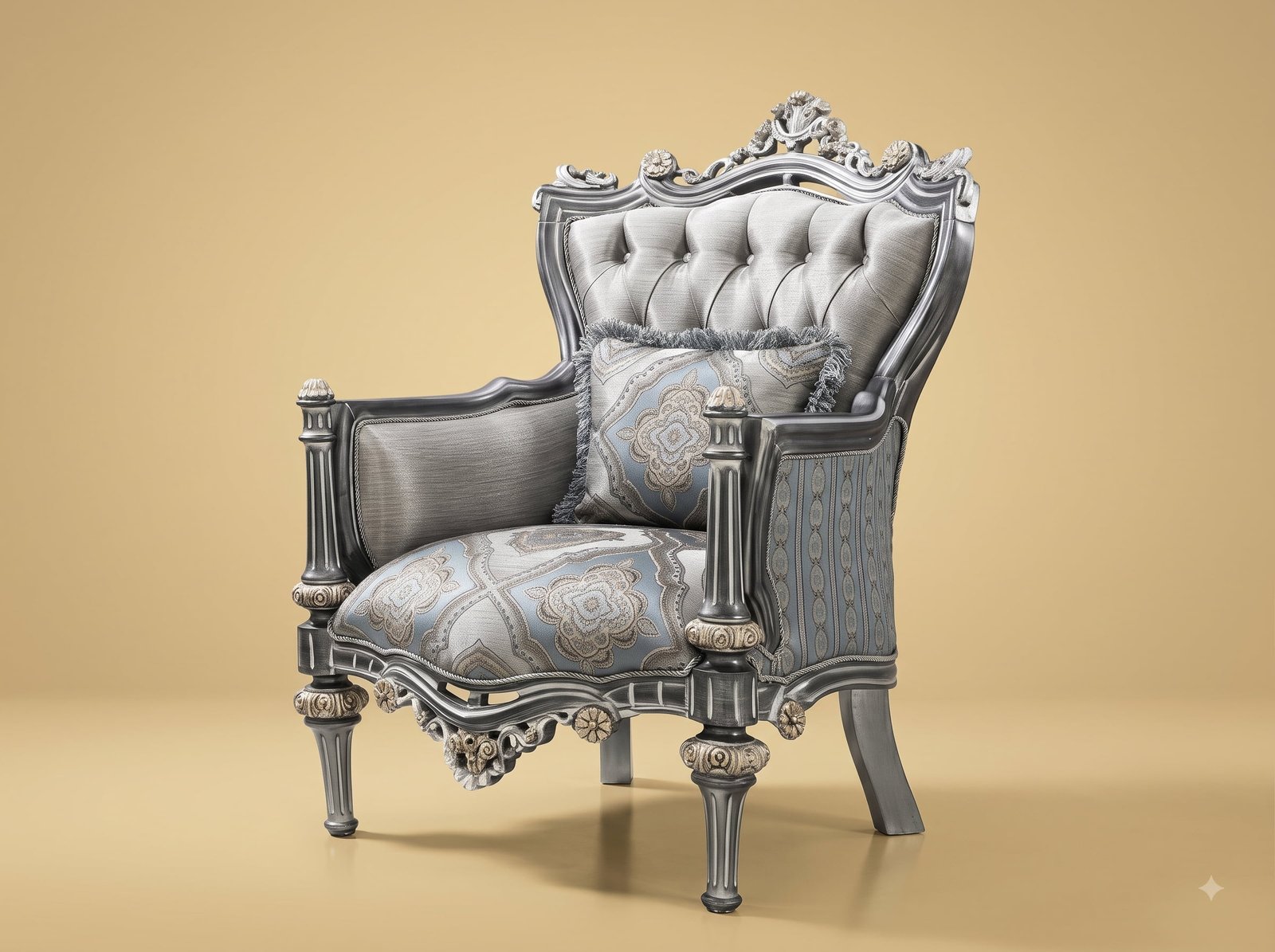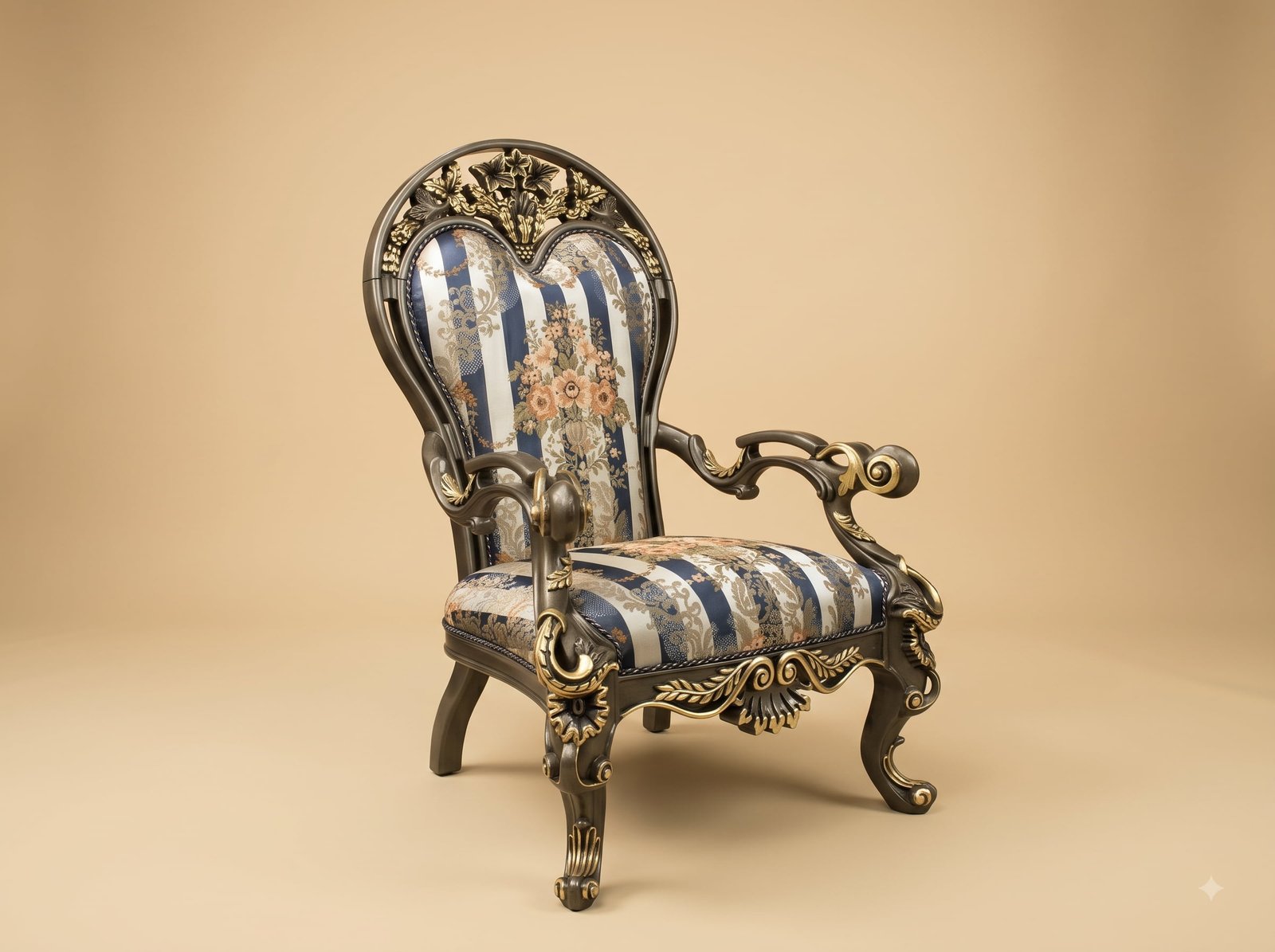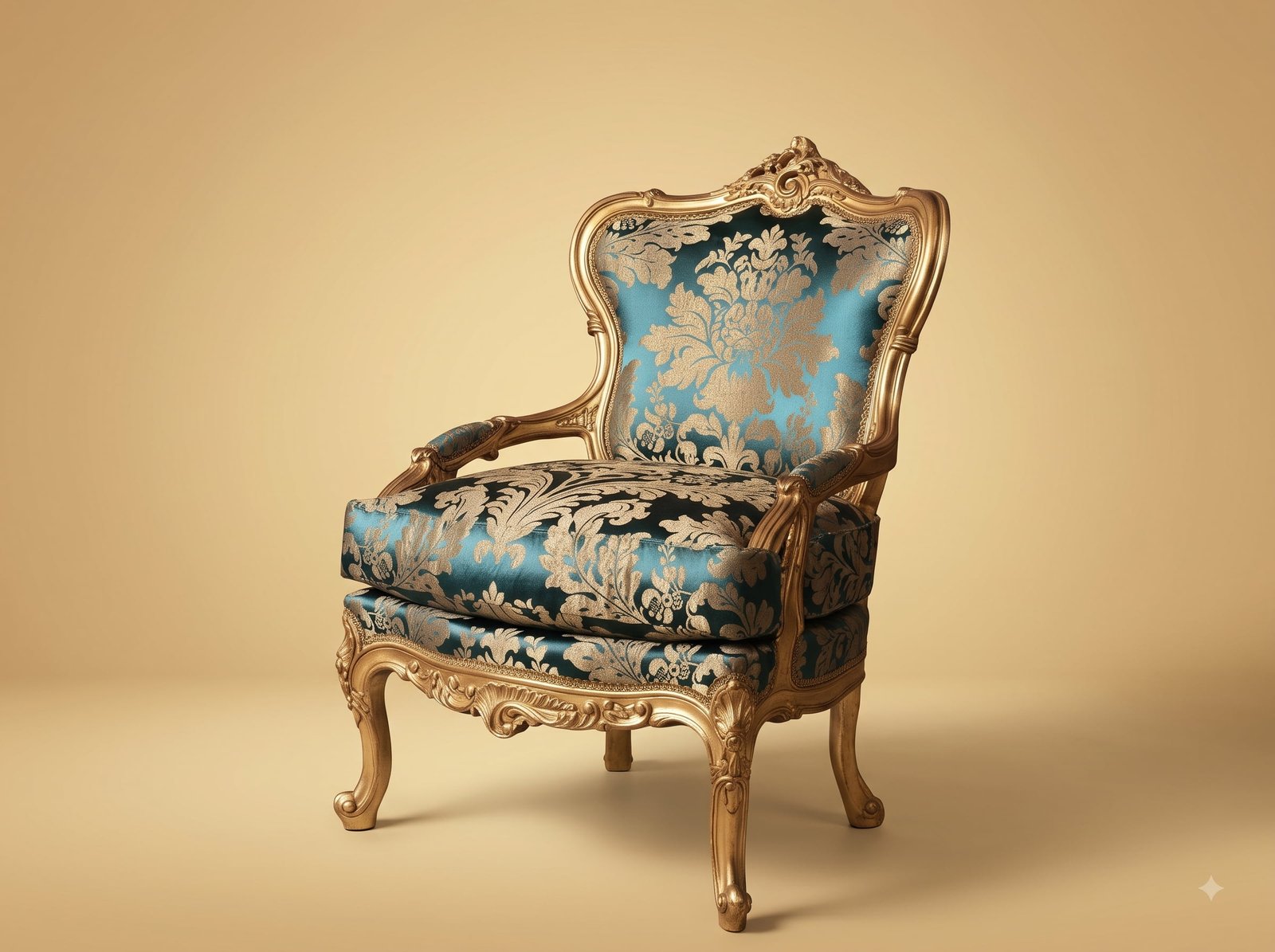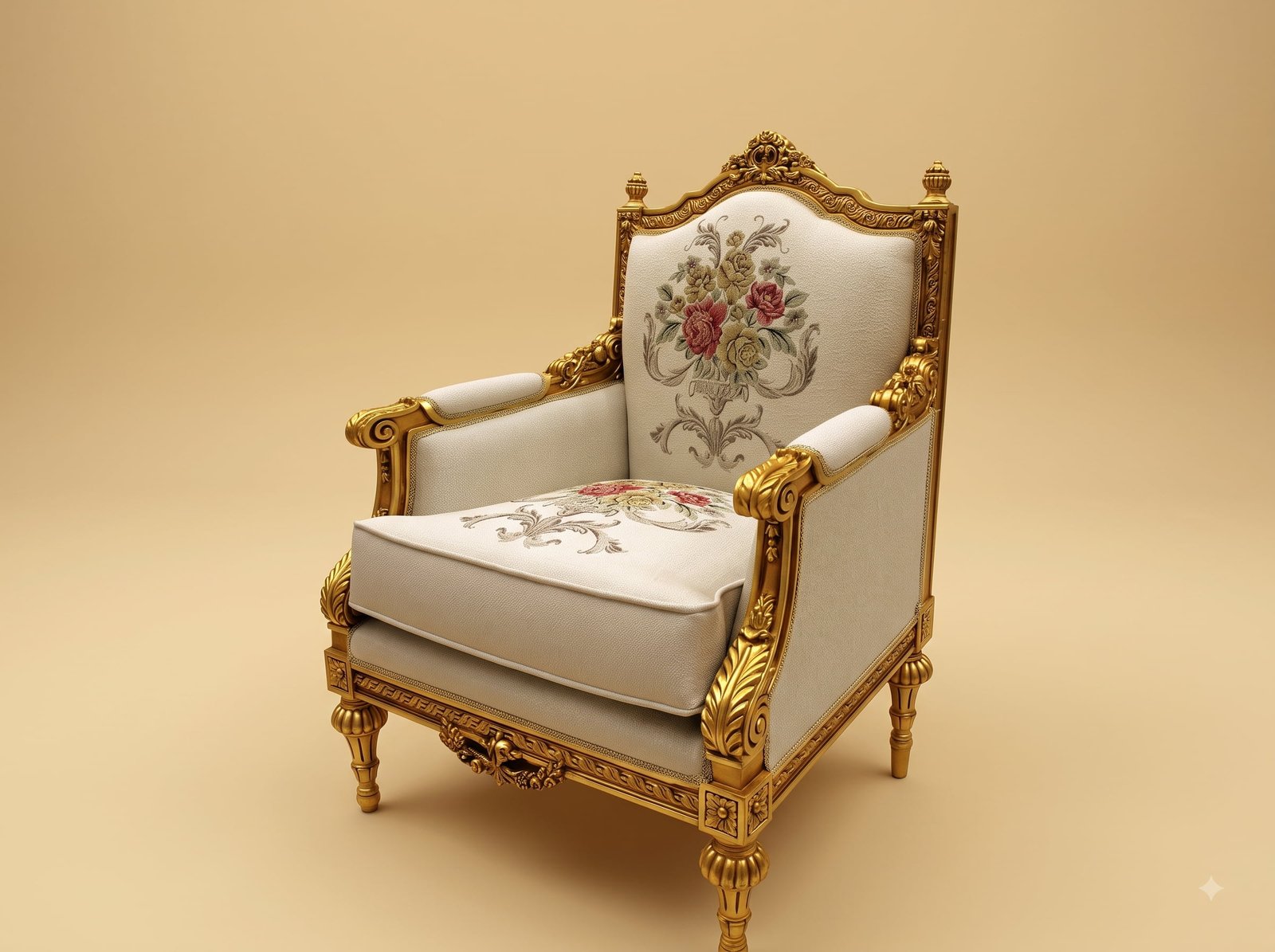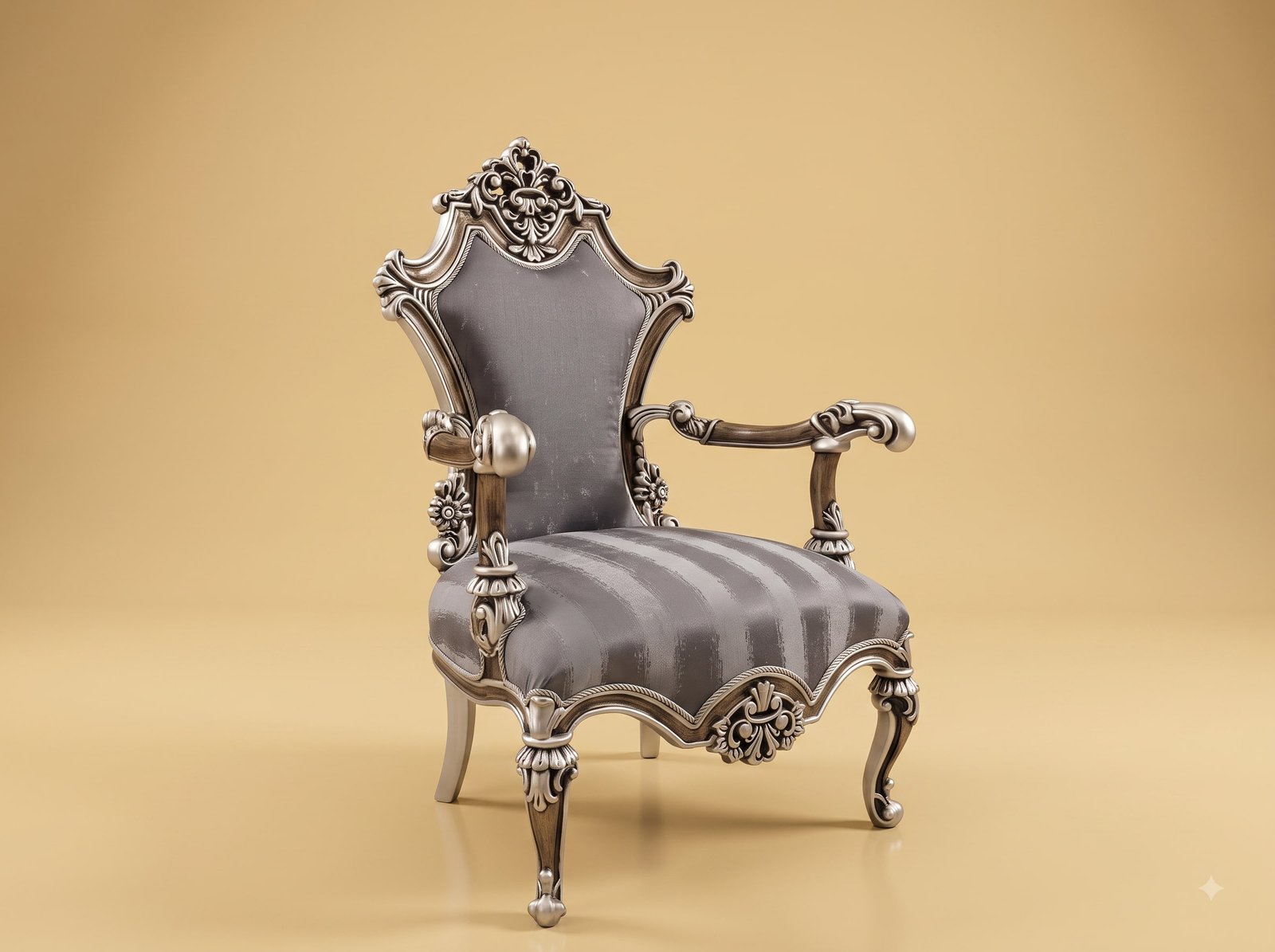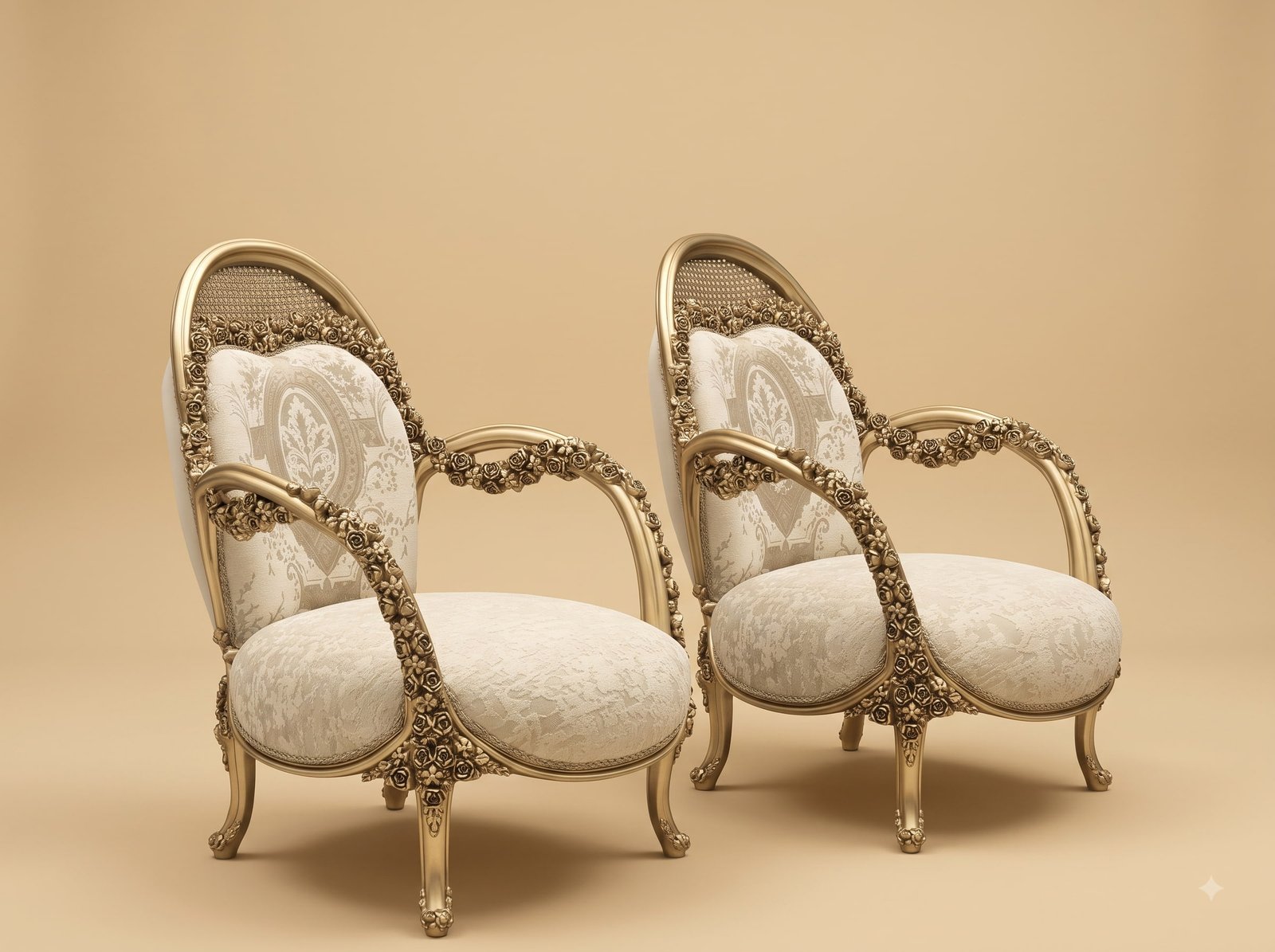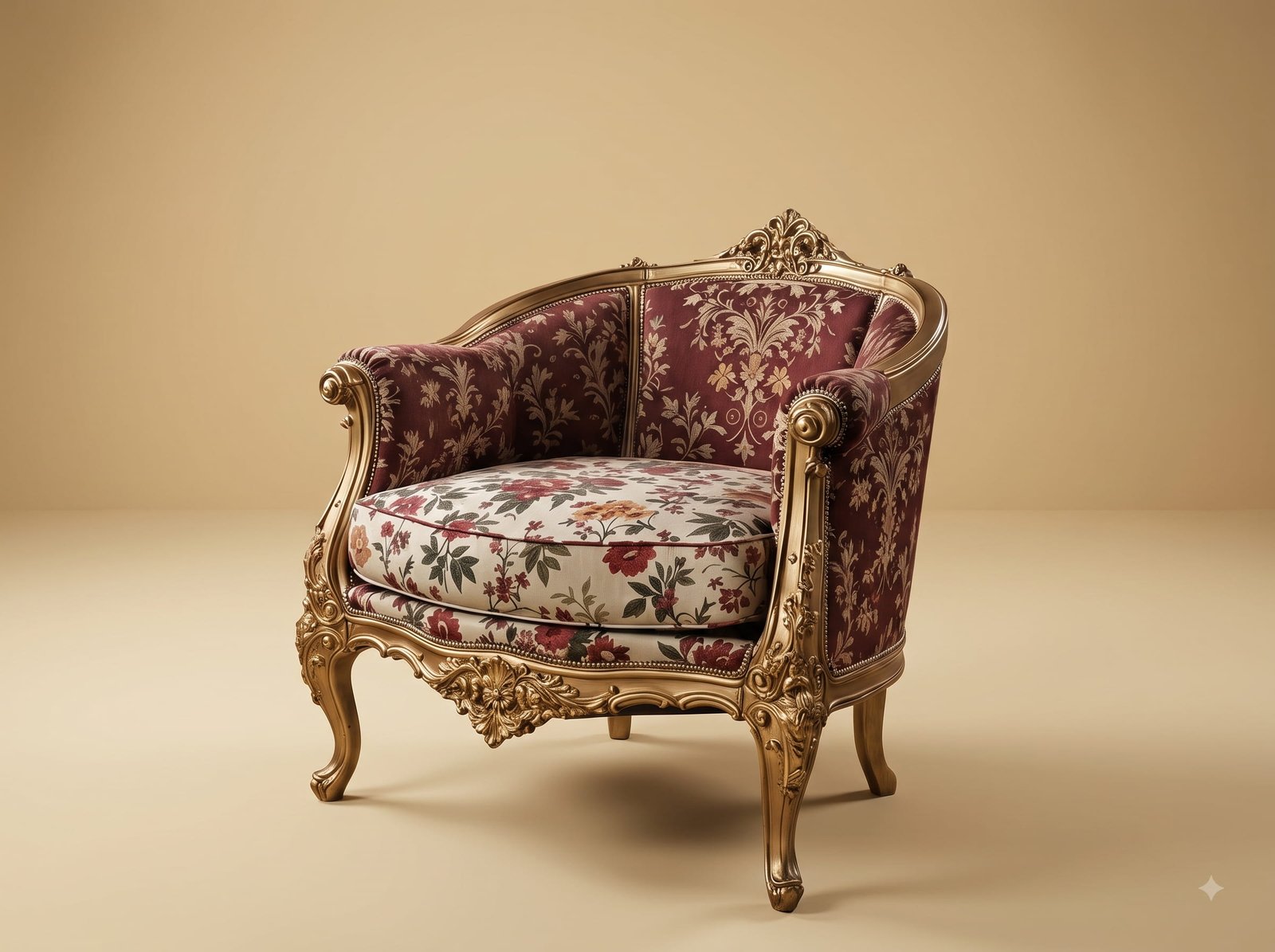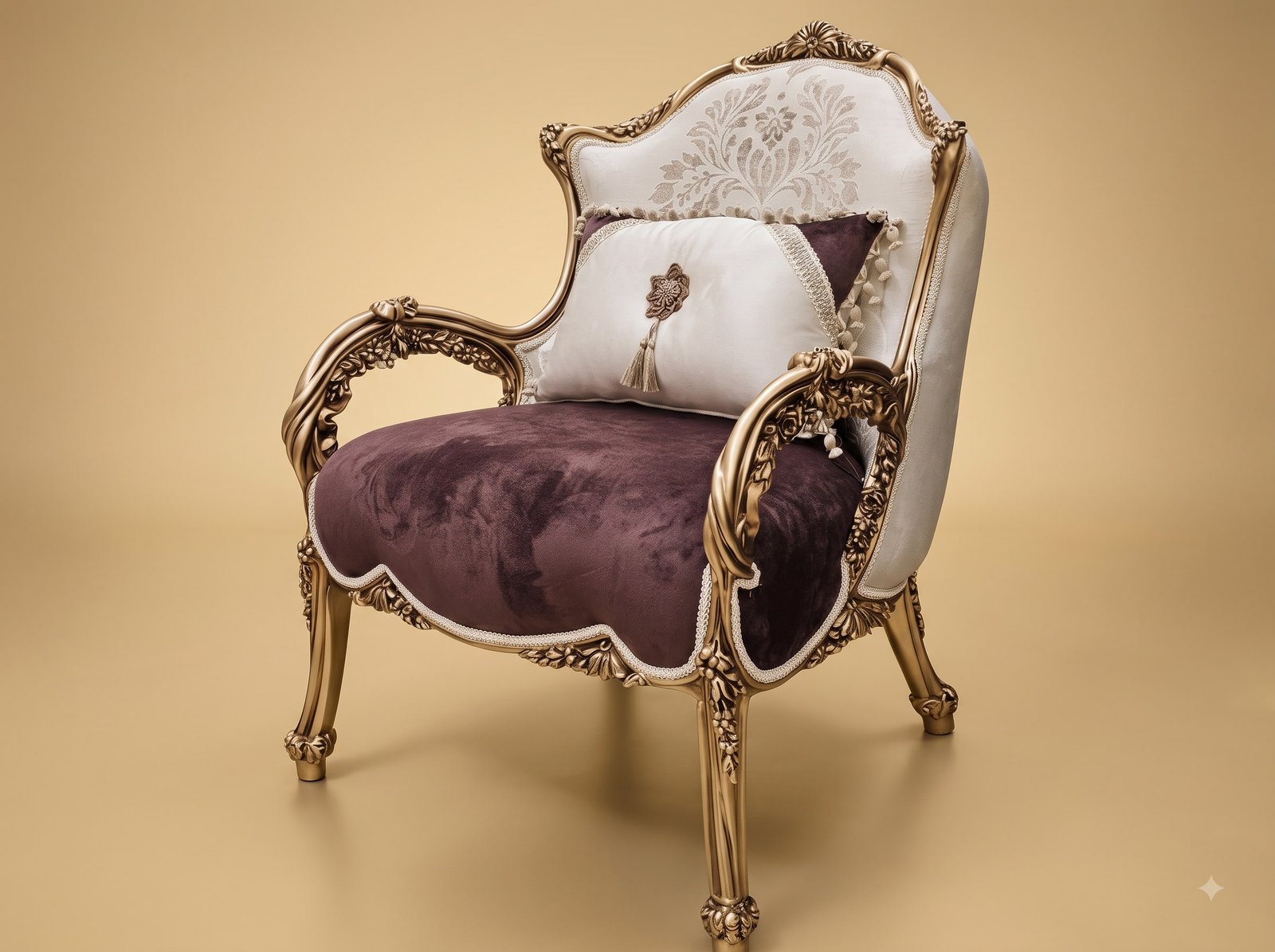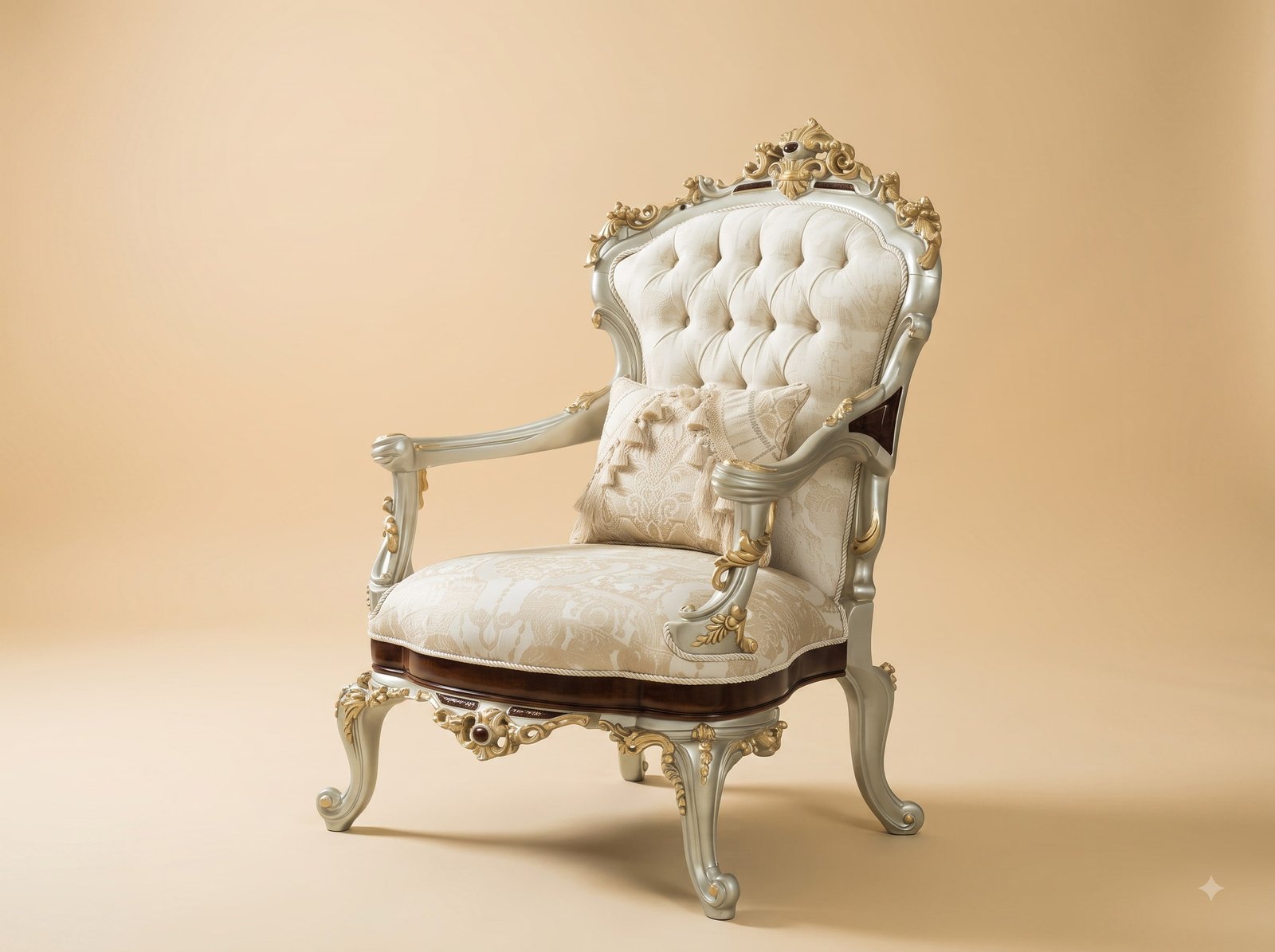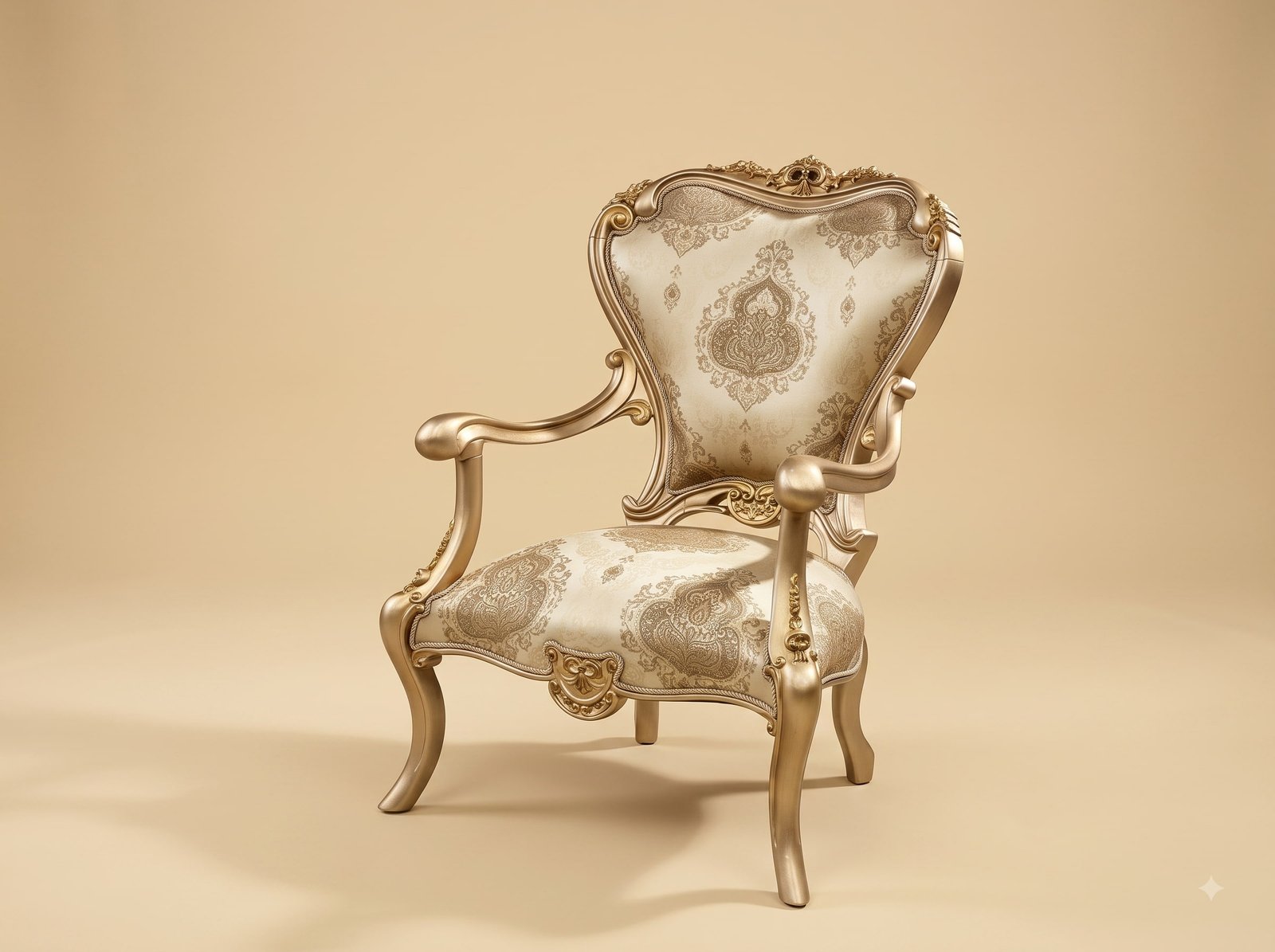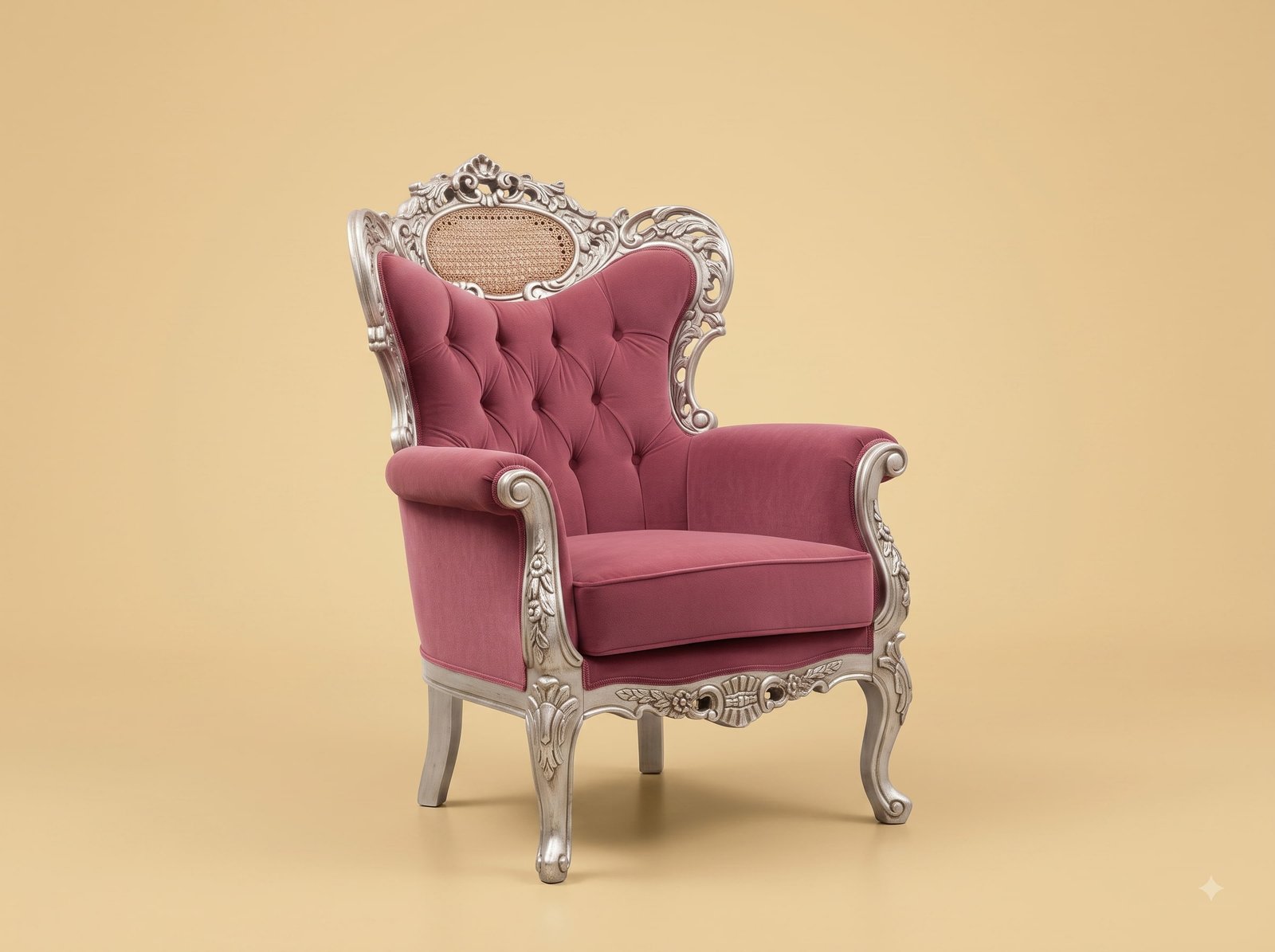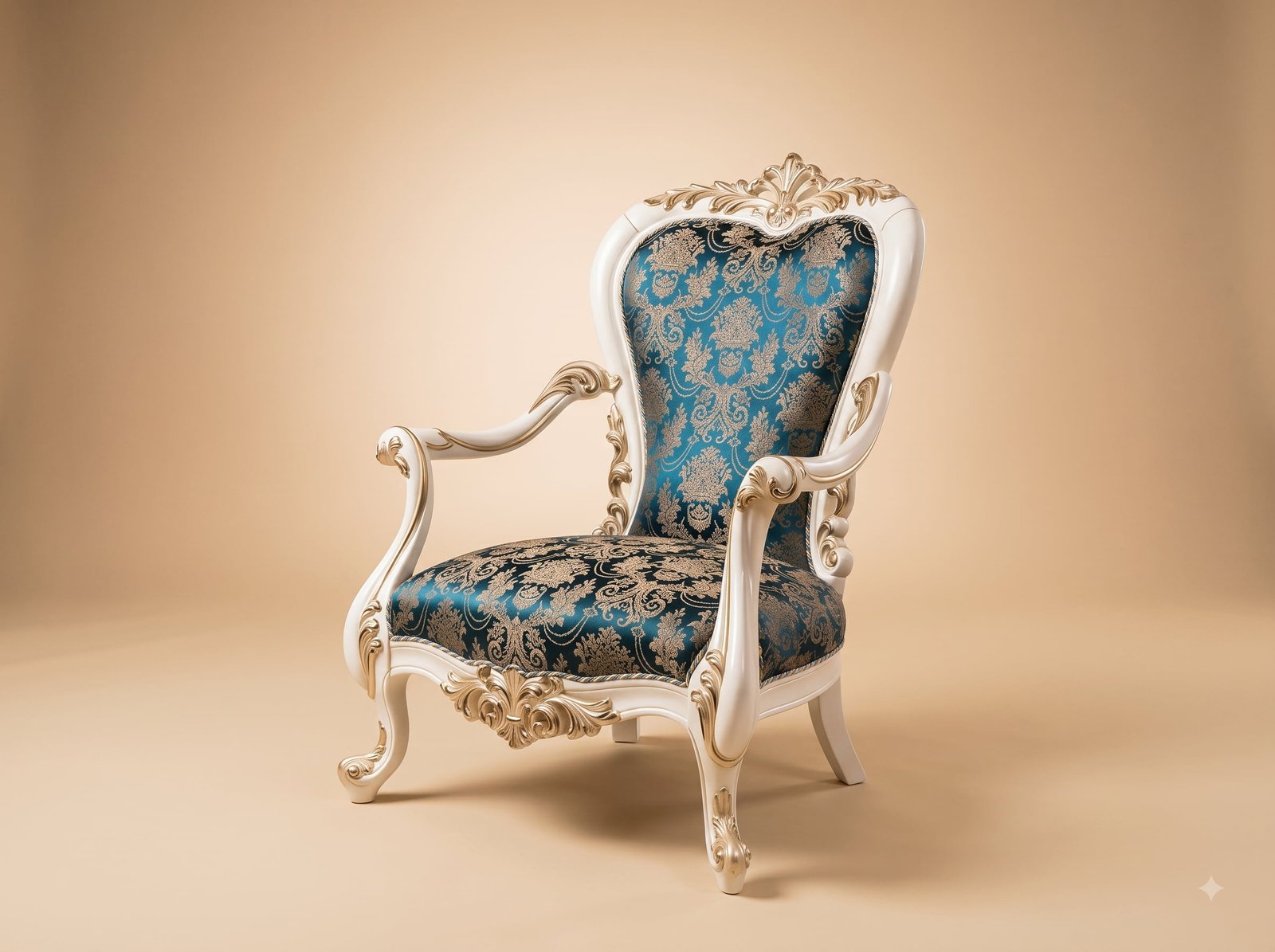
Look at the back legs. They do not drop straight down from the seat - they lean backwards, away from the chair, and they are straight rather than shaped while the front legs are carved cabrioles.
That asymmetry is deliberate and it is about not falling over.
When someone leans back in a chair, their weight shifts behind the back edge of the seat. If the back legs are vertical, the whole chair pivots on the point where they meet the floor and starts to tip - which is why so many chairs end up rocking on two legs whether anyone intended it or not.
Raking the back legs moves the floor contact point further back, behind the line of the weight. The tipping point moves with it, and the chair simply stays down. The further the rake, the more secure it is.
What limits it is the room the chair takes up and how it looks. A heavily raked leg makes a chair look like it is sitting back on its heels, and it stops the chair being pushed close to a wall. So the rake is a judgement, and it is set against the height of the back - the taller the back, the further back the weight can go, and the more rake it needs.
Making them straight rather than carved is the second half of the decision. A raked leg is already working at an angle to the load; giving it a curve as well would put a bend where the timber wants to be doing one job in one direction.
 Ask Price On WhatsApp