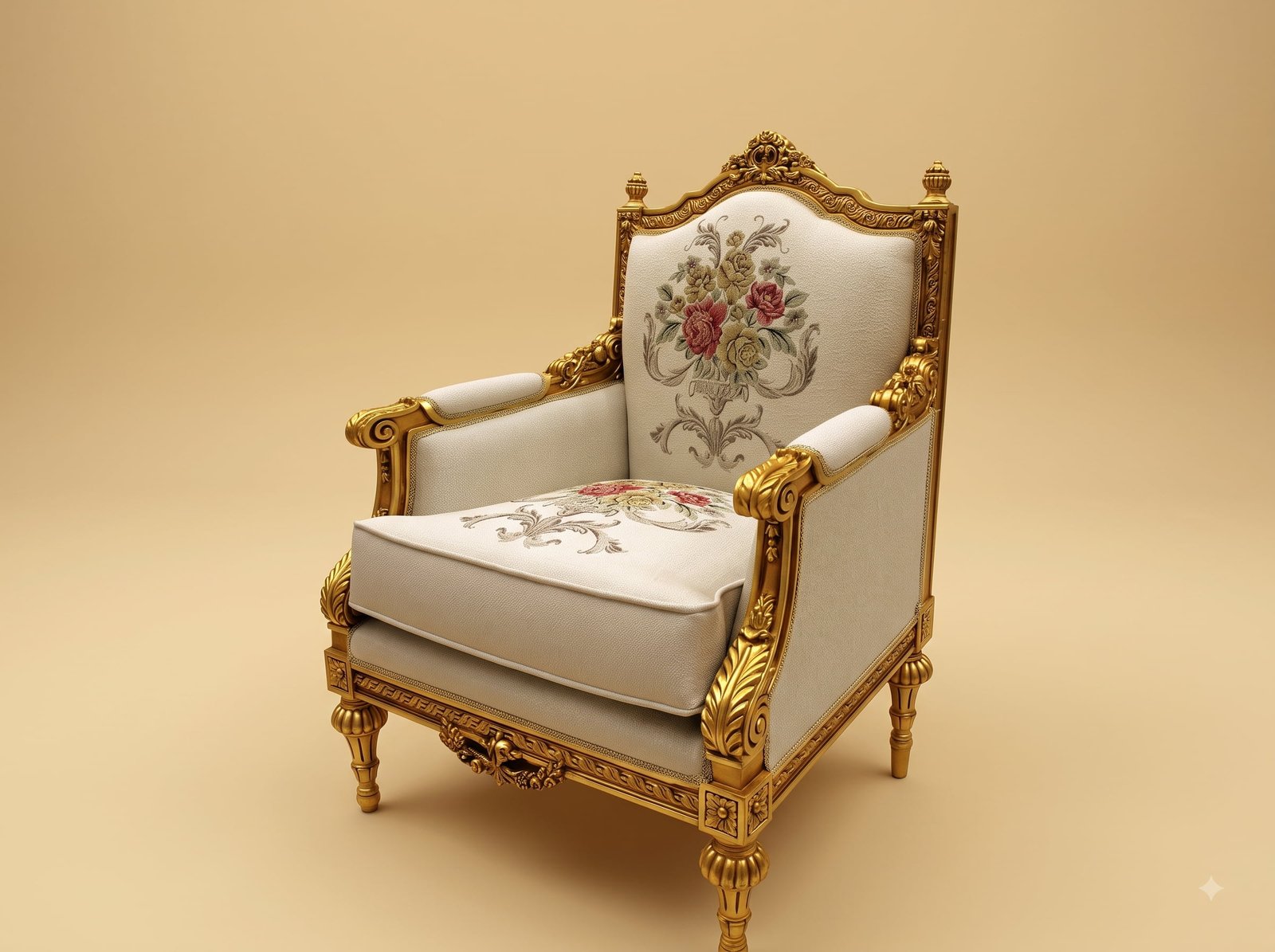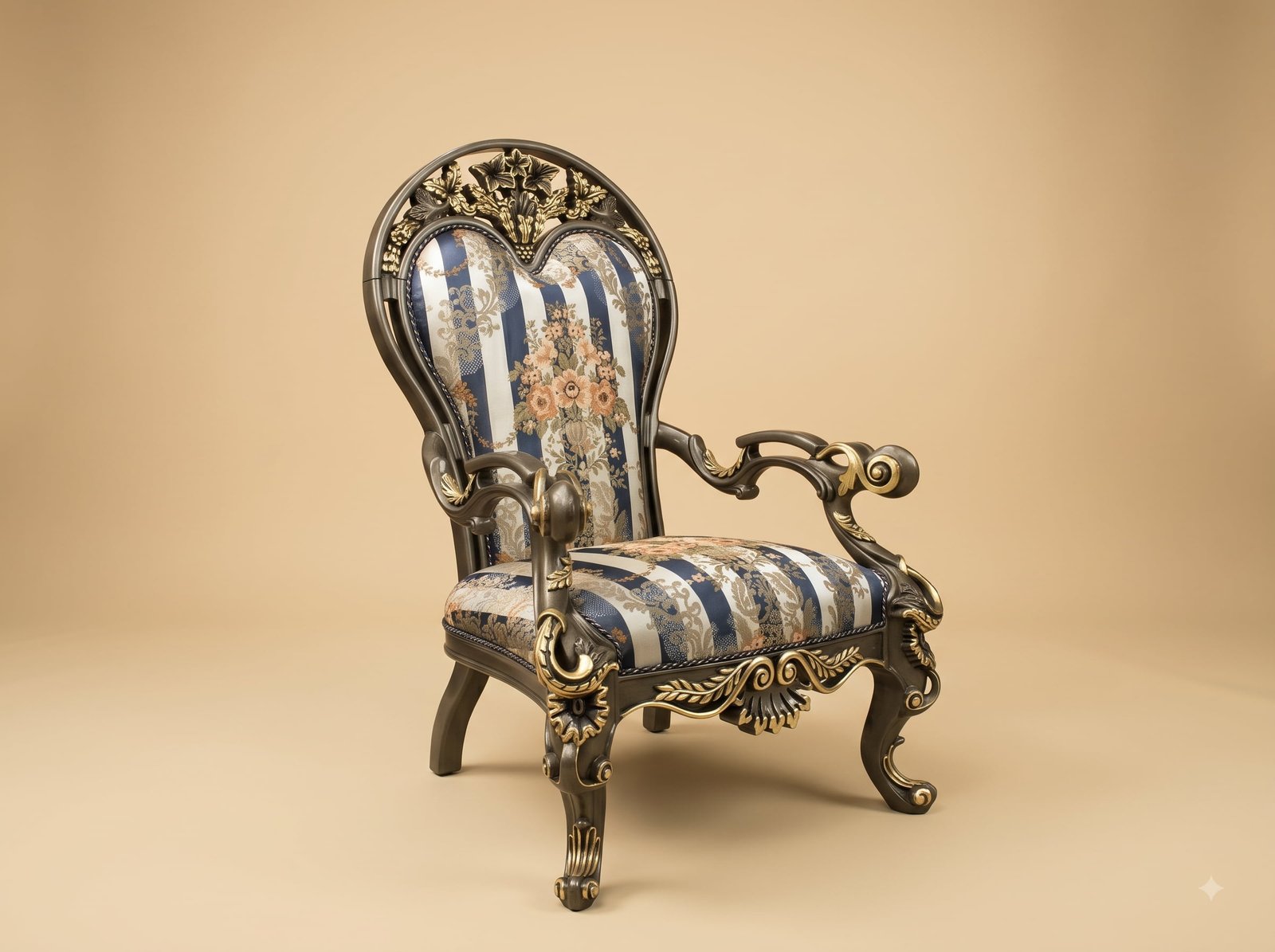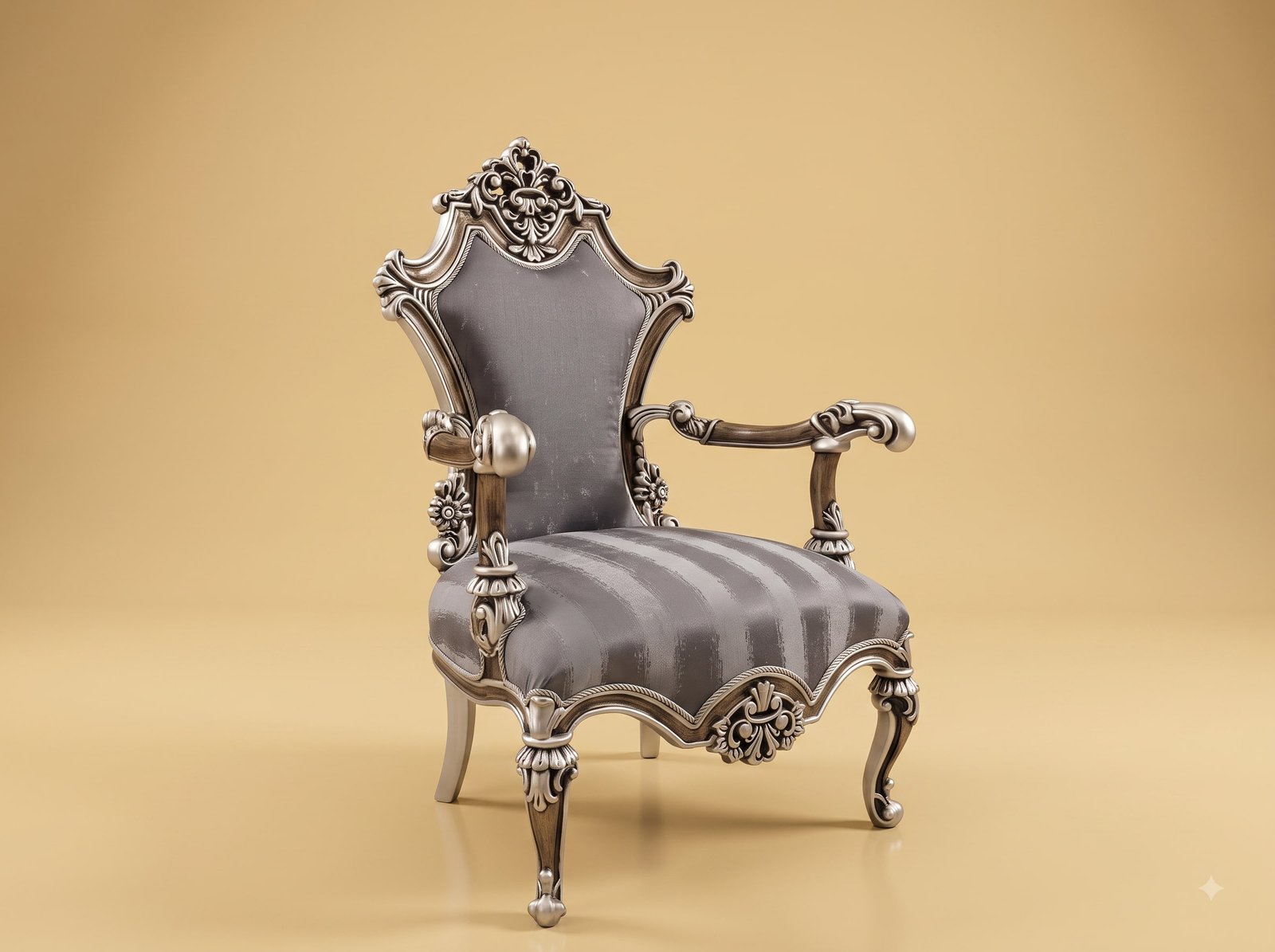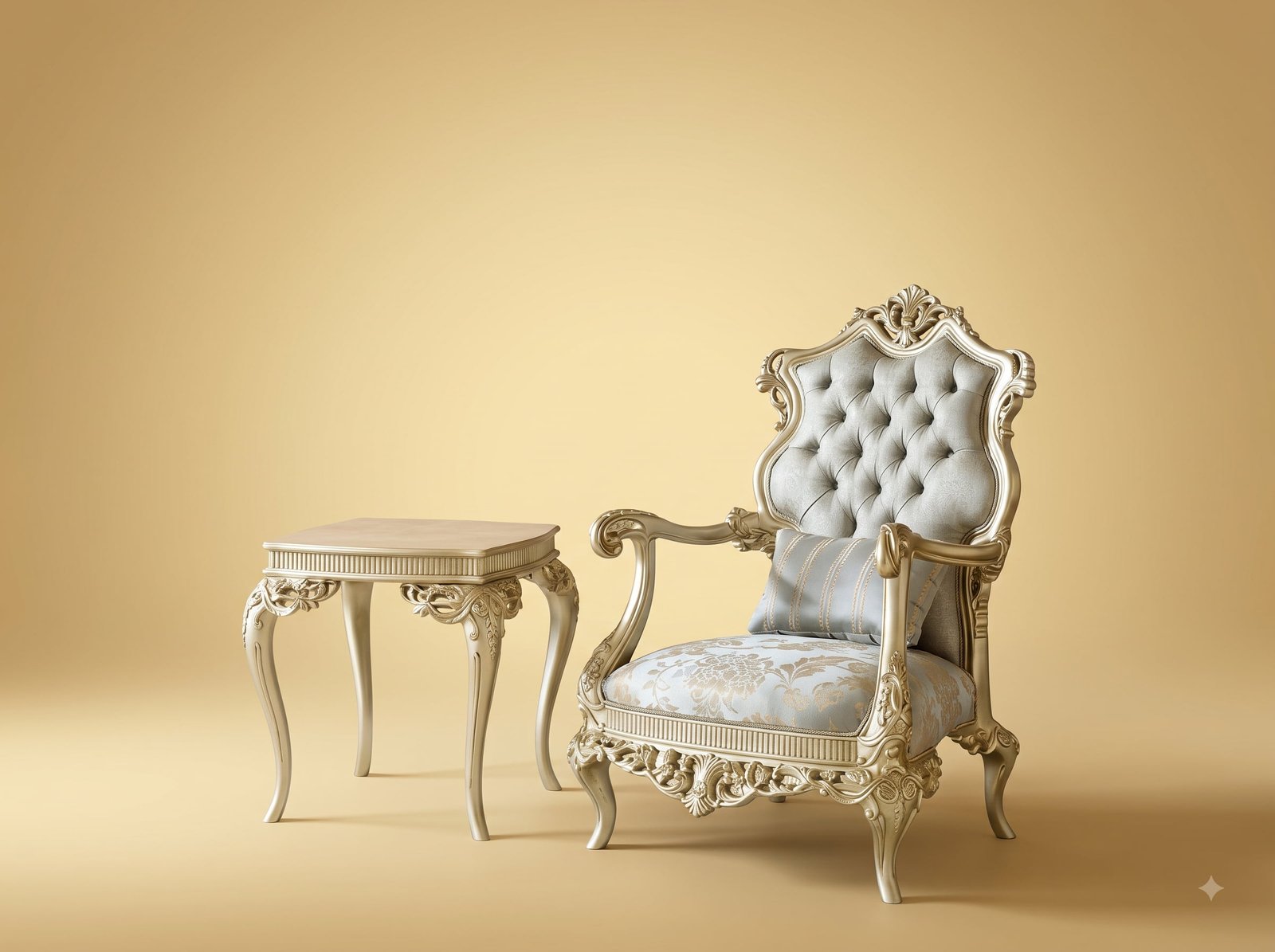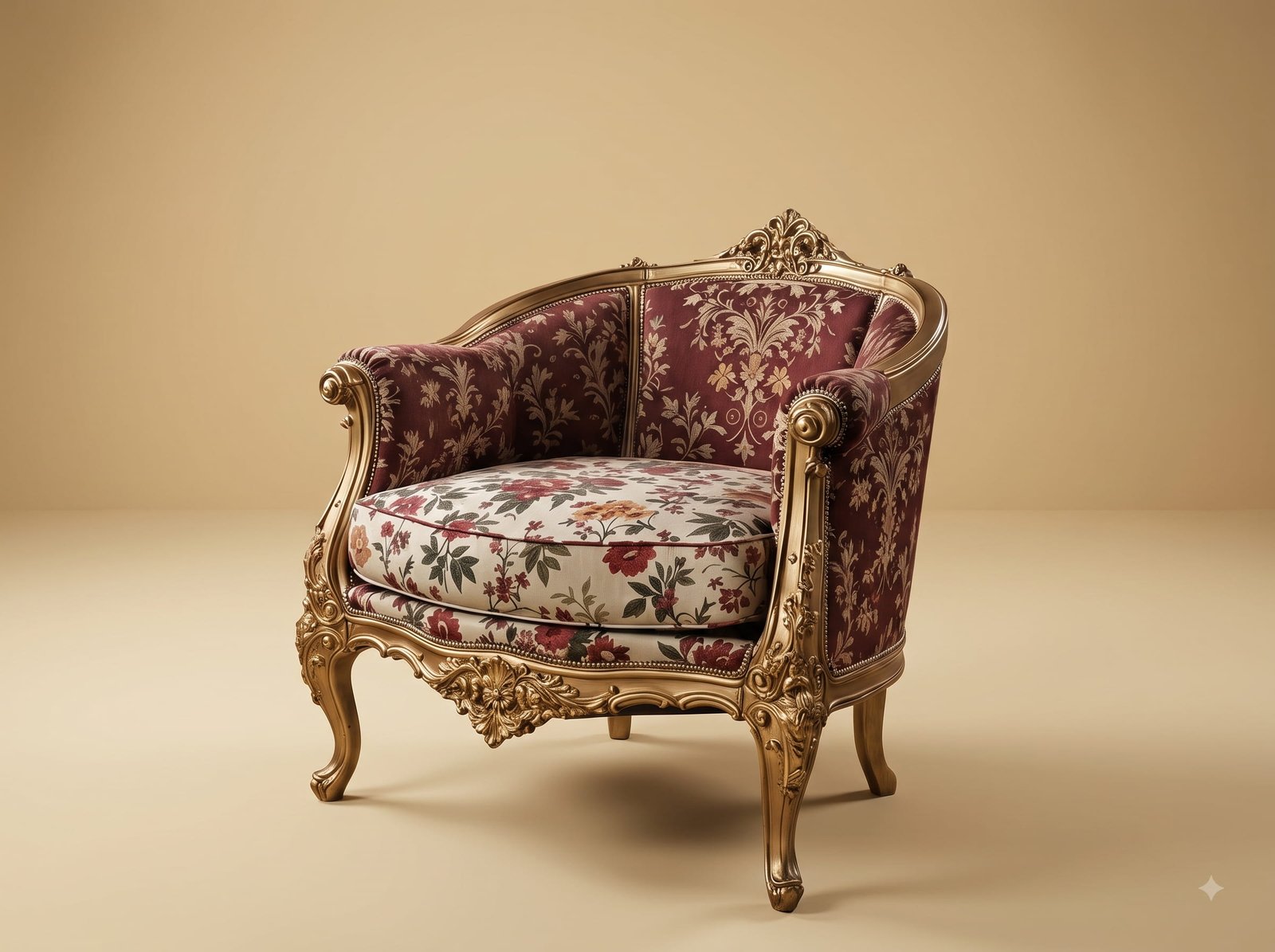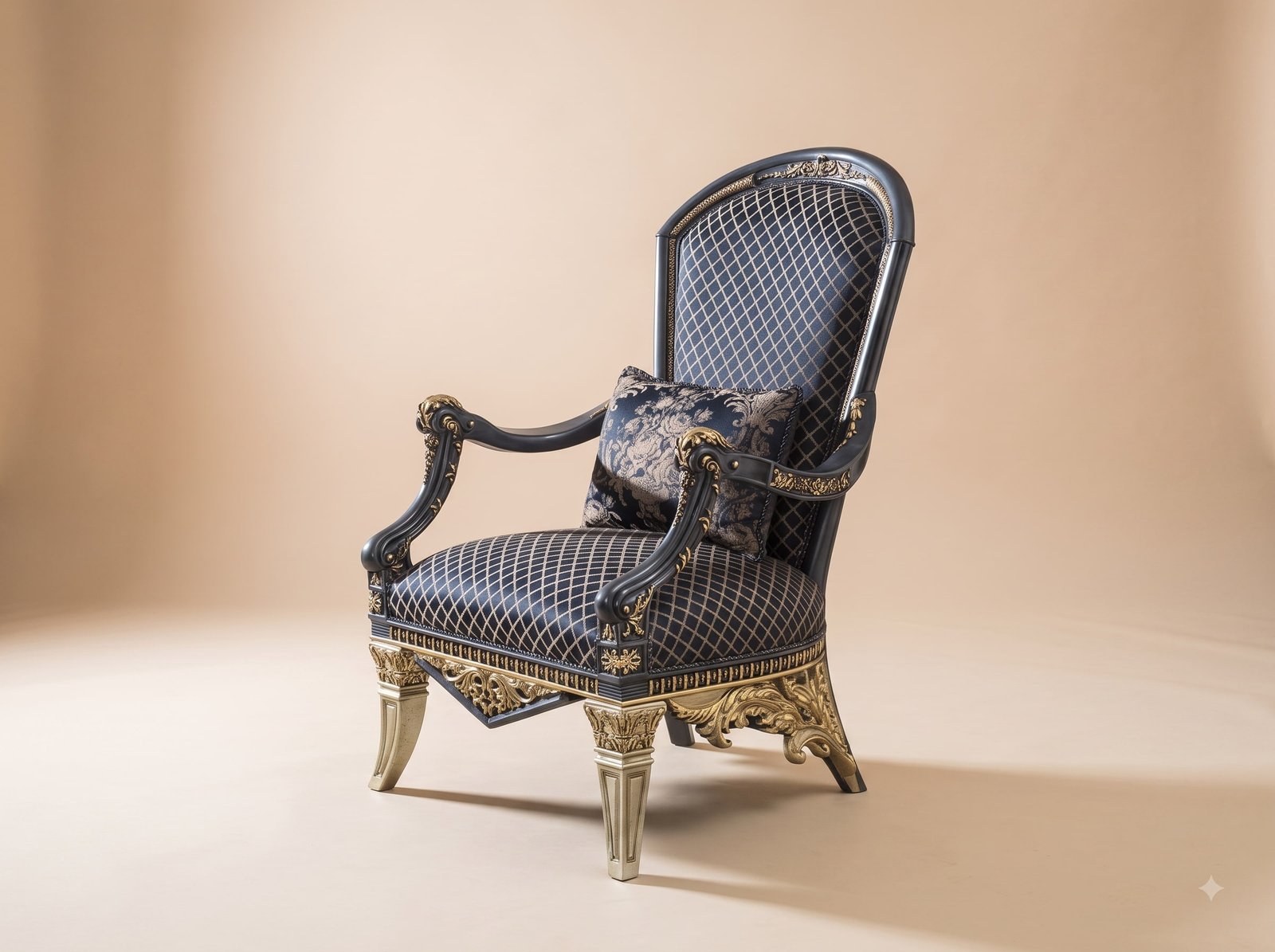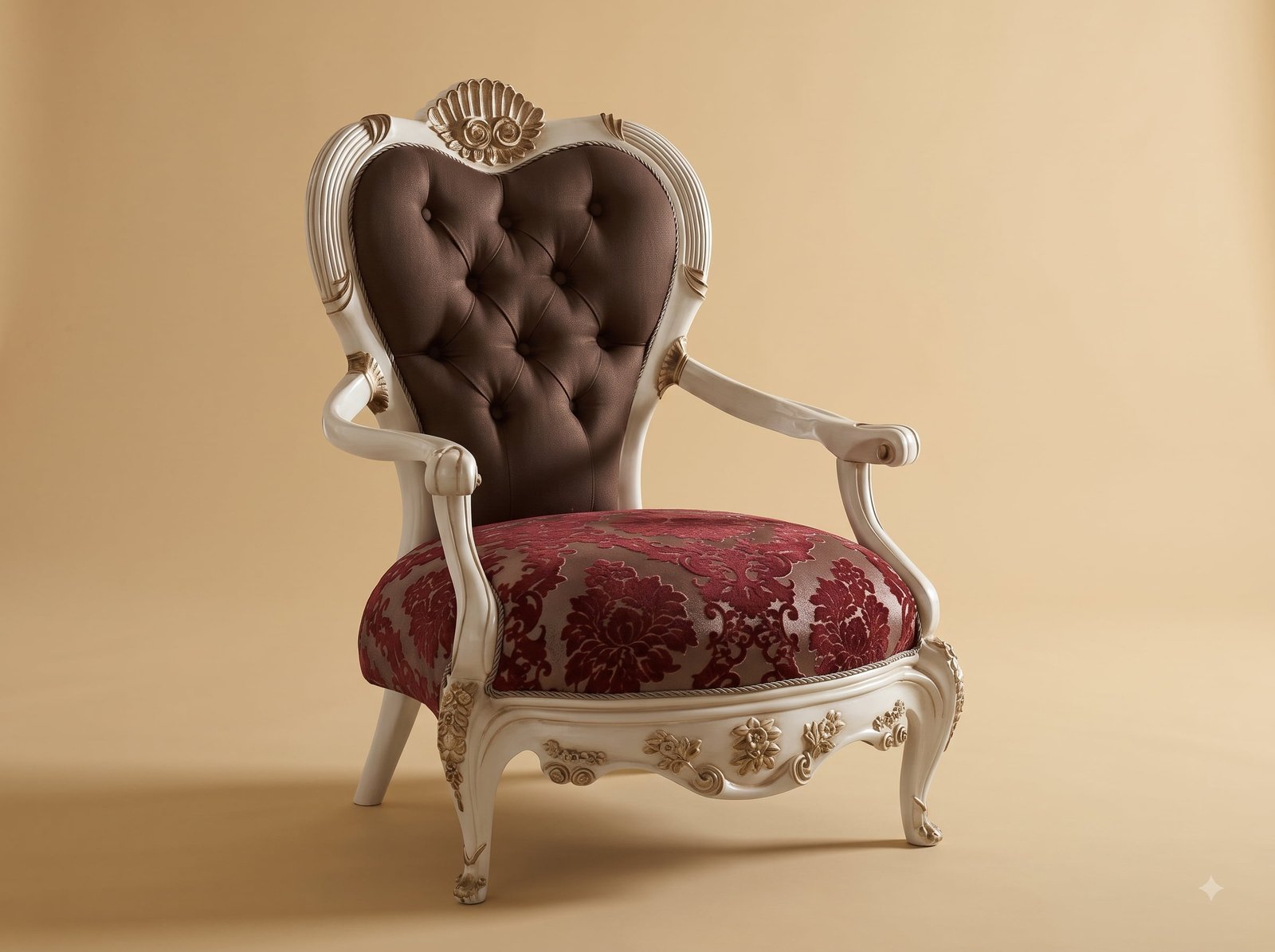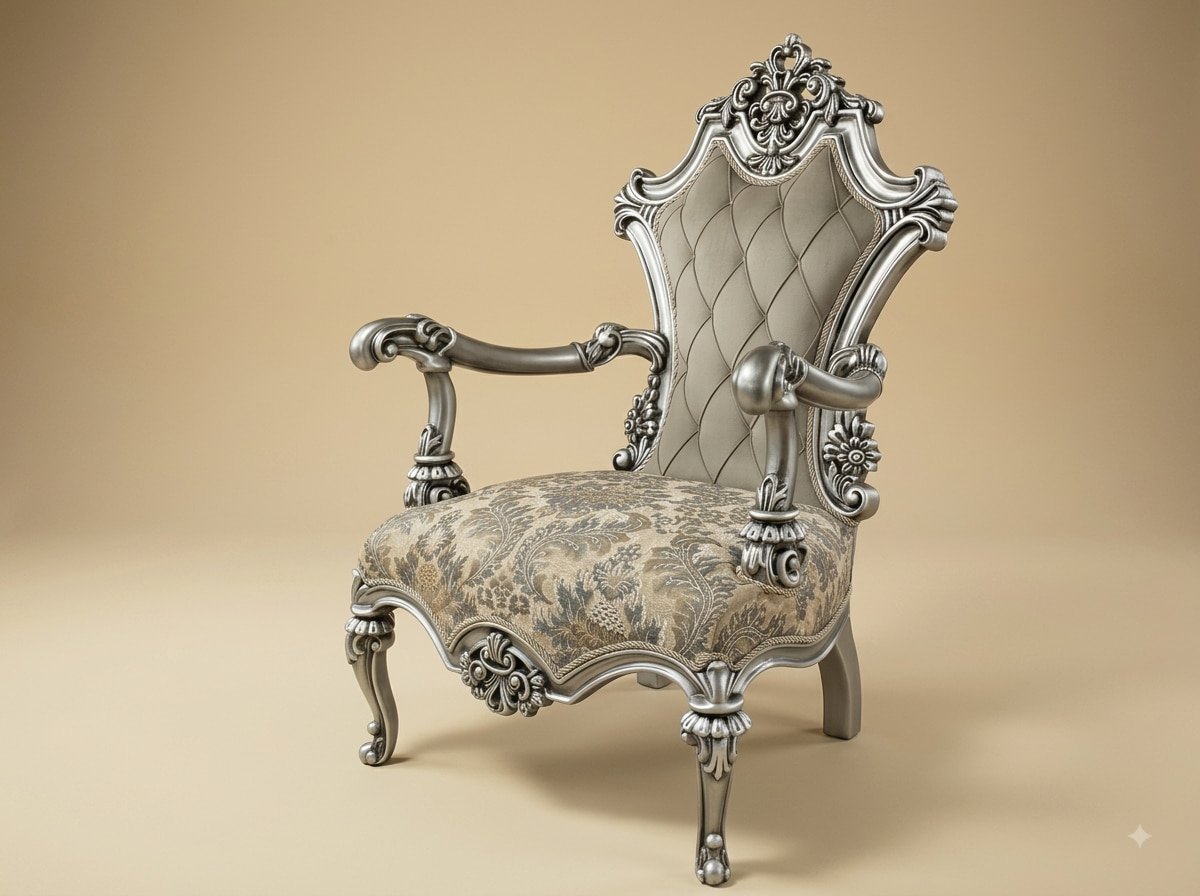
Every upholstered chair has a weak line, and it is always the same one: the edge of the seat.
That edge is at exactly the height of a shin, a table leg, a suitcase and a vacuum cleaner head. It is where people push a chair in from and where they knock it moving past. And on most chairs it is nothing but fabric stretched over a rail - so it scuffs, then it thins, then it goes, while the rest of the covering is still perfectly good.
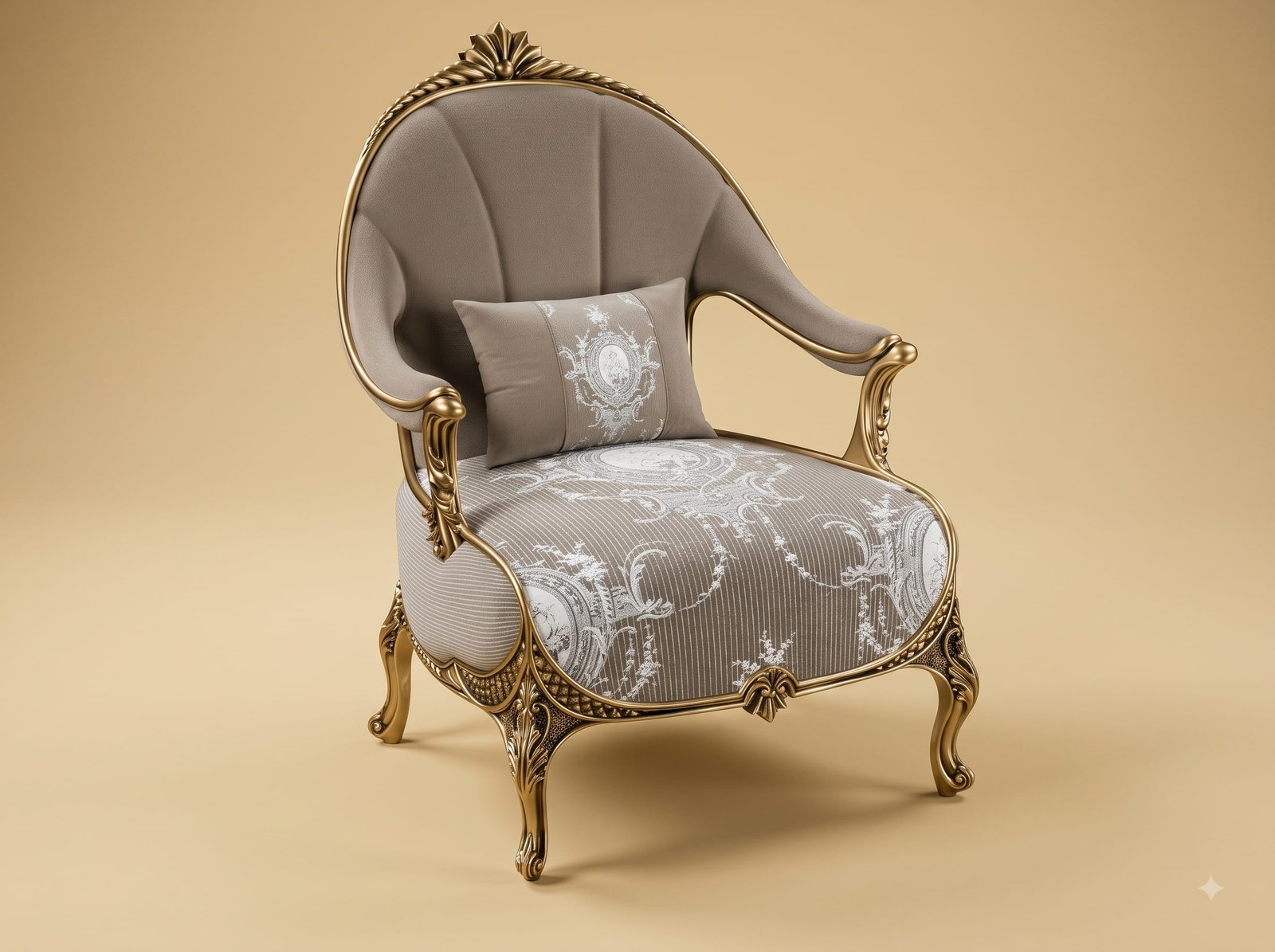
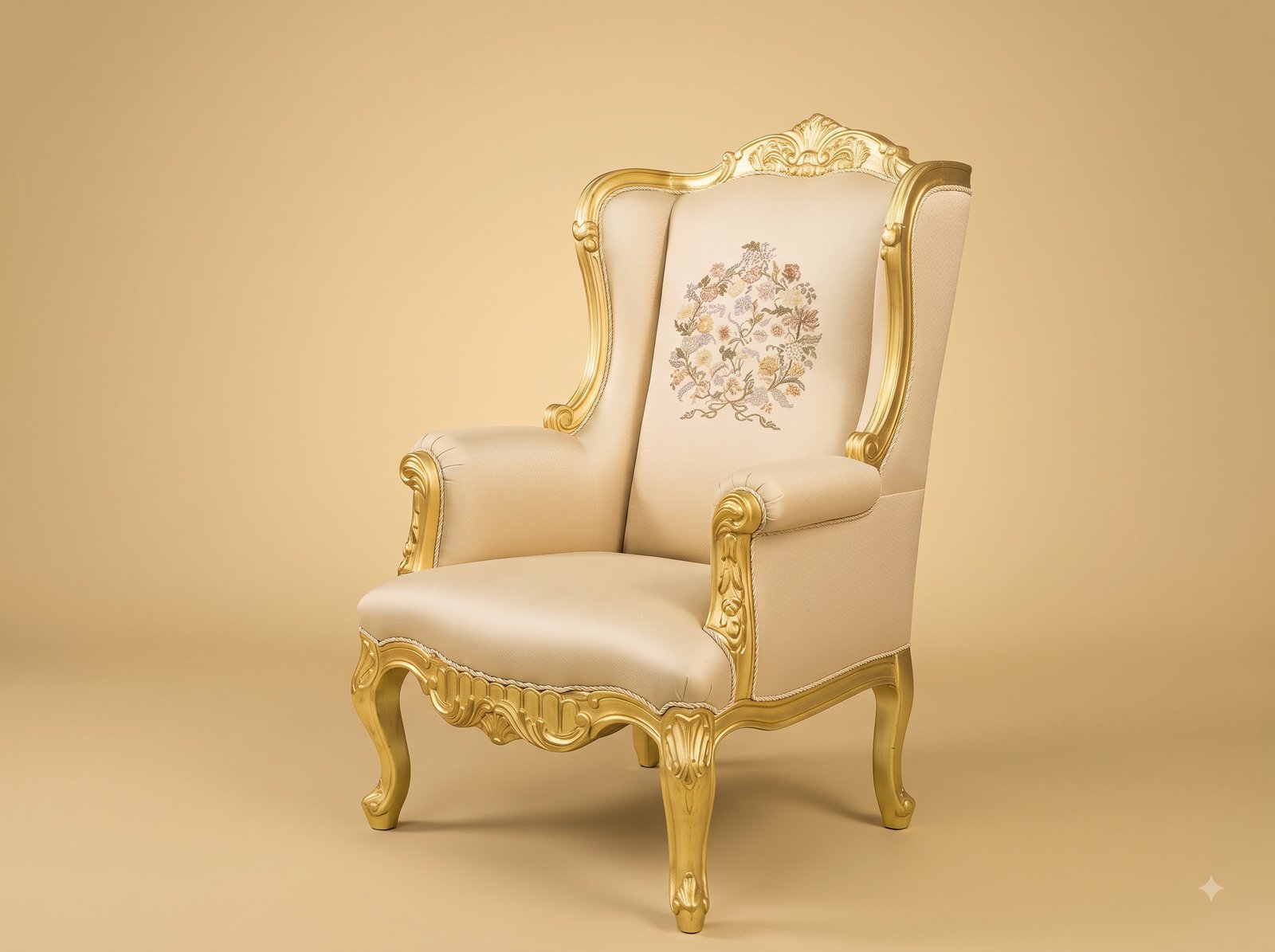
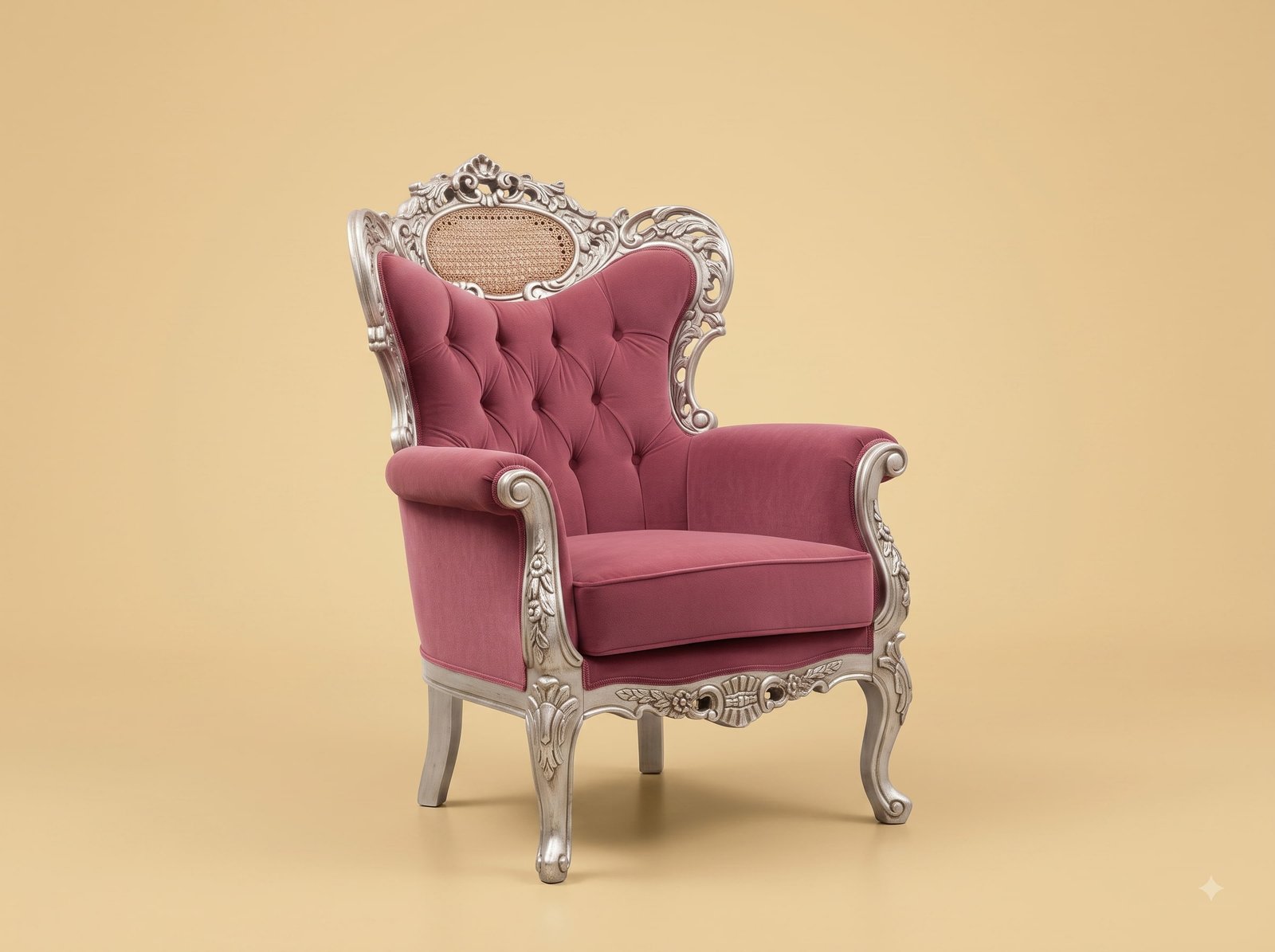
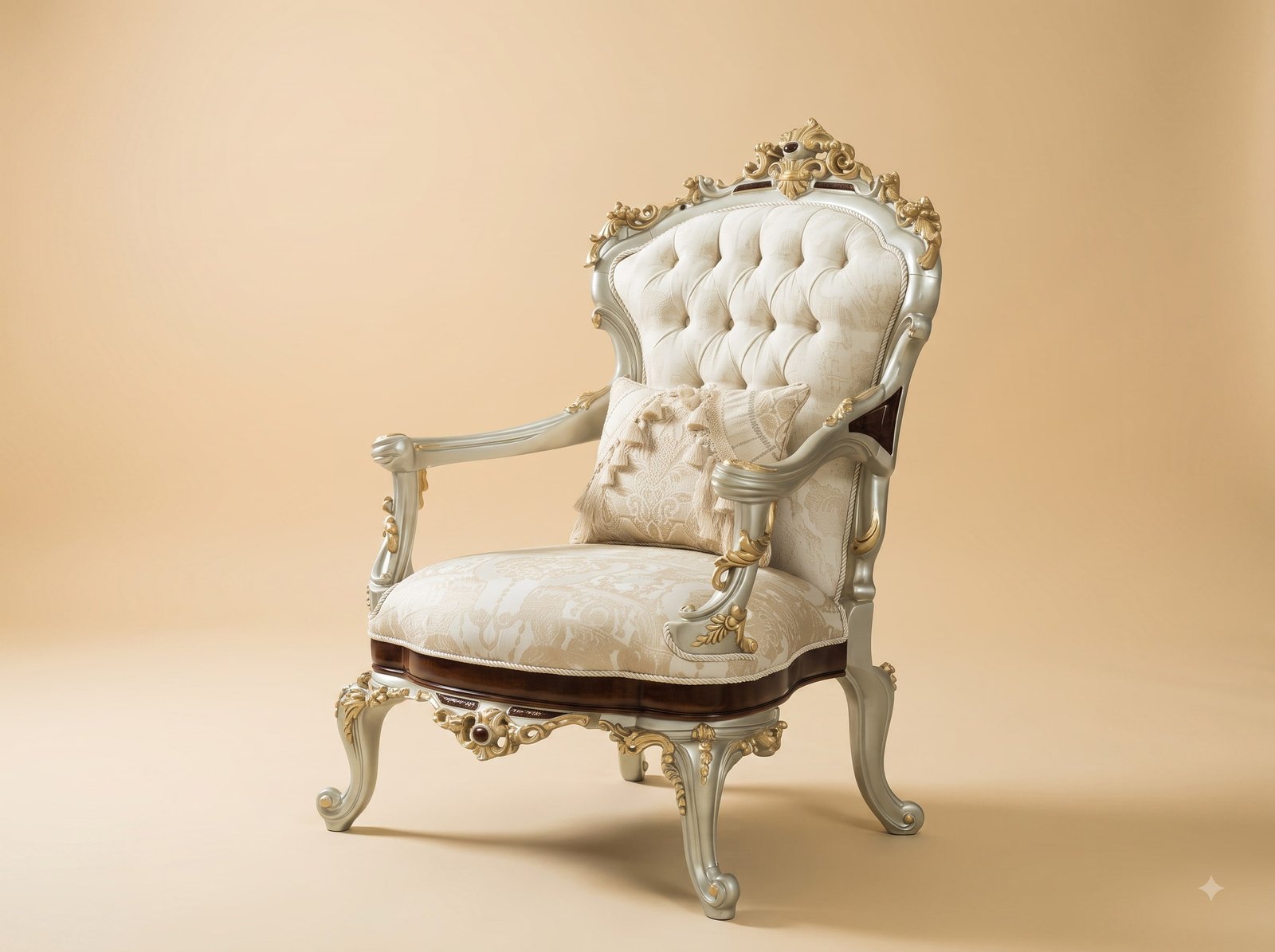
The old answer was to bring the timber out to that line. A band of the frame is left exposed all the way round the seat, standing slightly proud of the upholstery, so contact lands on wood rather than cloth.
That changes the economics of the chair over its life. A marked timber band is polished back in an afternoon. A frayed fabric edge means recovering the seat.
Making it work takes precision, because the band has to stand proud by a consistent amount all the way round or it looks like a mistake, and the upholstery has to finish exactly on its inner edge with no gap and no overhang. Our upholsterers set the seat into the frame rather than over it, working to the timber line rather than to the rail beneath.
Left dark and polished against a pale frame, it also happens to look deliberate - which is why the detail survived long after anyone remembered what it was for.
 Ask Price On WhatsApp