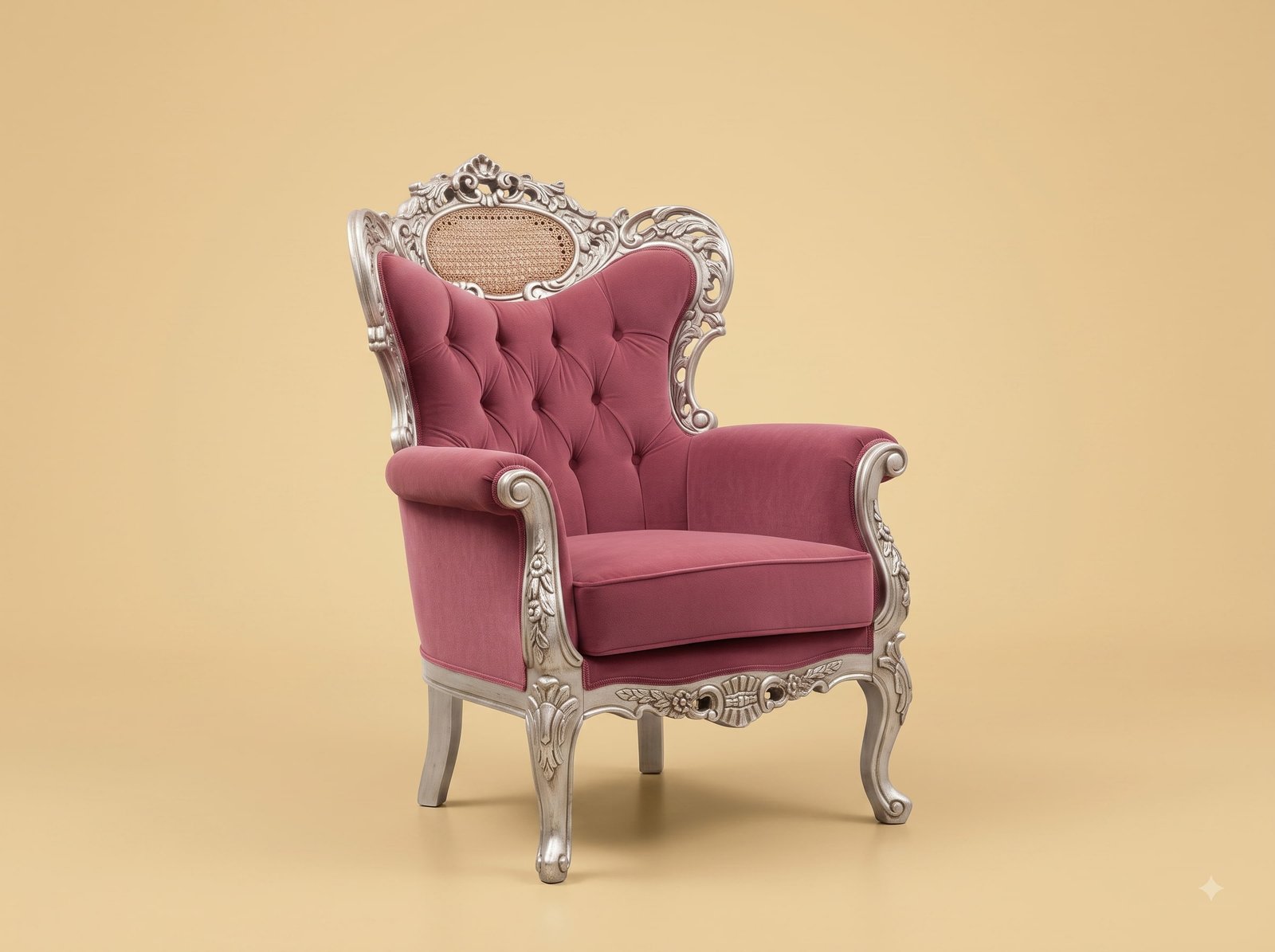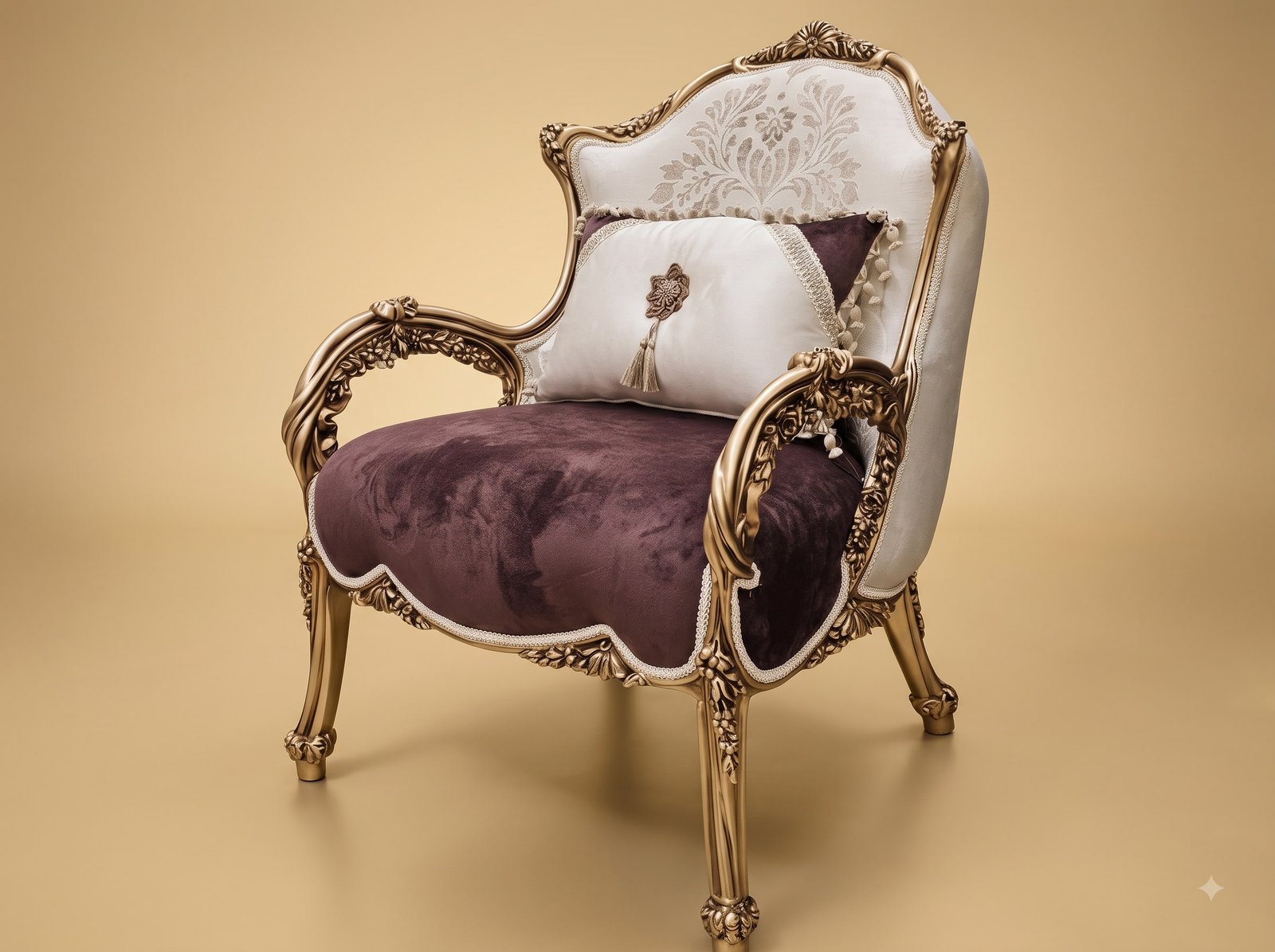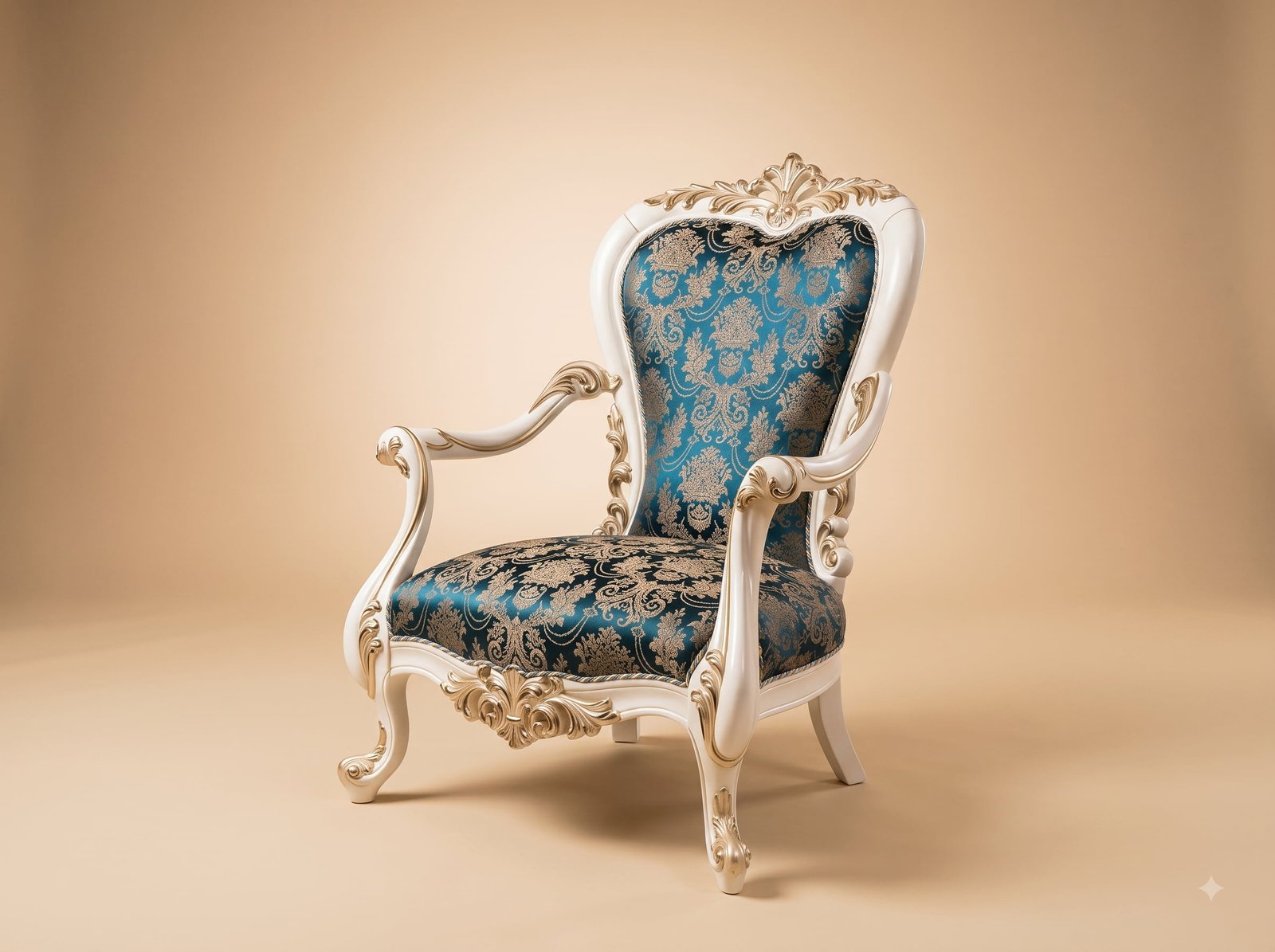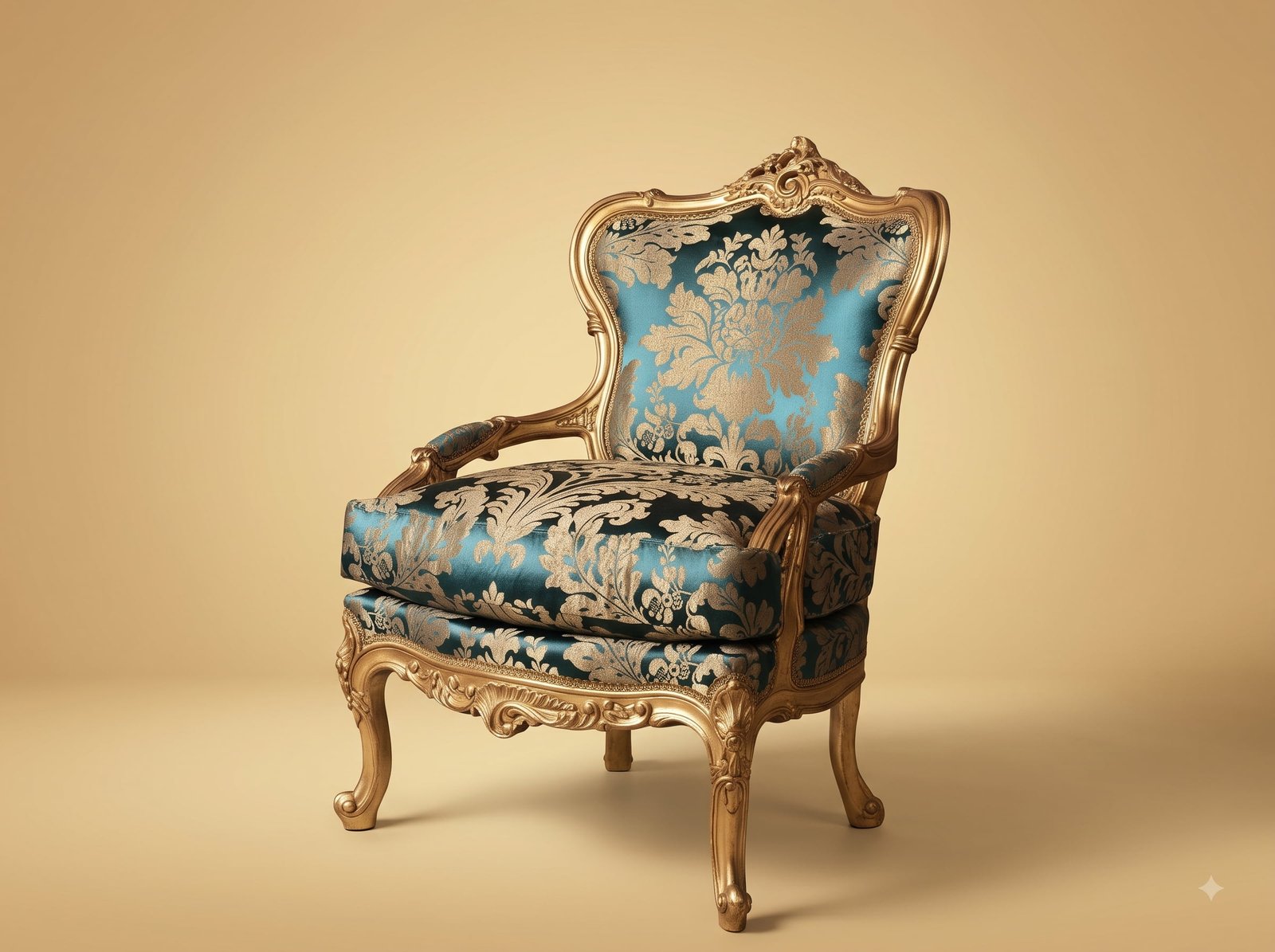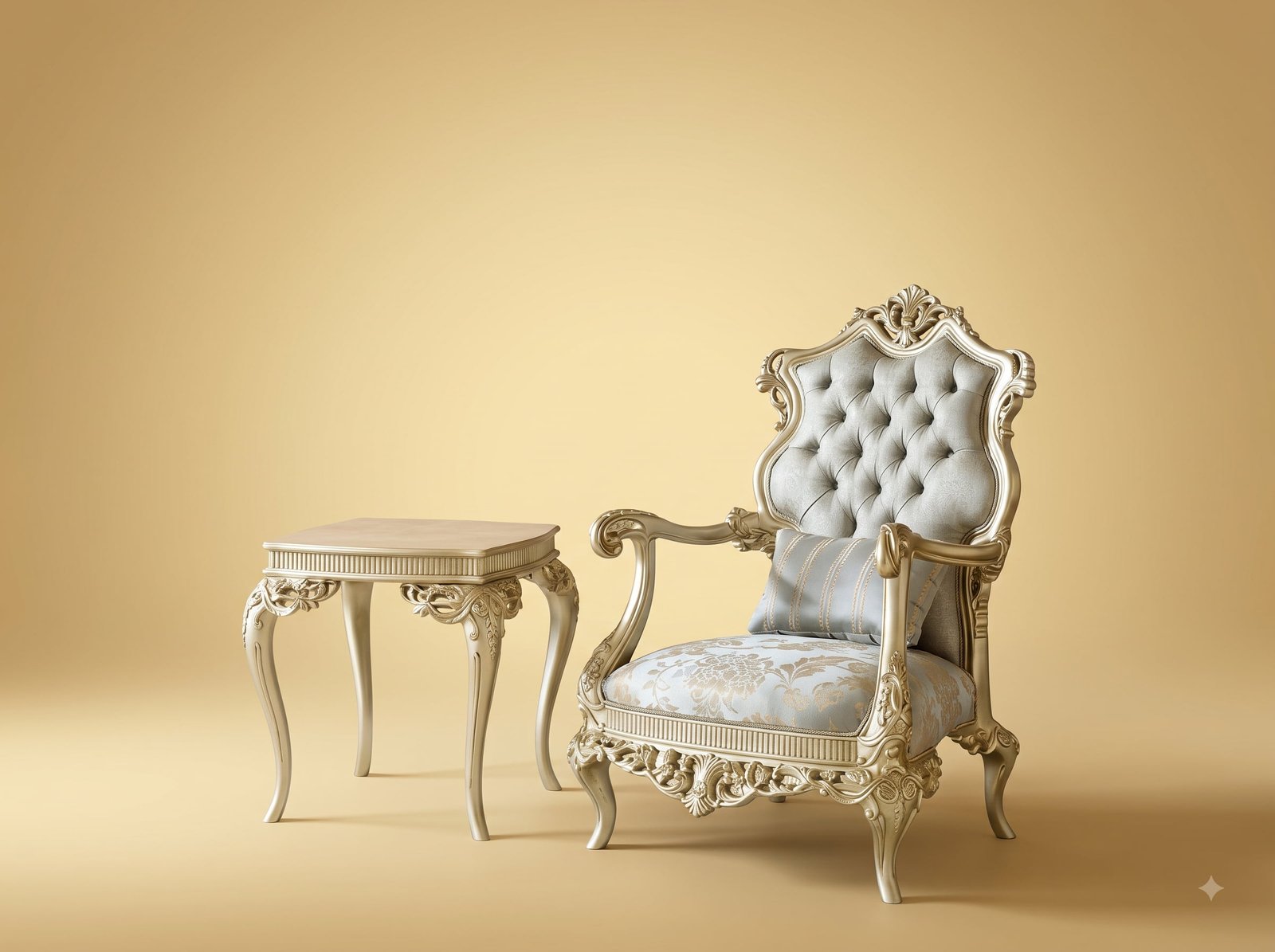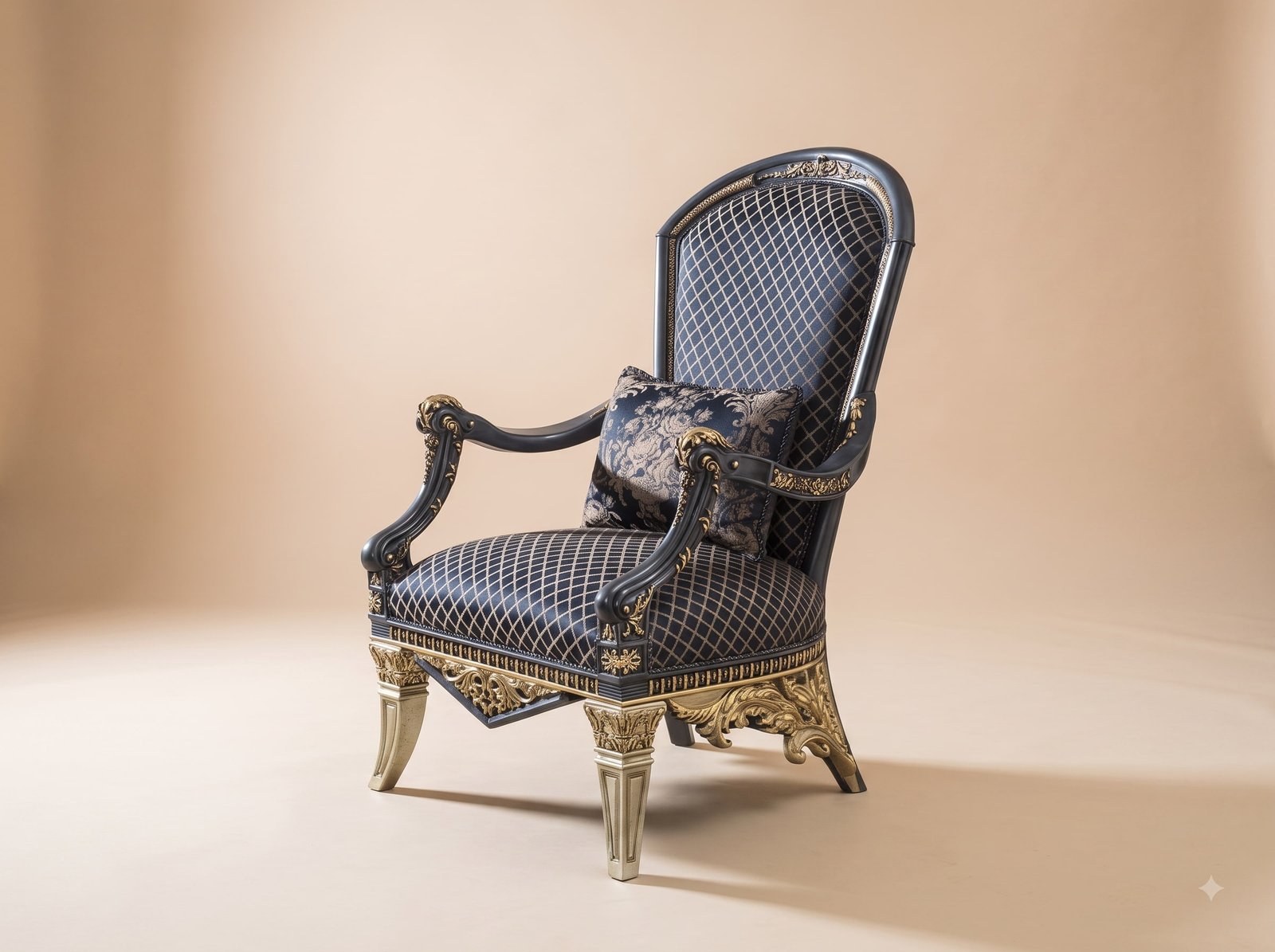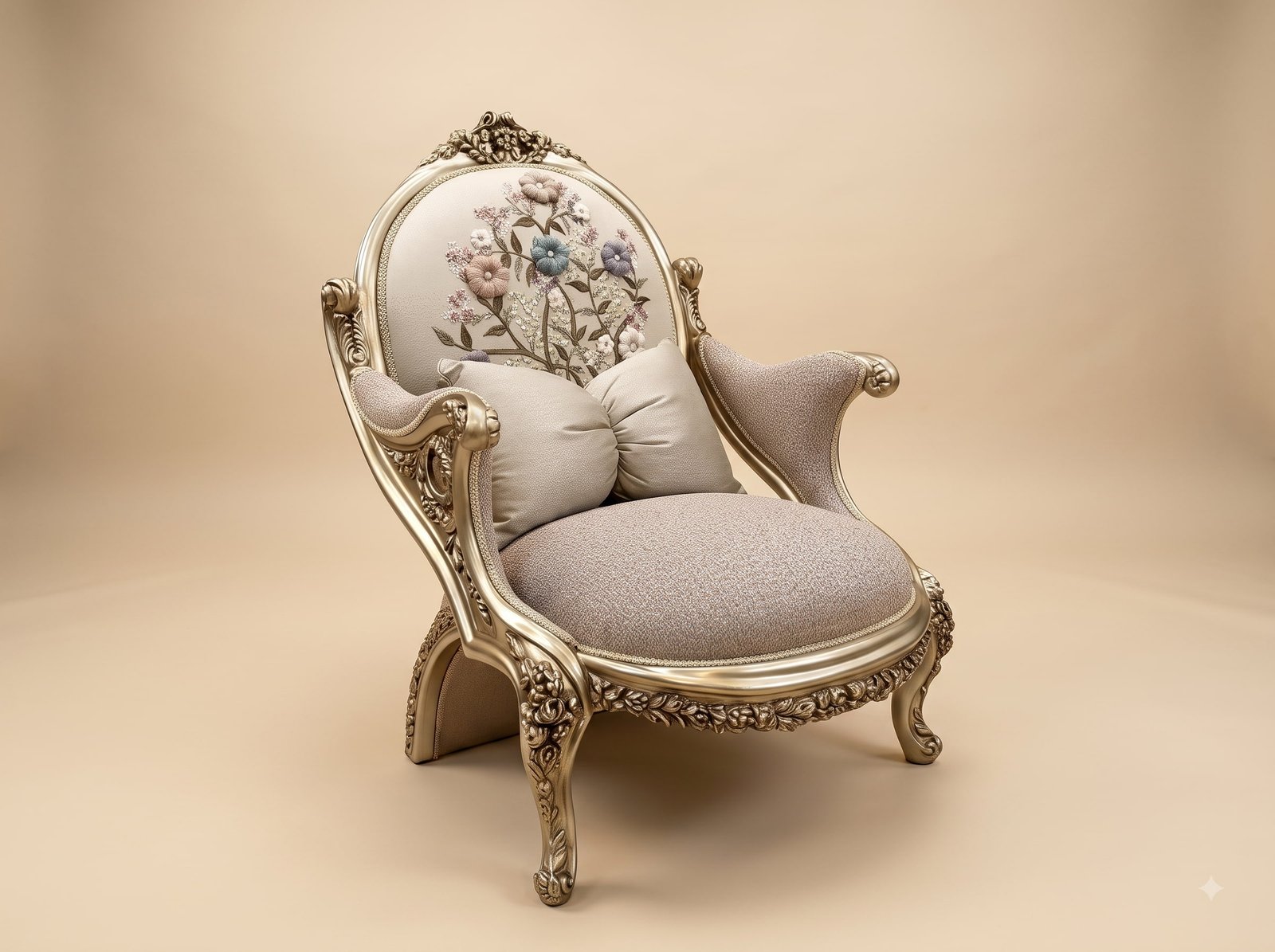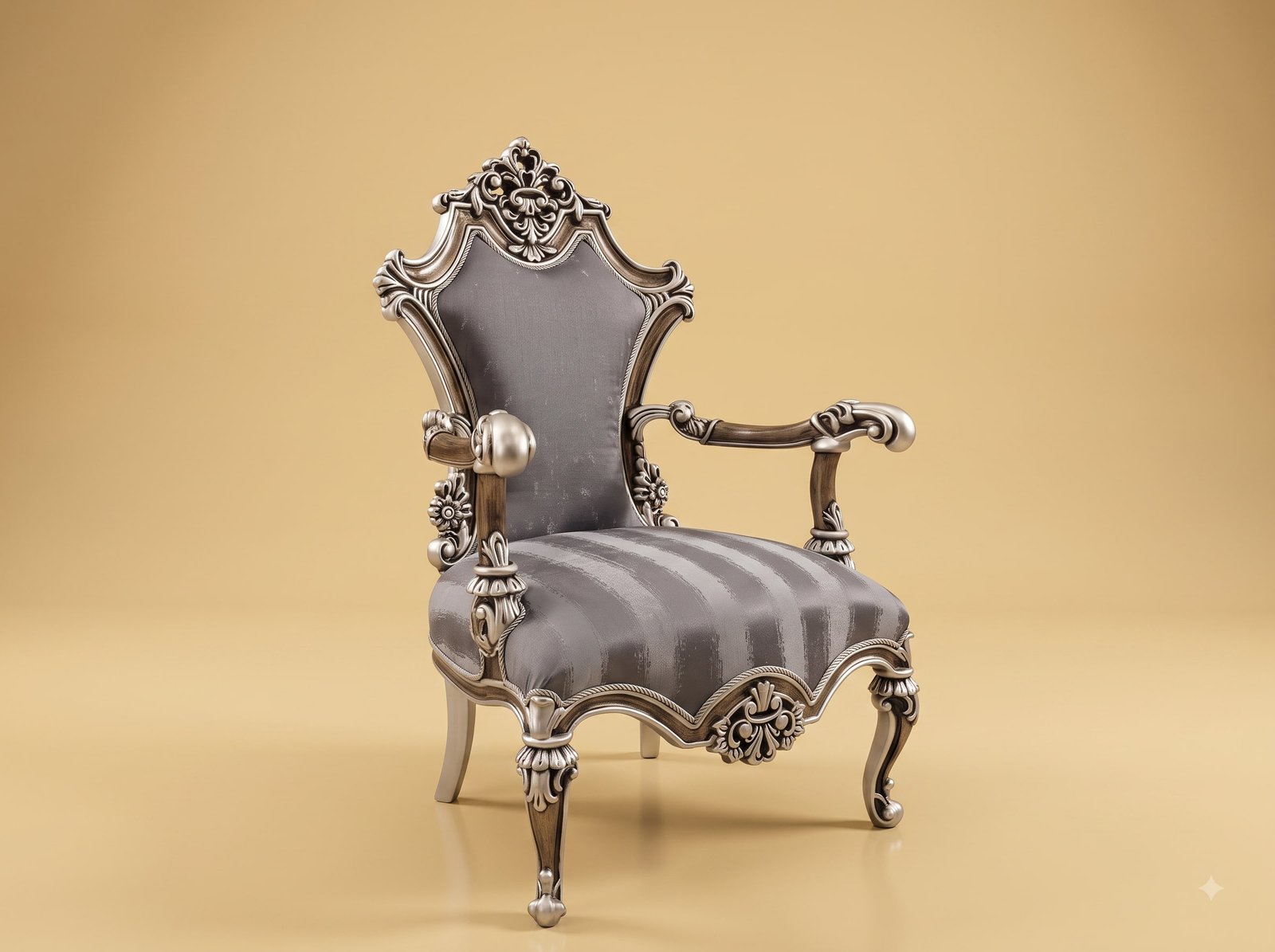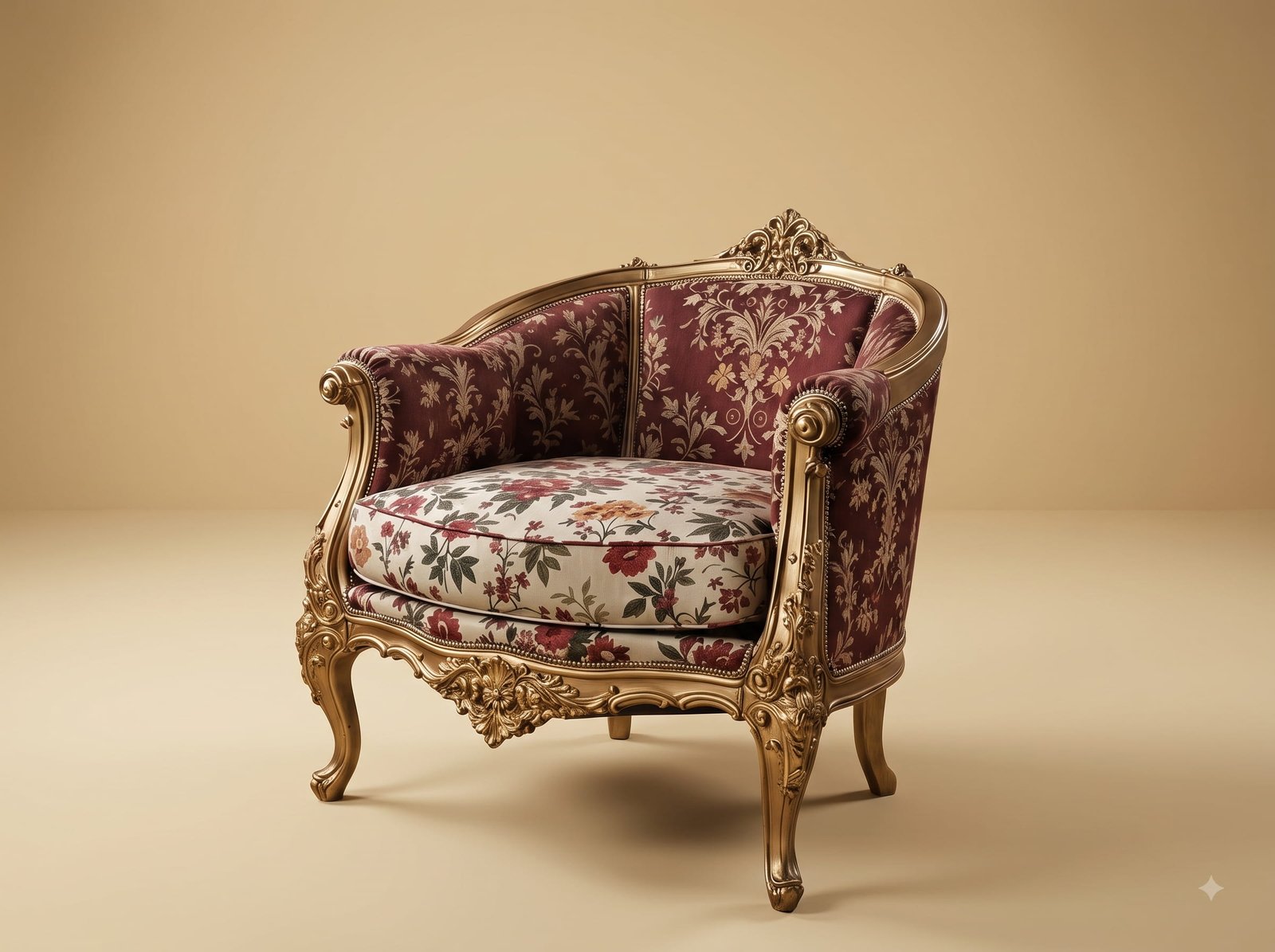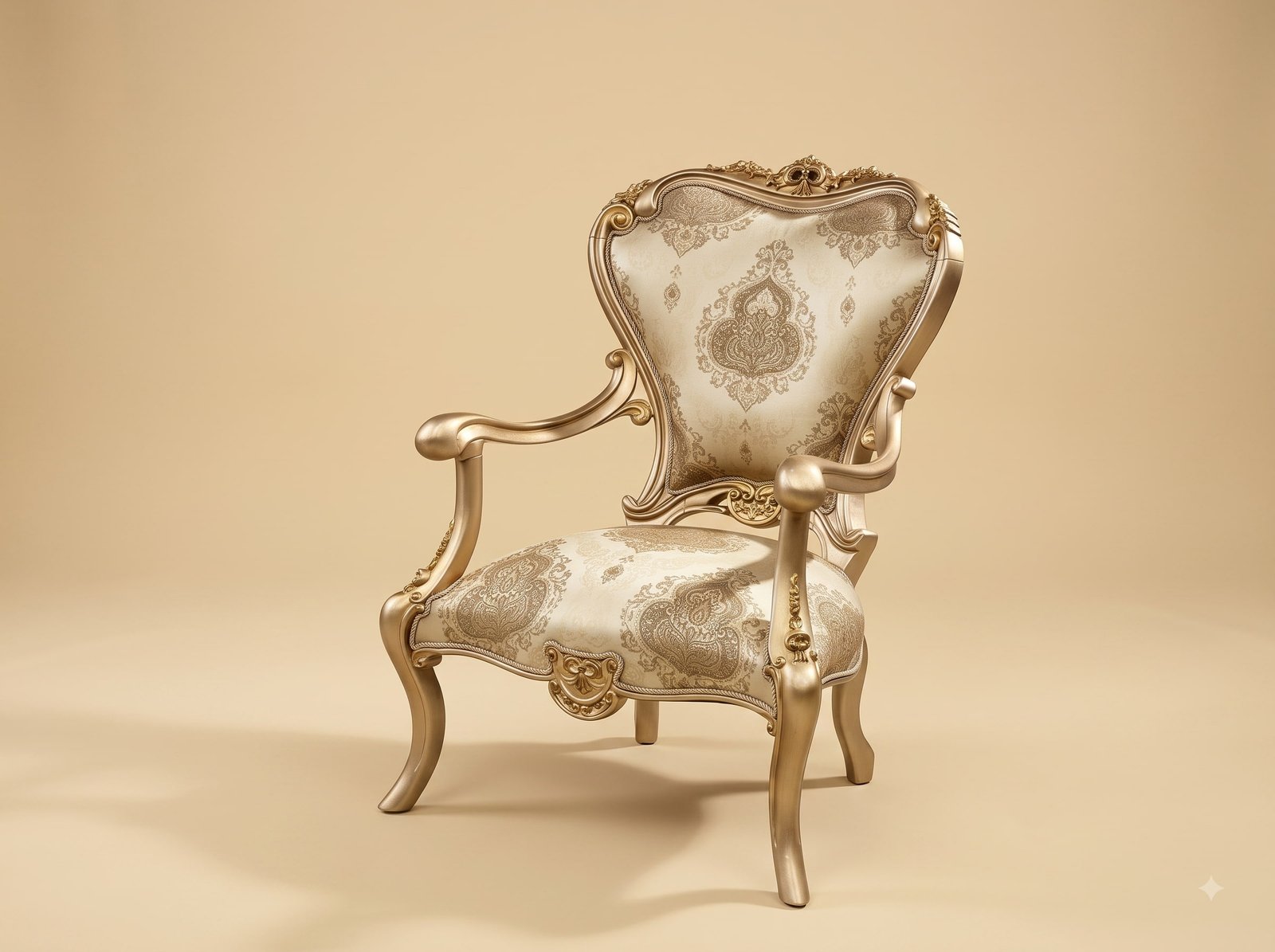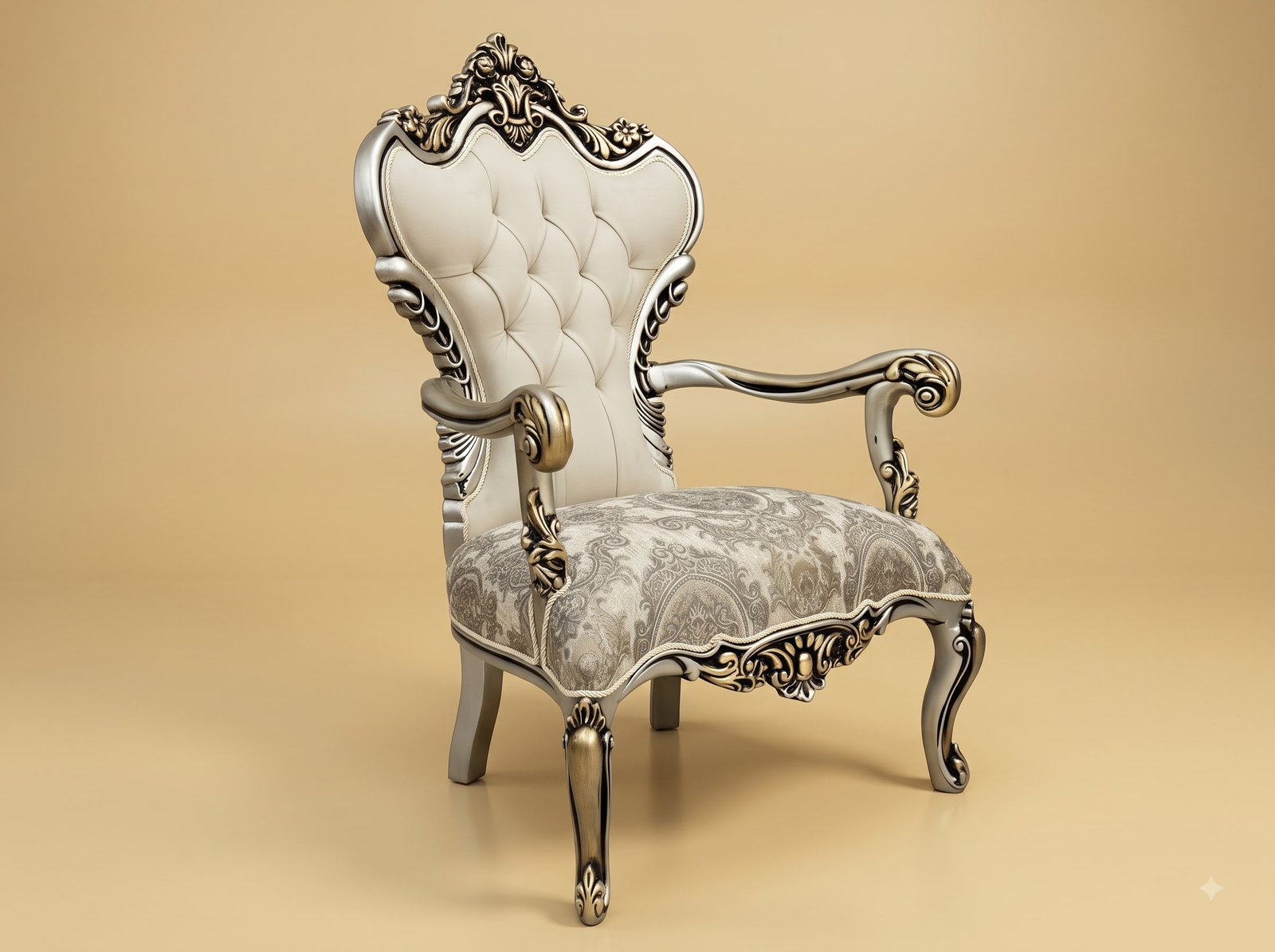
Using two different materials on one chair looks like a styling choice. It is usually an upholsterer's decision, made for reasons that have nothing to do with looks.
Start with the back. Buttoning works by pulling the surface down at points and letting it gather between them, which means the material has to fold - and any pattern folded like that stops being a pattern. A motif disappears into a crease, a stripe wanders, and what was a considered design becomes noise. Plain materials, and leather in particular, are made for buttoning because folds in a plain surface read as shadow rather than as distortion.
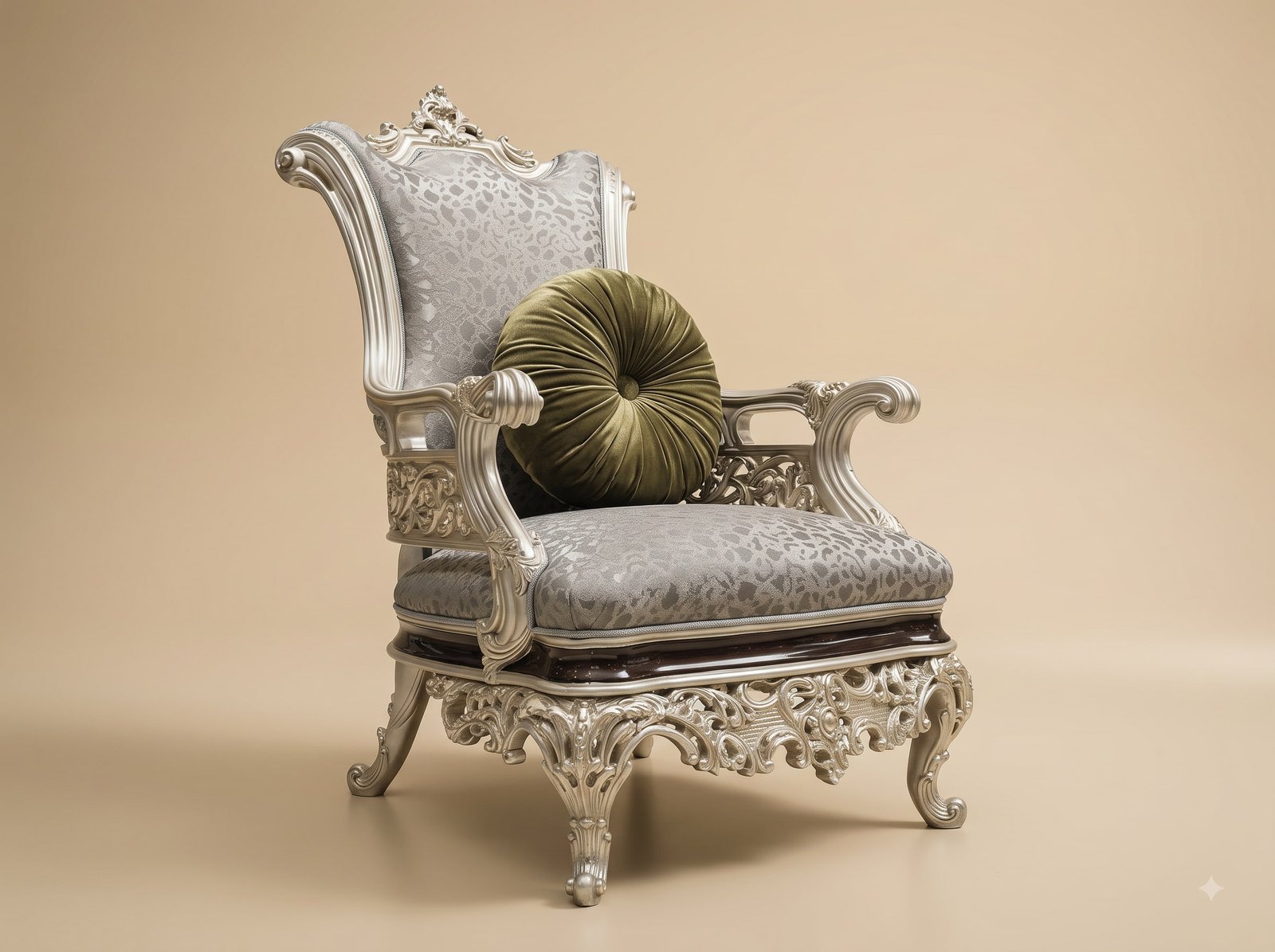
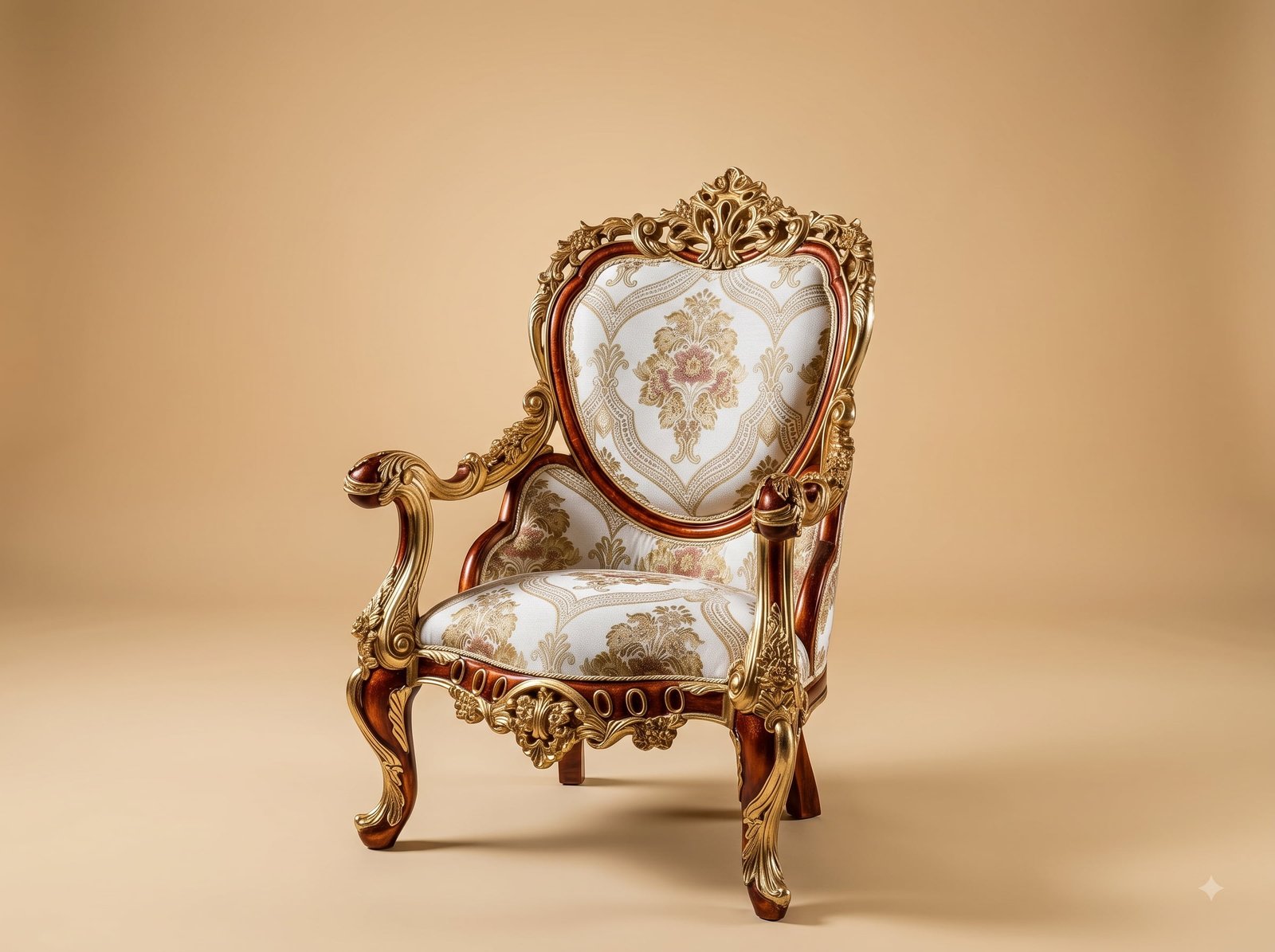
Now the seat. It is flat, it faces upward, it catches every bit of light in the room and it takes all the wear - which is exactly where a pattern earns its place. A woven design breaks up light across the surface, so a crease from sitting or a mark from daily use disappears into it instead of standing out on an unbroken field.
So the two halves of a chair genuinely want different things, and a good upholsterer gives them different things. The trick is only to keep the colour families close enough that the chair still reads as one object - which is why the seat pattern here sits in the same tonal range as the plain back rather than contrasting with it.
 Ask Price On WhatsApp