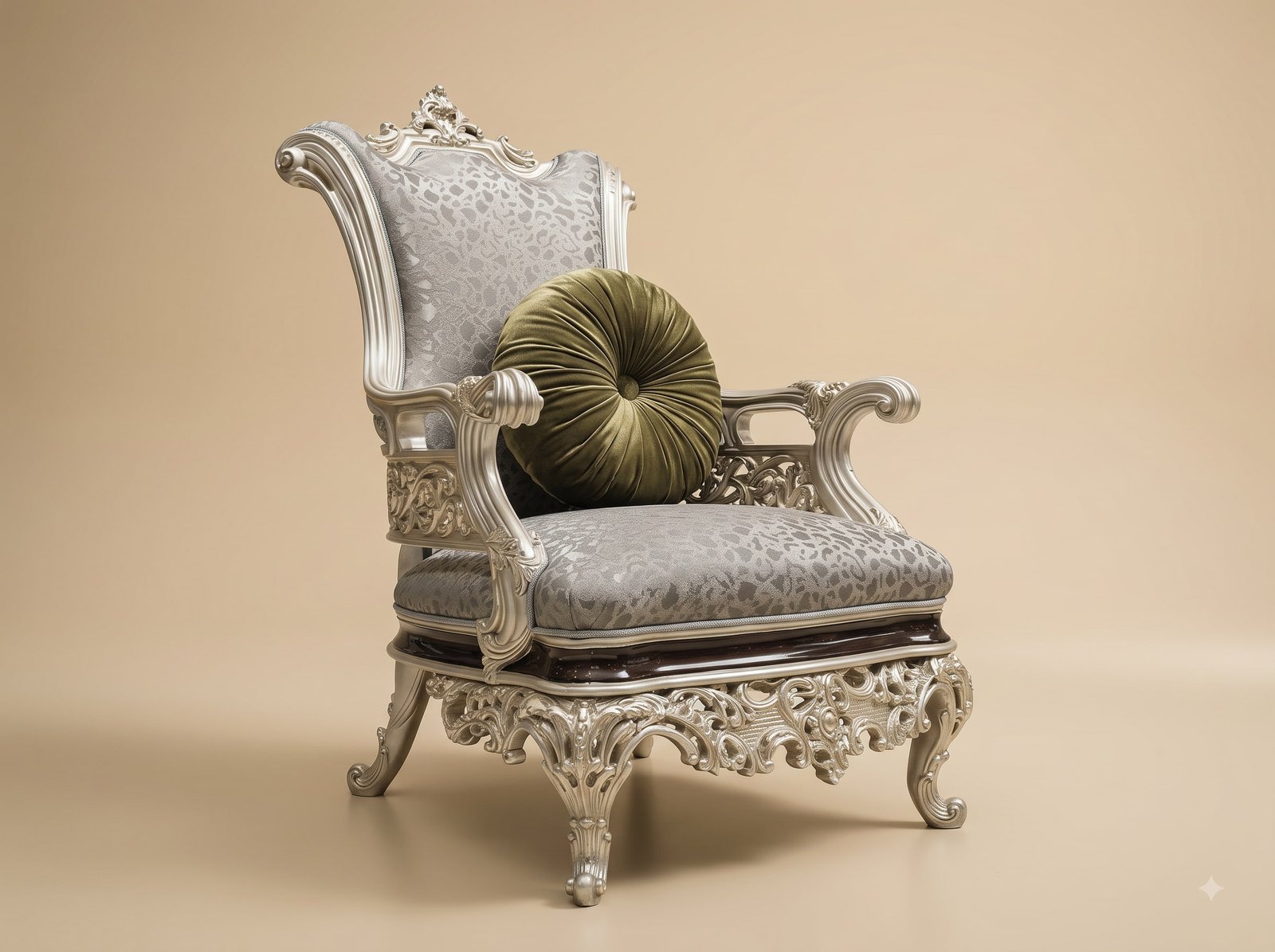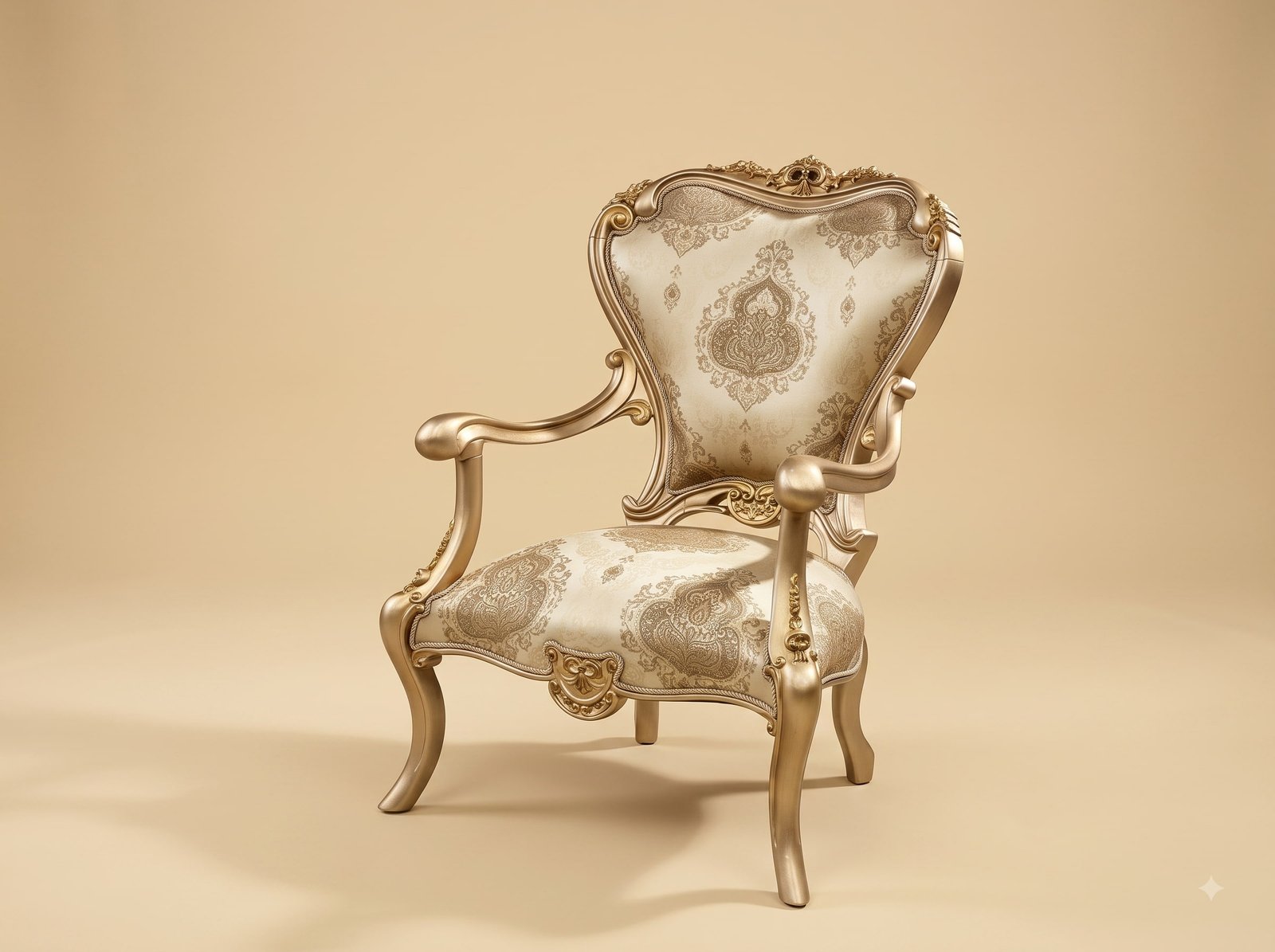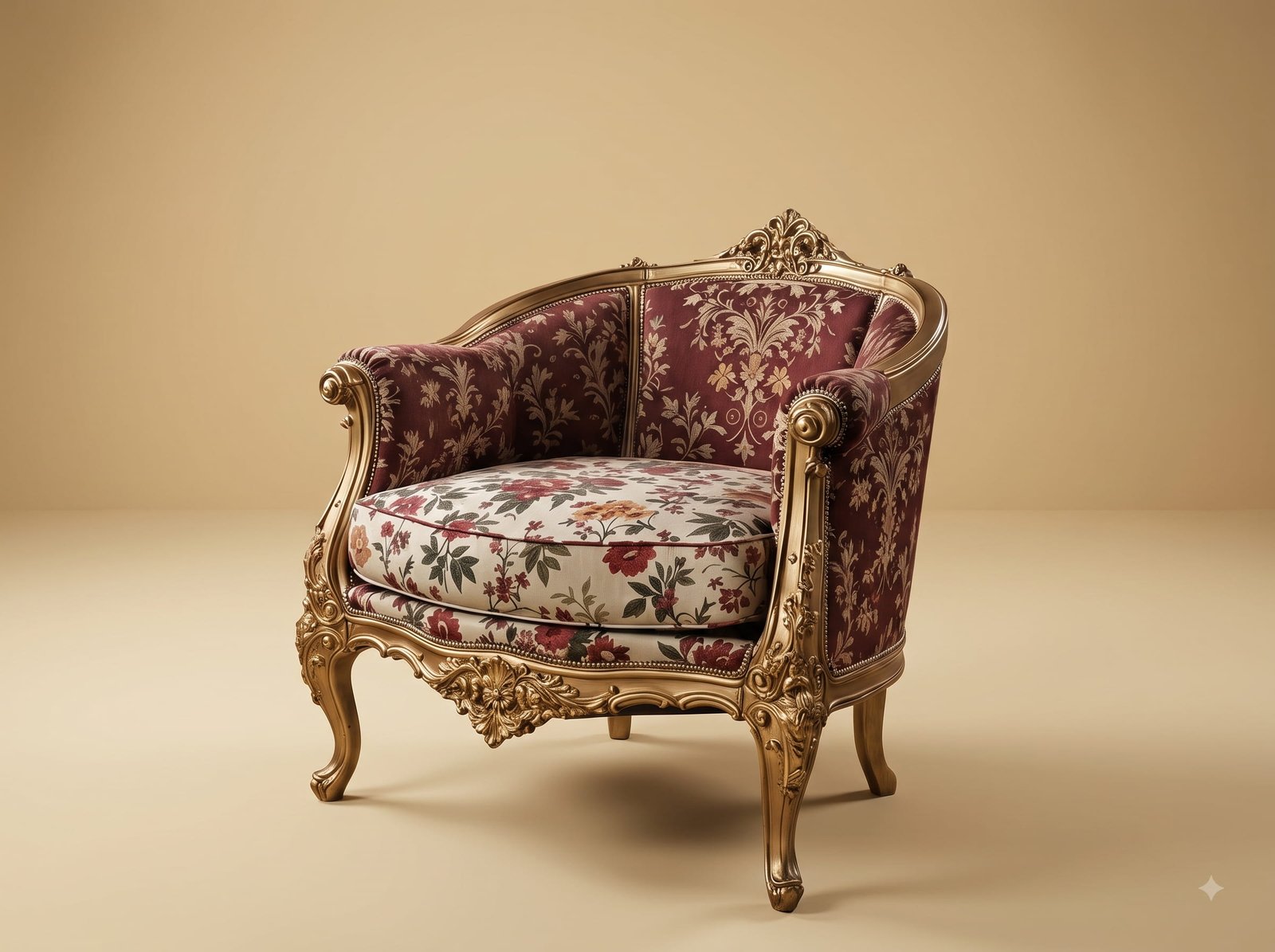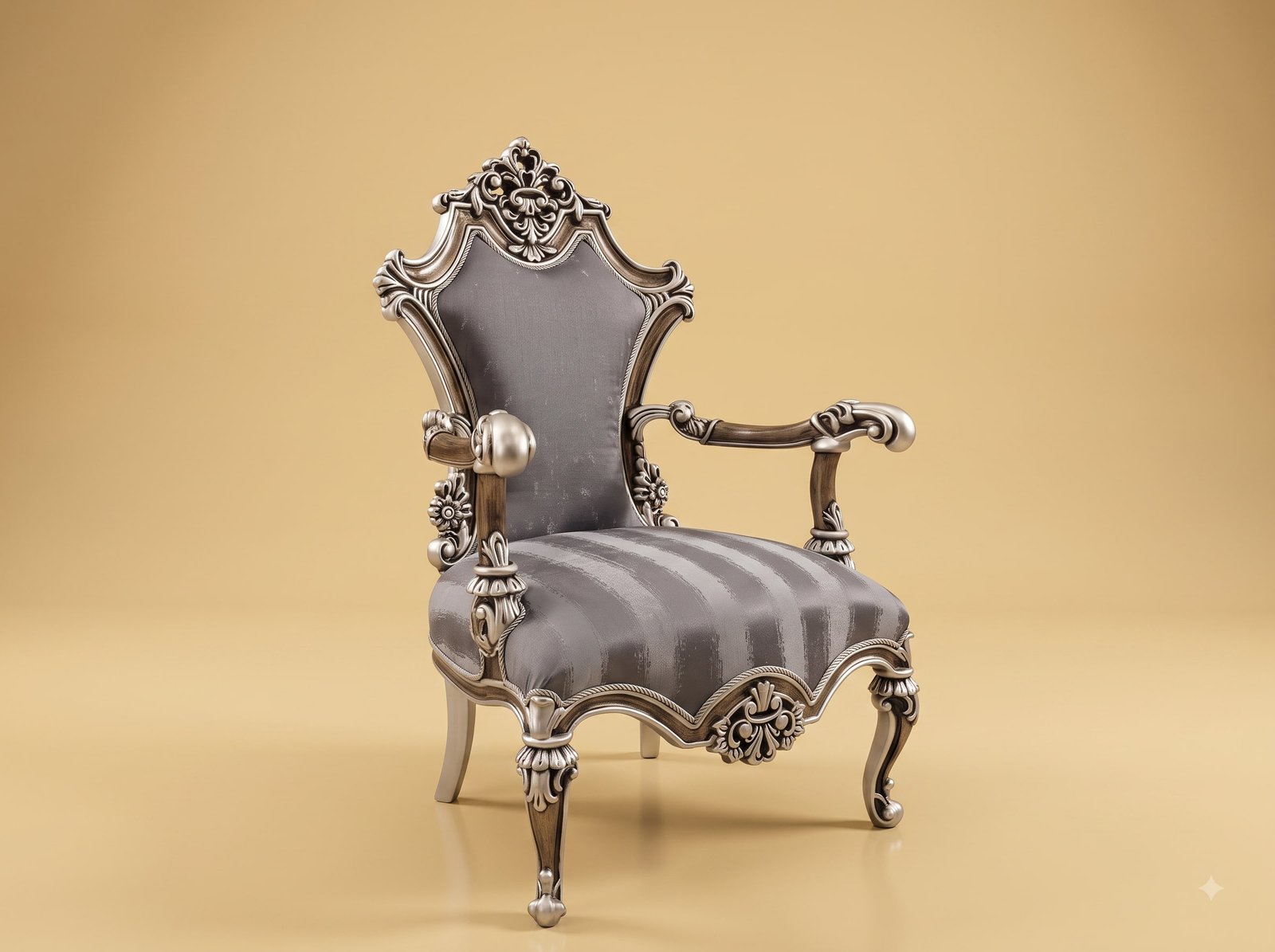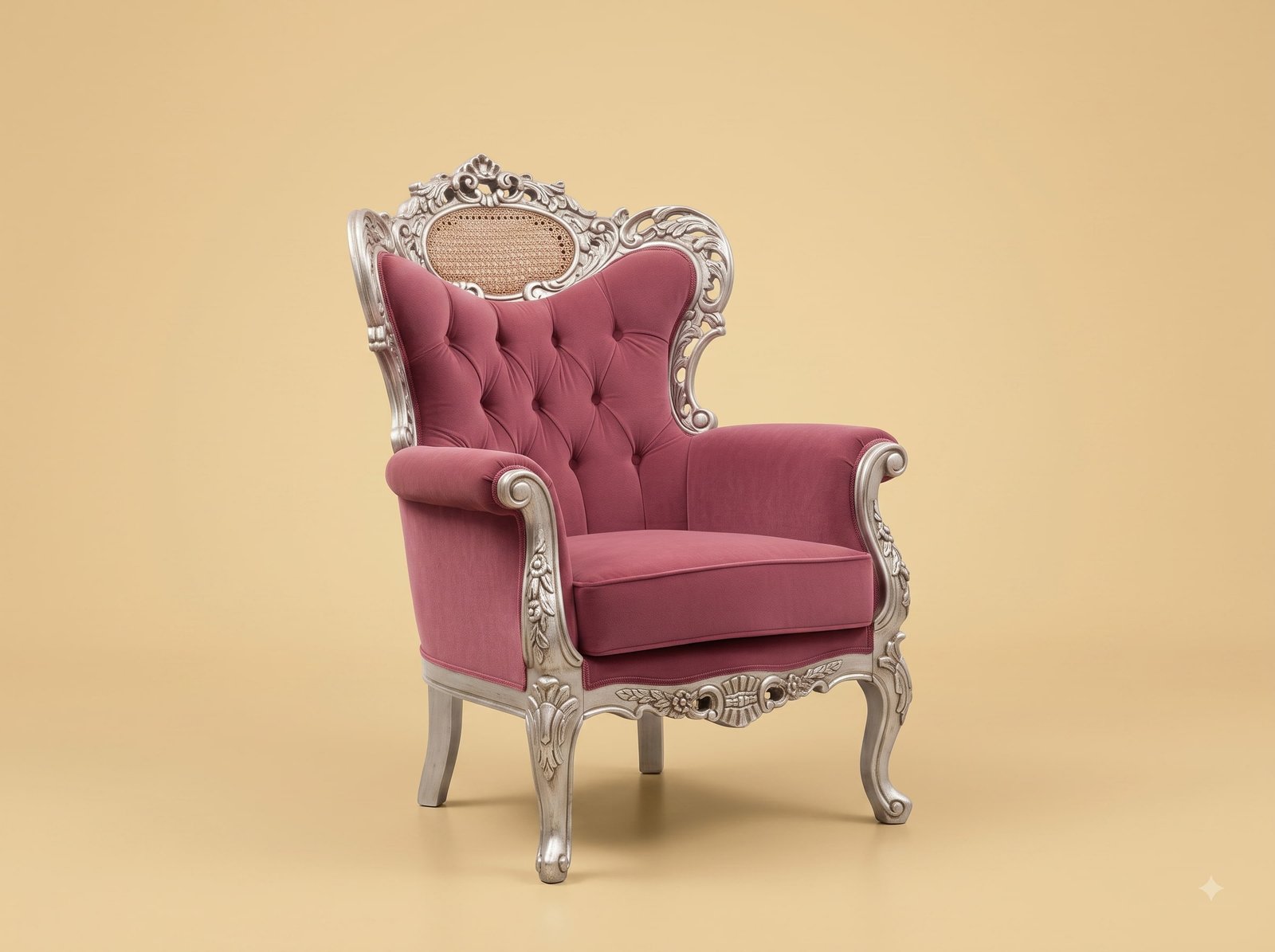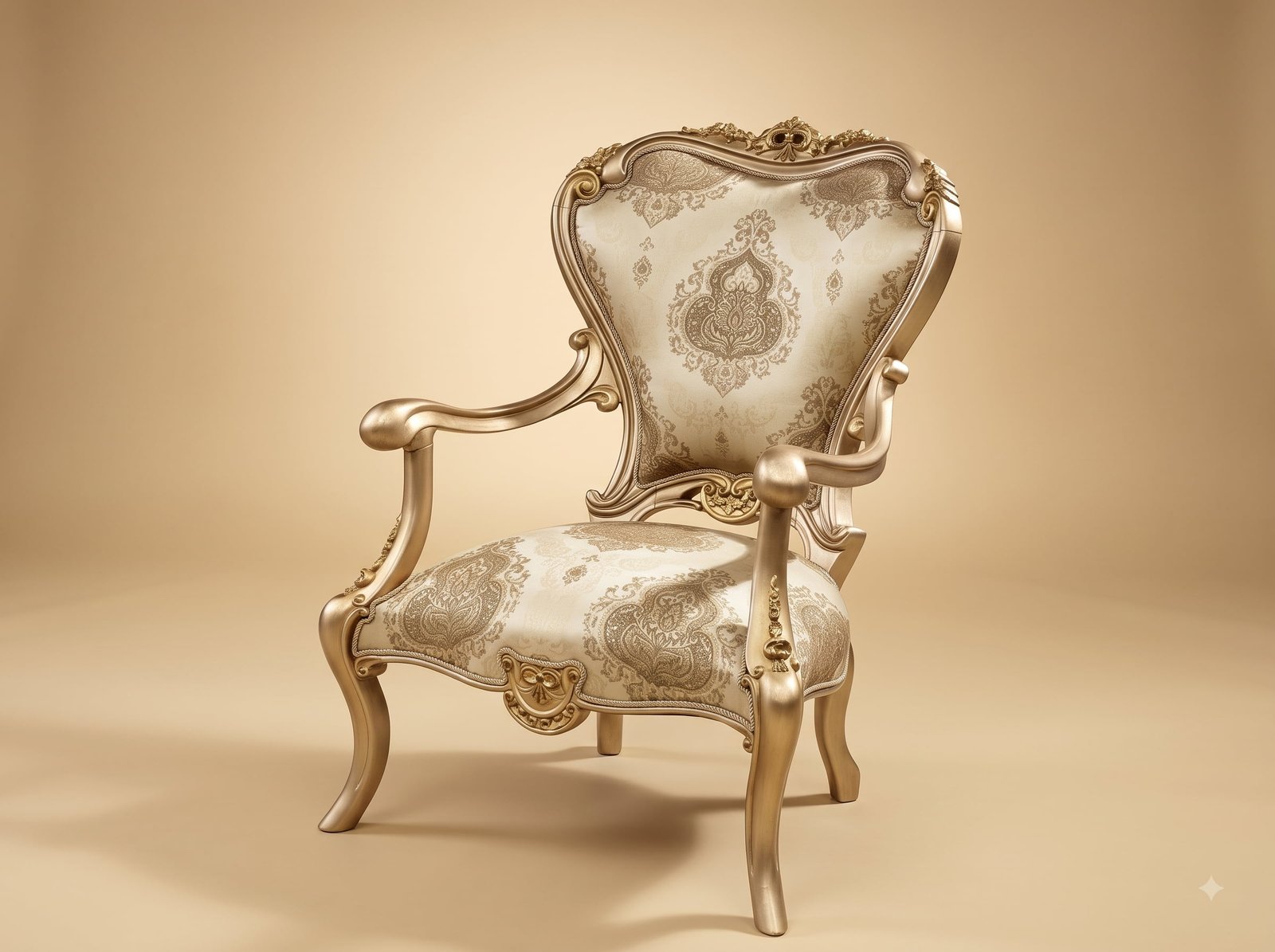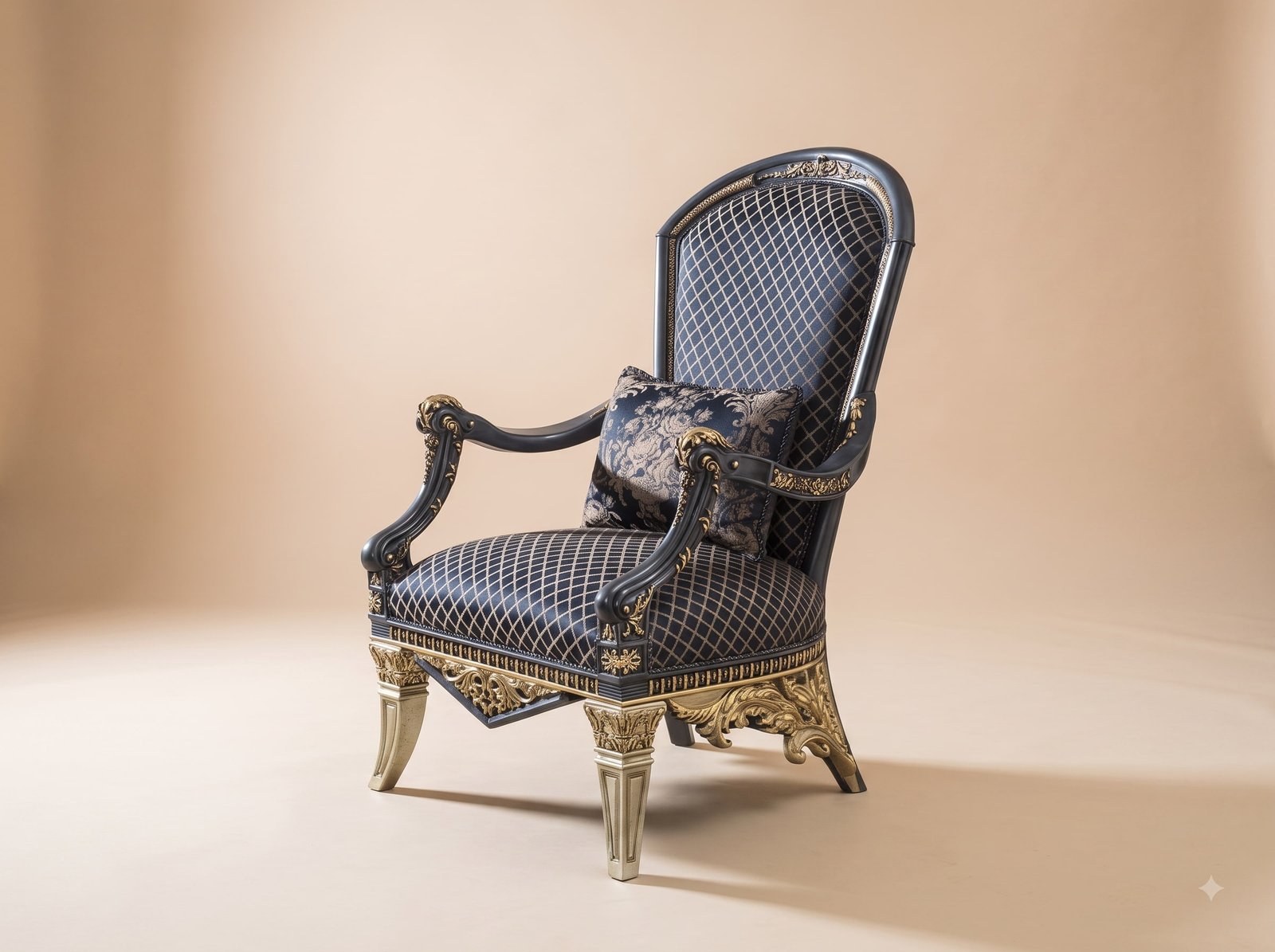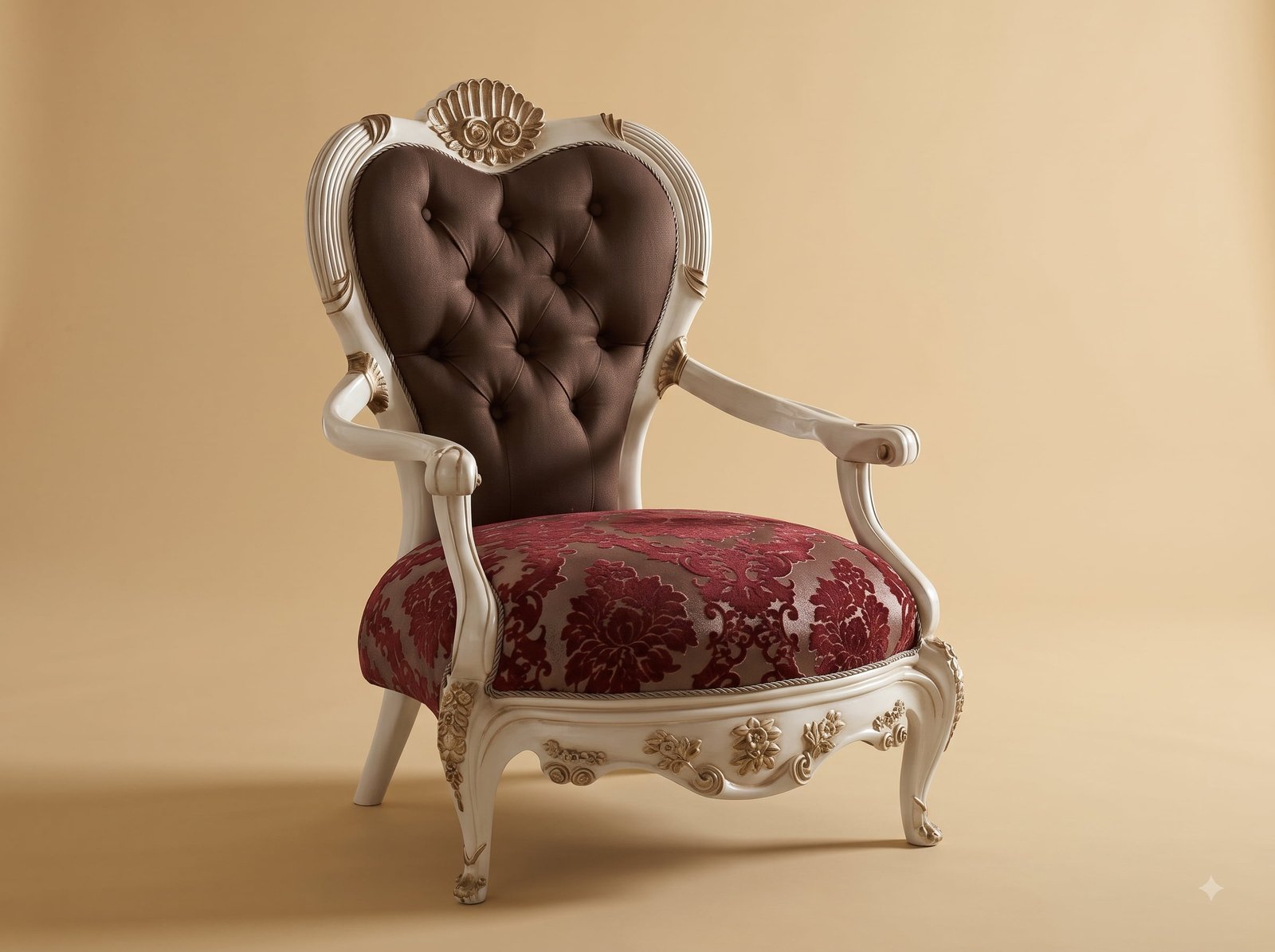
Cord and braid on upholstery look like decoration and started as engineering.
Wherever two panels of cloth meet on a chair, there is a seam - and a seam is the weakest line on any upholstered surface. It is where the fabric is under most tension, where the stitching is exposed, and where wear begins. Left bare, it frays first and it shows every unevenness in the pull of the cloth on either side.
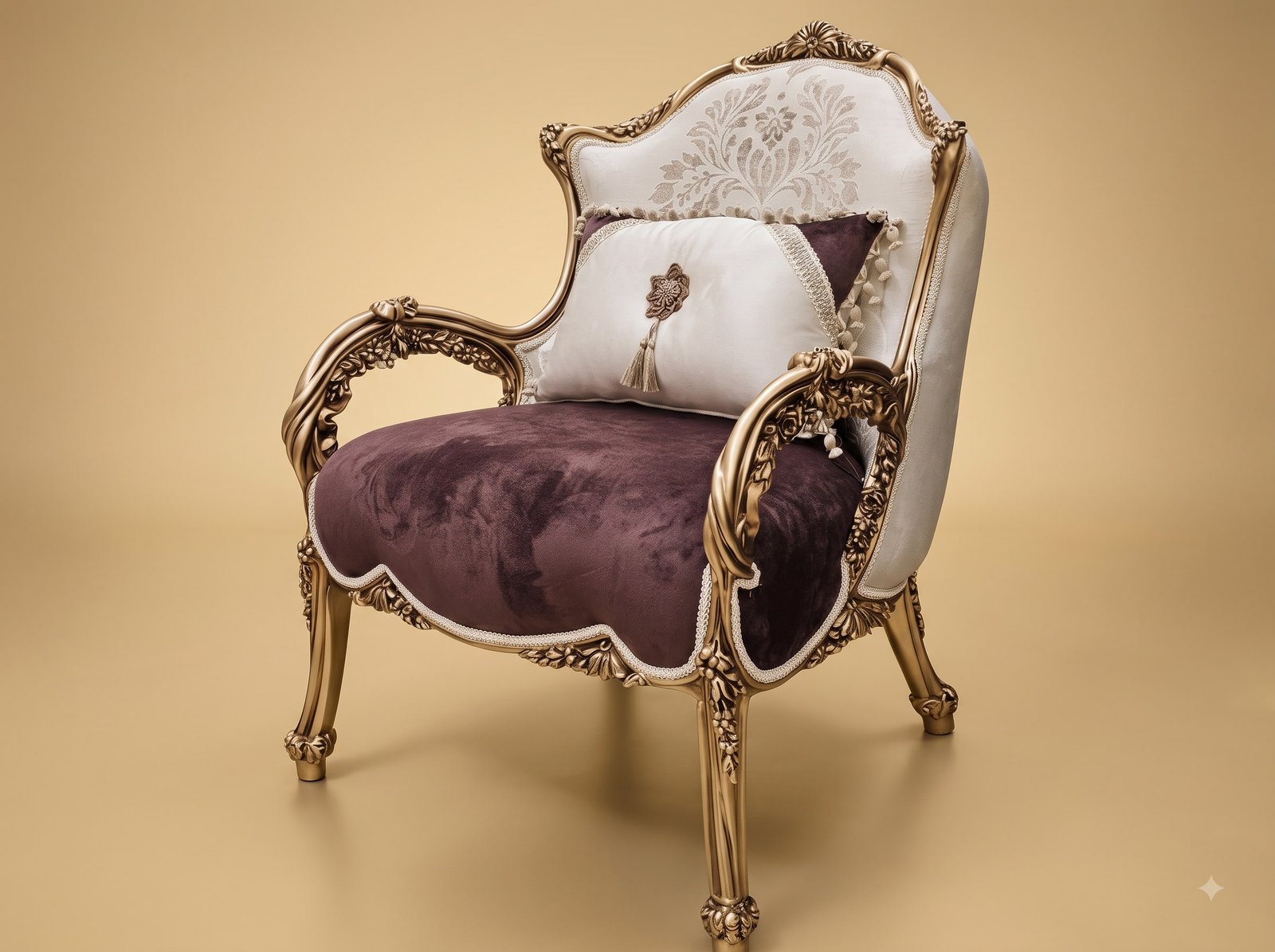
A cord laid into that seam solves three problems at once. It covers the stitching. It takes the abrasion that would otherwise fall on the seam itself. And it gives the upholsterer a defined line to work to, so the two panels can be tensioned independently and still meet cleanly.
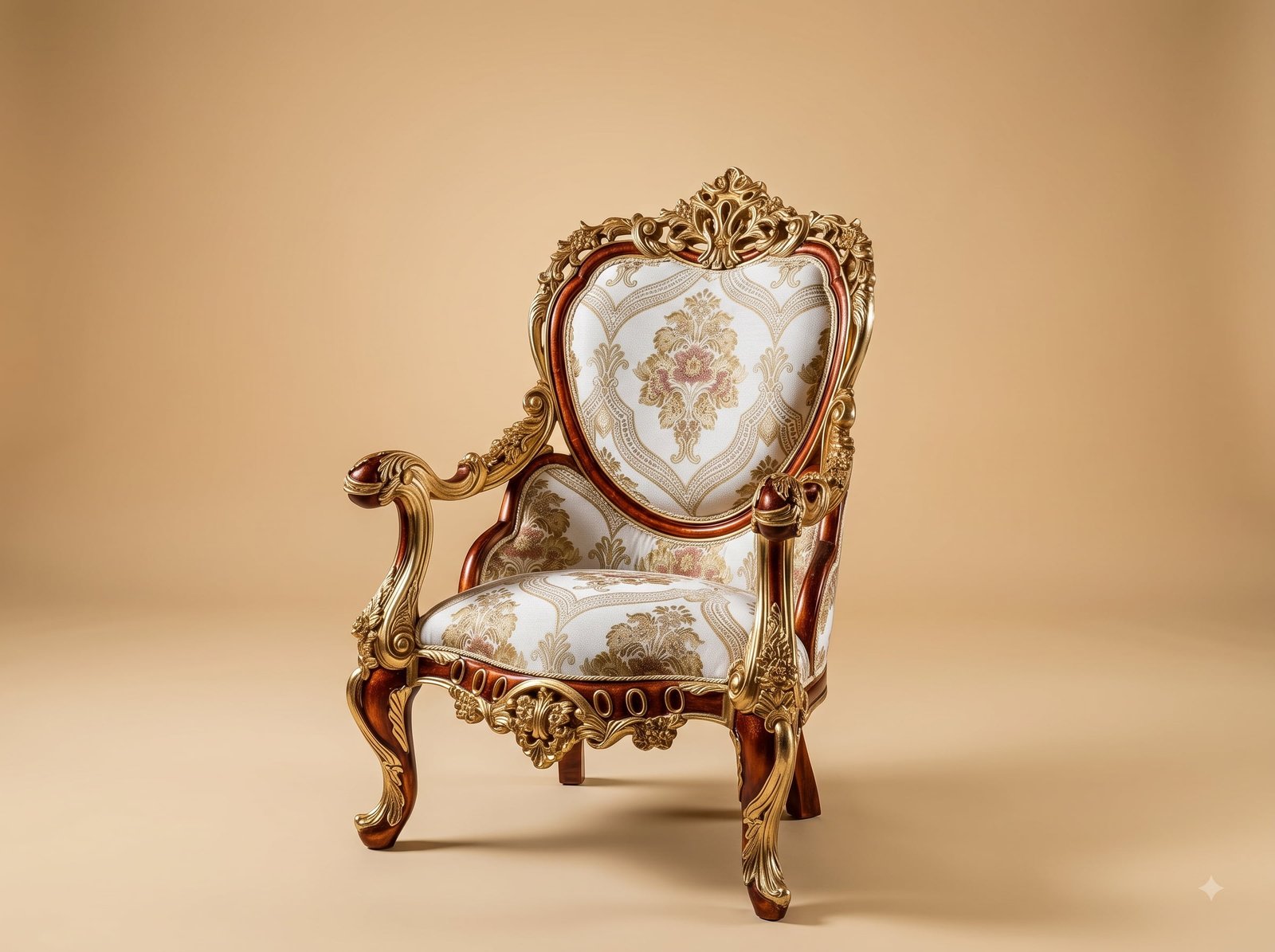
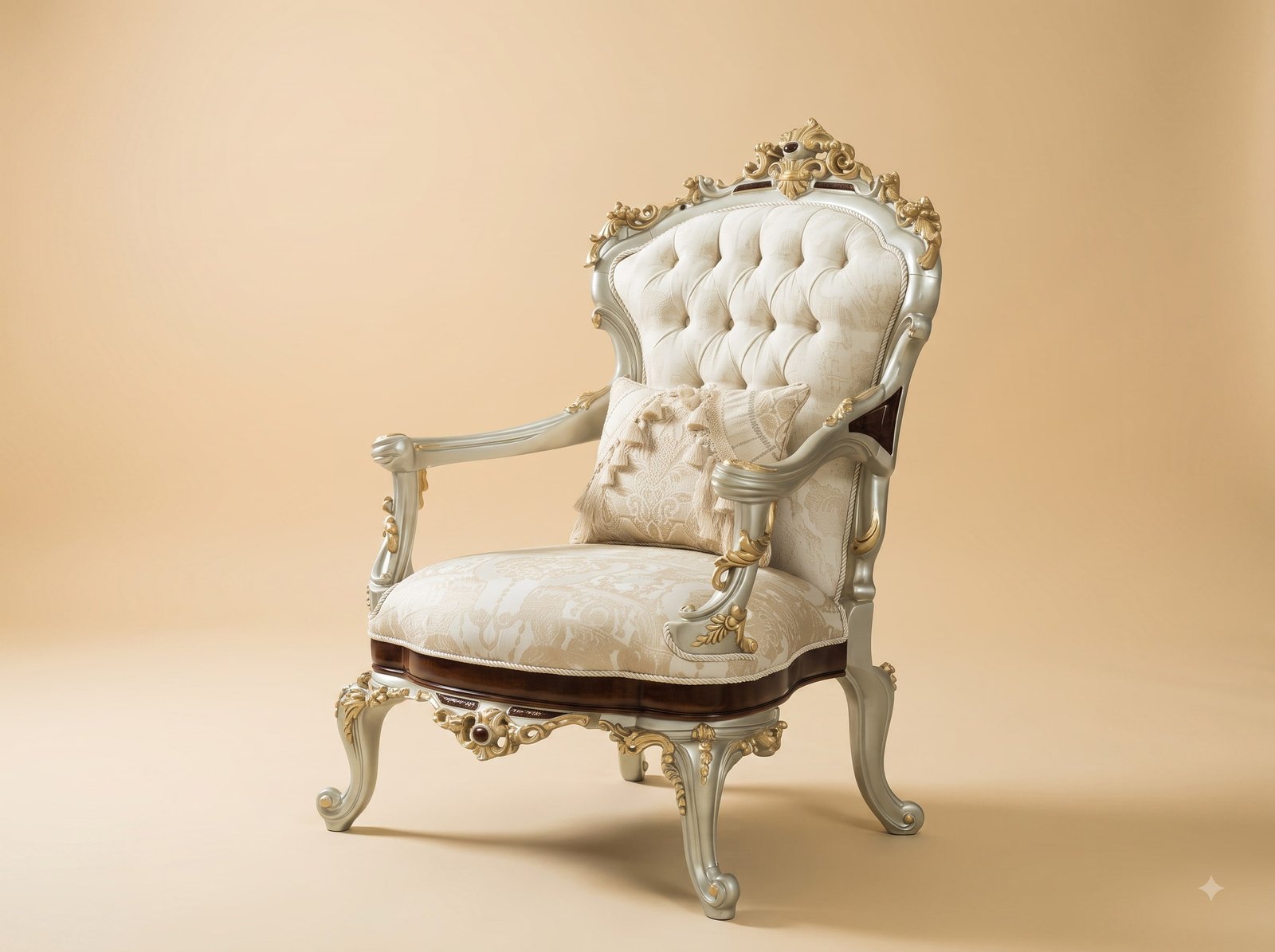
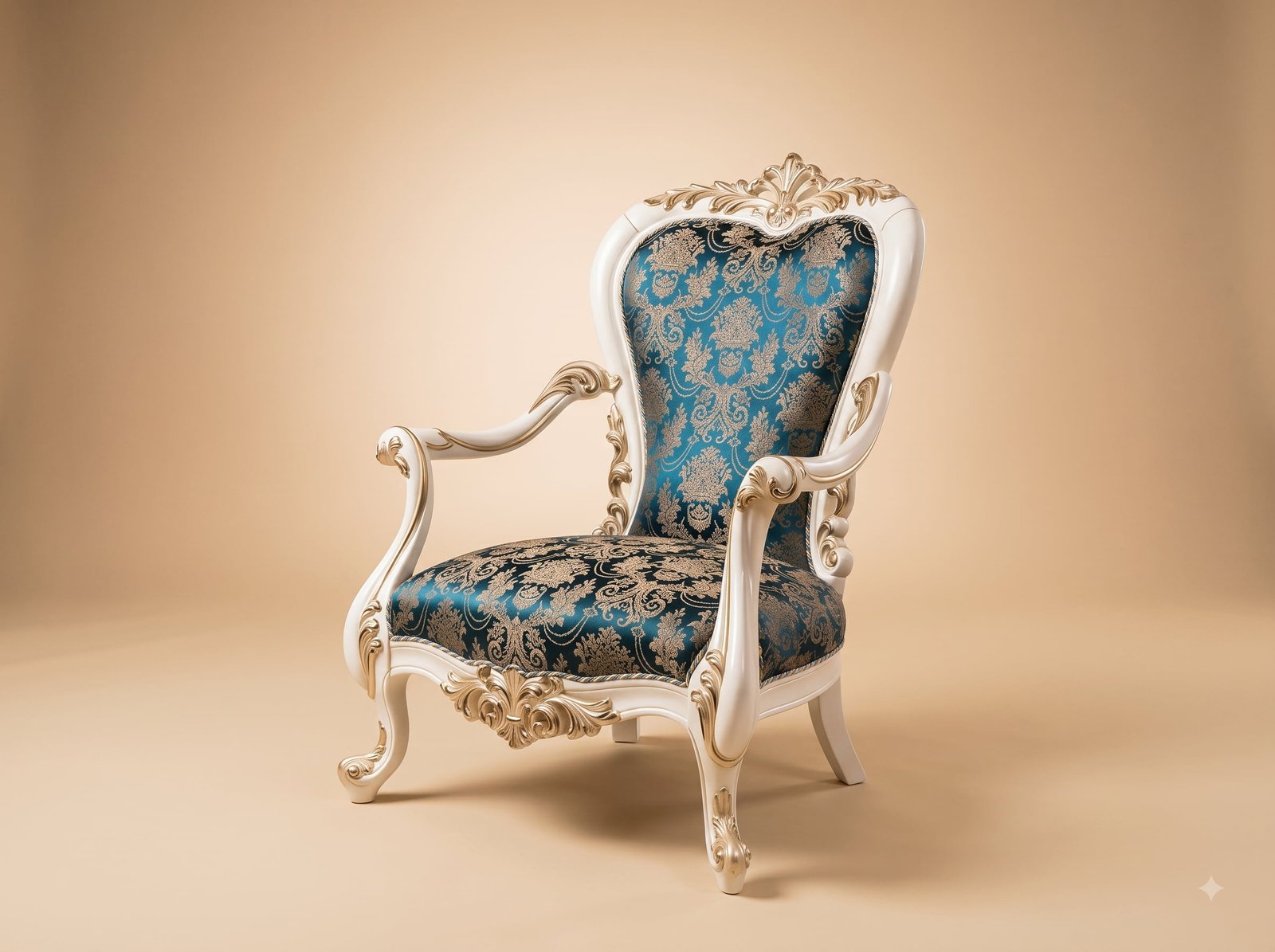
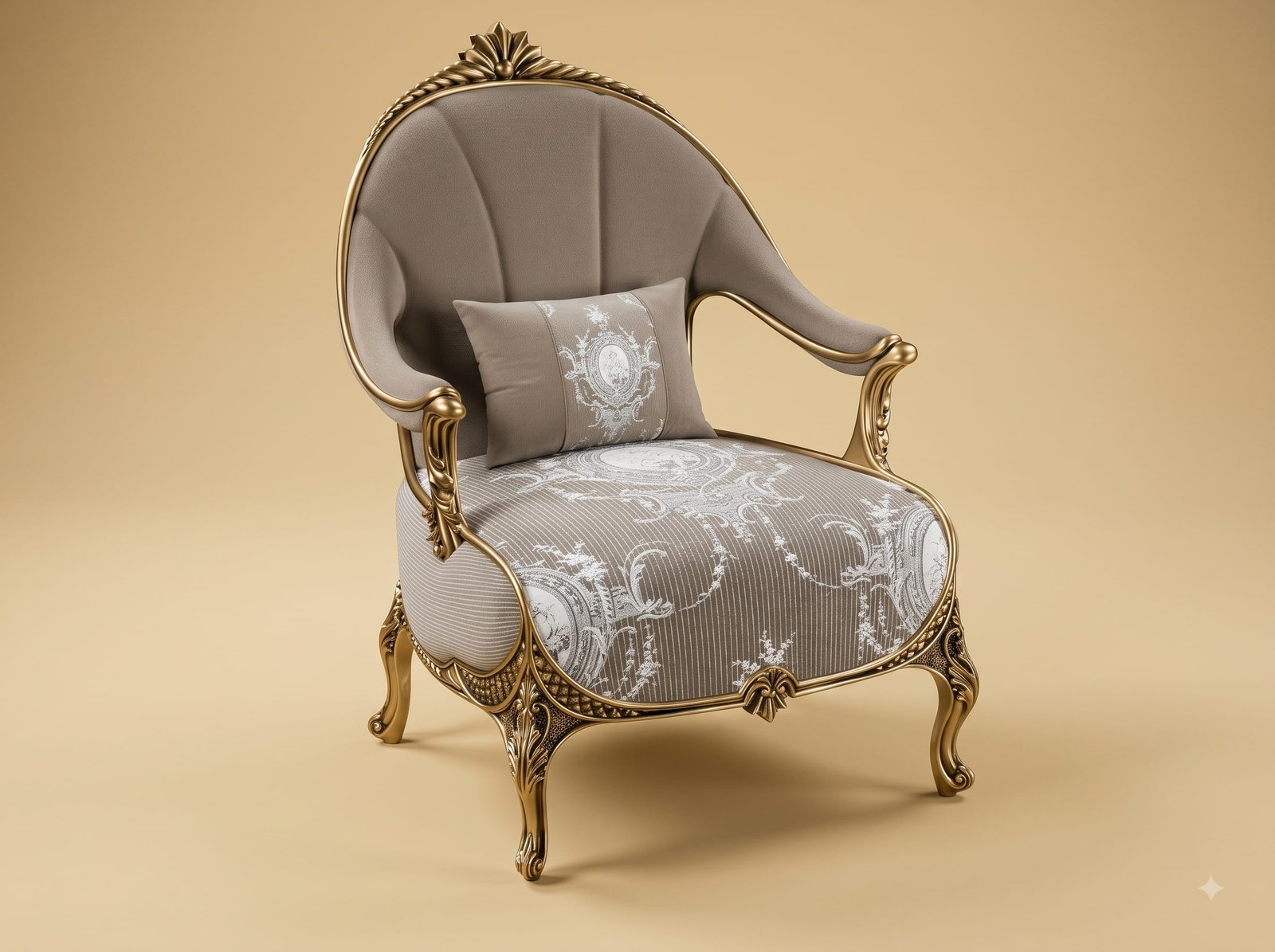
It also does something purely visual that nothing else does: it draws the outline of the chair. Follow the cord on this one and it traces the shape of the seat, the sweep of the arm and the curve of the back - so the eye reads the form even from across a room where the pattern in the cloth has flattened out.
Which is why the cord is stitched in rather than glued on. A glued trim is a decoration that can lift. A stitched one is part of the seam it protects, and it lasts as long as the cover does.
 Ask Price On WhatsApp