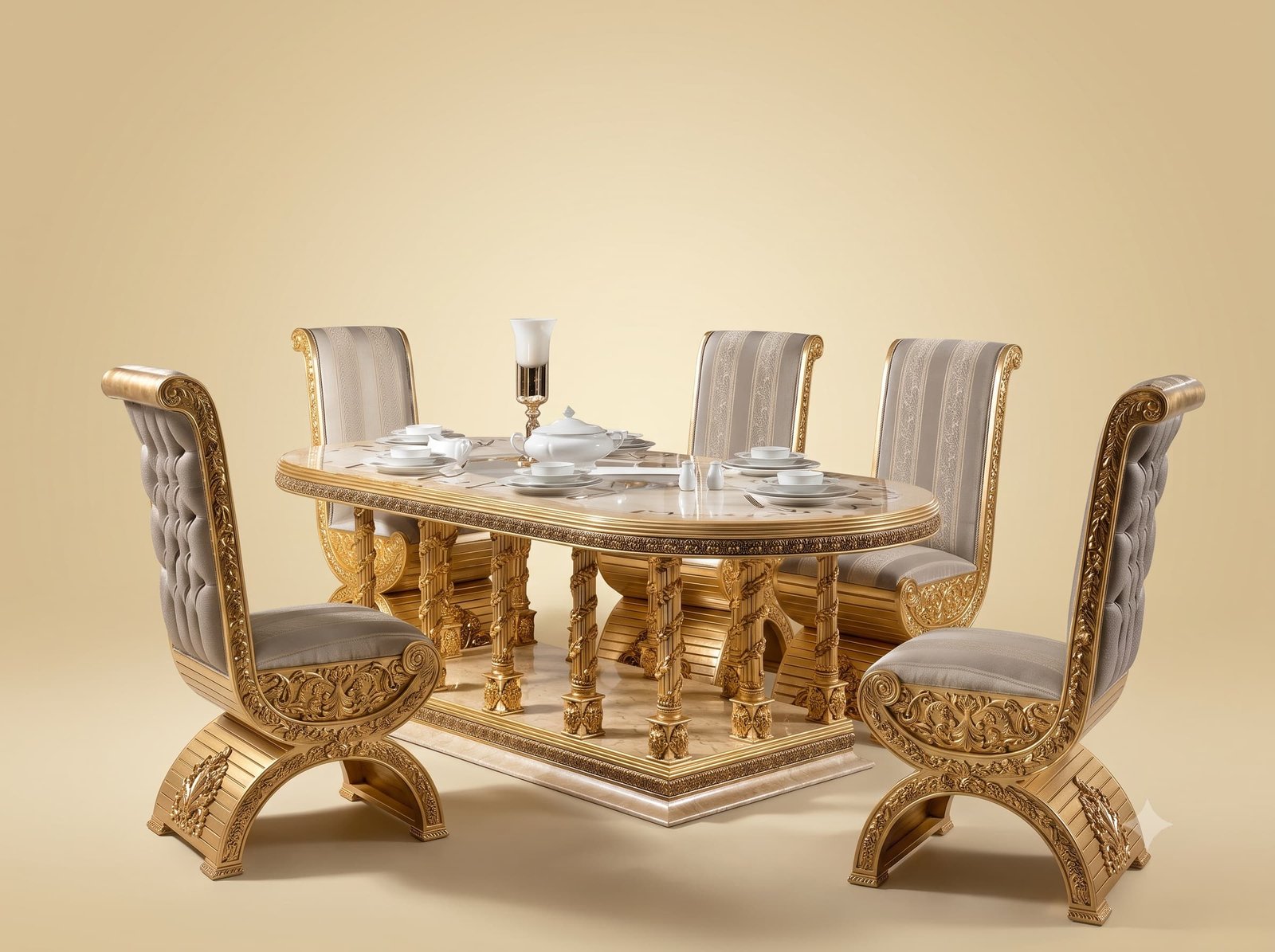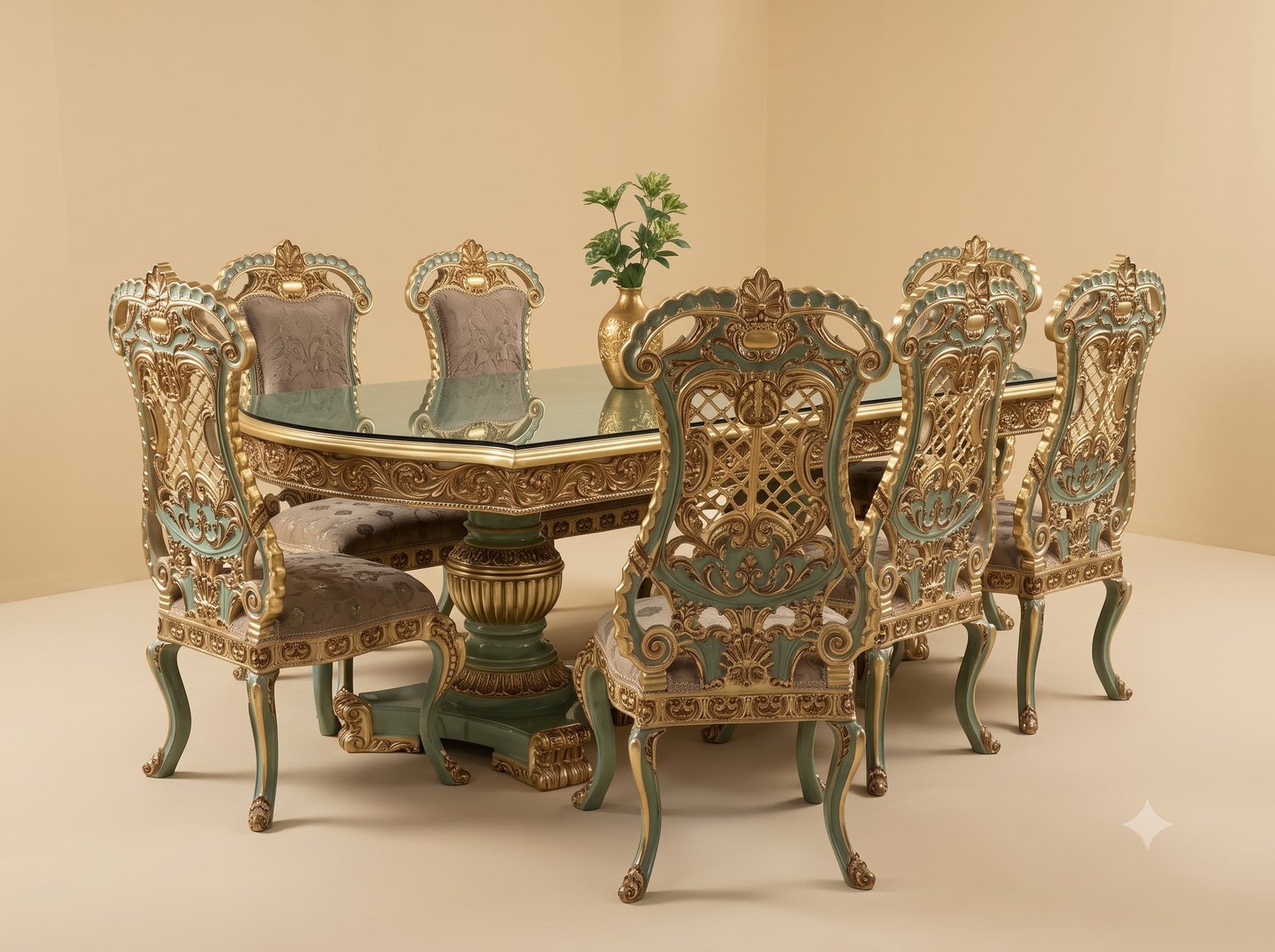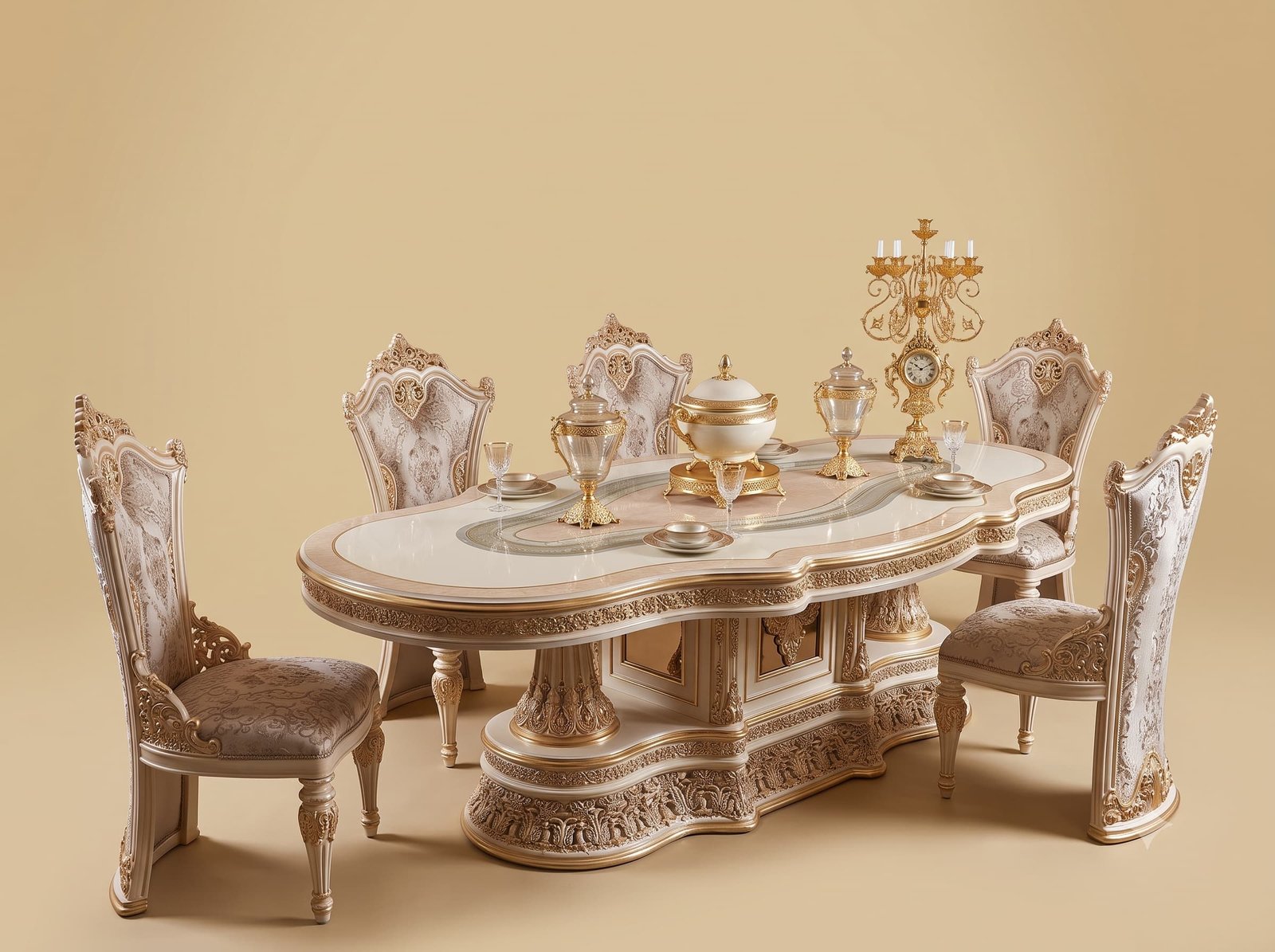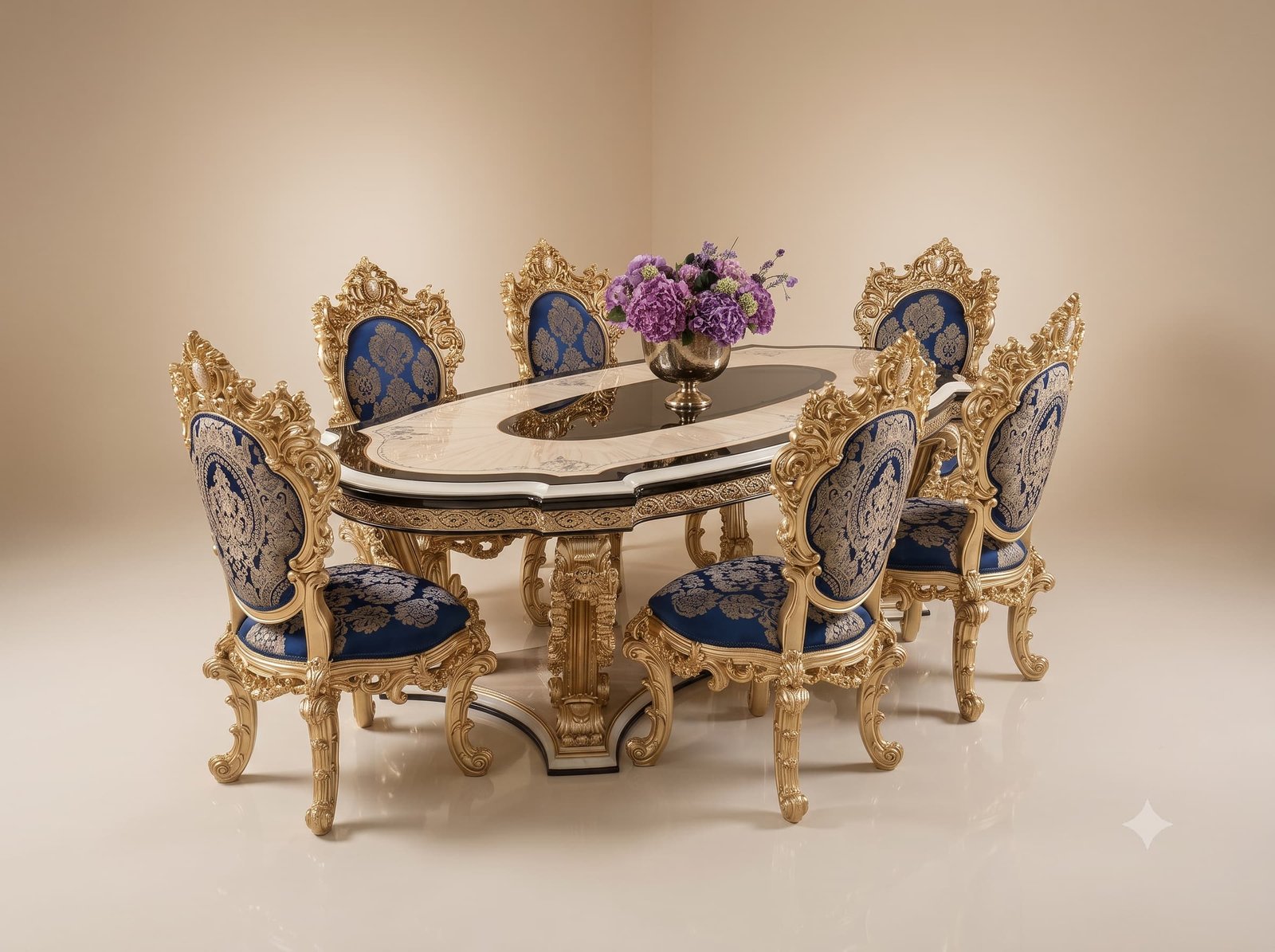
Marble does not break where you hit it. It breaks where it is not supported.
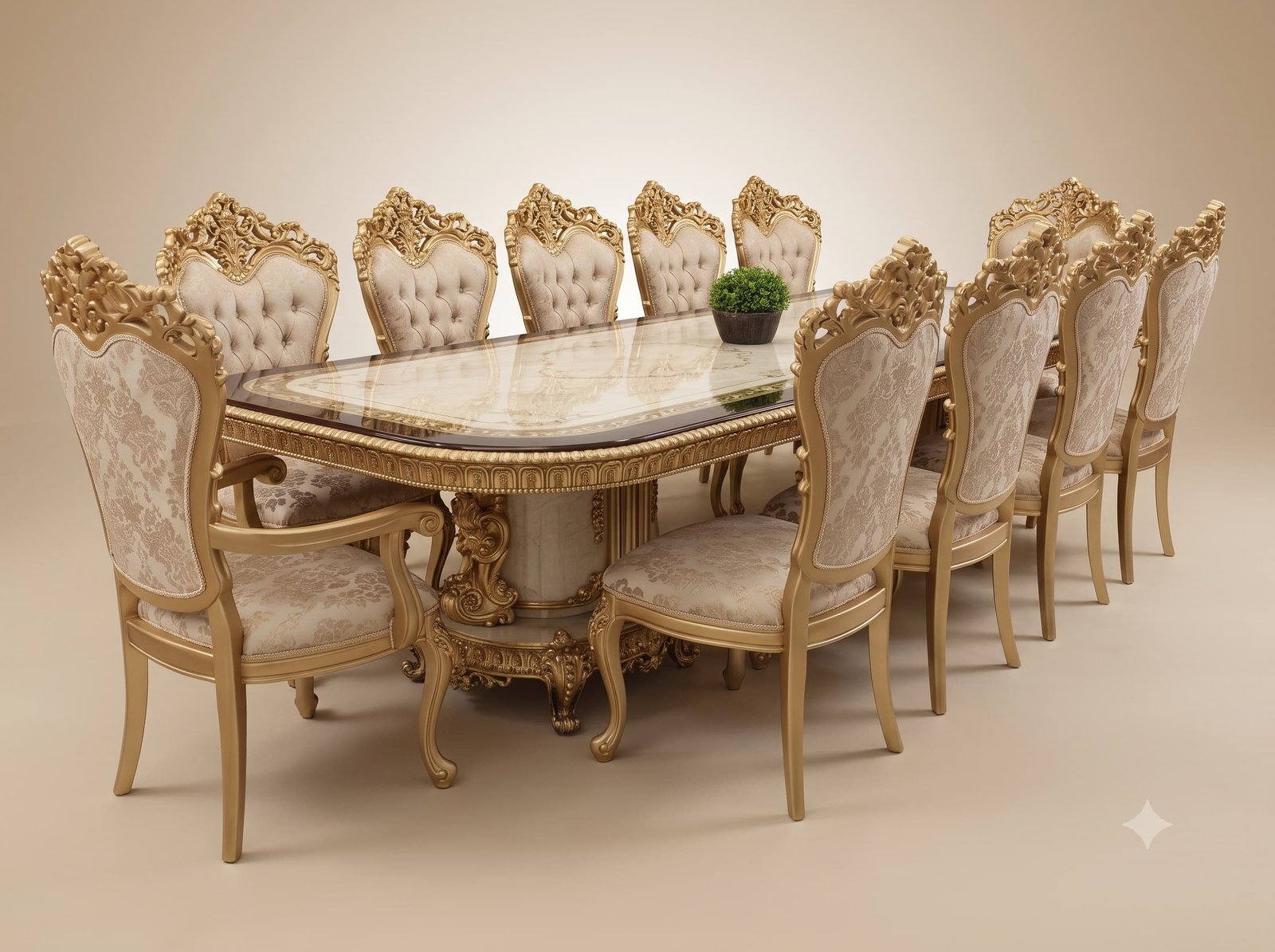
A slab set on a frame that touches it in four places will sit there perfectly happily for years, and then crack across the middle the day someone leans hard on one end while a heavy dish sits in the centre. Stone has almost no give: it needs its load carried evenly across the whole underside, not around the edges.
So the slab is bedded rather than laid. A full bearer frame is built beneath it, planed flat and checked with a straightedge in both directions, and the stone goes down on a continuous bed rather than on pads. The bed takes up the last fraction of unevenness in both surfaces, so every square inch of the stone is carried by something.
The edges get their own attention. Marble chips from a point load on a sharp arris, so the underside edge of the slab is eased before it goes in, and the timber surround stands a hair proud of the stone all the way round - so anything that swings into the table meets wood first.
None of it is visible once the table is together. It is the difference between a marble top that lasts a generation and one that is a repair waiting for the right Sunday lunch.
 Ask Price On WhatsApp