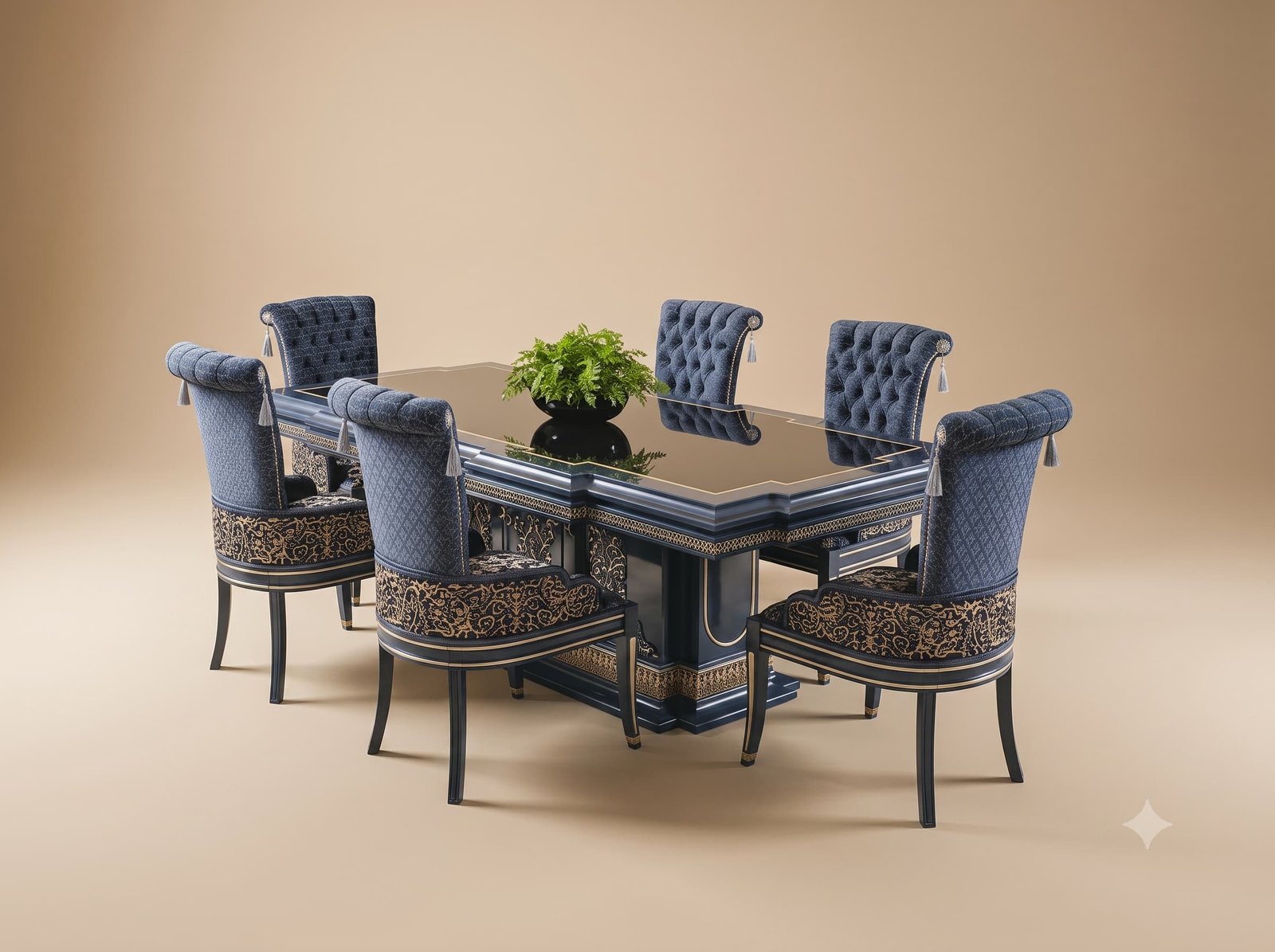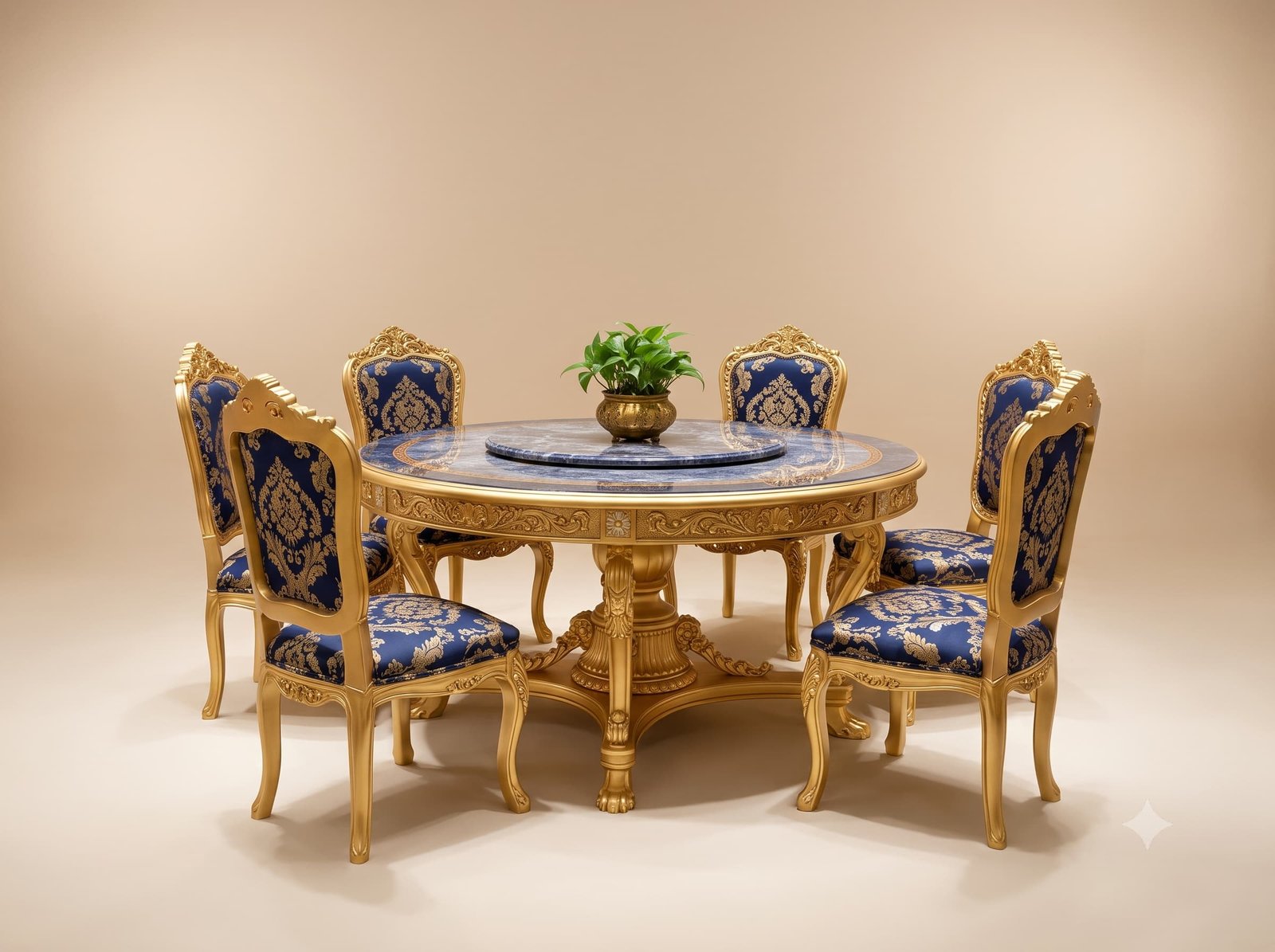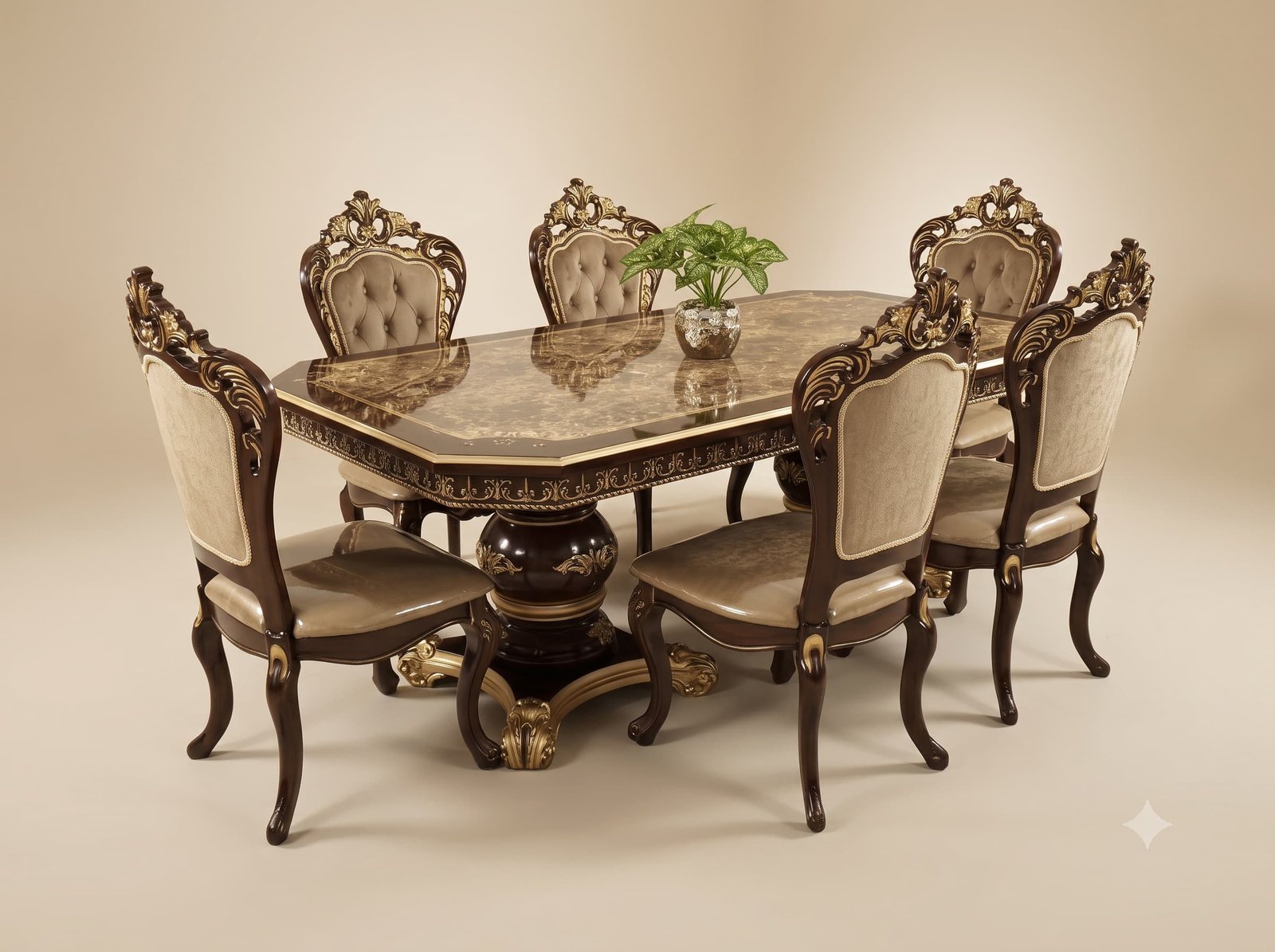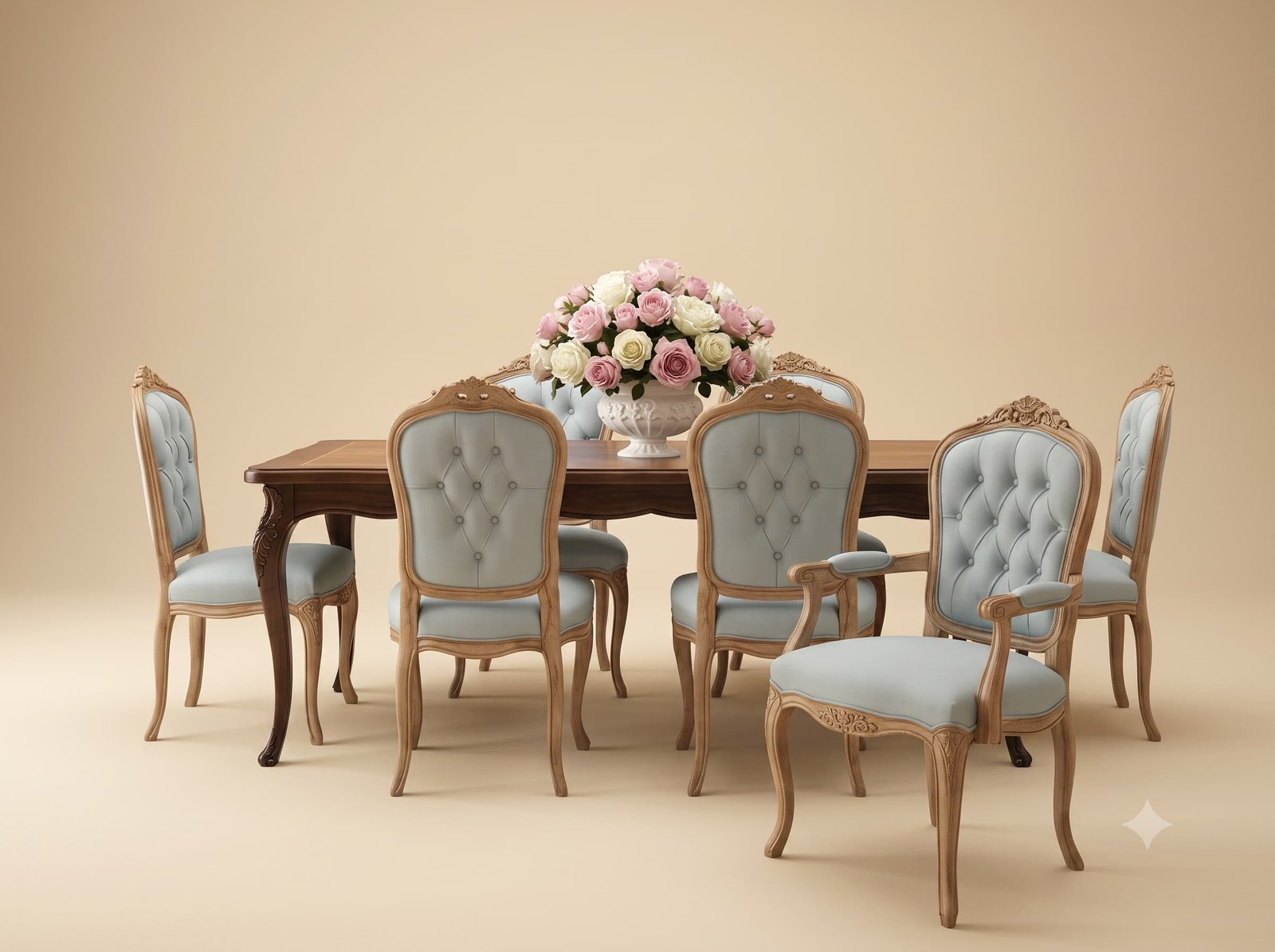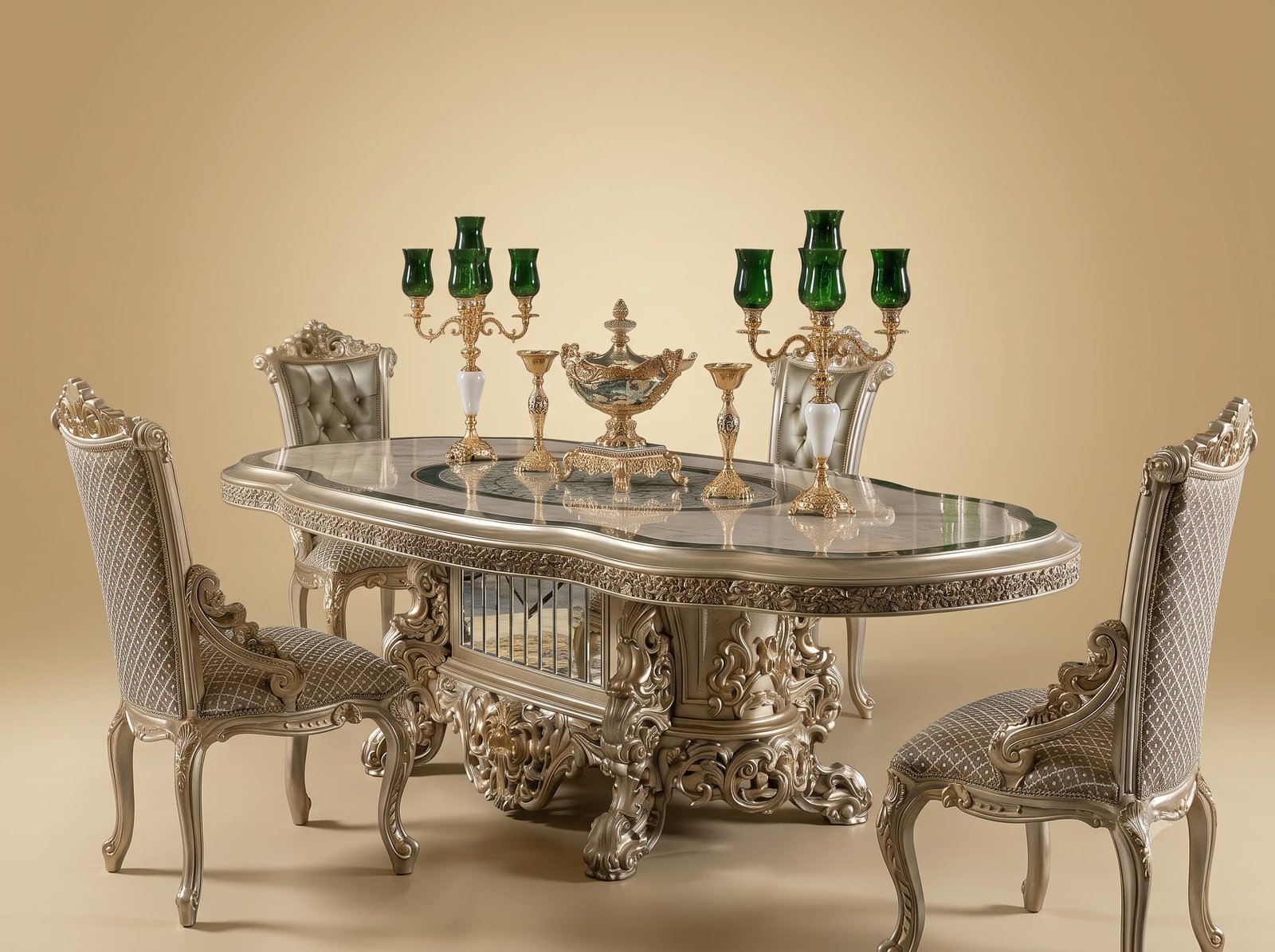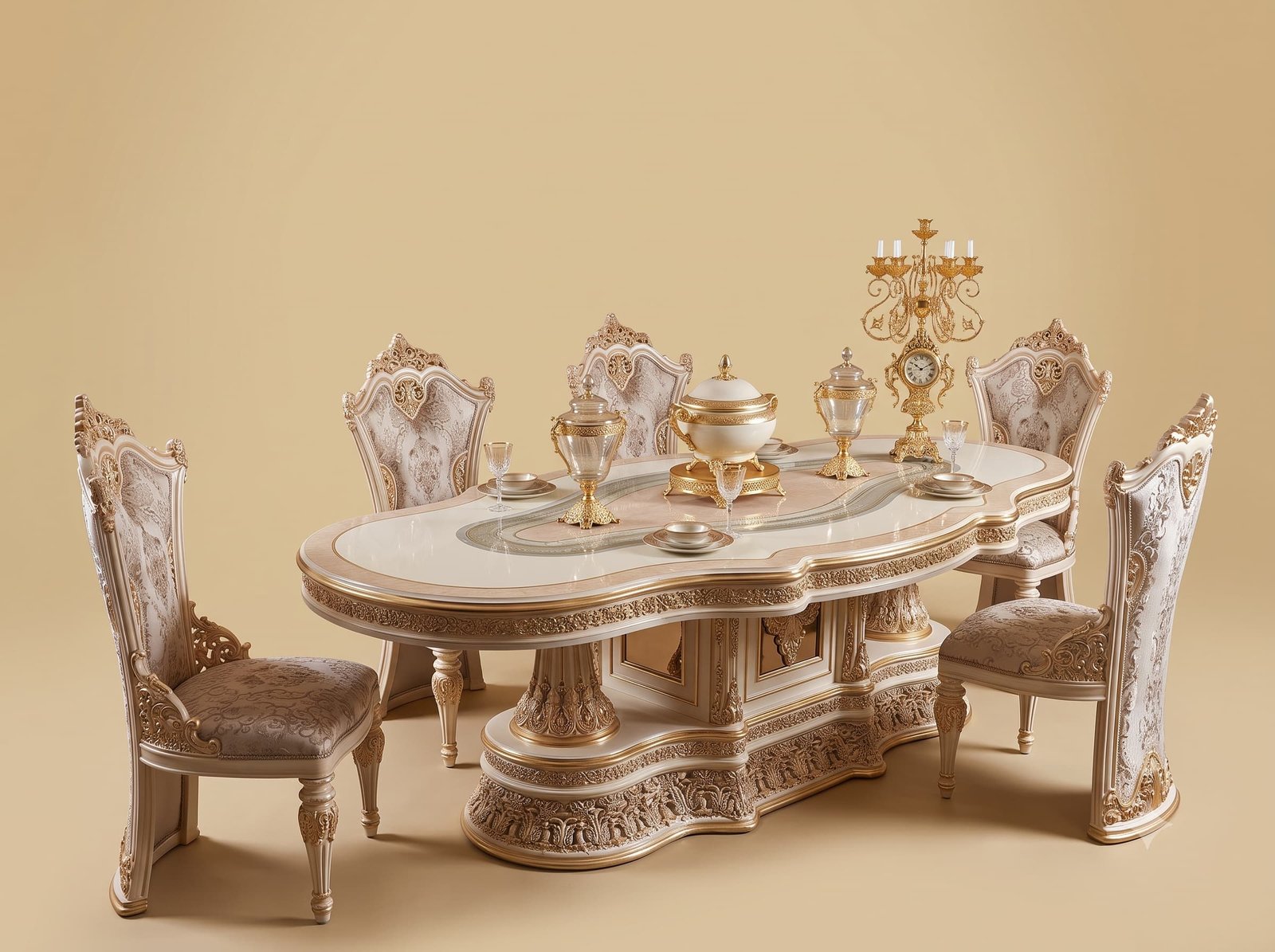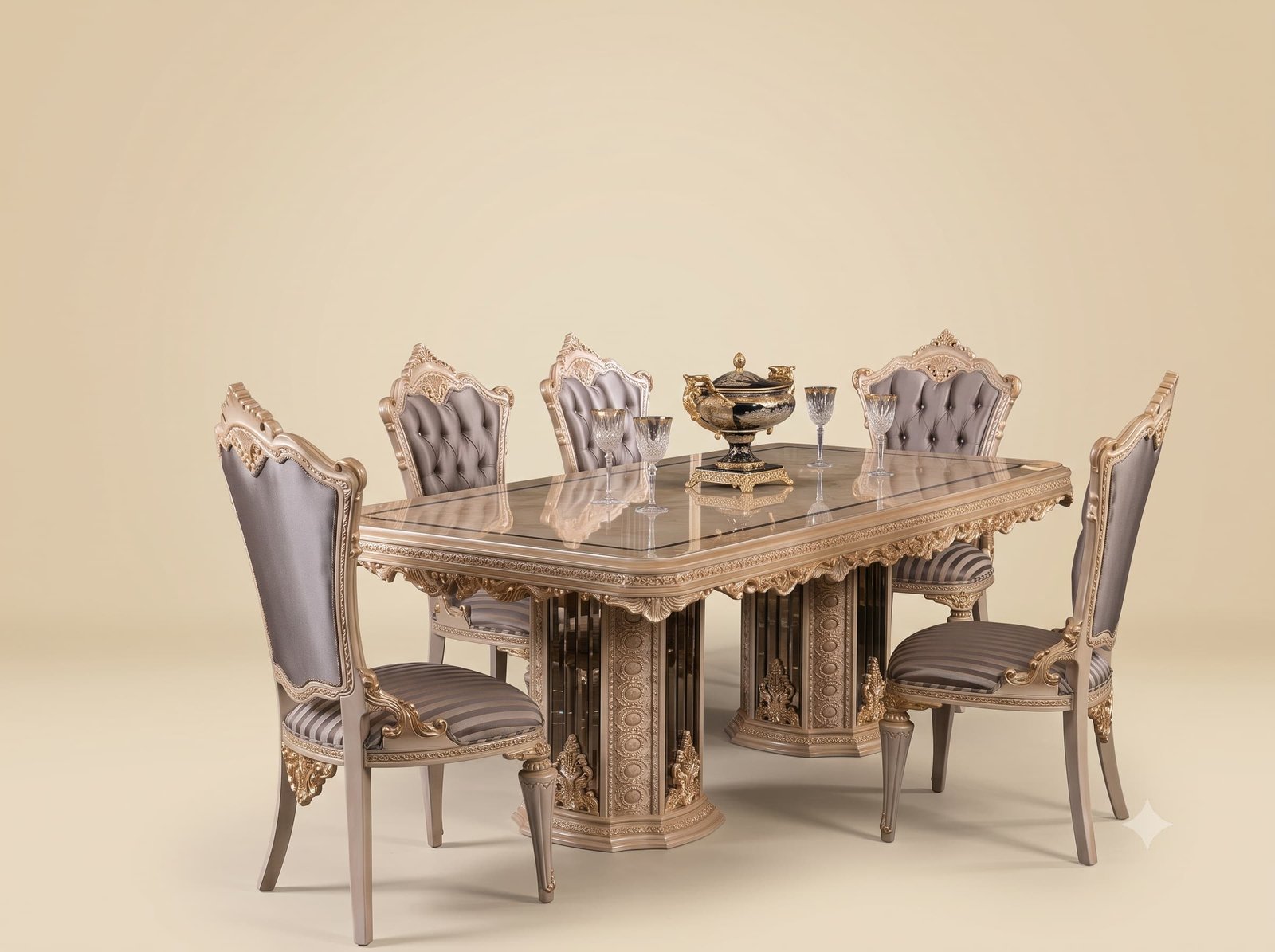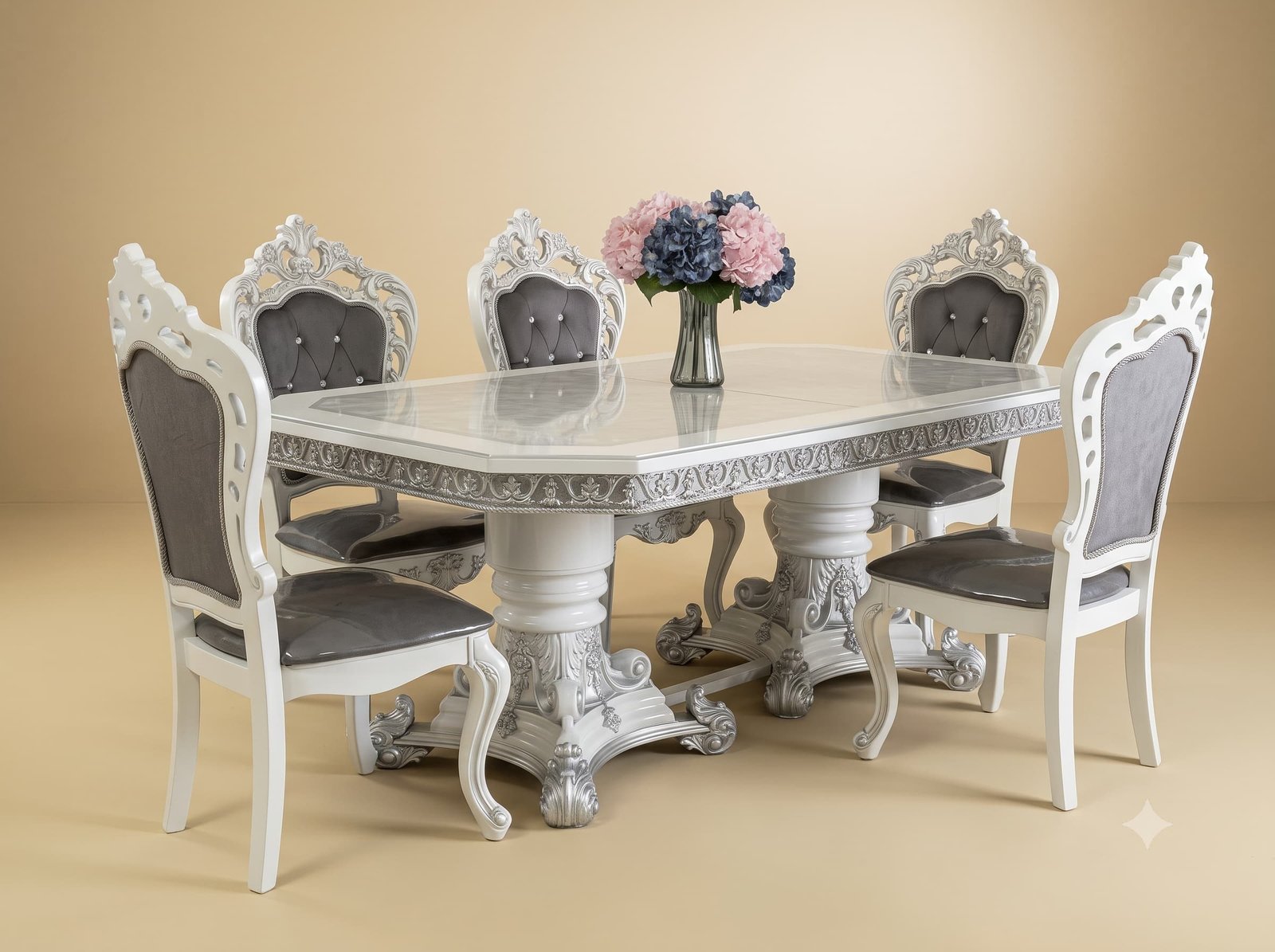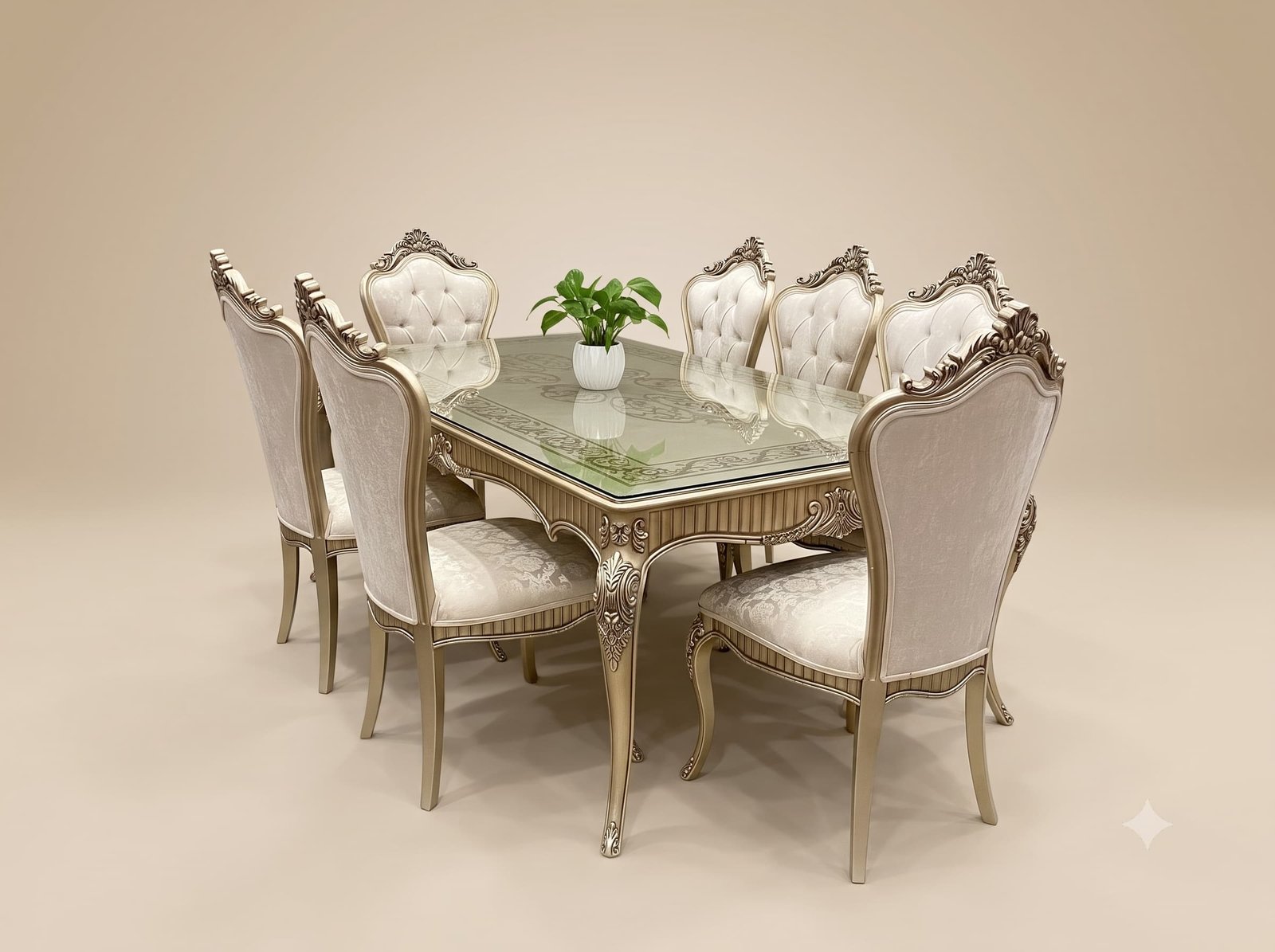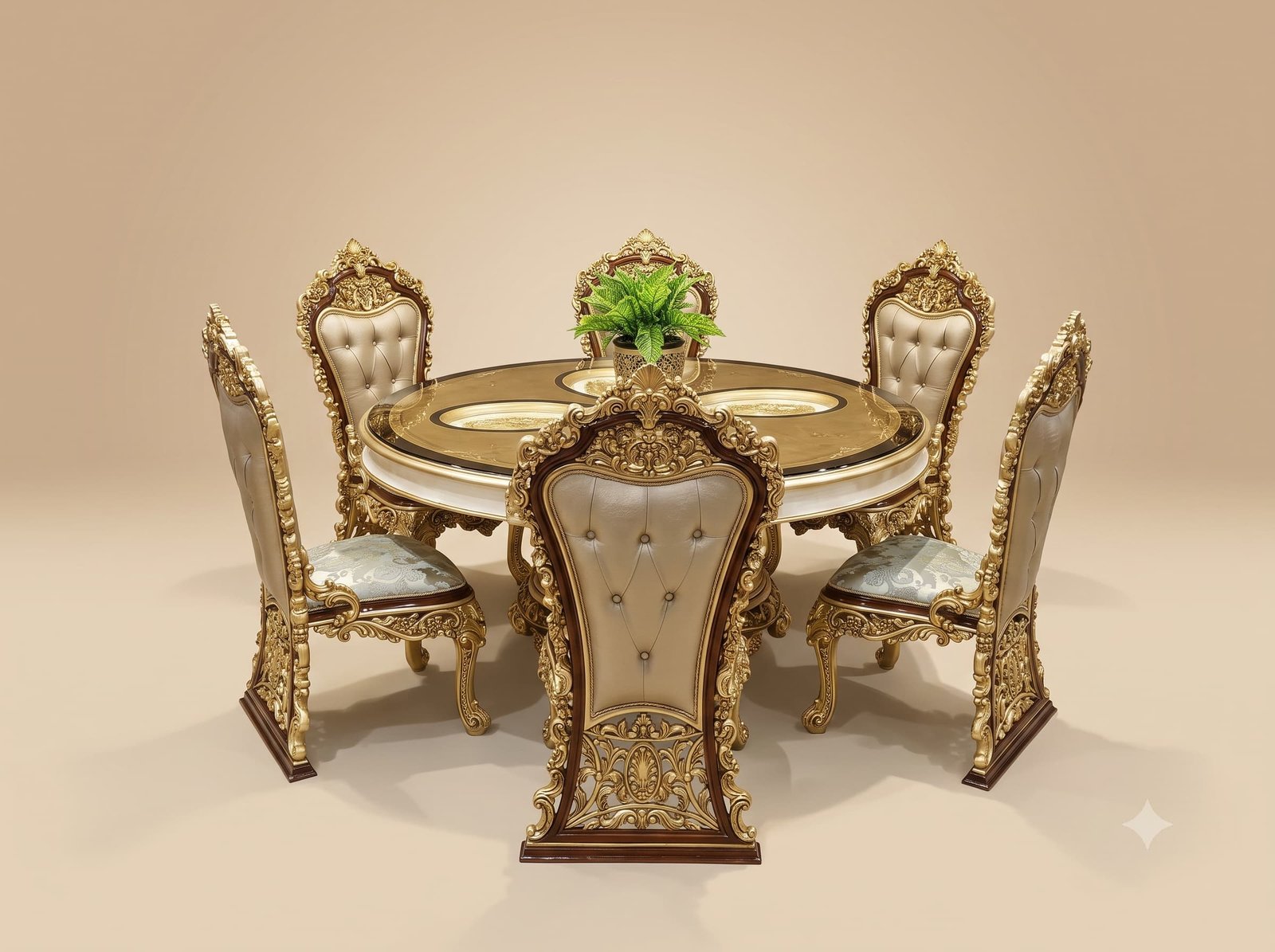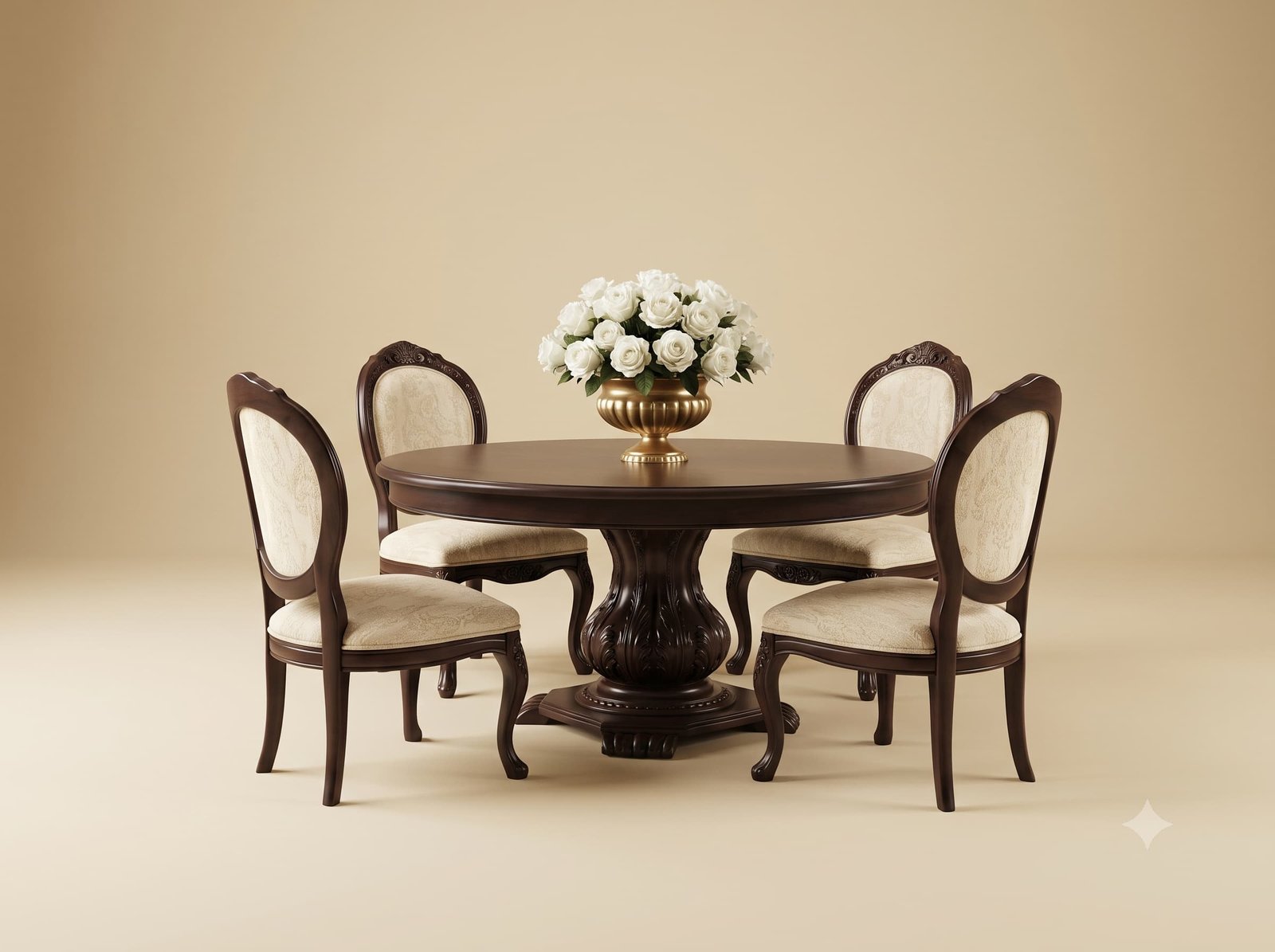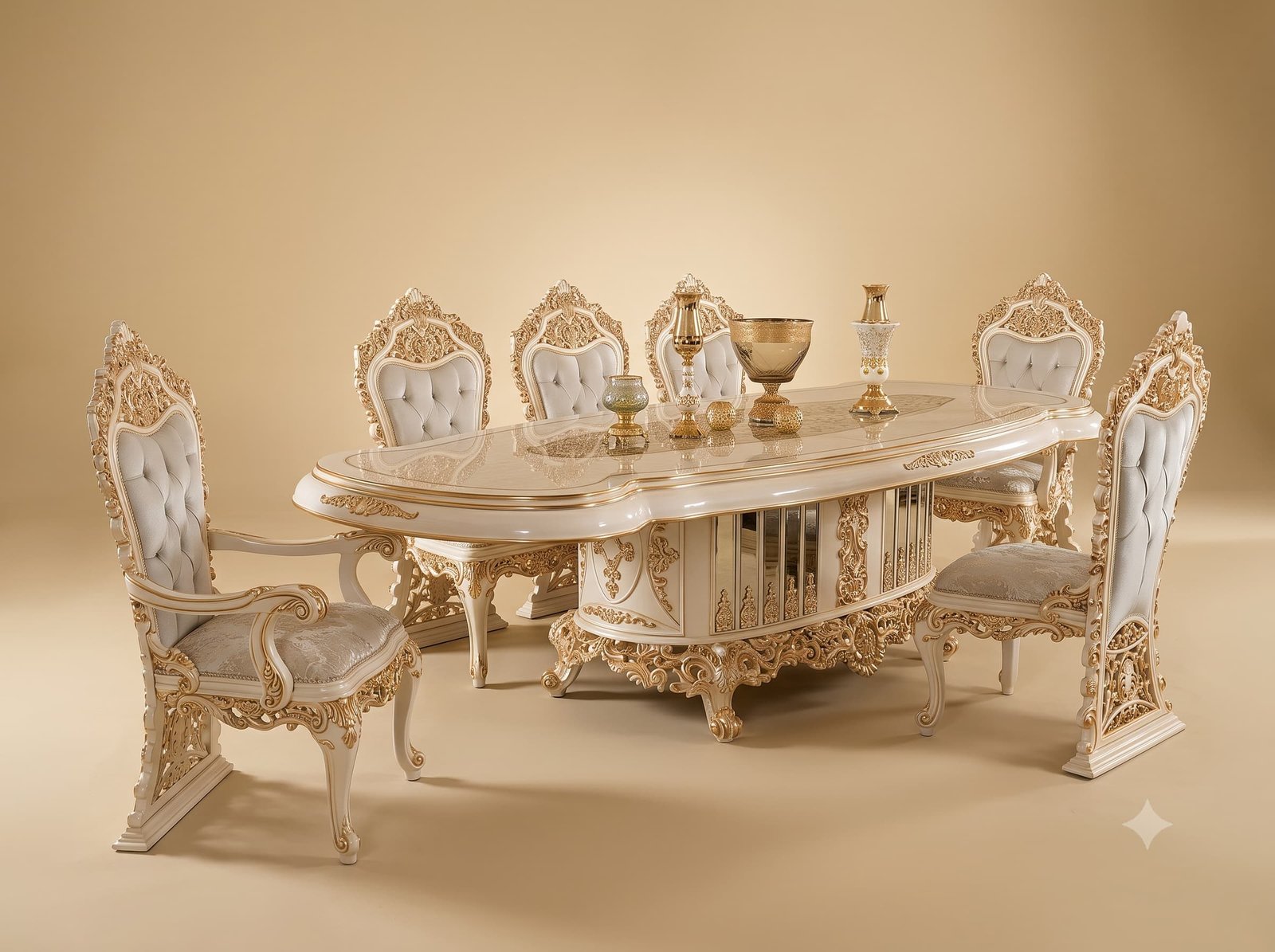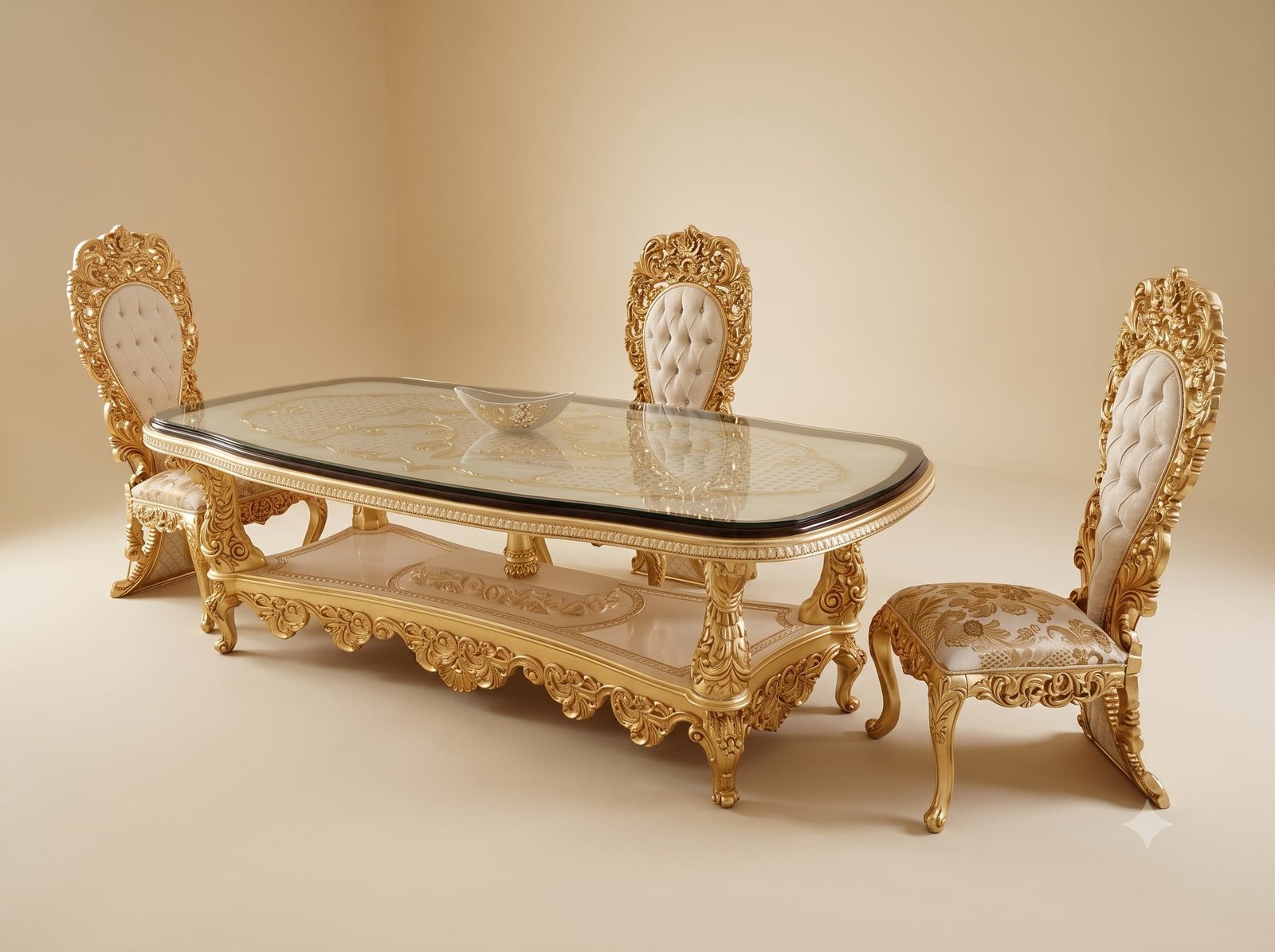
A shelf under a dining table has one number that decides whether it is useful or infuriating, and it is not its own height above the floor. It is the gap between the shelf and the underside of the seat of the chair pulled up to it.
Set the tier too high and it meets knees. Set it too low and it becomes a foot rest, which means it is a place things get kicked rather than a place things get put. There is a band between those two, and it is narrower than people expect.
So we set the tier from the chairs, not from the table. Seat height is fixed first, a seated thigh clearance is measured down from it, and the top surface of the tier is placed below that line with margin. Only then is the tier's own thickness and its carved edge drawn, because a moulded edge projecting upward eats into the same clearance.
Where a client wants a deeper tier for serving, the answer is not to raise it - it is to keep the top surface where it belongs and take the depth downward, or to inset the tier slightly from the table's edge so it sits behind the knees rather than under them.
It is arithmetic done in a particular order, and doing it in that order is the whole difference between a shelf people use and a shelf people avoid.
 Ask Price On WhatsApp