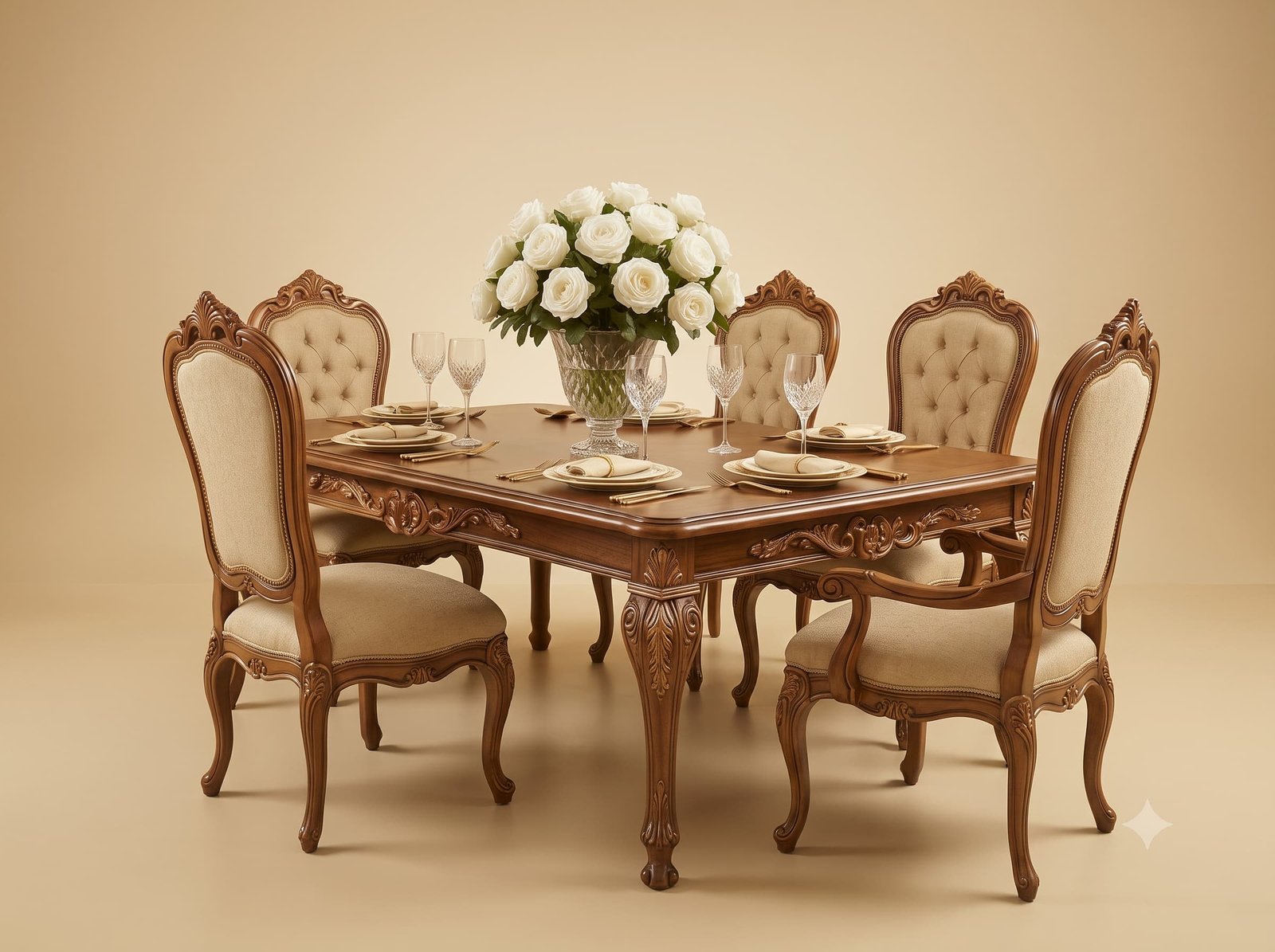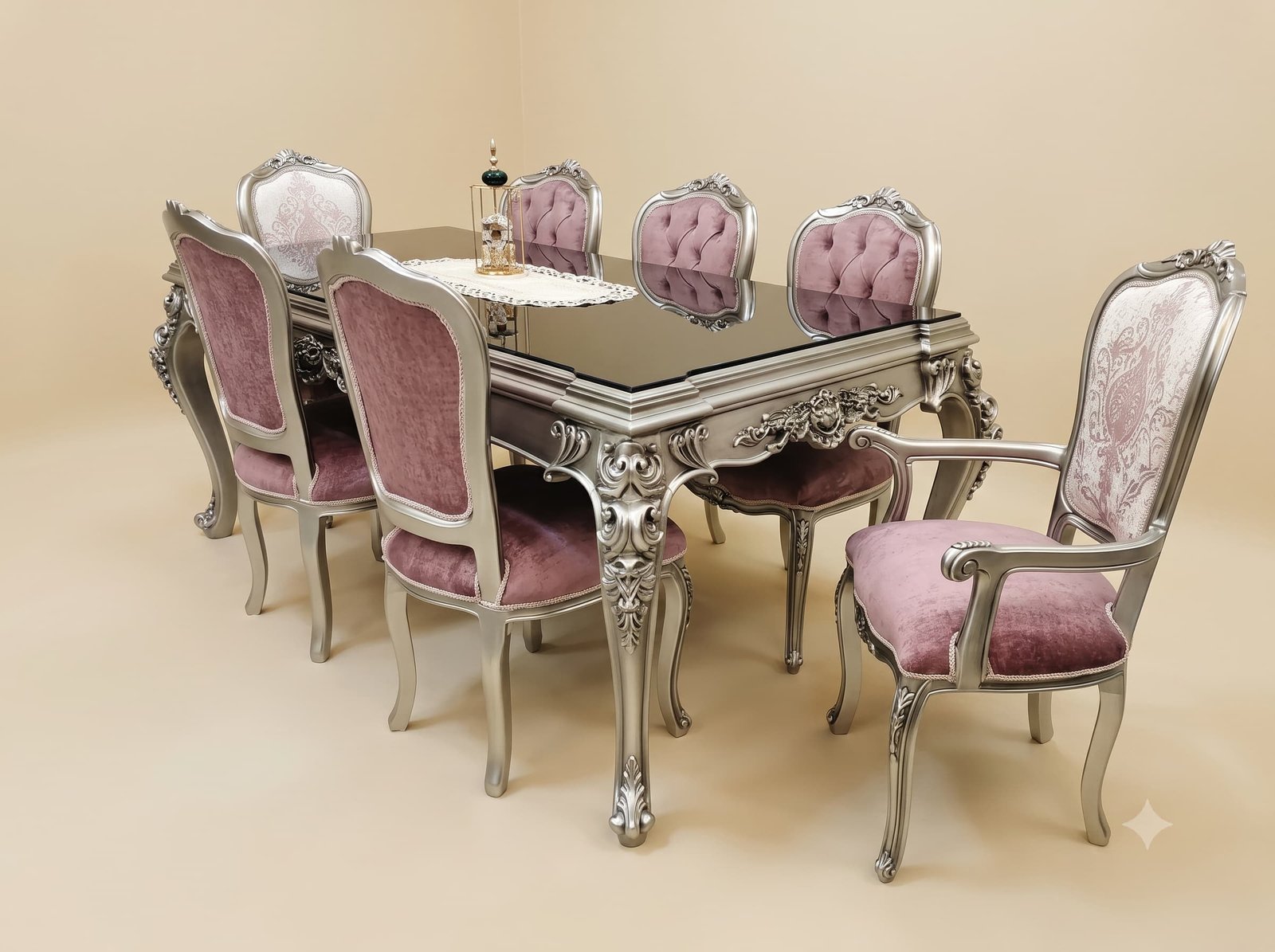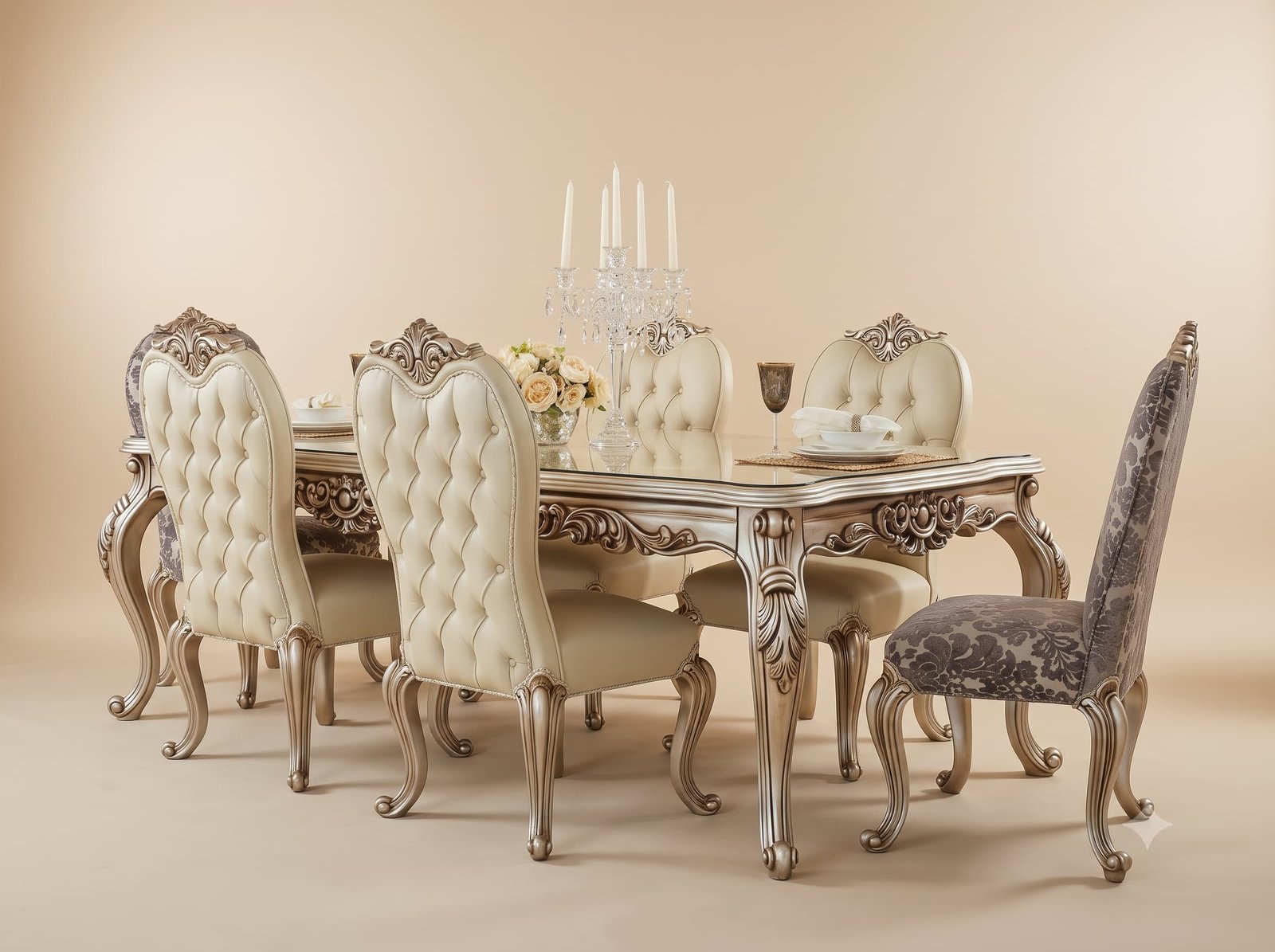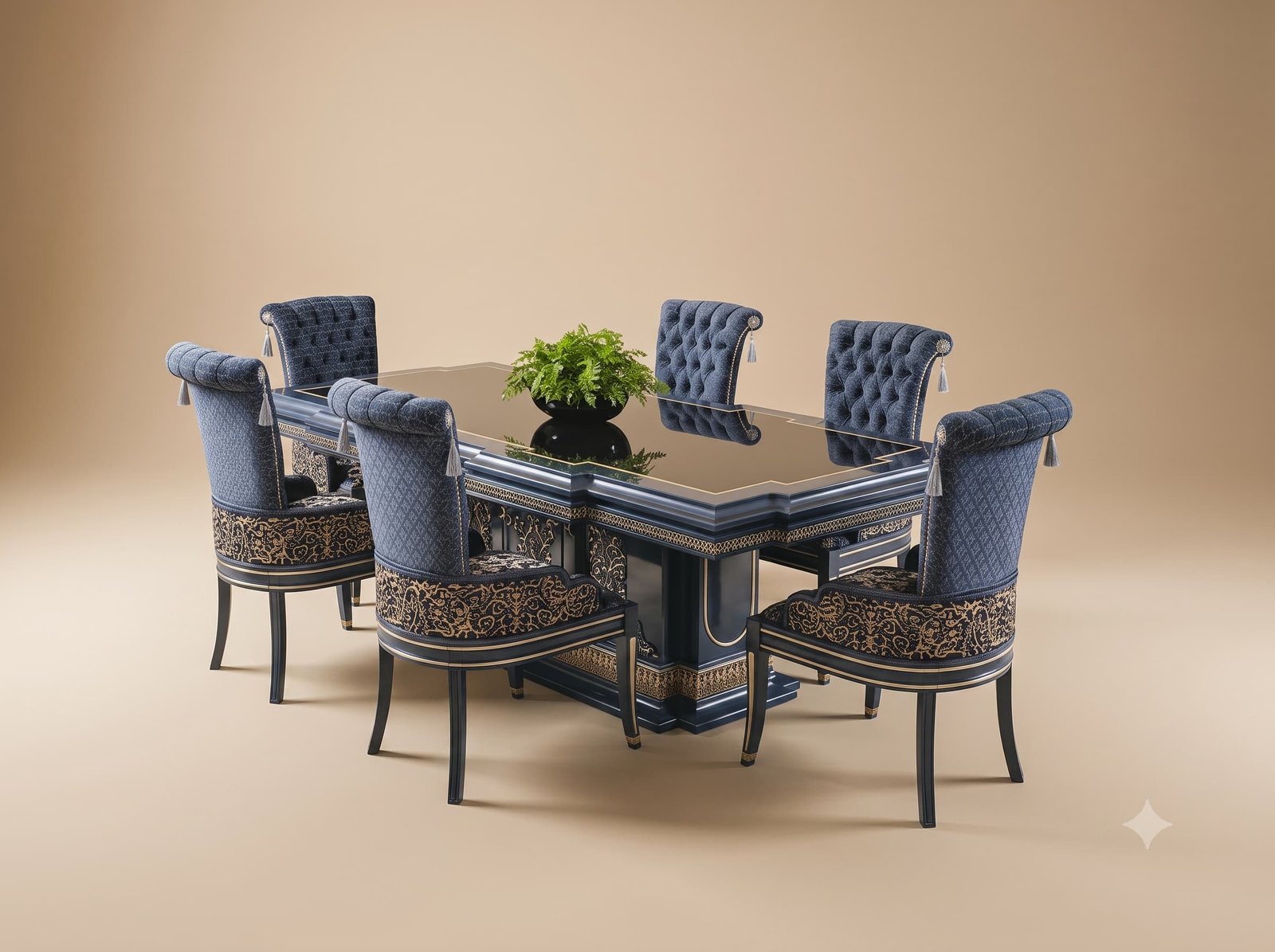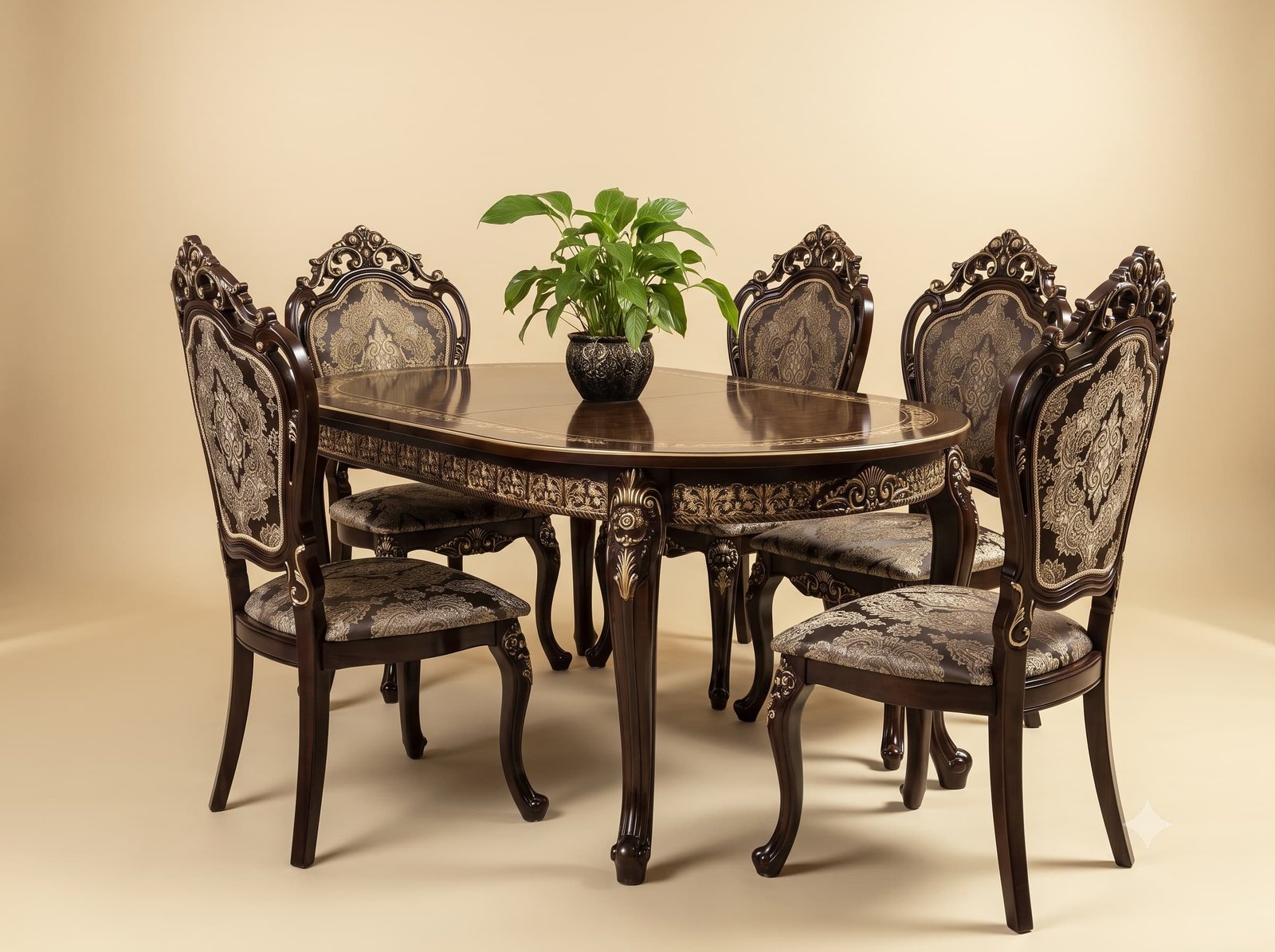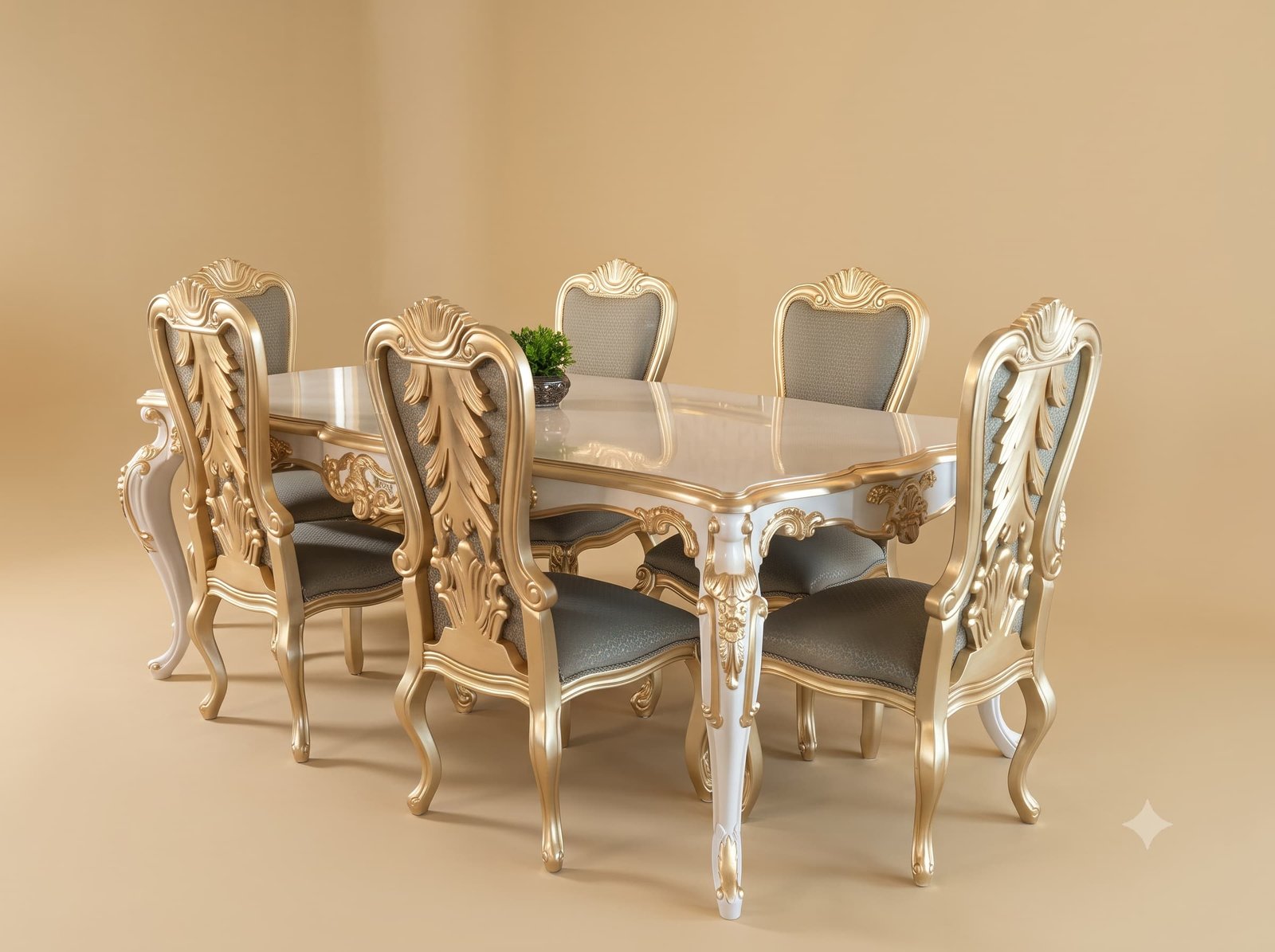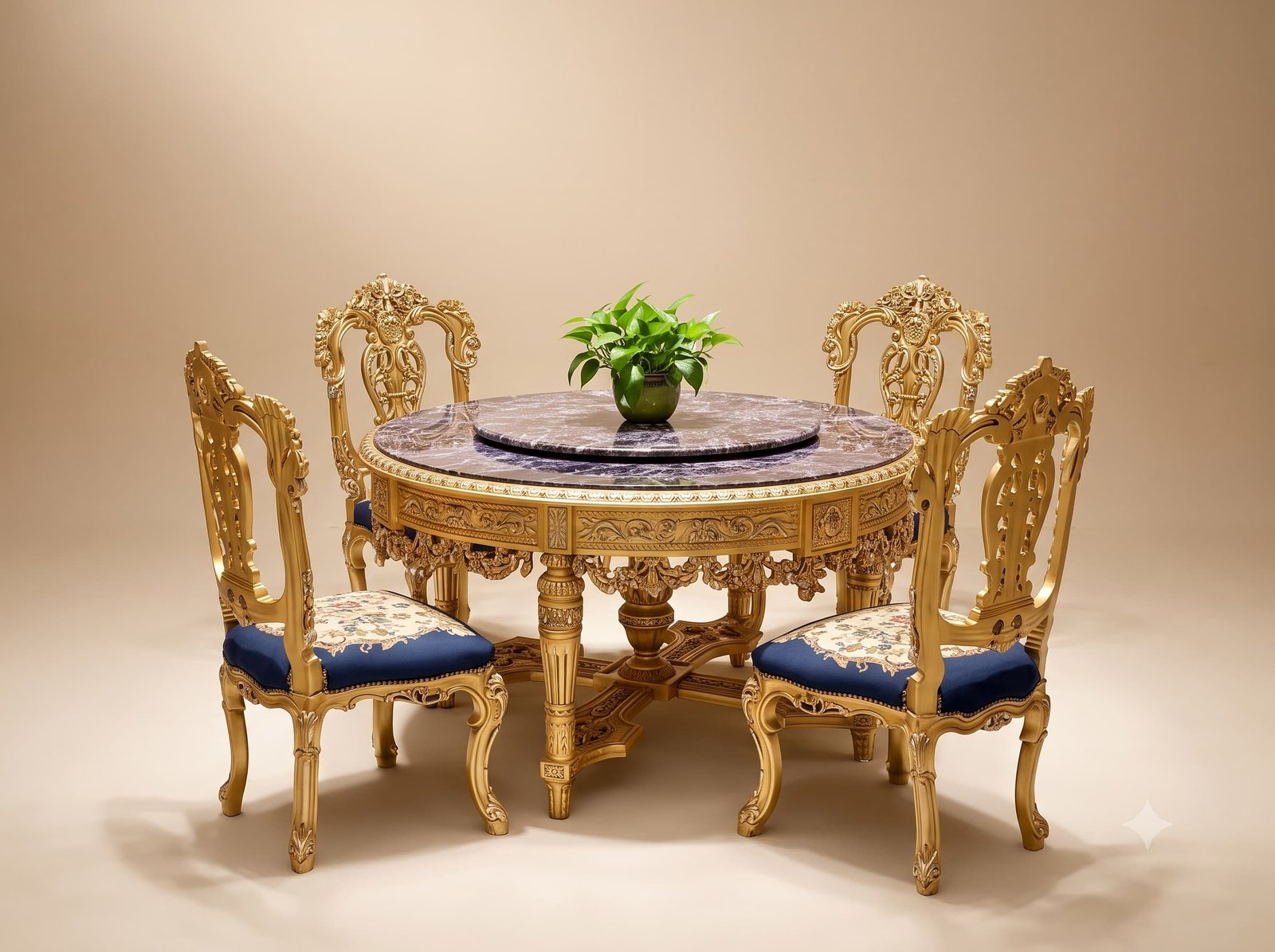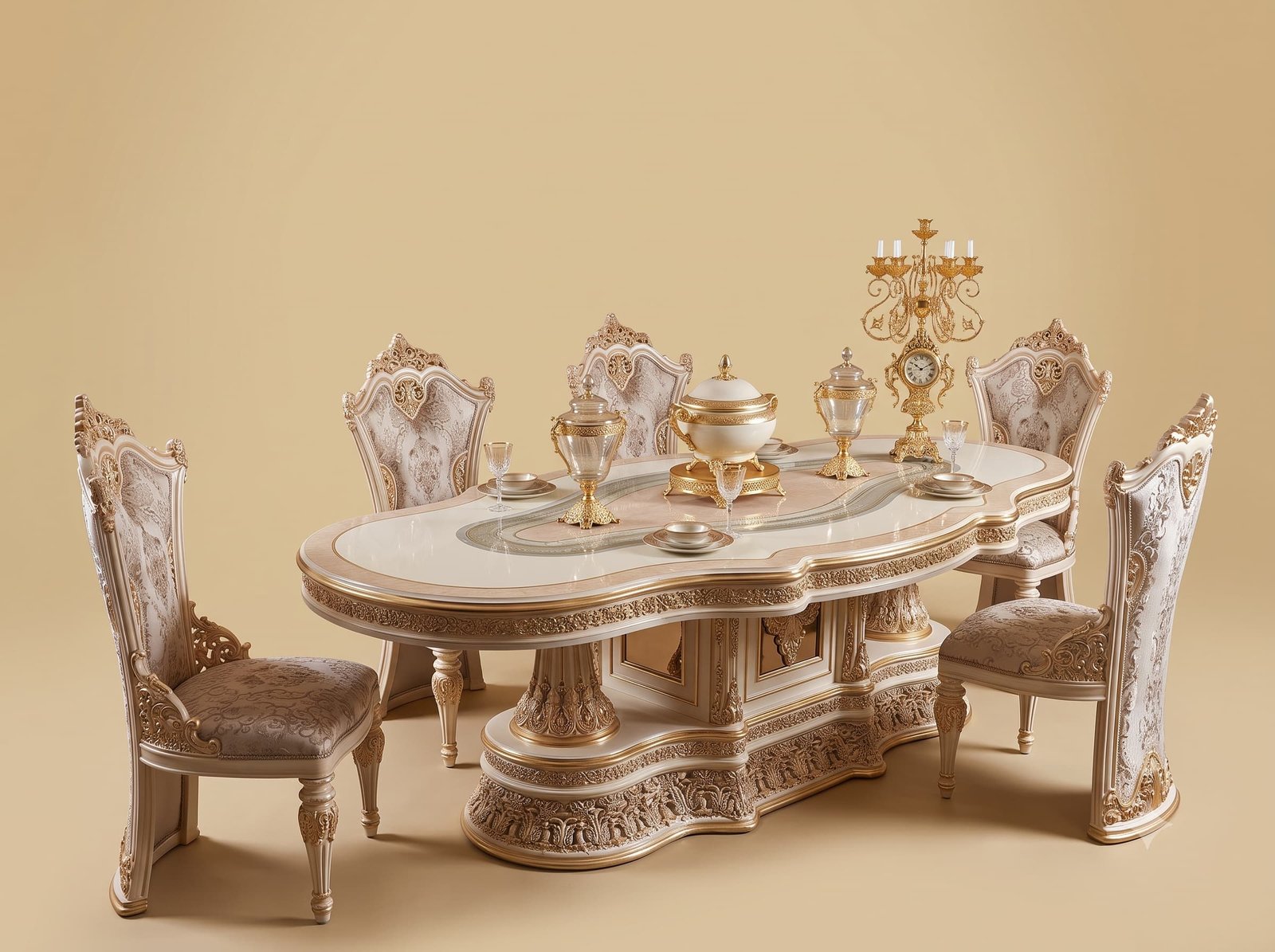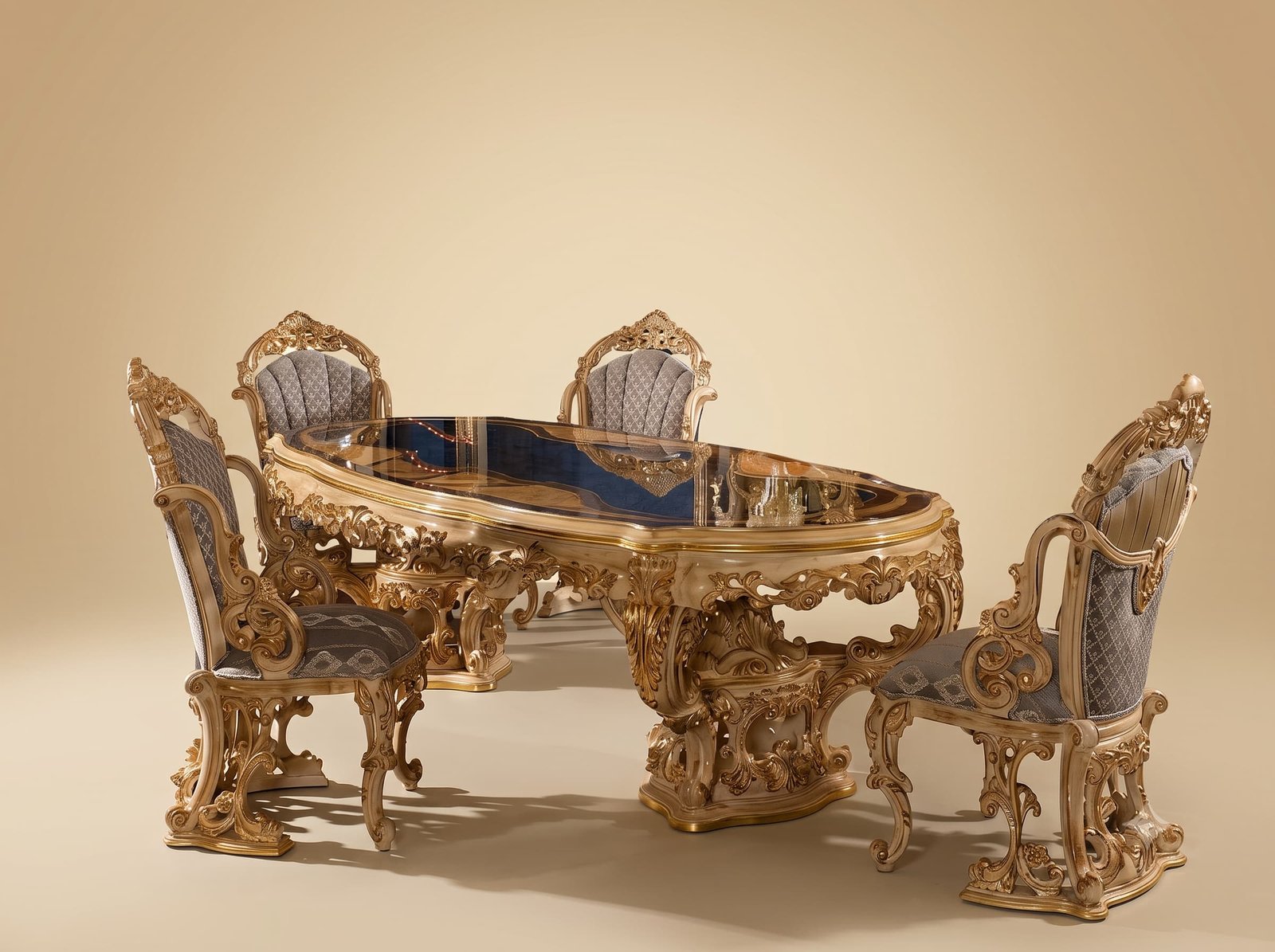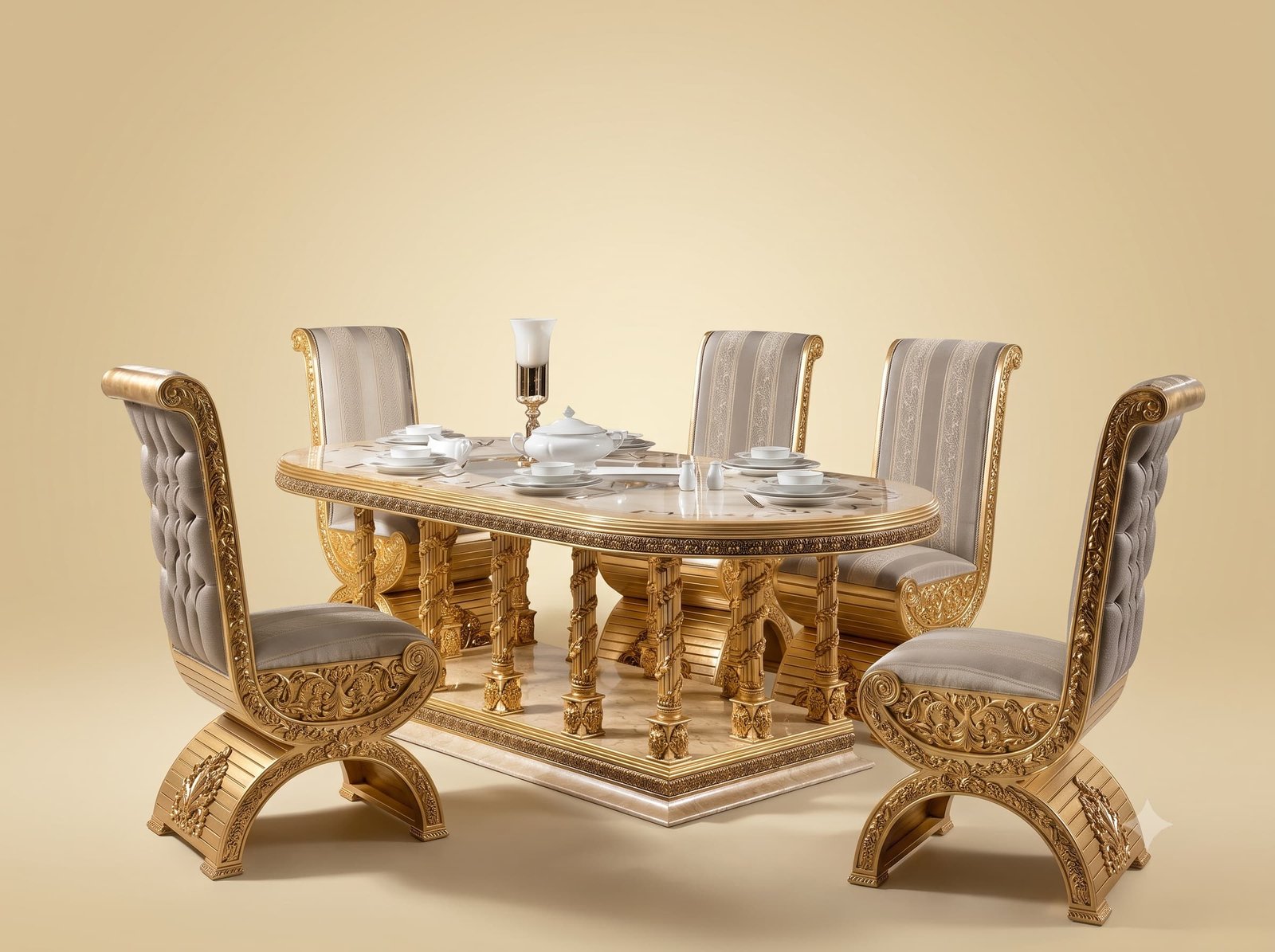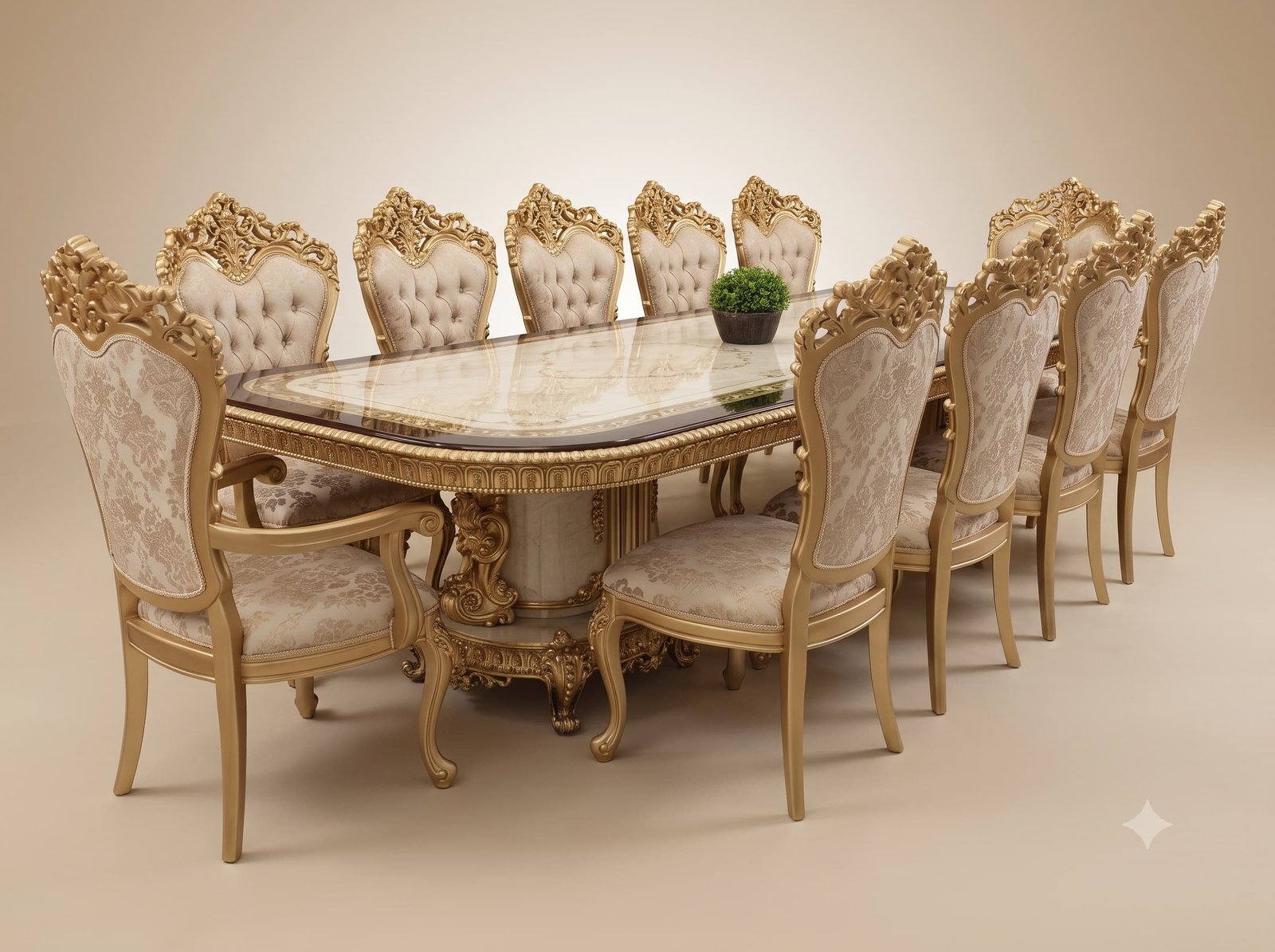
No tree gives a board wide enough for a twelve-place dining top, so every long top is several boards joined edge to edge. The question is which boards, and in what order.
The easy way is to take whatever is in the rack and join it. The result is a top where one board is a shade lighter than its neighbour, or where the figure changes abruptly at a join - and once the finish is on, that difference is permanent and it is the only thing anyone sees when they look down the length of the table.
So the boards for a top are selected together and laid out dry on the bench first. They are shuffled, turned end for end, and turned over, until the sequence reads as one continuous surface - colour running gently from one board to the next rather than jumping, and the figure of each board sympathetic to the one beside it. Then they are marked in that exact order before anything is glued.
The joins themselves are then placed. On a dining table, we set them to fall under the place settings rather than down the centre line, because the centre of the table is where the eye rests and where a runner or a centrepiece will not always be. A join under a plate is a join nobody ever notices.
It takes an afternoon before any cutting starts. On a table that will be looked down the length of for decades, it is the afternoon that matters most.
 Ask Price On WhatsApp