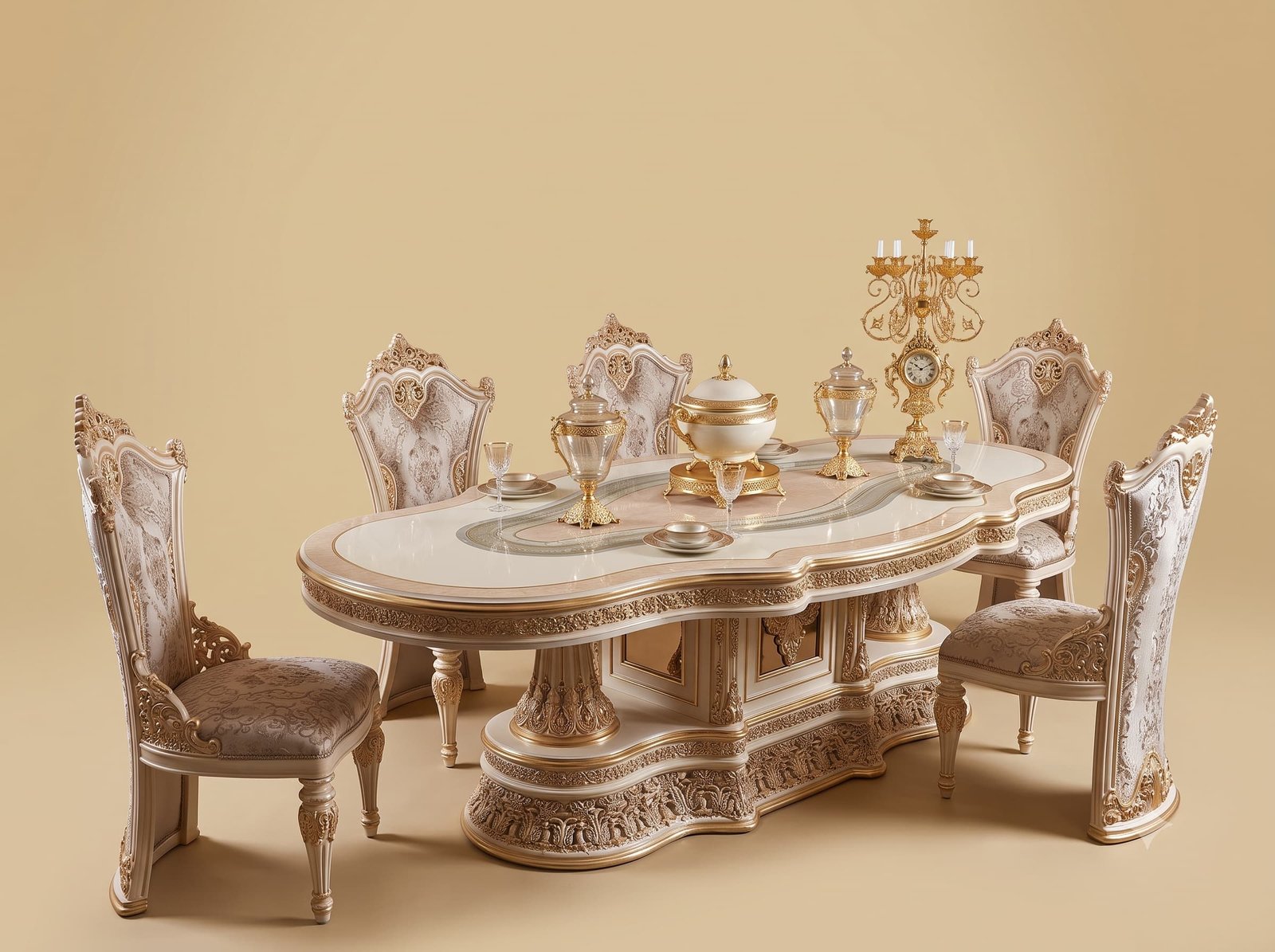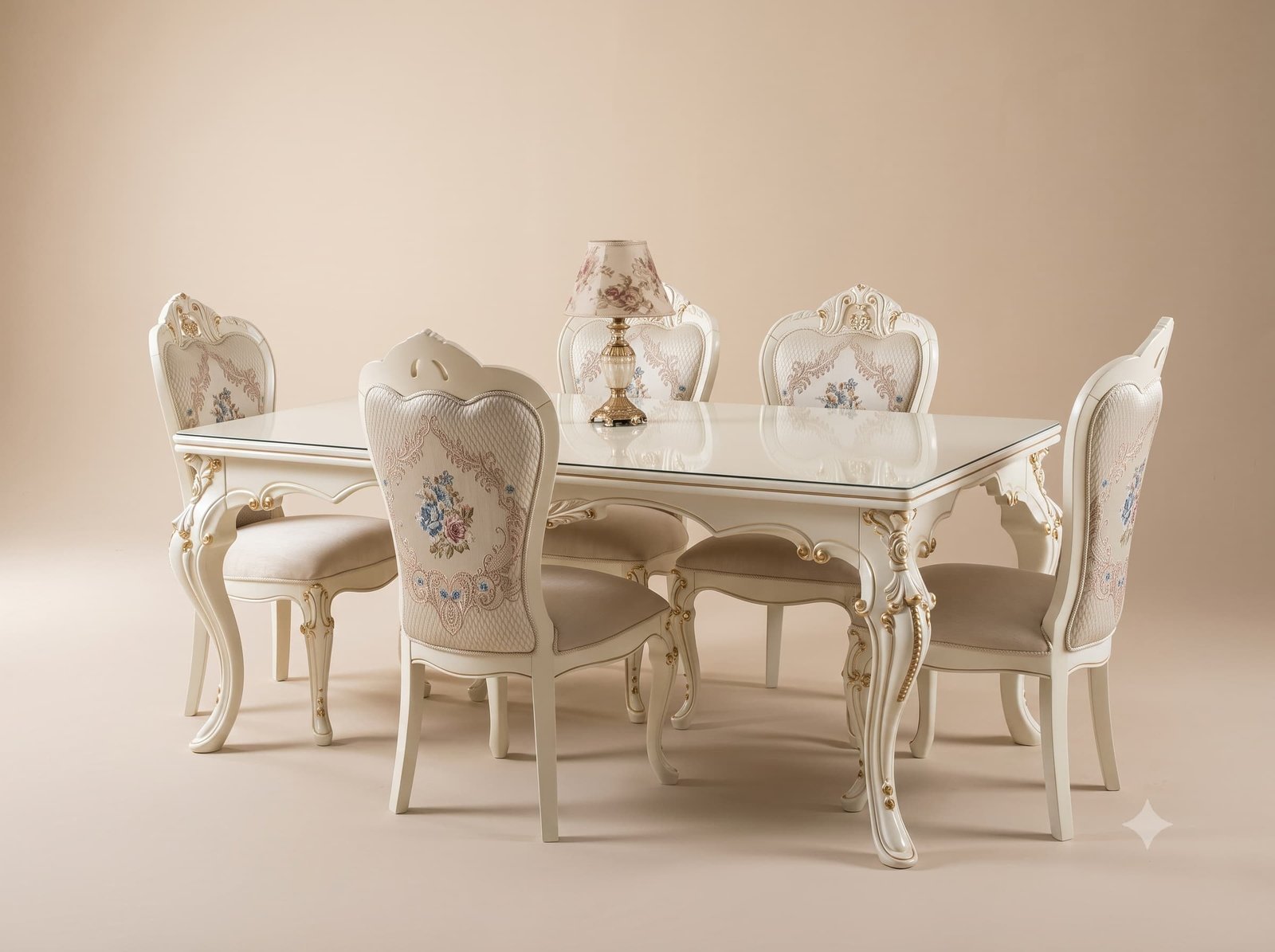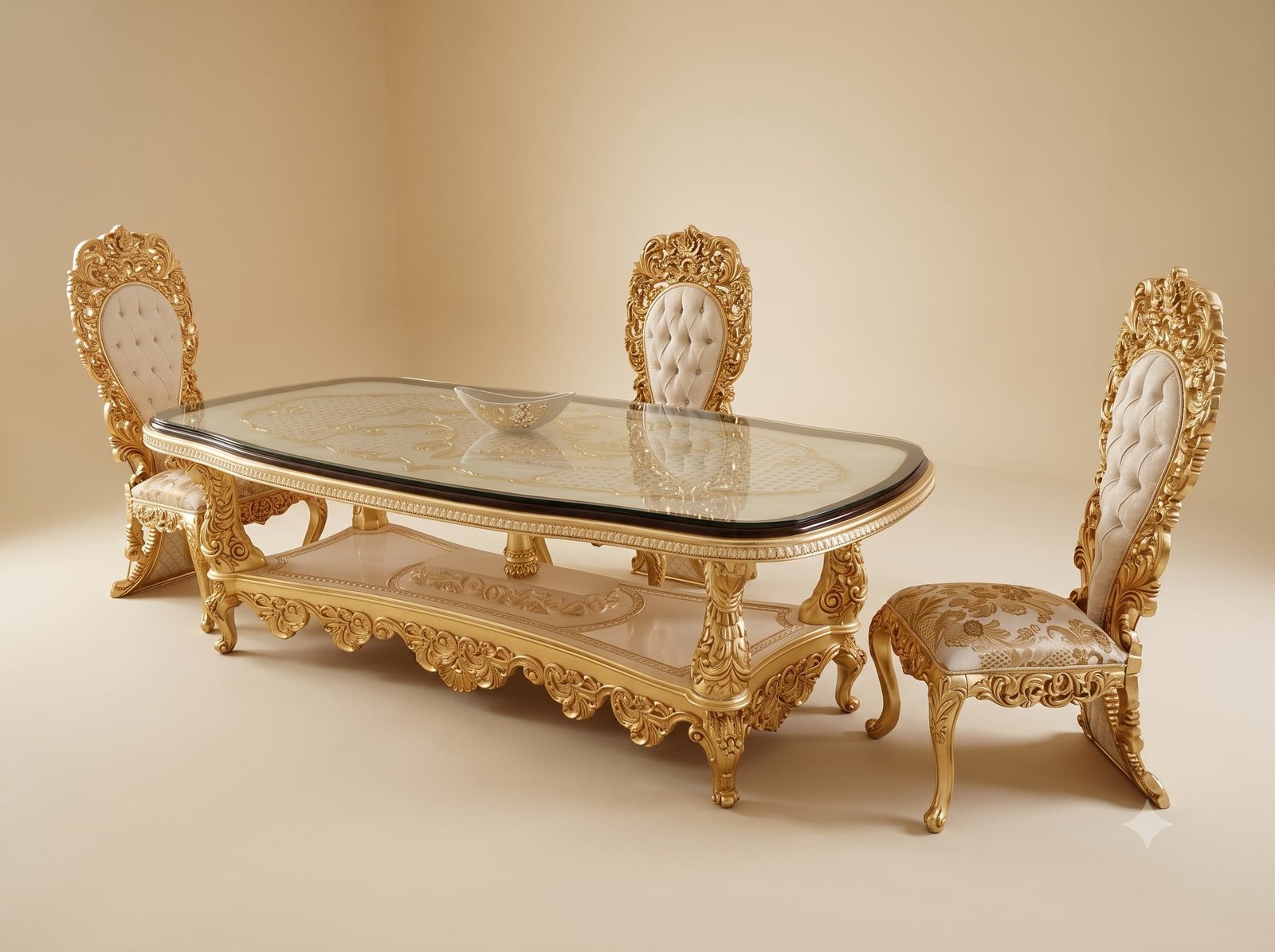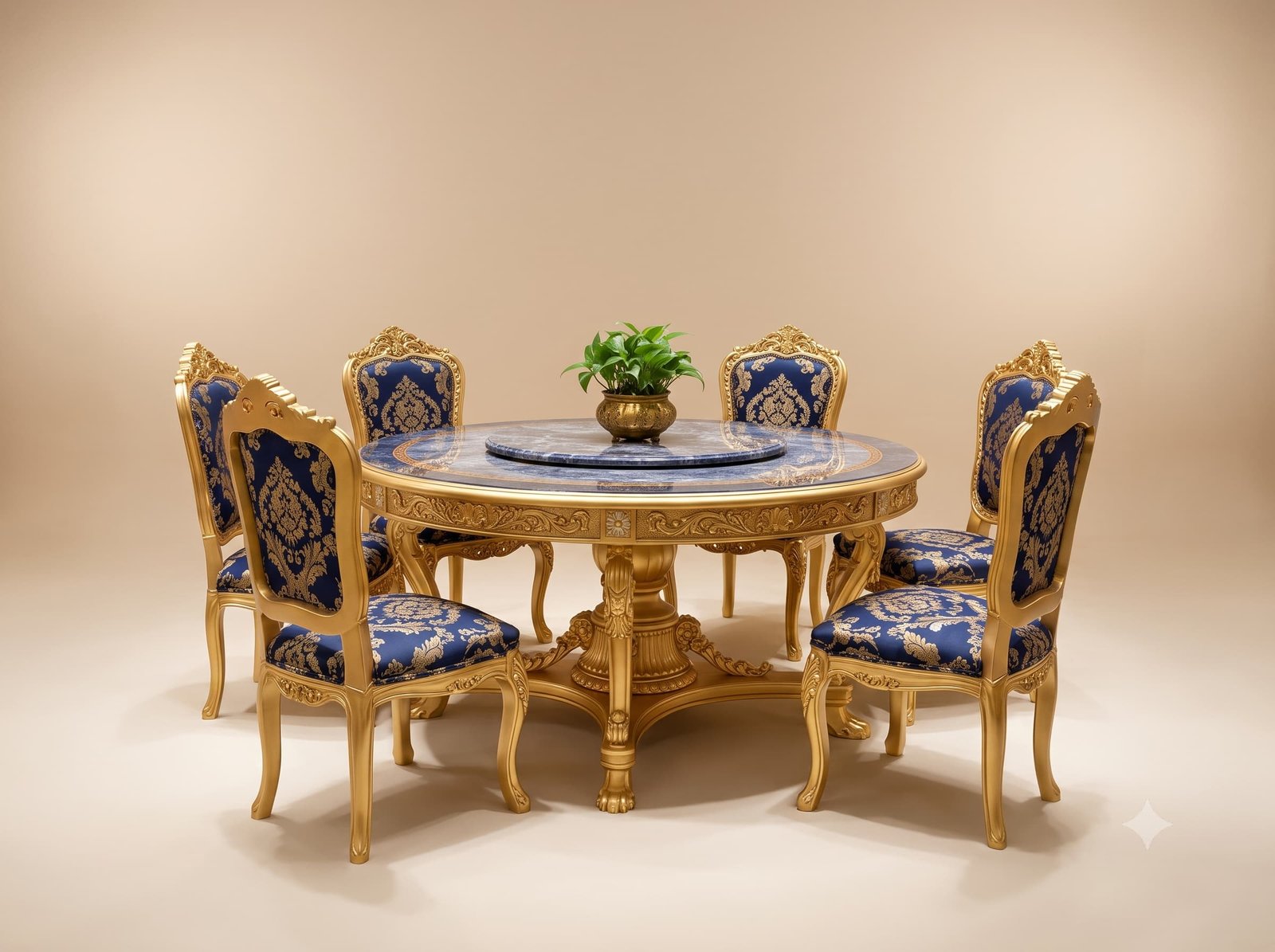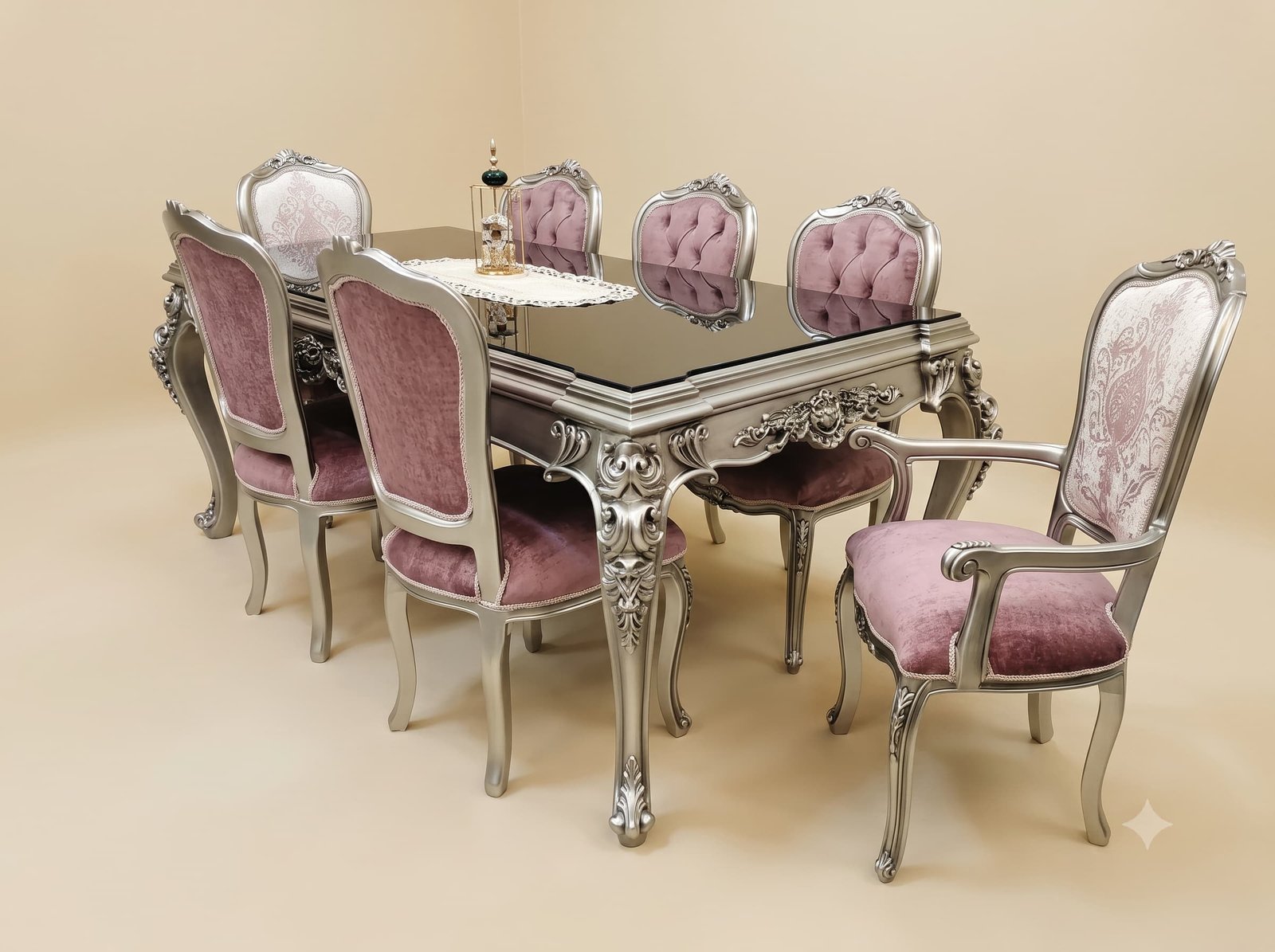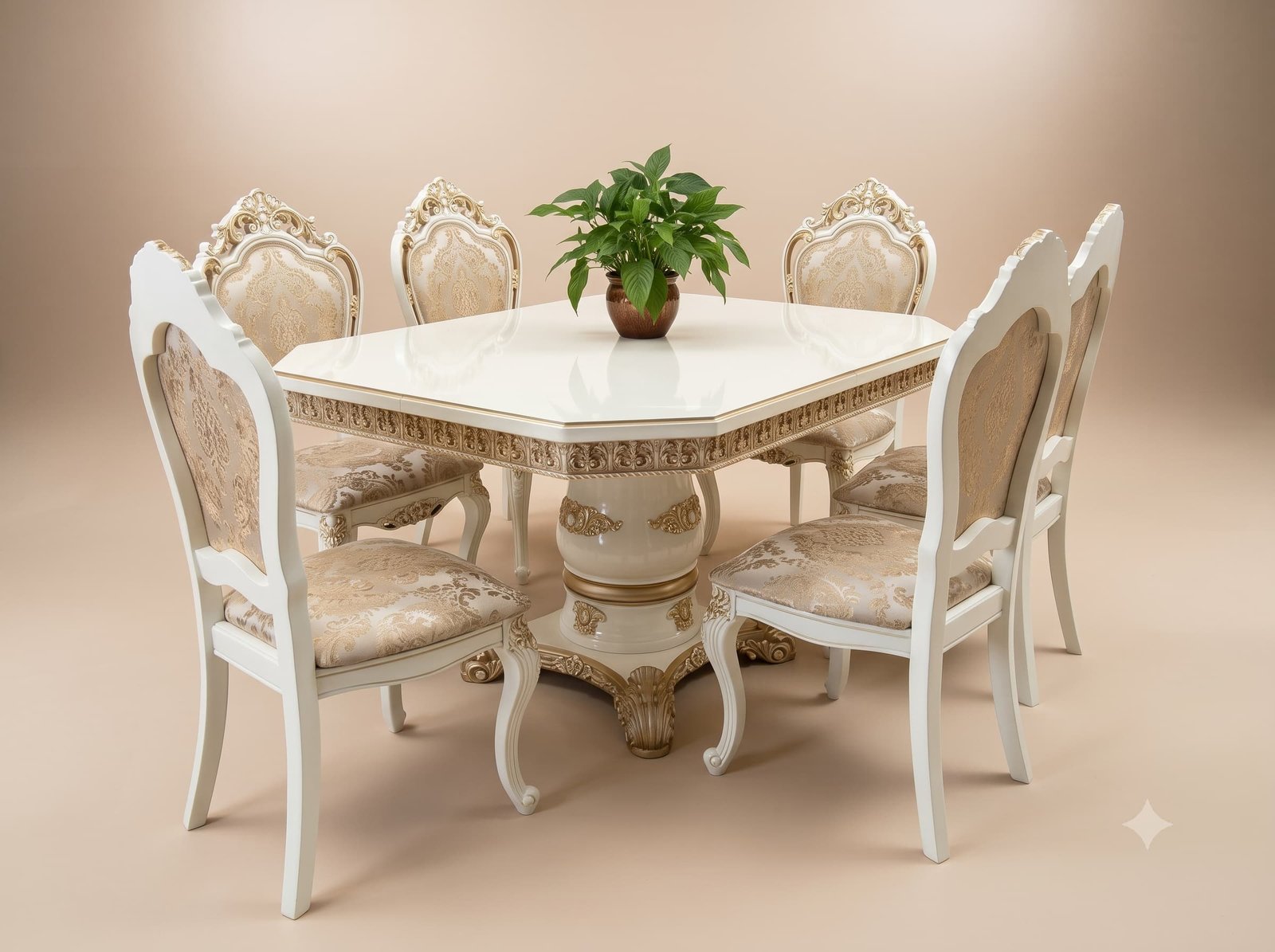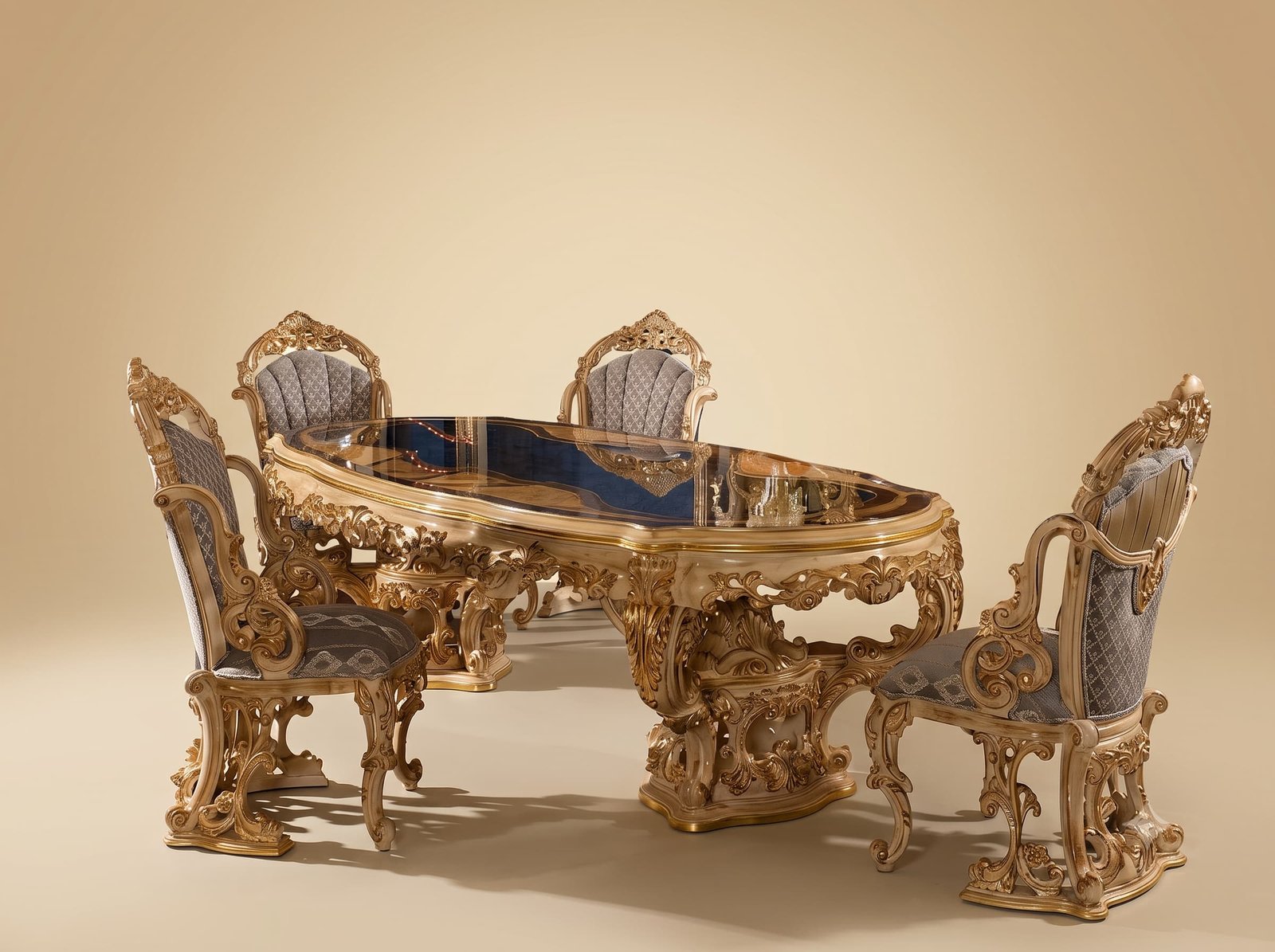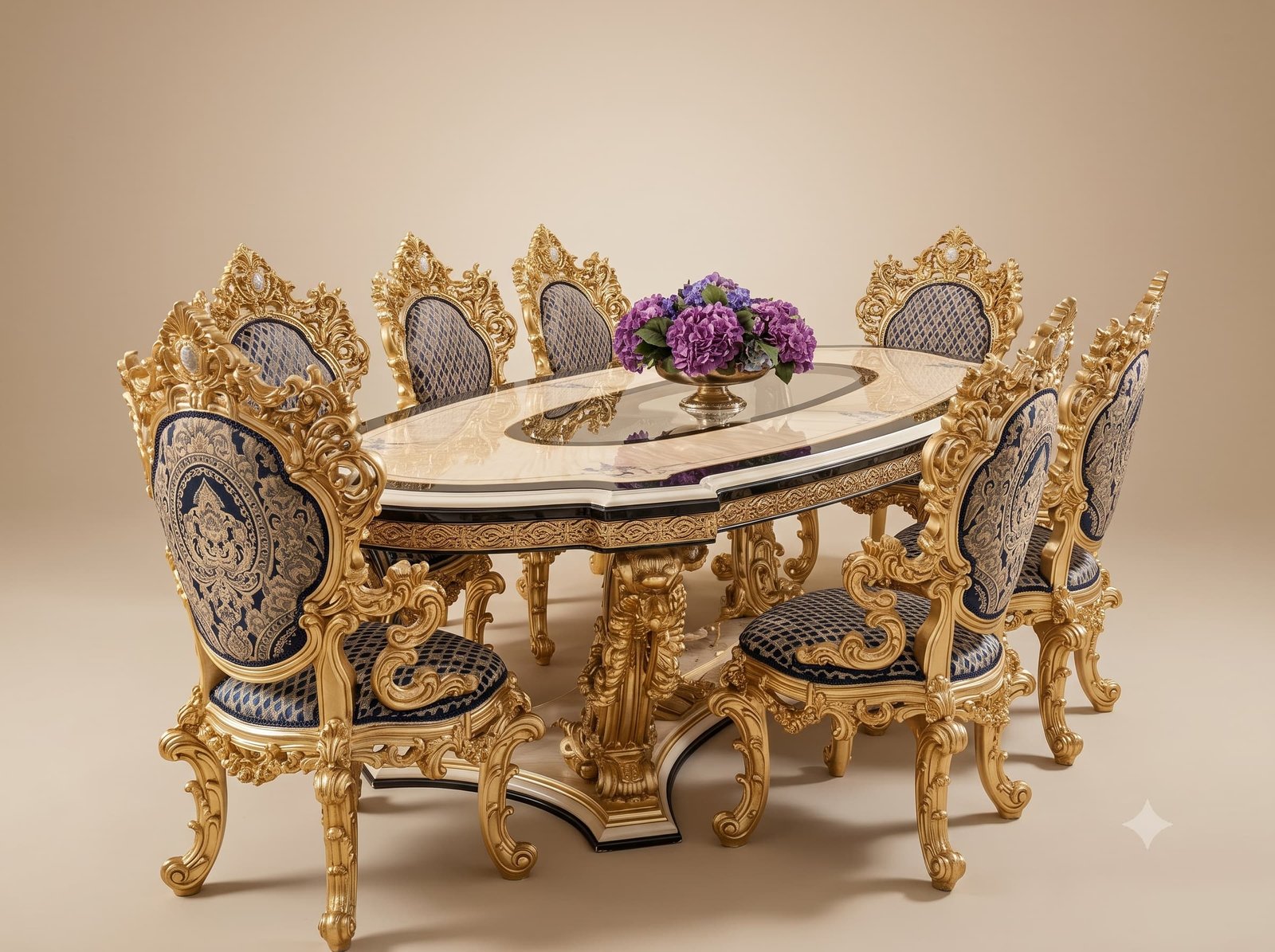
There is a question we ask before a chair this heavily carved is finished, and it has nothing to do with how it looks: how is anyone going to dust it?
Deep carving collects dust. That is simply true, and any workshop that tells you otherwise has not lived with its own furniture. What is not inevitable is dust that cannot be removed - and that comes down to the width of the recesses, which is set by the carver years before anyone picks up a brush.
So there is a rule on our bench for pieces at this density: no recess is cut narrower than a soft brush can enter. A carver chasing detail will naturally cut a groove finer and finer, because finer looks better in the moment; on a piece that will be dusted weekly for fifty years, a groove too fine for a brush is a groove that fills and stays filled, and the carving loses its depth permanently.
The undercuts follow the same principle. They are cut deep enough to throw a shadow, and open enough at the mouth that a brush reaches the bottom rather than bridging it.
Nobody buys a chair because of how it dusts. But a carved set that still has its depth in twenty years and one that has quietly filled in are two different pieces of furniture, and the difference was decided by the carver.
 Ask Price On WhatsApp