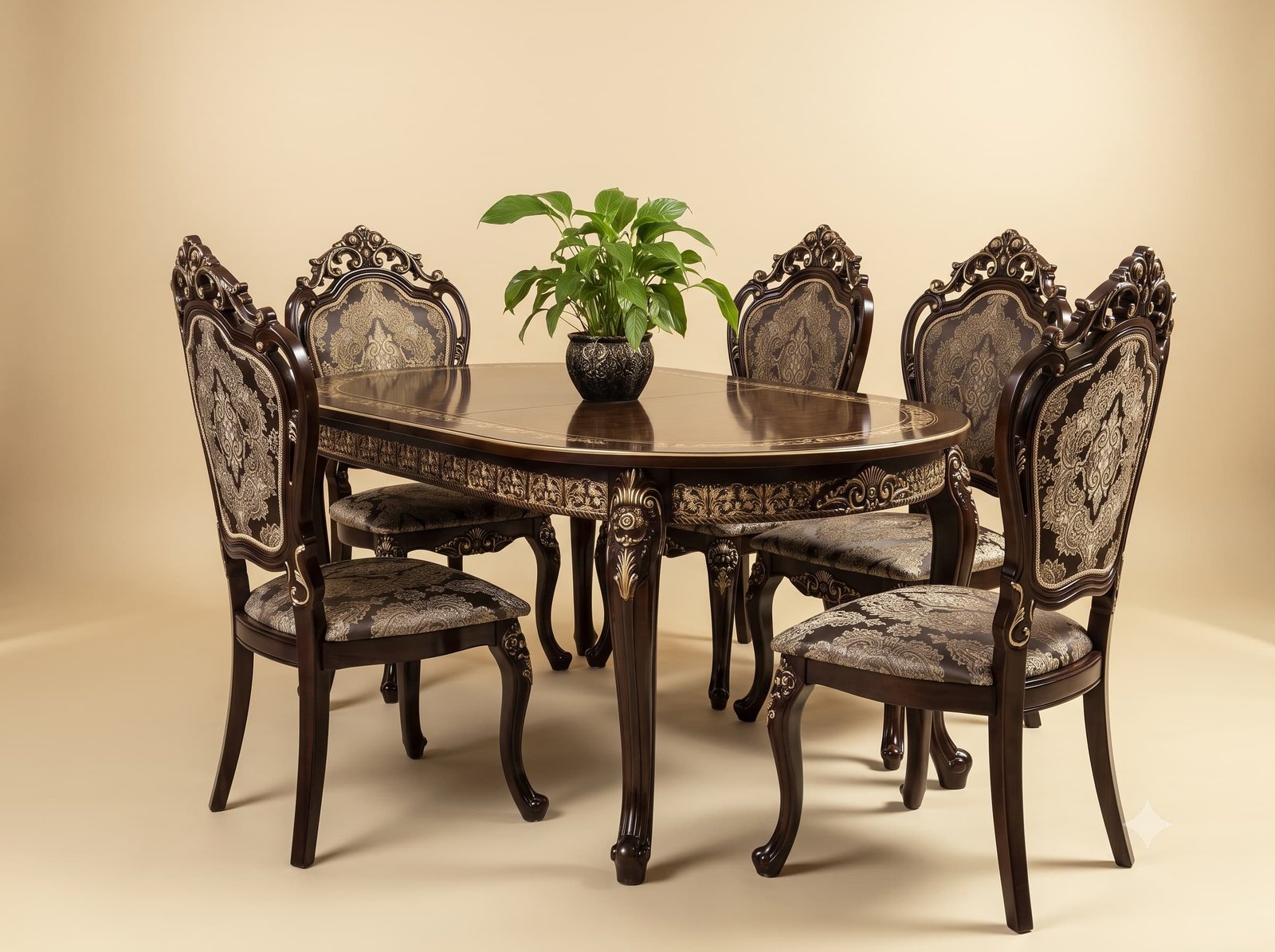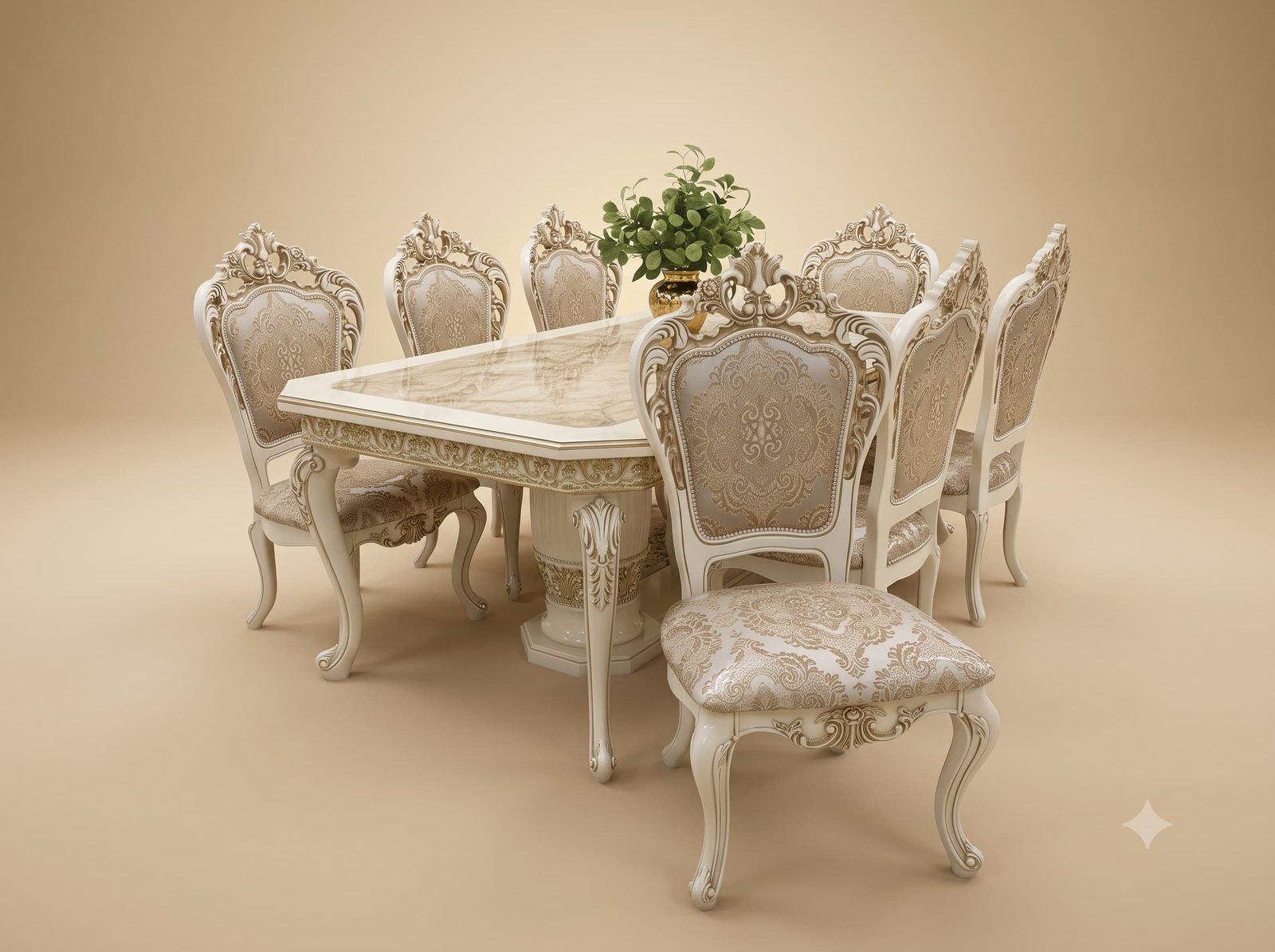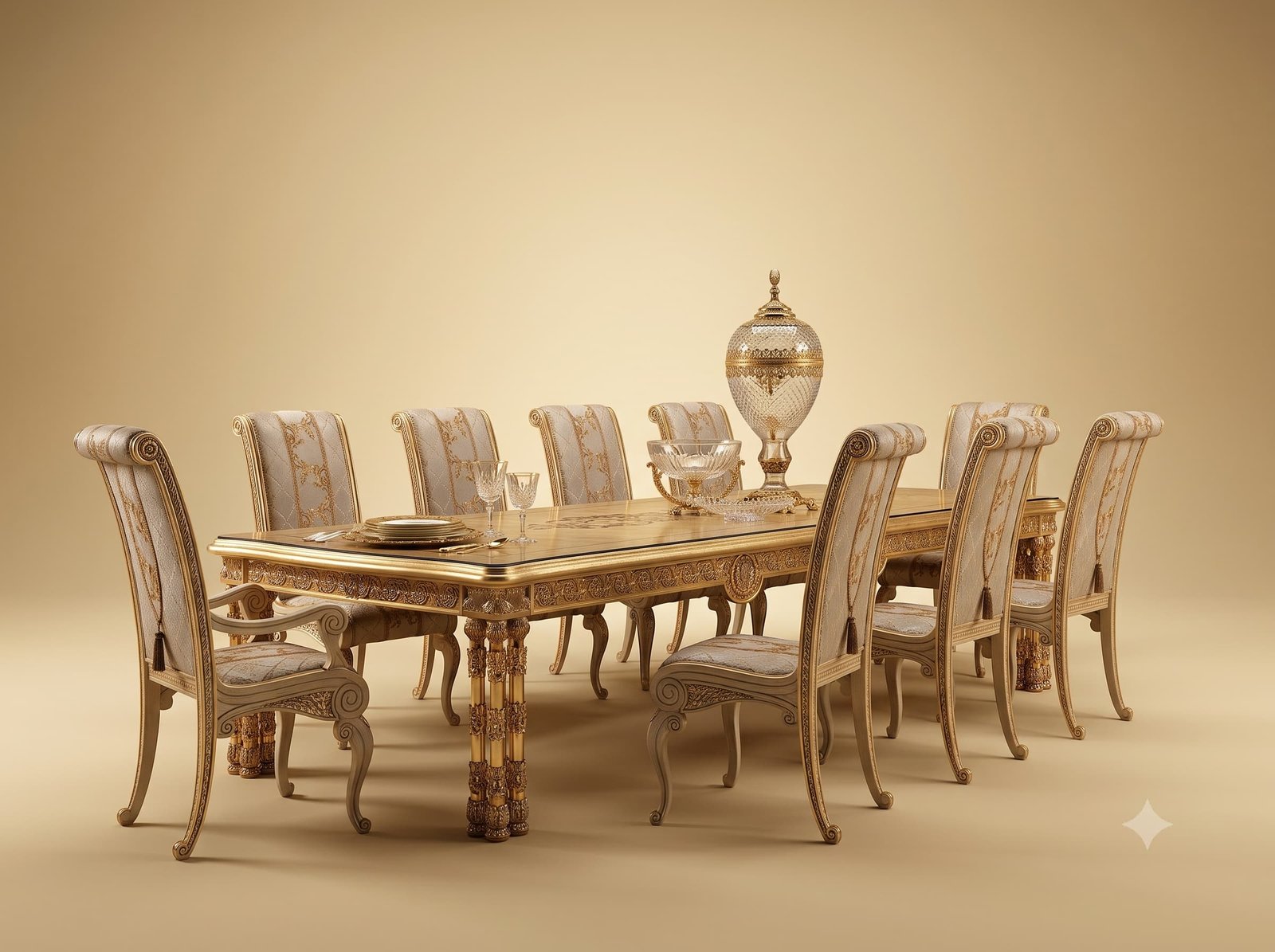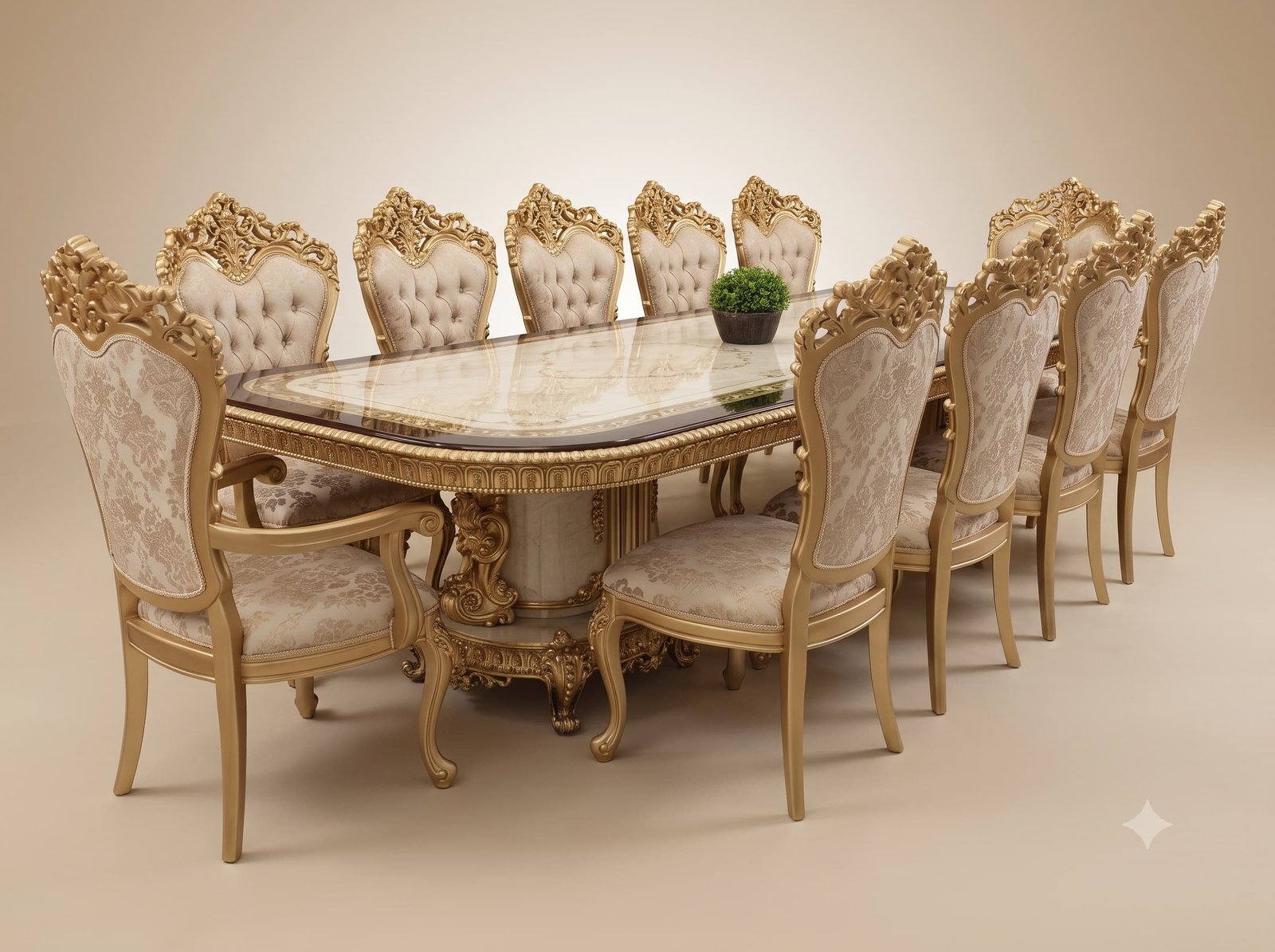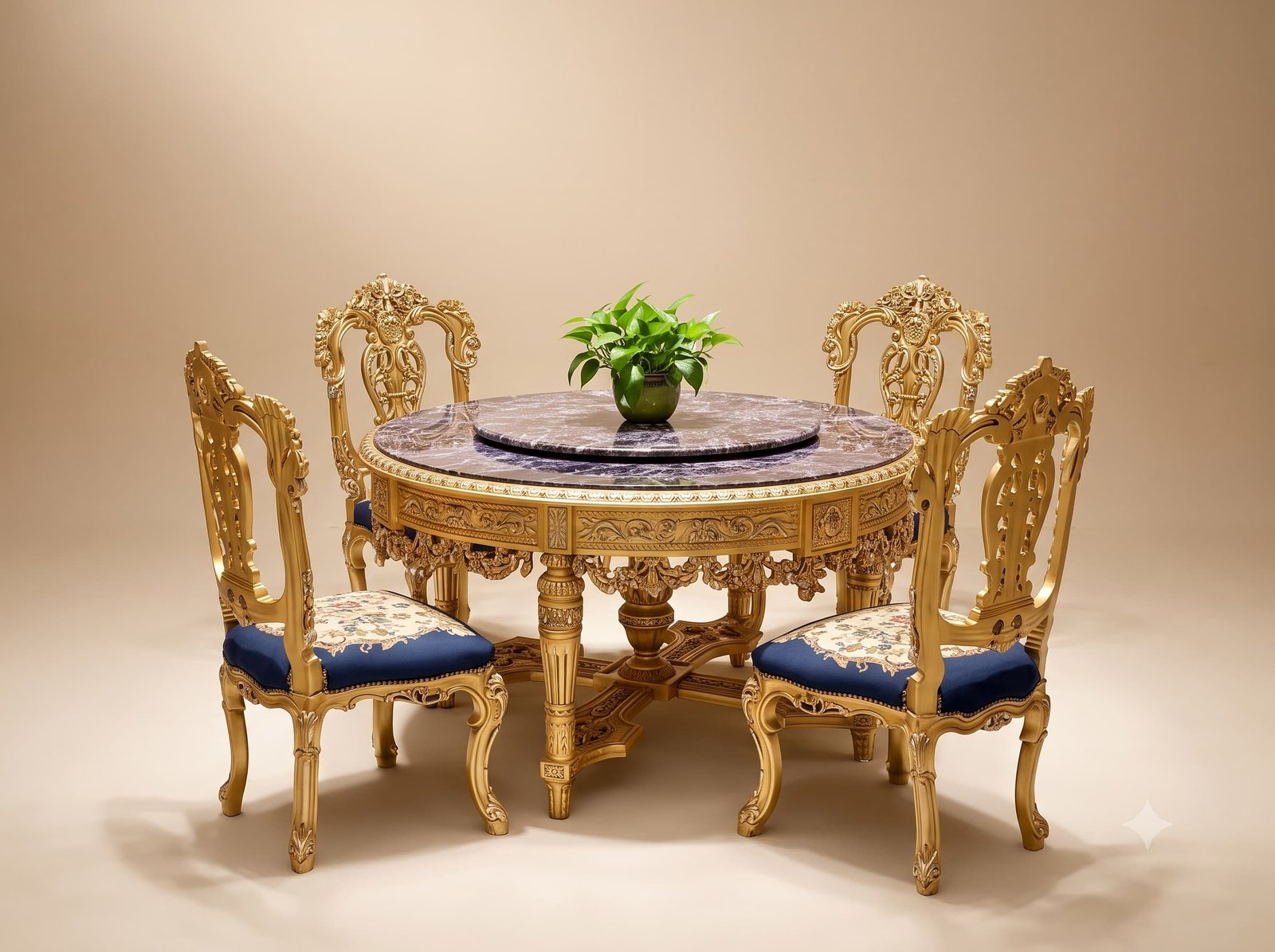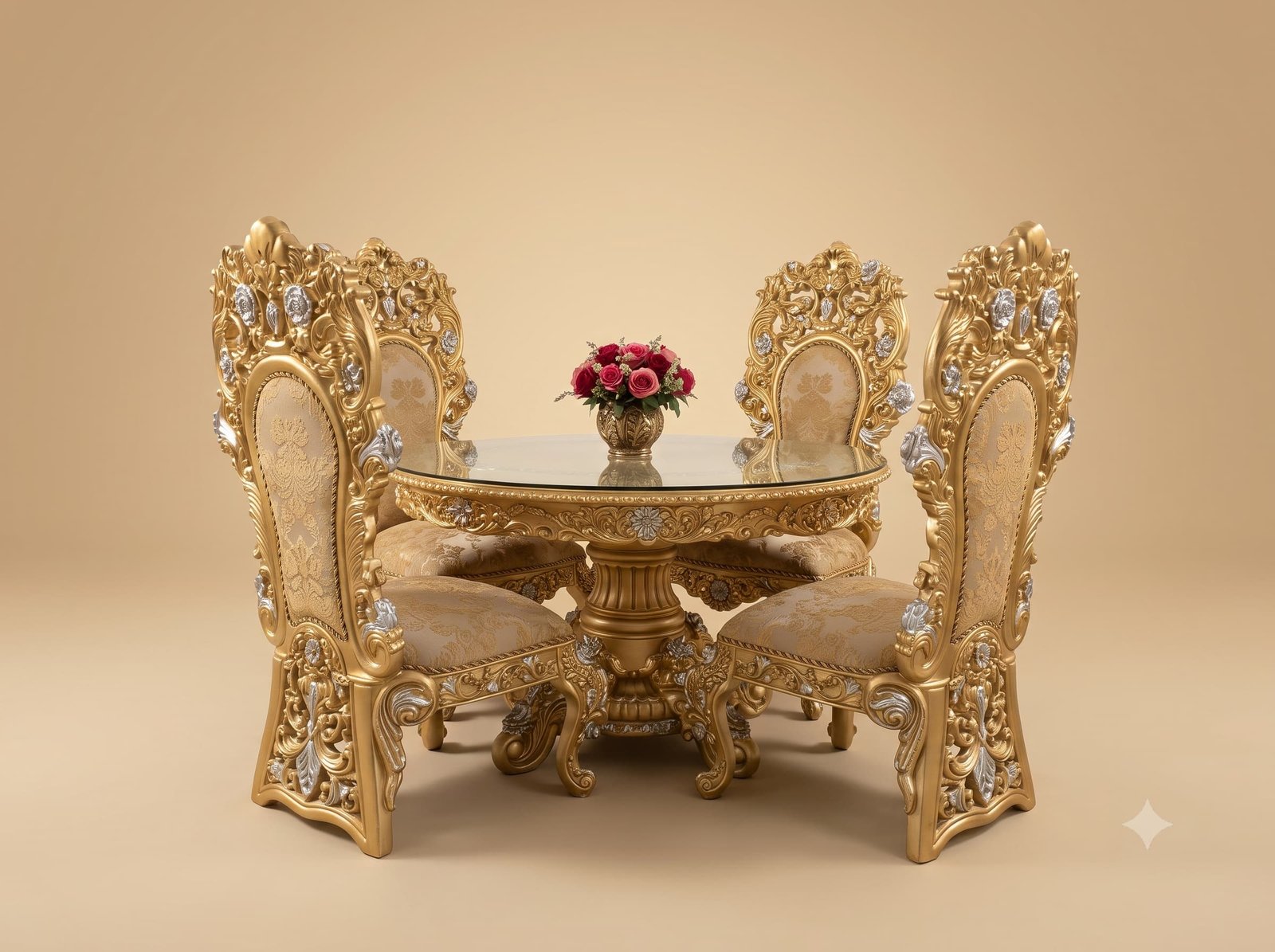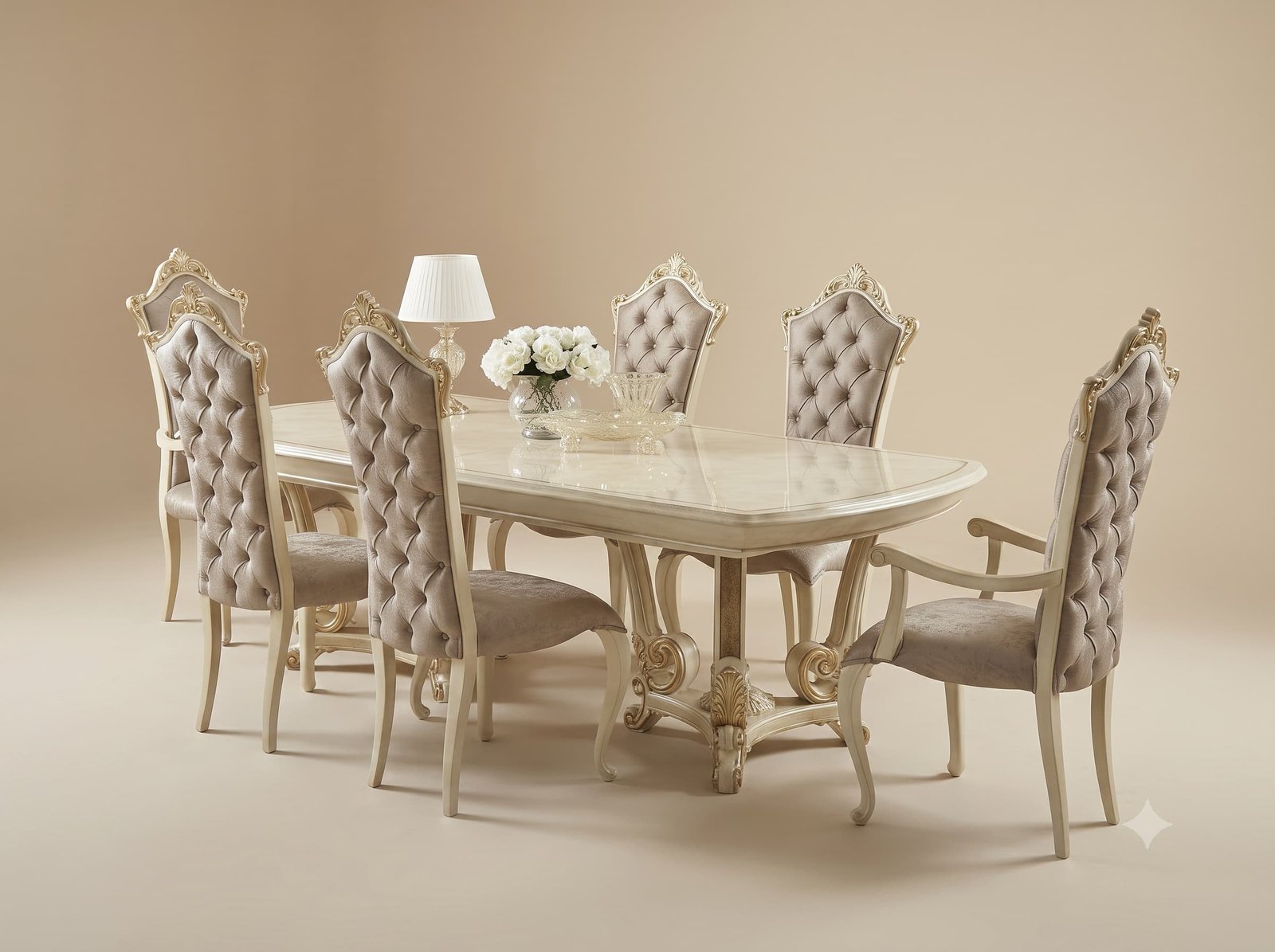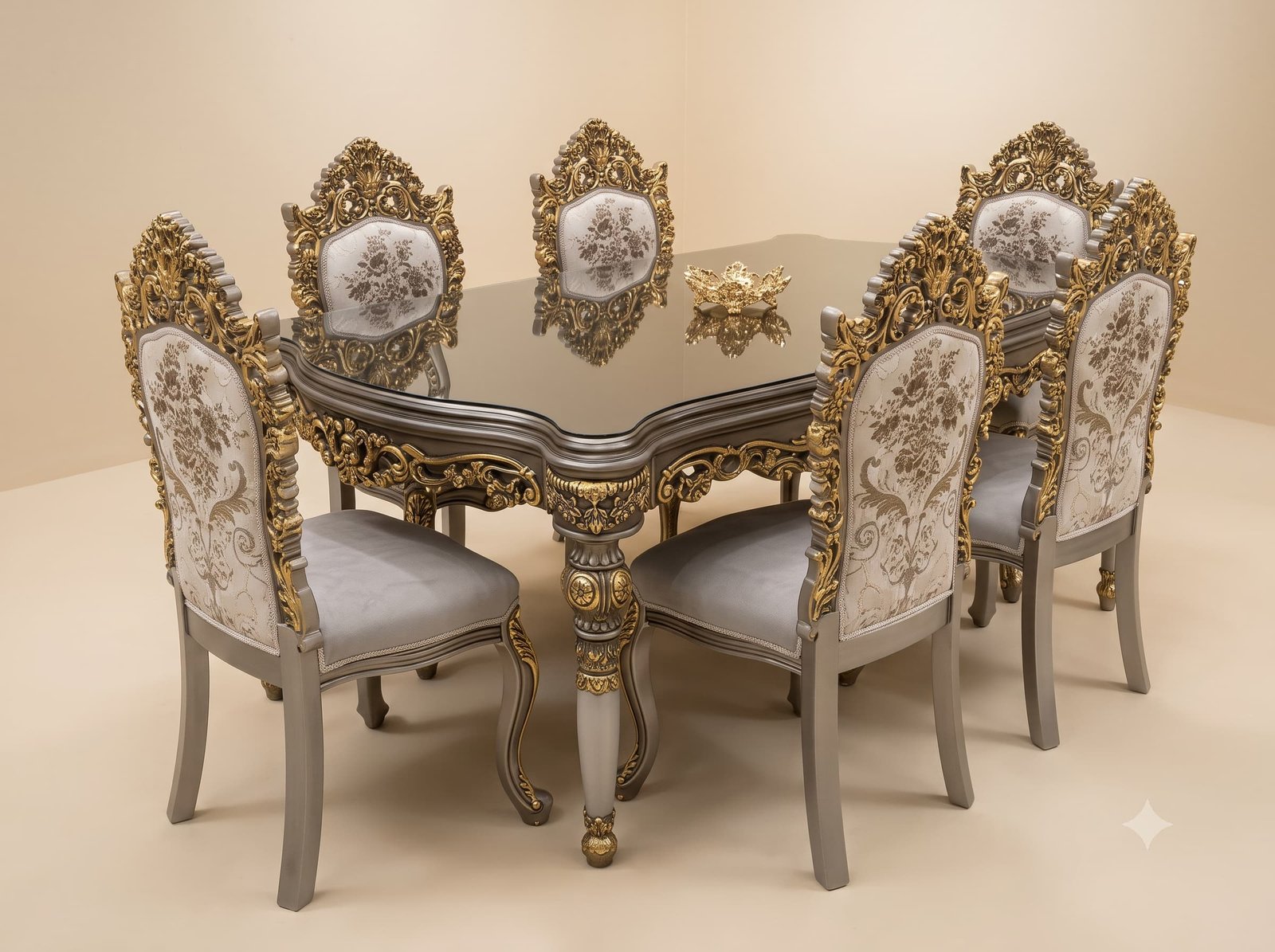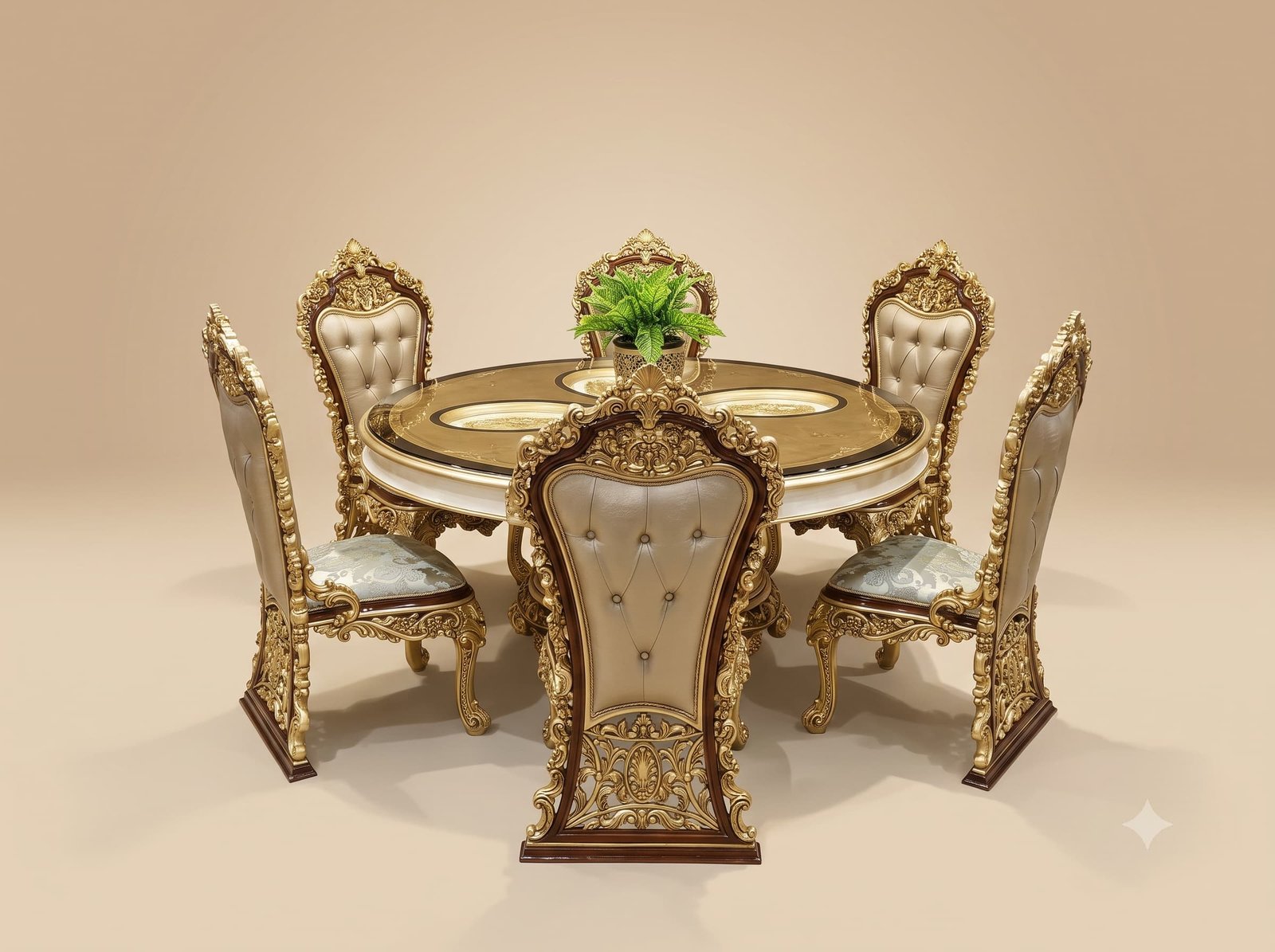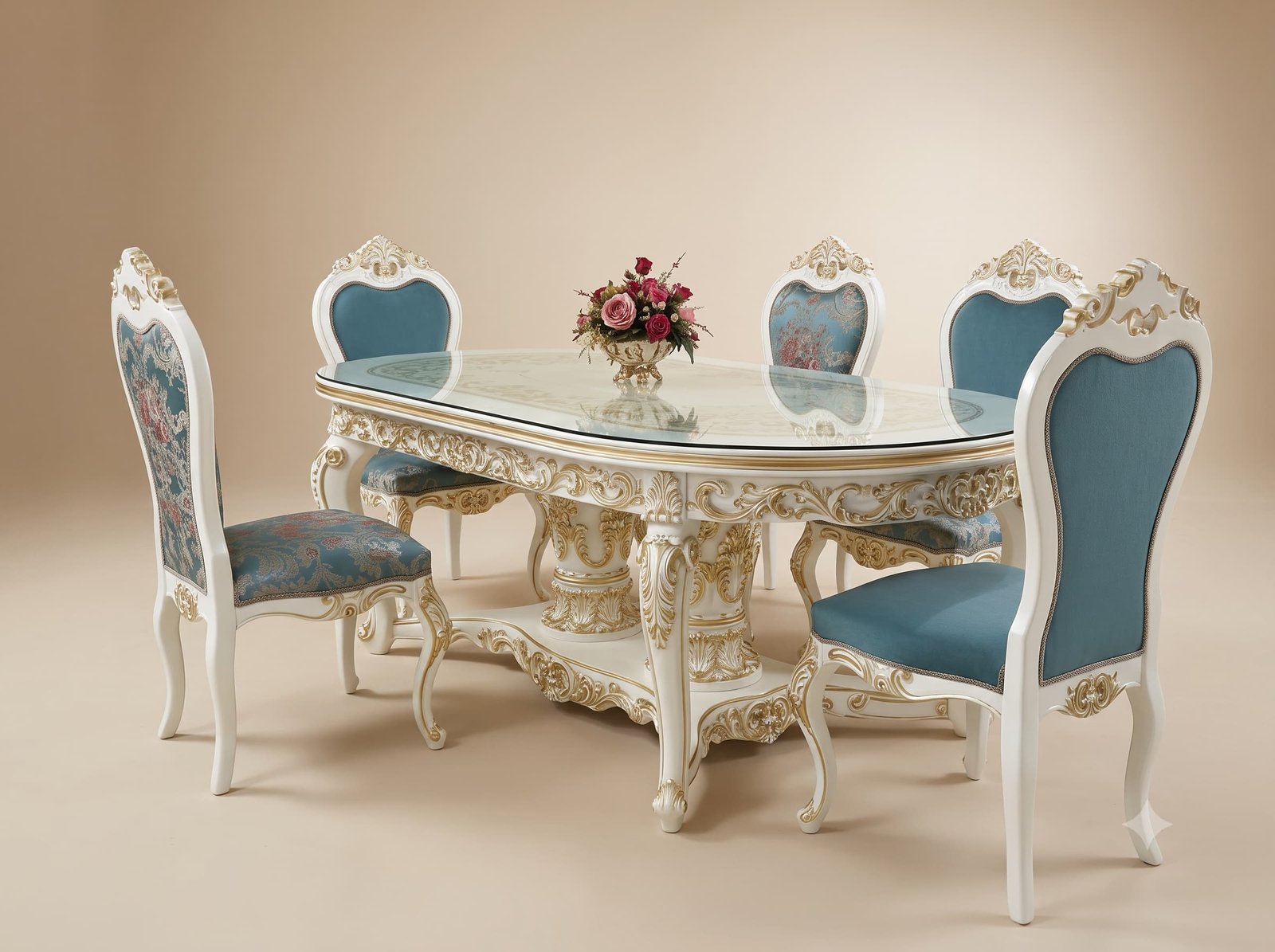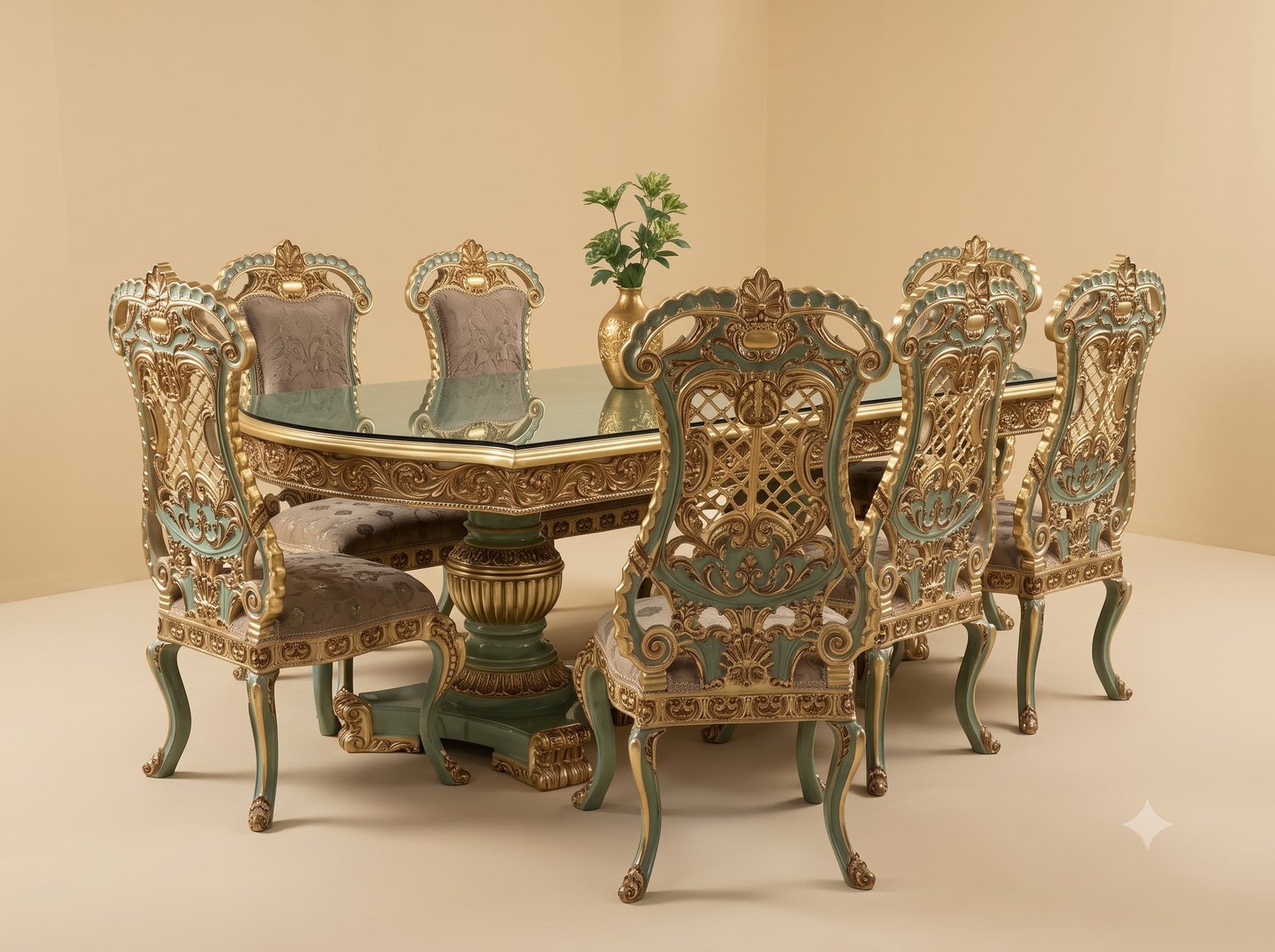
A two-tone finish on carving is easy to describe and hard to do, because gold that strays into a recess ruins the whole effect. The point of picking out the raised faces is that the recesses stay dark - that contrast is what makes the carving read. One brush stroke that dips into a hollow and the depth flattens out at exactly that spot.
So the gold is not brushed on. The green is laid first over the entire carving, into every recess, and left to cure hard. The gold then goes on with a pad rather than a brush: a firm faced pad, charged sparingly, drawn across the surface so it touches only what stands proud. It physically cannot reach into a hollow, because the pad bridges it.
The pad is worked in one direction across a section and then lifted, rather than scrubbed back and forth, which is what would push material over an edge. On a deeply undercut area the carver's own cuts do the rest of the work: the deeper the undercut, the cleaner the line where the gold stops.
Where a piece needs gold in a recess deliberately - a moulding hollow, say - it is done separately and by hand, before the pad work, so the two are never confused.
The result is a set where you can see how deep every cut is from across the room, which is the entire point of carving something in the first place.
 Ask Price On WhatsApp