Every finisher knows the rule about black: the colour is the last five percent of the work and the flatness is the other ninety-five.
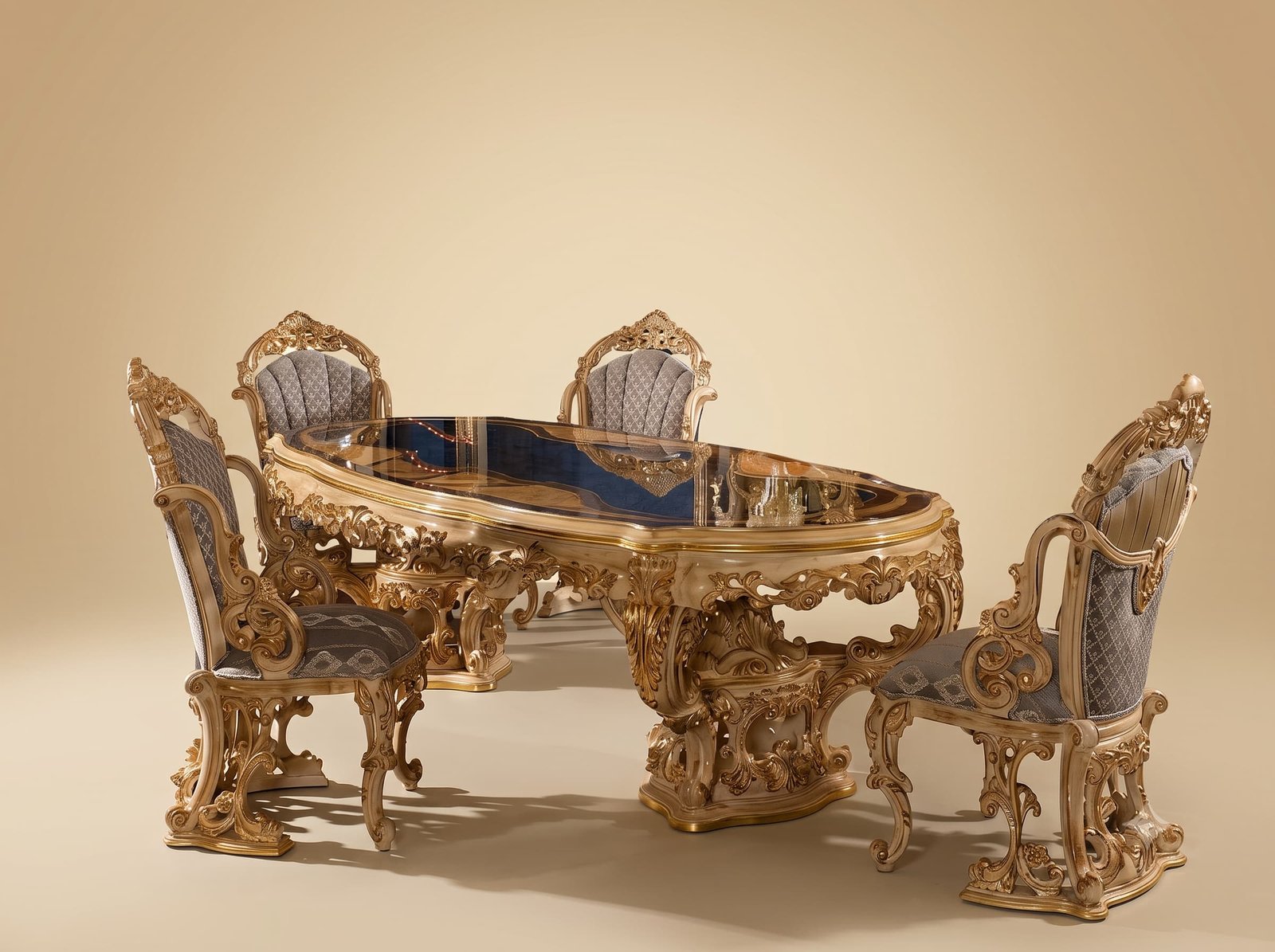
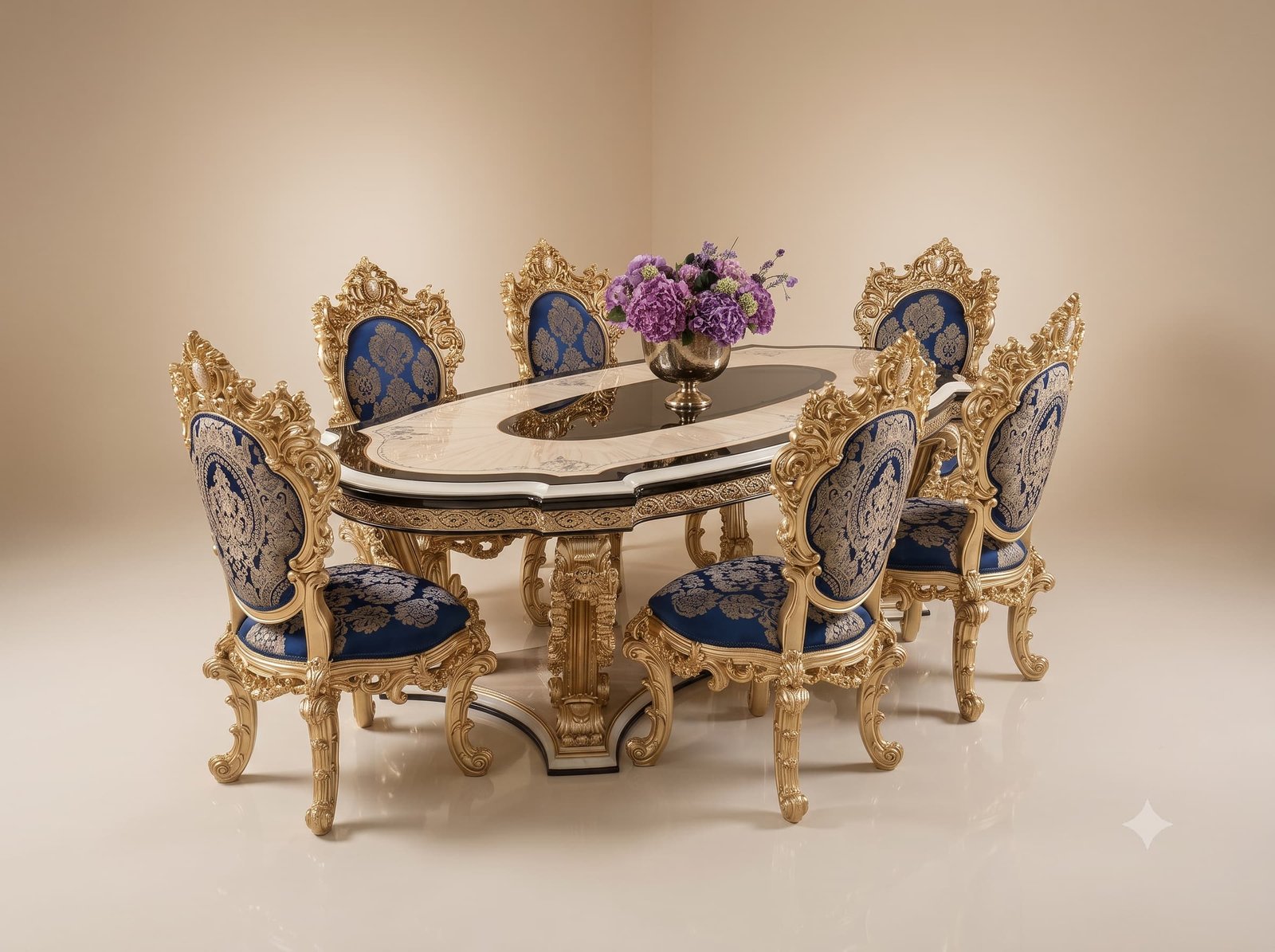
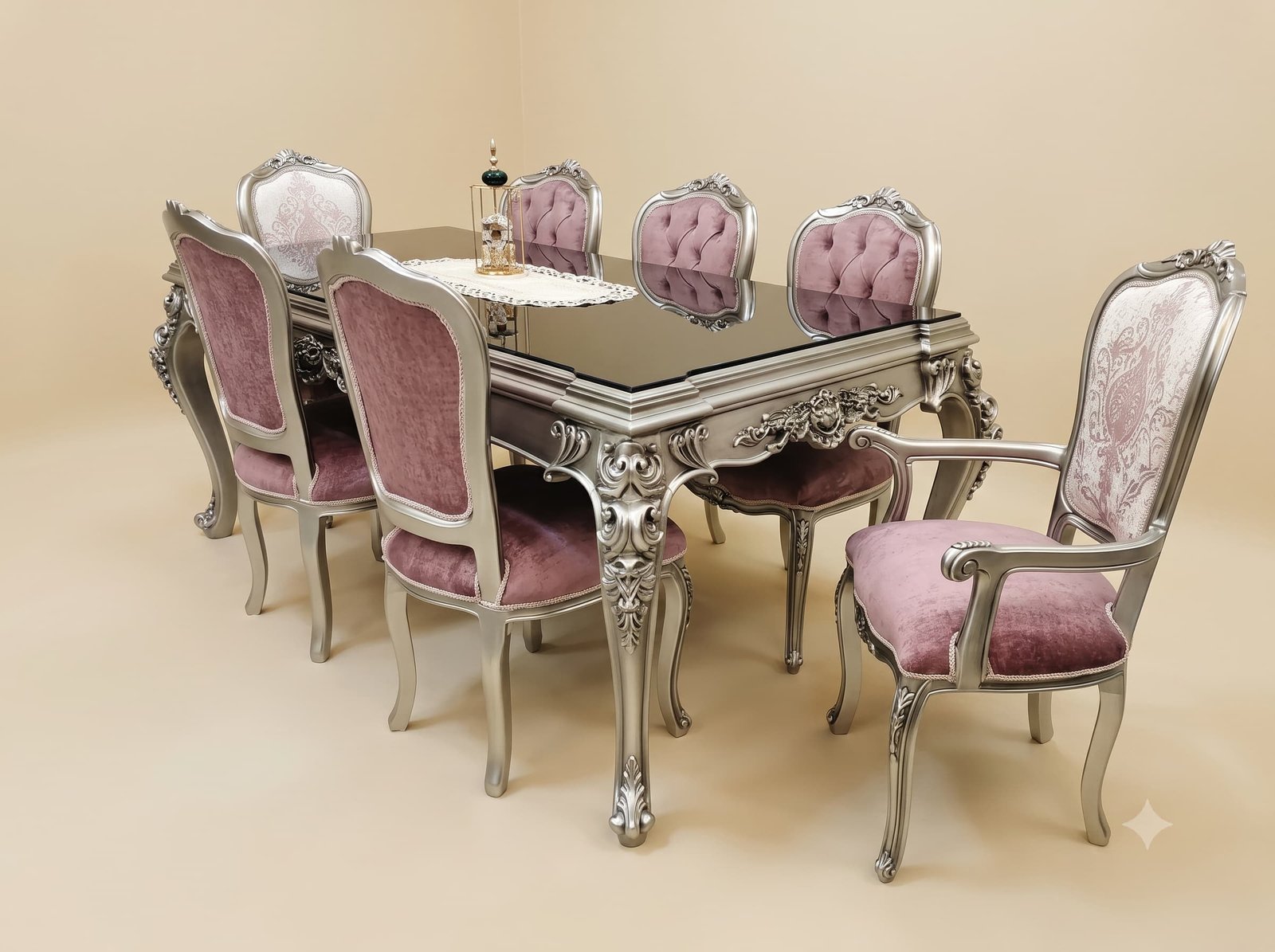
On a pale or mid-toned finish, a slight hollow in a surface is invisible - the eye has nothing to measure it against. Under a dark gloss, that same hollow becomes a distortion in every reflection the surface carries, and a dining room is full of things to reflect: a window, a chandelier, the edge of a doorway. A wave you could not find with your fingertips is obvious in the reflection of a light fitting.
So the preparation on an ebonised piece is done under a raking light rather than an overhead one. A lamp is set almost parallel to the surface, and every imperfection throws a long shadow - a fill that has sunk, a sanding scratch, a ridge left by a scraper. What is invisible under a light directly above is unmissable under a light from the side.
The surface is then worked and re-checked under that same raking light until nothing shows, before any colour goes near it. Only after that does the black go on, and it goes on thin, because thickness cannot fix flatness - it only makes the wave glossier.
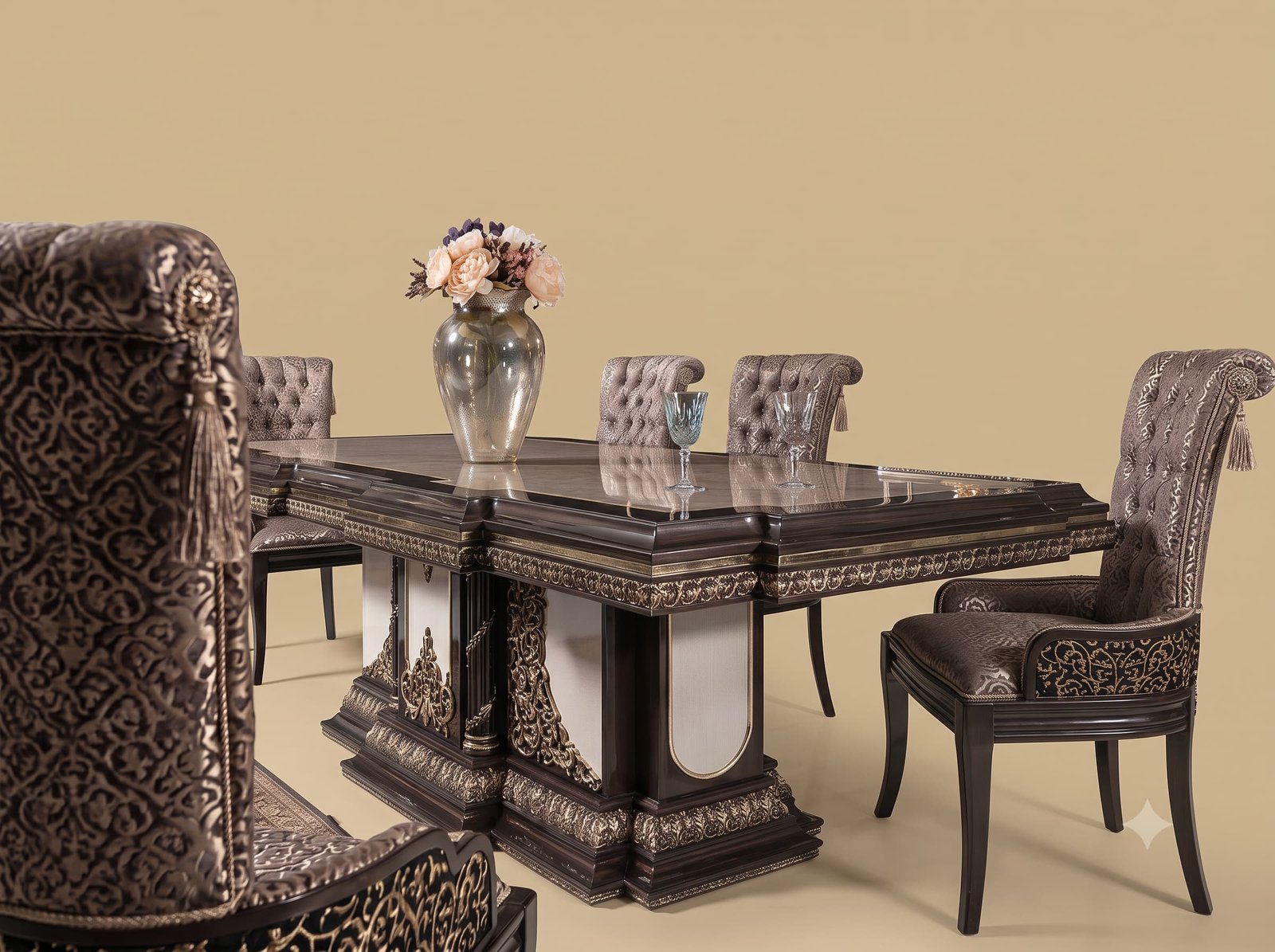
Nobody sees the preparation. They see a black table that reflects a window as a straight line.
 Ask Price On WhatsApp