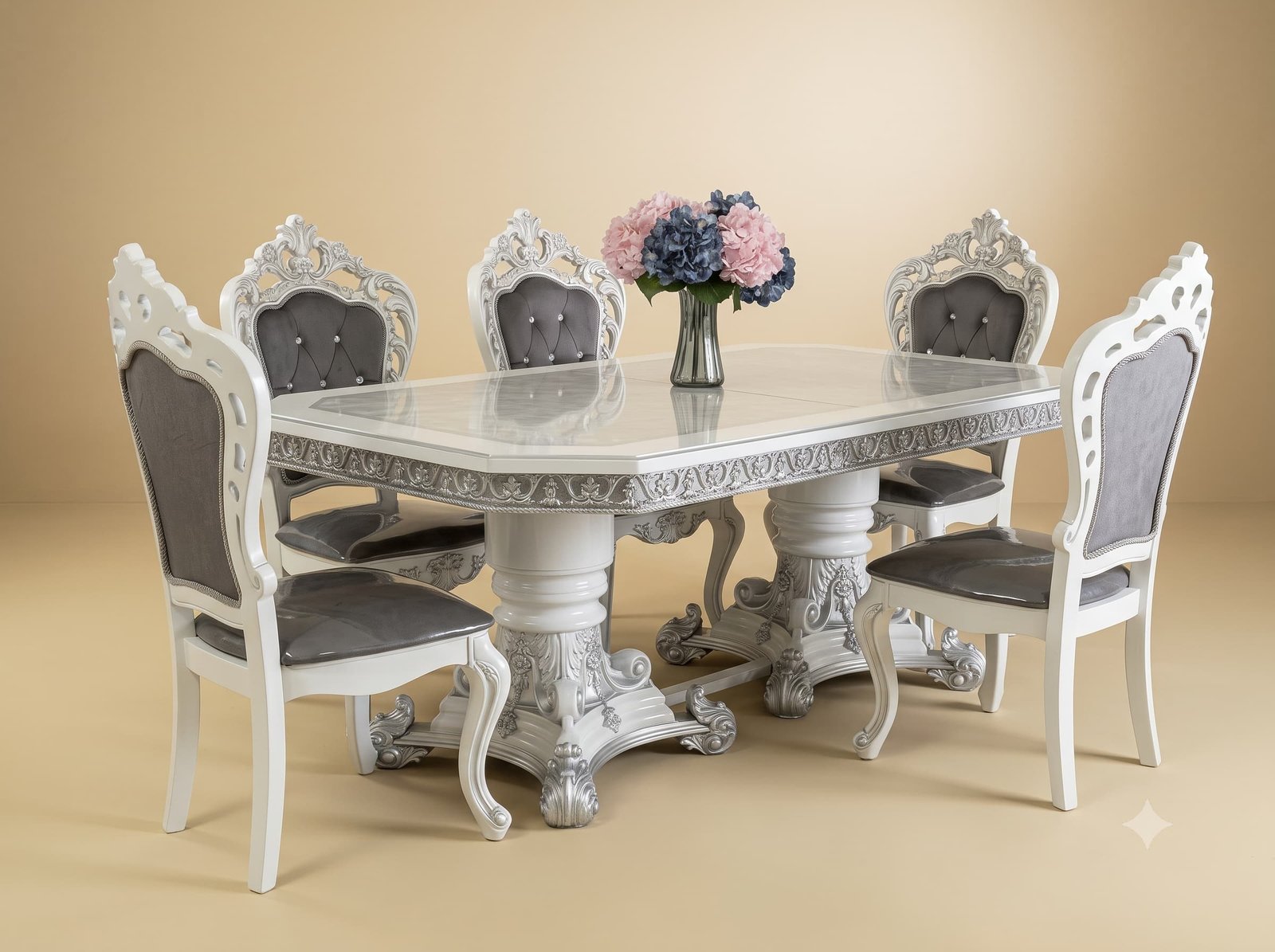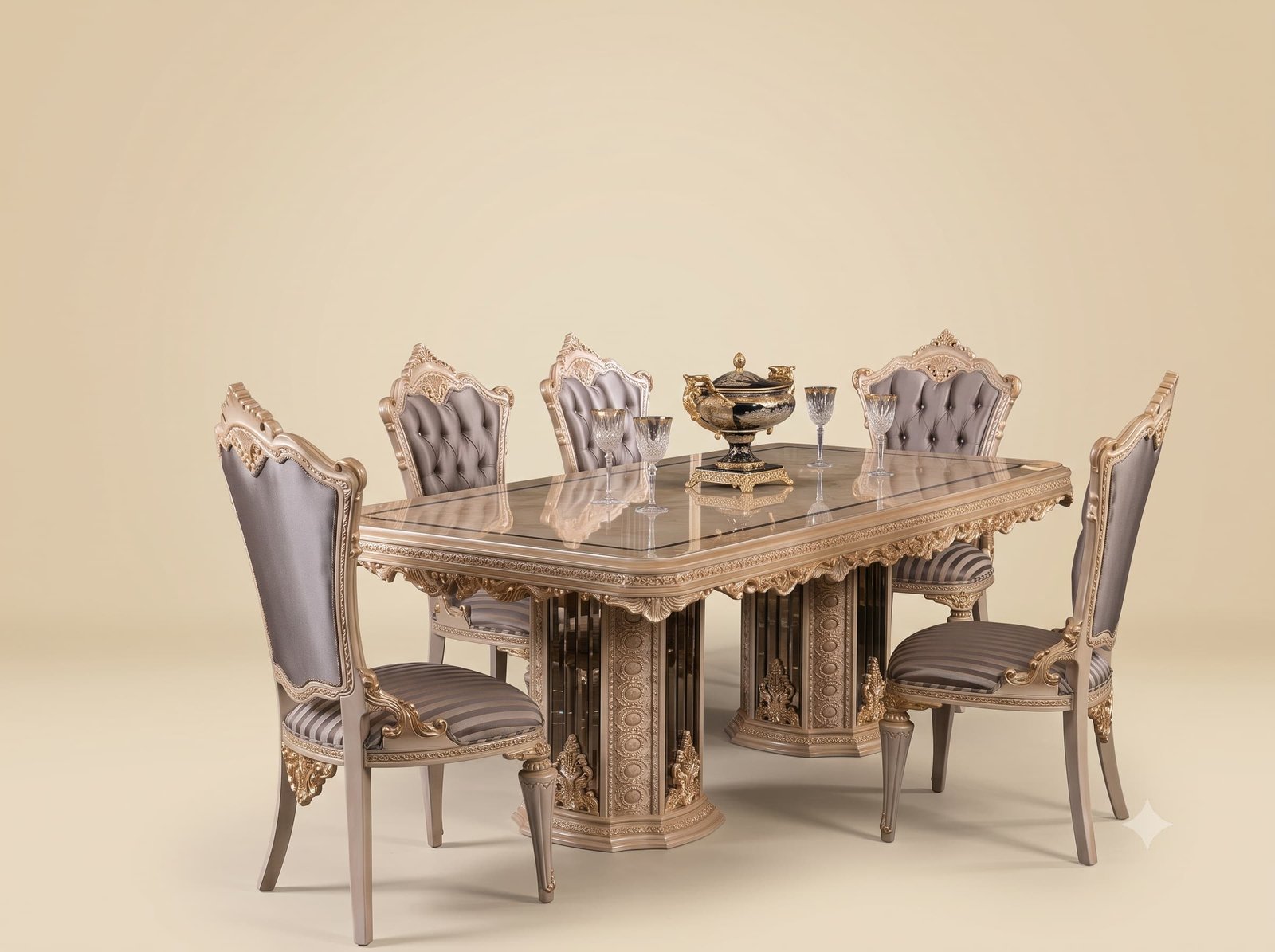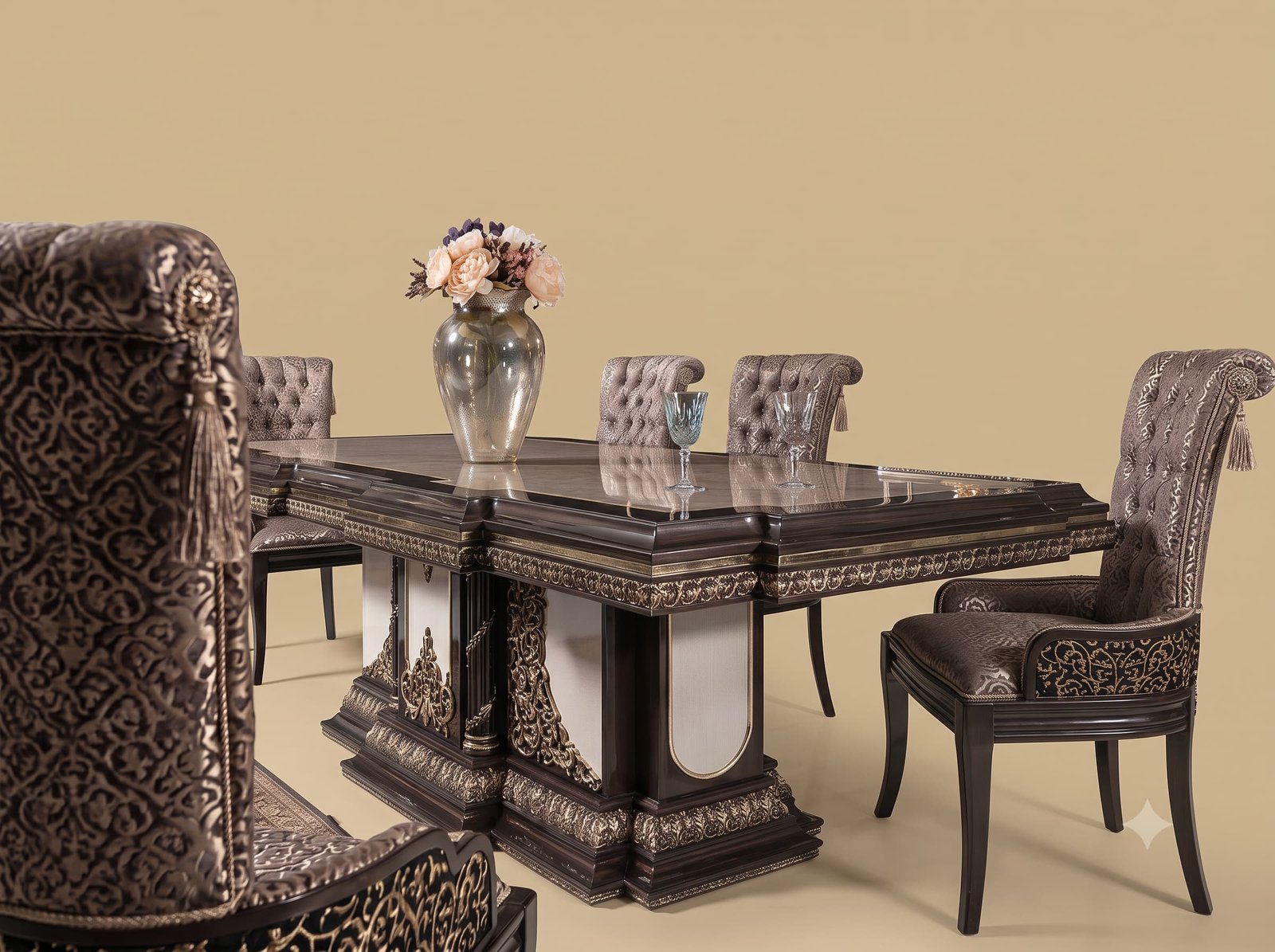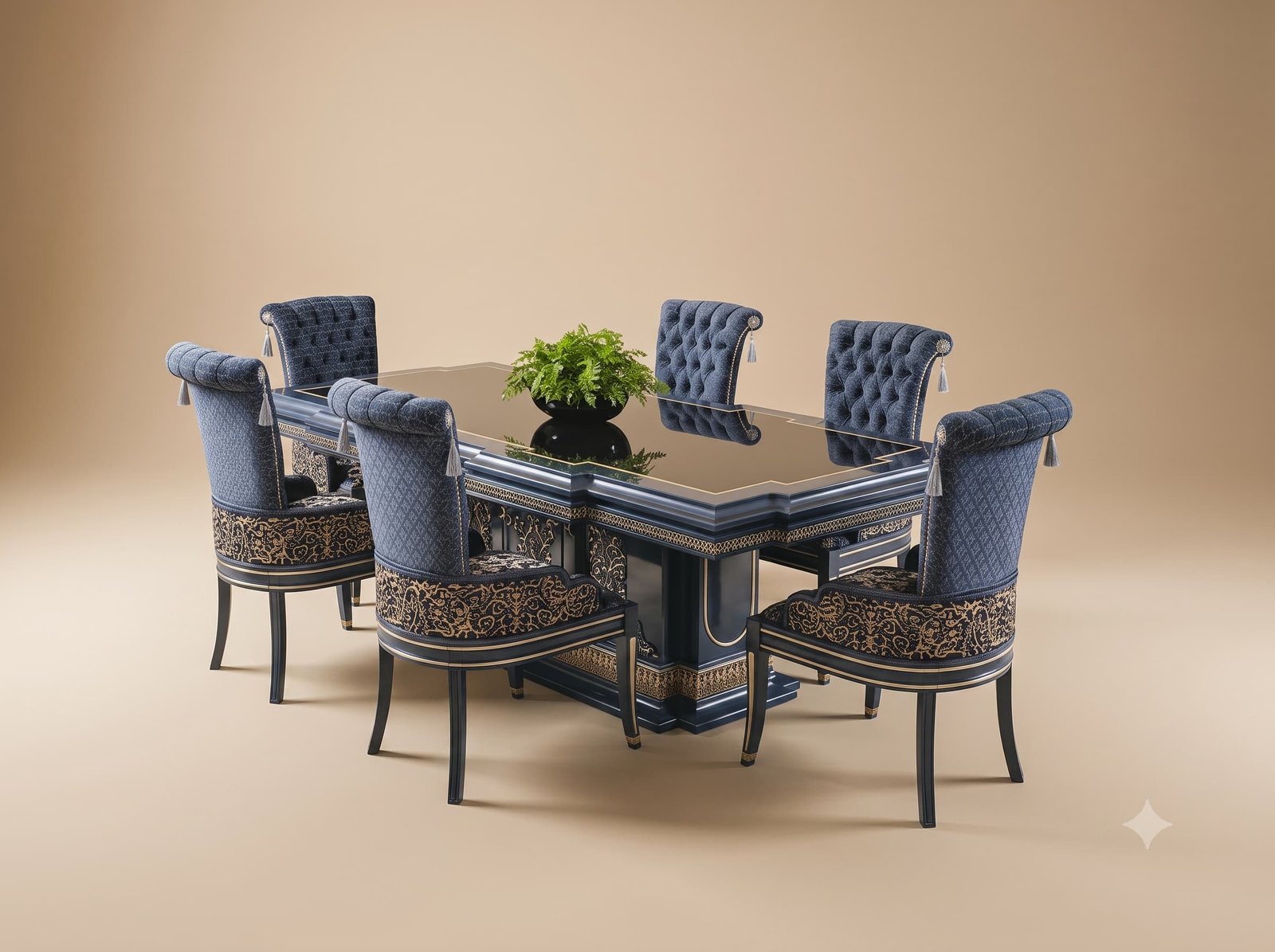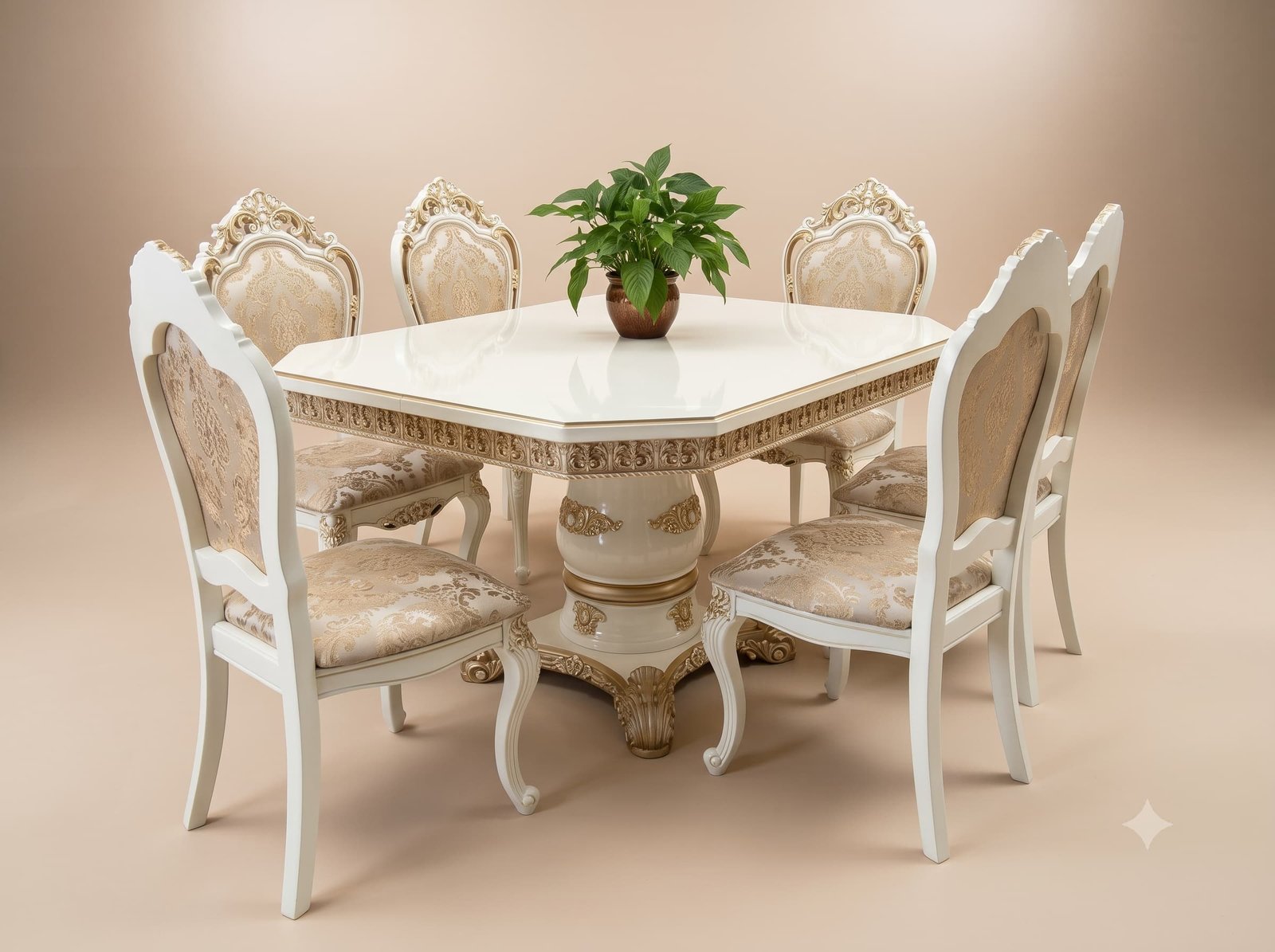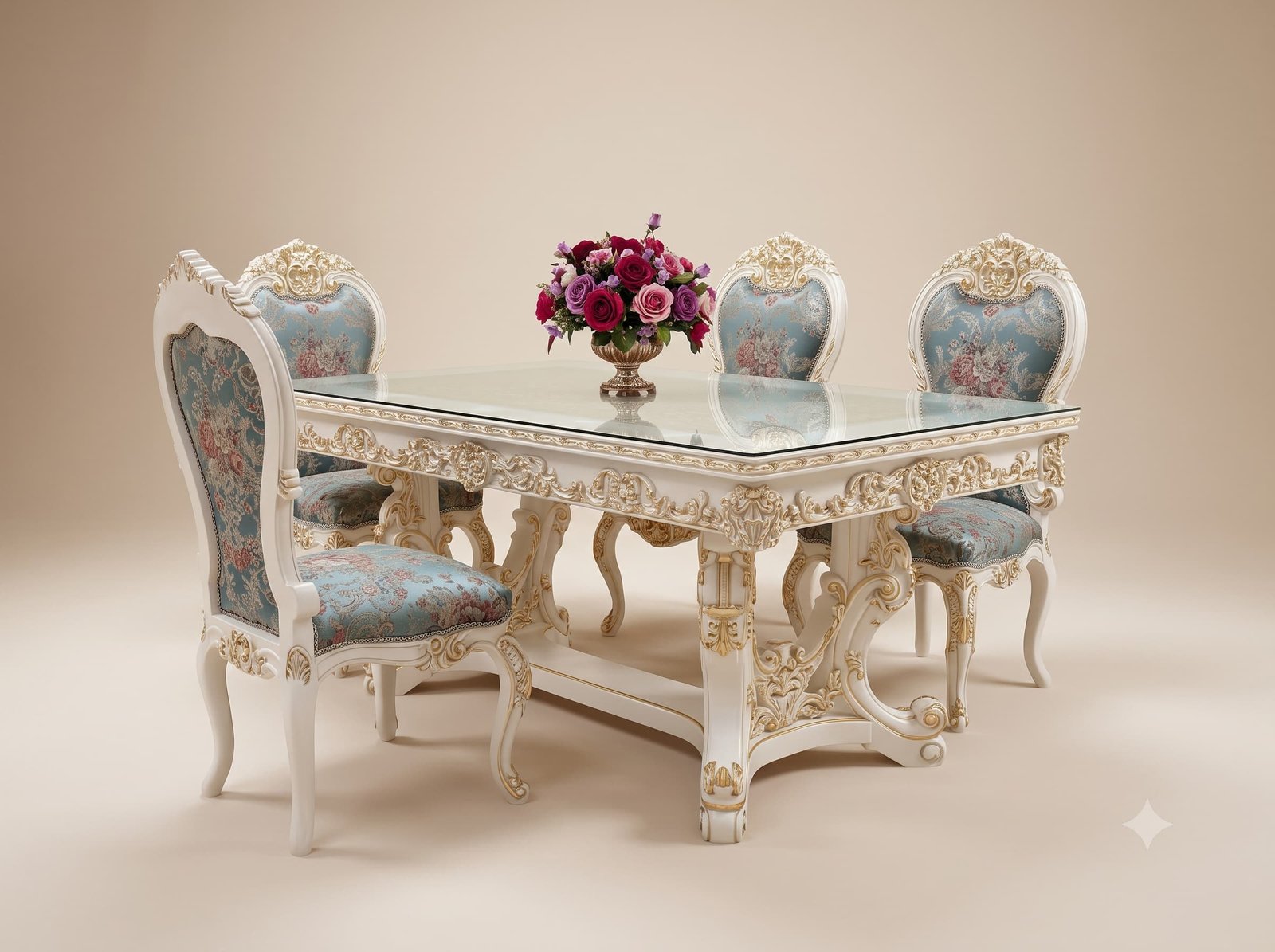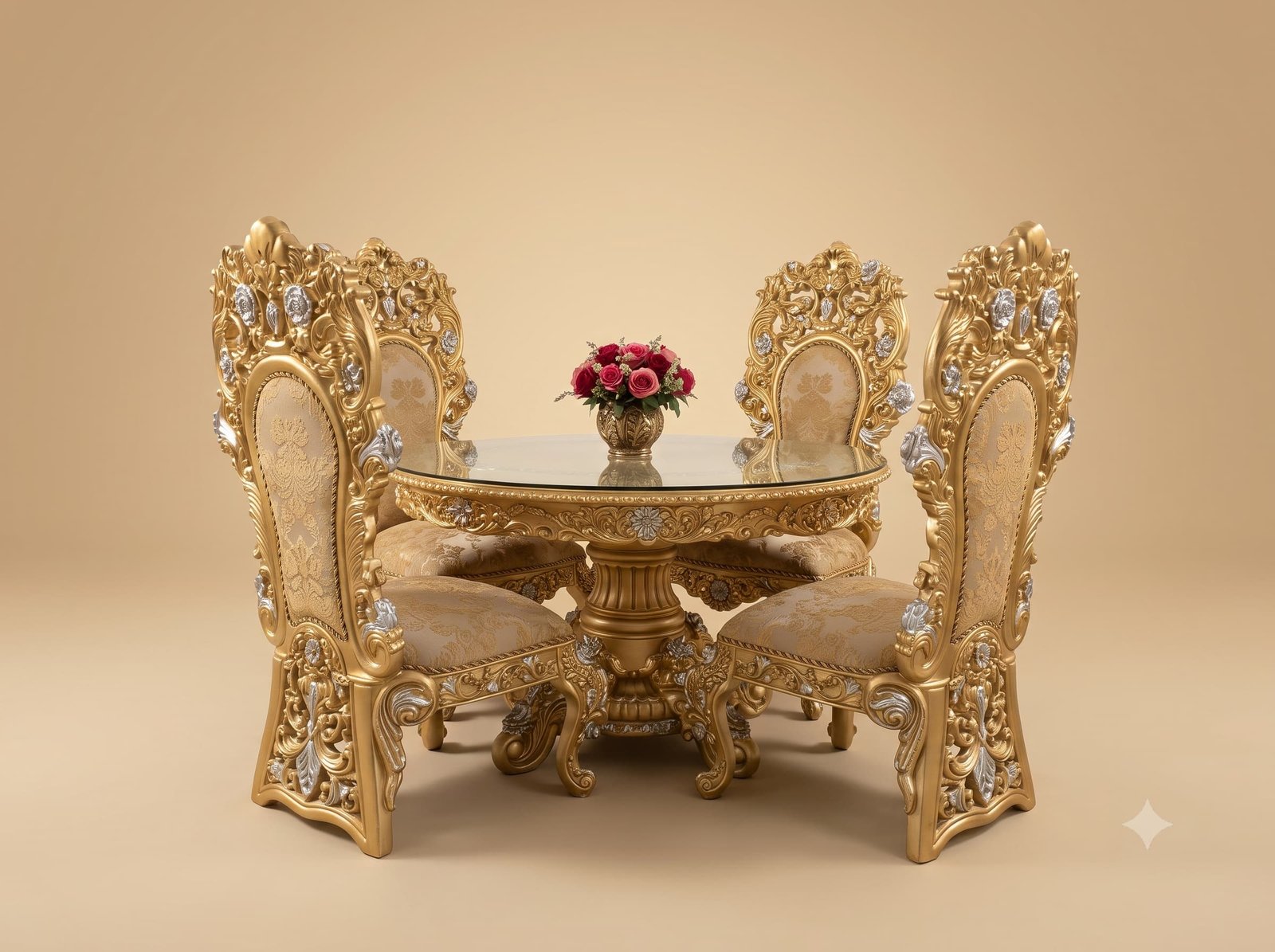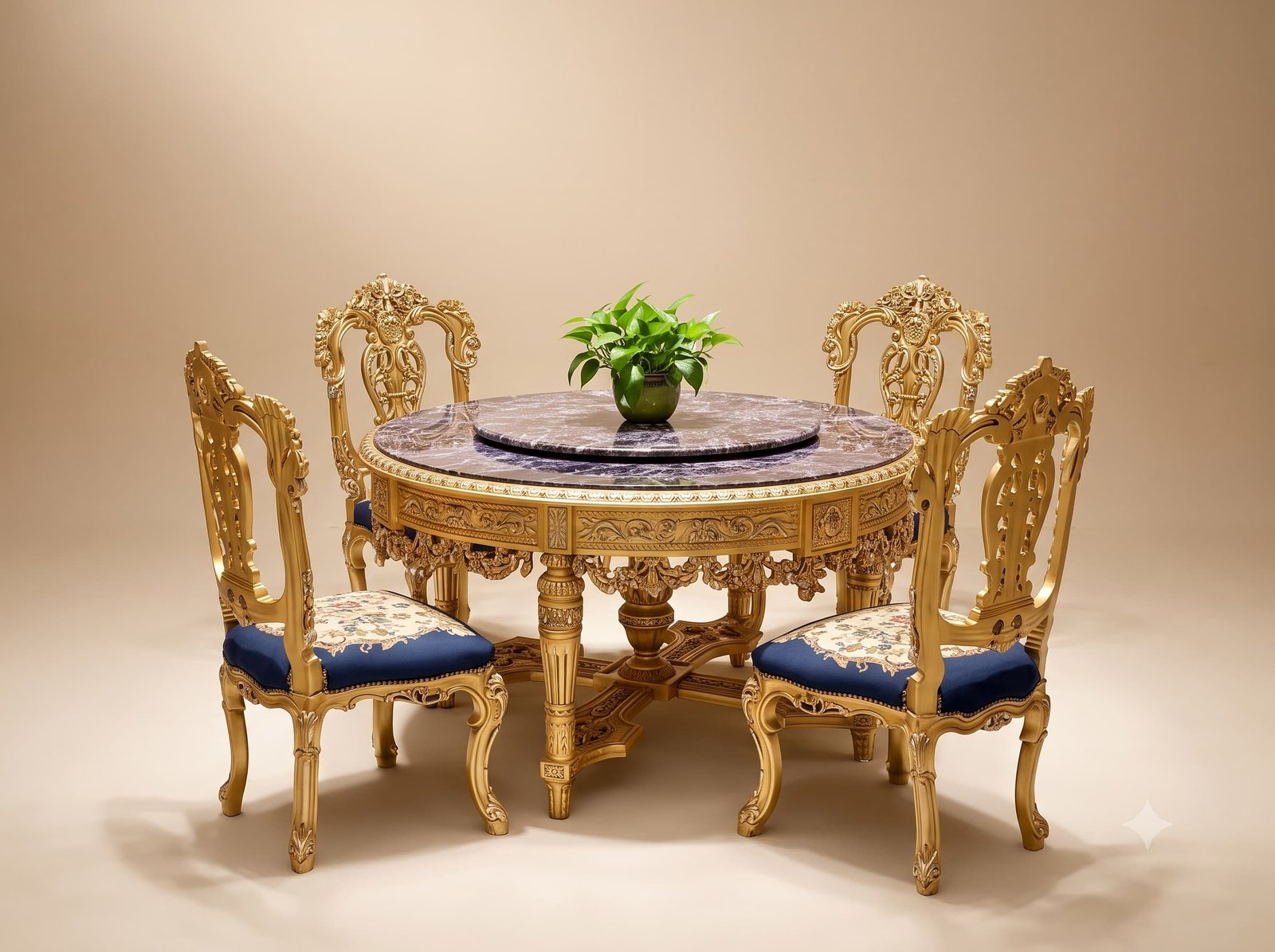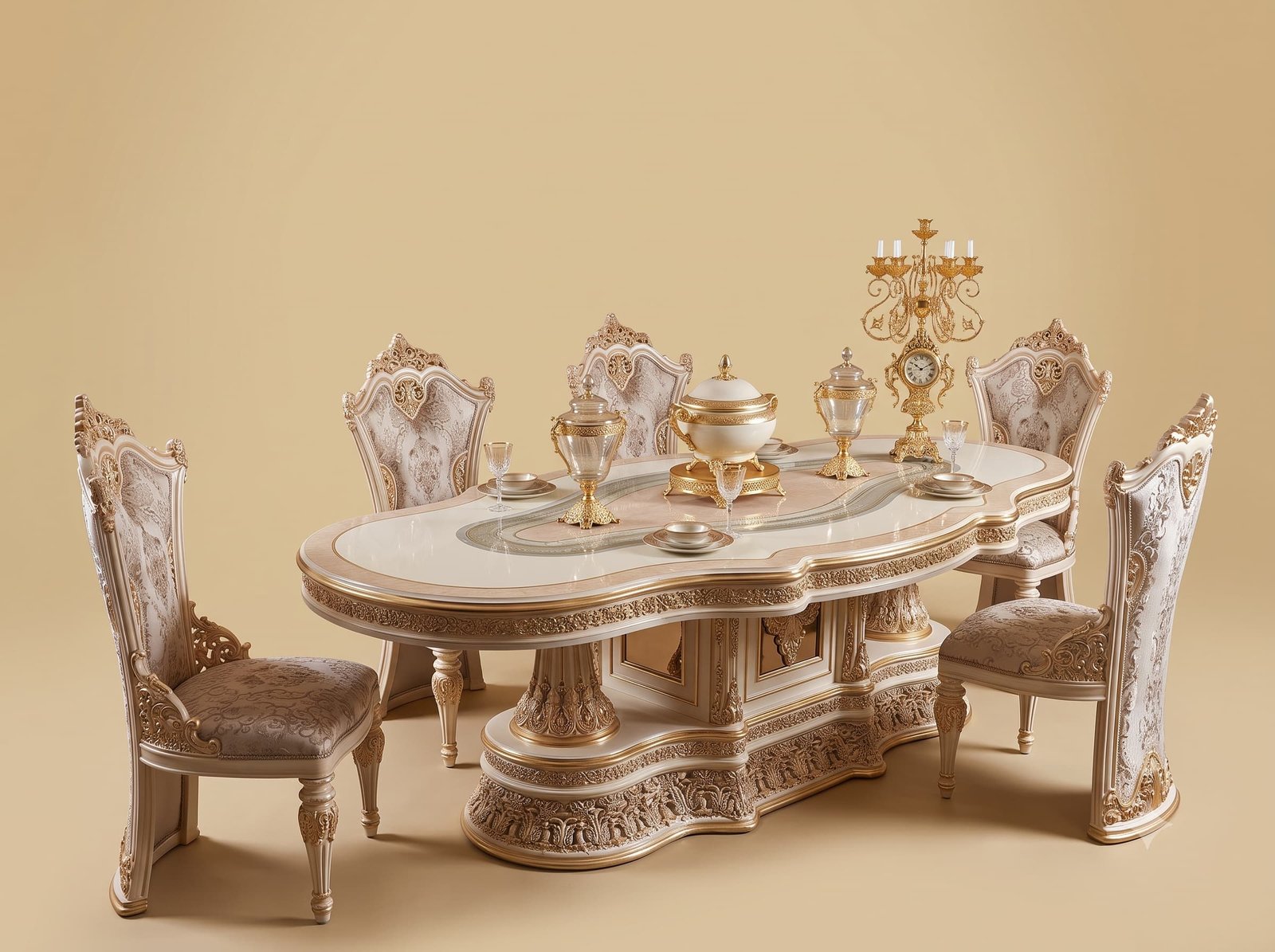
A solid-looking plinth base is not solid, and it must not be. A base of that size built as a mass of timber sitting flat on the floor would trap air against the ground beneath it, and trapped air in a warm humid room is where moisture collects - under the base, out of sight, against the one surface nobody wipes.
So ours is built as a framed structure with panelled faces, and it is hollow inside. The stepped foot lifts the whole thing fractionally clear of the floor rather than bedding it down, and the enclosed volume is vented at the back where nothing shows, so air moves through it instead of sitting still.
The panels themselves are set into grooves rather than glued rigidly all round, so each one can move very slightly with the seasons without pushing against its frame. A panel fixed hard on four edges in a changing climate is a panel that will split down the middle in its fourth or fifth year.
None of this is visible in a photograph, and none of it changes how the table looks. It is the difference between a base that stays sound for decades and one that quietly deteriorates from underneath while the top still looks perfect.
 Ask Price On WhatsApp