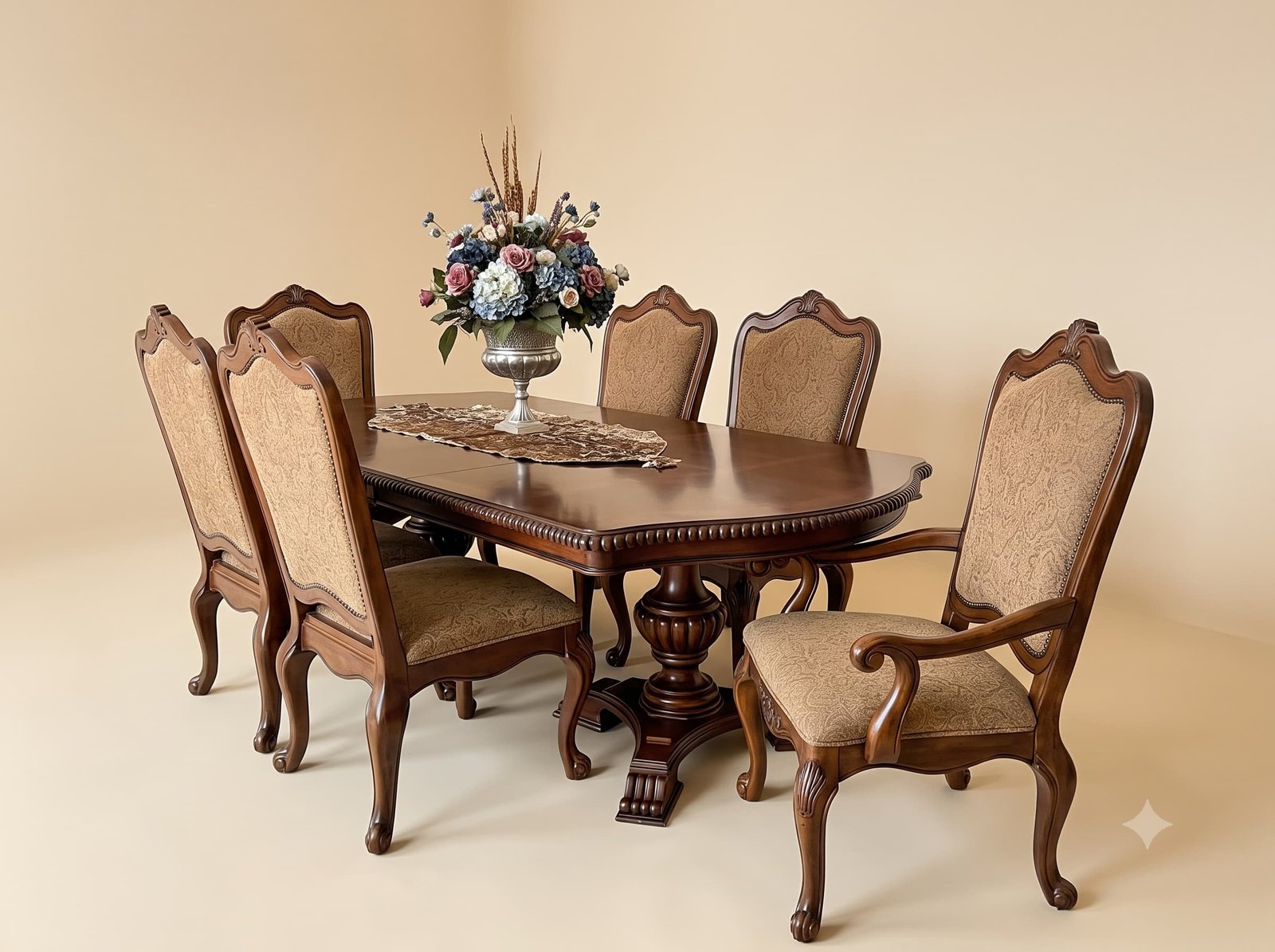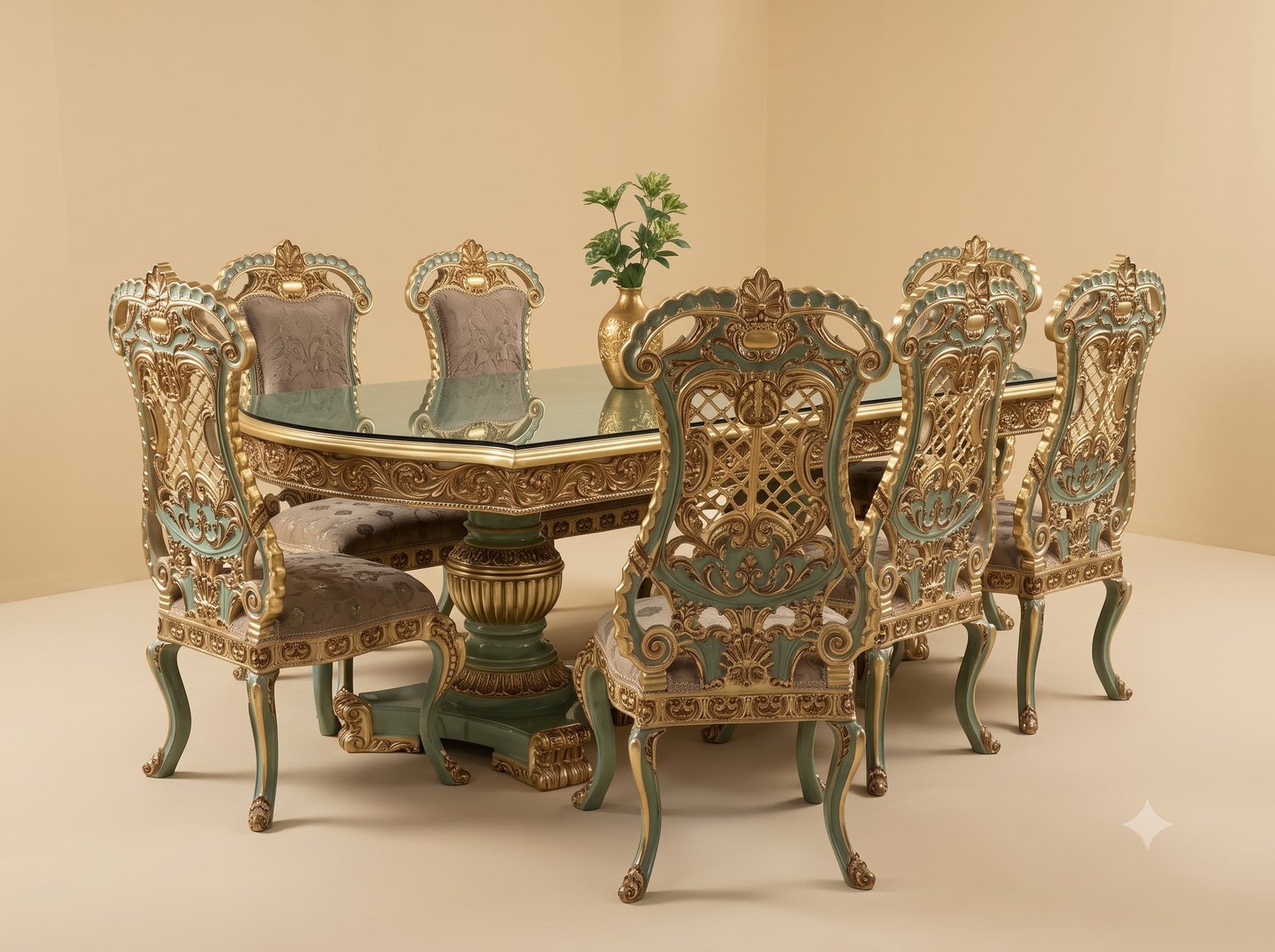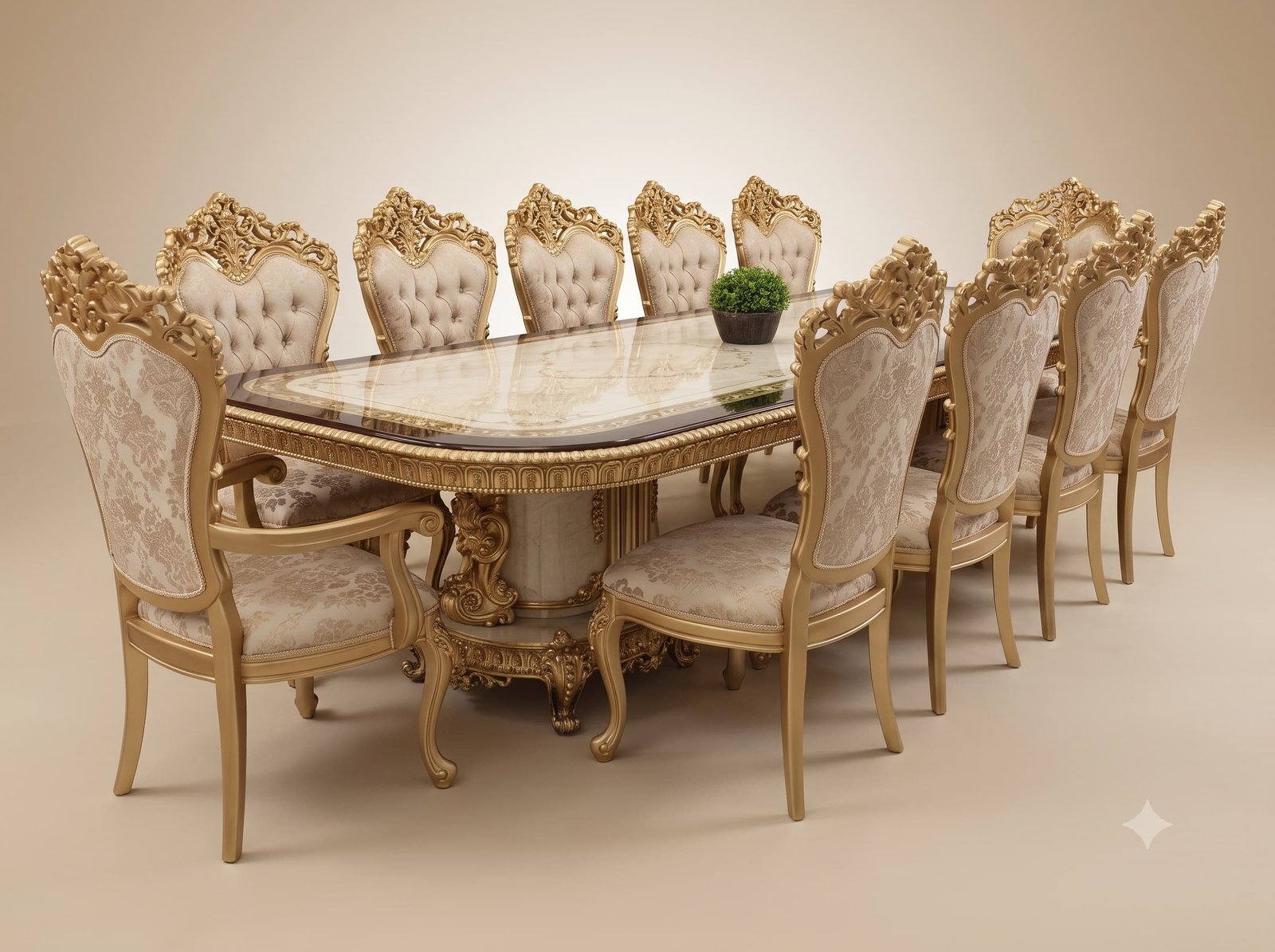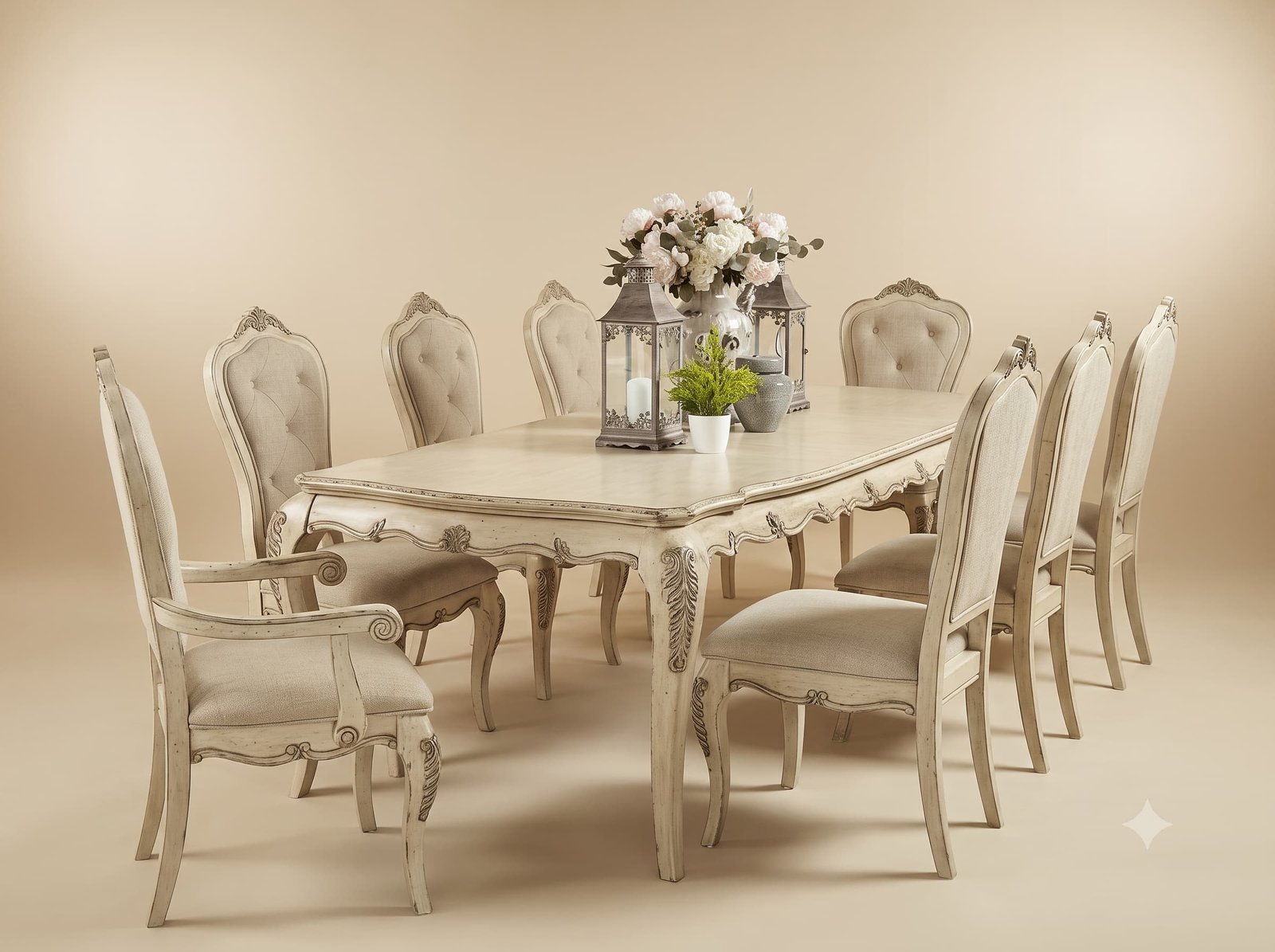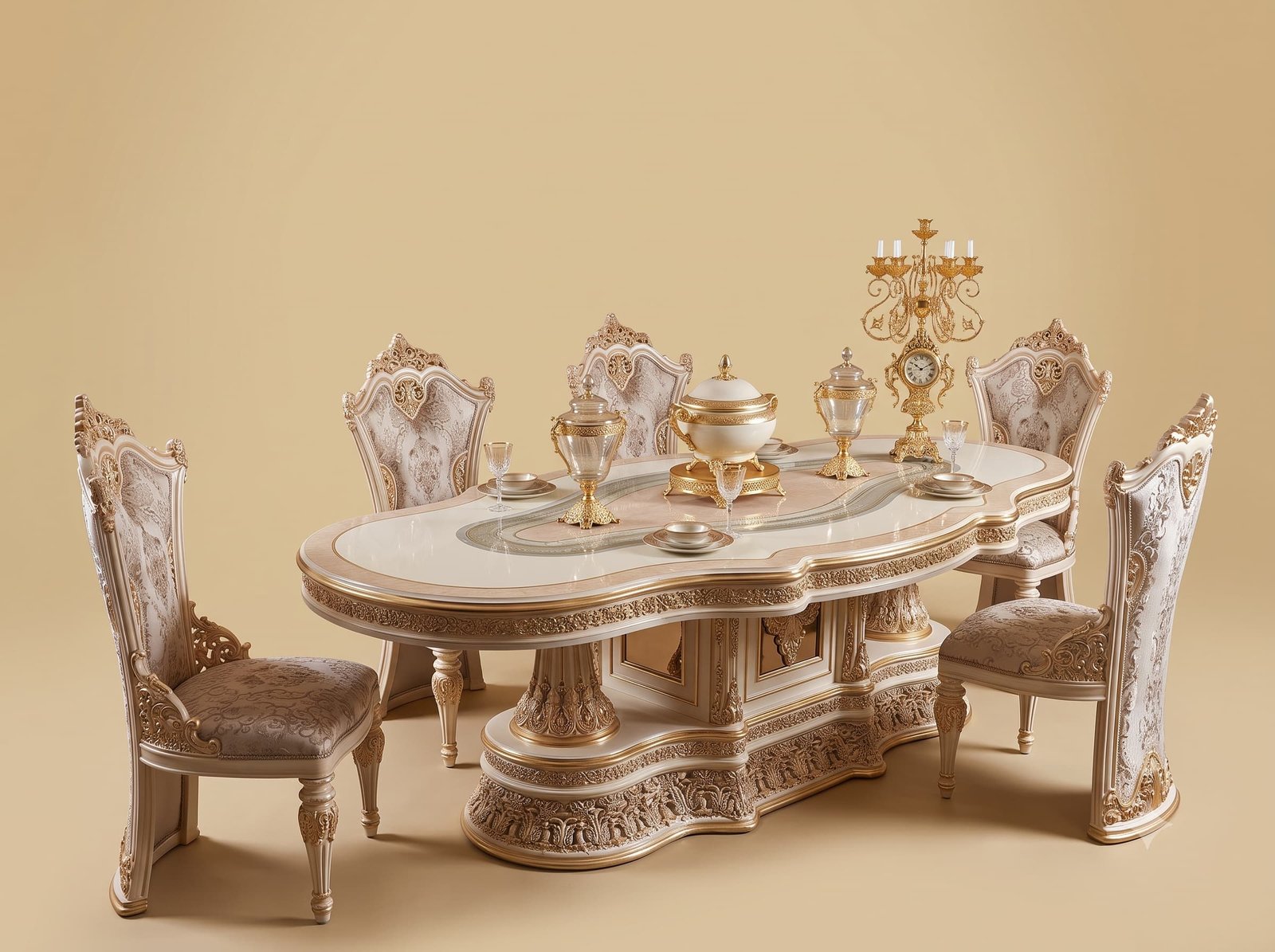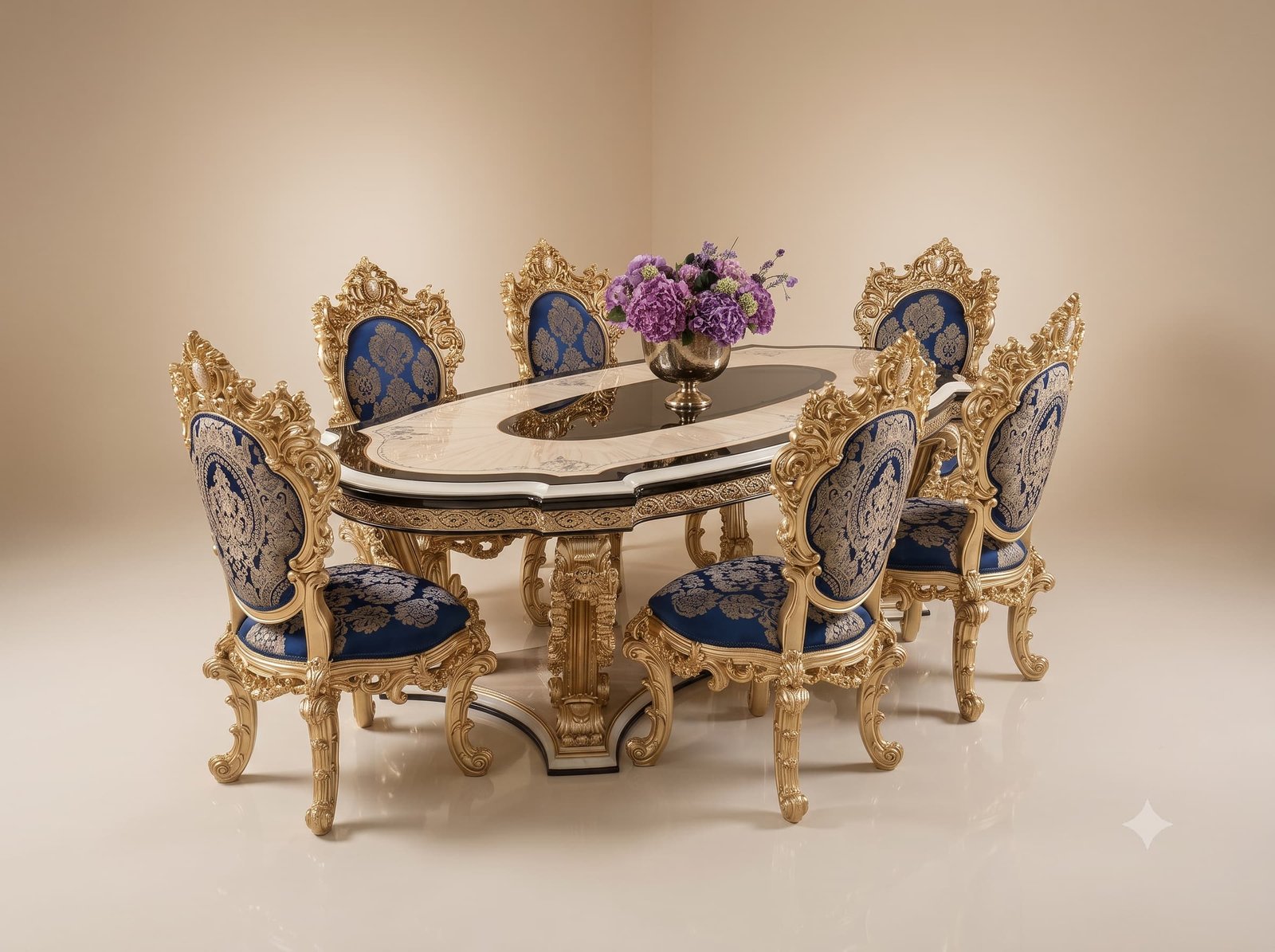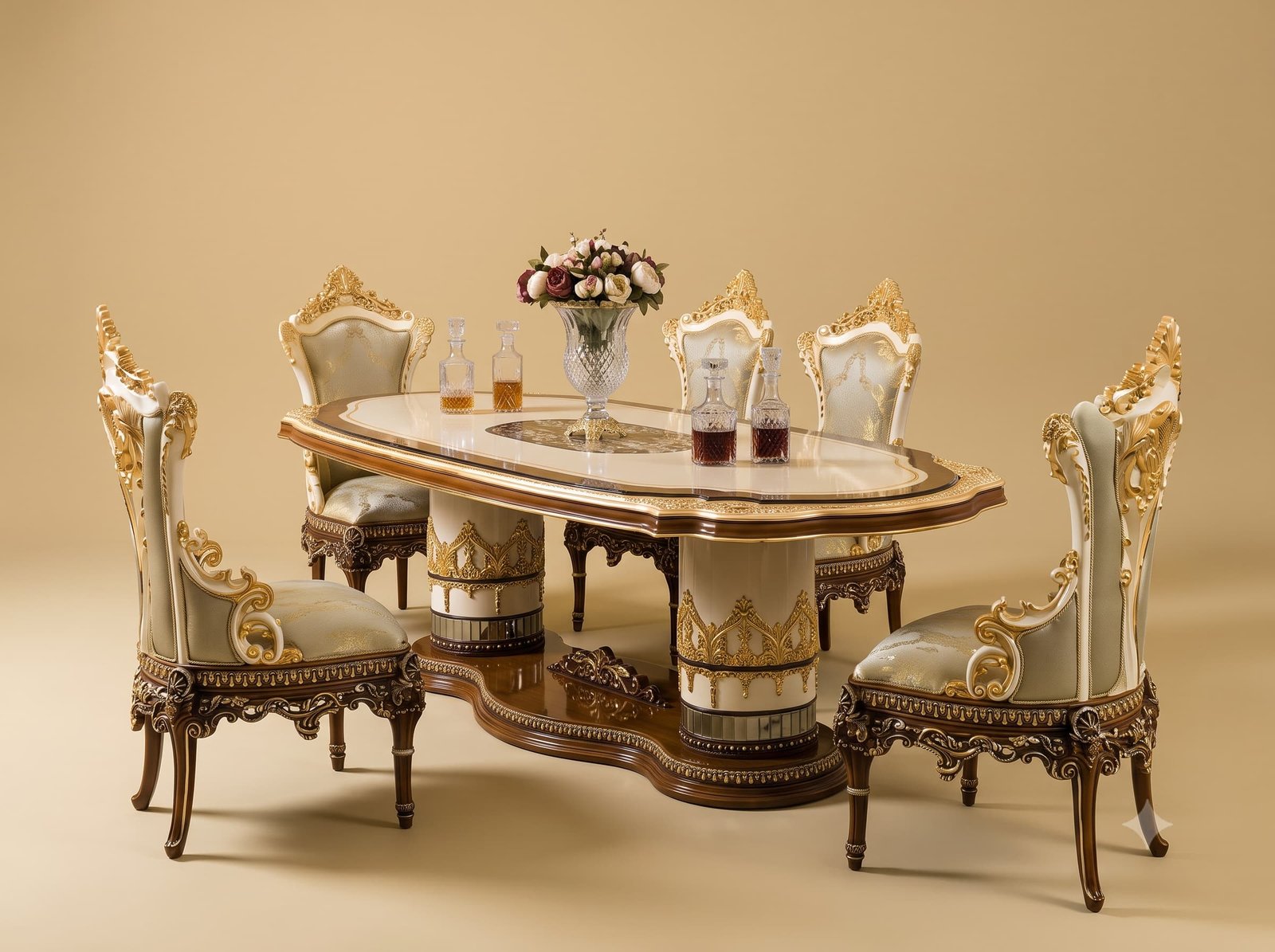
A moulded edge running round a serpentine top cannot be made the way a straight one is. On a rectangle you run four lengths of moulding and mitre the corners; on a curve, a single length of timber cannot follow the line at all without the grain running out of it.
So the moulding is built in segments. The curve is divided into short sections, and each section is cut from a blank chosen so the grain runs along that particular part of the curve rather than across it. The segments are then joined, and the moulding profile is worked after assembly, continuously round the whole edge - so the profile is one unbroken line even though the timber beneath it is not one piece.
Where the segments meet, the joins are placed at the points of inflection - where the curve changes direction - because that is where the eye already expects a change and where a join is least visible. Placing them at the crest of a curve, which is easier, puts every join exactly where someone looking down the table will find it.
The same logic governs the inset centre panel and its surround. It is slower than a straight edge by a long way, and it is the whole reason the table has the outline it has.
 Ask Price On WhatsApp