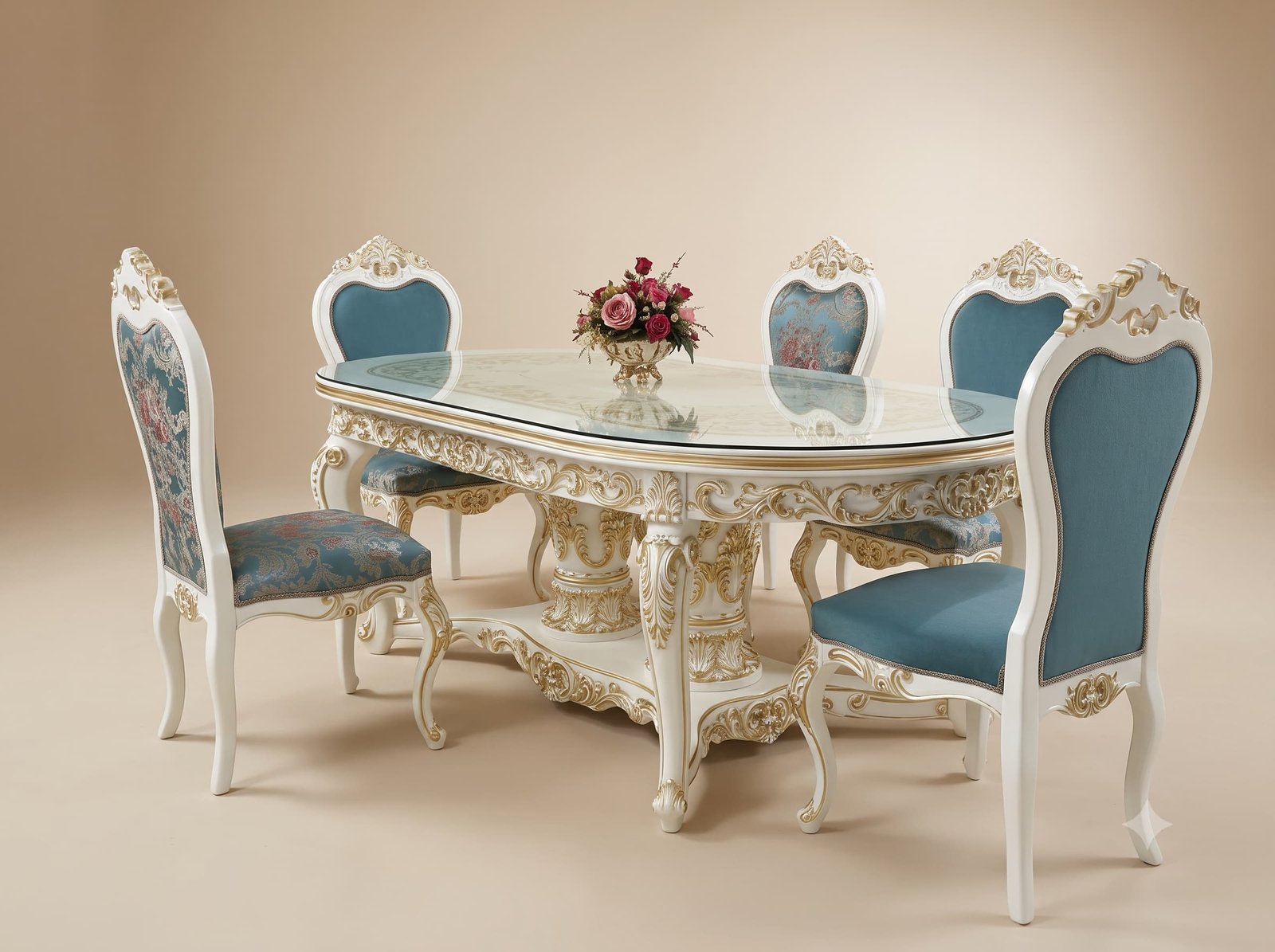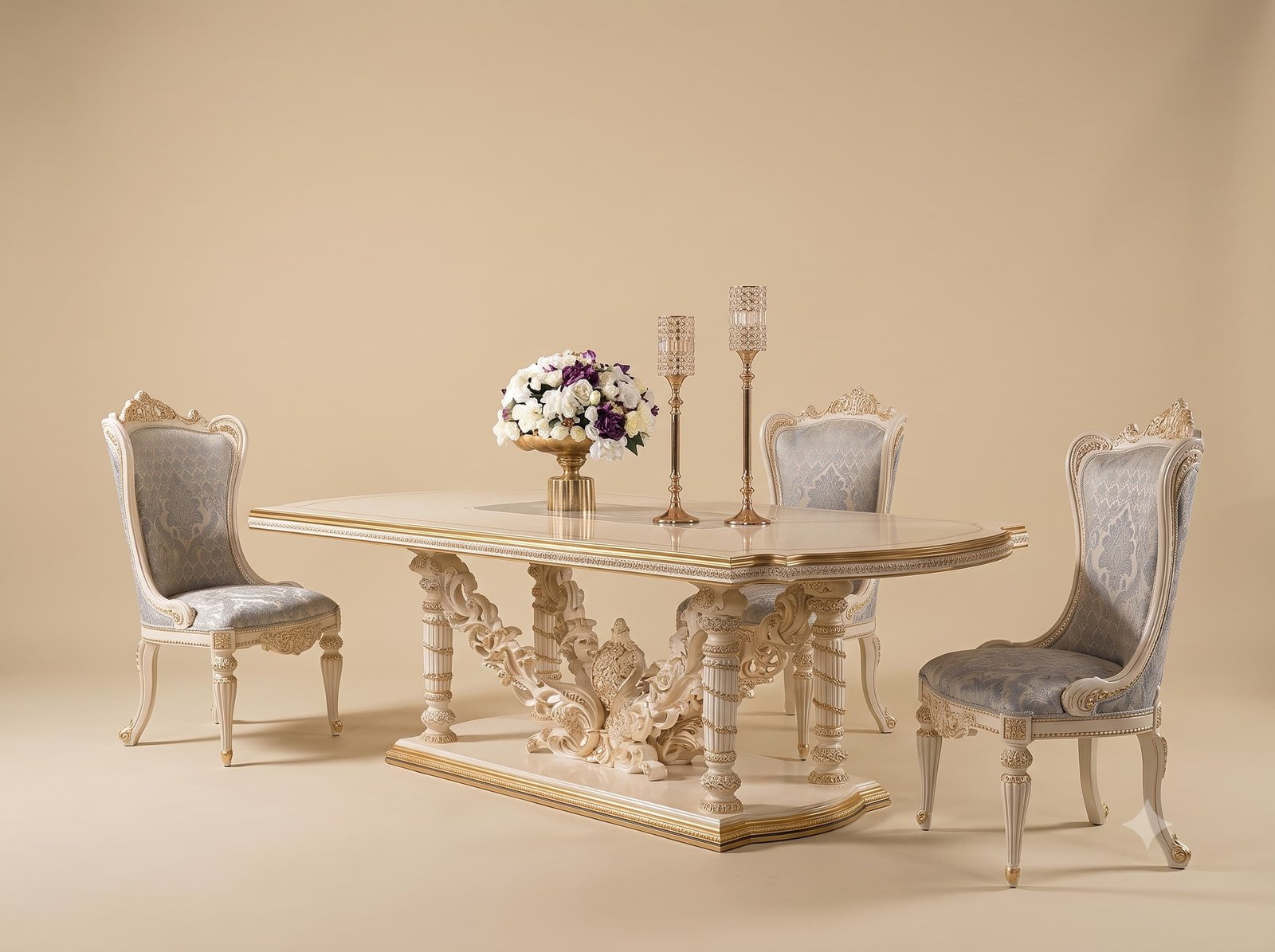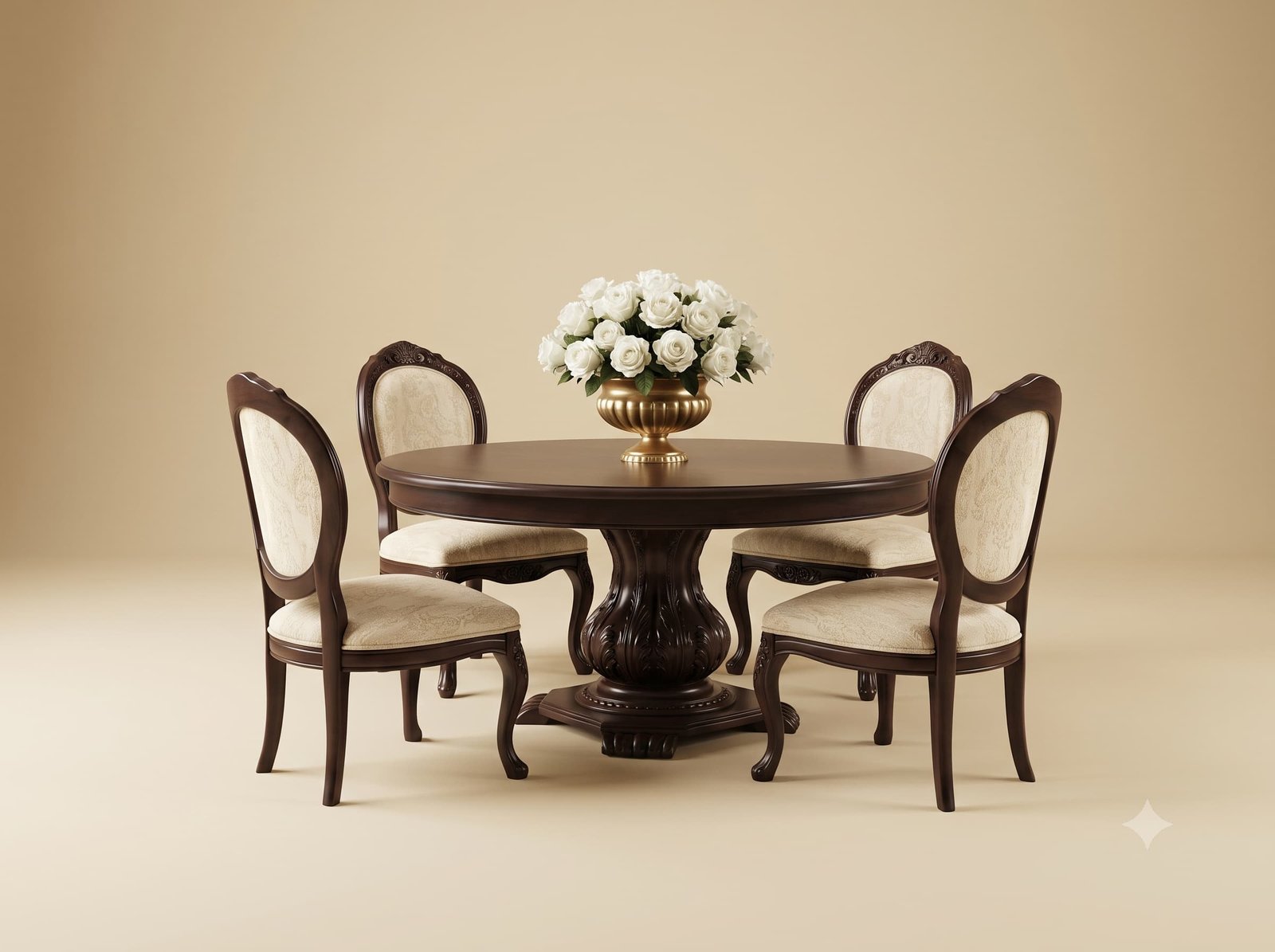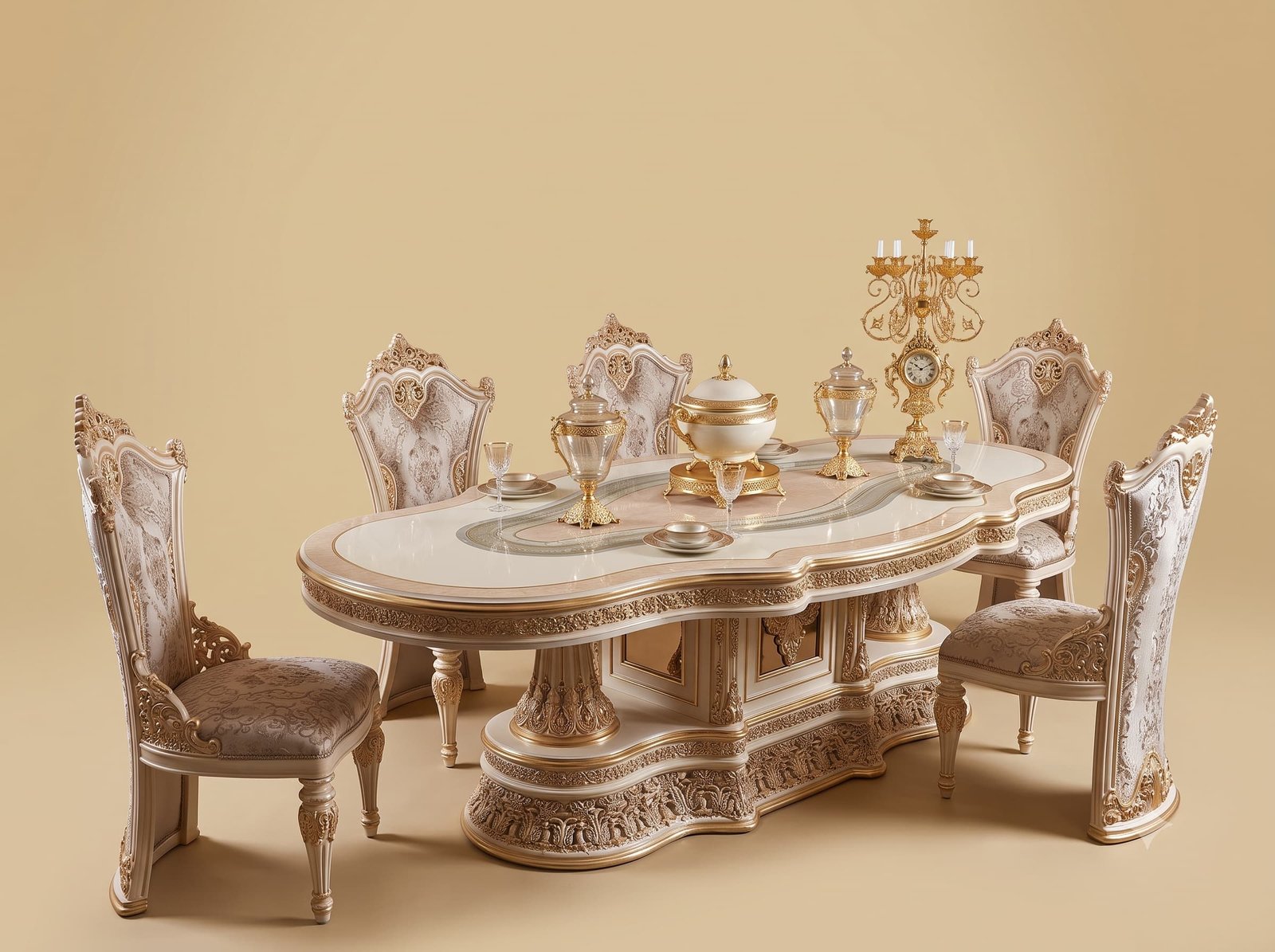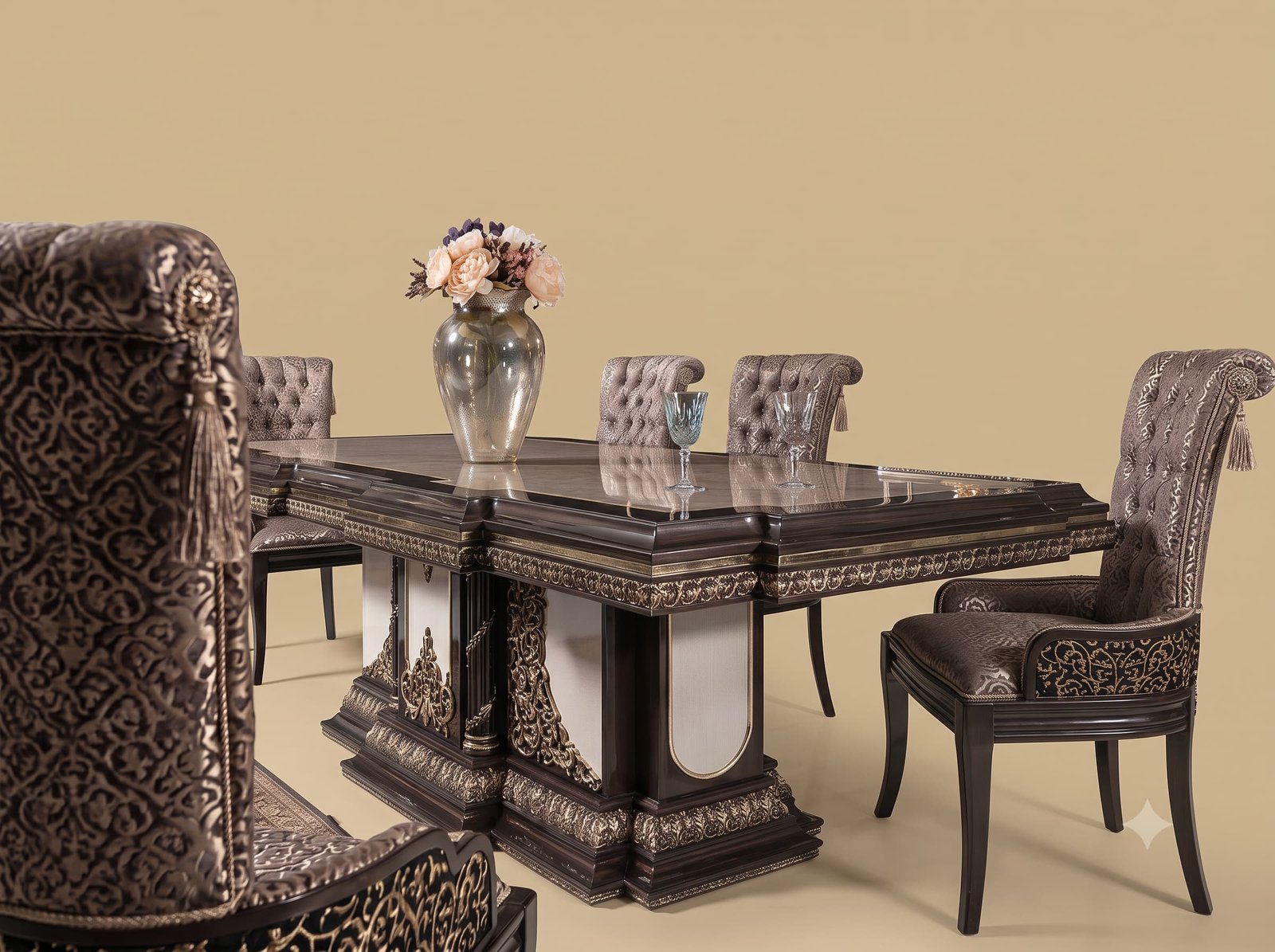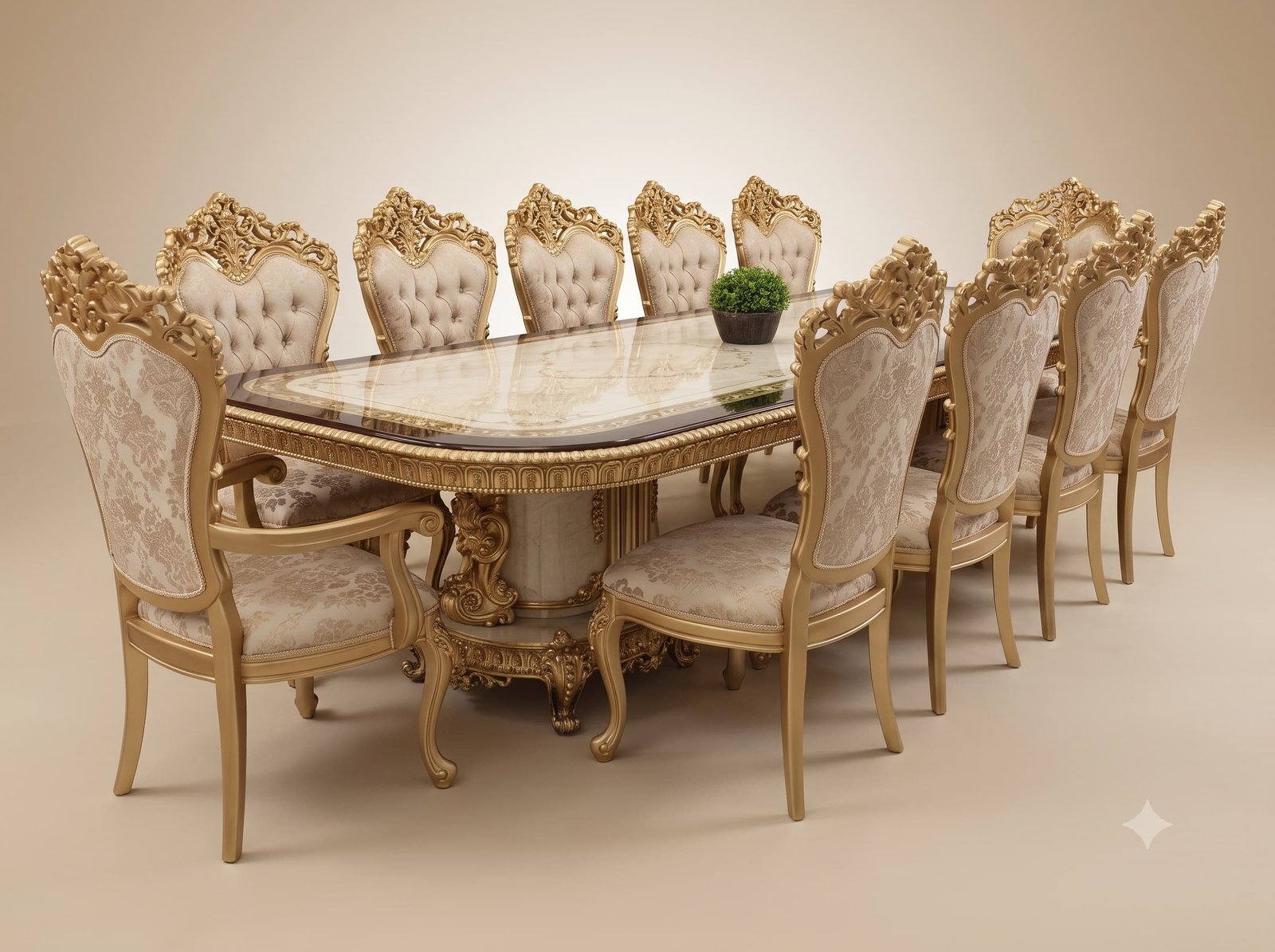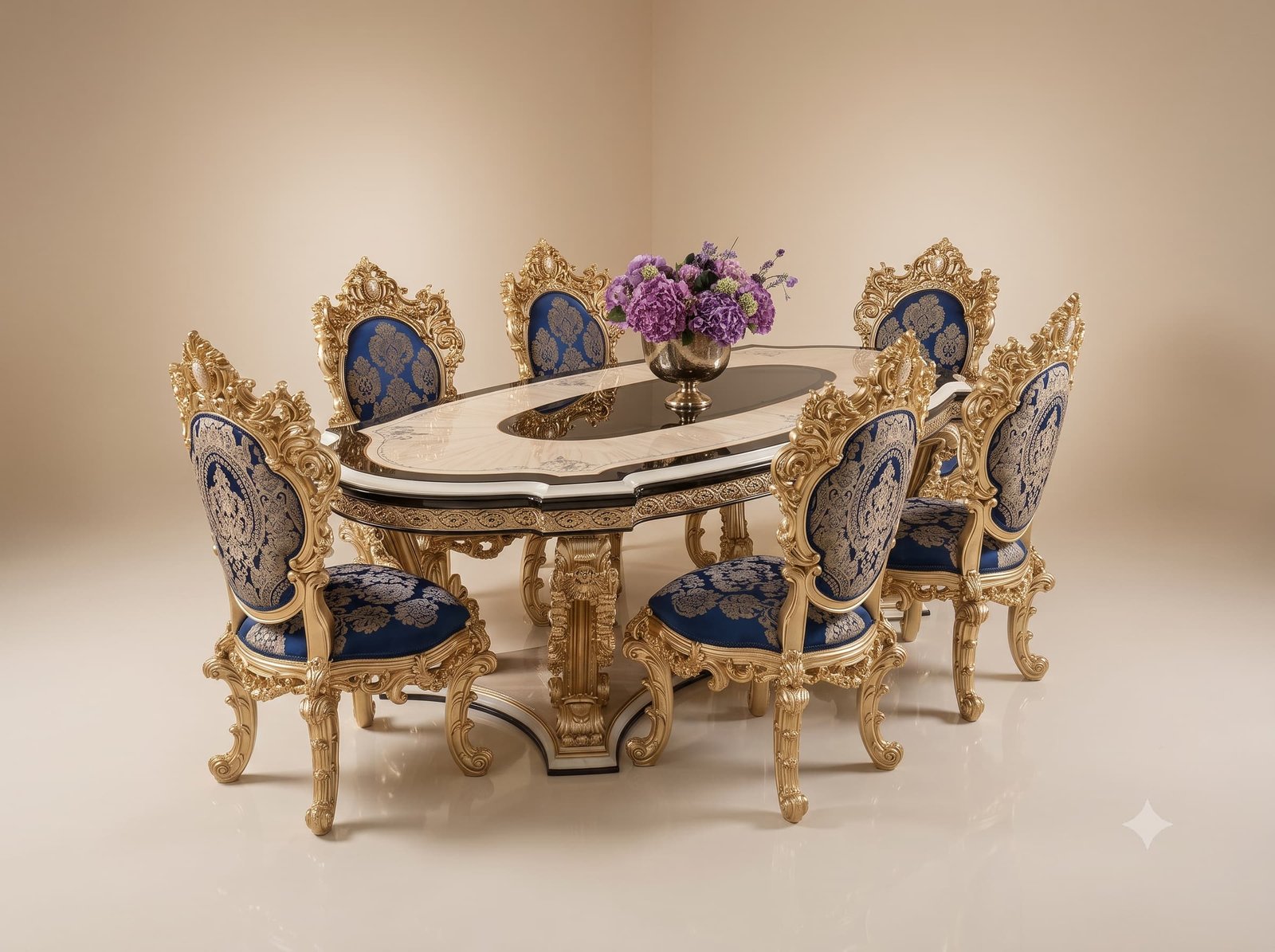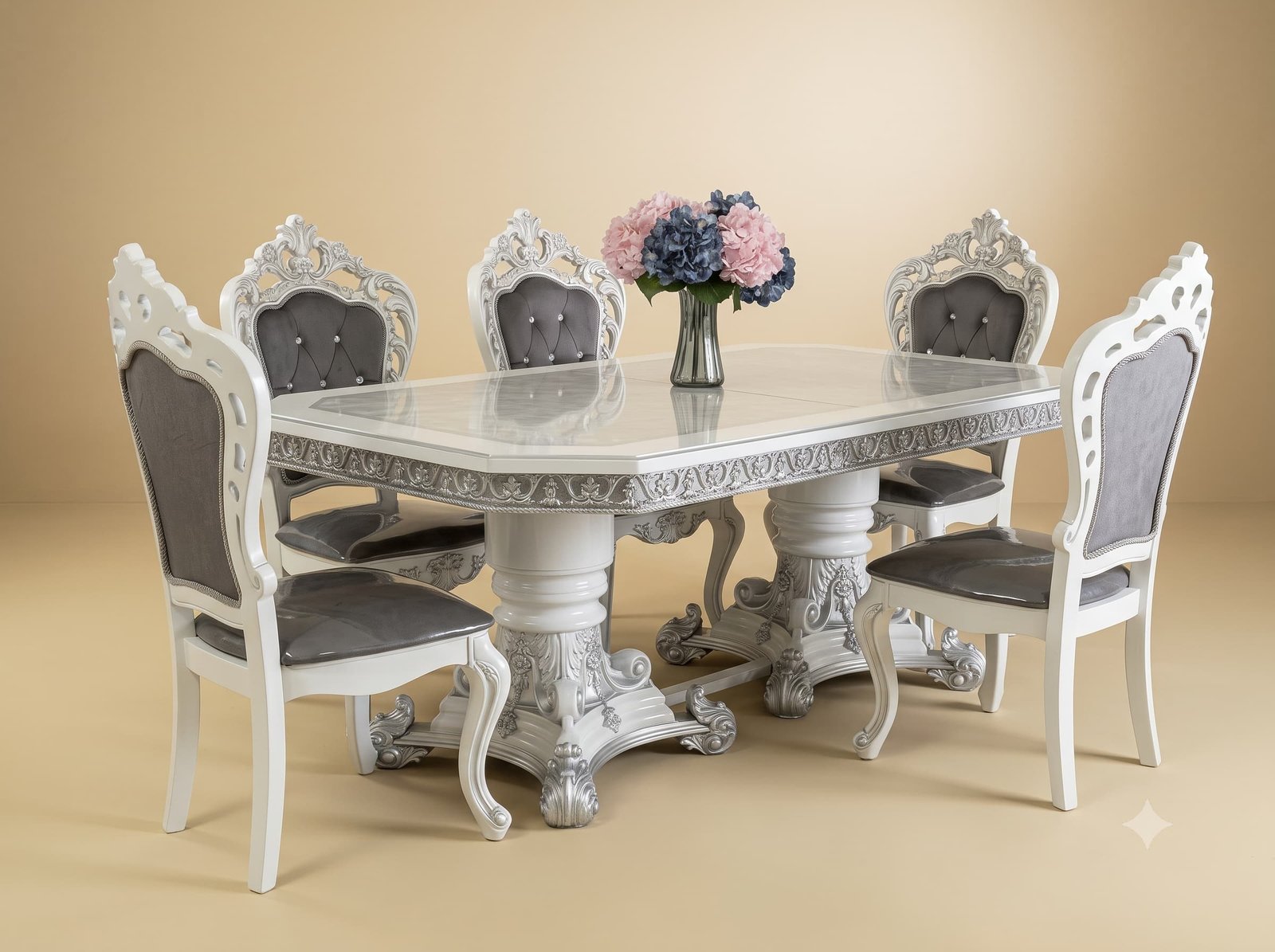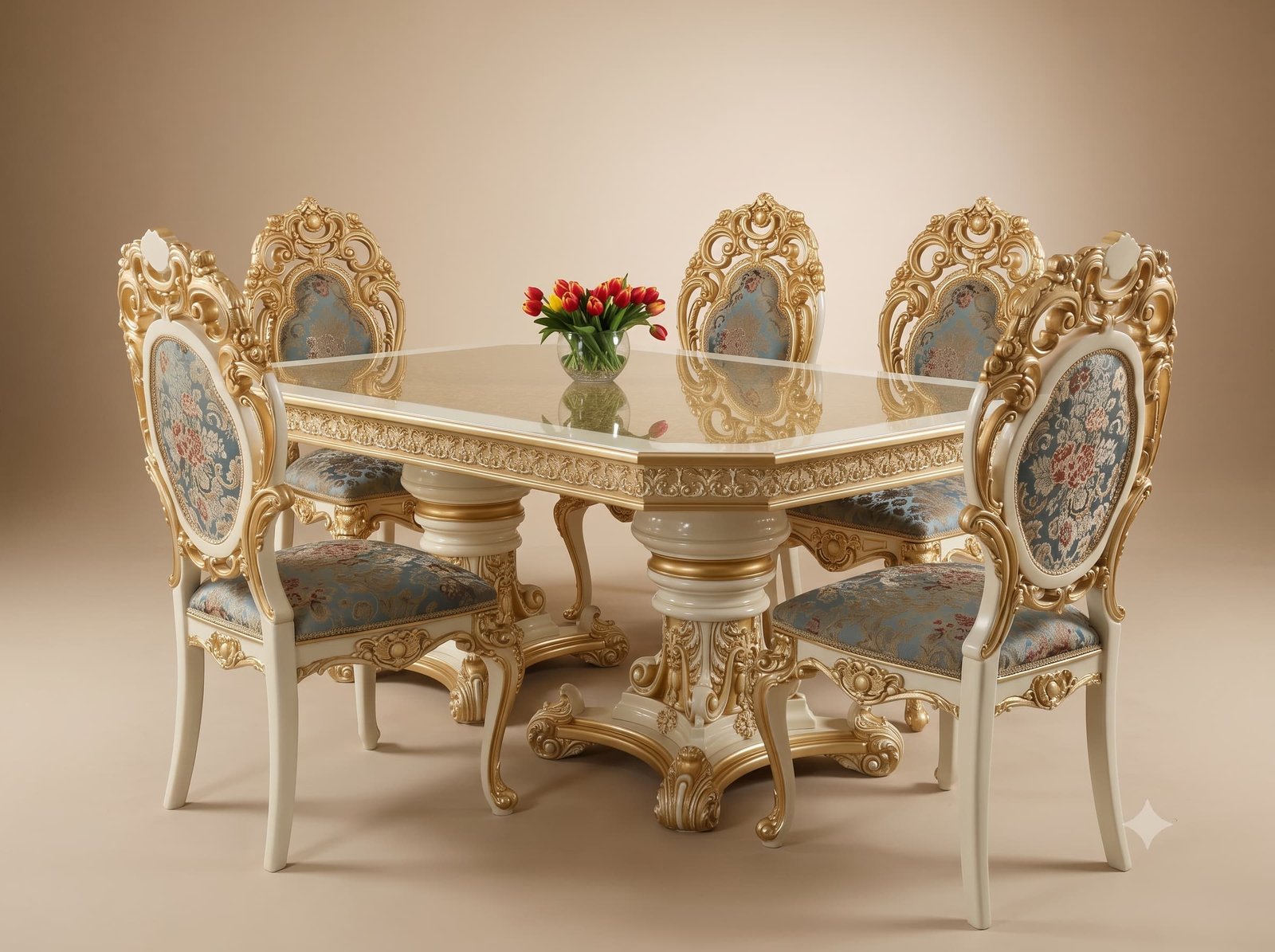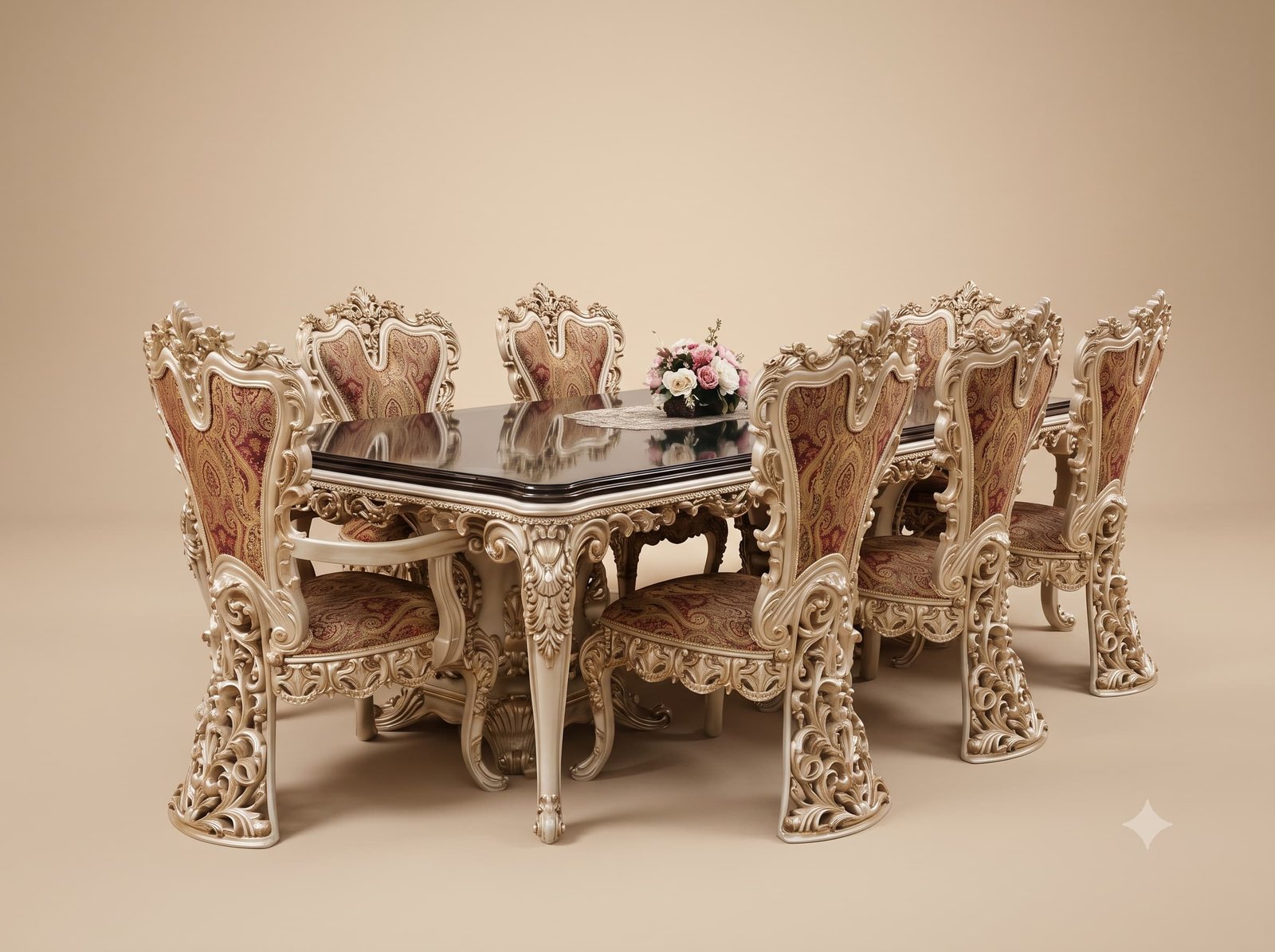
A chair with a carved skirt to the floor looks like a solid object, and that is exactly what it must not be underneath.
If the skirt is built as the structure - if the chair genuinely stands on those pierced panels - then a crack anywhere in the fretwork is a structural failure, and repairing it means dismantling the chair. Fretwork is the most fragile carving there is; making it load-bearing is asking for trouble in year twelve.
So the chair inside is a chair. A conventional frame with four square legs and corner-blocked seat rails is built first, sized and joined exactly as any dining chair would be, and it carries every bit of the load. The carved skirts are then made as separate panels and fixed to the outside of that frame.
The fixings go in from the inside, so nothing shows, and they are screws rather than glue. A damaged skirt panel can be taken off and a new one fitted years later without touching the chair's structure - a morning's work instead of a rebuild.
The result is a chair that looks monolithic and behaves like a well-made frame. Which is the right way round: the appearance is the decoration, and the decoration should never be the thing holding you up.
 Ask Price On WhatsApp