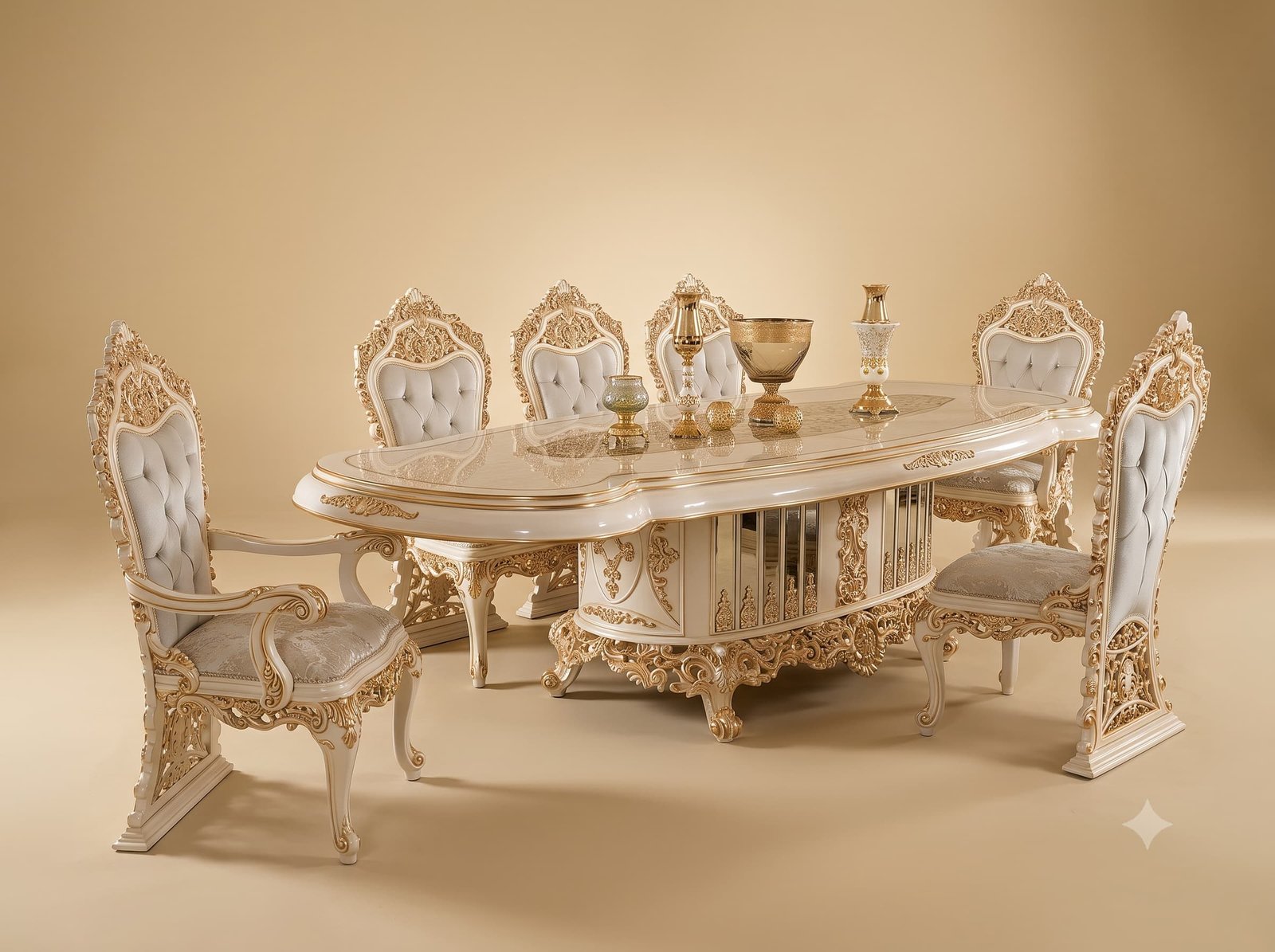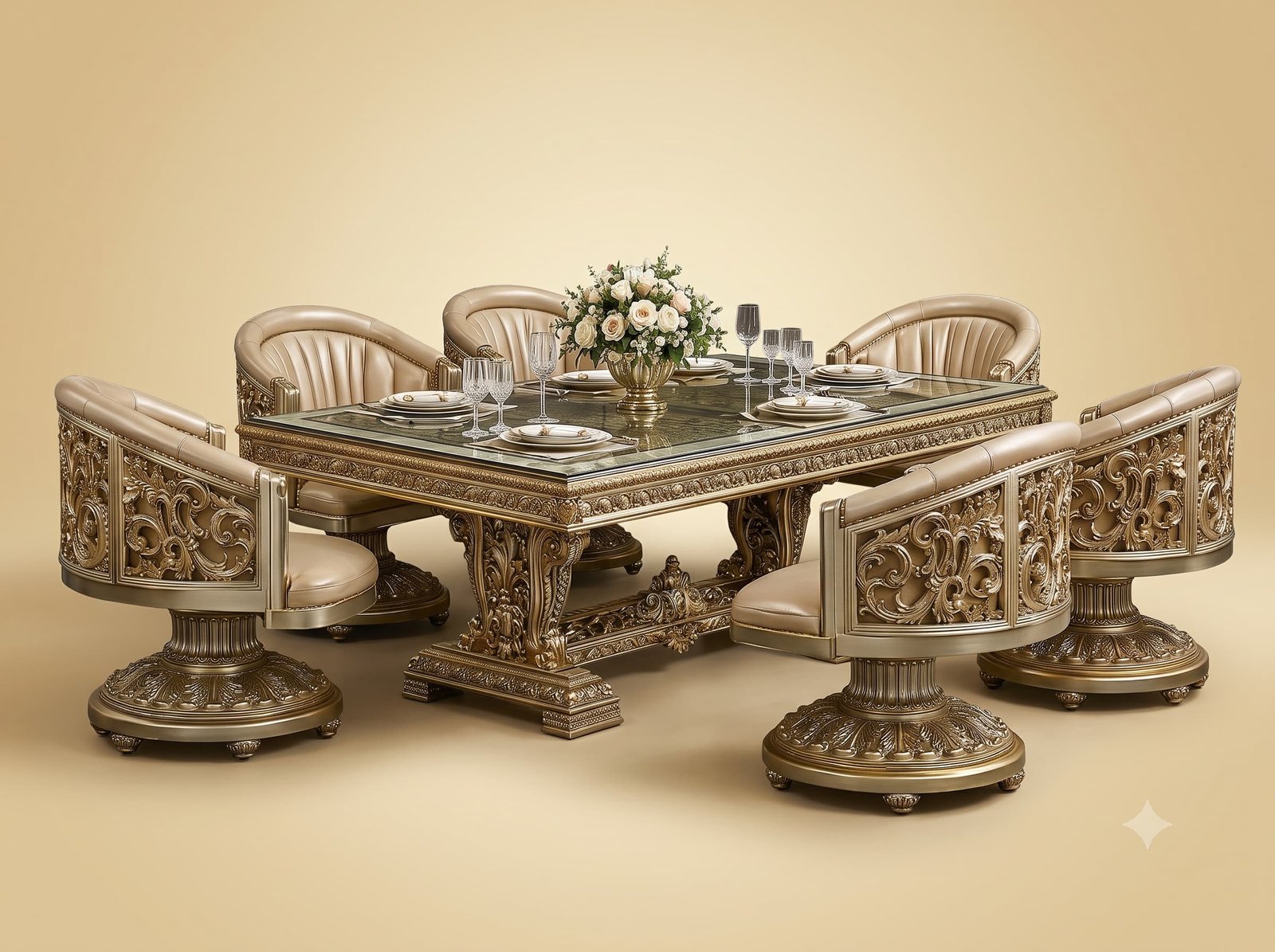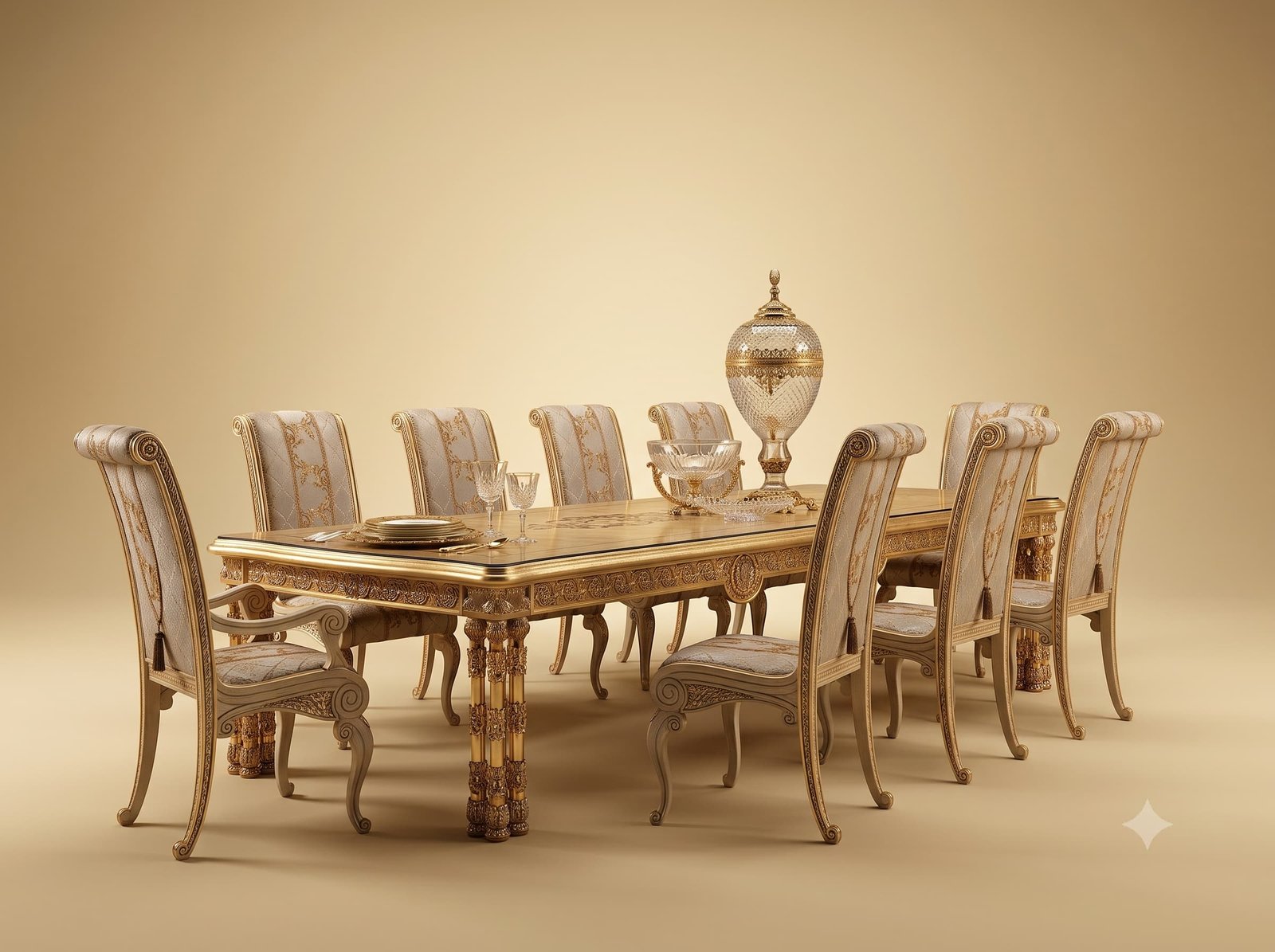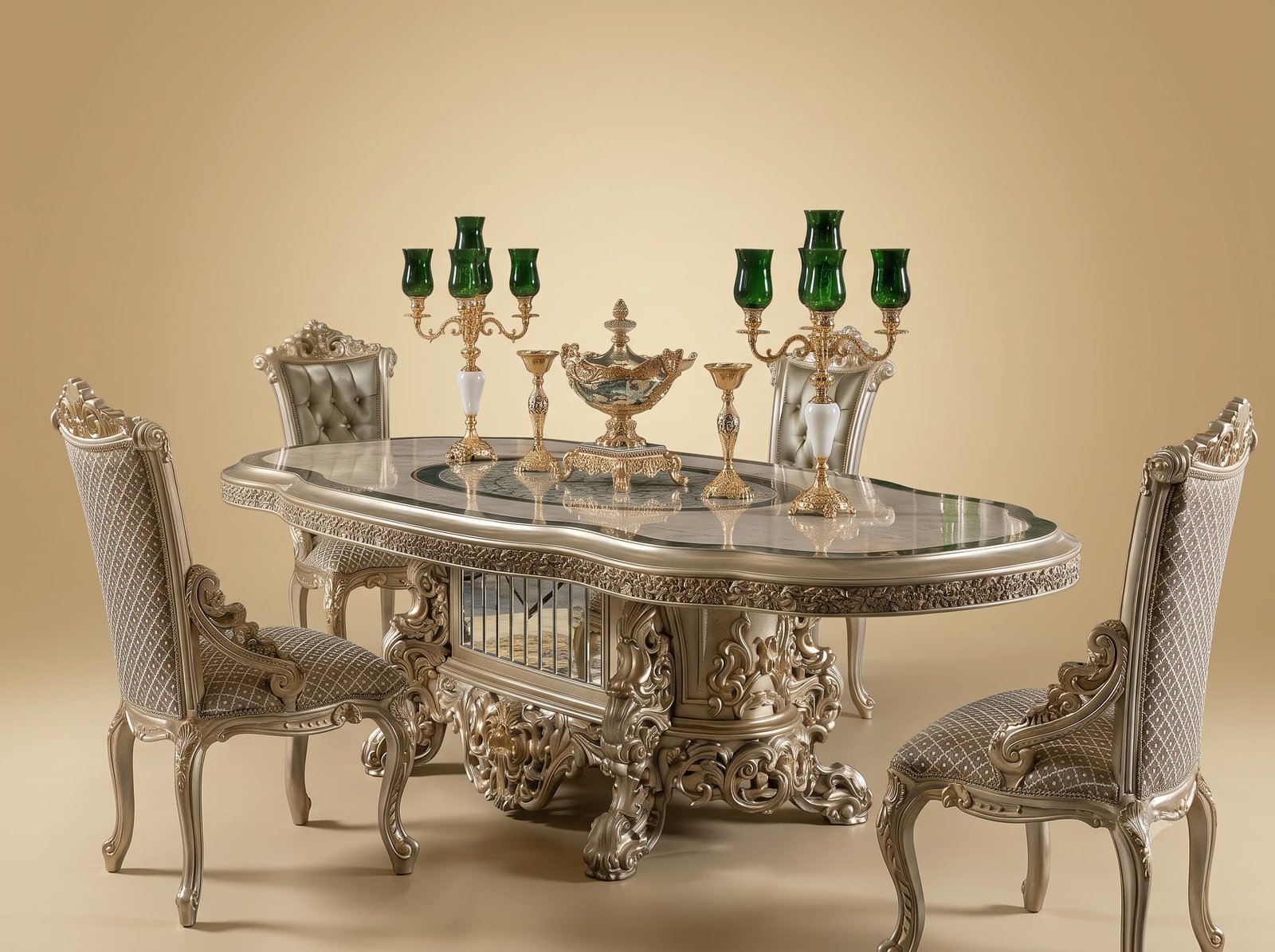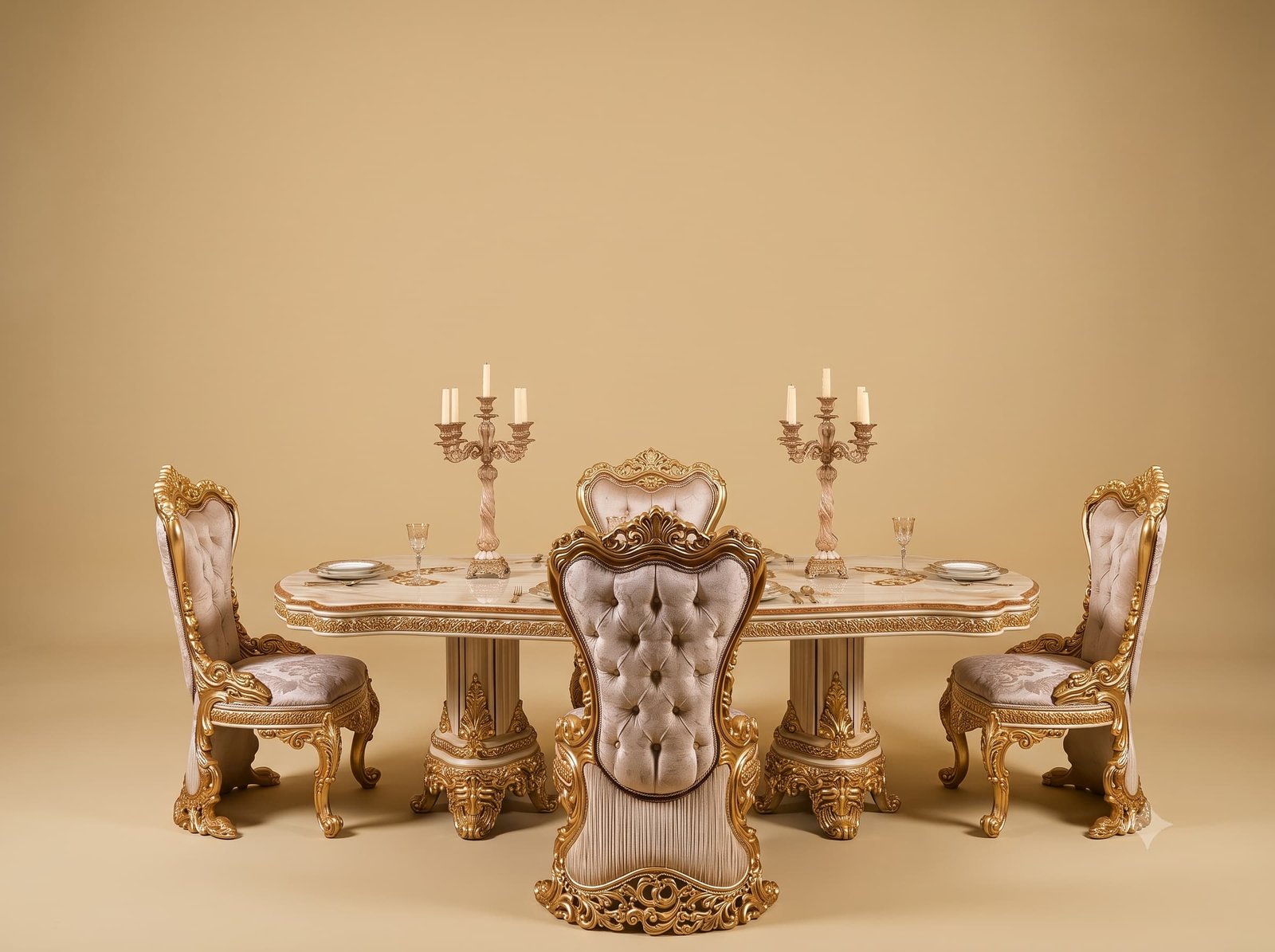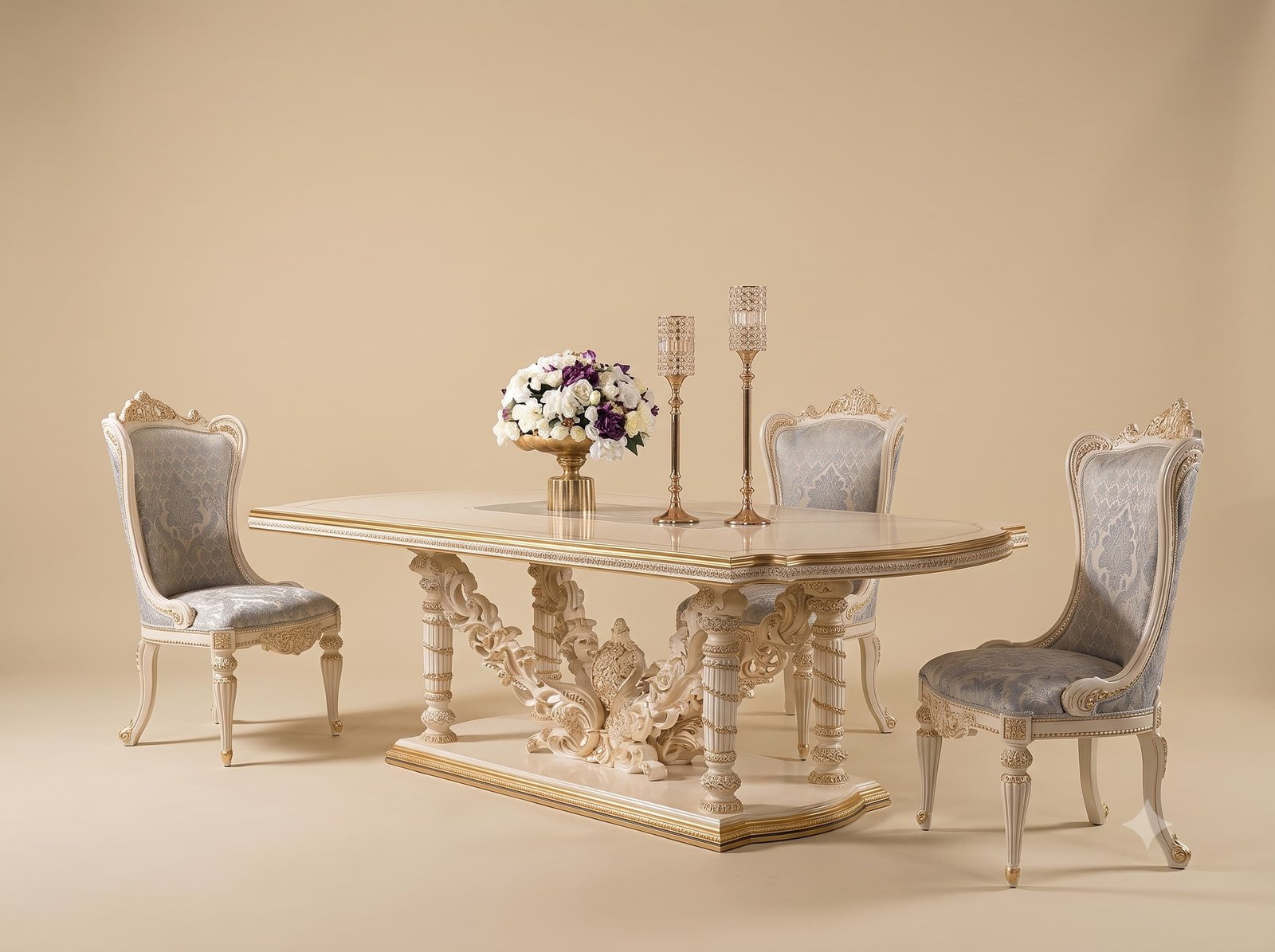
The top surface of a plinth base is a footrest, whether or not anybody designed it as one. Everyone sitting at a table with a plinth puts their feet on it within about a minute, and they will go on doing so for the life of the table.
Which means it is a surface that gets touched more than almost any other part of the piece, by shoes rather than hands, and it needs to be built accordingly.
So on our plinths the top edge is rounded rather than left as a sharp arris - a sharp edge under a heel wears through its finish in a season and then keeps wearing. The top face is finished to the same standard as the visible sides rather than treated as an underside, because it is neither: it is a surface people put their weight on but never look at.
The step itself is set at a height that suits a foot rather than one that suits the drawing. Too high and knees lift; too low and it is not reachable without sliding down the chair. We set it from the seat height of the chairs in the same commission, which is another reason table and chairs are drawn together.
None of it shows in a photograph. It is why people find a plinth-based table comfortable and never work out why.
 Ask Price On WhatsApp