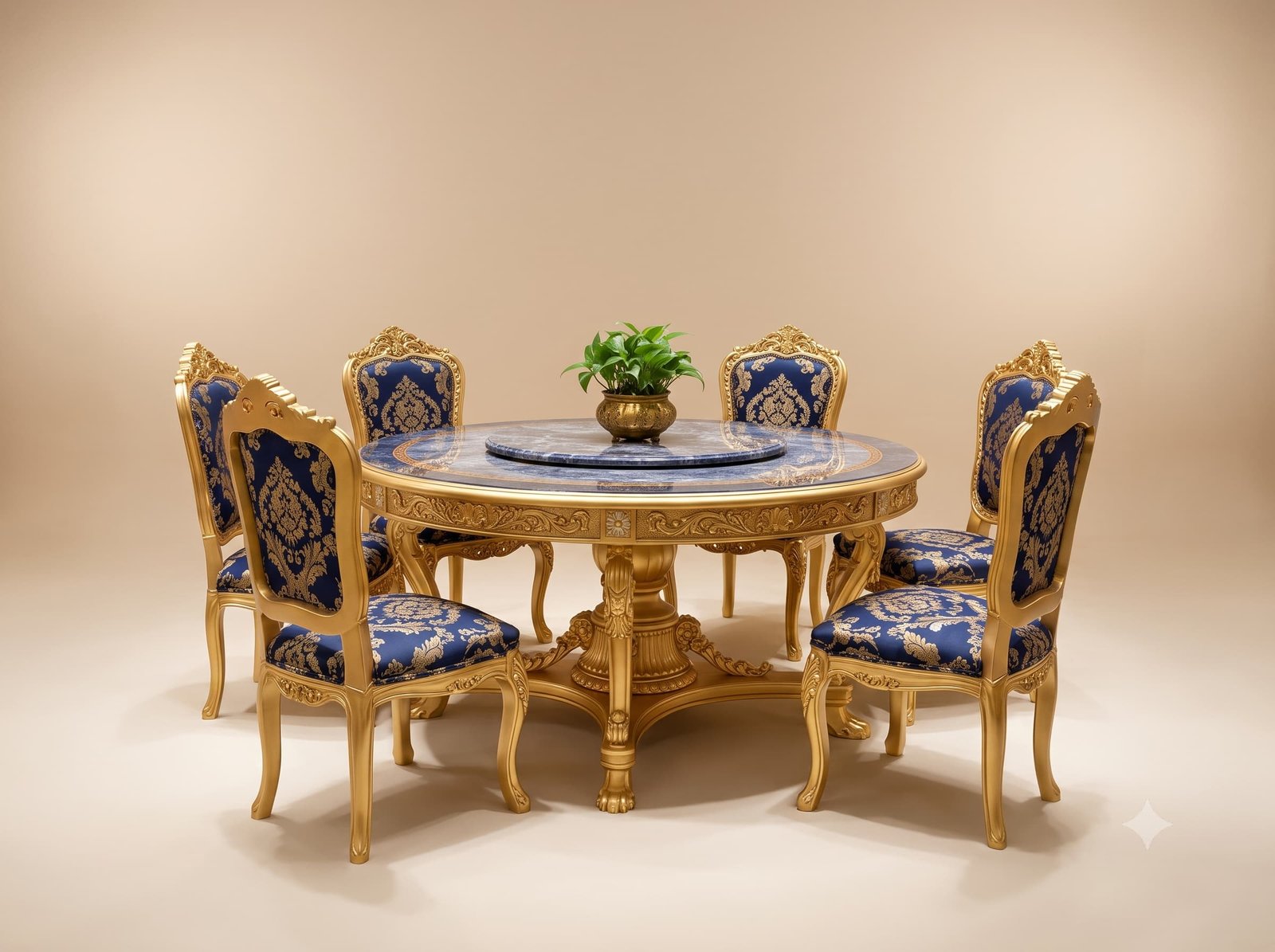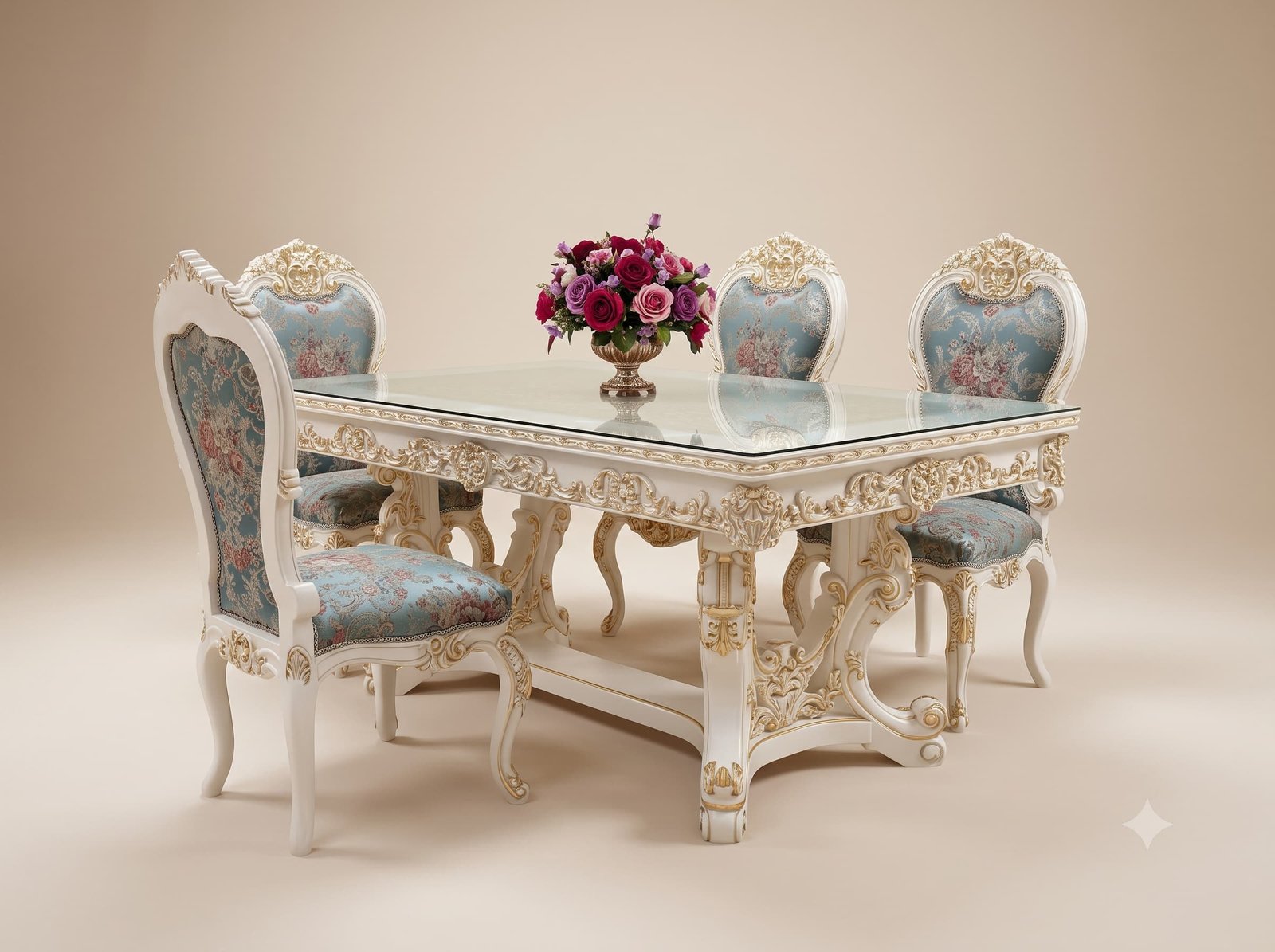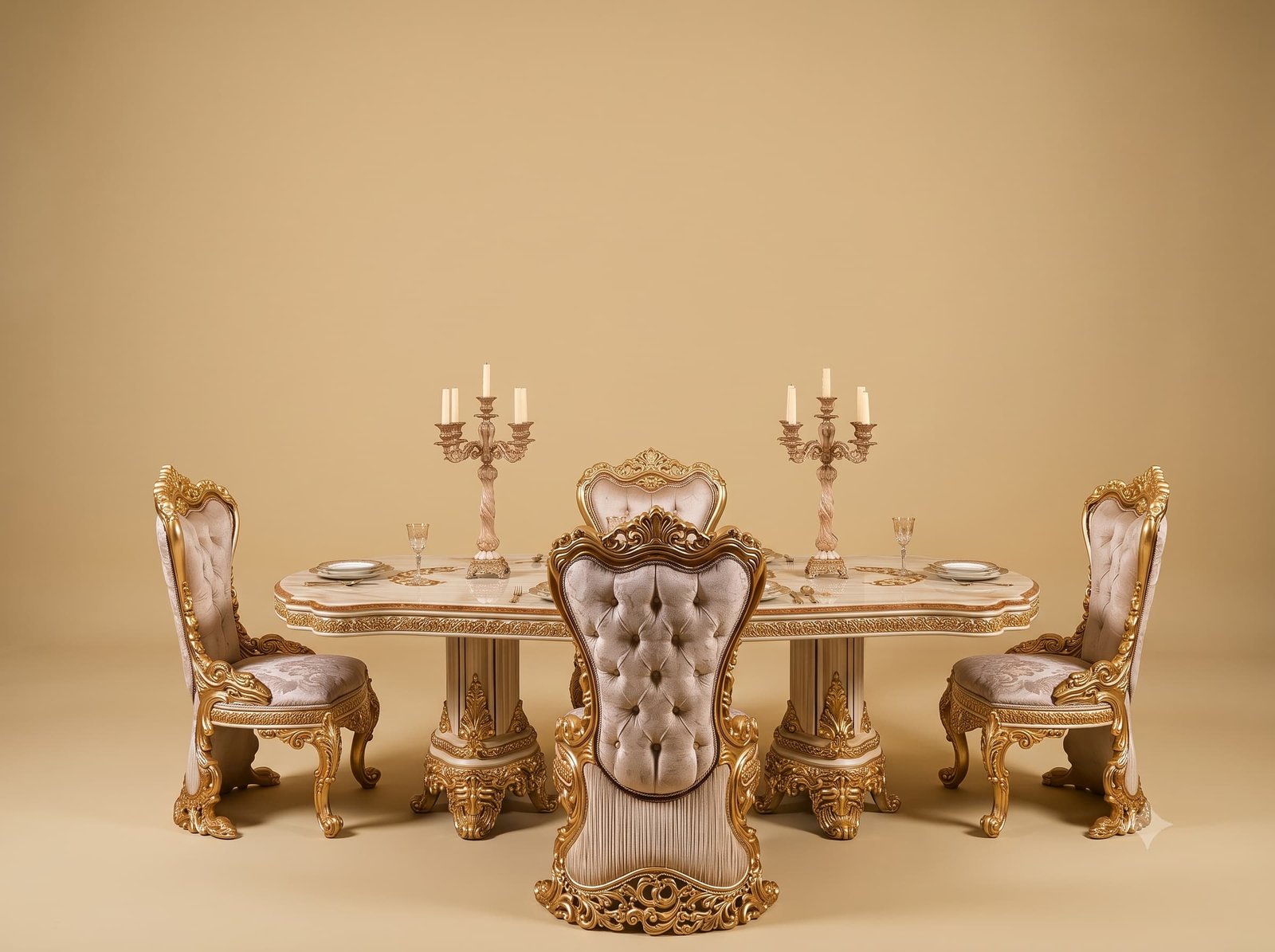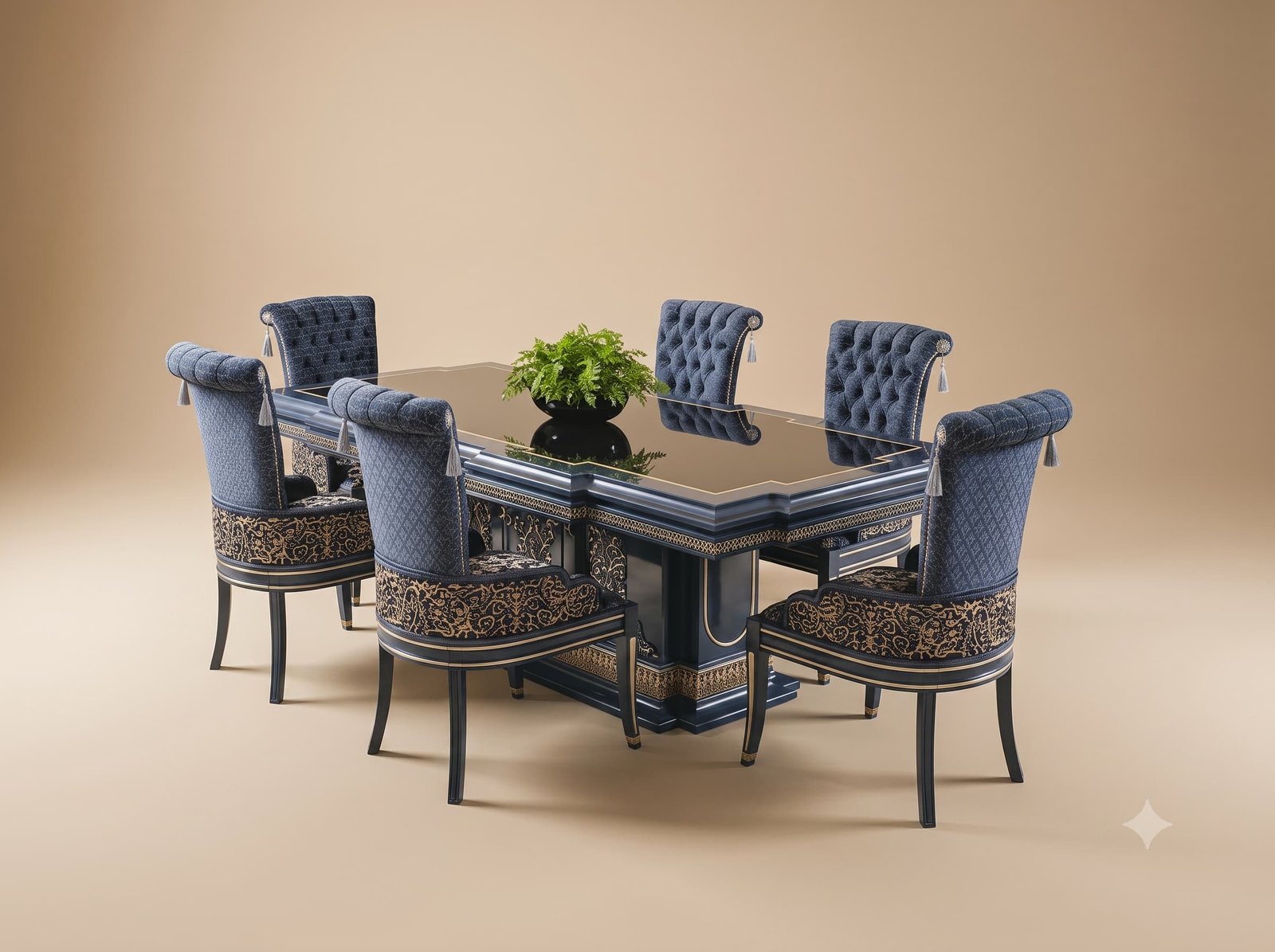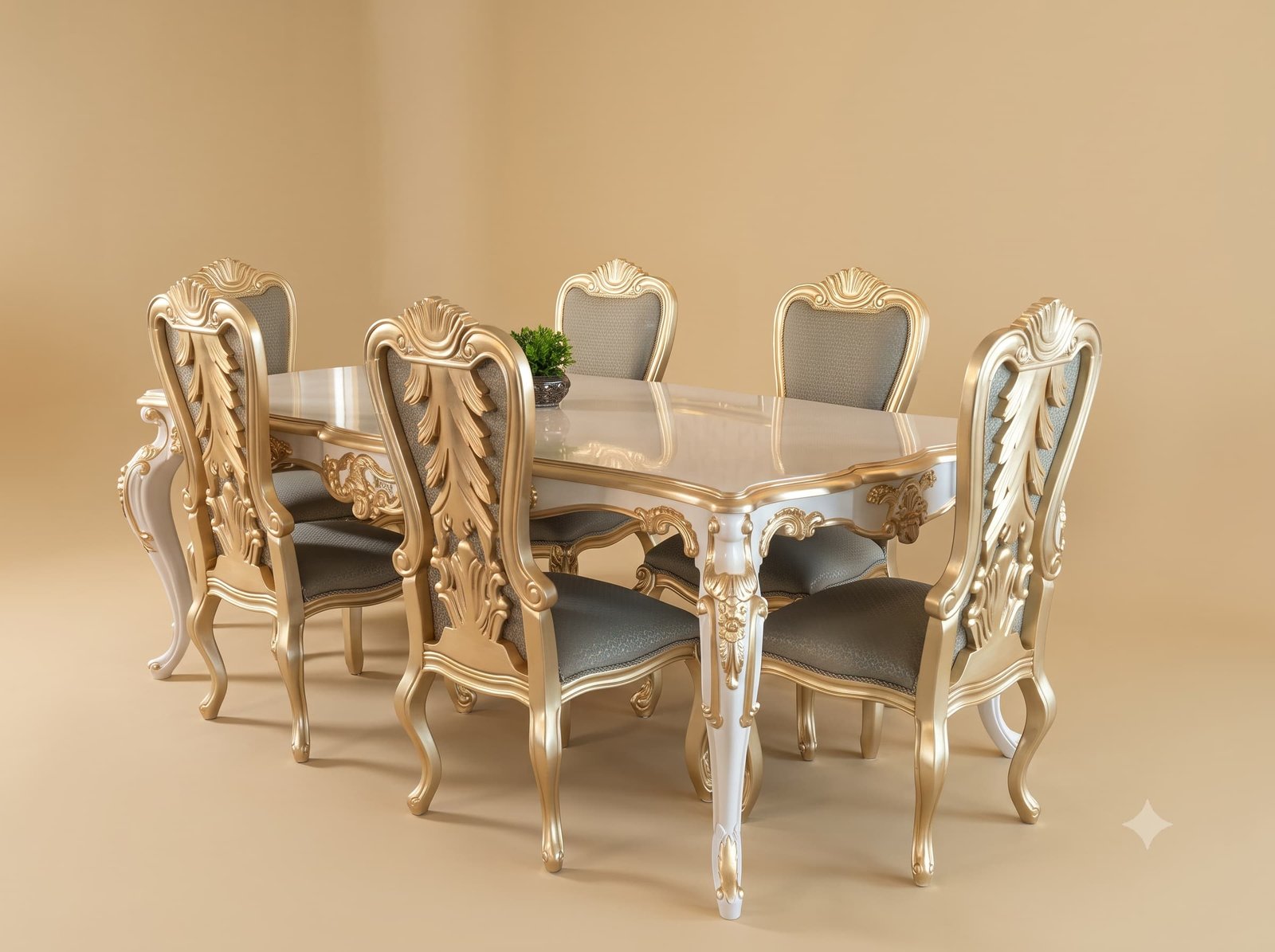
A carved leaf has a direction, and it is not always the direction the chair back runs in.
The strength of a carved leaf is in its stem and along its spine - that is where the grain must run, because a leaf tip carved across the grain will snap off at the first knock. But a spray of leaves turns as it climbs: one leaf falls to the left, the next curls right, another arches back on itself. Cut that whole spray from a single upright board and half the leaves are working across the grain, and those are the ones that break.
So our splats are not cut from one piece. The spray is designed as a set of members, each one taken from a blank oriented to its own leaf, and they are jointed to each other where the design allows a join to hide - inside a curl, behind a stem, at the point where two leaves cross.
The joints are cut and fitted before any carving is done, so the splat is assembled as a blank and then carved as a whole. That way the carver works across the joins rather than up to them, and the finished surface flows through them.
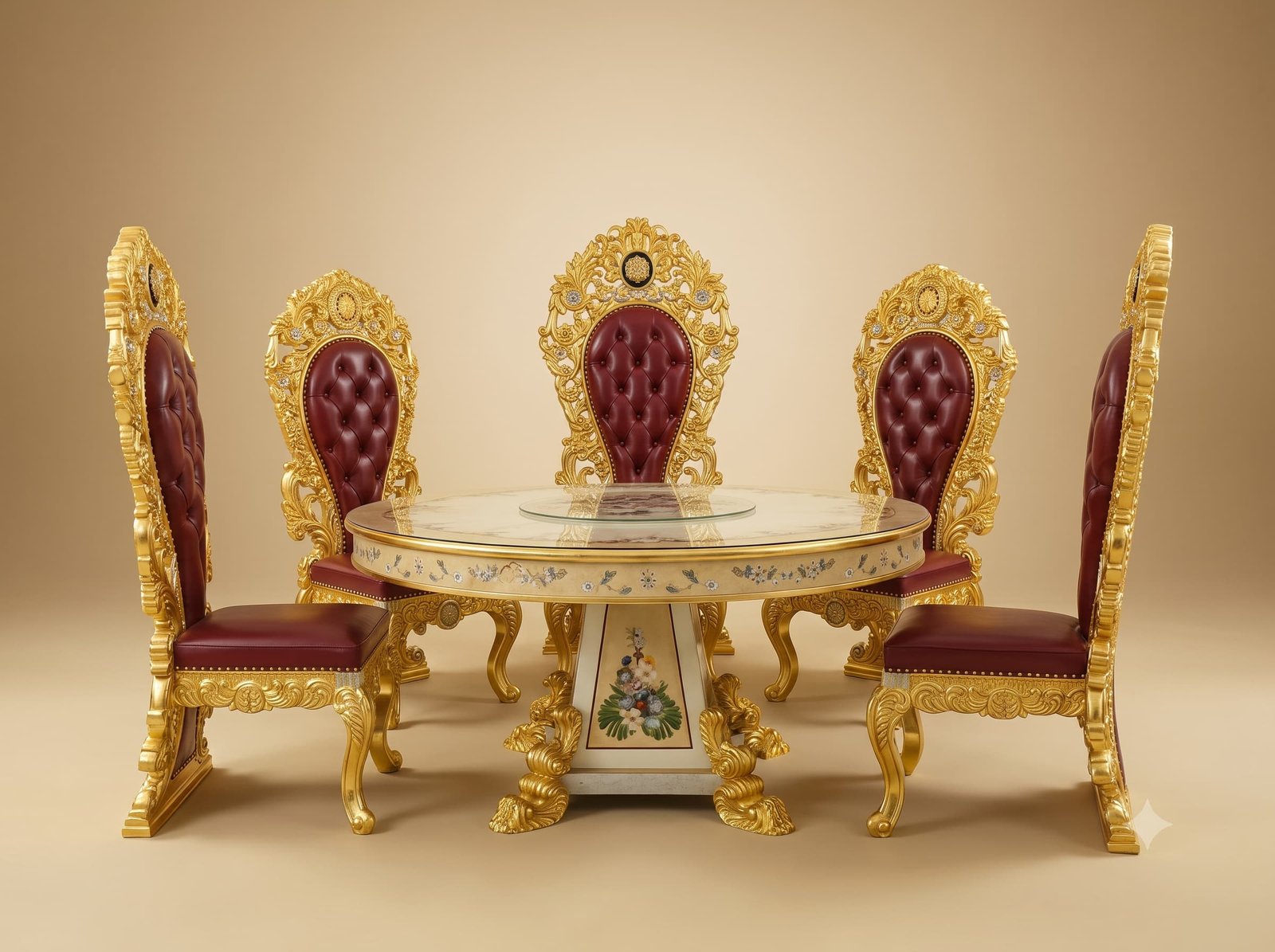
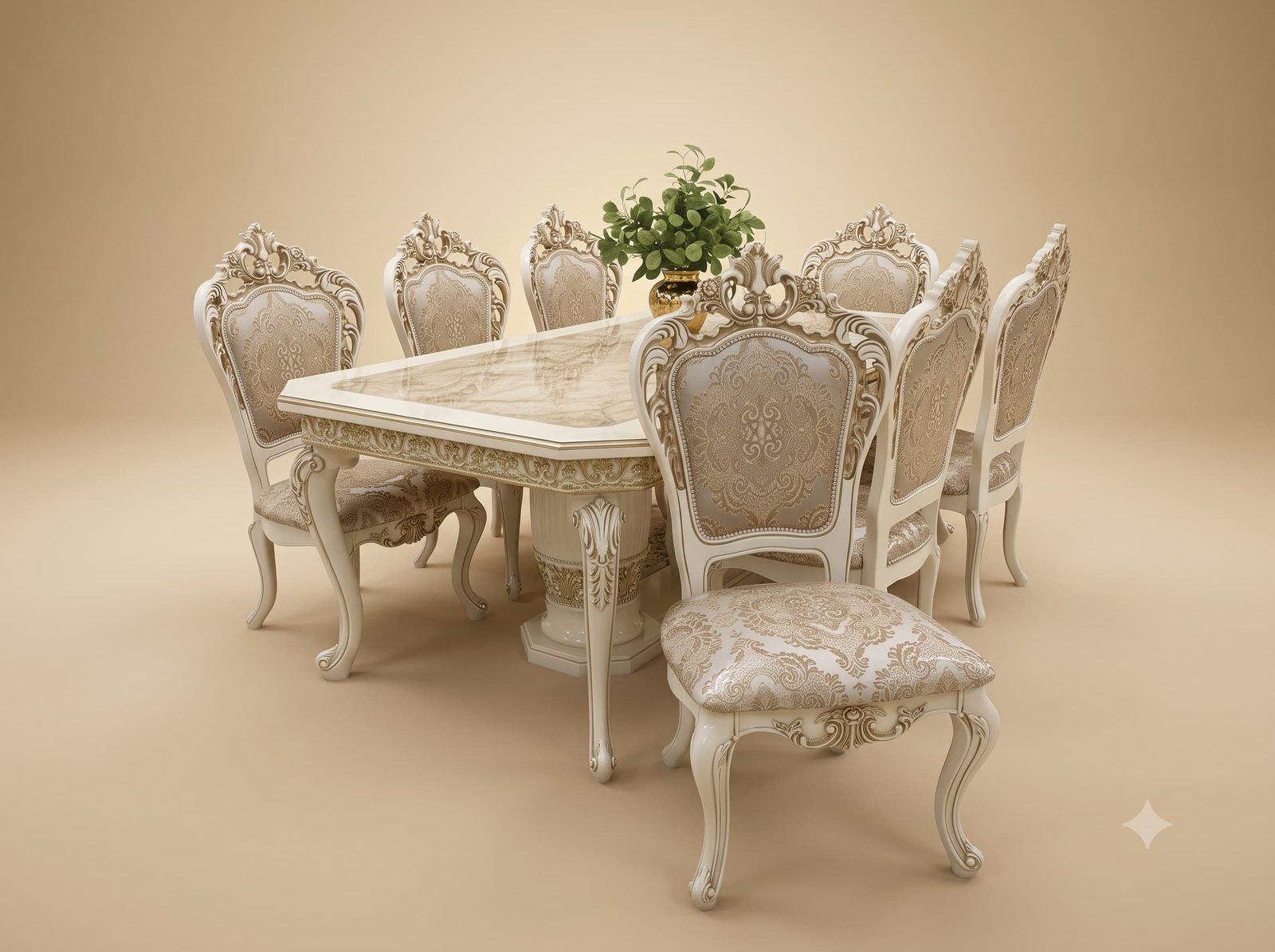
Look at a finished splat and it appears to have been cut from one piece of wood. It could not have been - and if it had, half of it would be gone in ten years.
 Ask Price On WhatsApp