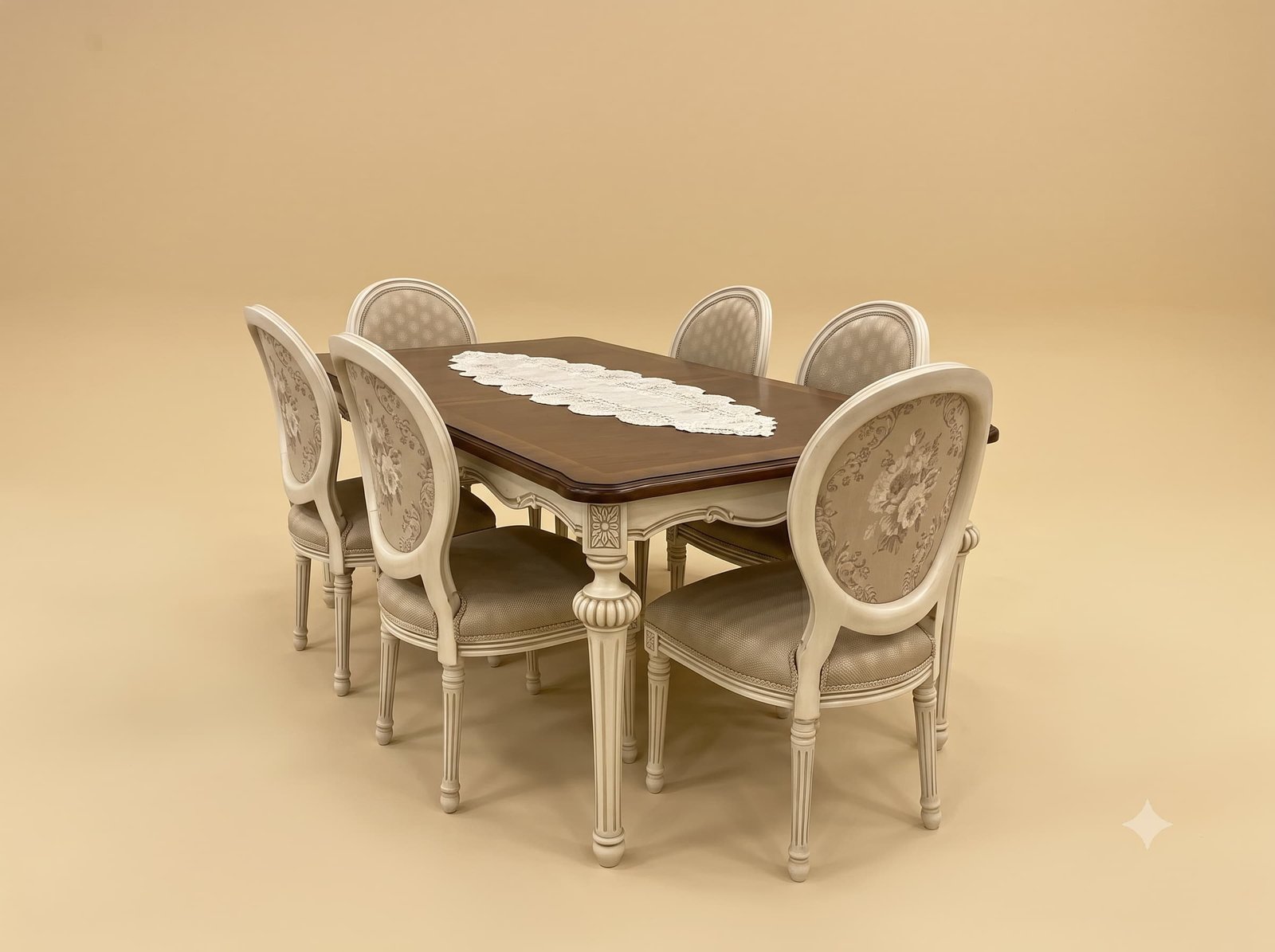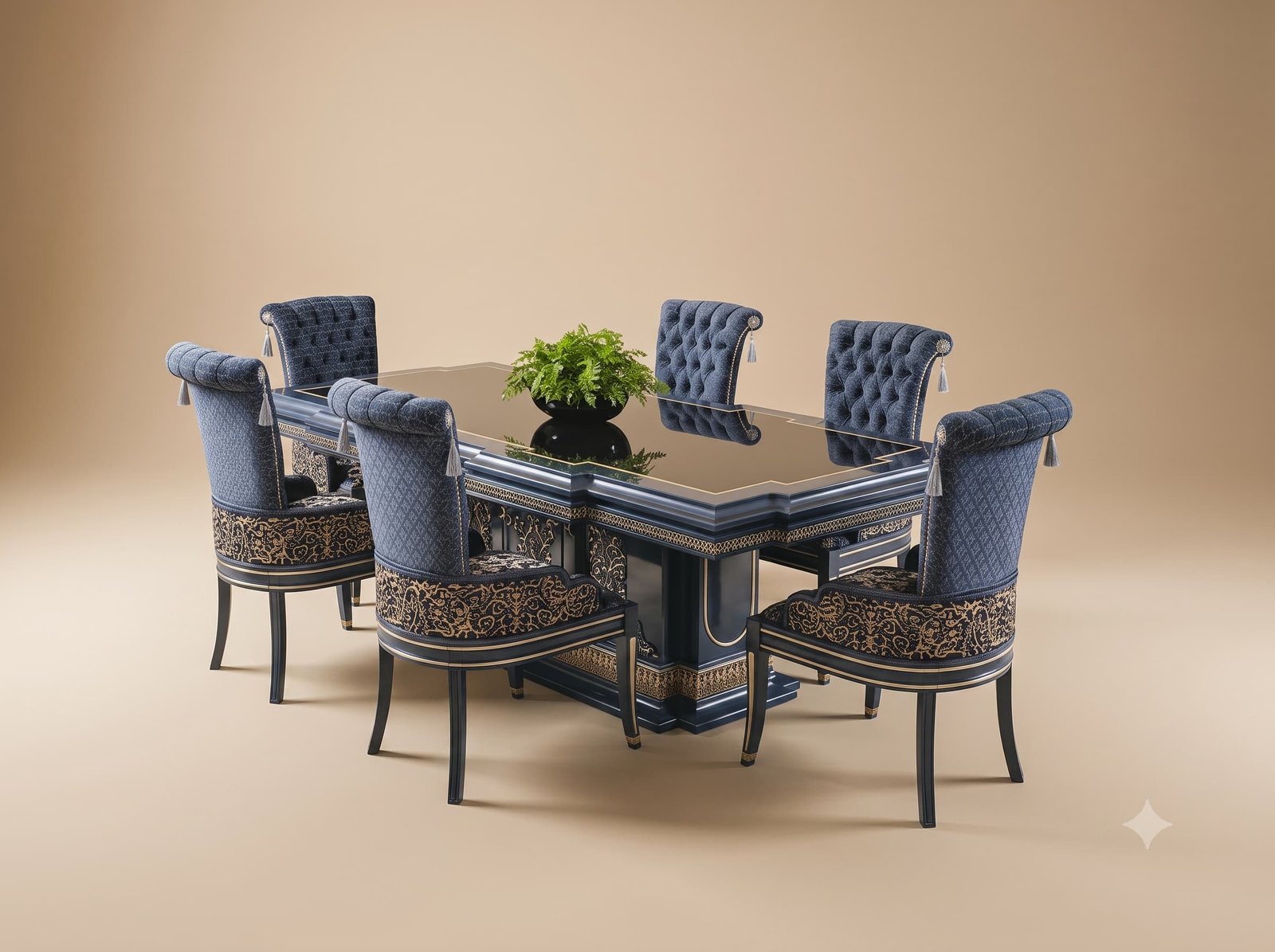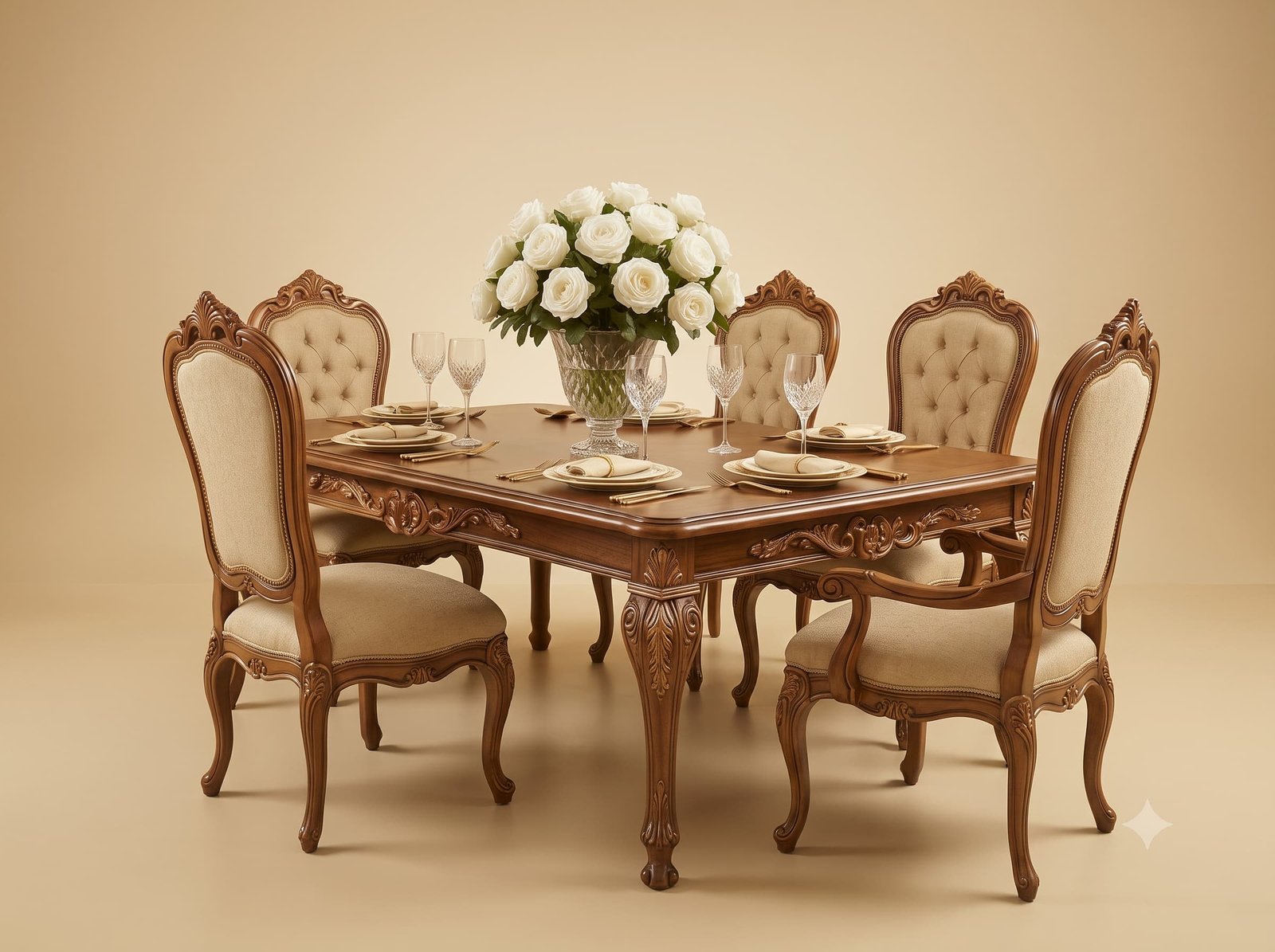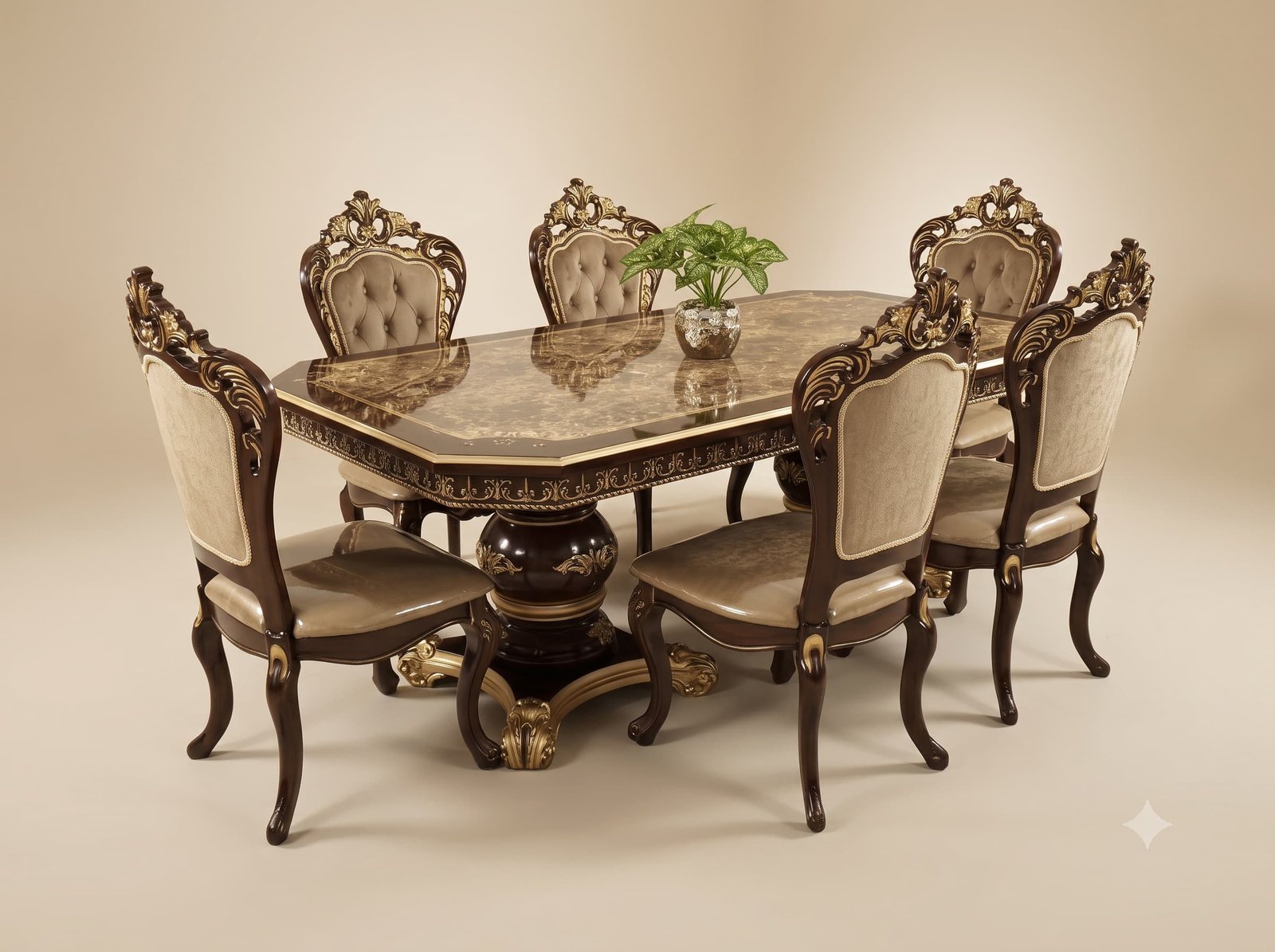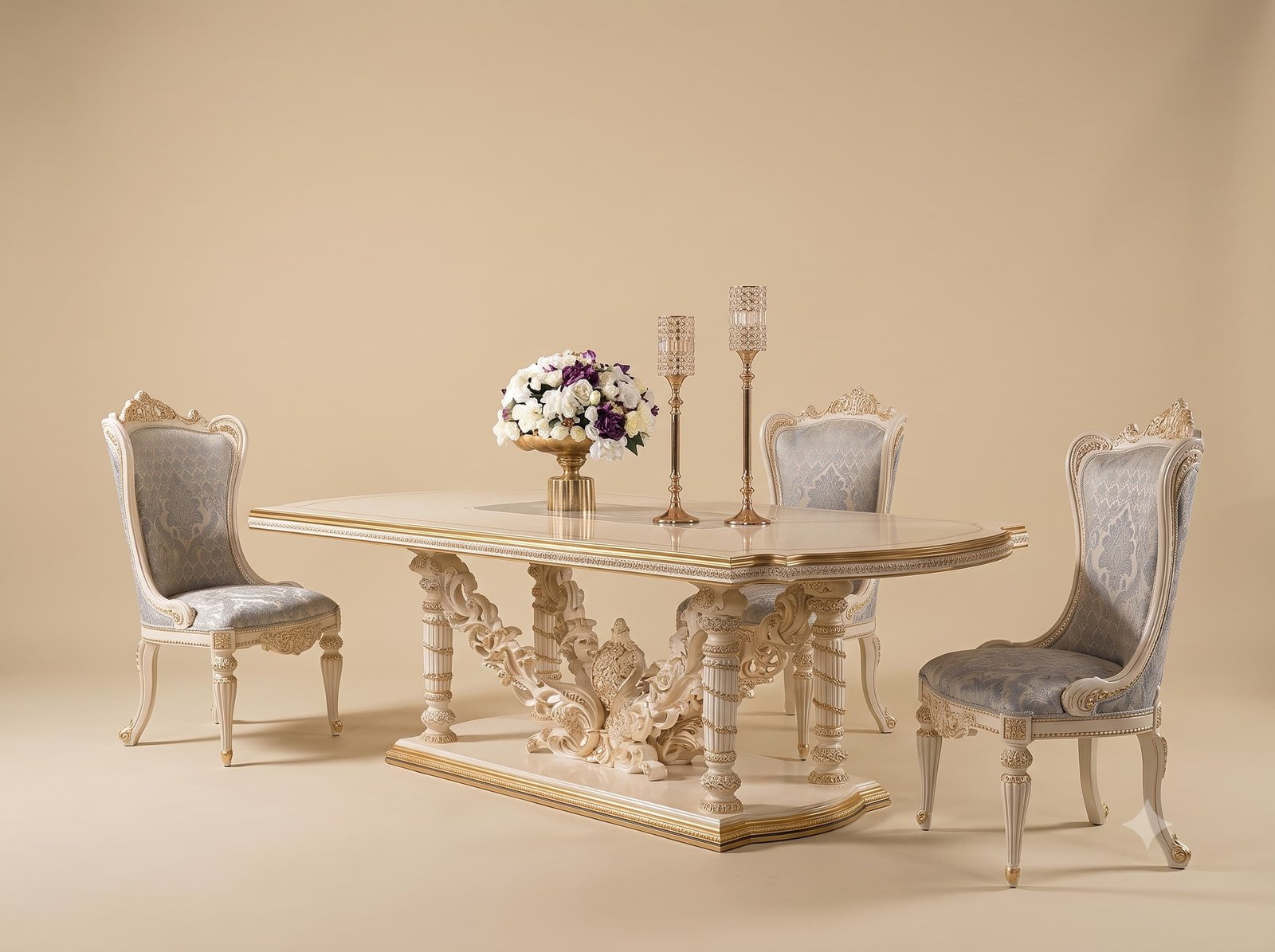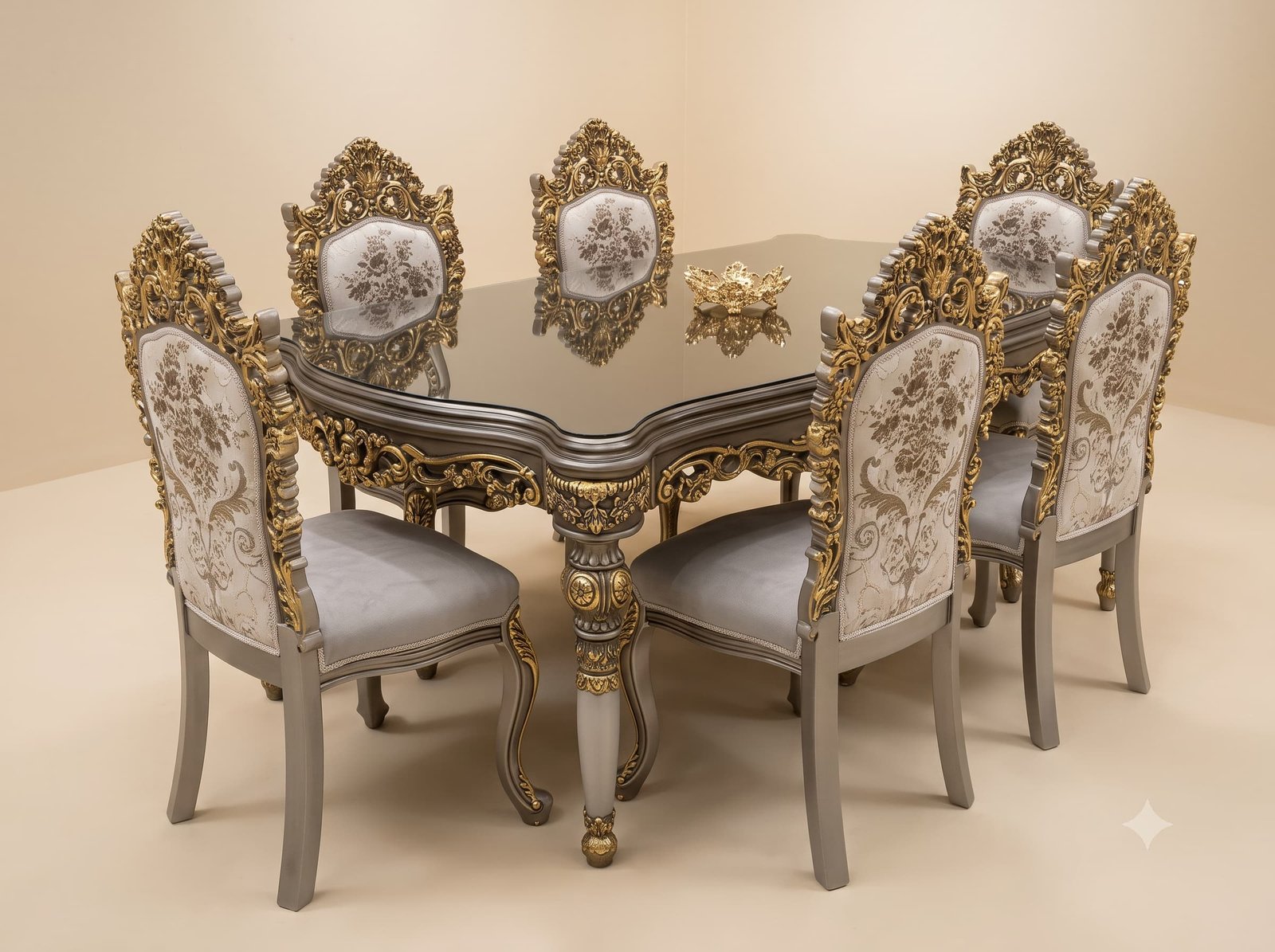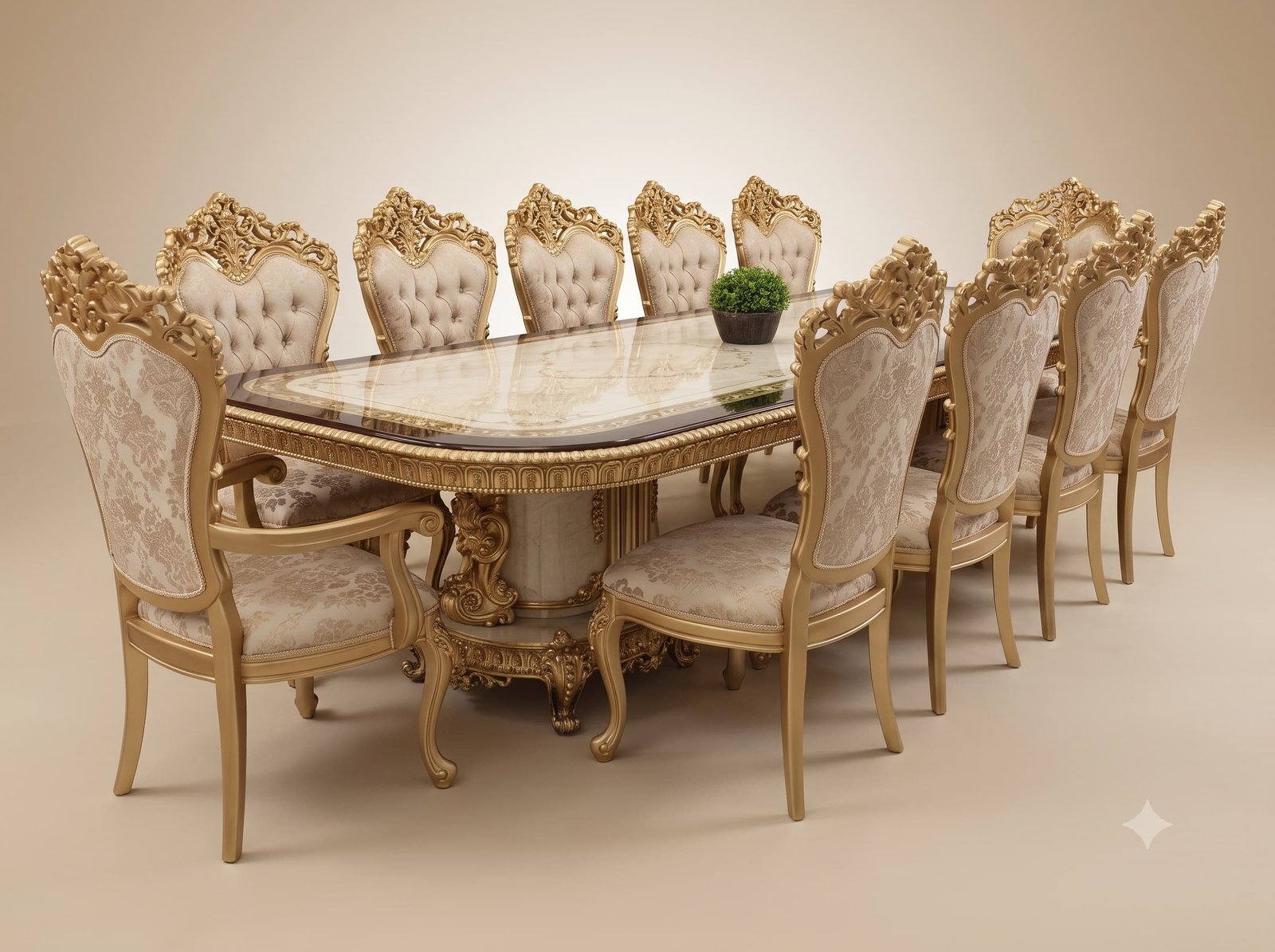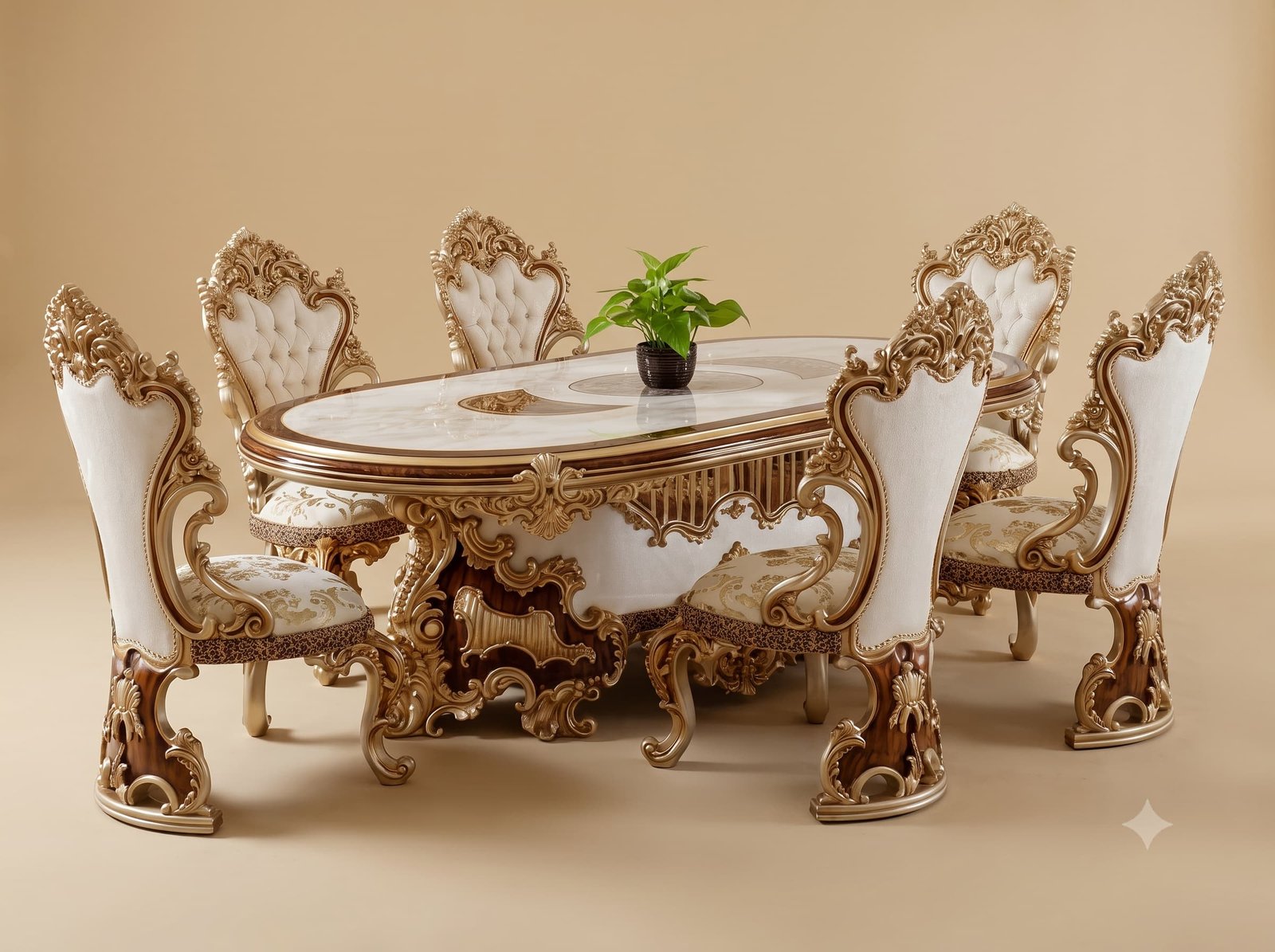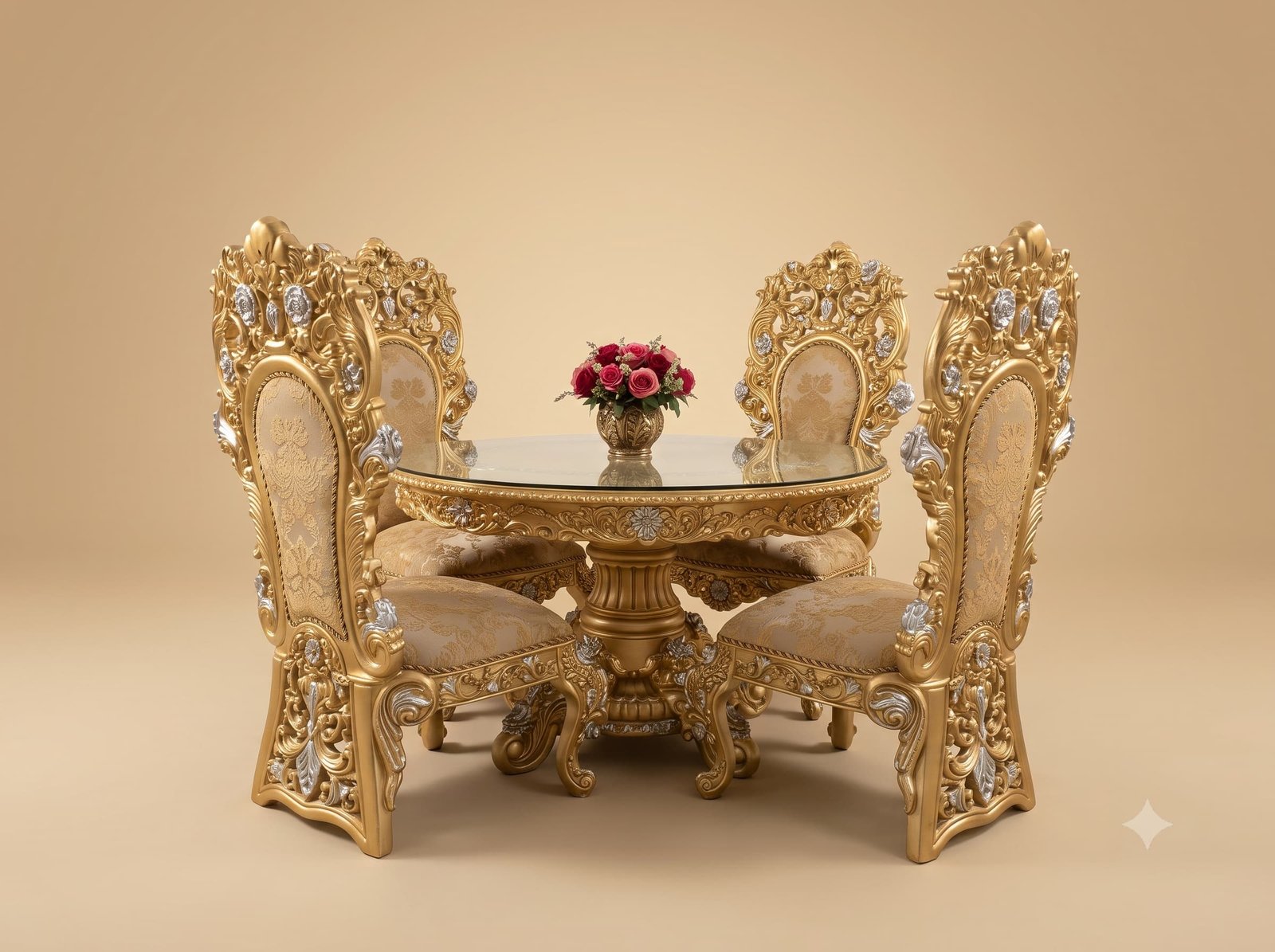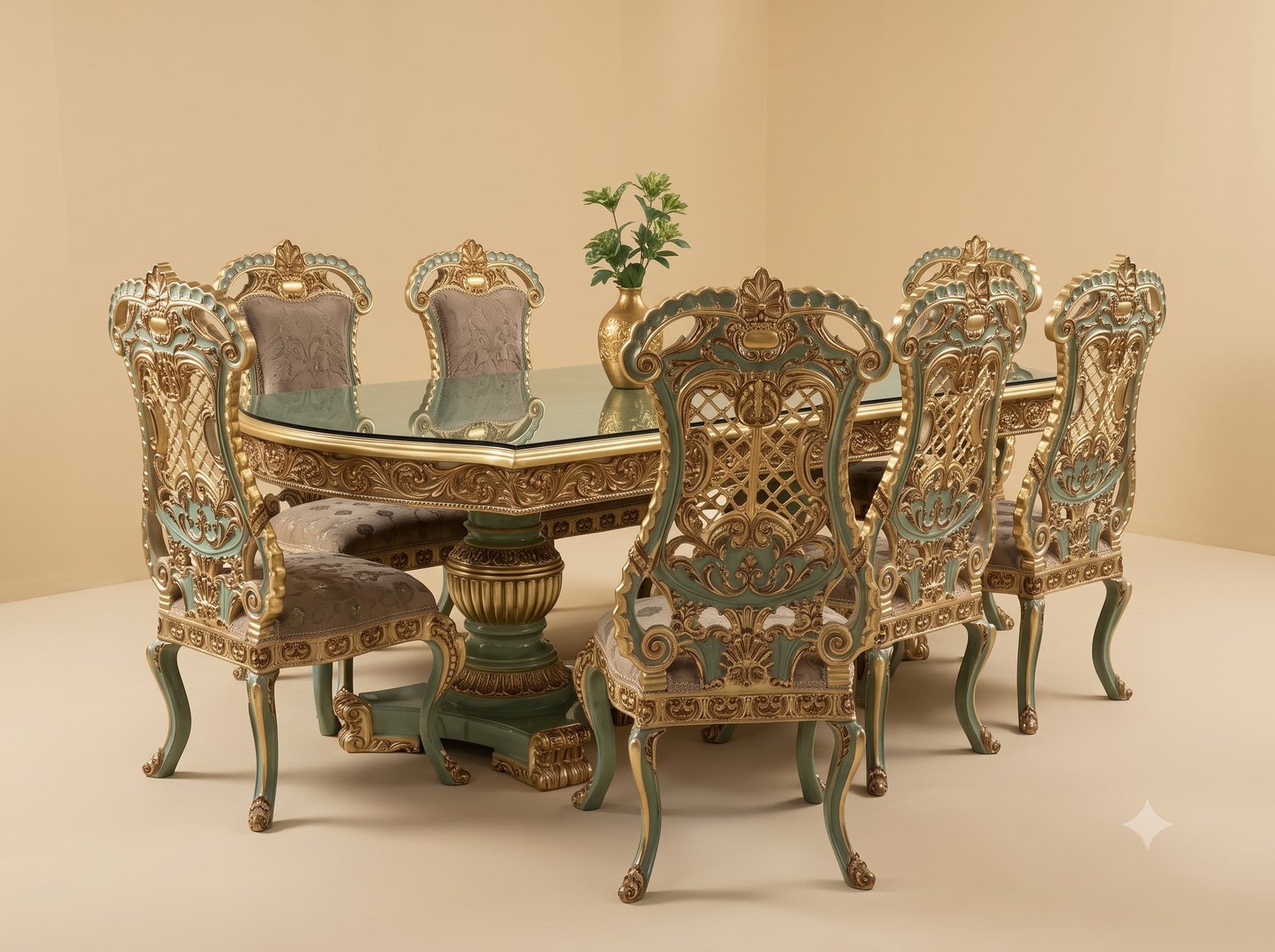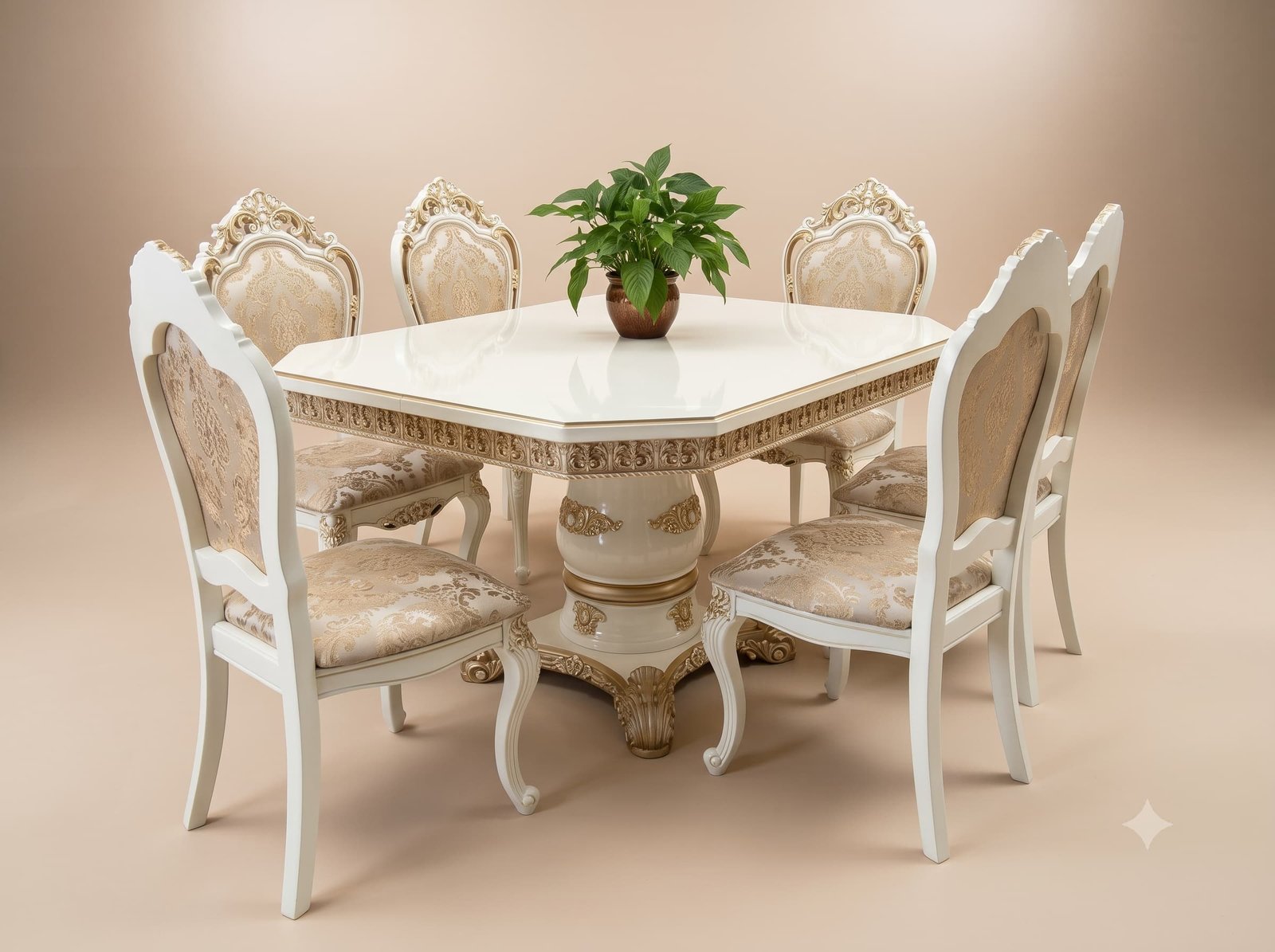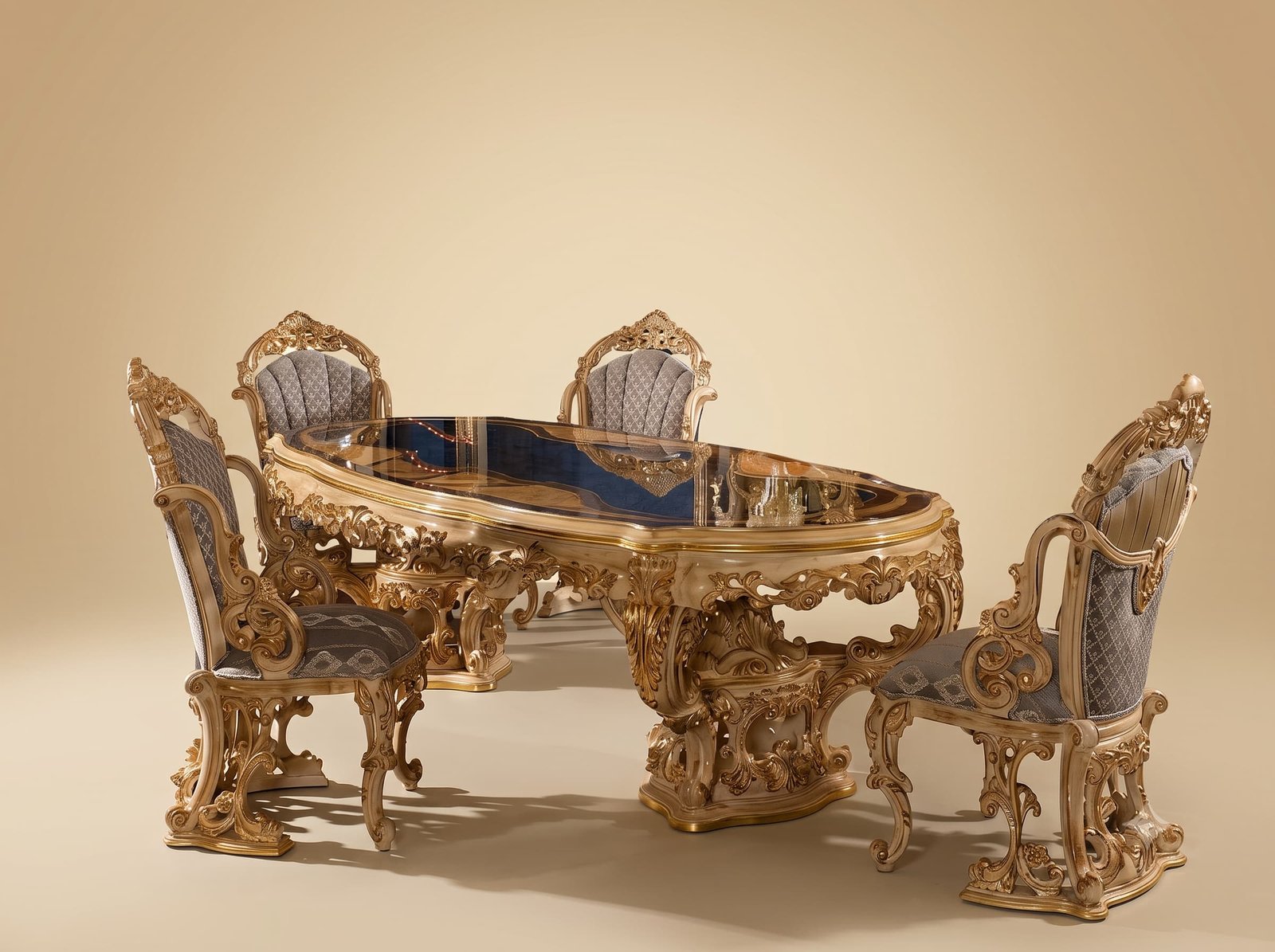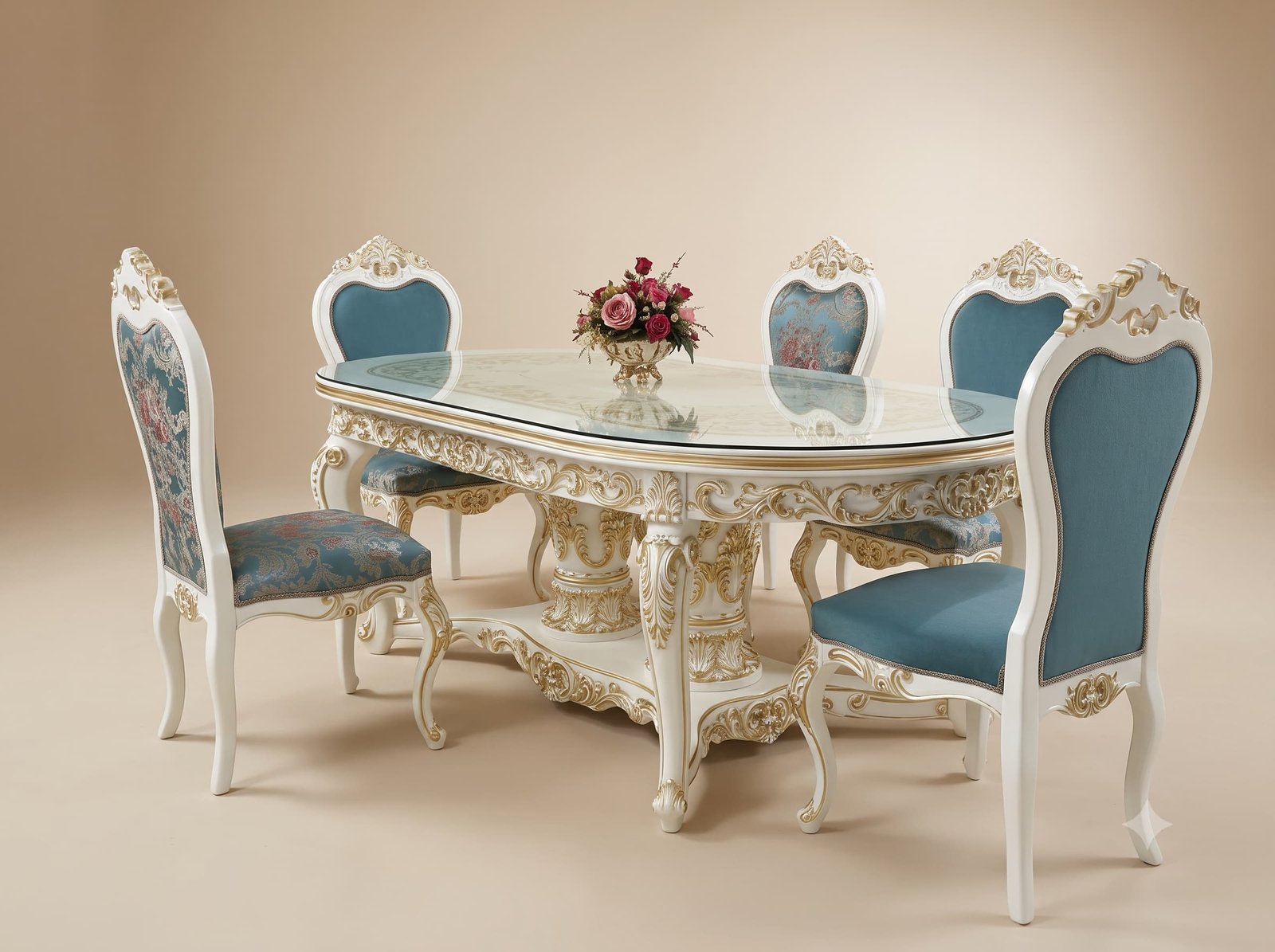
Wherever upholstery meets timber on a chair, there is a line - and that line is where a chair ages first.
The cloth has to be trimmed to the frame, and a raw trimmed edge, however neatly stapled, is fibres cut across their length. Hands pulling the chair out, a sleeve brushing past, a cloth wiped along the frame: all of it works at that edge, and within a few years it begins to fray, always at the same places - the top corners of the back and the front corners of the seat.
So every one of those edges on our chairs carries a cord, and the cord is made from the same cloth as the upholstery. A strip is cut on the bias, wrapped around a core and sewn, then set into the joint between the cloth and the timber.
Two things follow. The cut edge of the upholstery is turned under and enclosed inside the cord, so nothing raw is exposed to anything. And what now takes the rubbing is the cord's rounded surface - fabric running along its length rather than cut across it - which is far more resistant to wear, and which can be replaced on its own if it ever does go.
Cut on the bias, it also follows a curved frame smoothly instead of puckering, which is why it works on a shaped chair back at all.
 Ask Price On WhatsApp