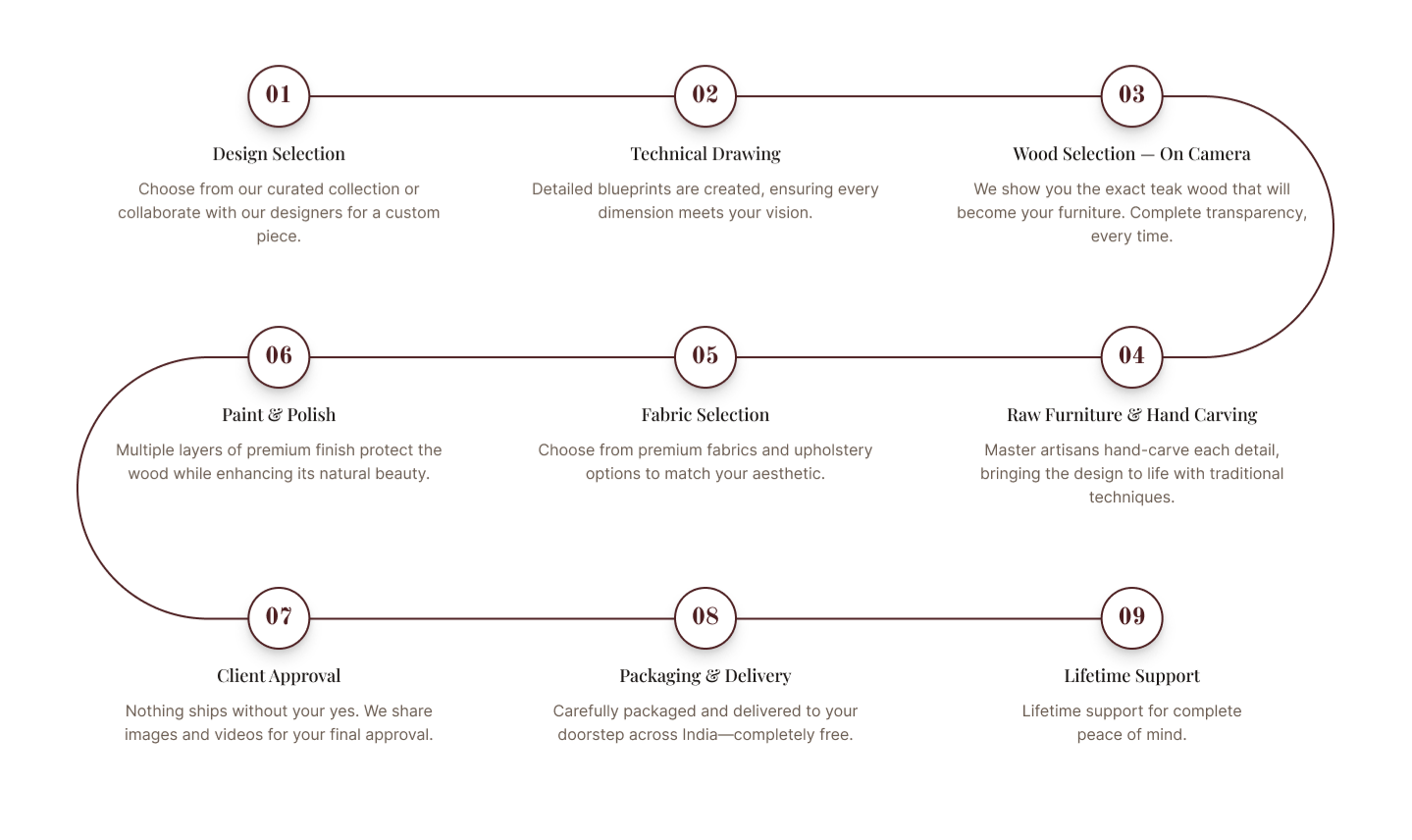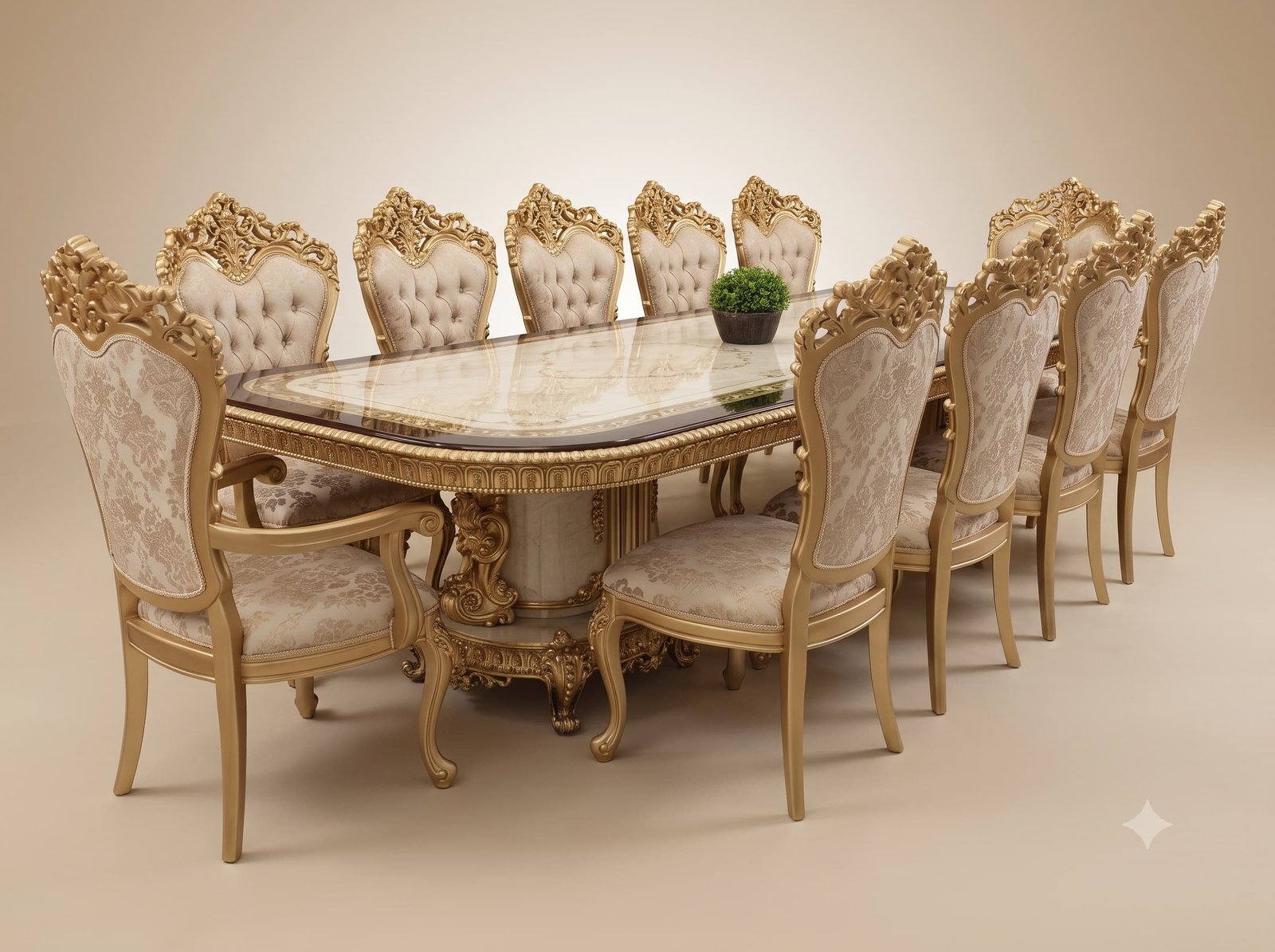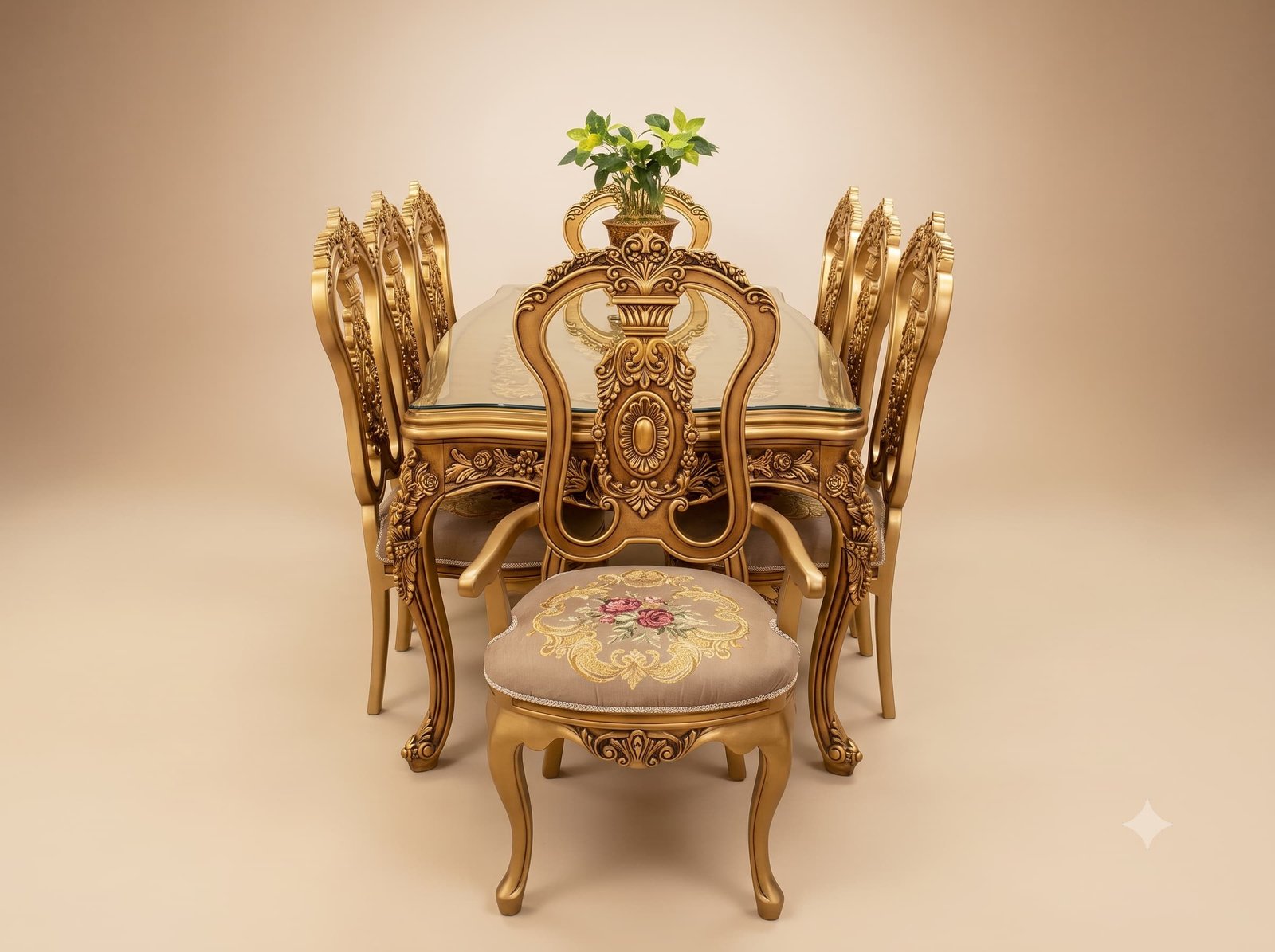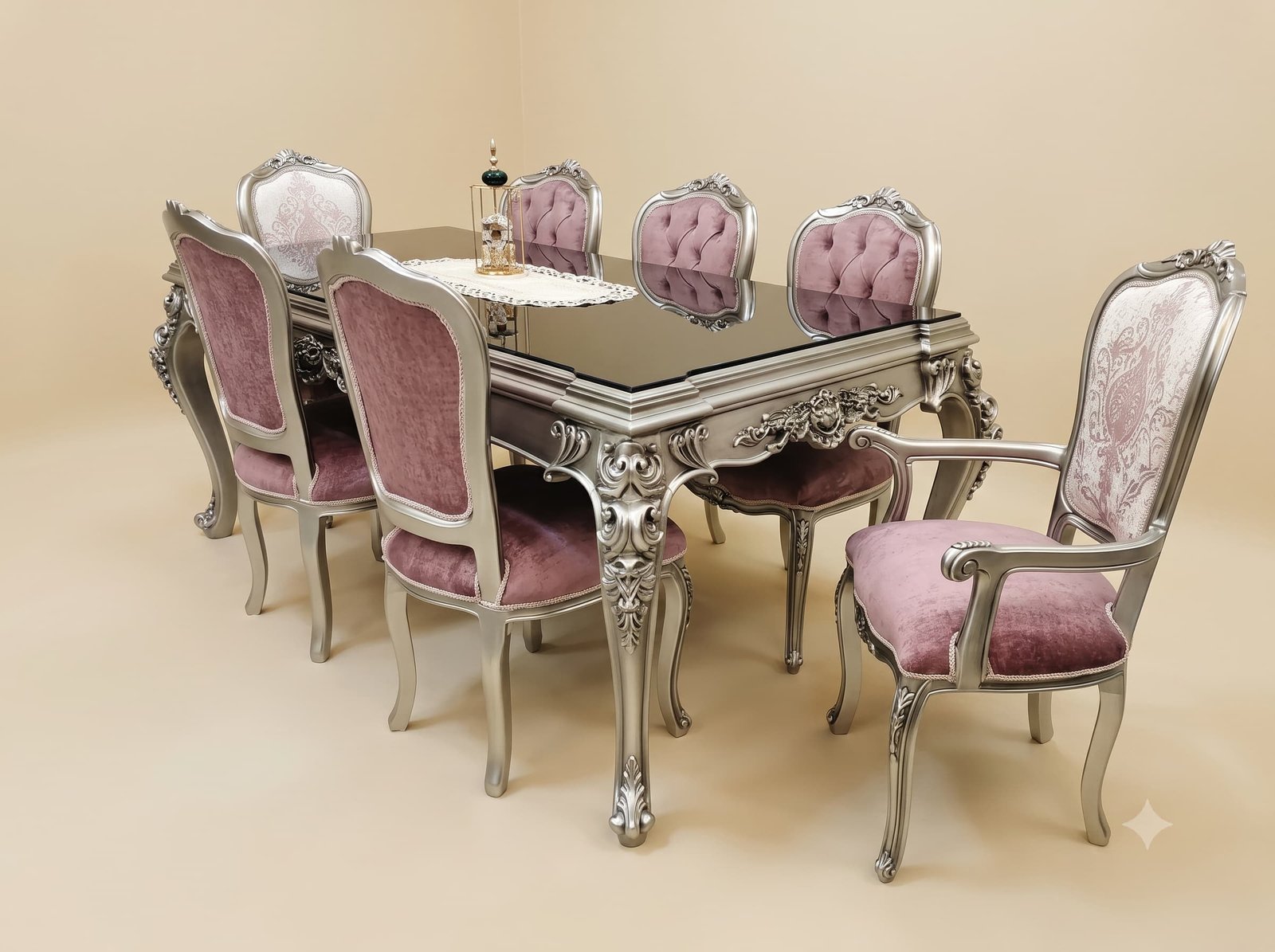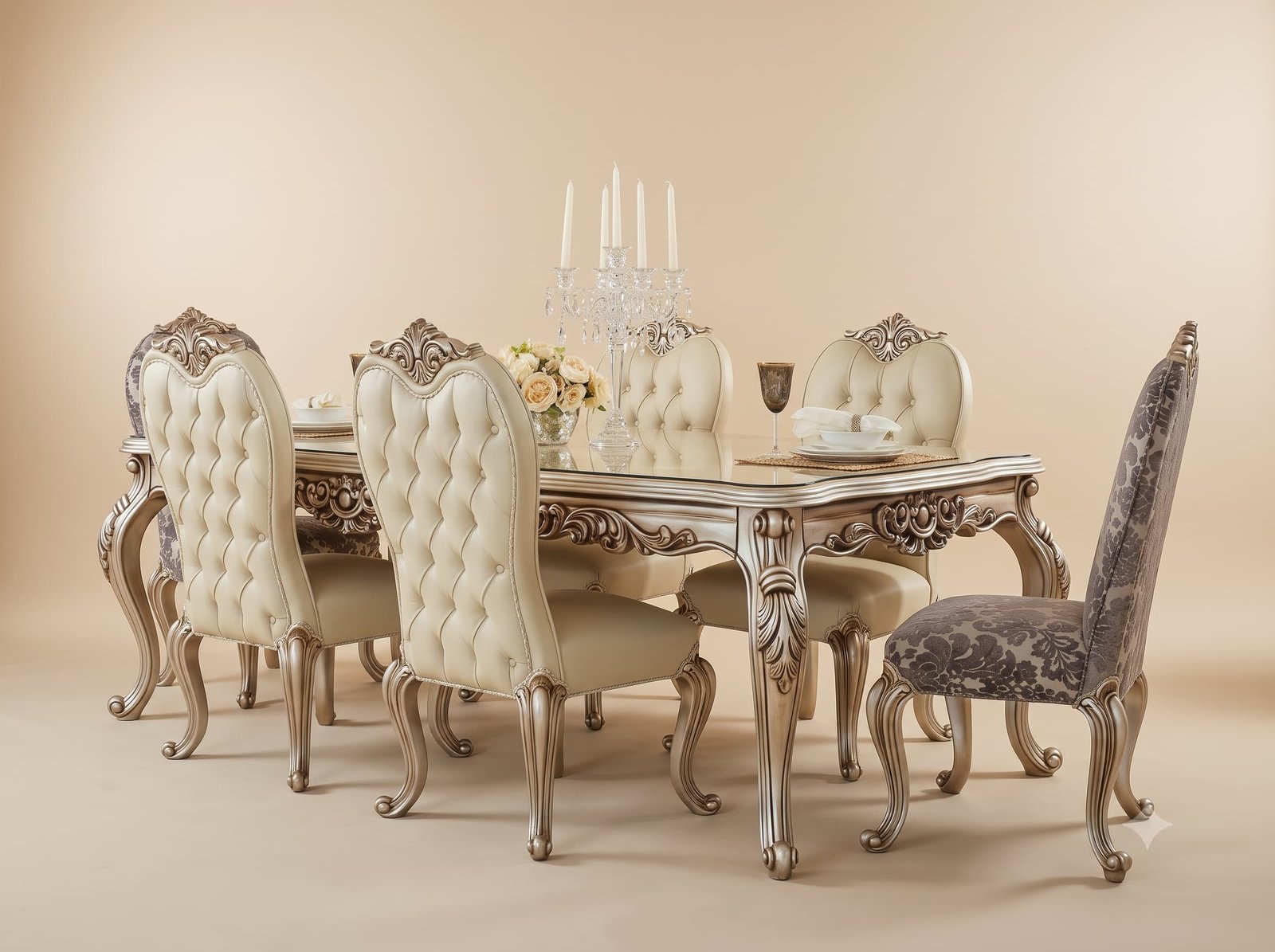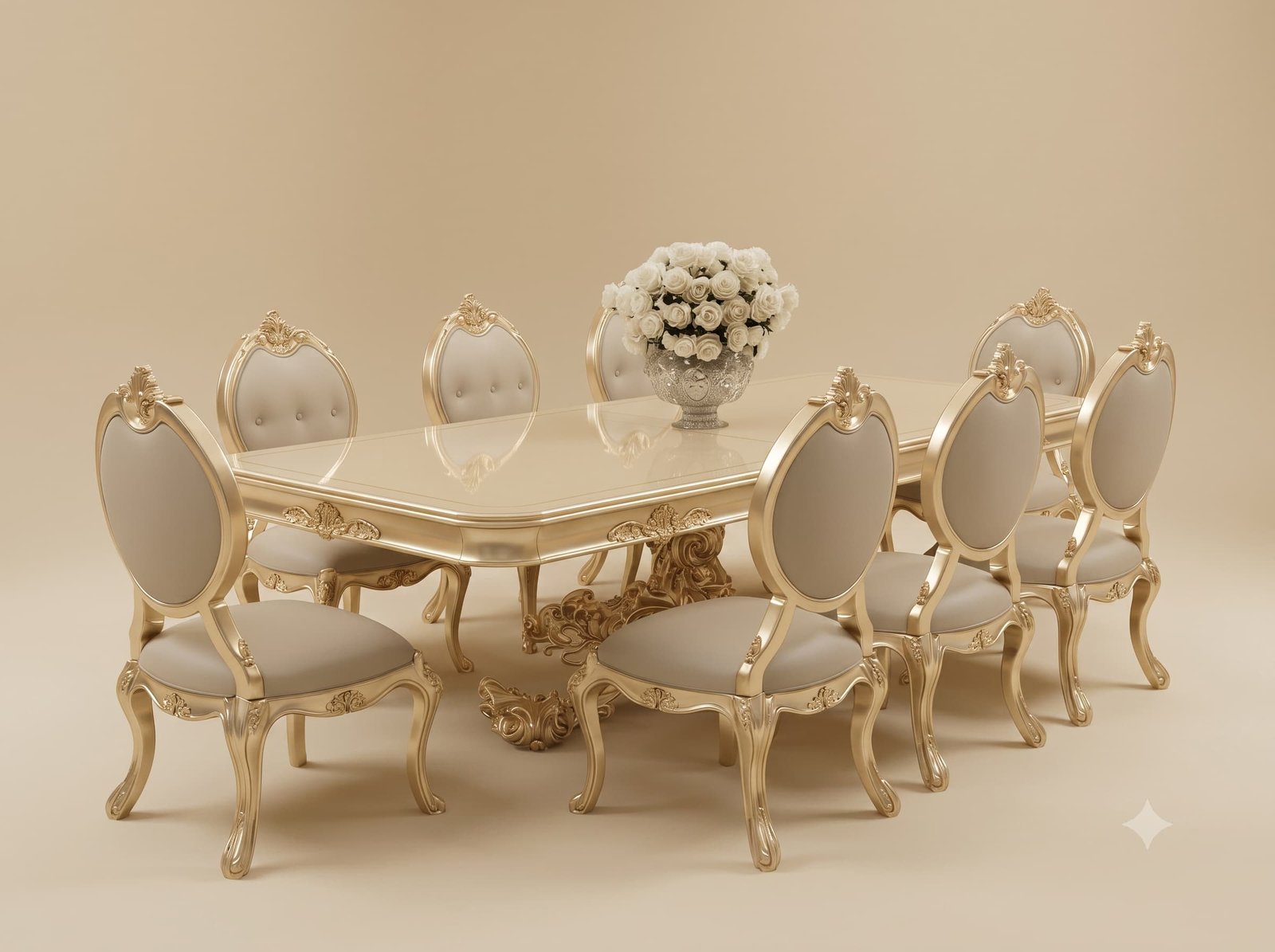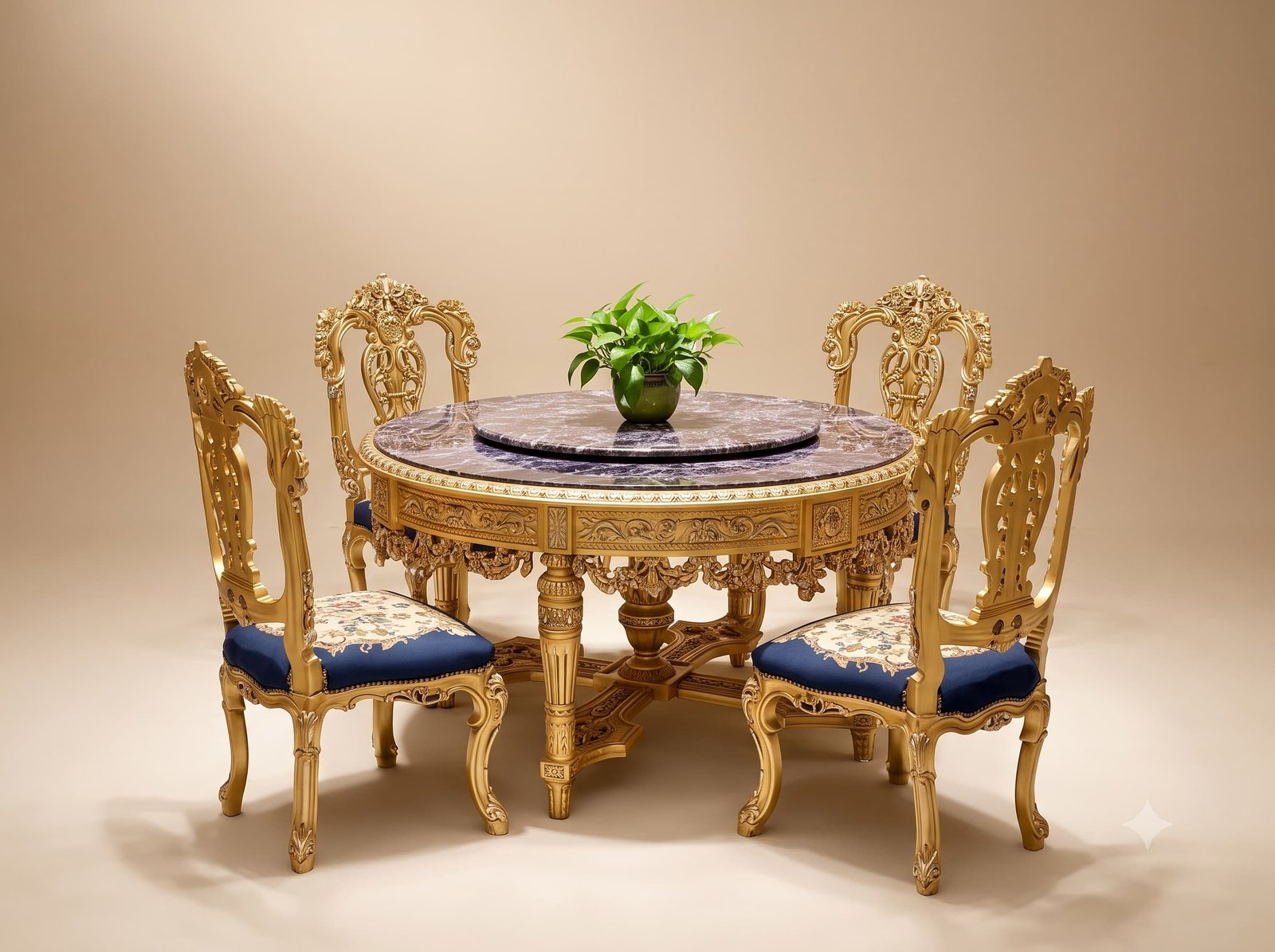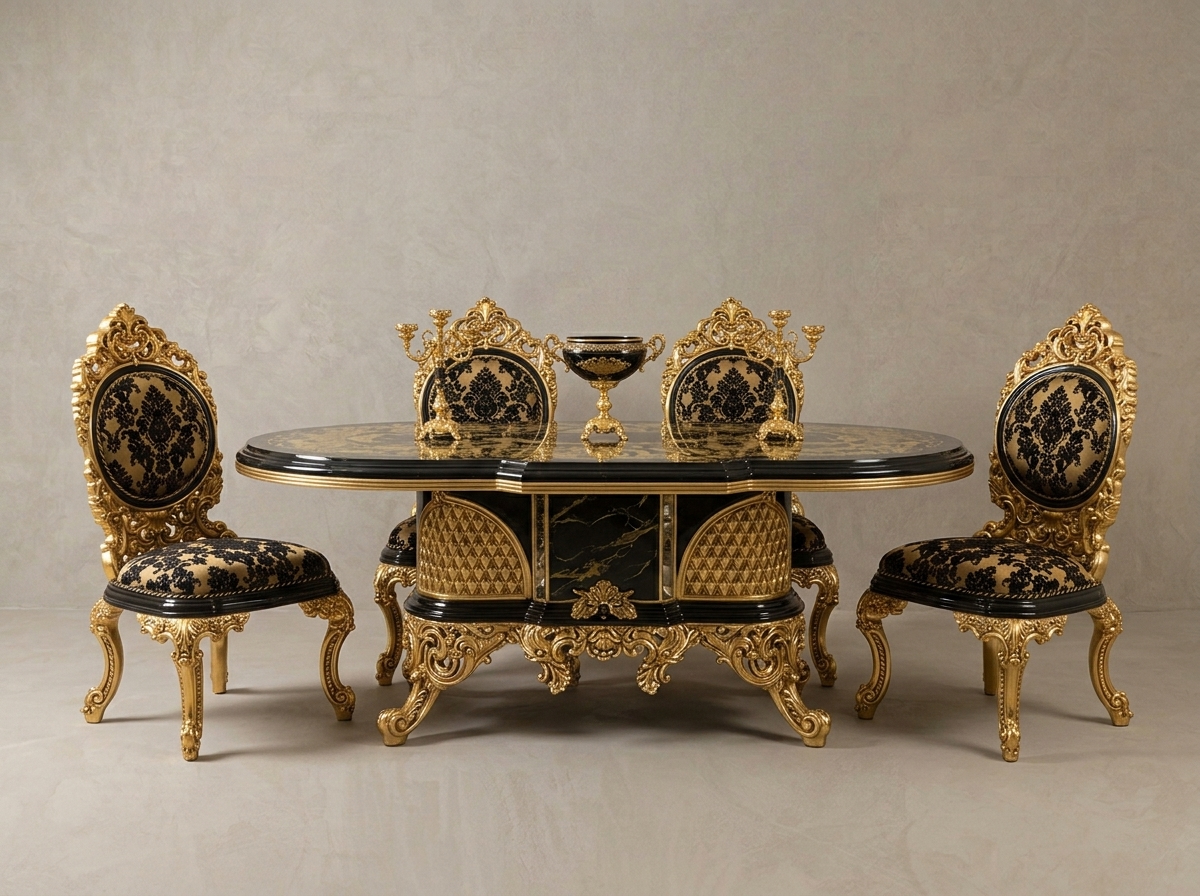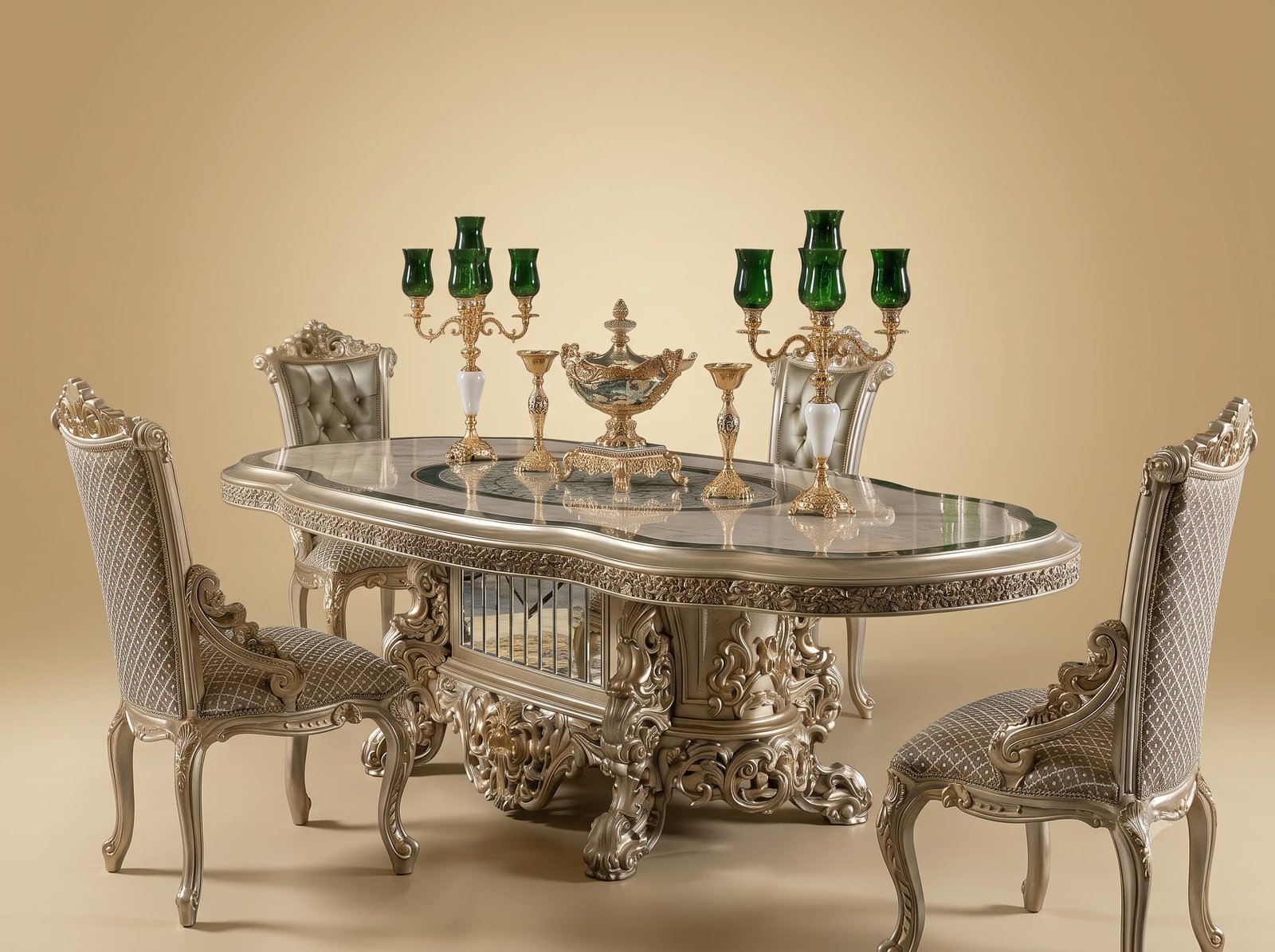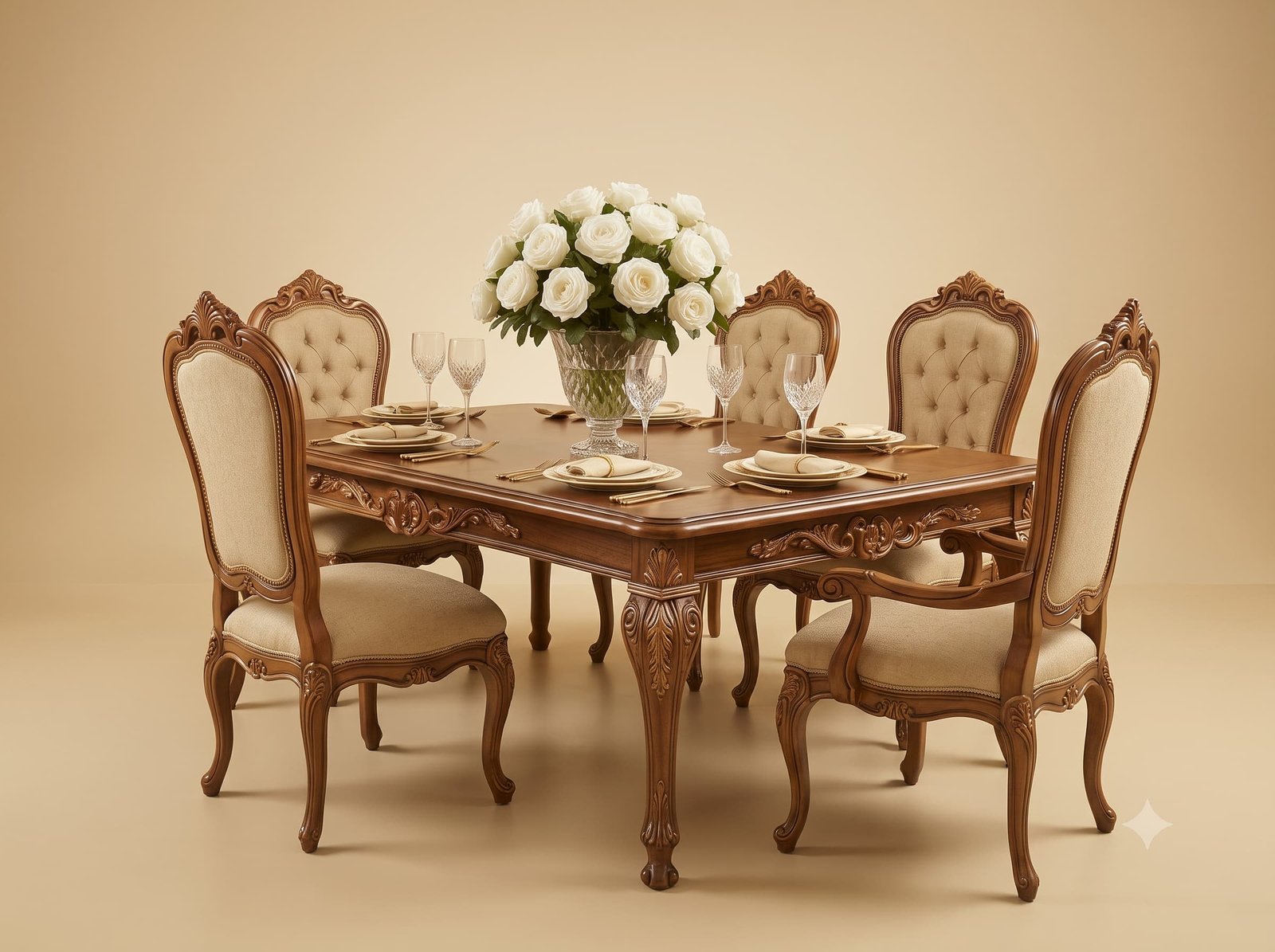
A polished timber surface can be built two ways, and they look completely different in the fifth year.
The quick way is to lay the finish thickly - a few heavy coats that fill the grain and sit on top of the wood as a film. It looks glossy immediately, and it behaves like a skin: when it is scratched, the scratch is white, because you are looking at a break in a layer rather than at the wood.
The slow way is many thin coats, each one cut back with fine abrasive before the next goes on. Most of every coat is removed; what stays is the part that has soaked into the grain. After enough of them, the surface is level and deep, but there is very little film on top - the shine is coming from wood that has been filled and burnished, not from a layer over it.
Our tops take a great many coats built that way, and the last is worked by hand rather than sprayed. It is slower and it uses more material for less apparent thickness.
The return comes later. A scratch in a thin-built finish is a mark in the wood, and it can be polished out or left to blend. A scratch in a thick film is a white line that stays white until the whole surface is stripped. On a table that will be used every day for decades, that is the difference that matters.
 Ask Price On WhatsApp