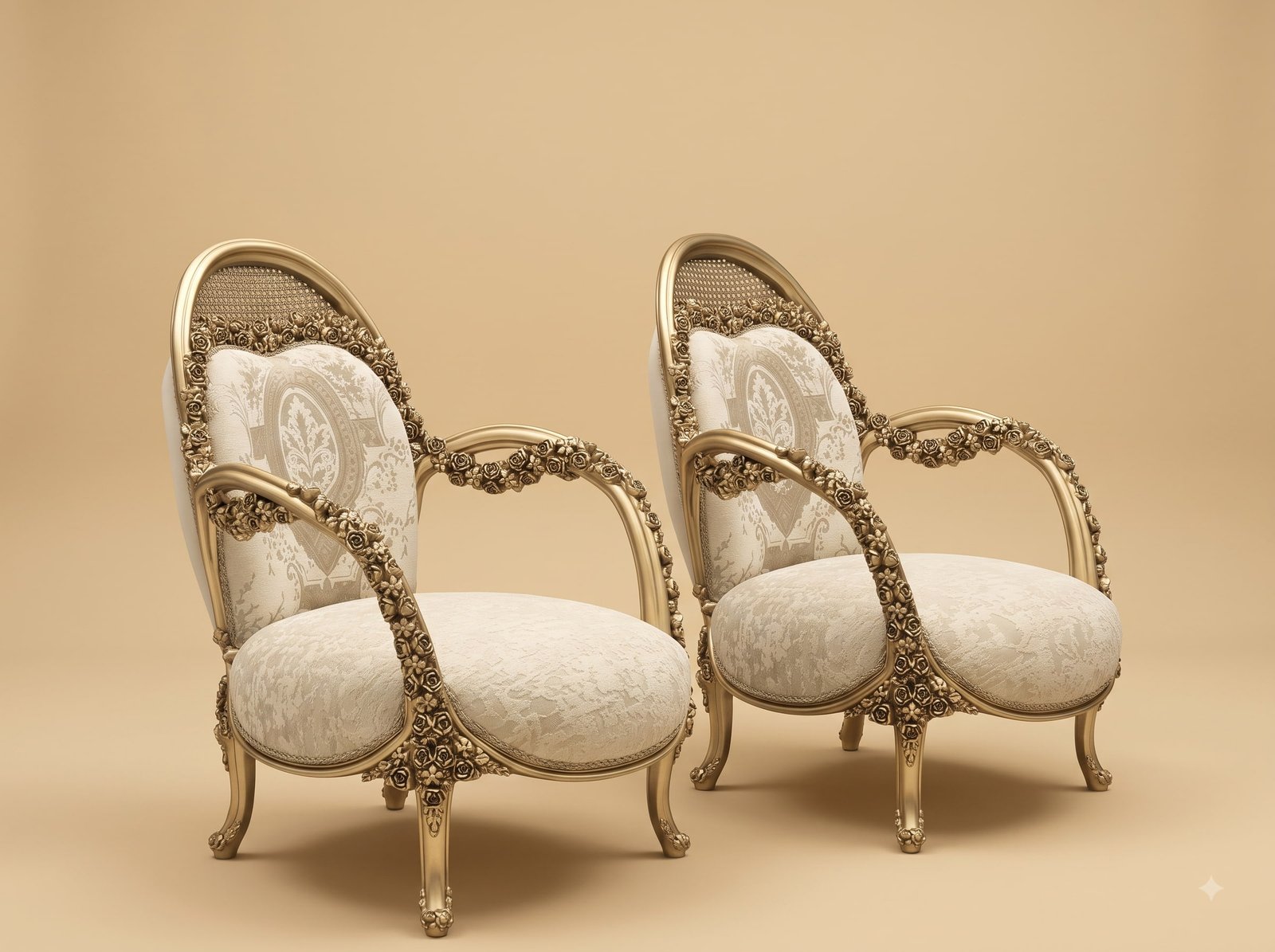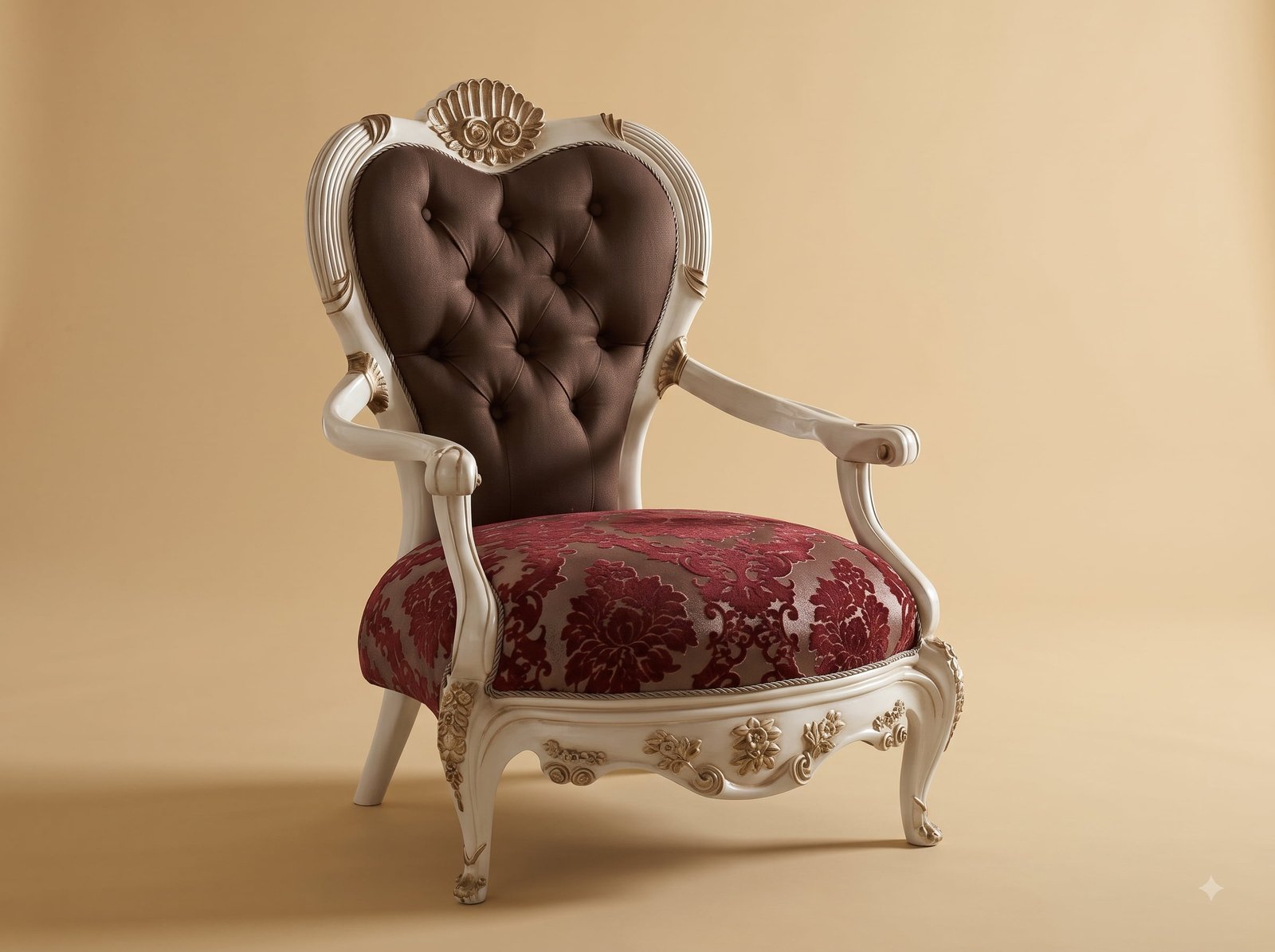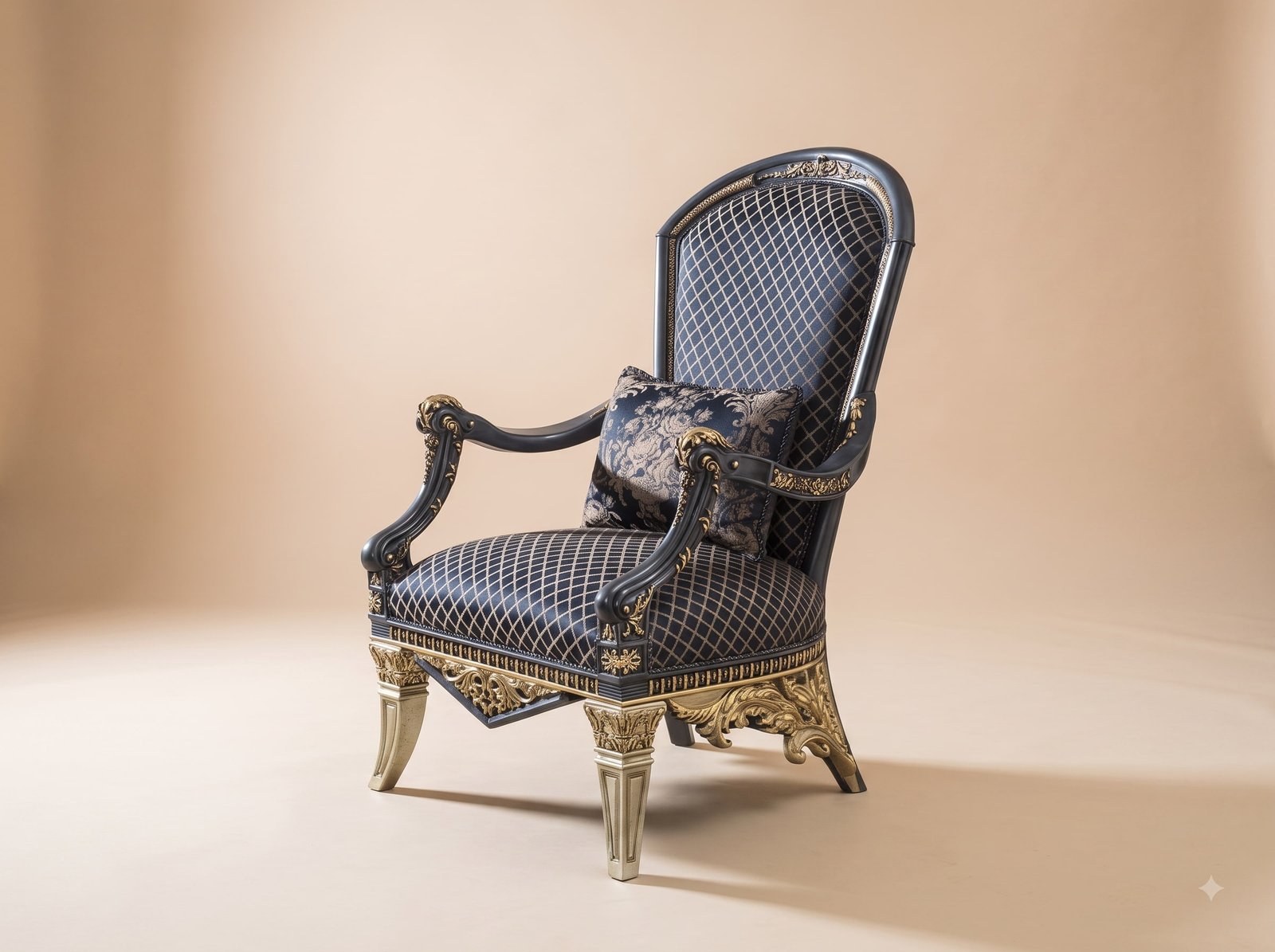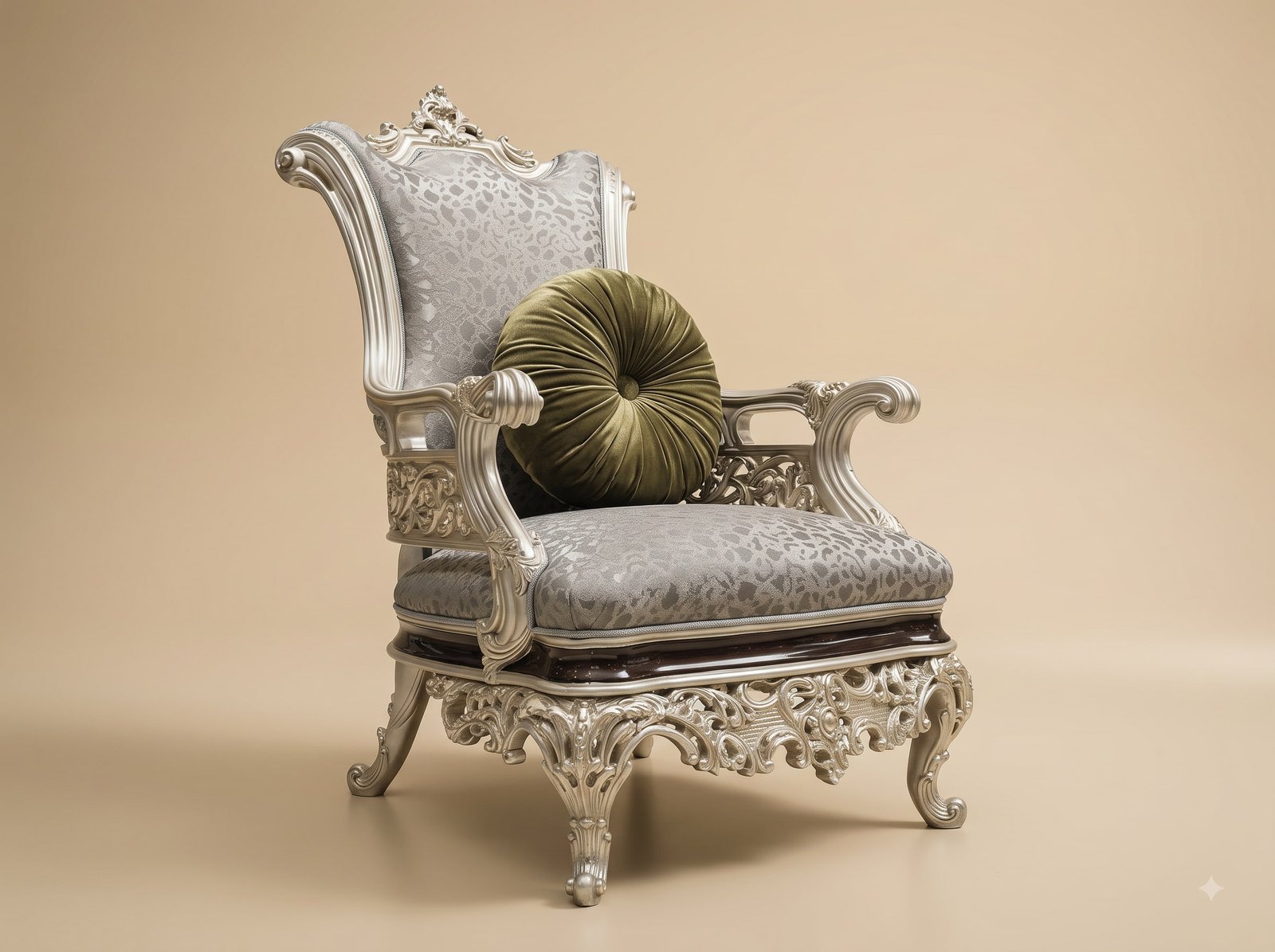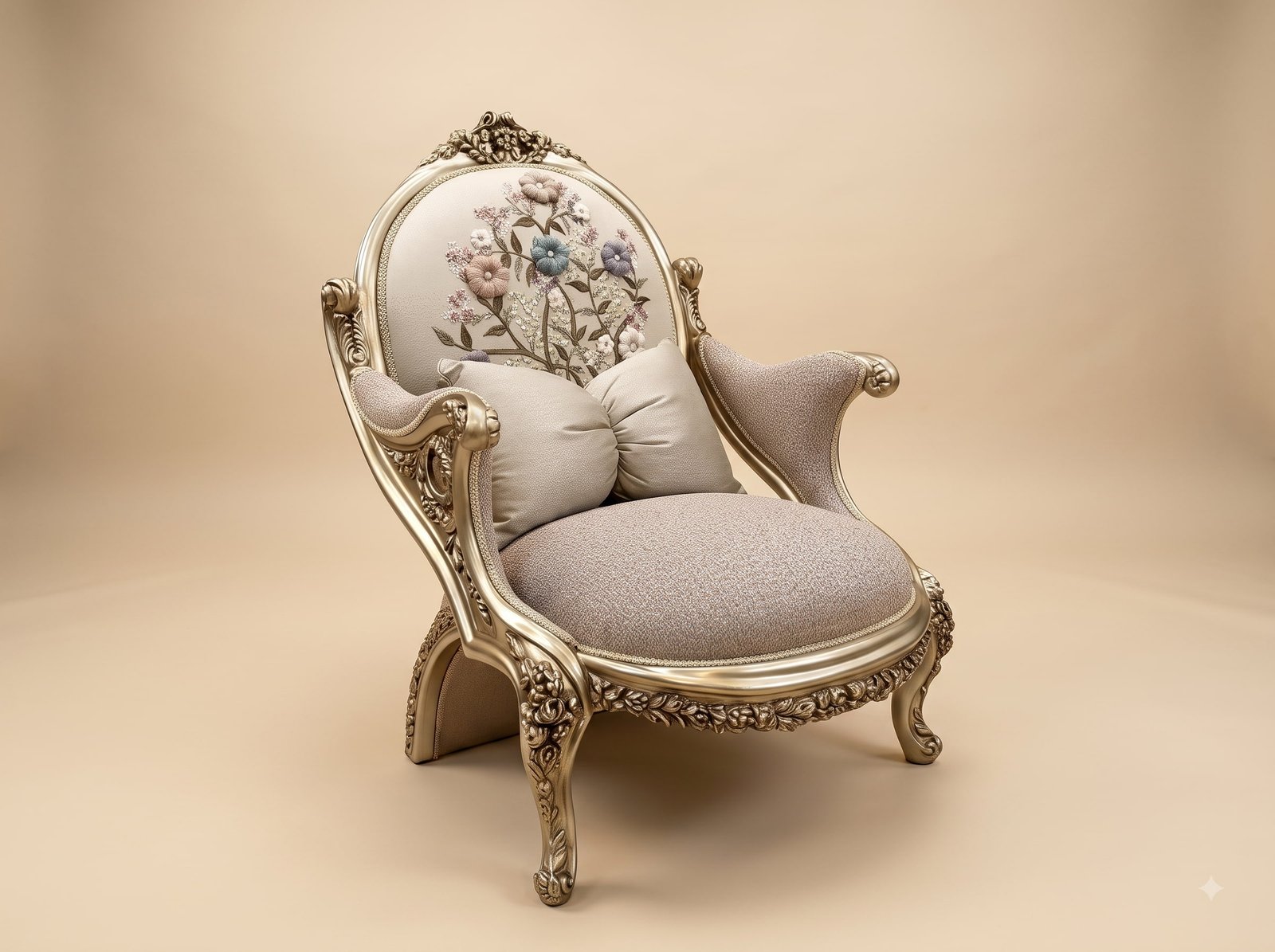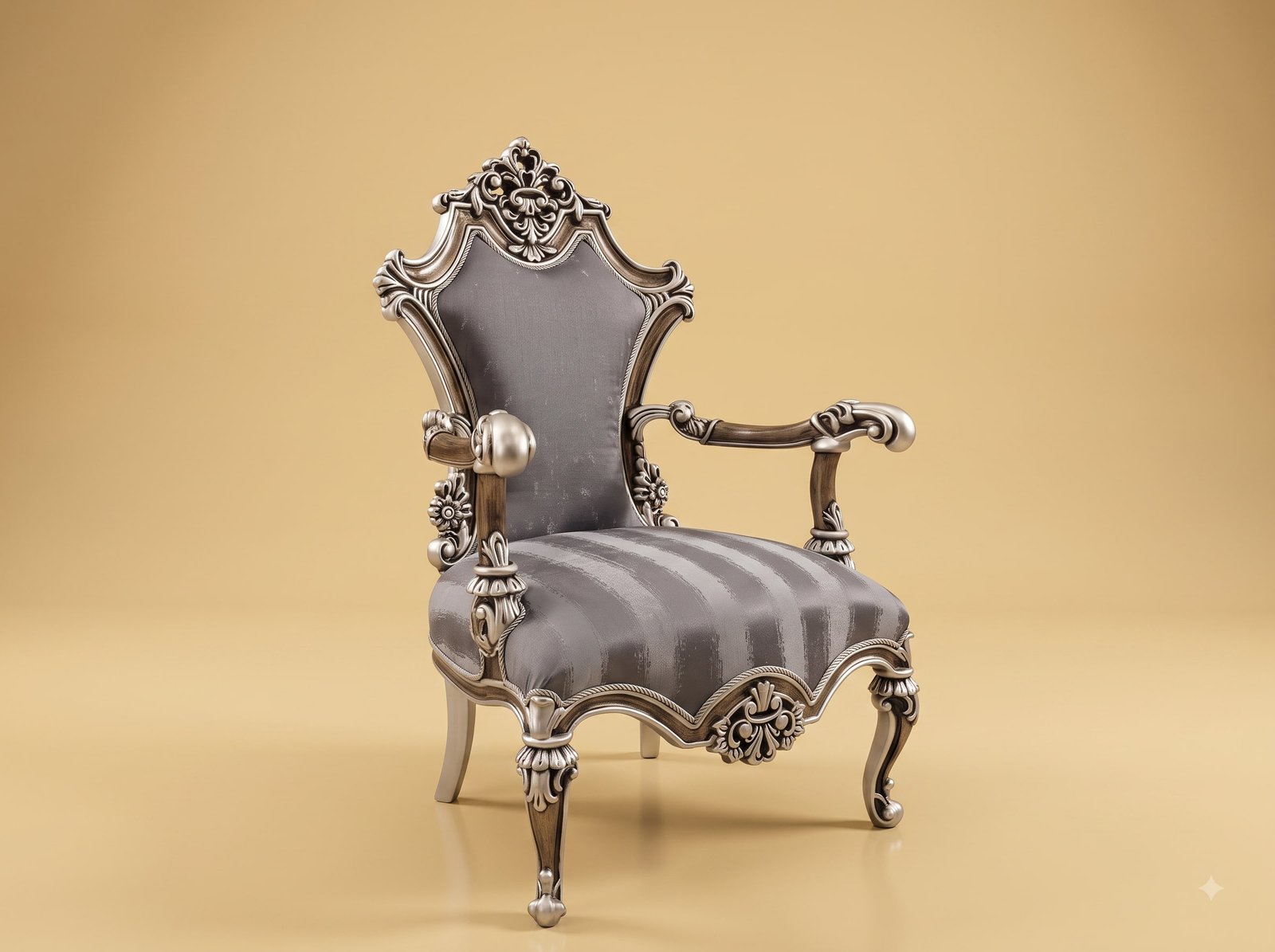
Velvet has a direction, and every upholsterer has to decide what to do about it.
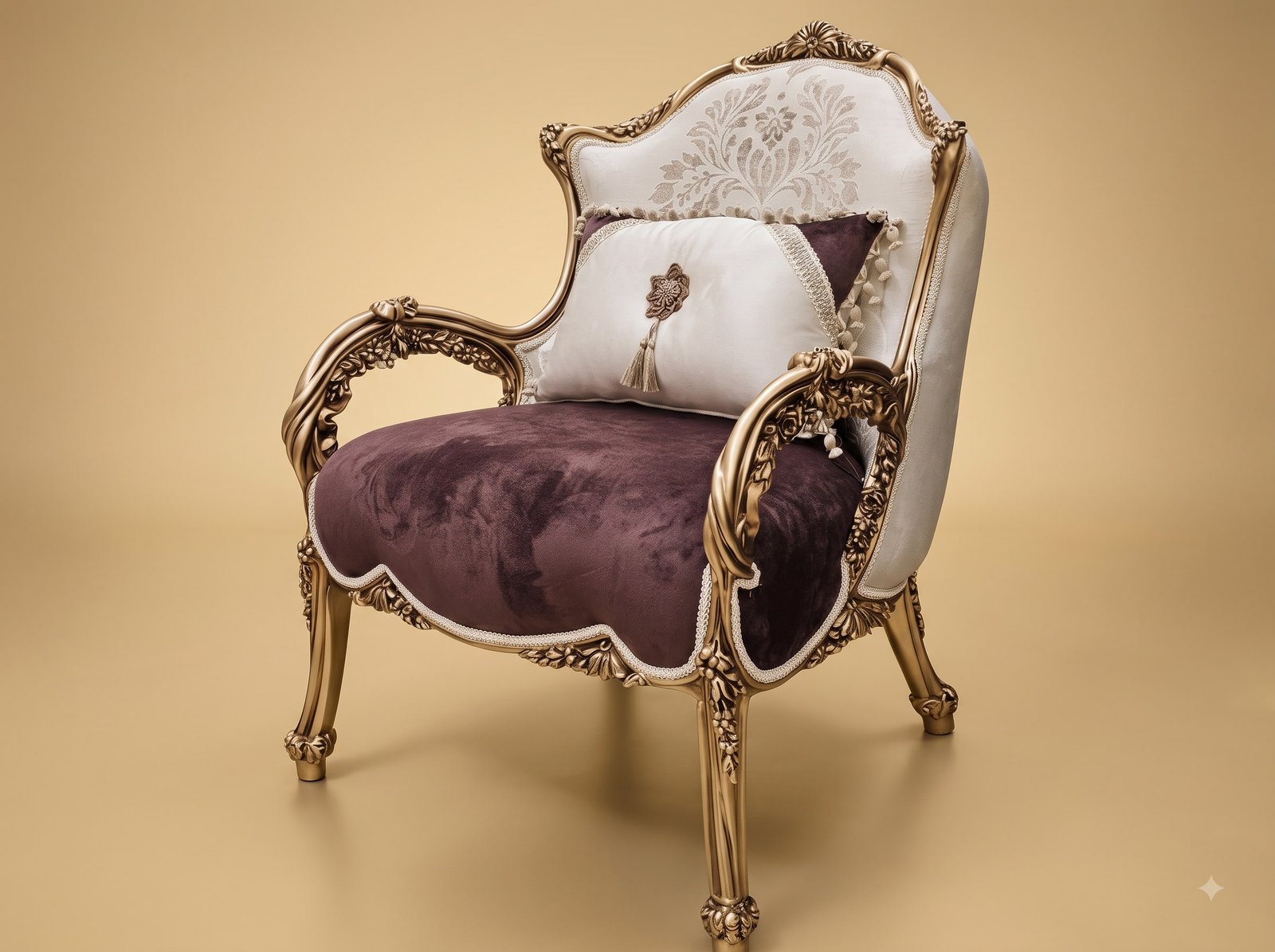
The pile lies one way. Run your hand with it and the surface is smooth and looks lighter; run against it and it feels textured and looks darker and deeper. That is not a defect - it is the whole character of the cloth - but it means the same velvet cut two ways gives two visibly different colours, and a chair covered without thinking about it ends up looking patchy.
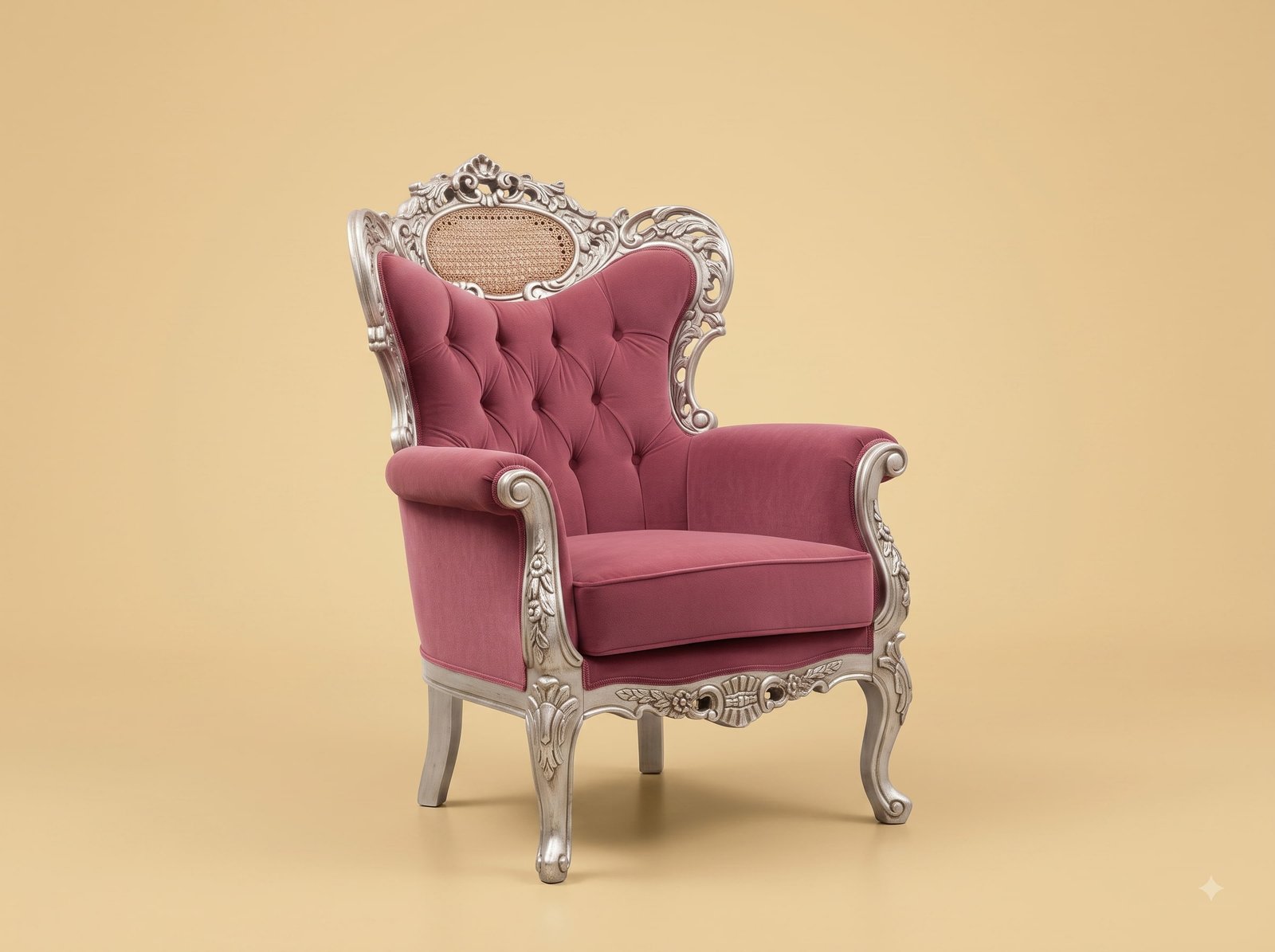
The convention on a chair back is pile running downward. Light falling from above then strikes the pile at its richest angle, so the colour reads deep and even rather than washed out - which is why velvet backs look like the colour you chose in the shop.
On the seat the decision changes. Pile is set running toward the front edge, because that is the direction a person's weight moves it as they sit and stand, and cloth cut to work with that motion stays even instead of developing a permanent brushed patch.
Then everything else on the chair - the arms, the outside back, the cushion - has to be cut to agree with those two decisions, or the eye sees a change of shade where two panels meet.
It is why velvet takes more cloth than a flat weave, and why it is worth asking whether it was cut properly.
 Ask Price On WhatsApp