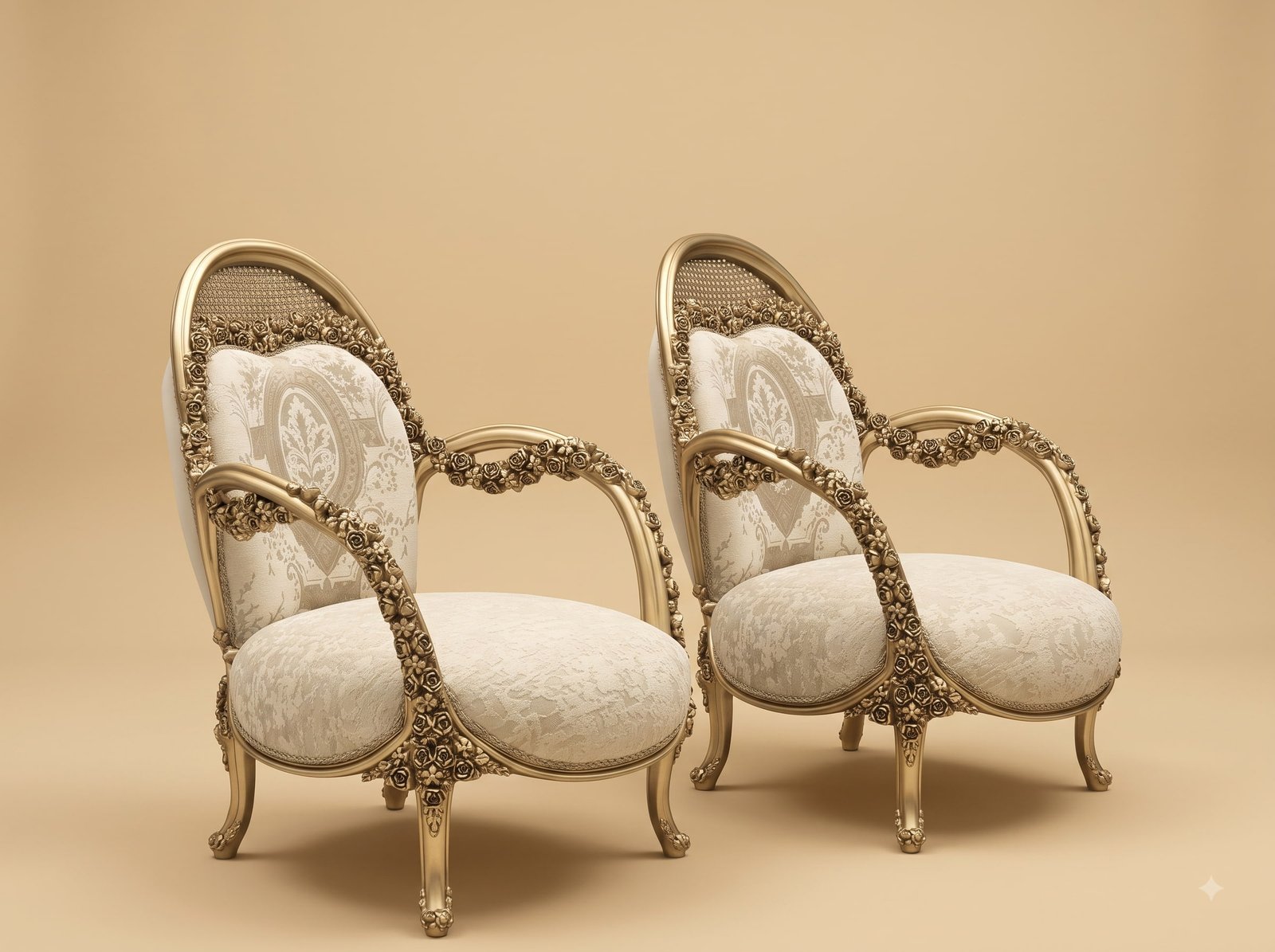
Caning is one of the few crafts in furniture that has never been improved on by machine, and the reason is that a real cane panel is woven into the chair rather than made separately and fitted.
A row of small holes is drilled around the inside of the frame. The caner then works strand by strand through those holes - first one direction, then the other, then diagonally both ways - building six layers that lock each other in place. Nothing is glued. The panel holds because of the way it is interlaced and because every strand is tensioned against its neighbours.
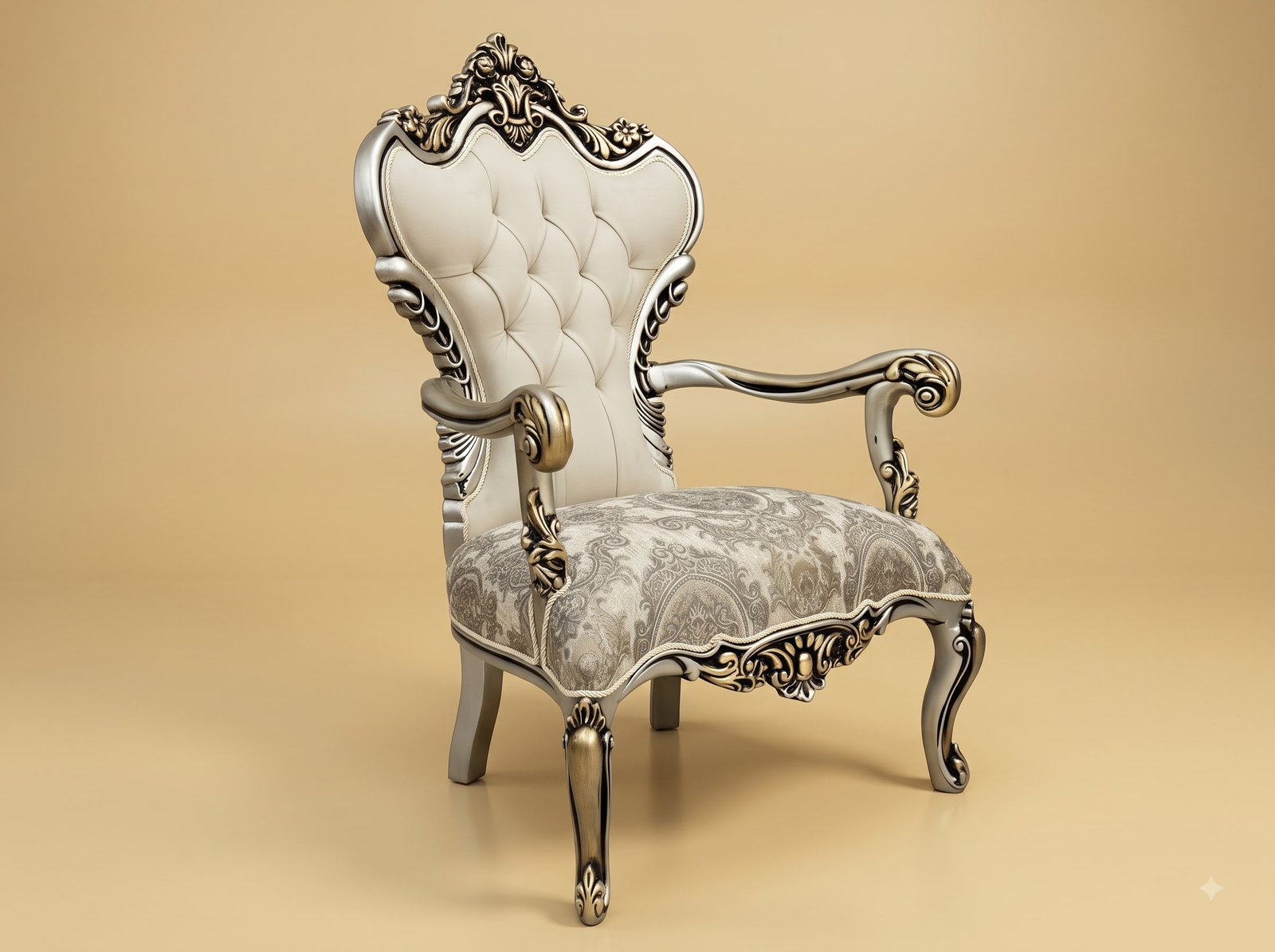
That is what allows cane to follow a curve. This back is a balloon shape, wider at the shoulders and drawn in below, and a pre-woven sheet pressed into a groove would ripple or pull flat across it. A hand-woven panel simply takes the shape it is worked into.
Tension is judged by feel. Too slack and the panel sags the first time someone leans on it; too tight and it will not accommodate the movement of a chair in use. A caner learns this by hand over years - there is no gauge for it.
Finished properly, the surface is springy rather than rigid, which is exactly what you want against your back, and it can be rewoven decades later without the frame being disturbed.
 Ask Price On WhatsApp