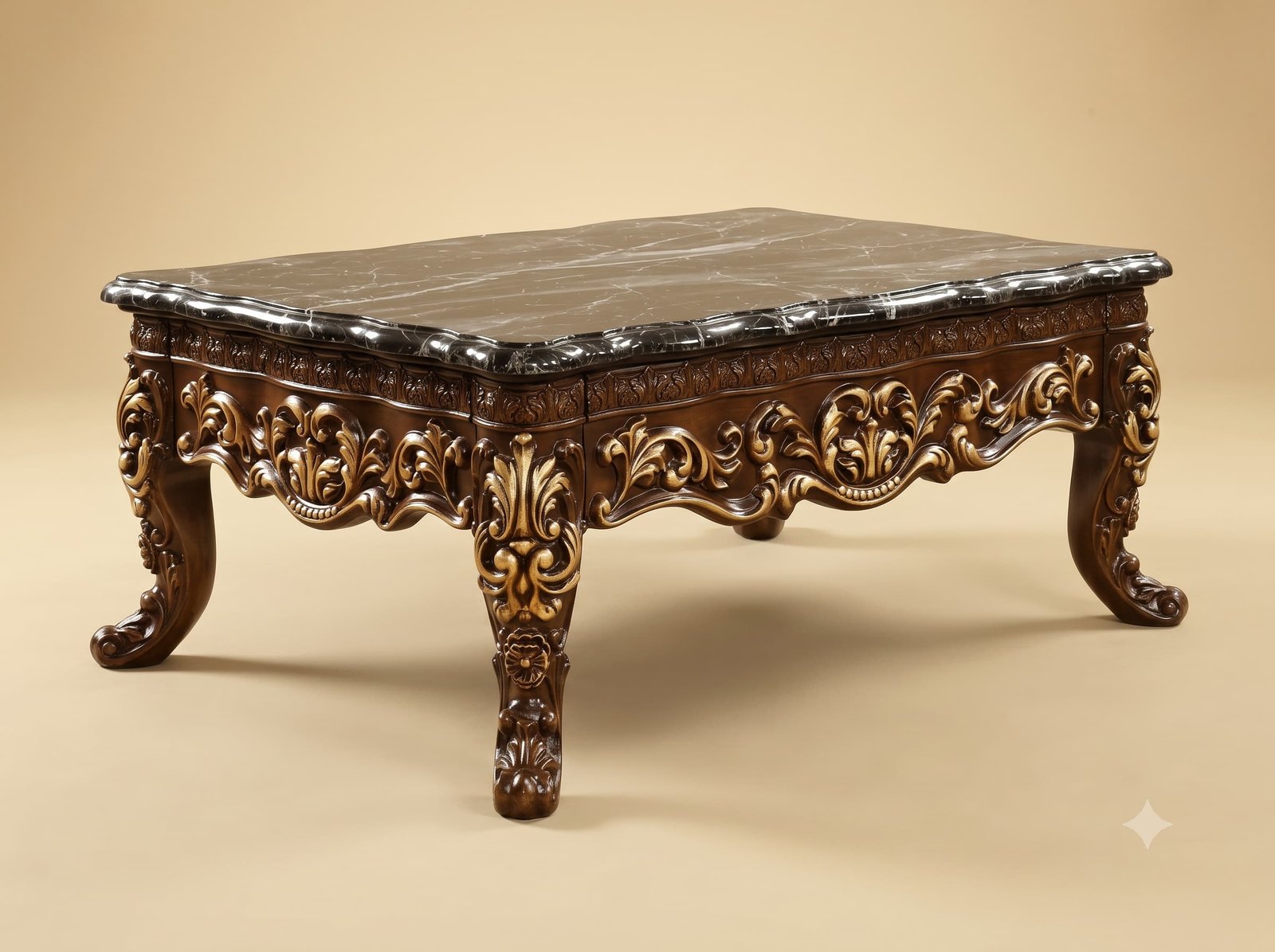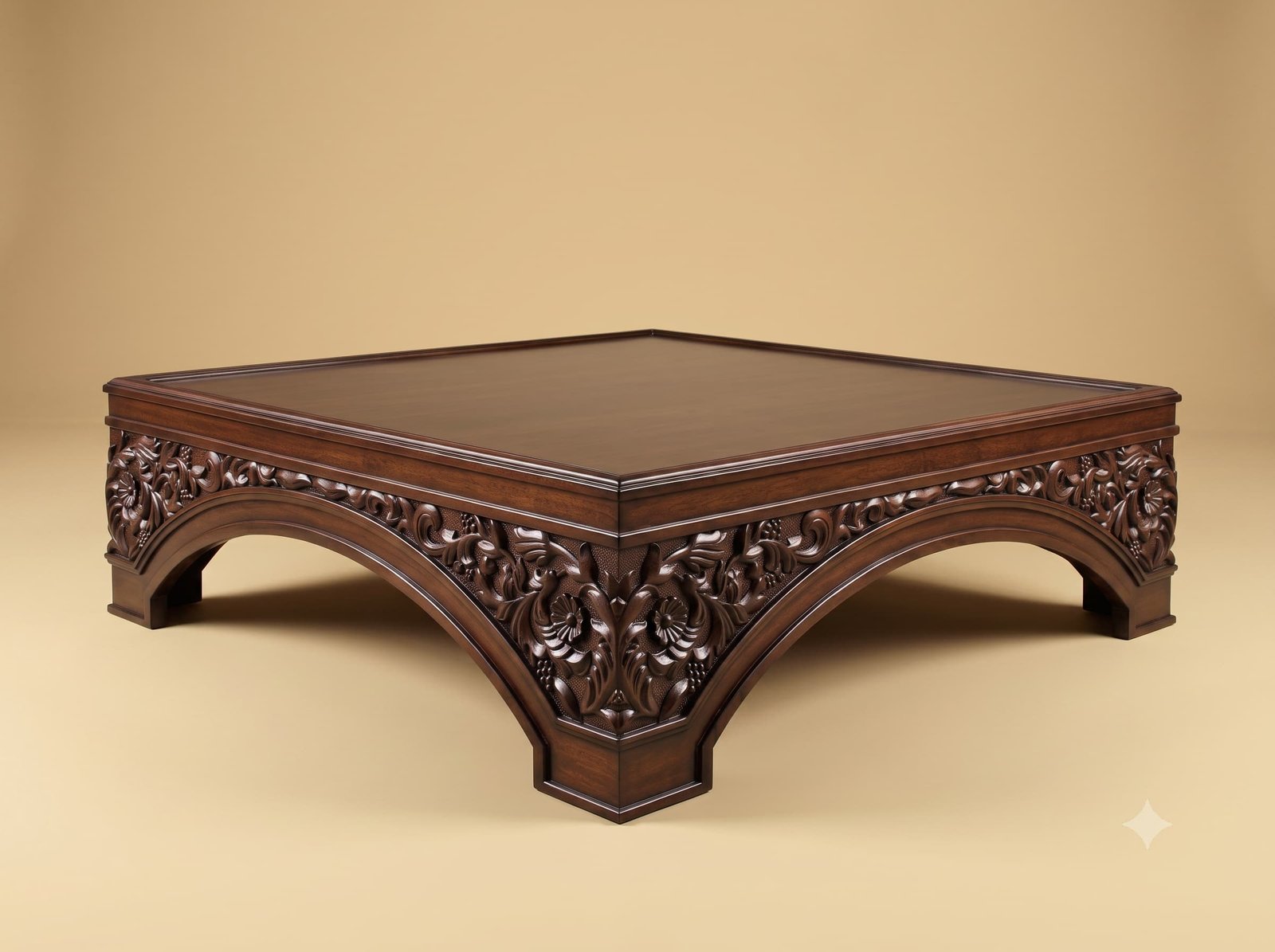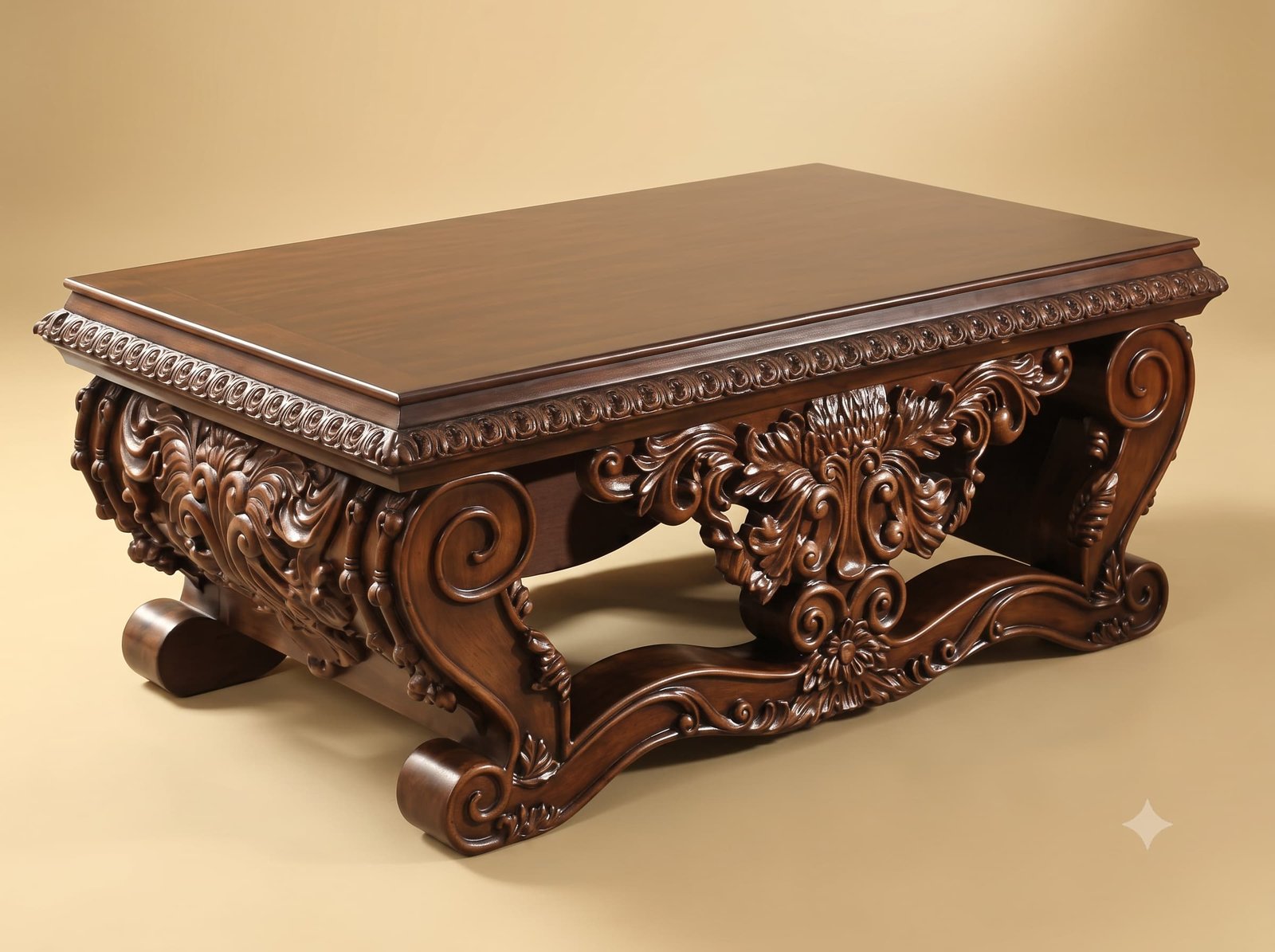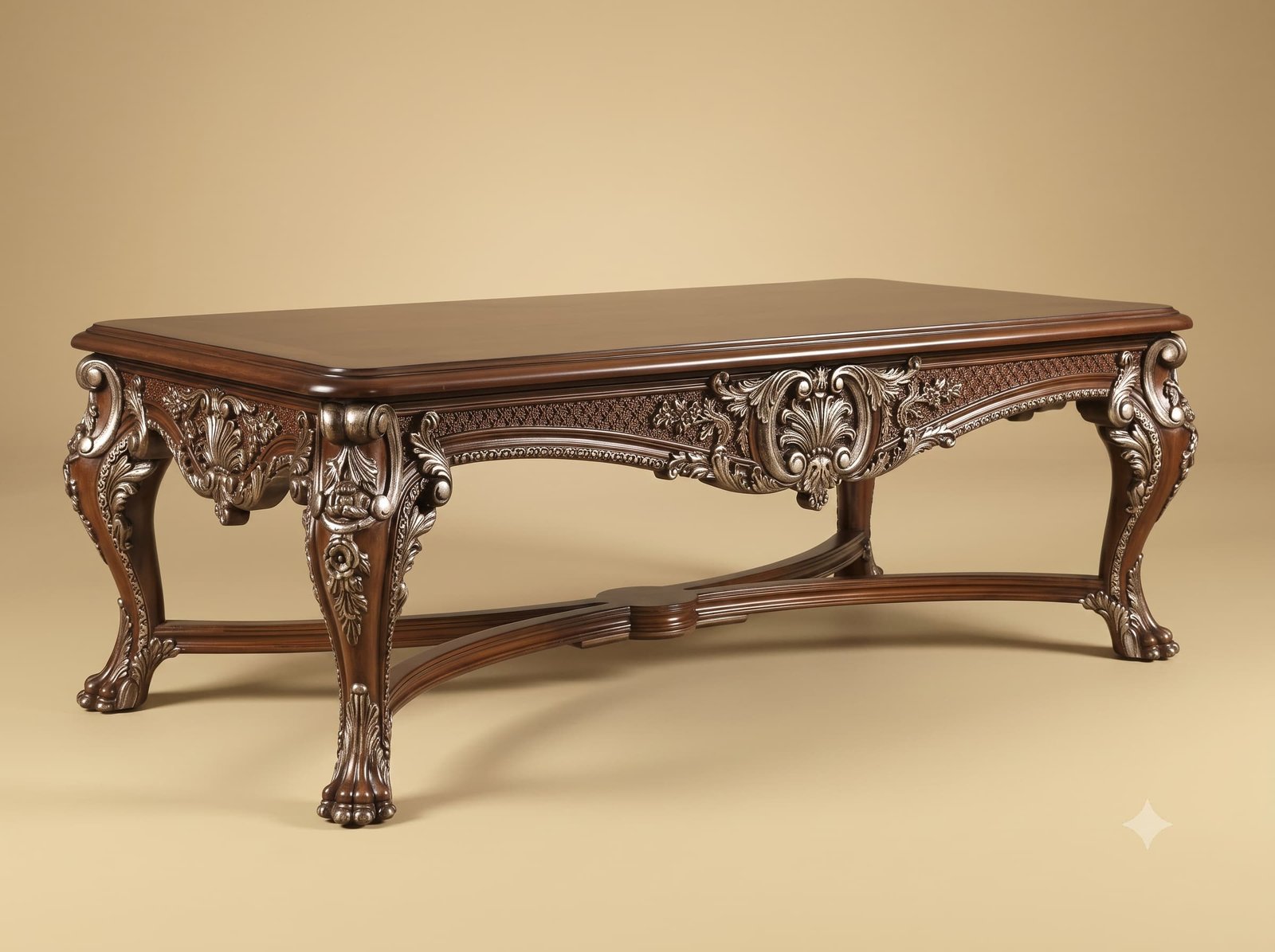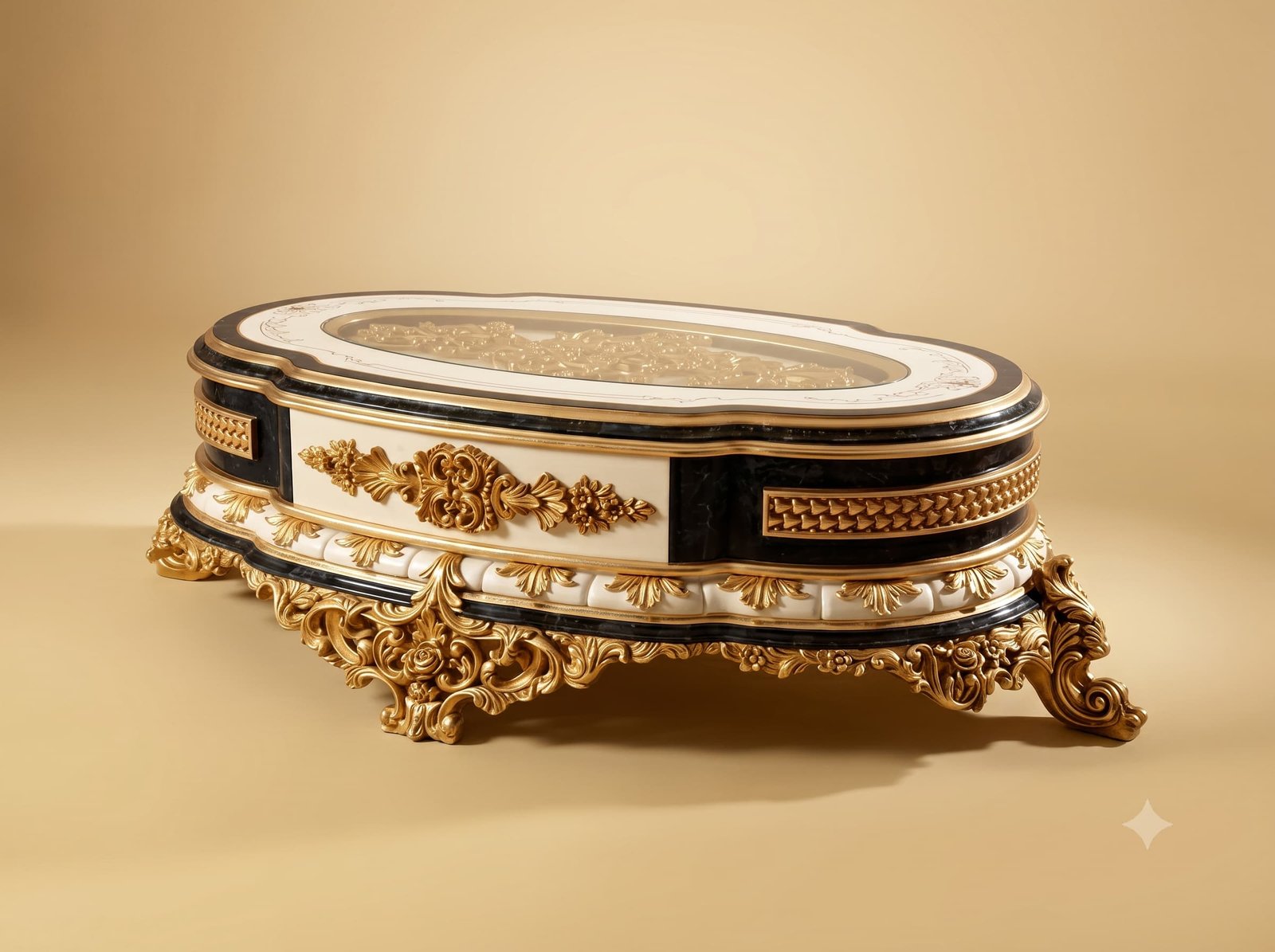
Black is the finish that hides nothing. Every other colour forgives a little; black forgives none of it, and the reason is the grain.
Teak, like all timber, has pores - fine open channels running along the grain. Under a mid-brown polish they read as part of the wood and nobody looks twice. Put black over them and each pore fills with a slightly different depth of colour, so the surface comes up with a fine grey speckle running through it. In a photograph it looks like dust. In a room it looks like the finish has failed.
So a black finish starts long before any black goes on. The surface is filled - a paste worked hard across the grain, forced into every pore, then cut back flush so nothing is left on the surface. That is done and repeated until a wet rag over the wood shows no texture at all.
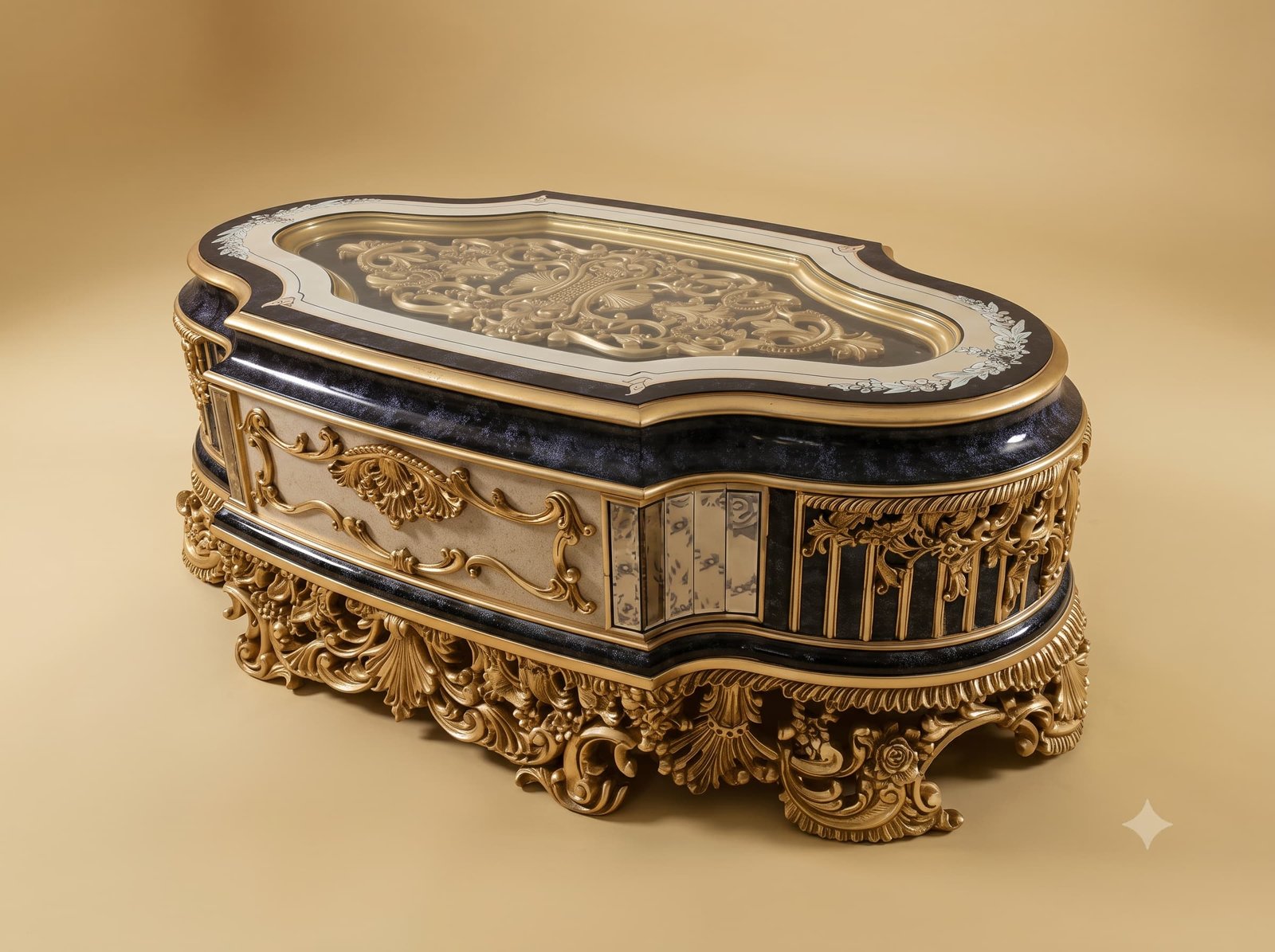
Only then does the colour go on, and only then does it read as one solid depth rather than a wood grain seen through paint.
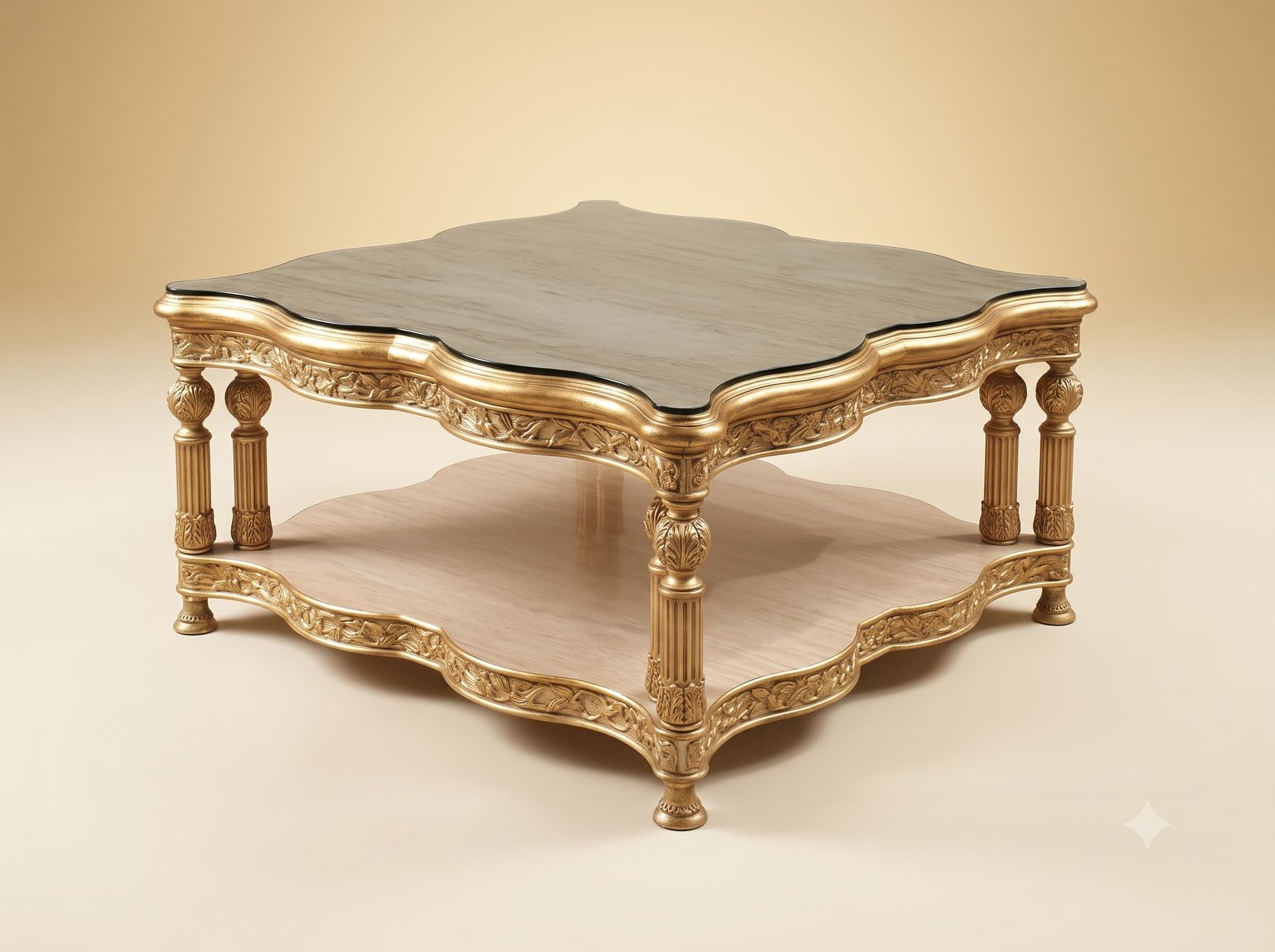
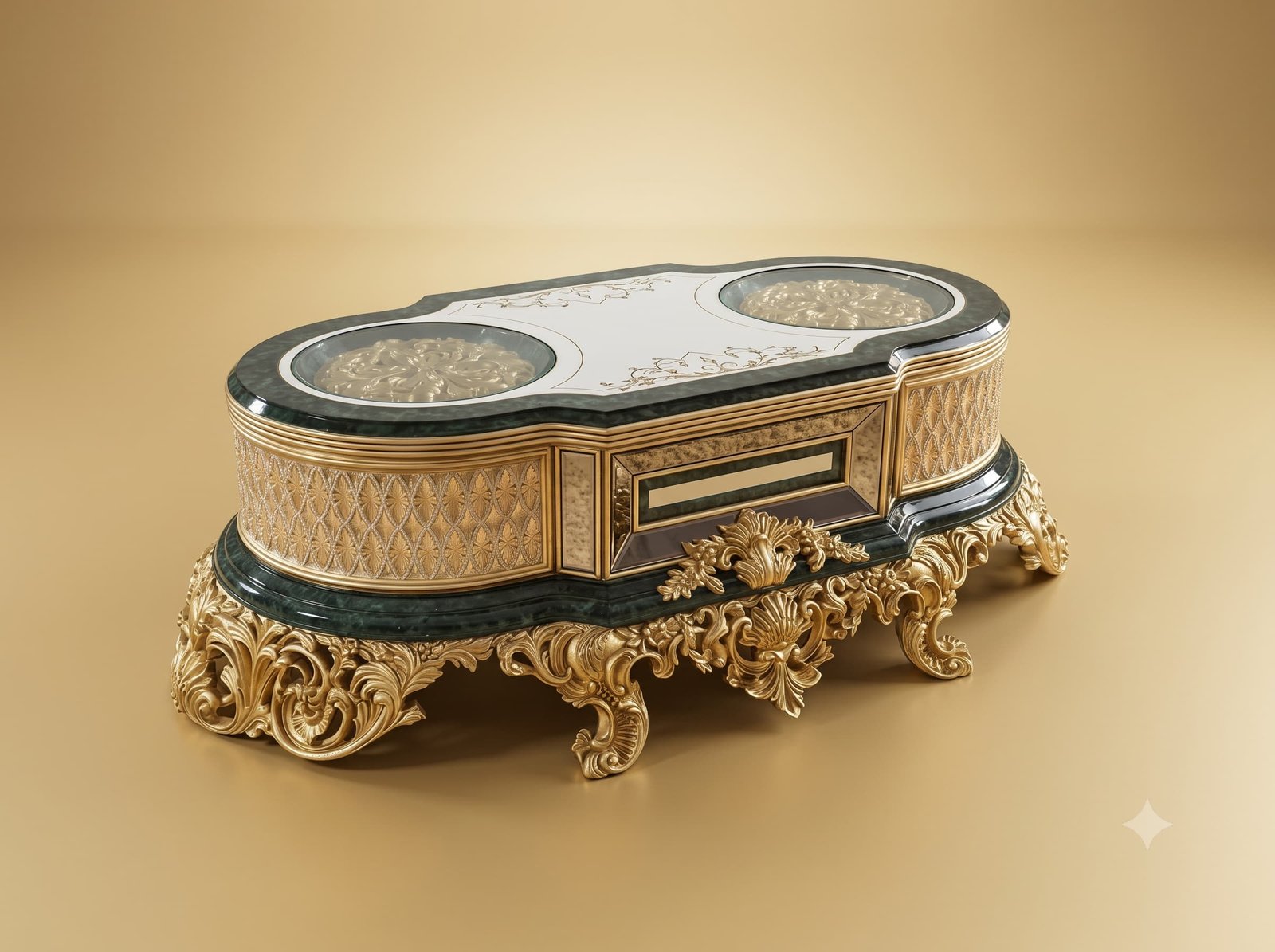
The gilding that follows depends on it entirely - gold laid on a speckled black ground borrows the speckle. On a properly filled ground it looks like metal on lacquer.
 Ask Price On WhatsApp