Mirror in furniture fails in one of two ways, and both of them happen behind the glass rather than in front of it.
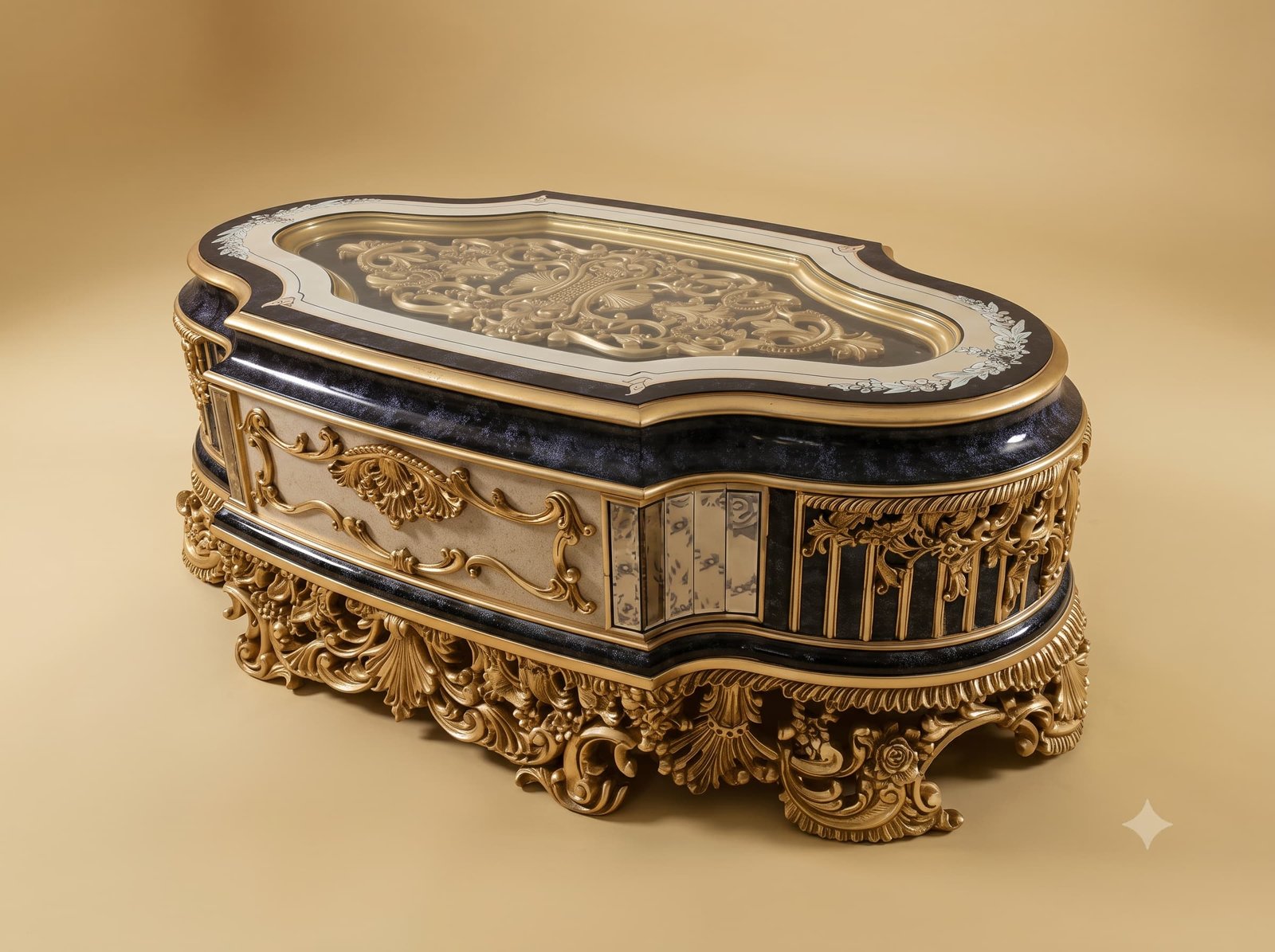
The first is pressure. Mirror is glass, and glass does not compress - fix a panel tightly into a timber frame and the frame will swell in the monsoon with nowhere to go. The panel takes the load and cracks, usually from a corner. So each mirror here is captured, not fixed: it sits in a rebate cut larger than the panel, held by a beading that keeps it in place while leaving it free to sit rather than be gripped.
The second is chemical, and it is the one people do not expect. The silvering on the back of a mirror is a thin metallic layer with a protective coat over it, and that coat is vulnerable to the solvents in ordinary furniture finishes. Fit a mirror into a frame that has not fully cured, or let finish creep round the edge onto the back, and the silvering lifts in a dark bloom that spreads inward from the edges over months.
So mirrors go in last, after everything else has cured hard, and the back of each panel is sealed and backed before it ever meets the timber.
 Ask Price On WhatsApp