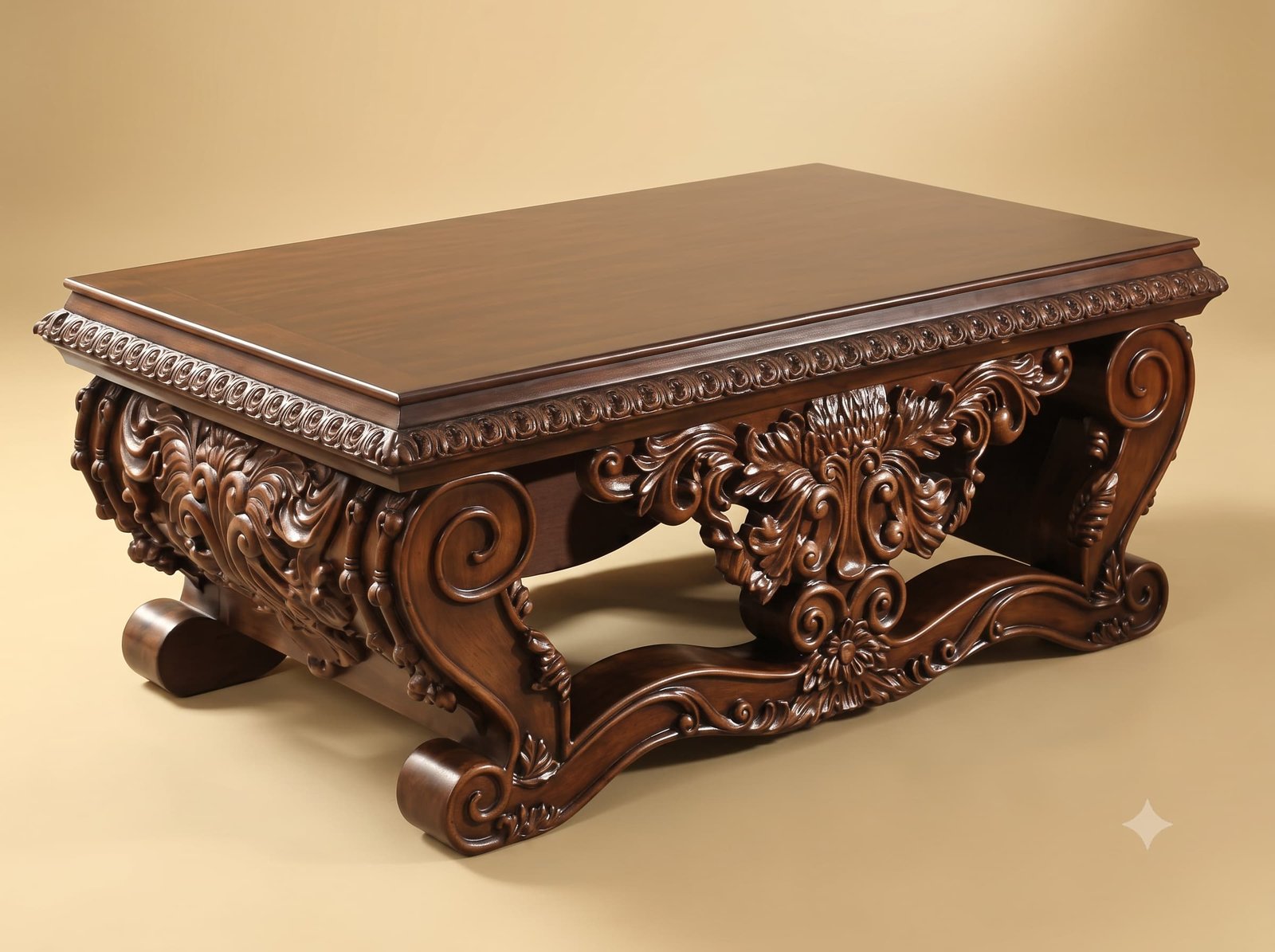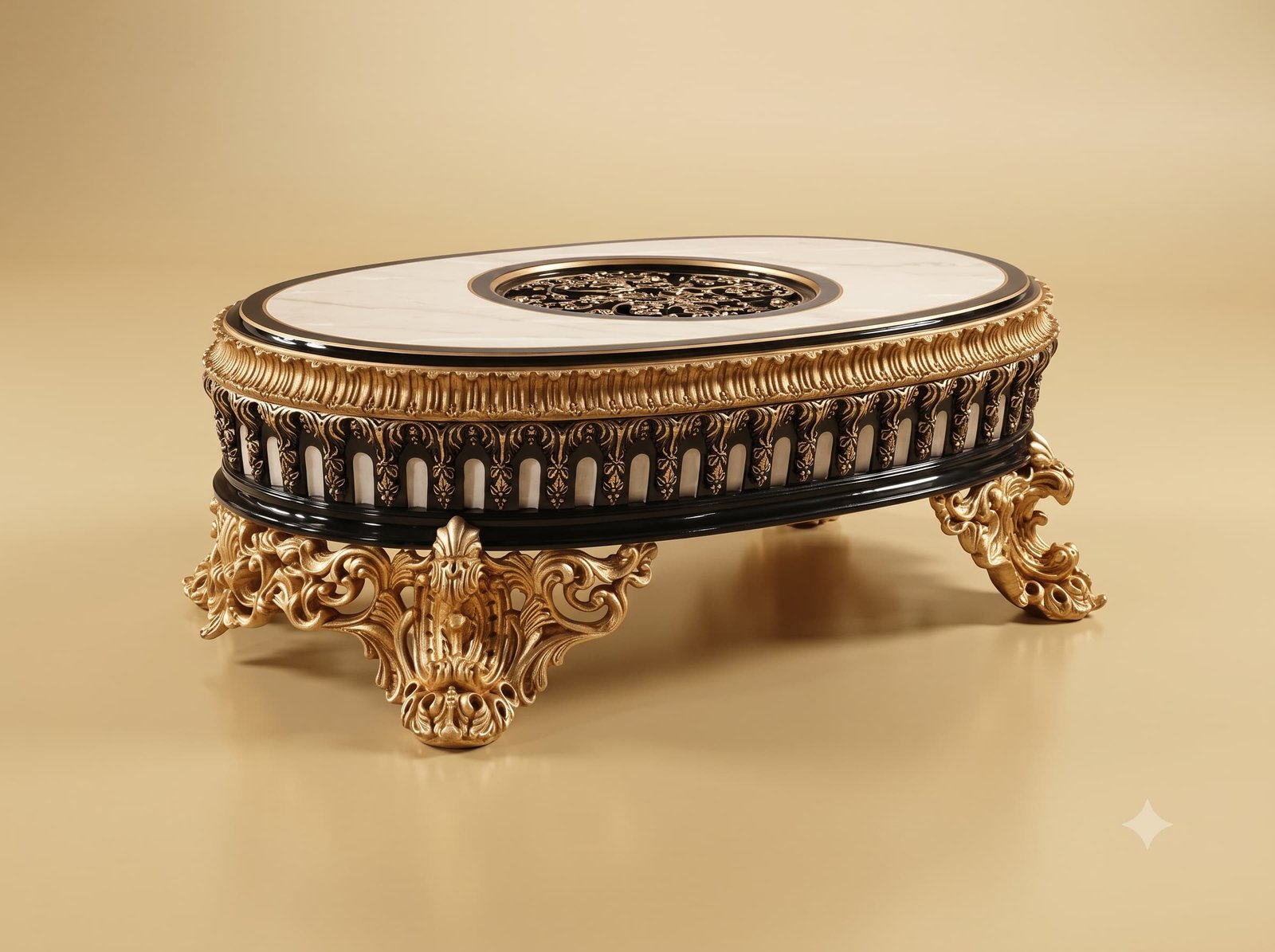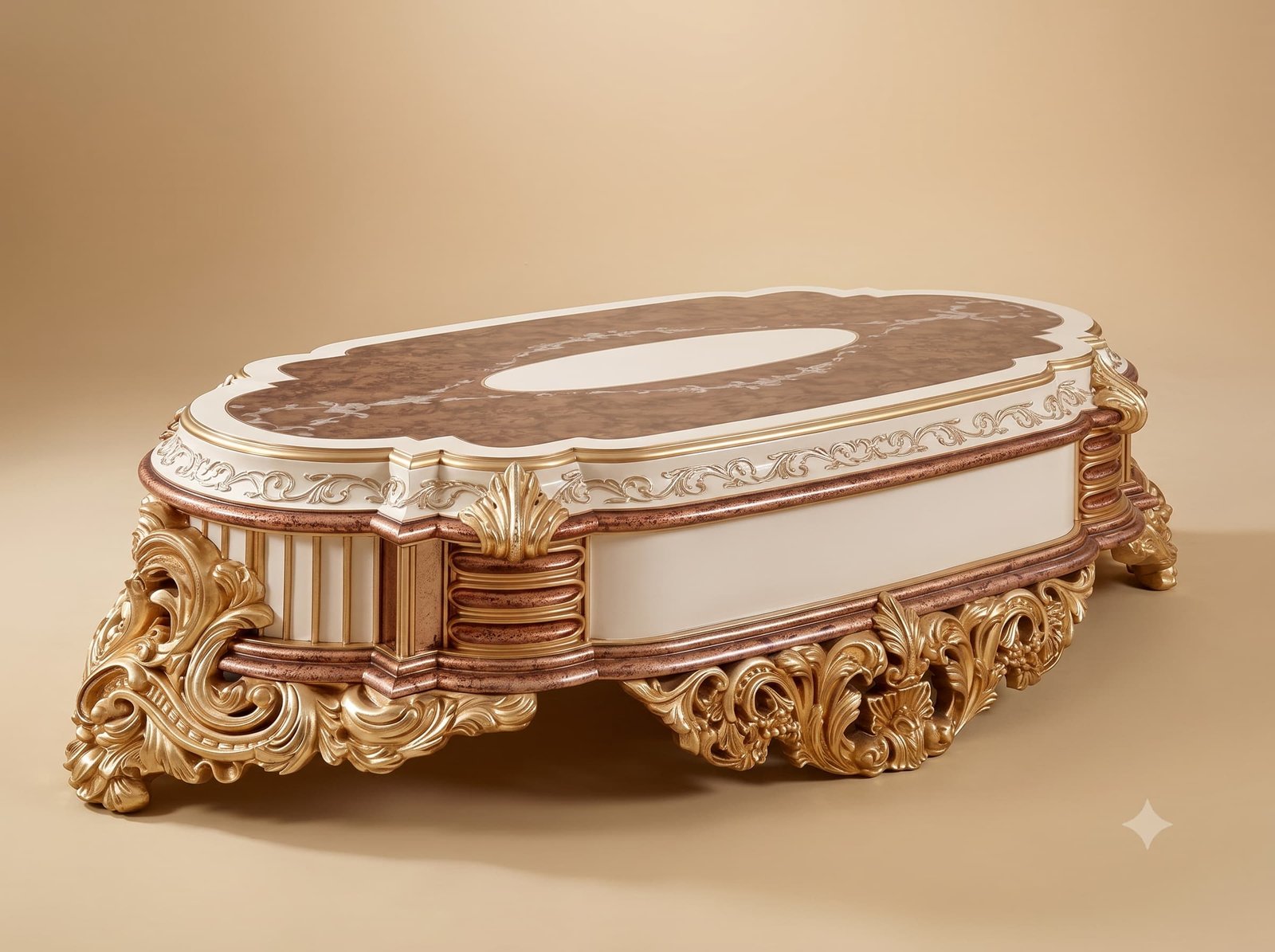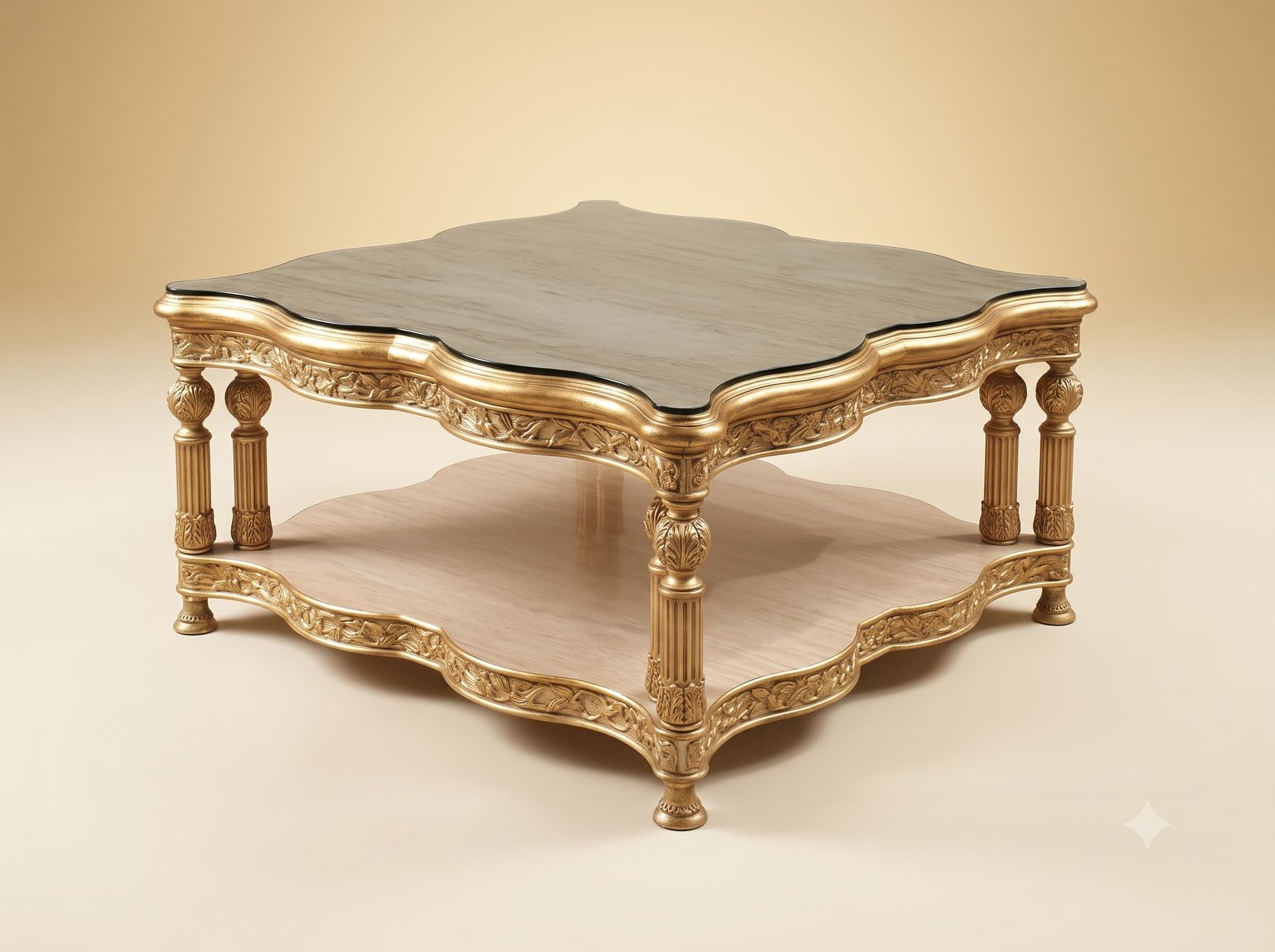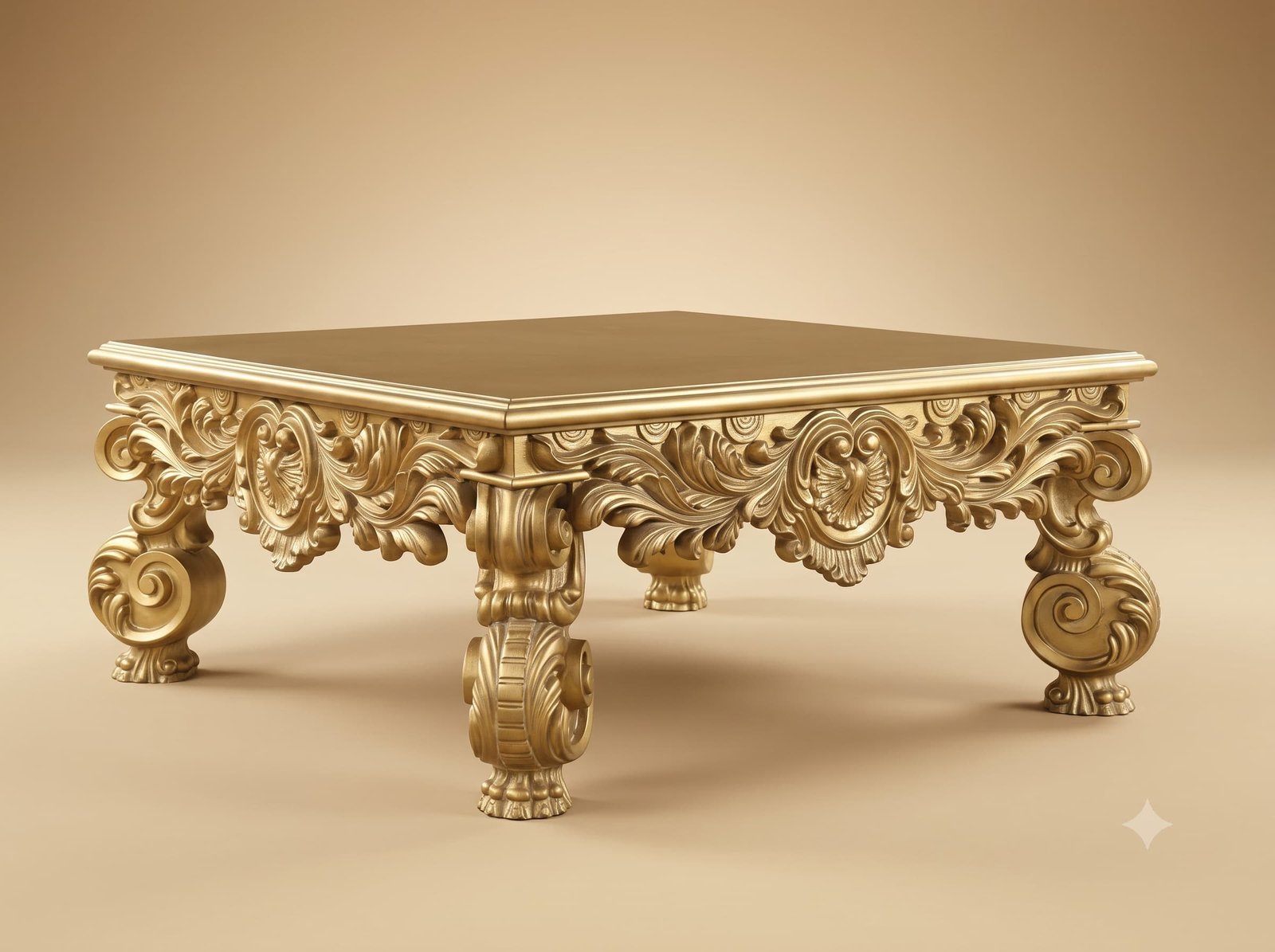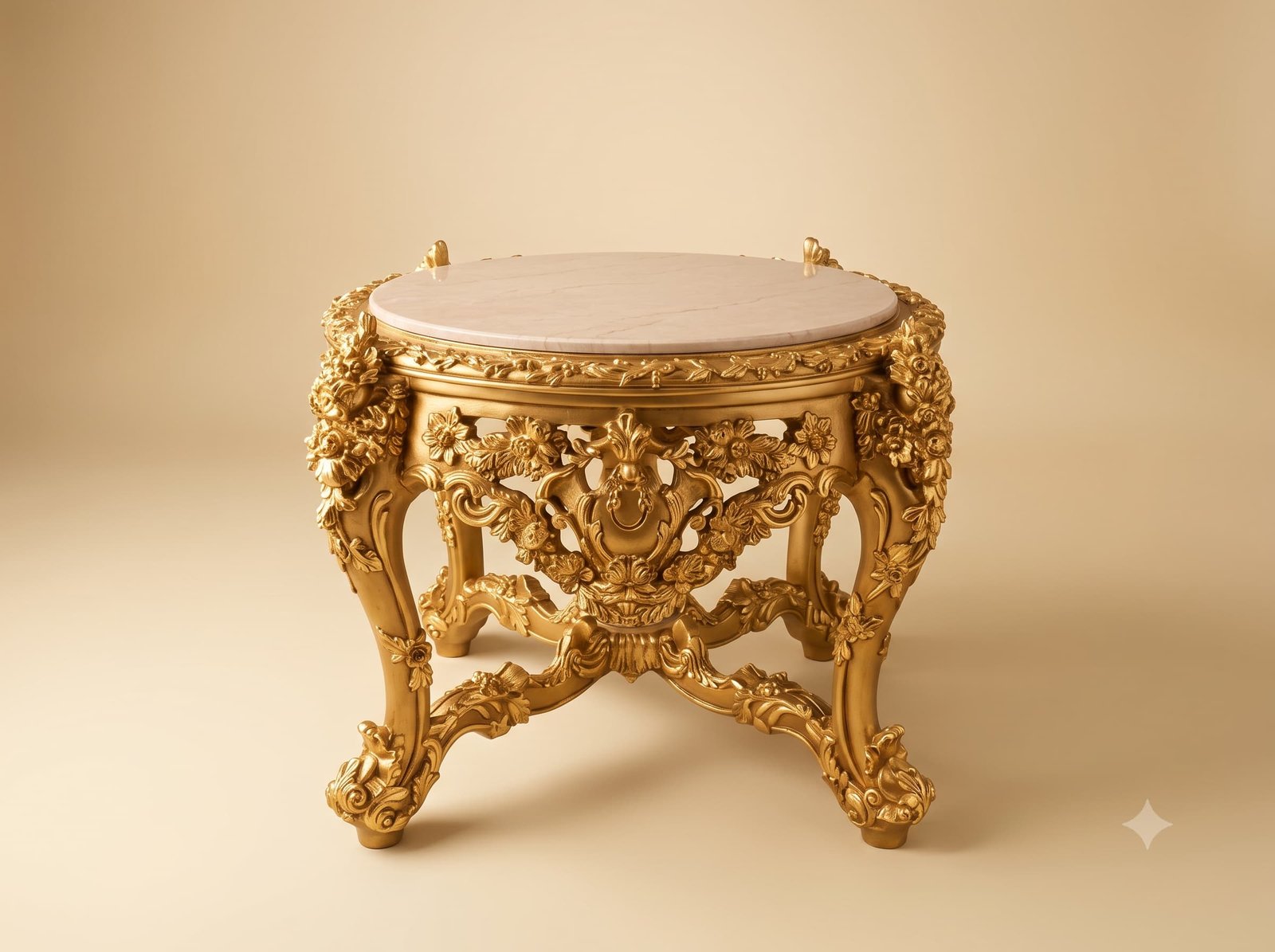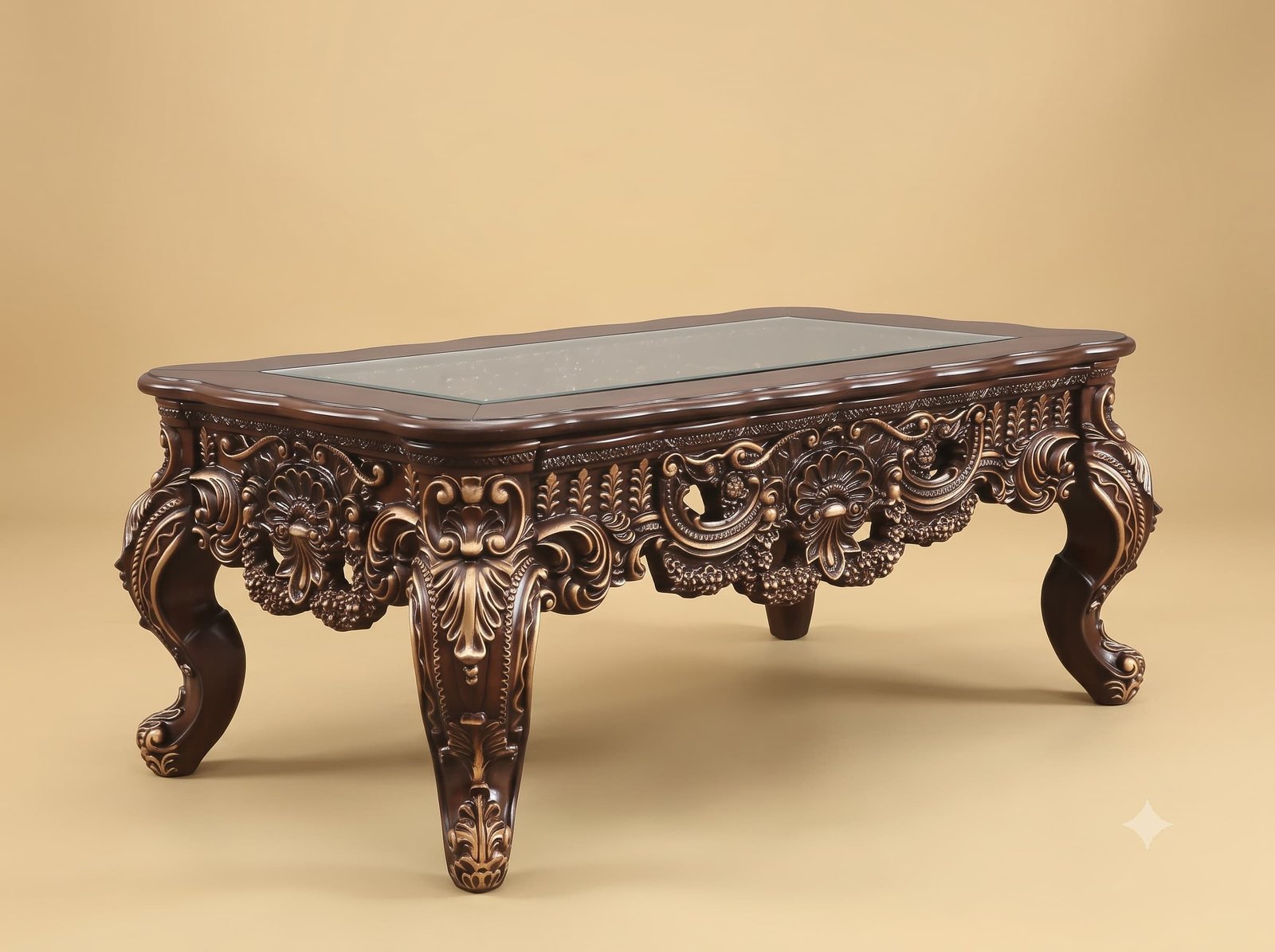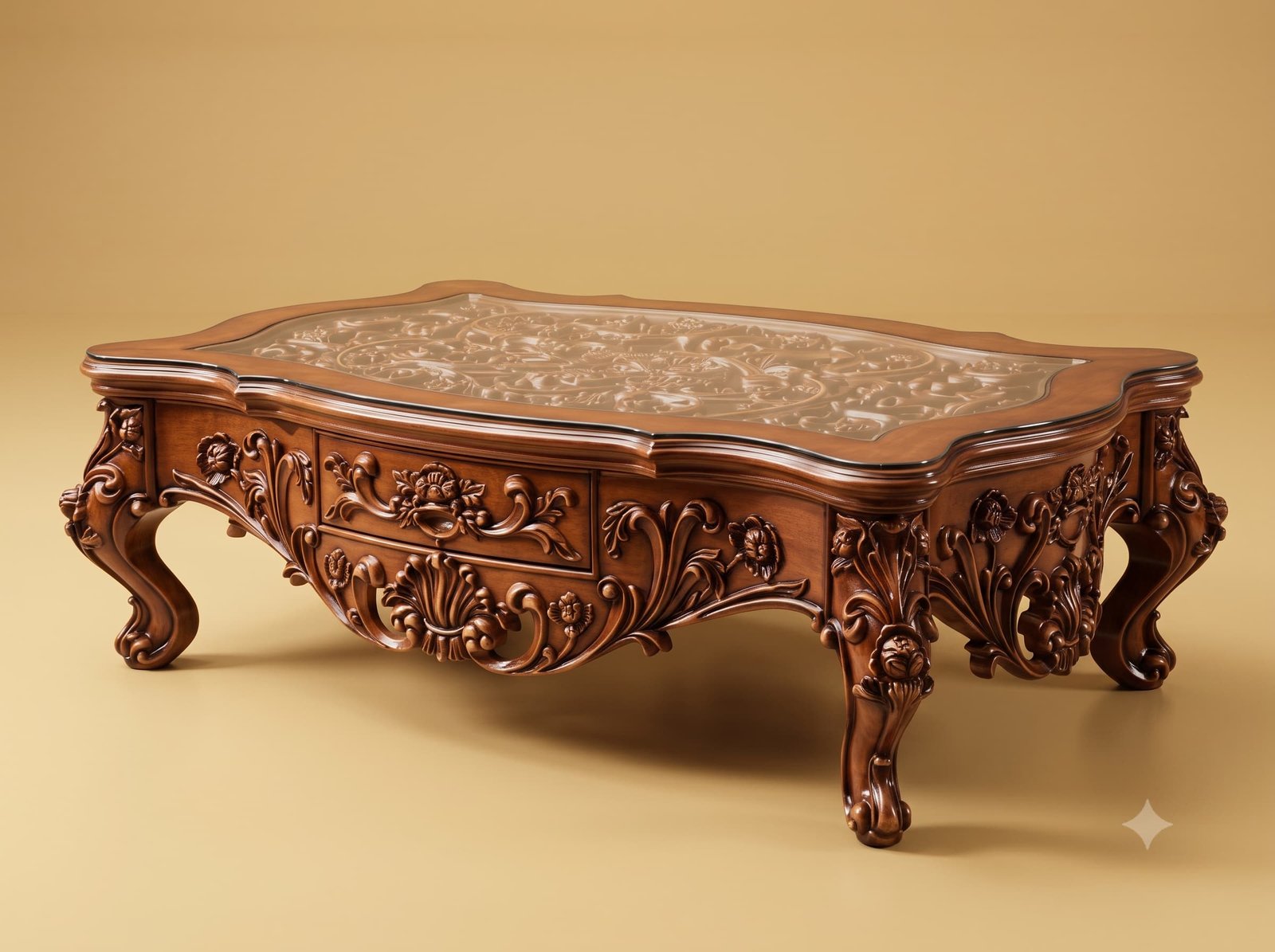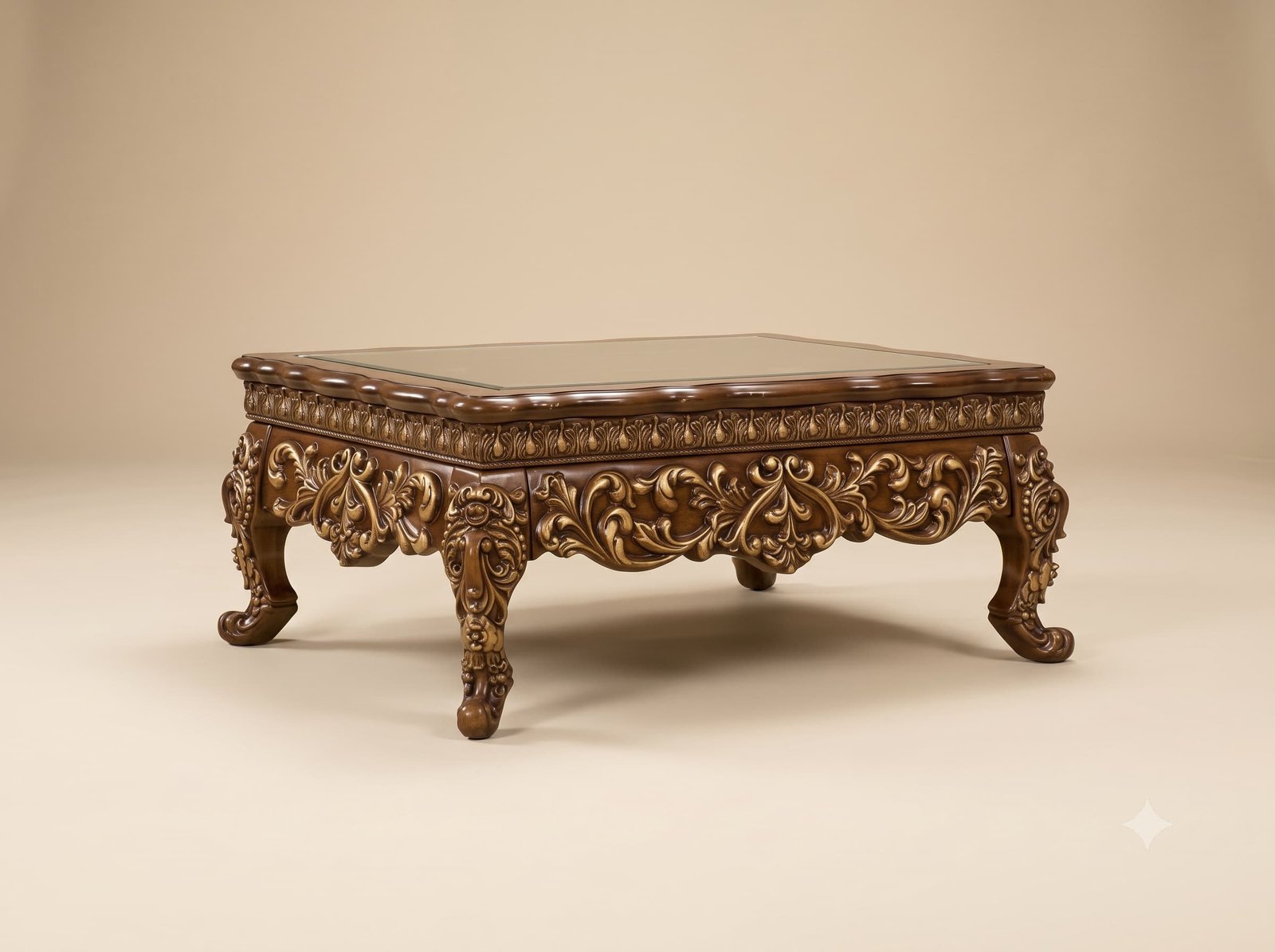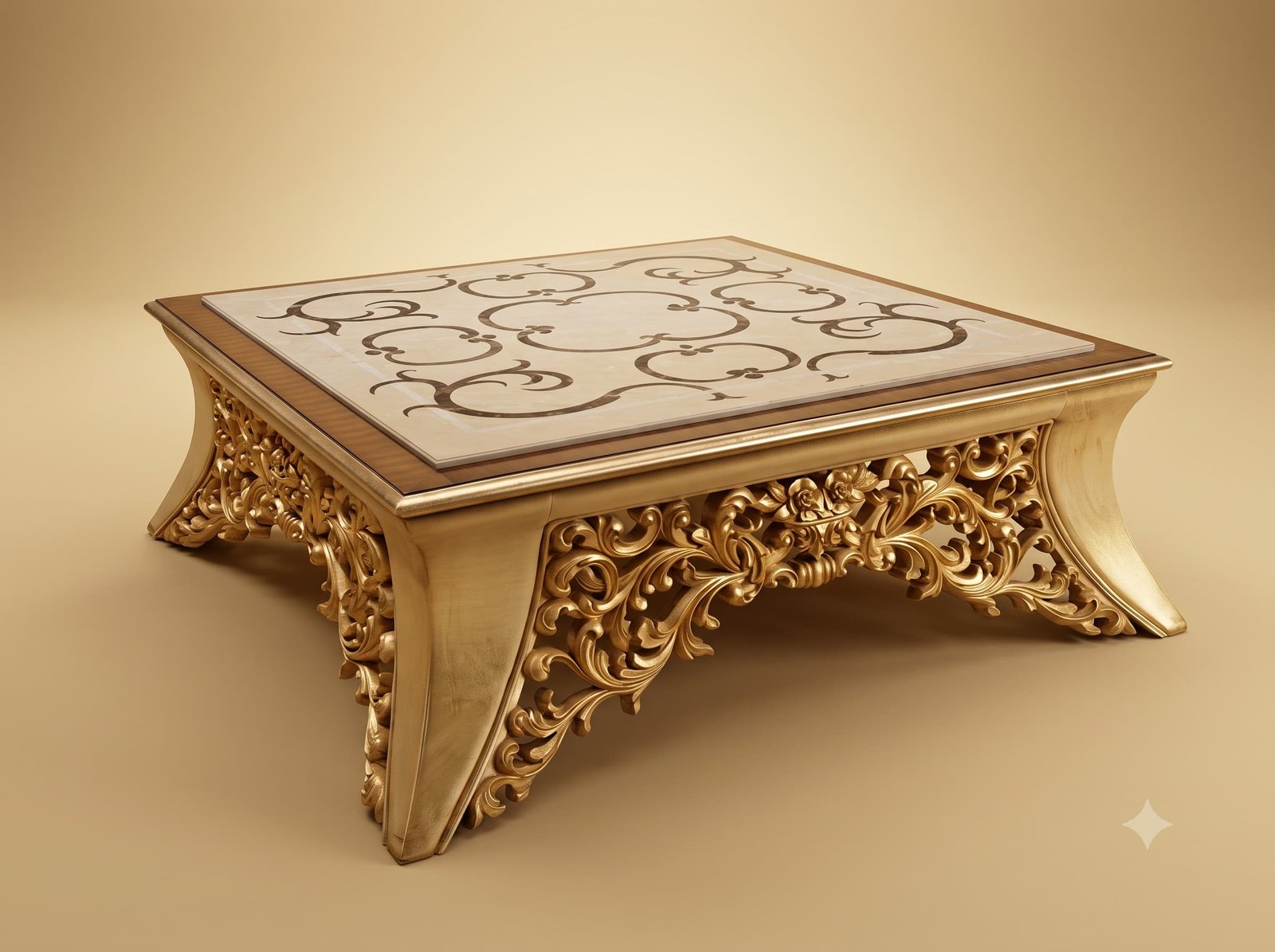
The four supports on this table lean outward, and that splay is what makes it steady - and what makes its joints work hardest.
A vertical leg simply carries weight downward. A splayed one does two things at once: it spreads the footprint, which is why the table resists being pushed over, but it also pulls at the top of its own joint every time weight goes on the table. The load pushes down through the leg, the leg leans outward, and the top of the joint is levered open. It is the reason so many splay-legged tables end up with a gap at the top of the leg after a few years.
The answer is not more glue. It is a bigger shoulder: the joint at the top of each support is made deep front to back, and blocked behind with a shaped haunch that runs up under the top and resists the lever directly. The glue holds; the block does the work.
None of it is visible once the apron is on. What you see is a table that has stood on splayed legs for twenty years with its corners still tight.
 Ask Price On WhatsApp