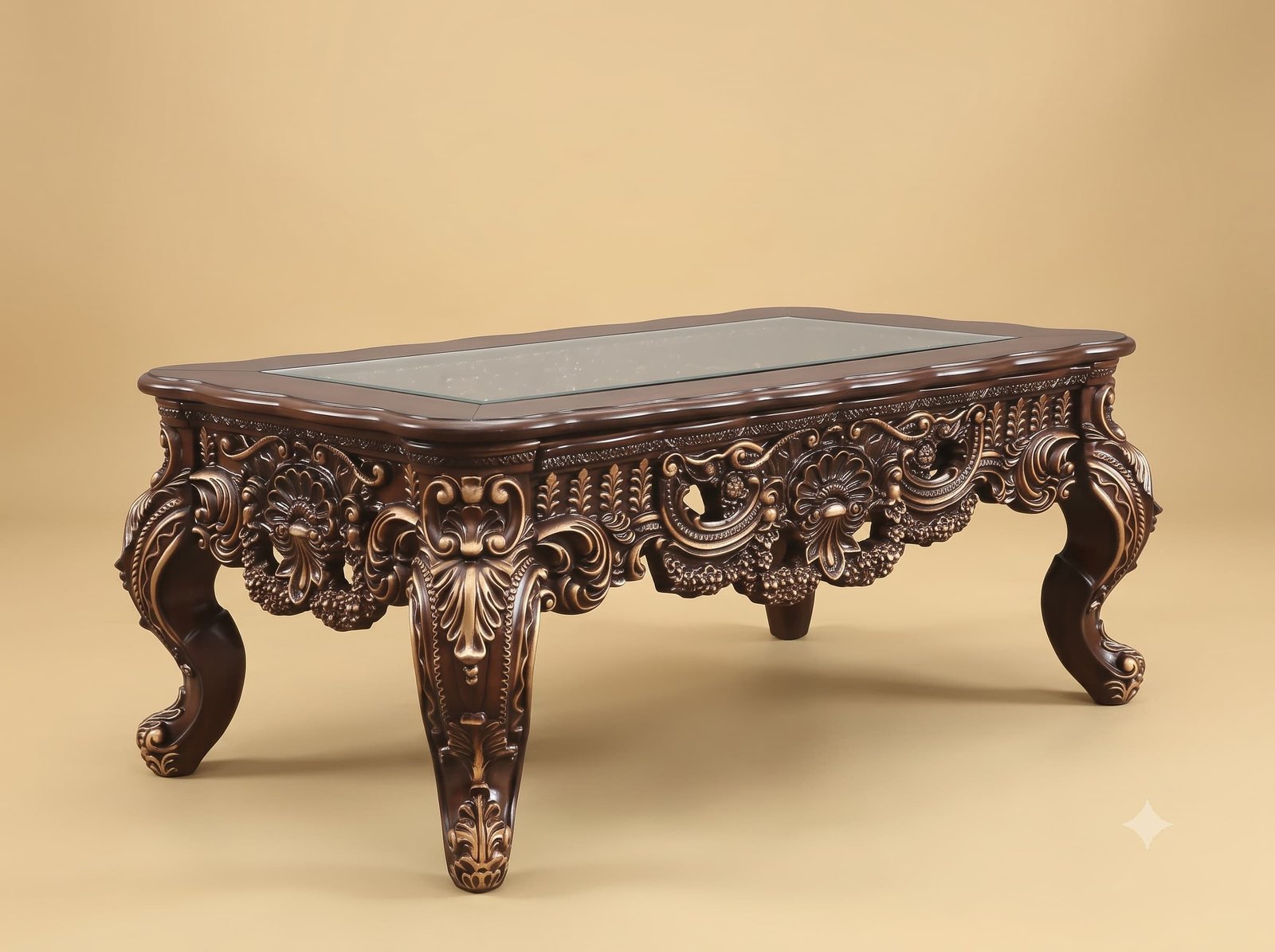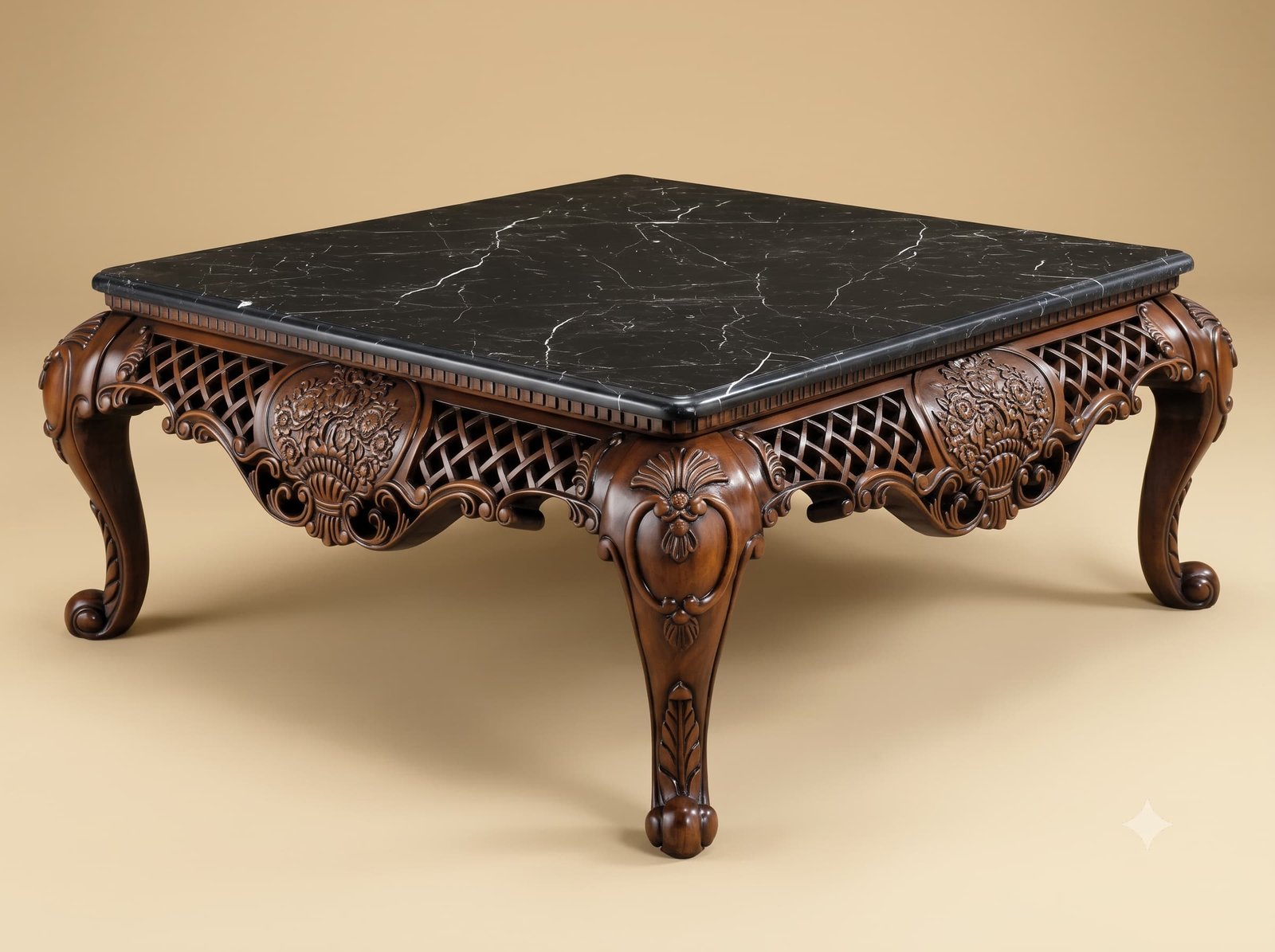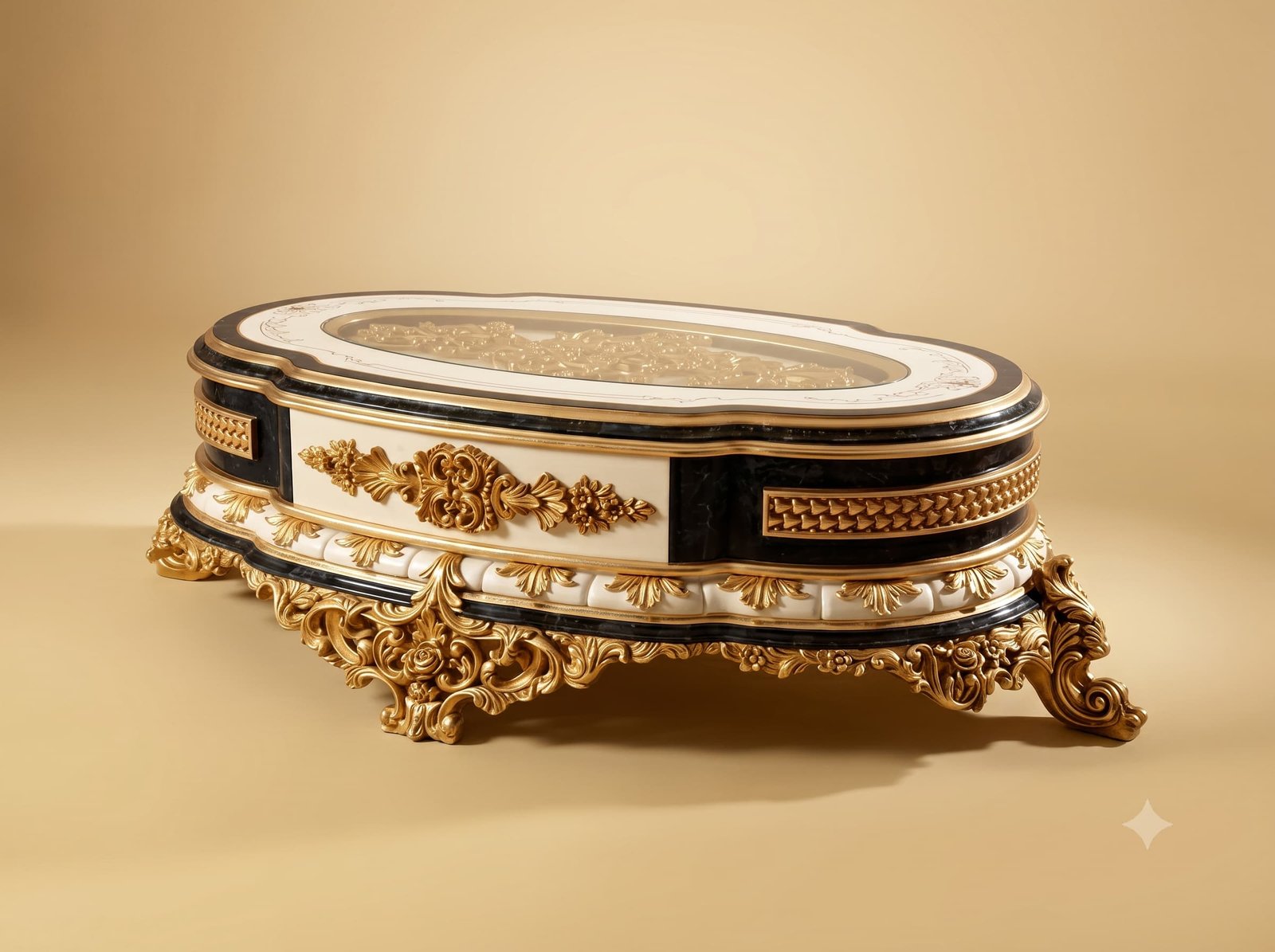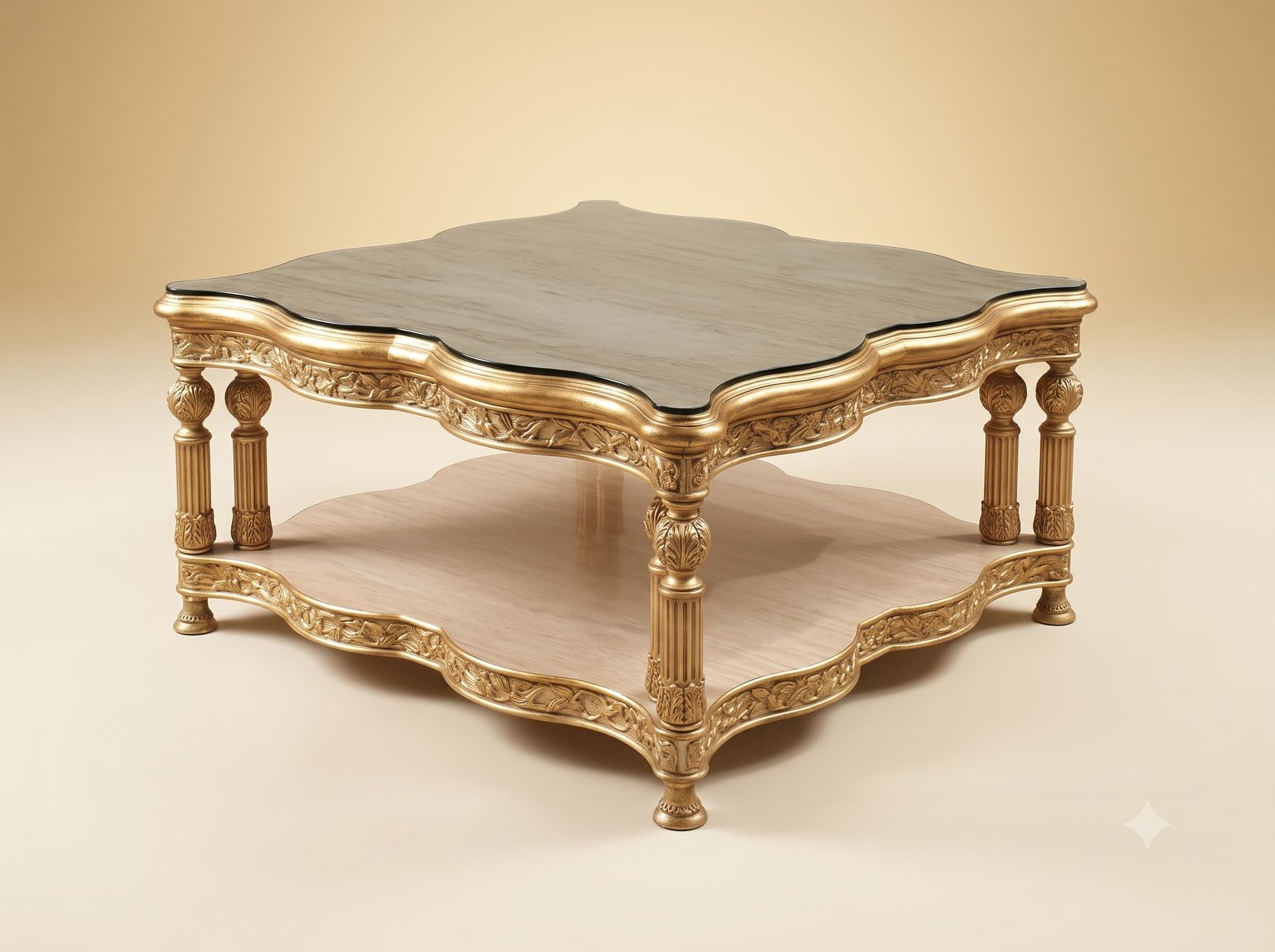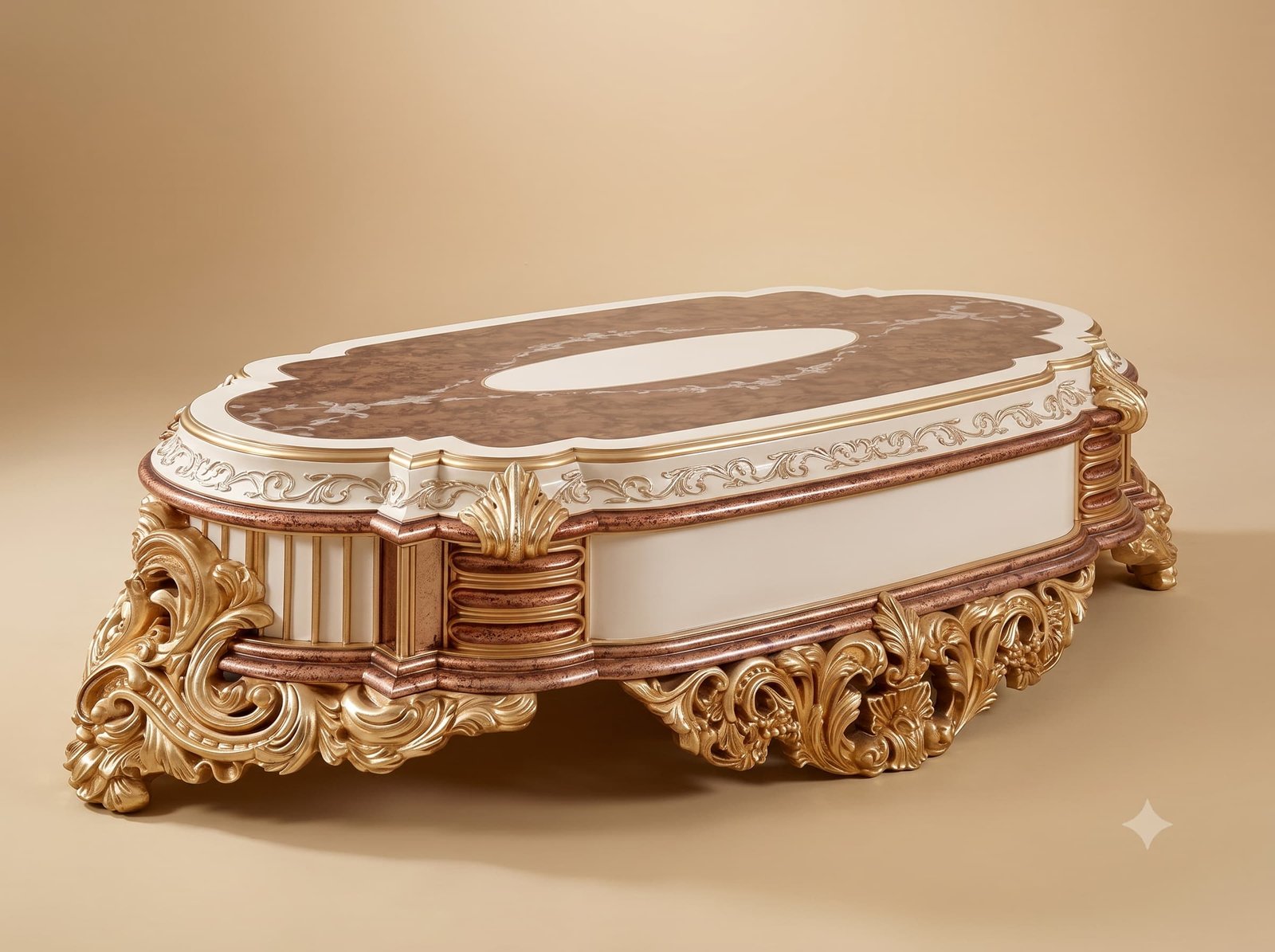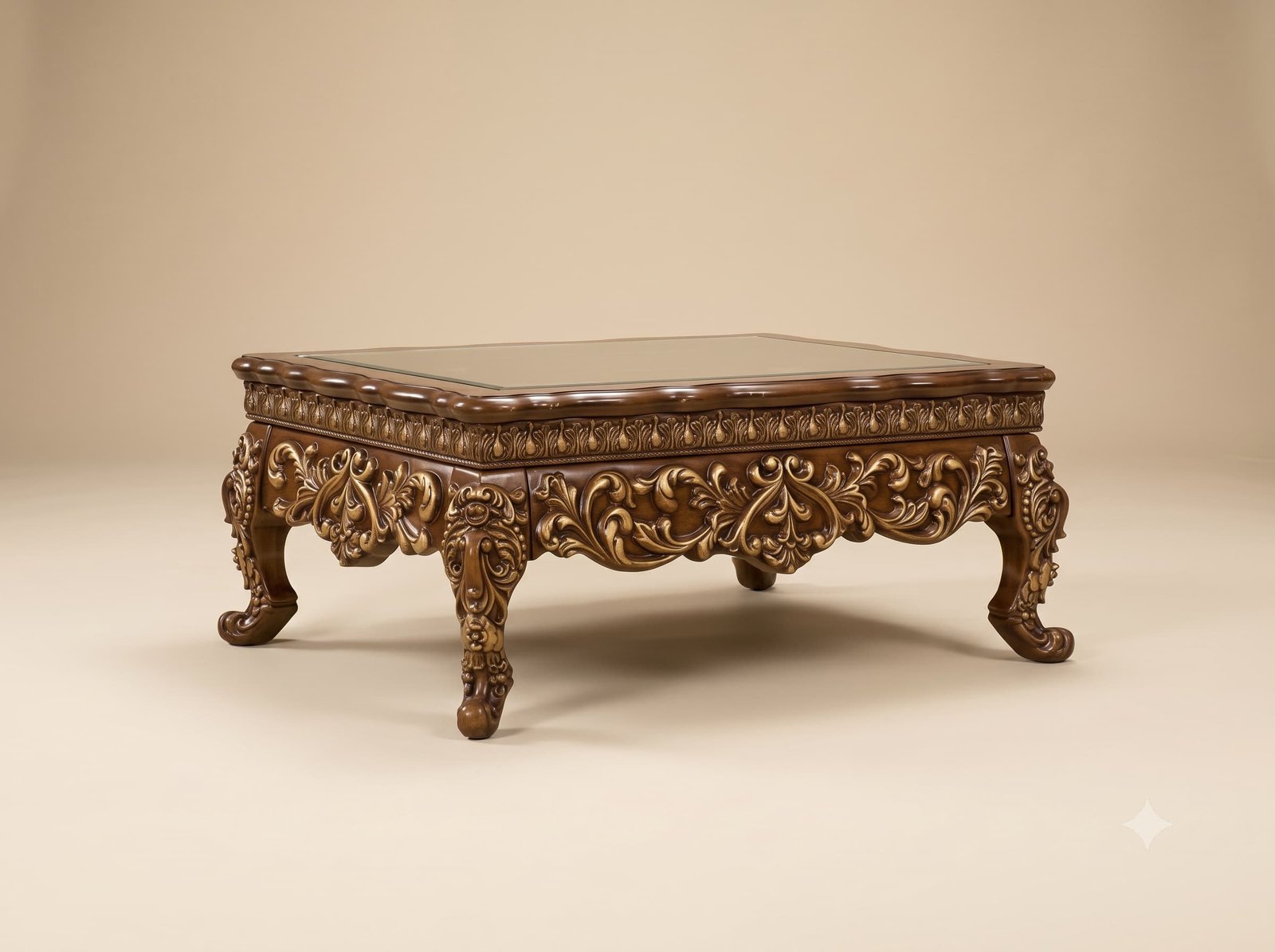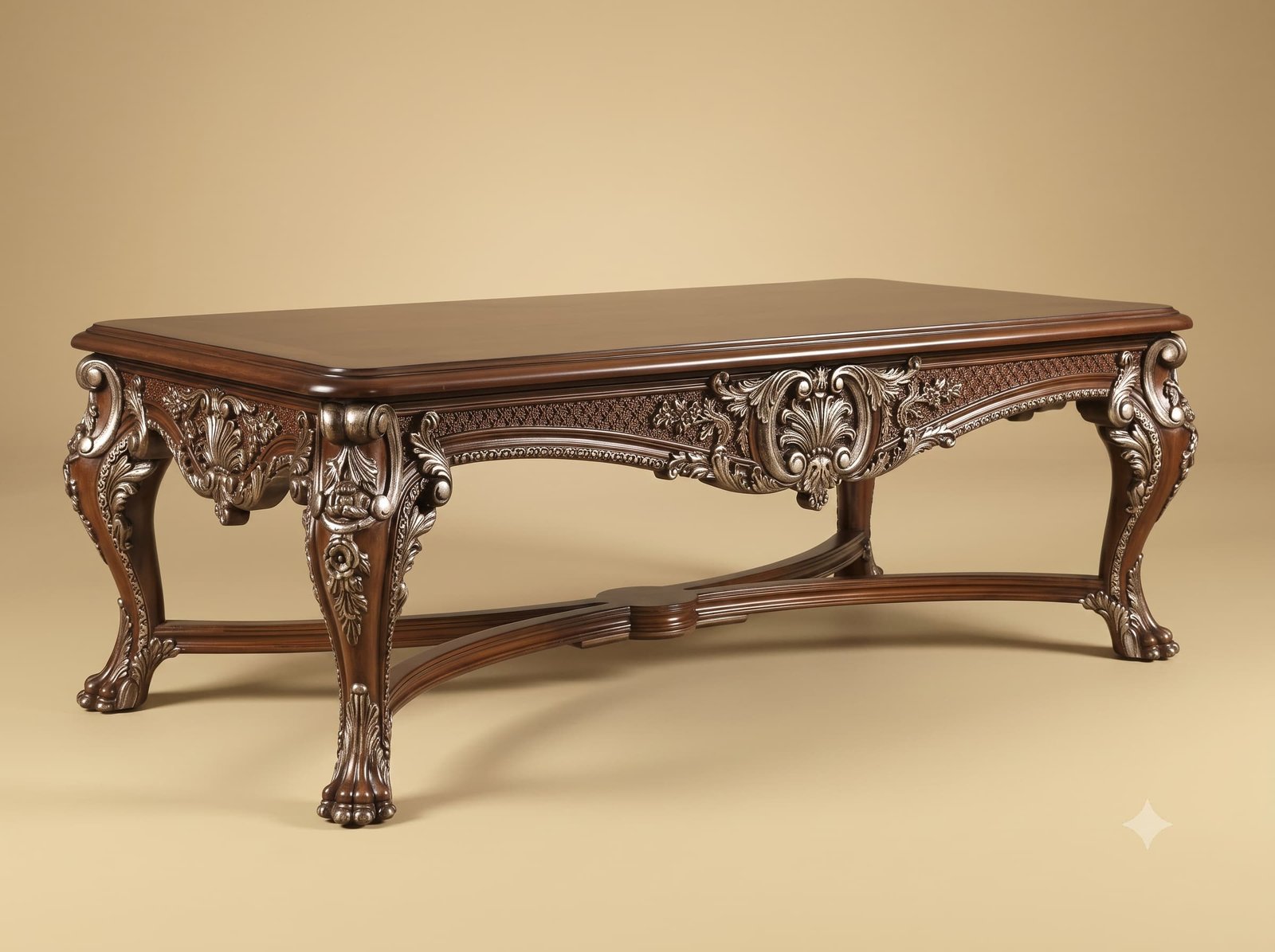
The curved stretcher between the legs is the part of this table doing the quiet structural work, and it is far harder to make than the straight one it replaces.
A table with cabriole legs has a weakness: the legs meet the frame at a single point each, and any sideways push - someone knocking it, or dragging it across a floor - tries to fold the frame into a parallelogram. A stretcher tying the four legs together resists that, which is why traditional tables have one.
A straight stretcher is simple: two members, a cross-halving where they meet, done. This one is serpentine in plan, so each arm curves away and back before it reaches the centre, and each has to be cut from a wide blank so its grain follows its own curve. Where the four arms meet, they rise together onto a small raised platform - which means the joint at the middle is not just a lap but a lap at a change of level, with all four pieces arriving at exactly the same height.
Get one arm a millimetre high and the platform sits crooked; get one arm's curve wrong and the whole cross looks lopsided from above. It is dry, exacting work under a table almost nobody looks at.
 Ask Price On WhatsApp