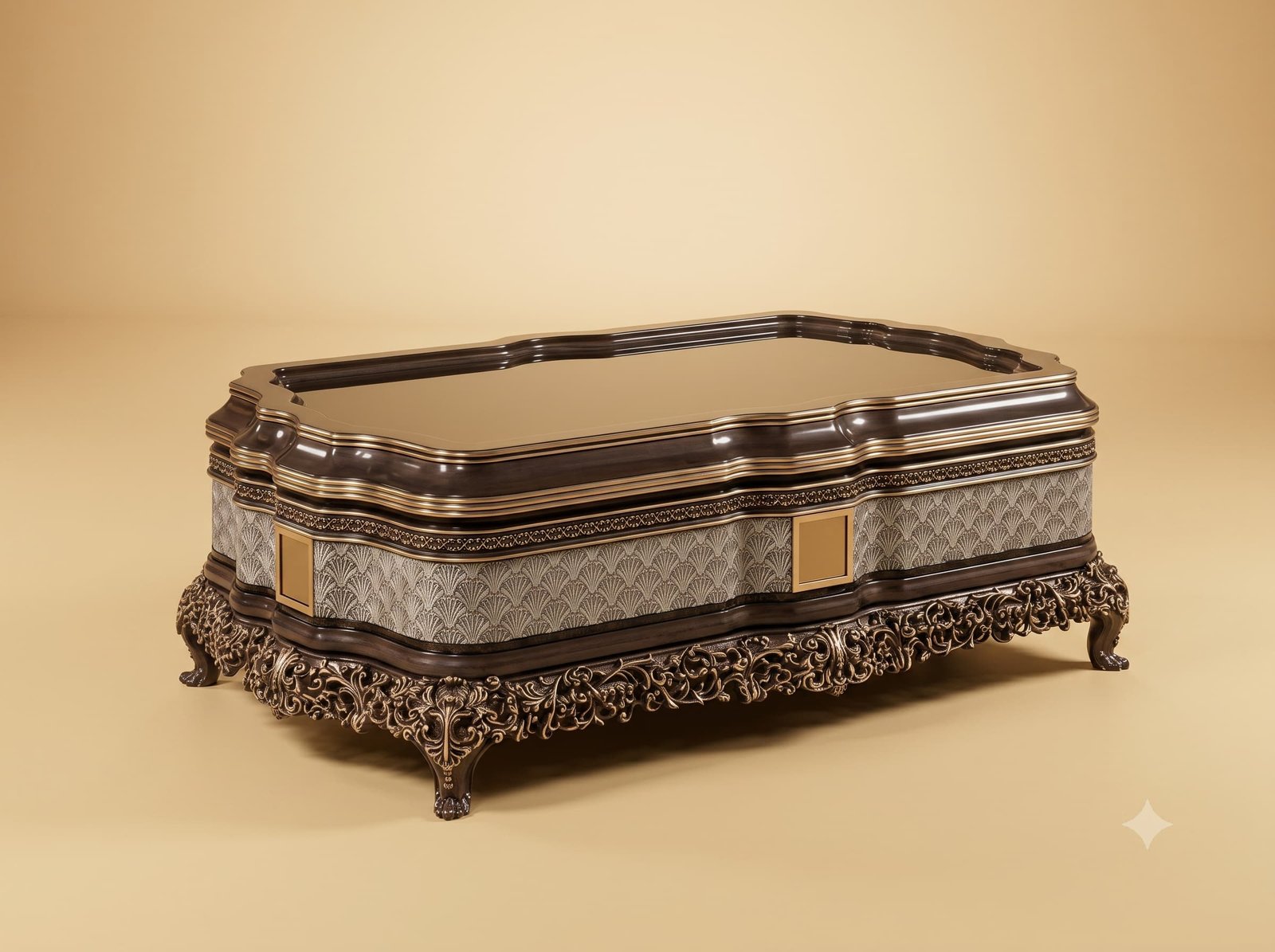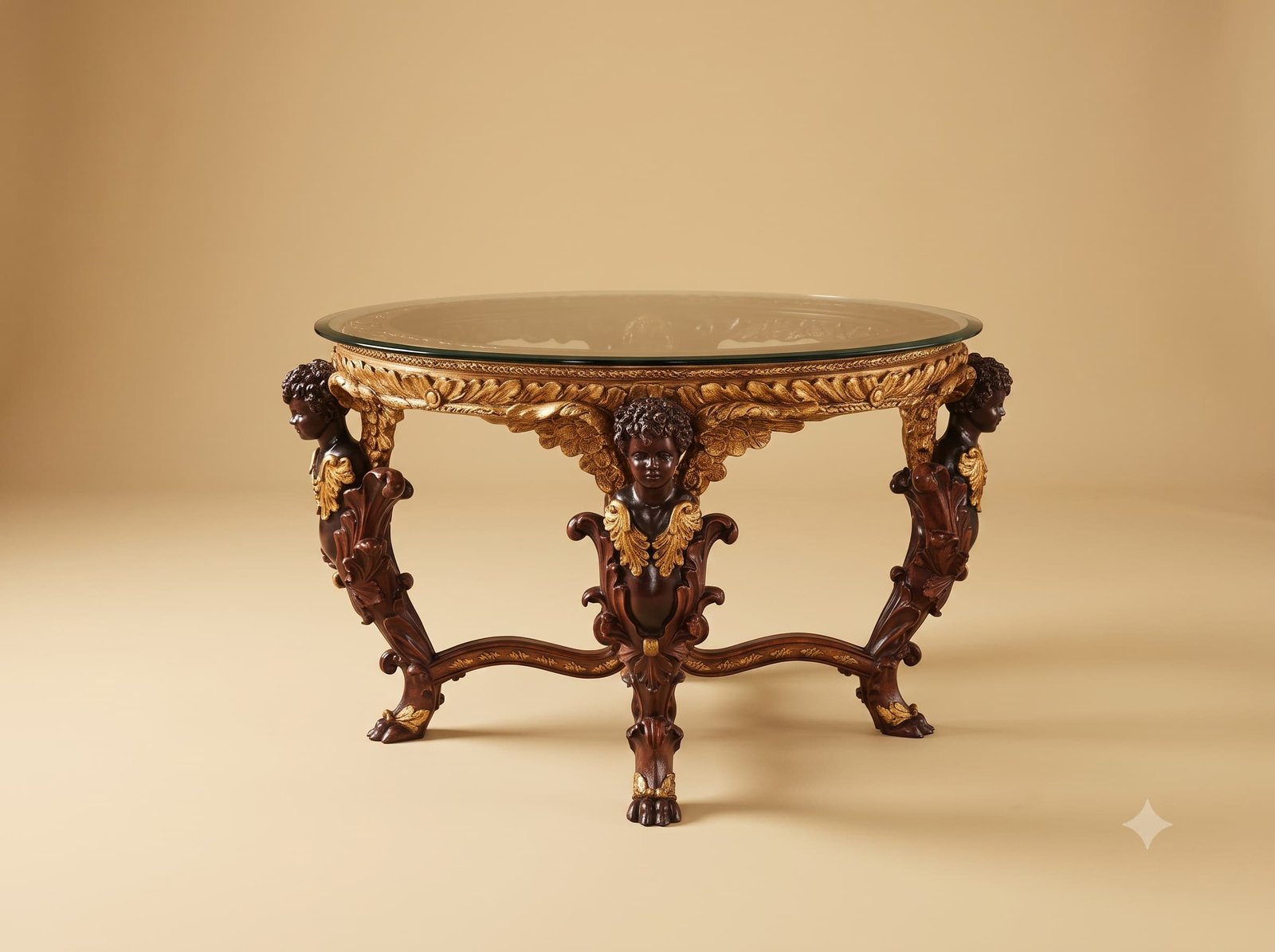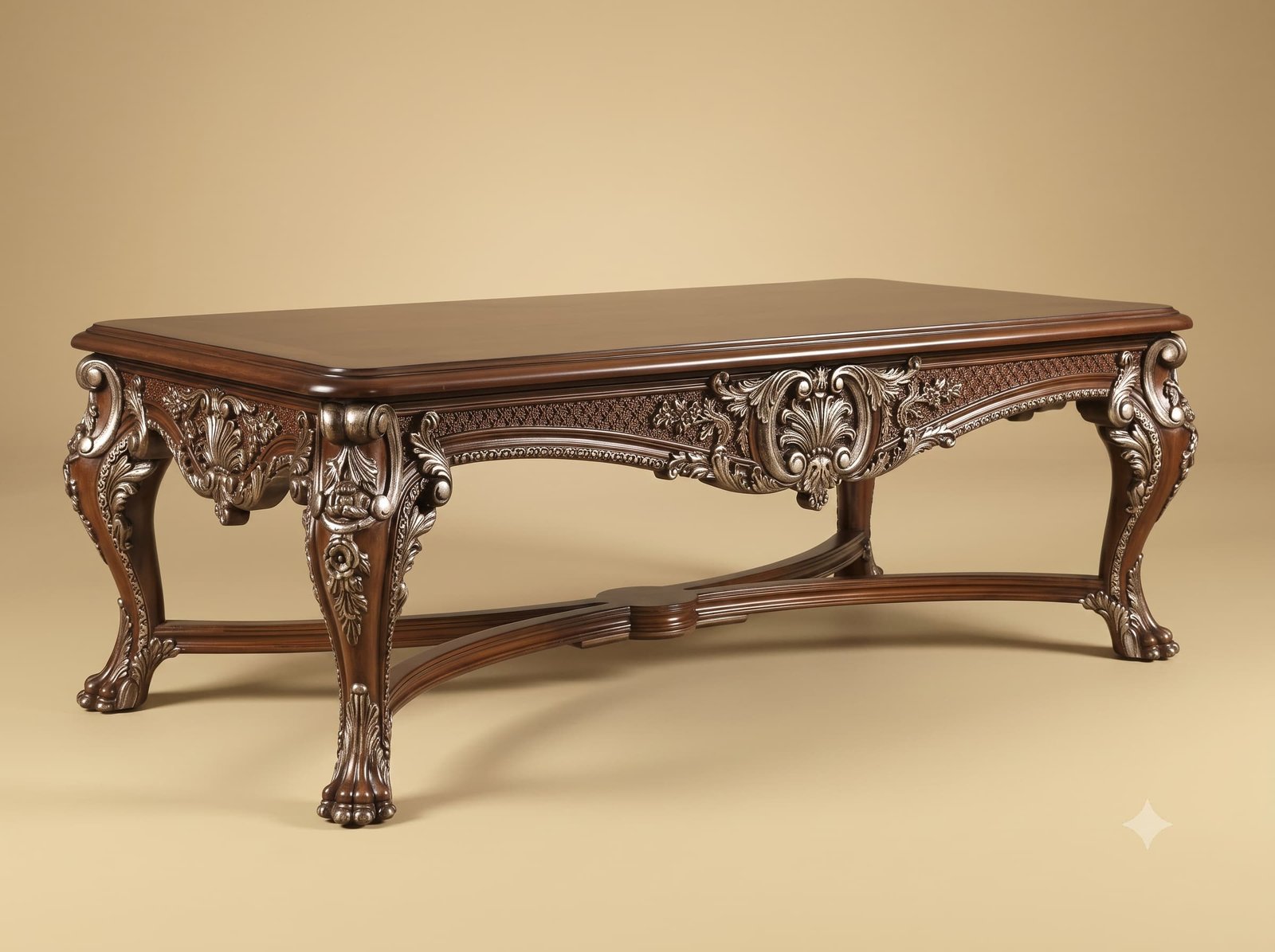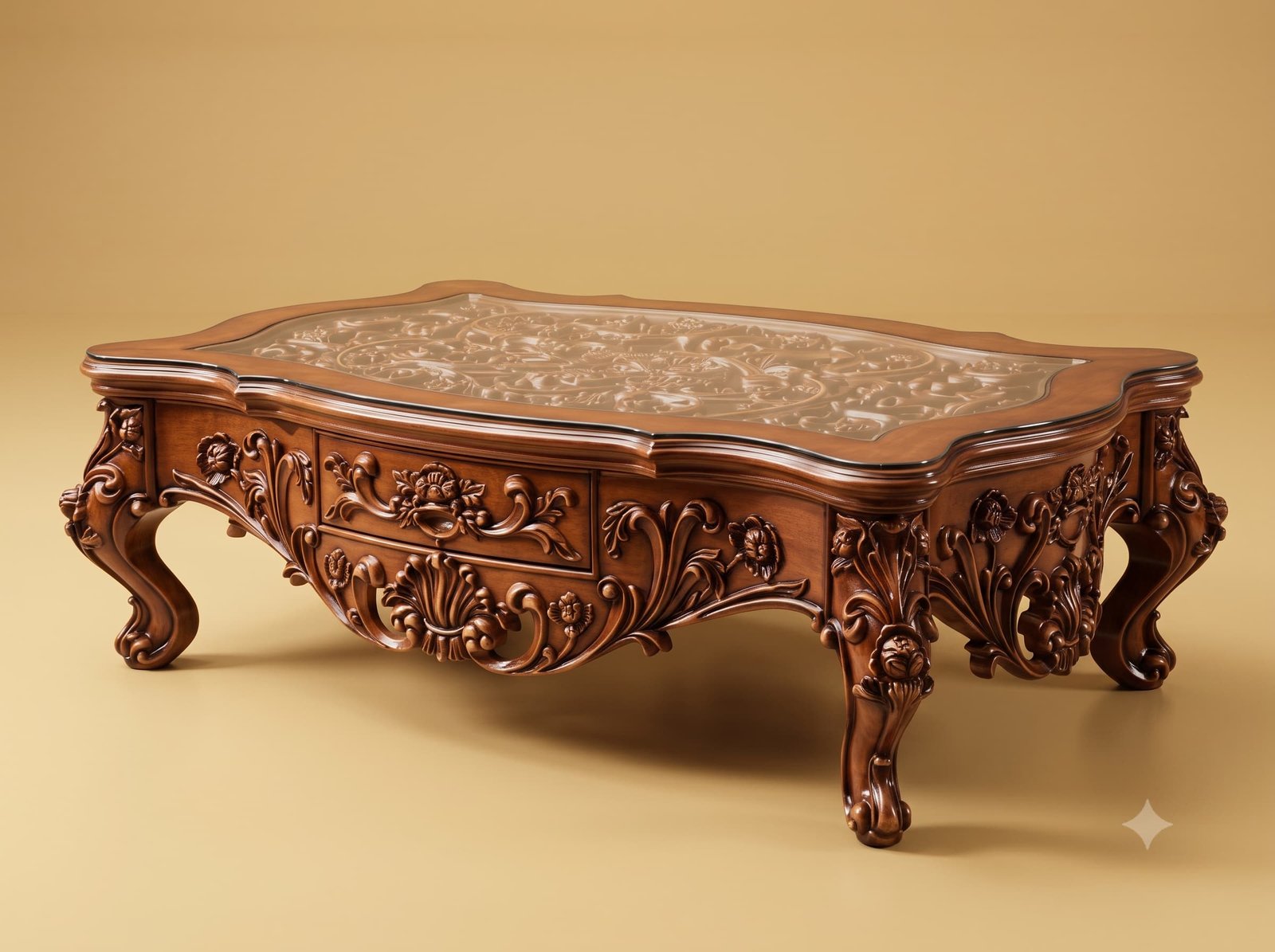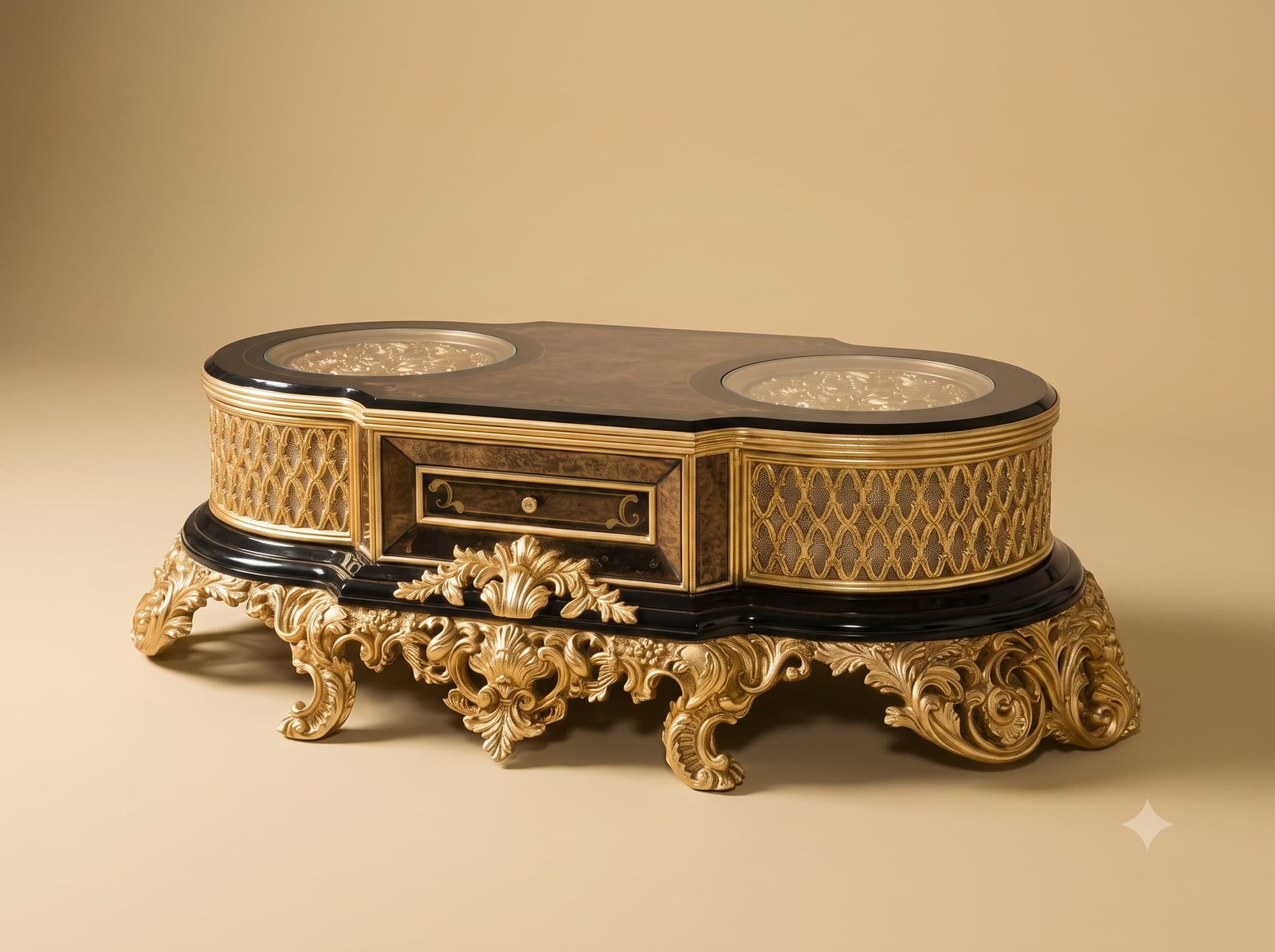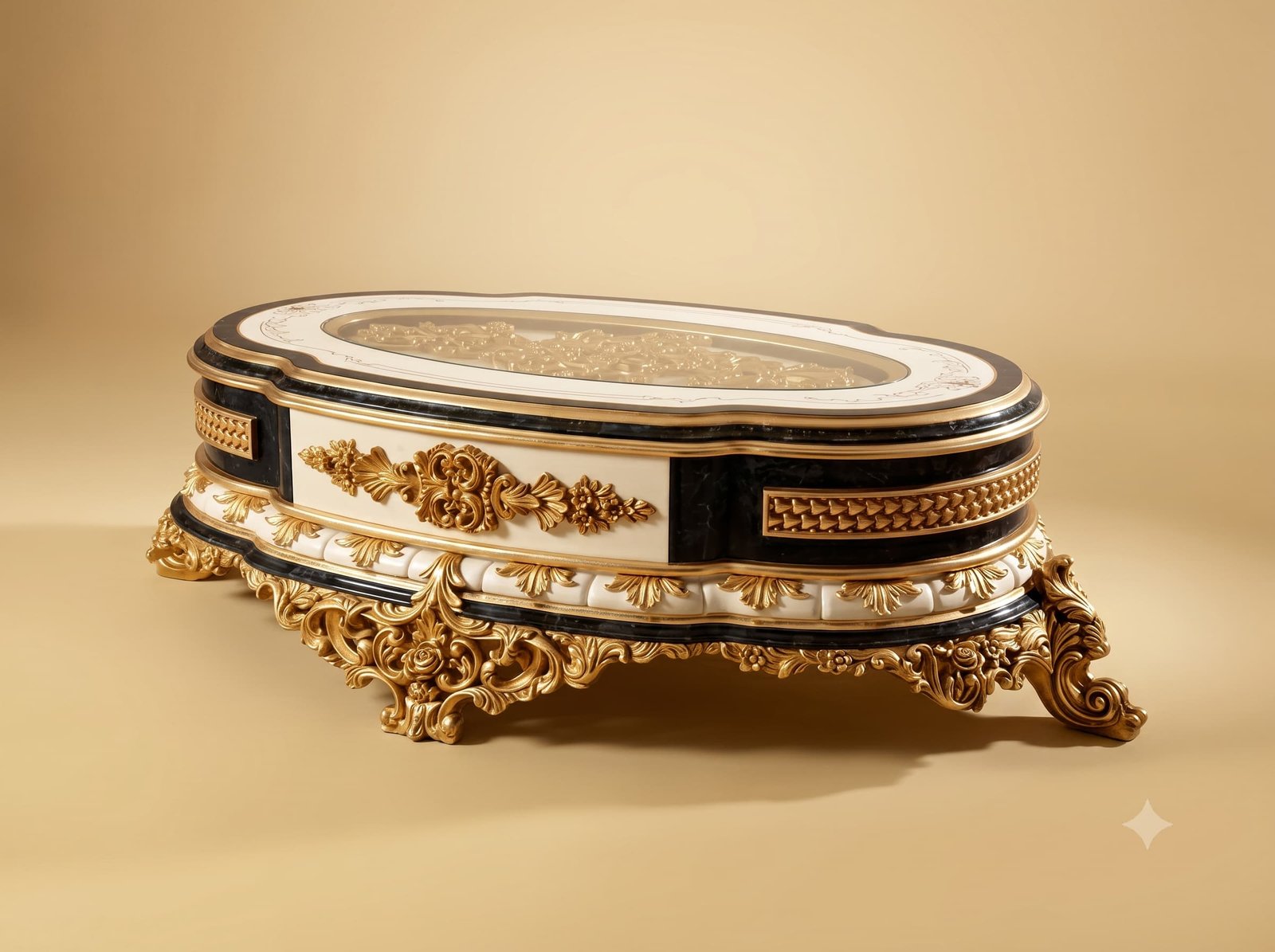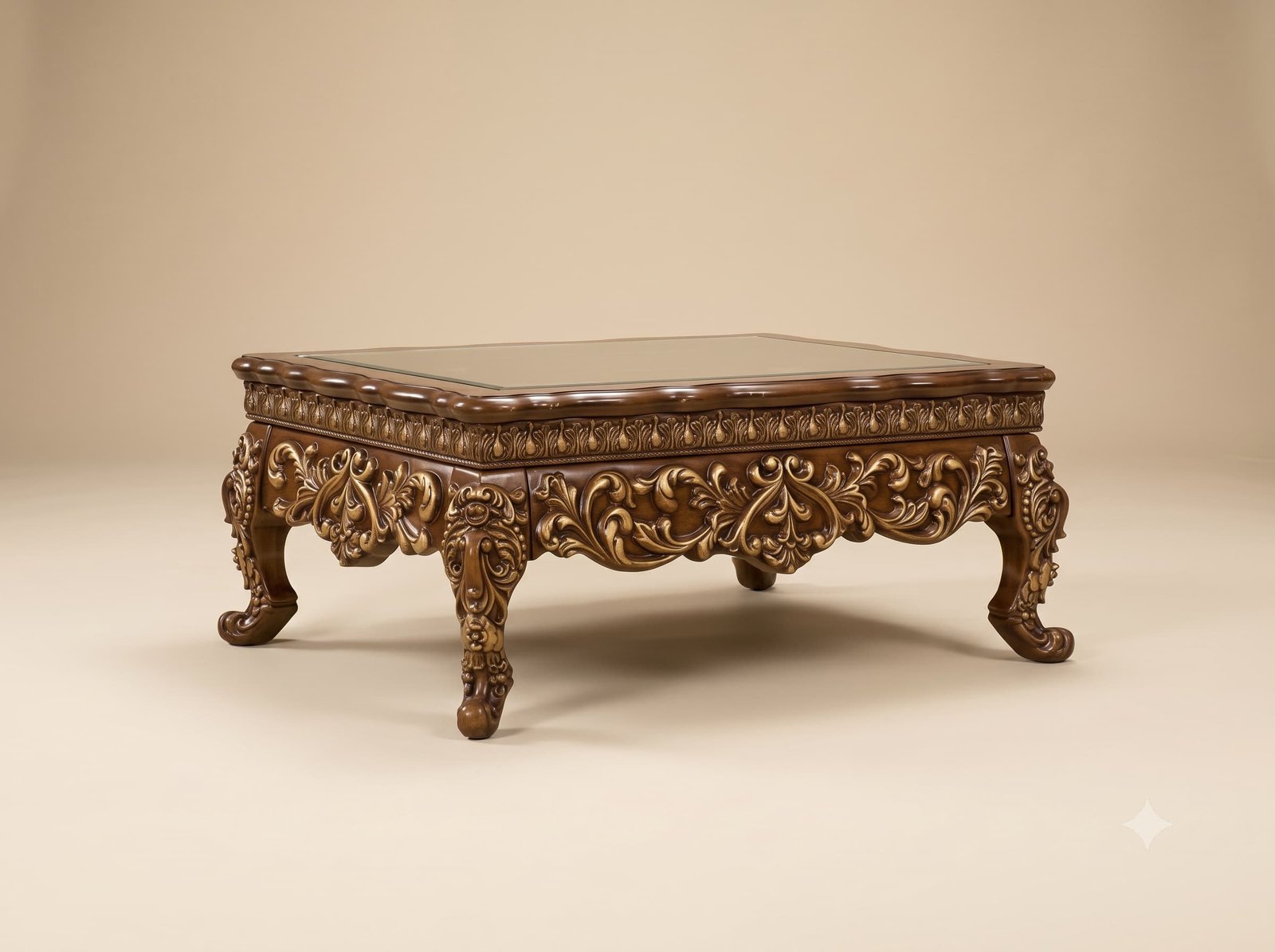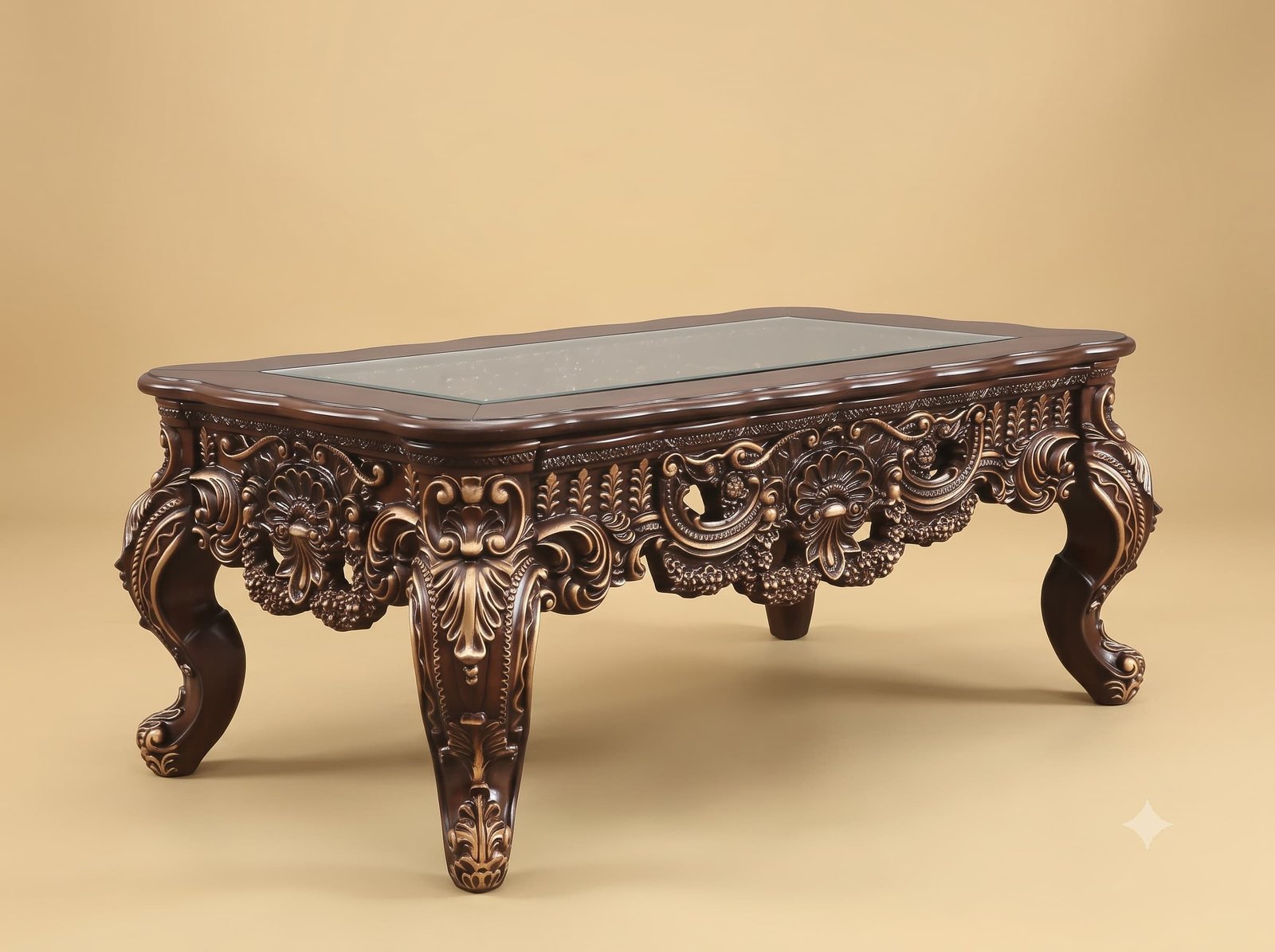
The timber border around the glass is a mitred frame, and mitres are the joint most likely to open in a piece of furniture. This one is built so it cannot.
A mitre is two pieces meeting at forty-five degrees, and almost all of that meeting face is end grain - the weakest surface wood offers for a joint. Worse, the two halves shrink in different directions as humidity changes: one across its width, the other along its length. The result, on an ordinary mitre, is a hairline that opens at the outer corner within a couple of seasons. Everyone has seen it on picture frames.
So each corner here is reinforced with a spline - a thin tongue of teak set into a saw kerf cut across the joint, with its grain running at right angles to the mitre. The spline is long grain crossing the weak end grain, and it locks the two halves together mechanically rather than relying on glue holding end grain to end grain.
It is completely hidden once the moulding is worked over it. What you see, years later, is a corner still closed - which on a mitred frame is not a given at all.
 Ask Price On WhatsApp