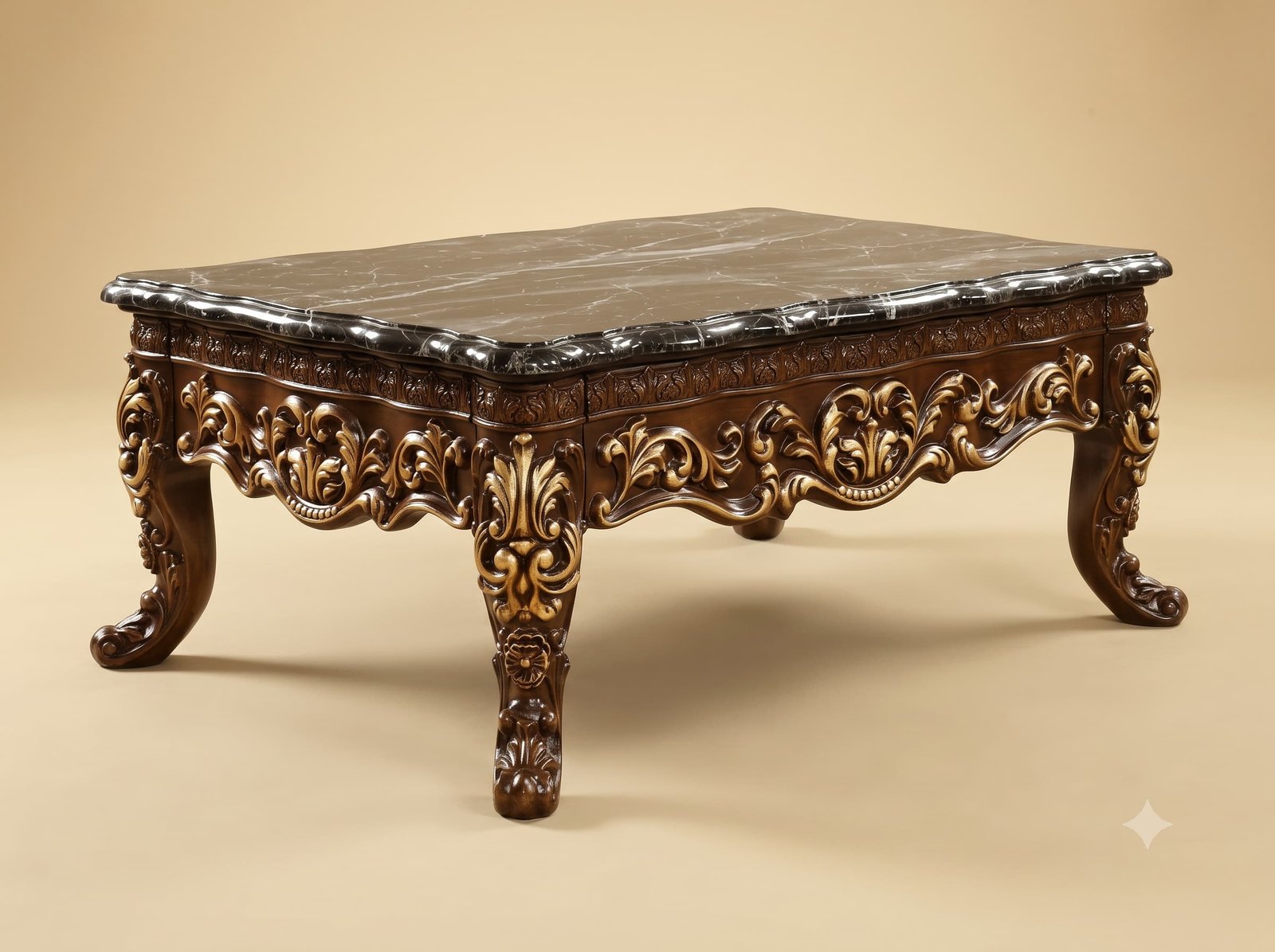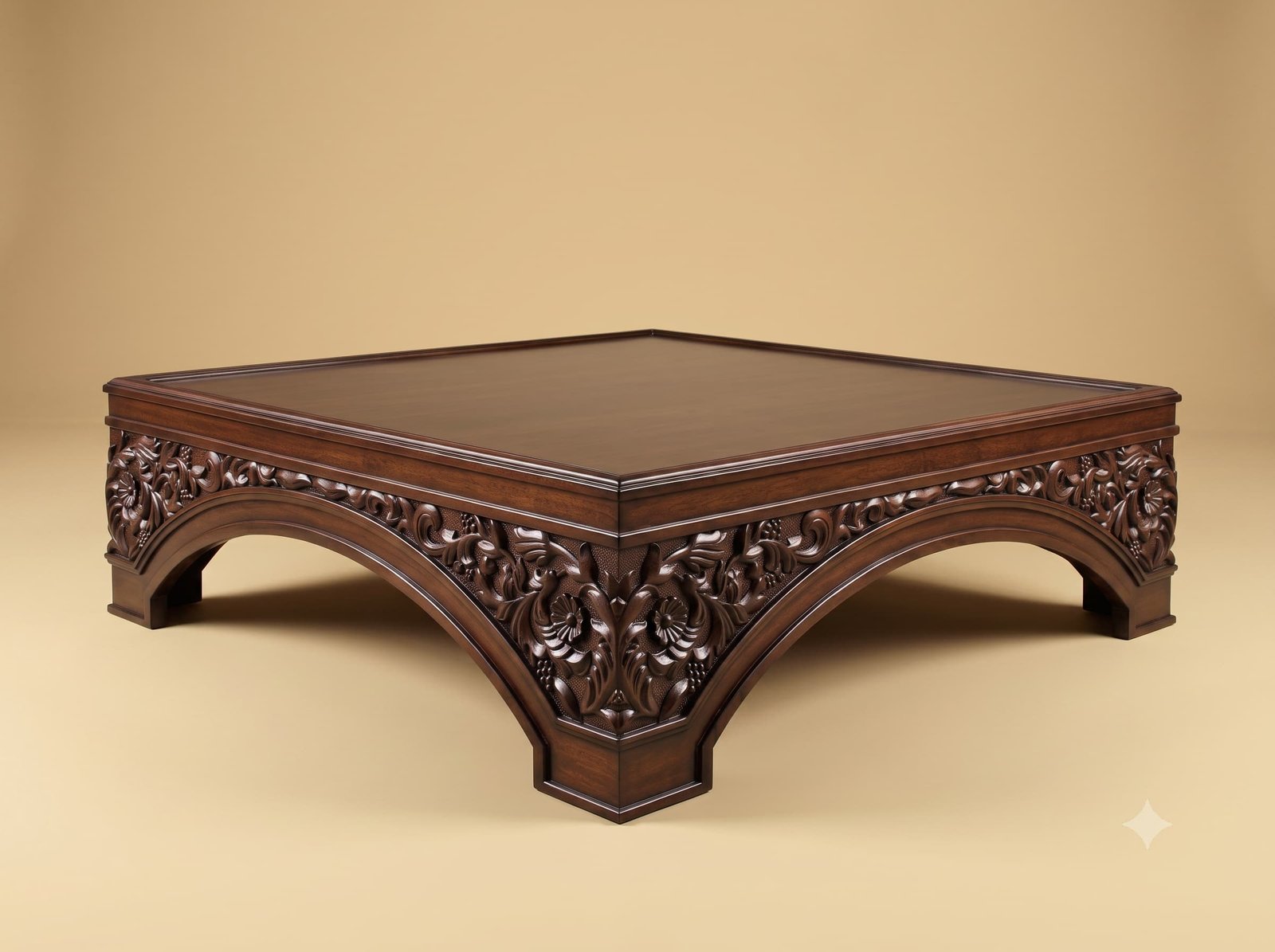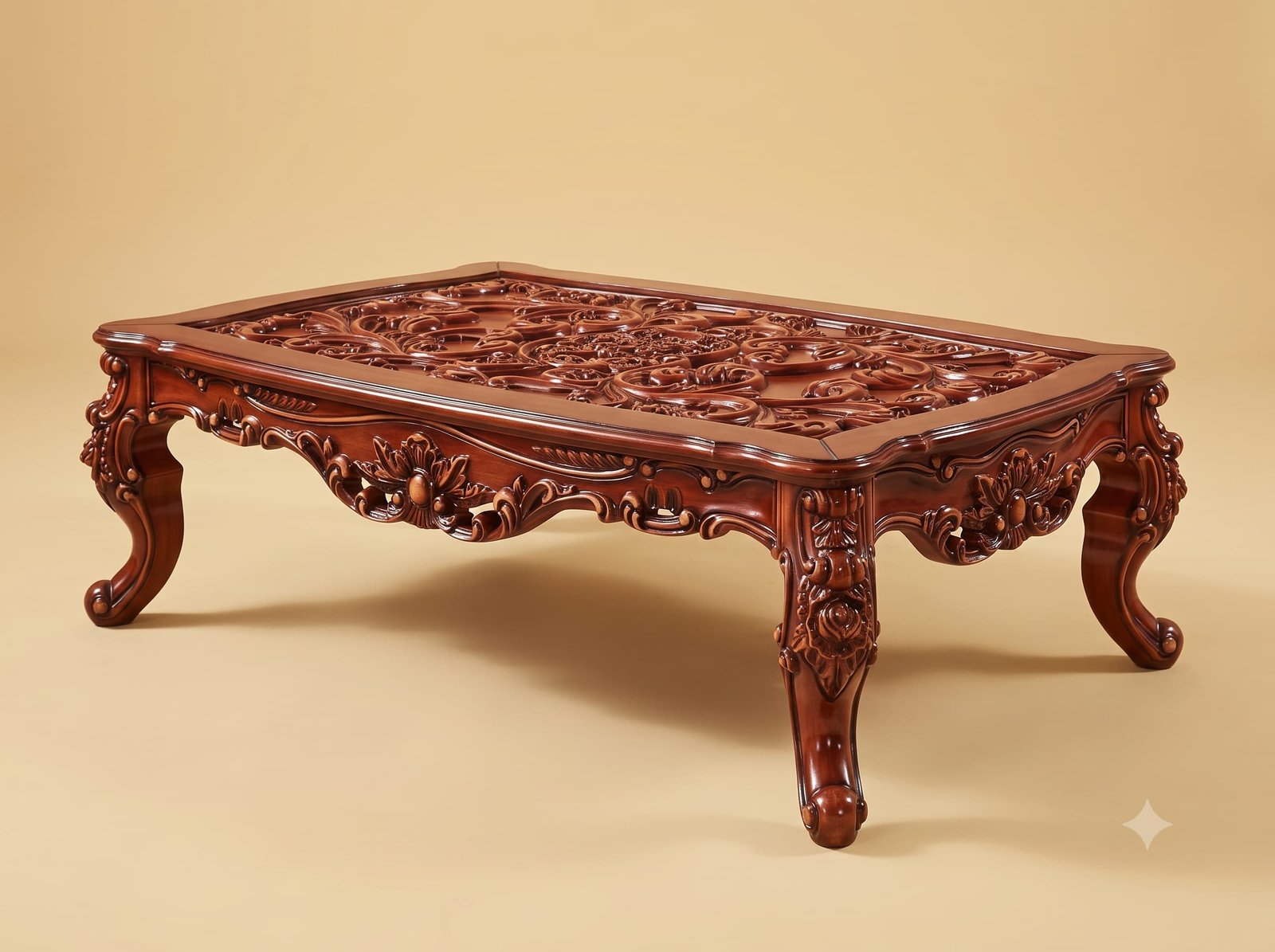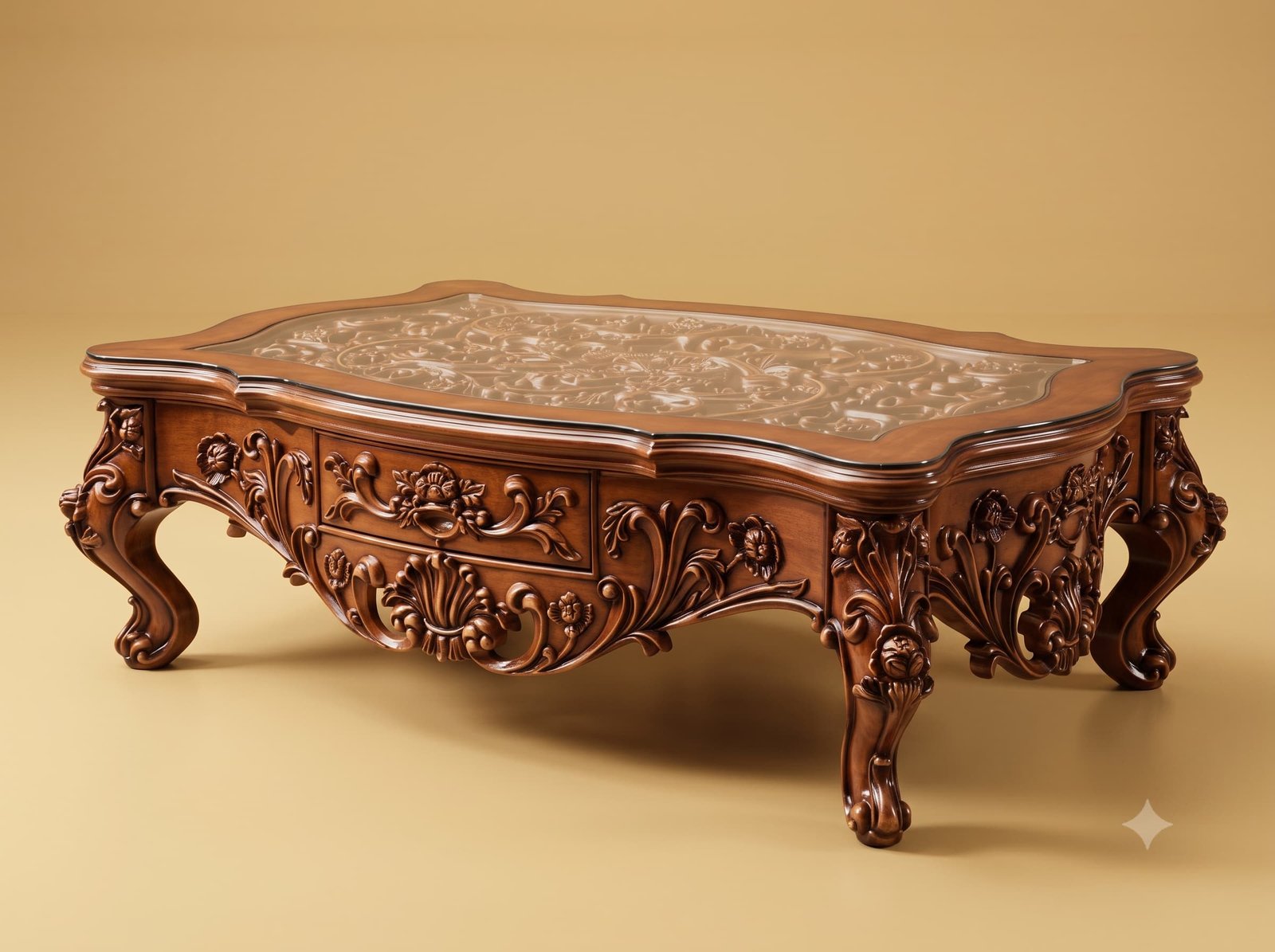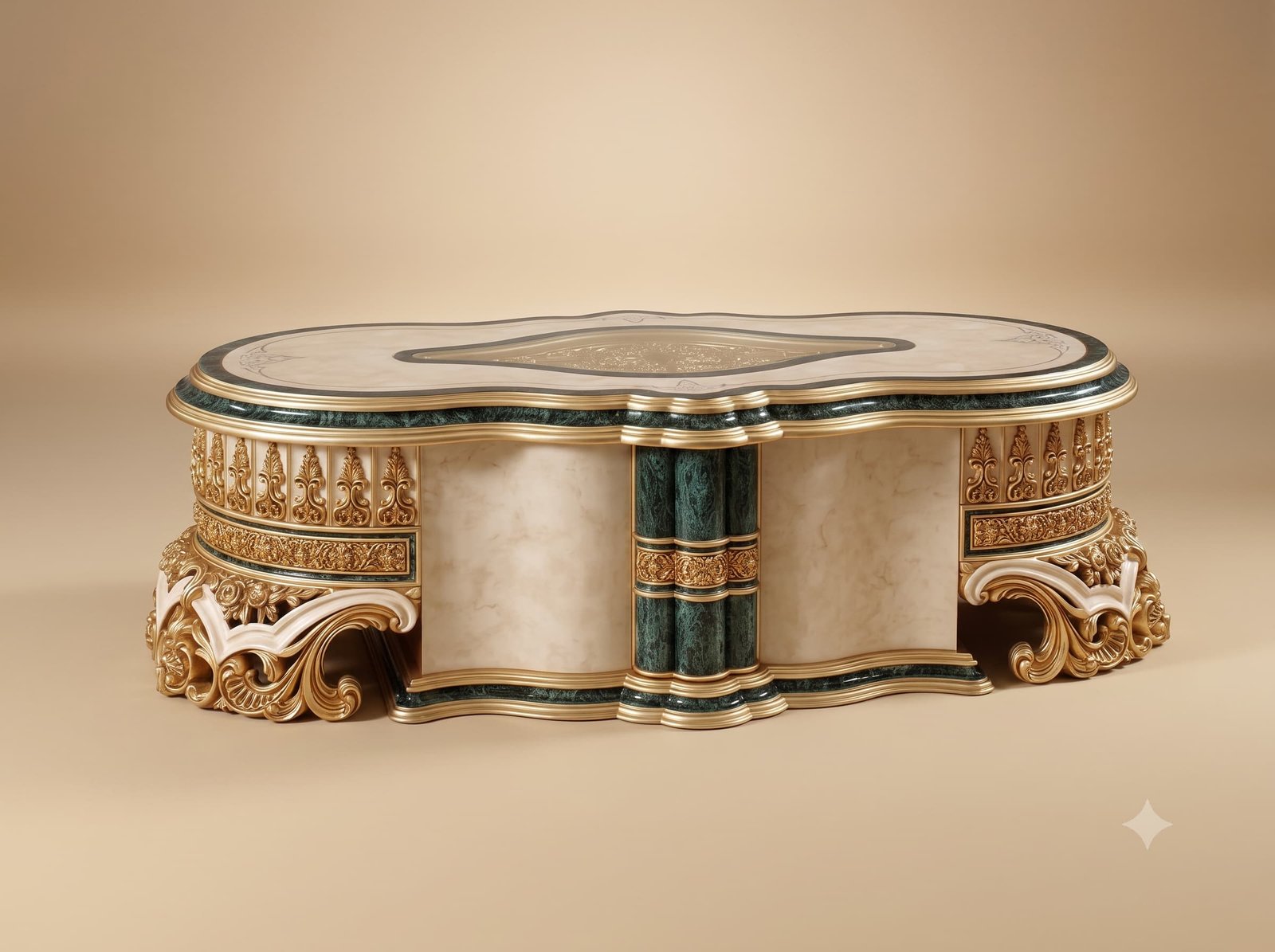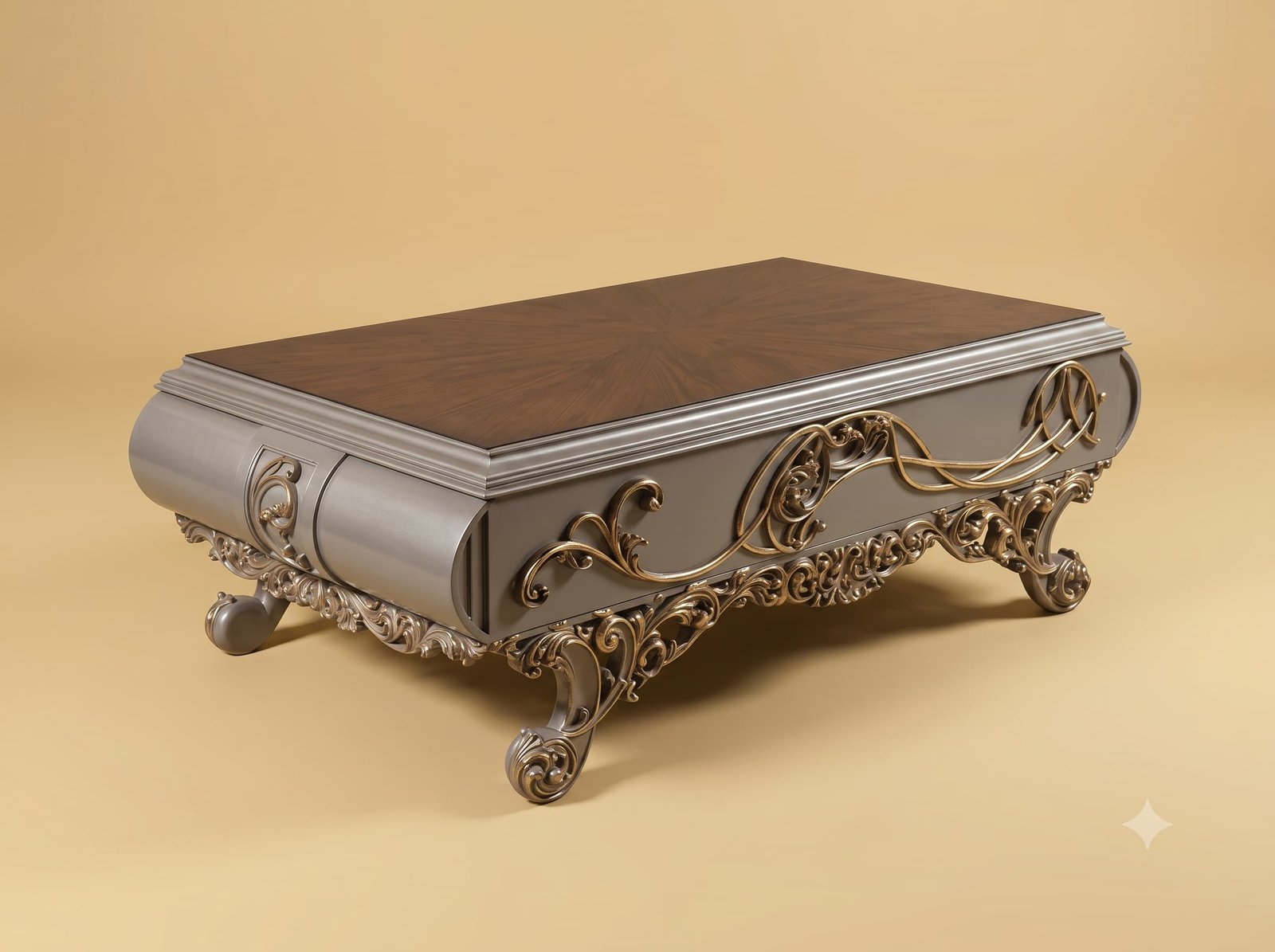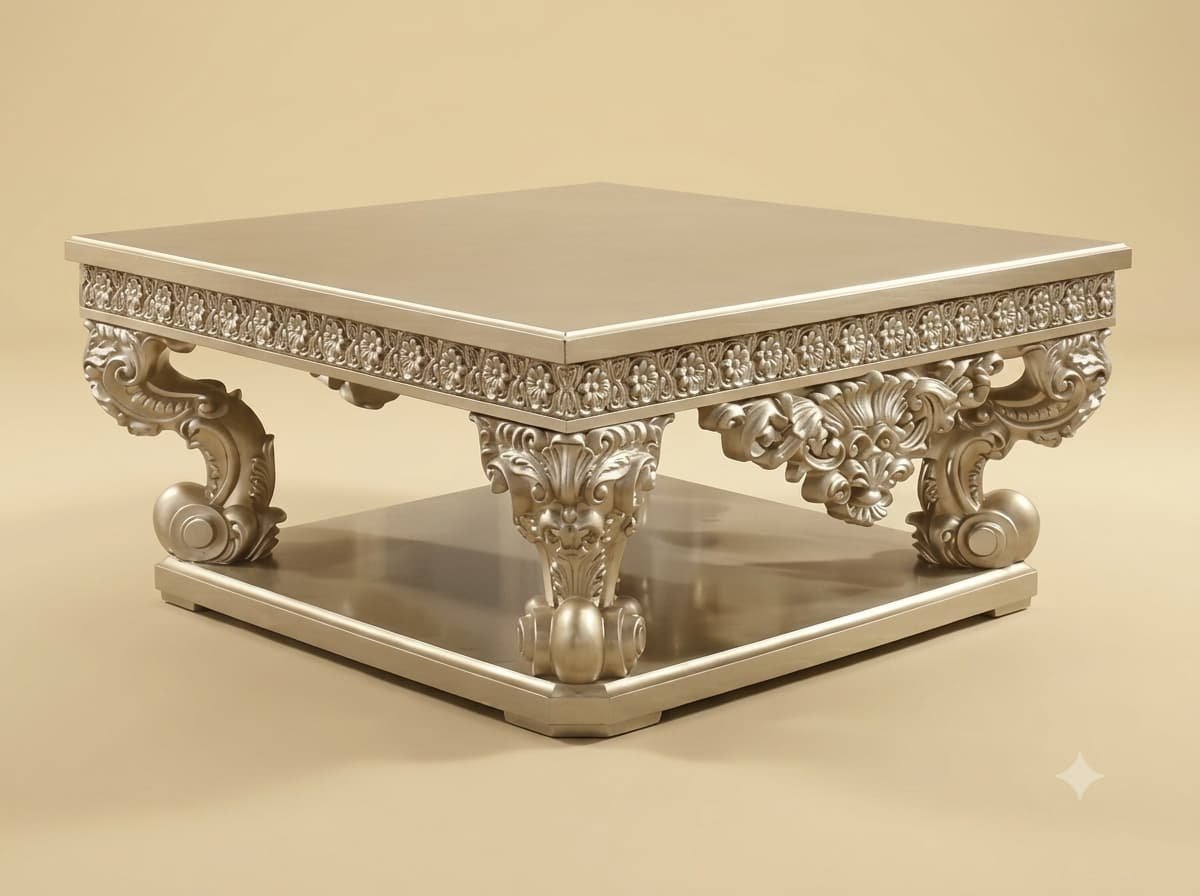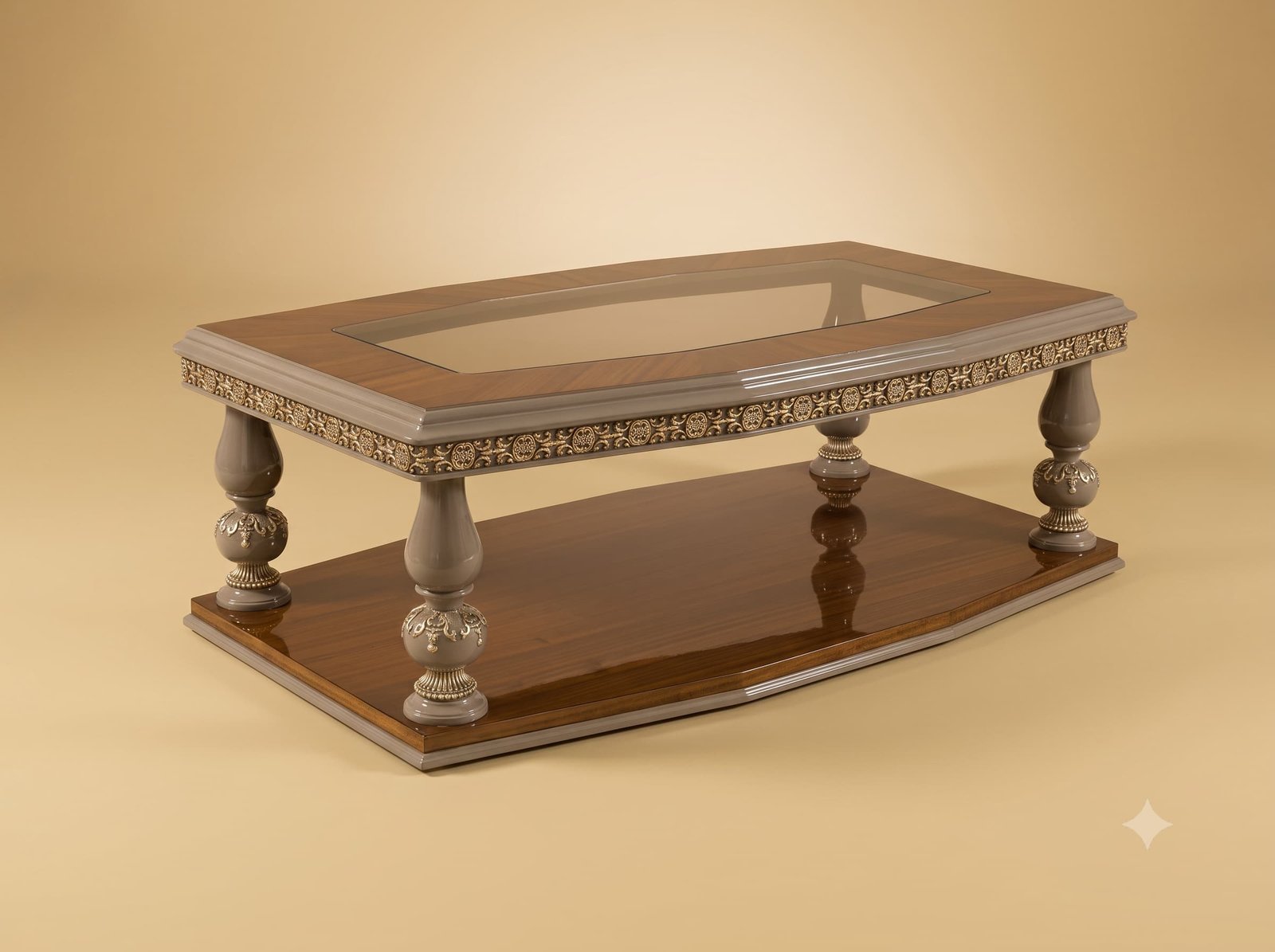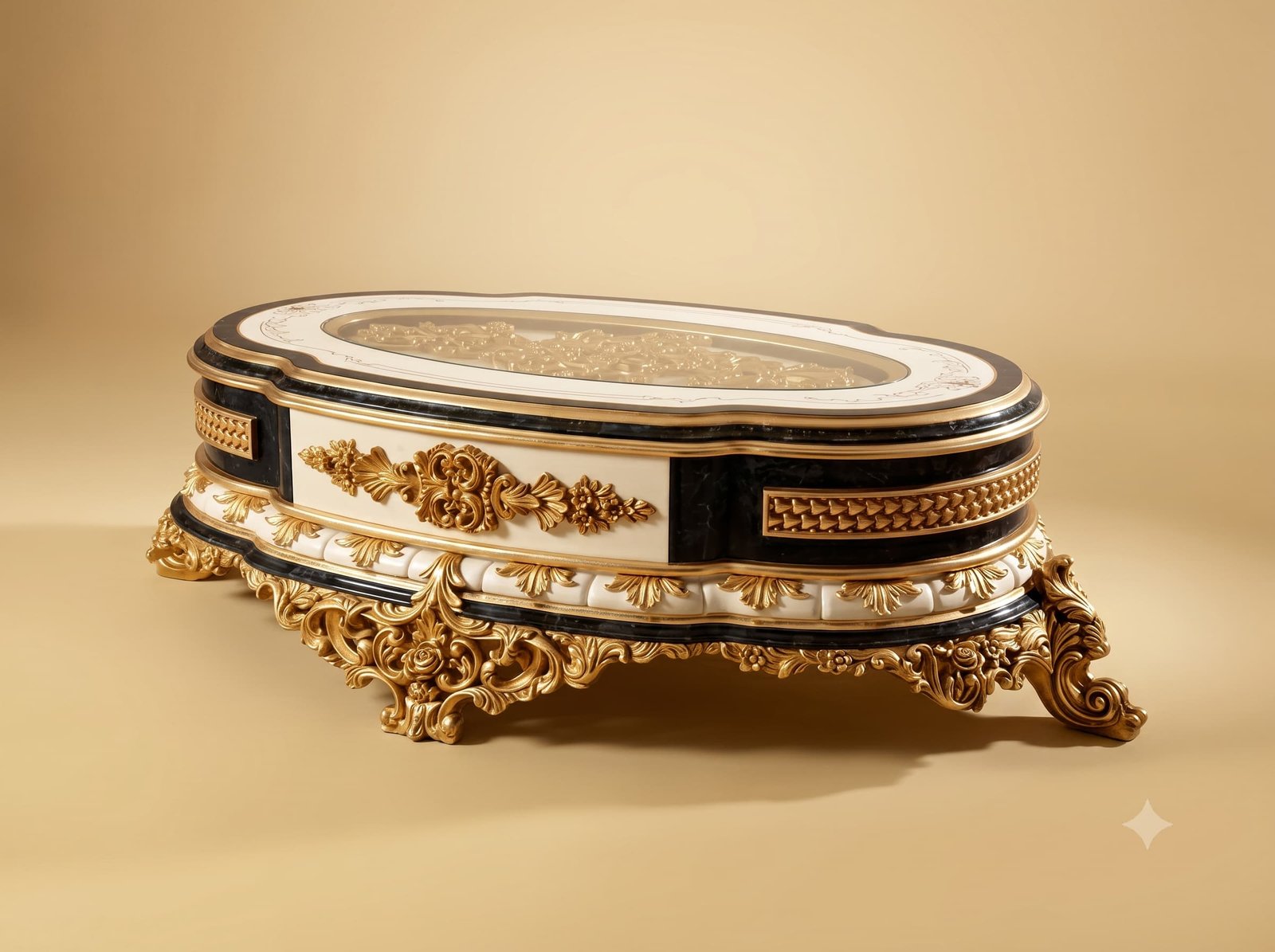
This table curves both ways, and the inward curves at the waist are far harder to make than the outward ones.
Any moulding run around a convex curve is comparatively forgiving - the tool sits on the outside of the shape, and there is always room behind it. On a concave curve the tool has to work inside the hollow, and the sole of a normal moulding tool bridges across the hollow instead of following it. The result is a moulding that goes shallow through the tightest part of the waist and then deepens again, so the profile appears to thin out exactly where the design draws the eye.
The workshop answer is a second tool. The same profile is filed into a blade with a narrow curved sole, made to sit inside a radius tighter than the tightest point on the table, so it stays in contact with the wood the whole way through the hollow.
The moulding is then run in two passes - the convex sections with one tool, the concave with the other - and the join between them is worked out by hand until a finger cannot find the change. Two tools, one profile, and no visible transition anywhere around the table.
 Ask Price On WhatsApp