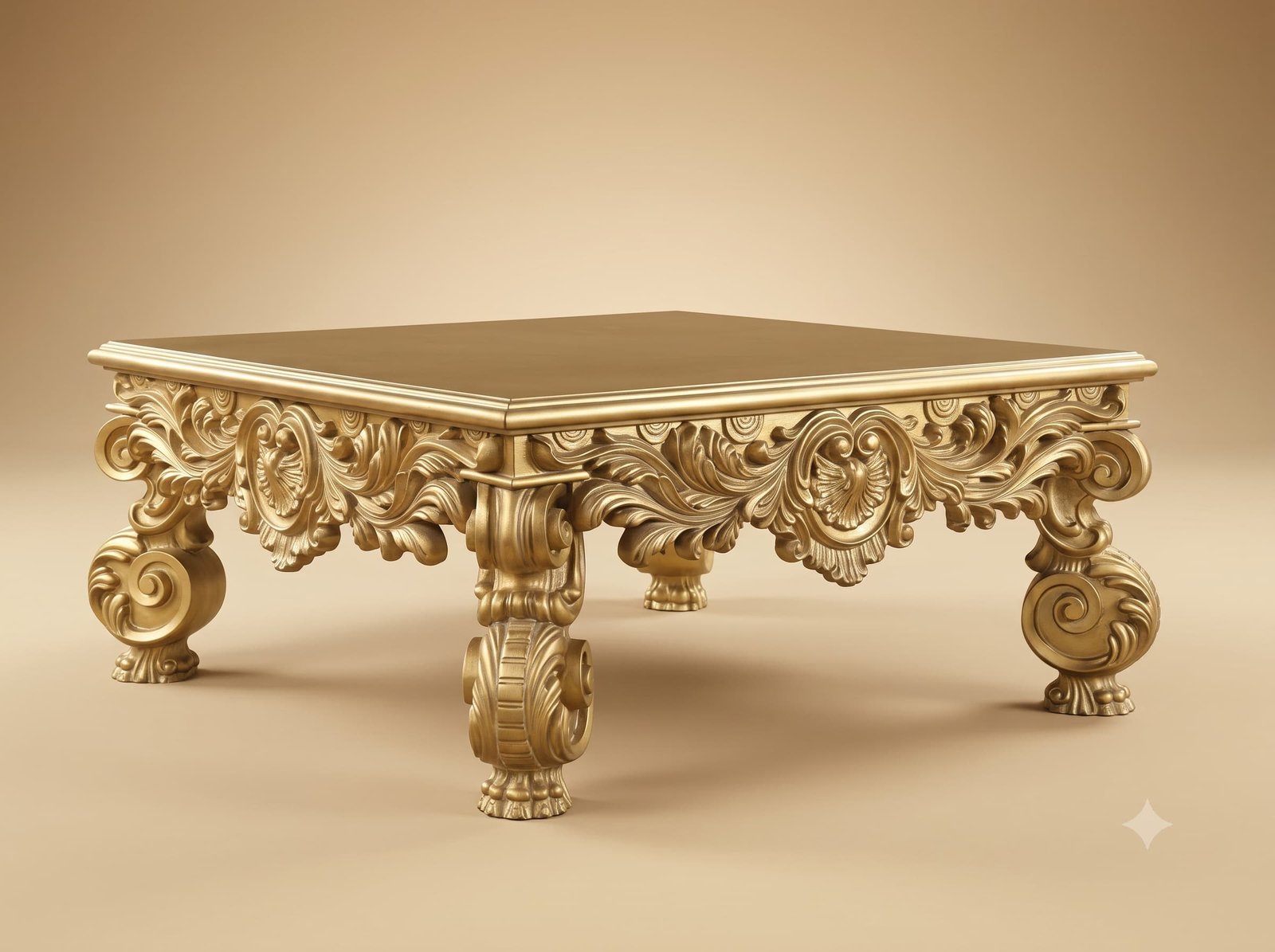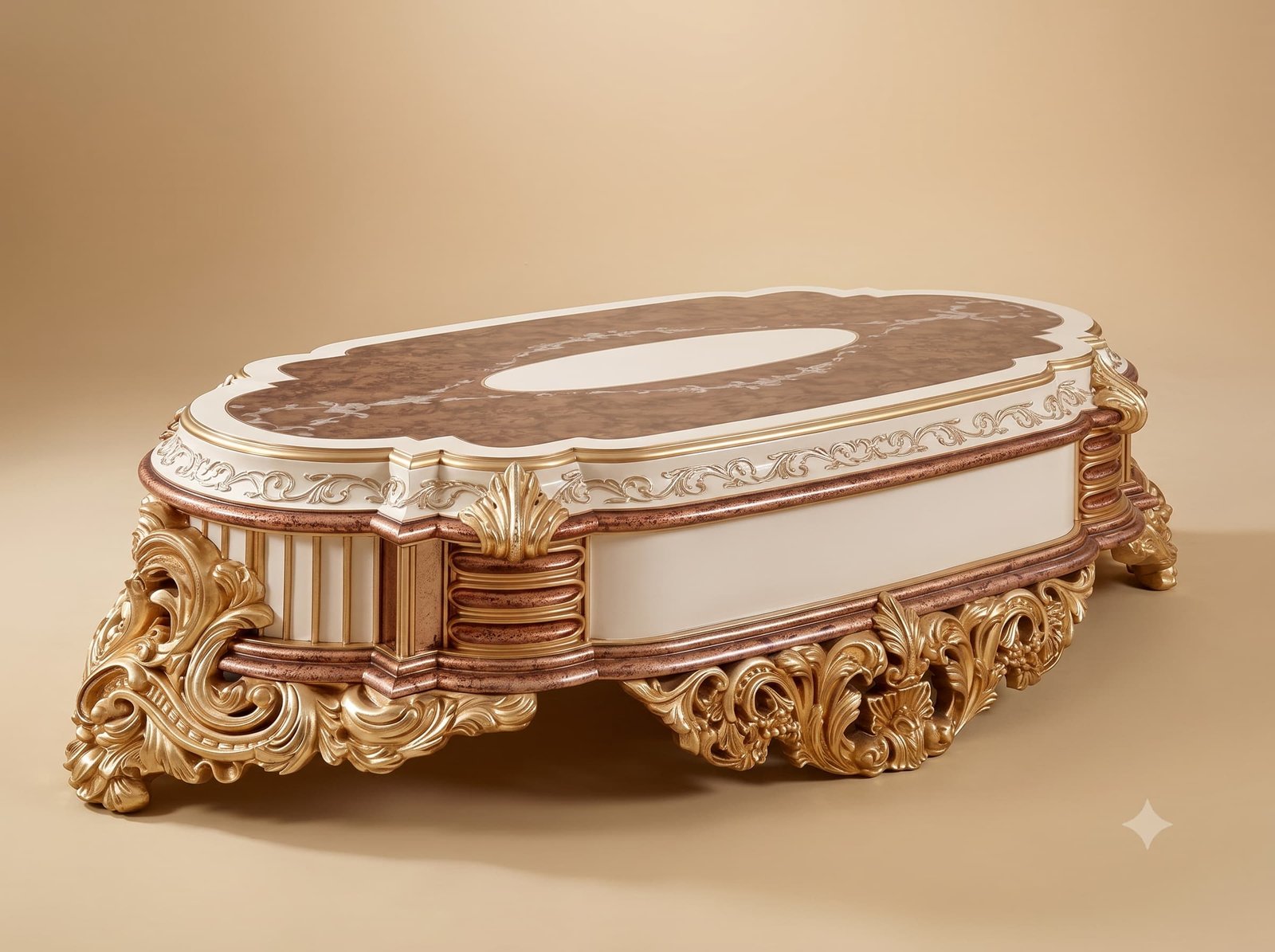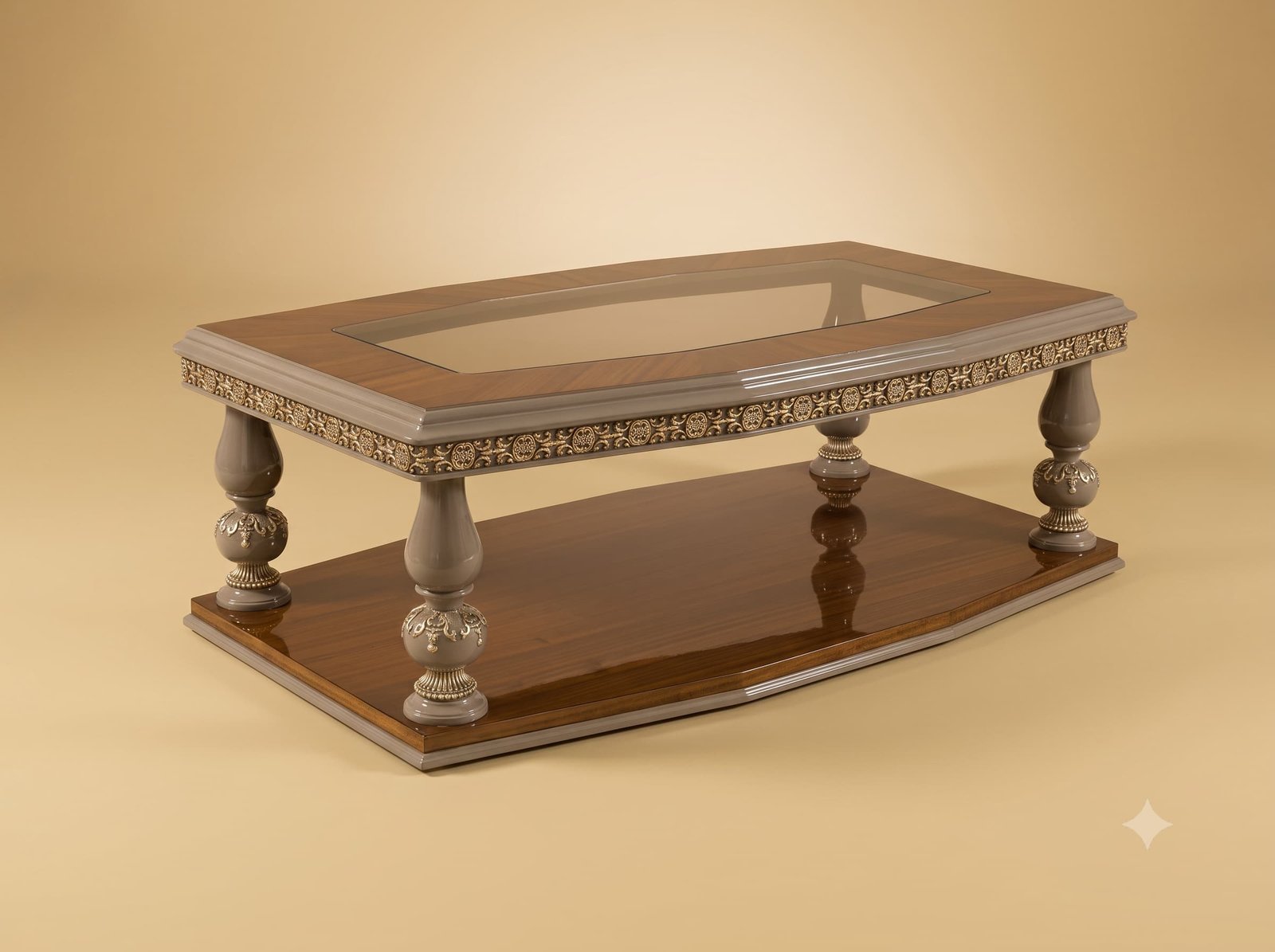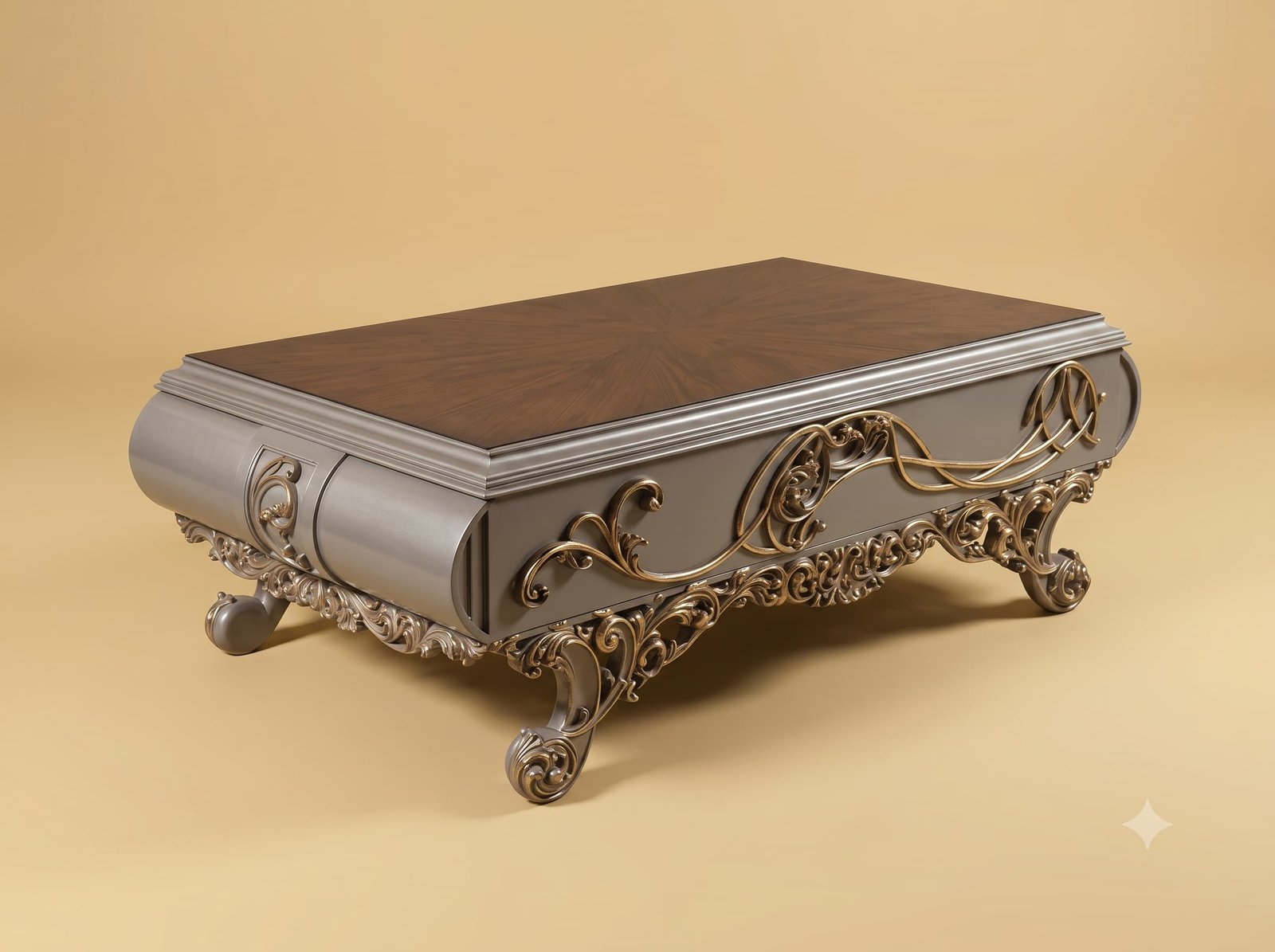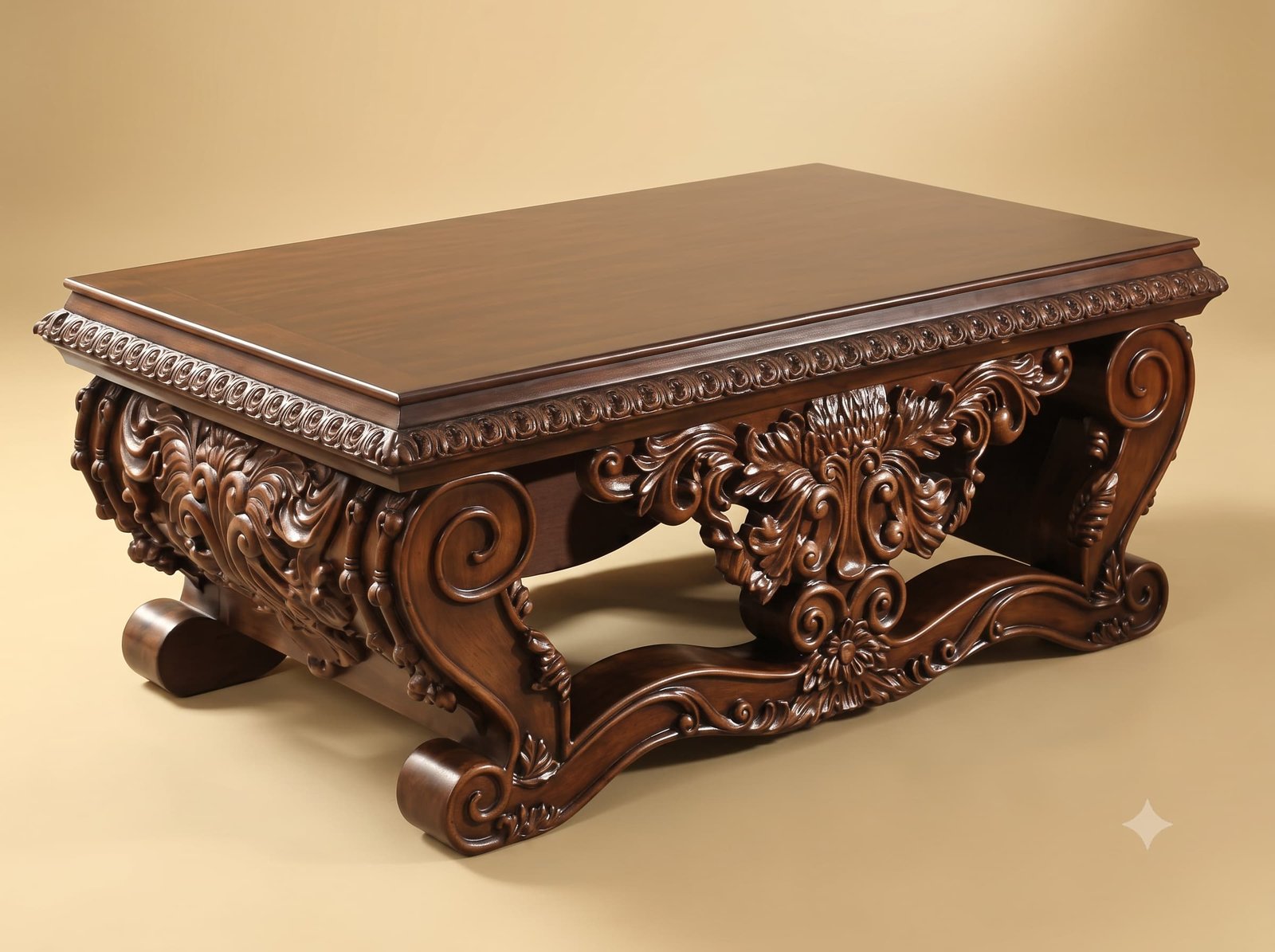
A trestle table is held together by one member, and how that member is fitted decides whether the table is still tight in twenty years.
The two carved ends do all the standing; the stretcher between them does all the holding. It stops the ends splaying outward under load and stops the whole table racking when it is pushed sideways. If the stretcher joint ever slackens, the table does not just wobble - it starts to work itself apart, because every movement loosens the joint a little further.
Glue alone is not the answer over that timescale, because the stretcher is long and the timber it joins into is moving fractionally with the seasons. So the joint is made mechanical: the stretcher passes into each end and is locked with a wedge driven from the outside, in the traditional way.
The advantage is that it can be tightened. If it were ever to slacken after decades, the wedge is driven a little further and the table is tight again - no dismantling, no re-gluing. It is the oldest fixed-and-tightenable joint in furniture, and there is still nothing better for a trestle.
 Ask Price On WhatsApp