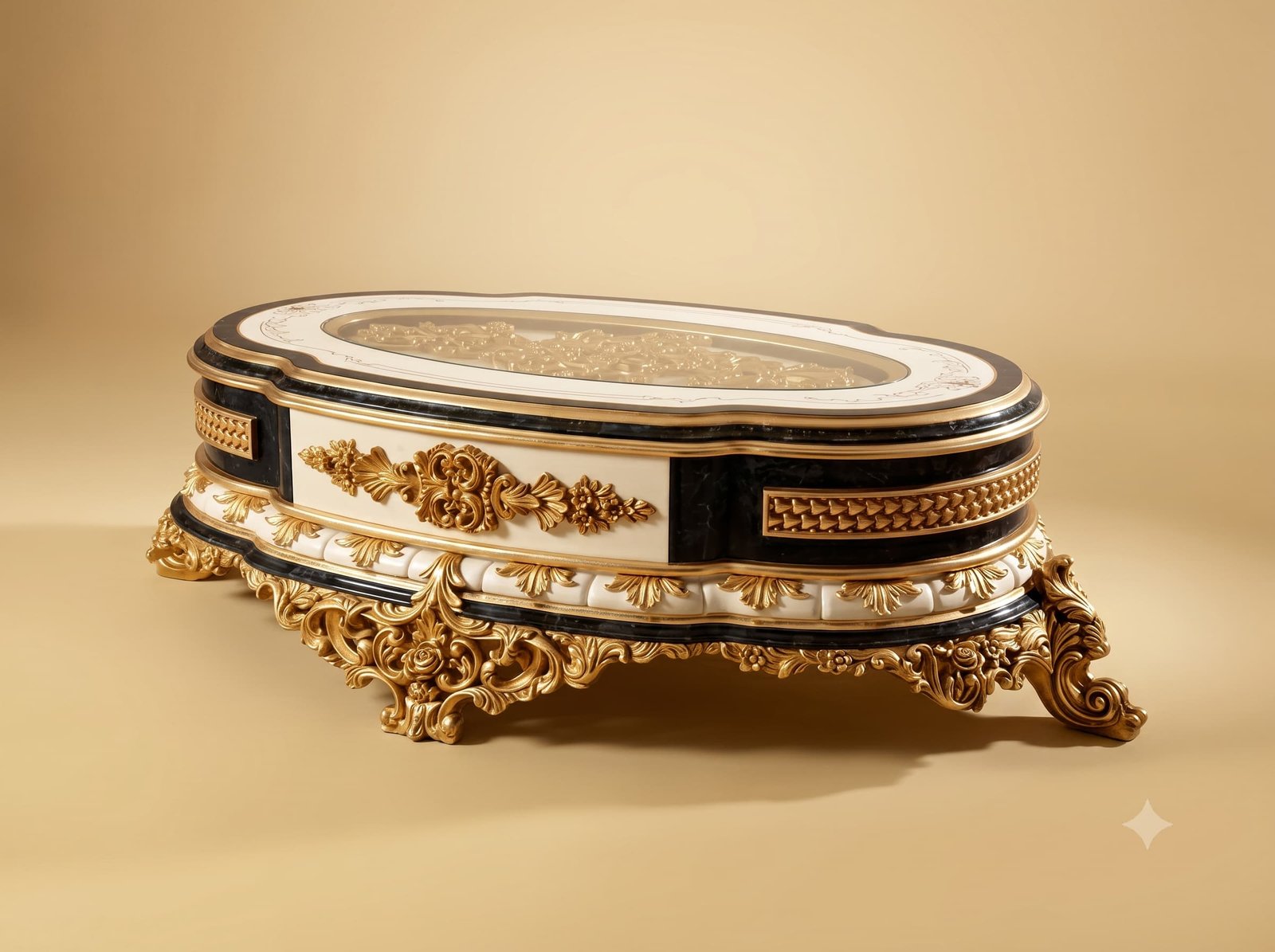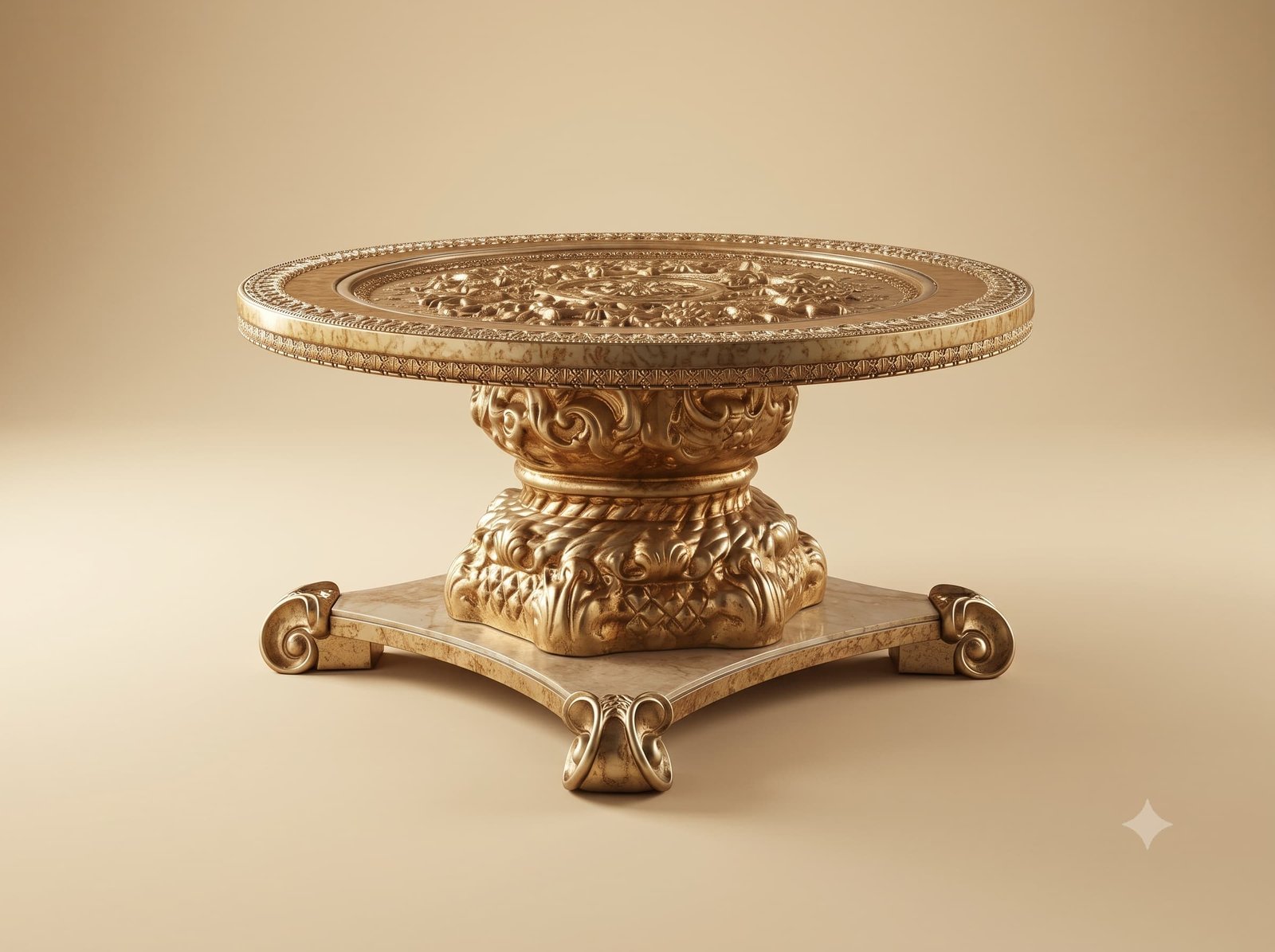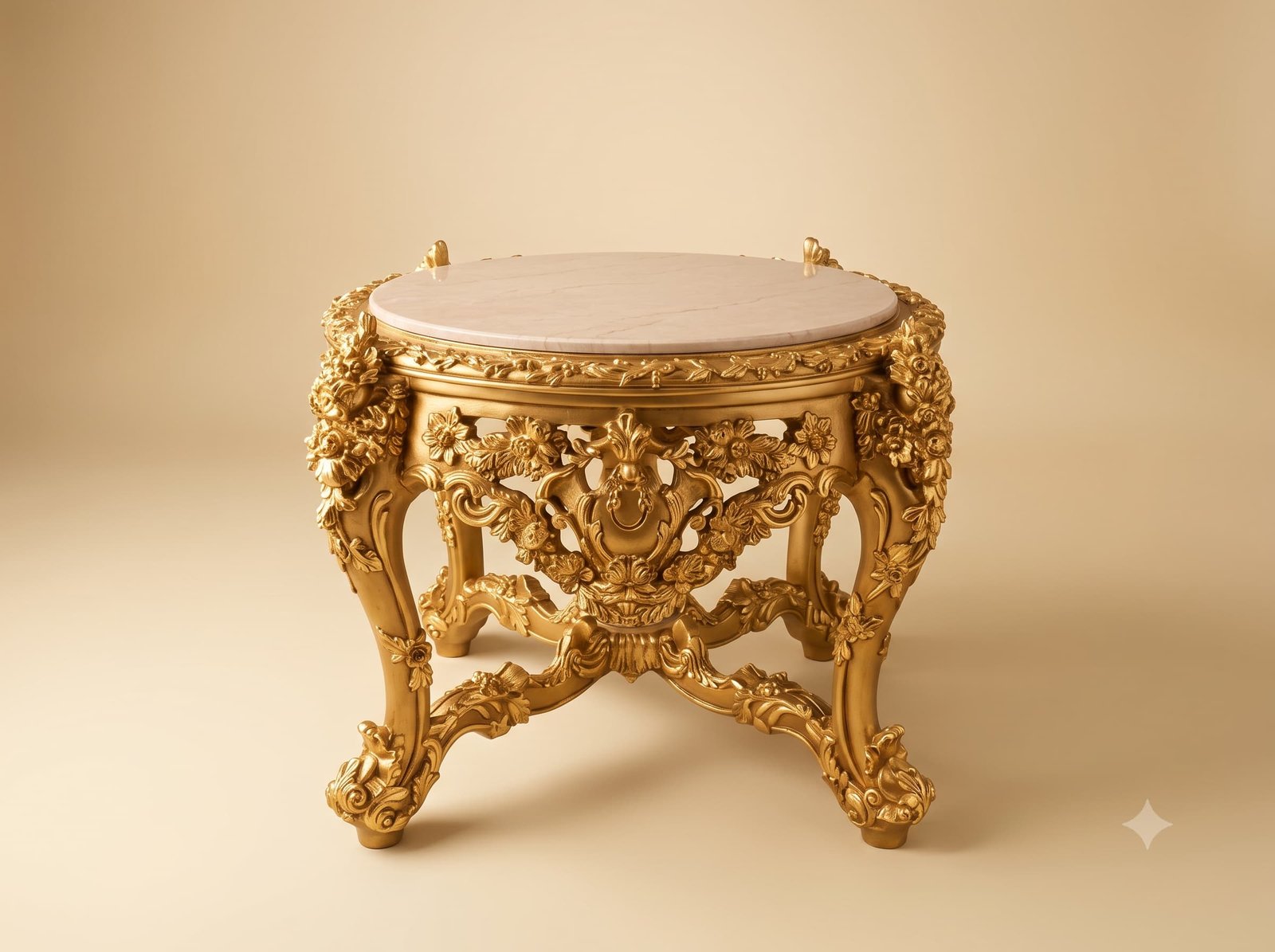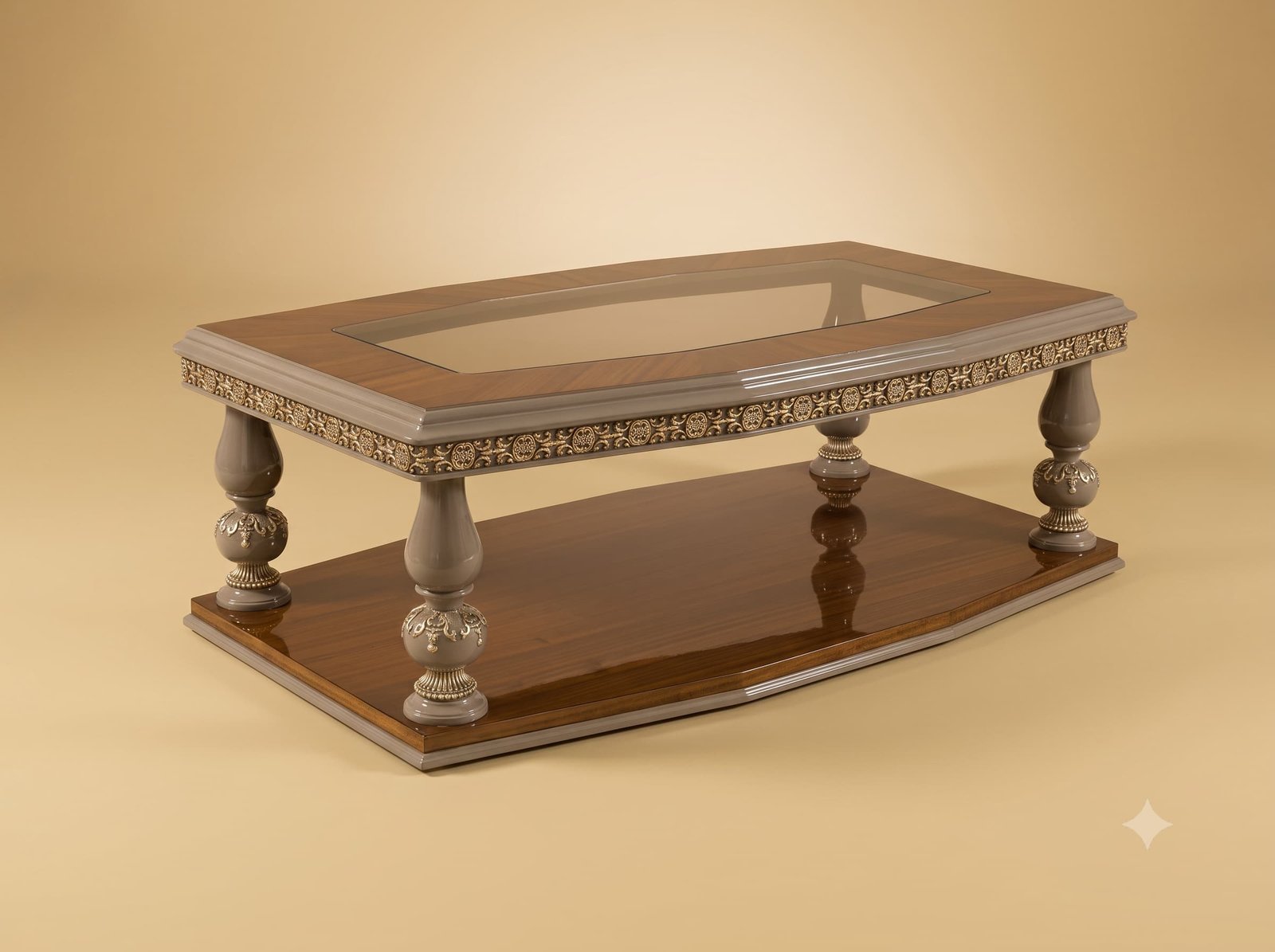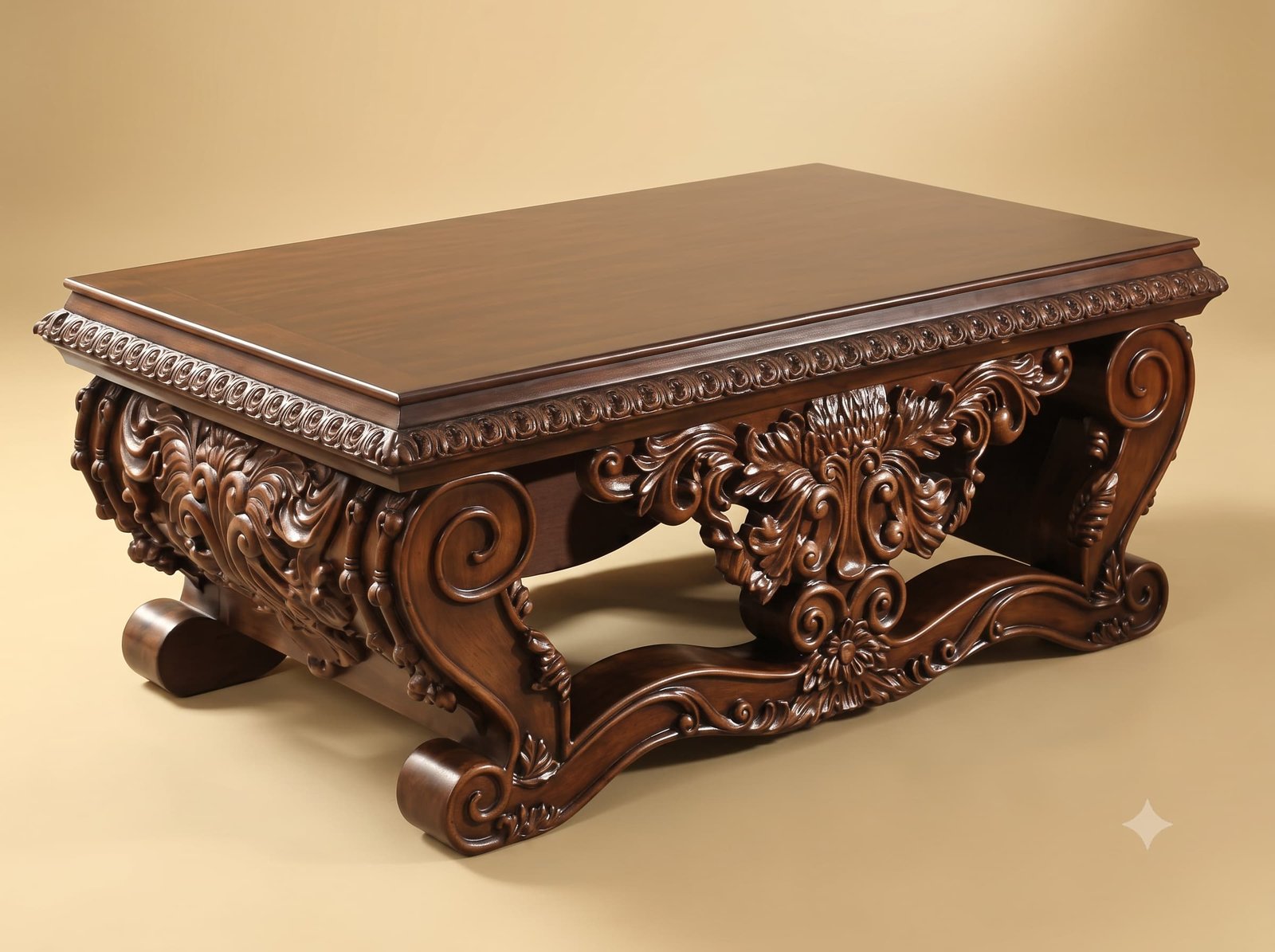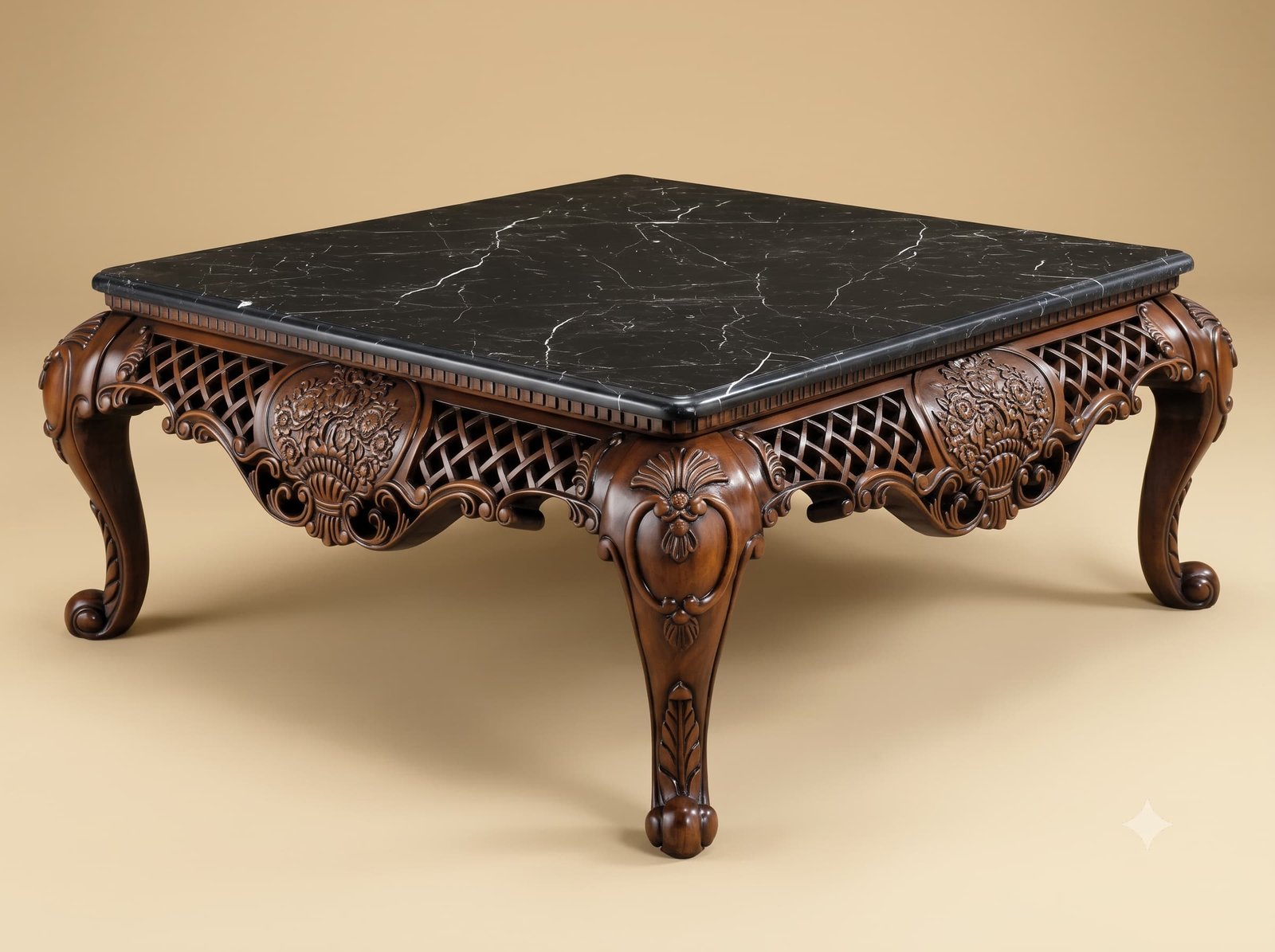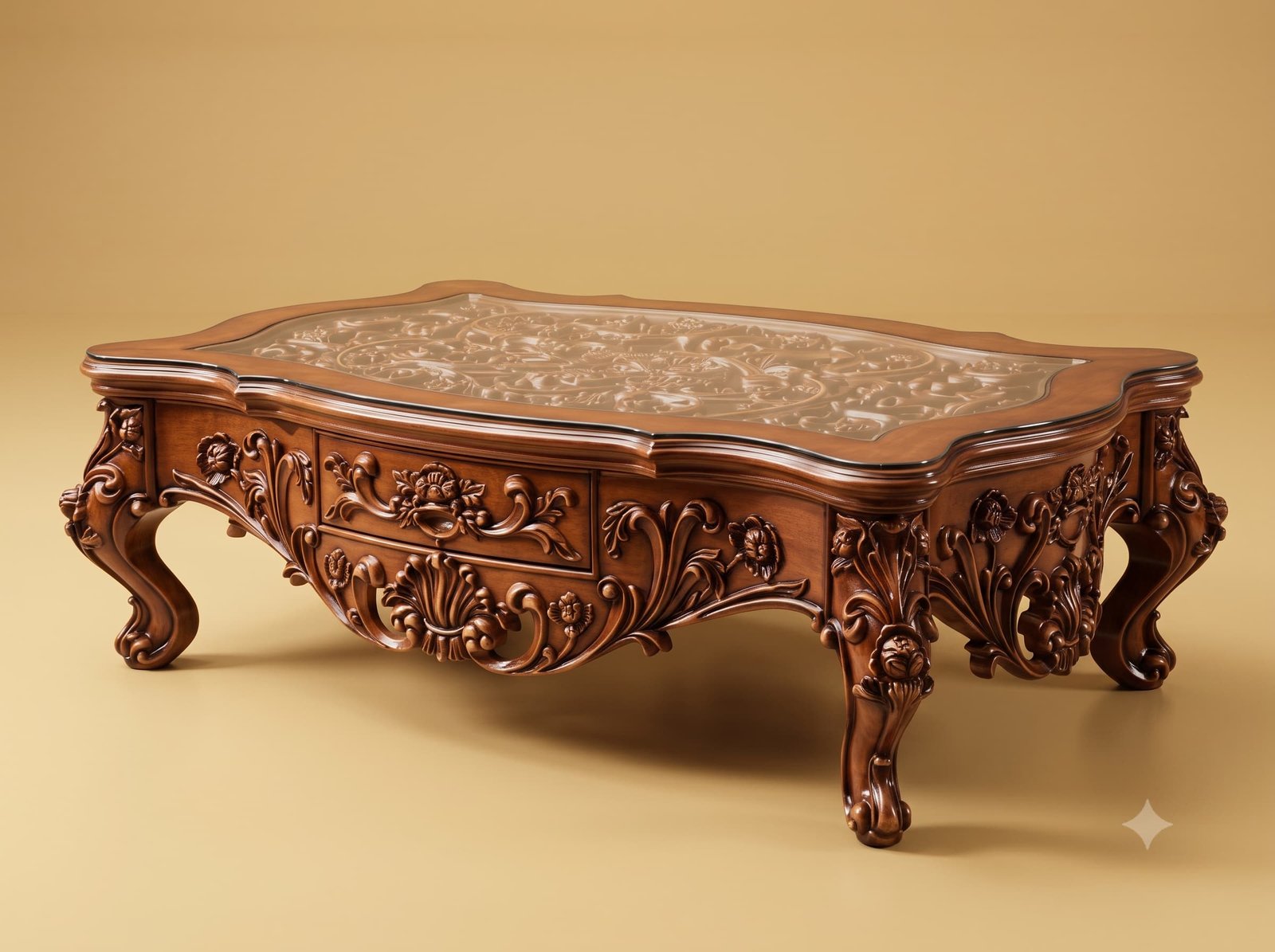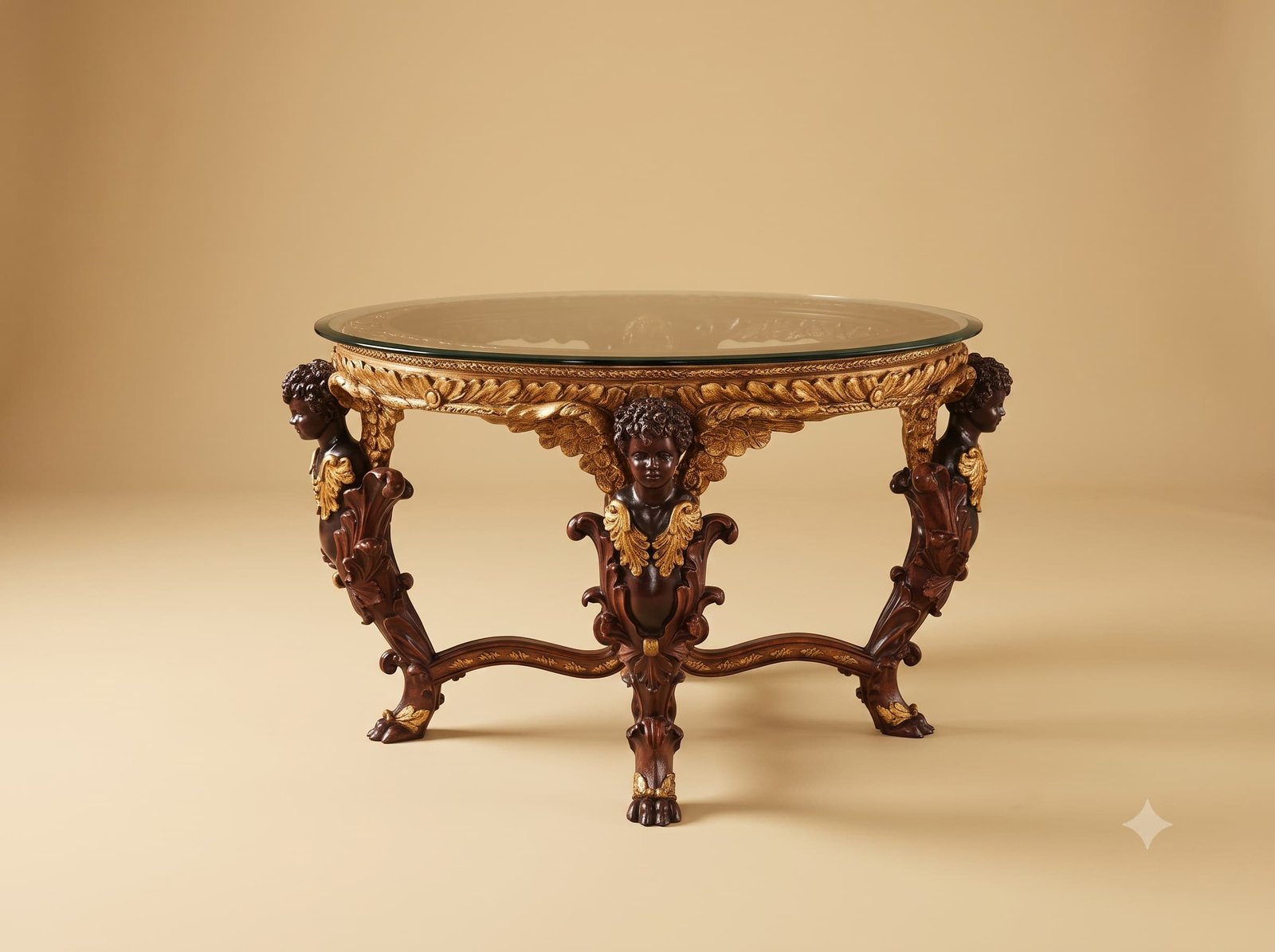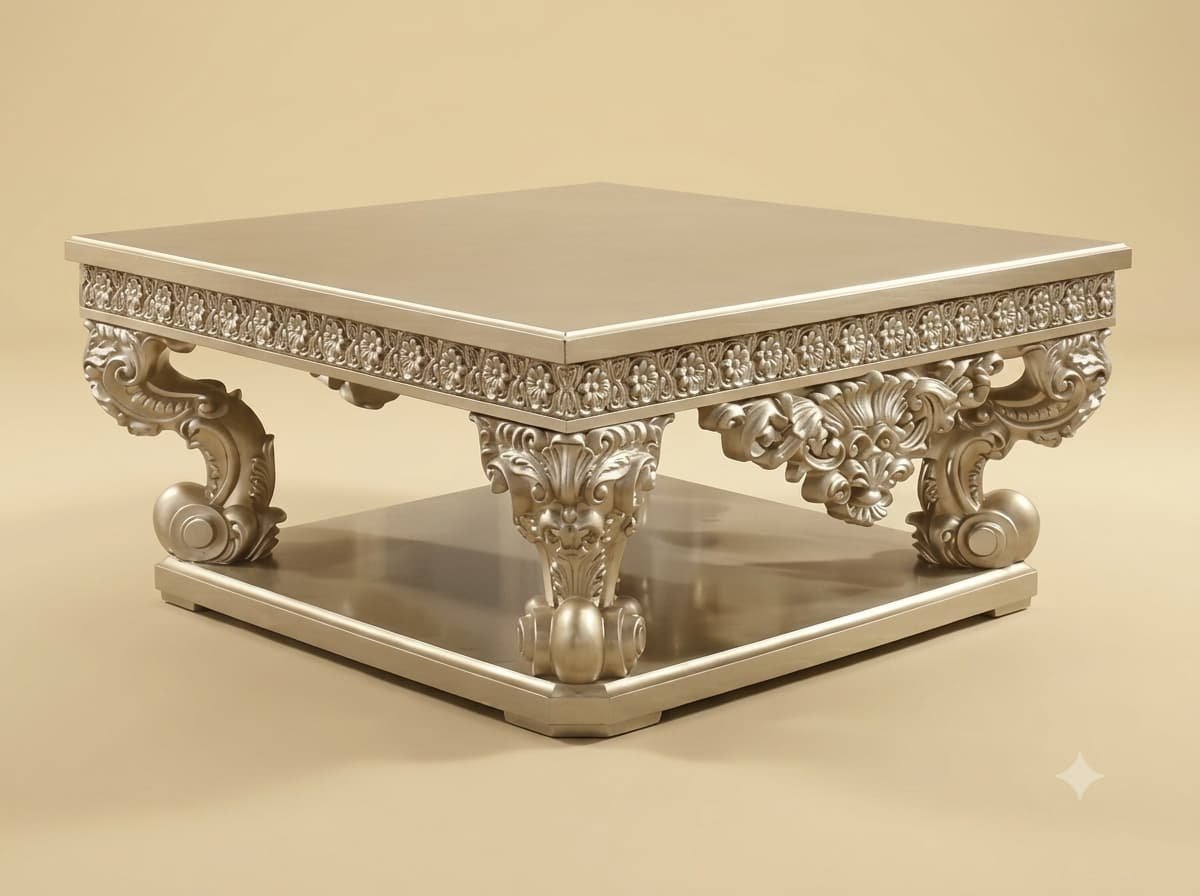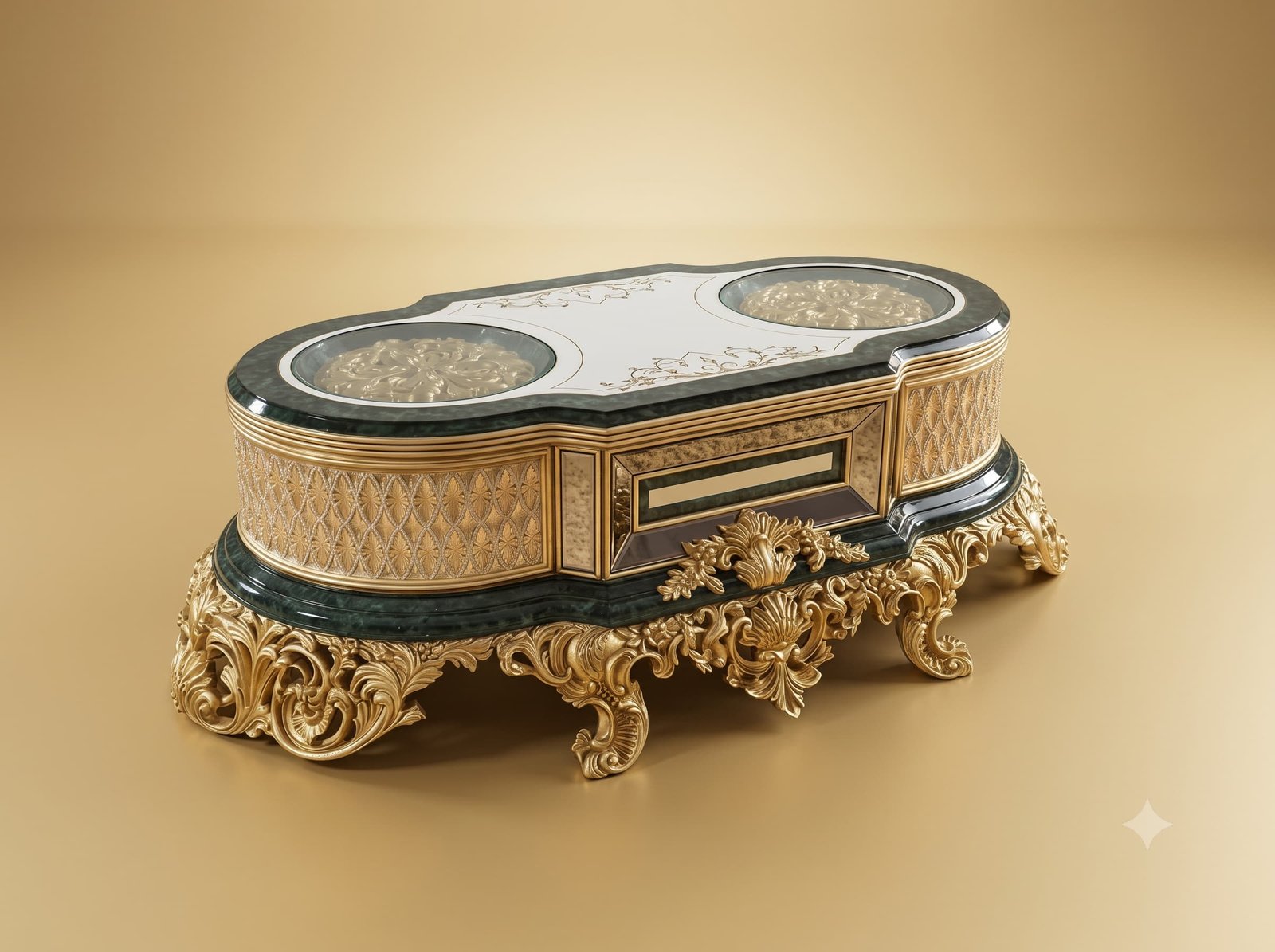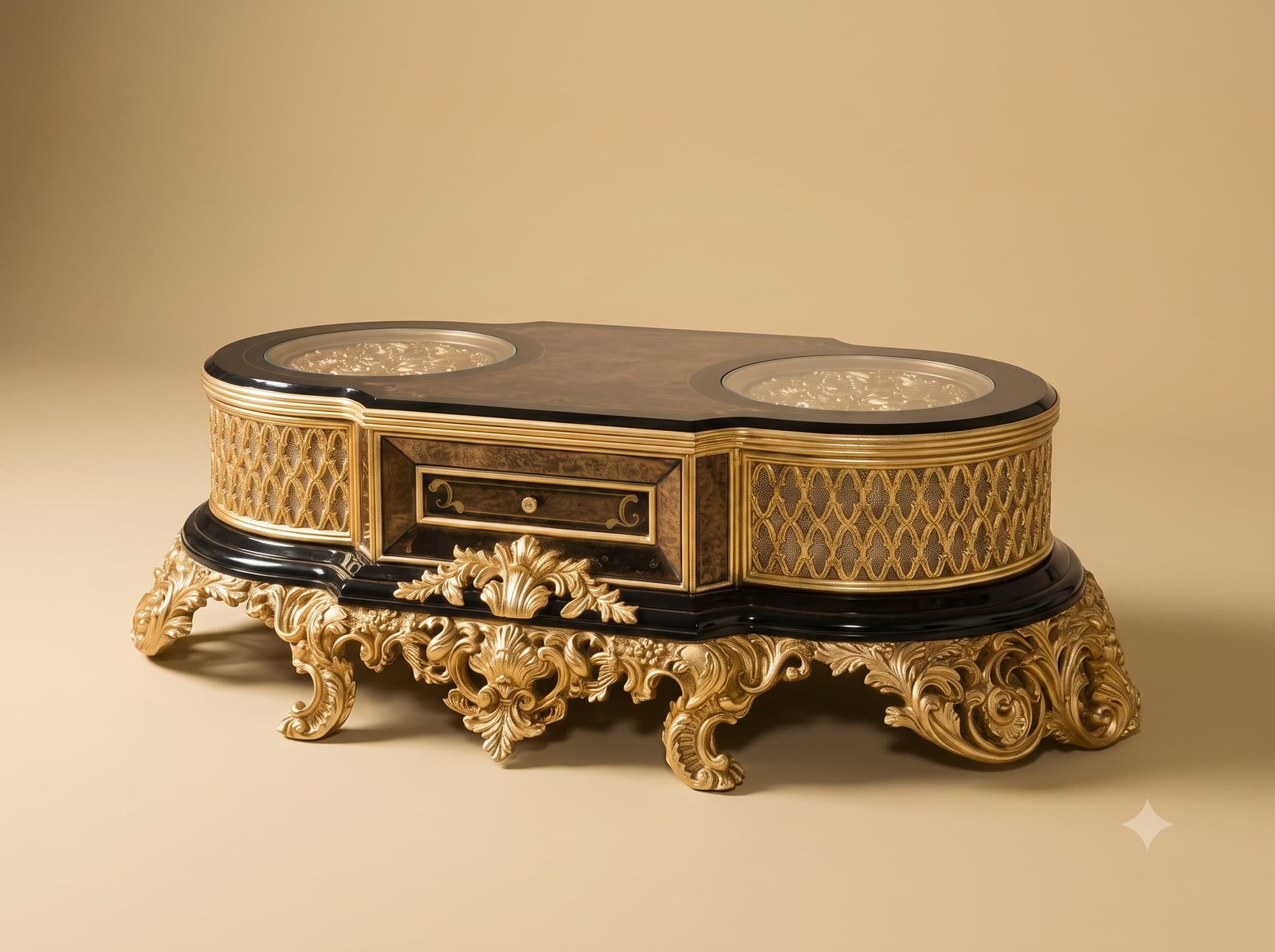
The two glazed medallions in this top are circles cut into a flat surface, and cutting a truly round recess by hand is not a matter of a steady hand at all.
Freehand, nobody can cut a circle. The eye is good at spotting a flat spot on a curve and hopeless at preventing one. So the recess is cut from the centre instead: a pin is set at the exact middle of where the medallion will sit, a cutter is mounted on a bar at a fixed distance from that pin, and the whole thing is swung around. Every point the cutter reaches is the same distance from the pin, so the result is a true circle by geometry rather than by skill.
The same bar is then reset a fraction shorter to cut the rebate that the glass will sit in - concentric with the first cut, because it turns on the same pin.
What that gives is a glass disc that drops in with an even gap all the way round. Cut the recess by eye and the gap would be tight at one point and open at another, and every person who sat at the table would see it. The pin does the work; the carver simply keeps the cutter moving.
 Ask Price On WhatsApp