A round top is never checked by measuring its diameter, because a shape can measure the same width in every direction and still not be a circle.
That sounds like a curiosity, but it is a real workshop problem. Measure across a slightly egg-shaped top at a dozen angles and you can get the same figure each time if the high and low points fall opposite each other. The table will look right on the bench and wrong in the room, because the eye reads a circle against the straight lines around it - a wall, a rug edge, the front of a sofa - and picks up an error of a millimetre or two instantly.
So roundness is tested from the centre, not across the width. A pointer is fixed at the exact centre of the top and set to just touch the edge, then the top is rotated slowly beneath it. Any point that lifts the pointer or leaves a gap is out. Radius, not diameter - because every point on a true circle is the same distance from one centre, and nothing else is.
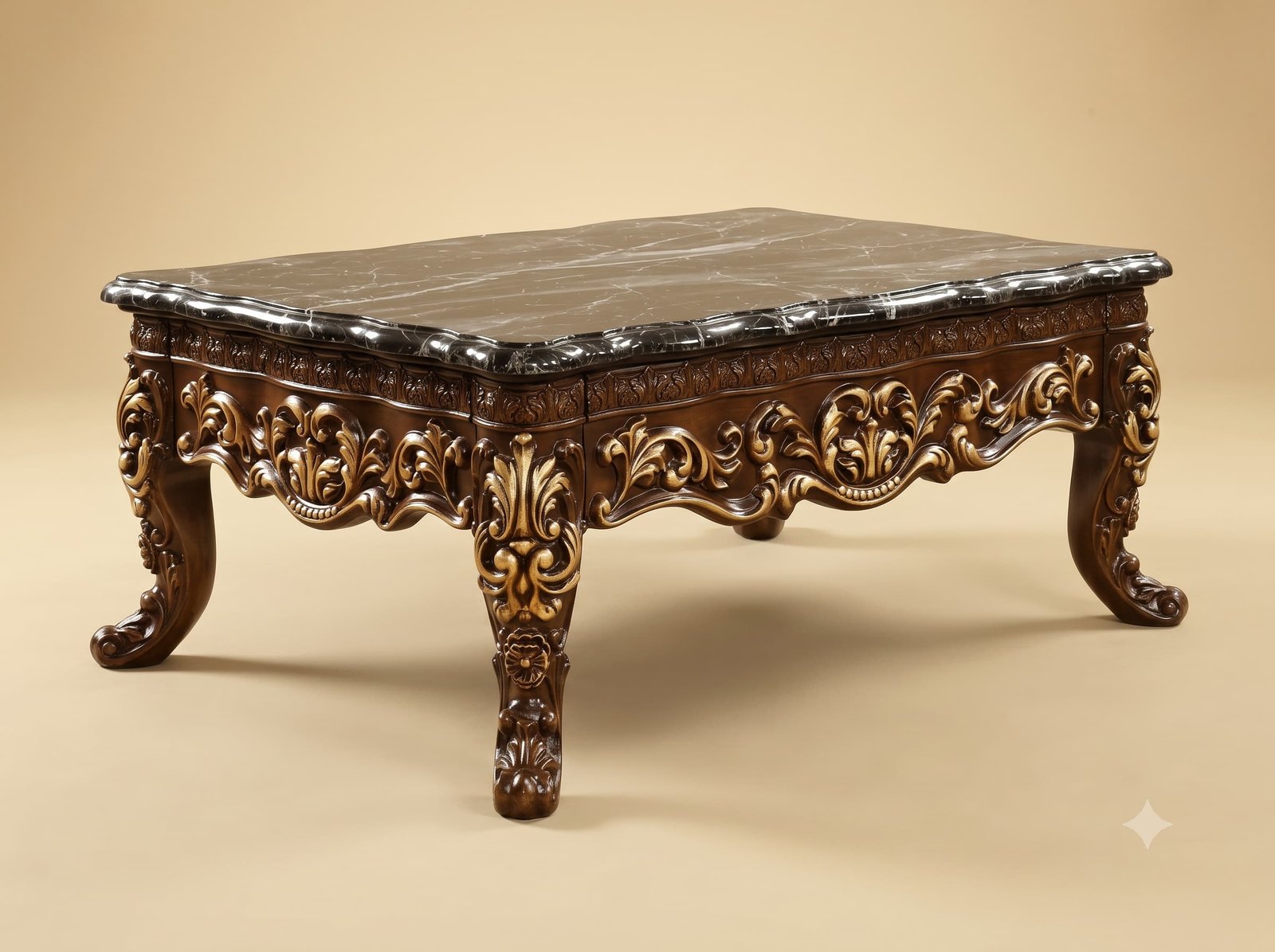
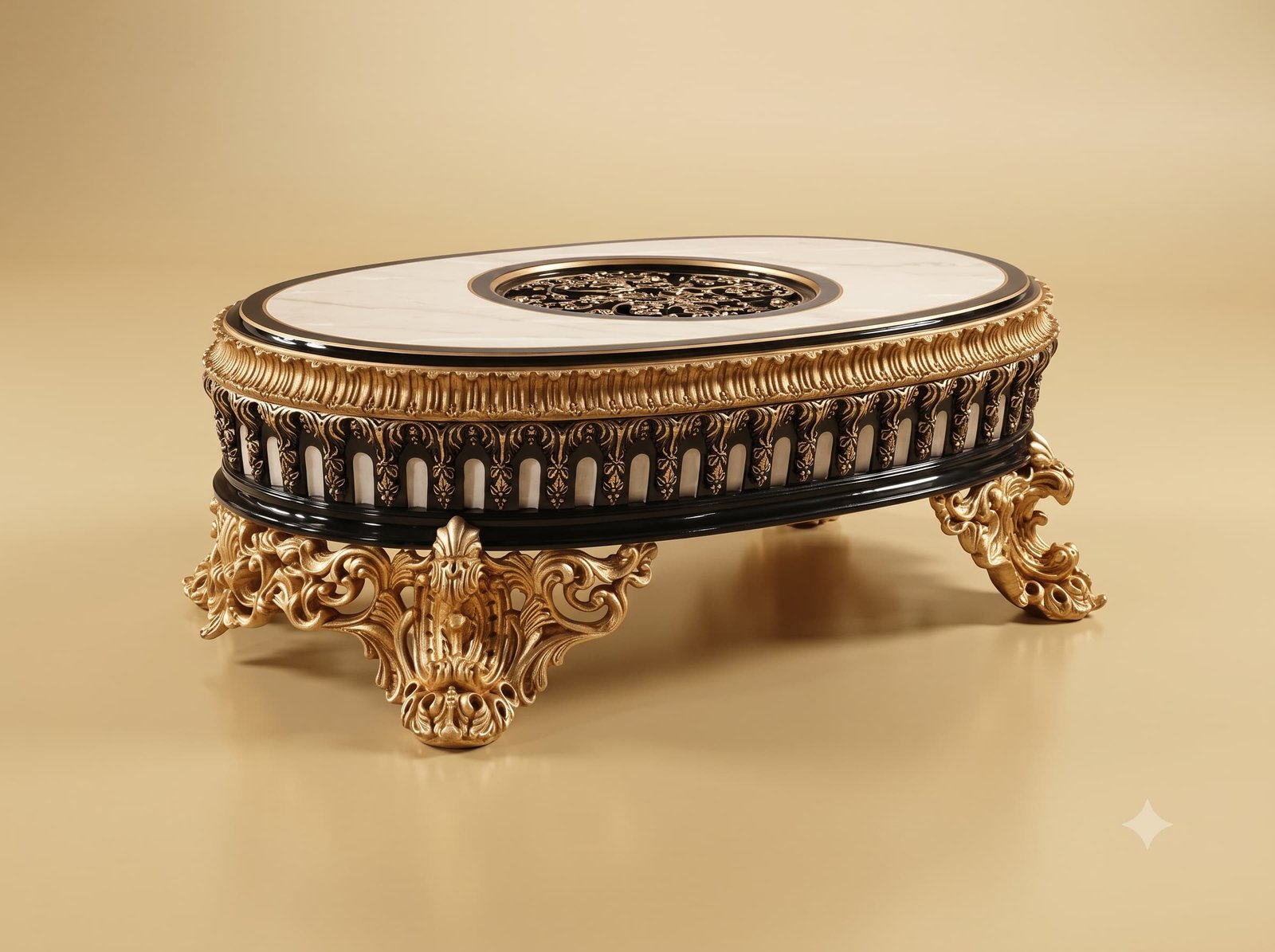
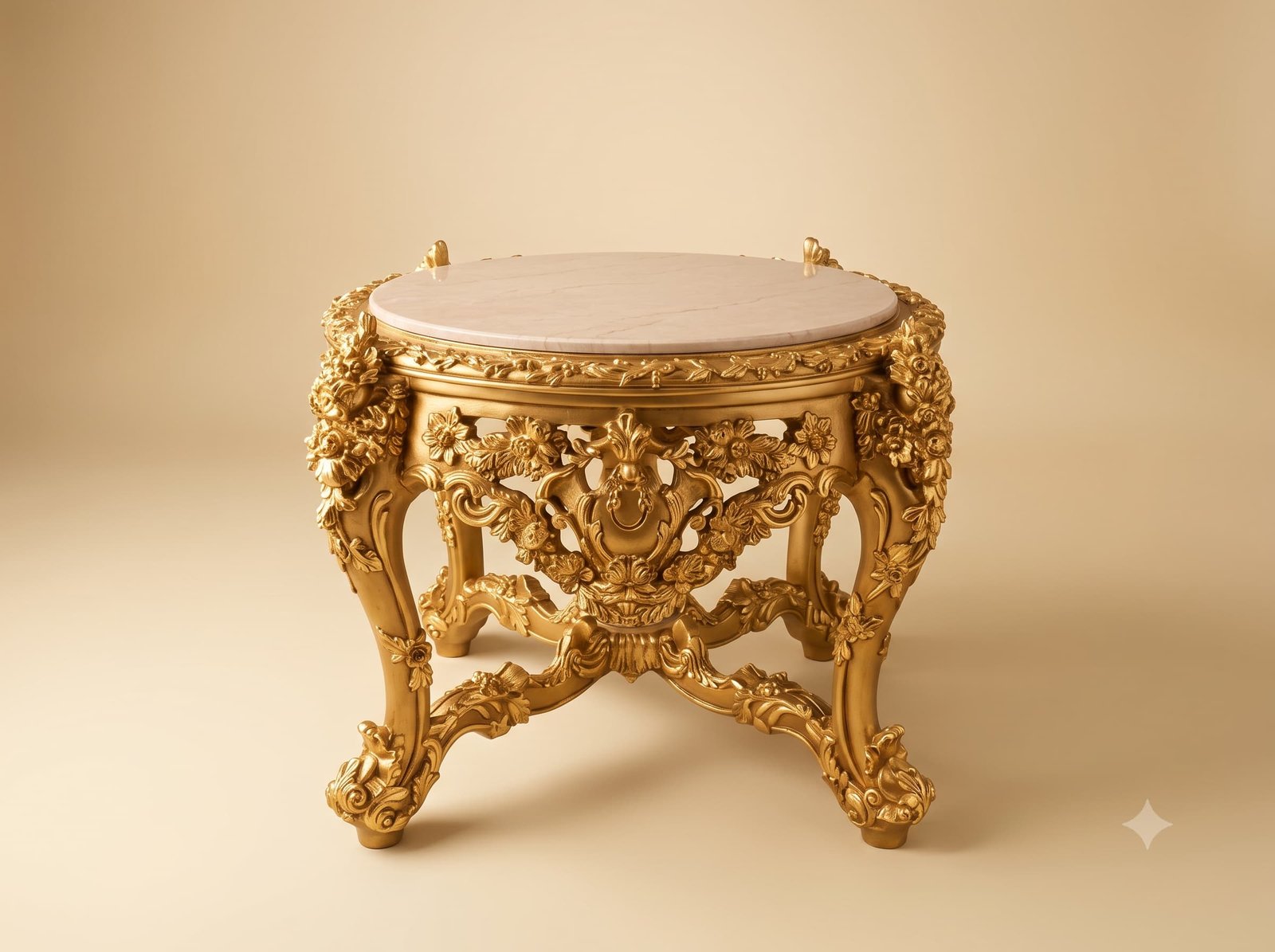
The same check is used on the timber frieze ring below, so that the stone and the carving stay concentric all the way round.
 Ask Price On WhatsApp