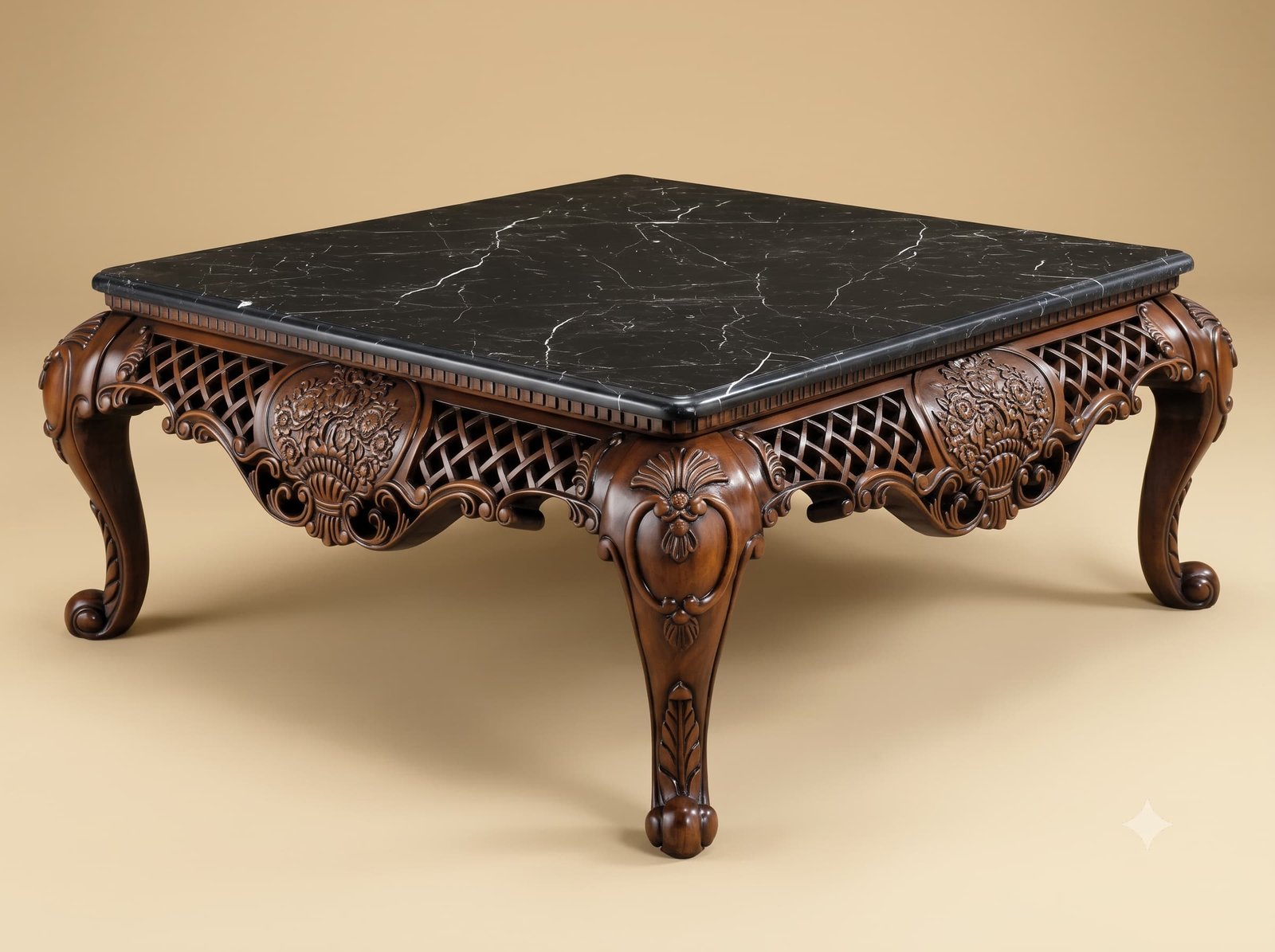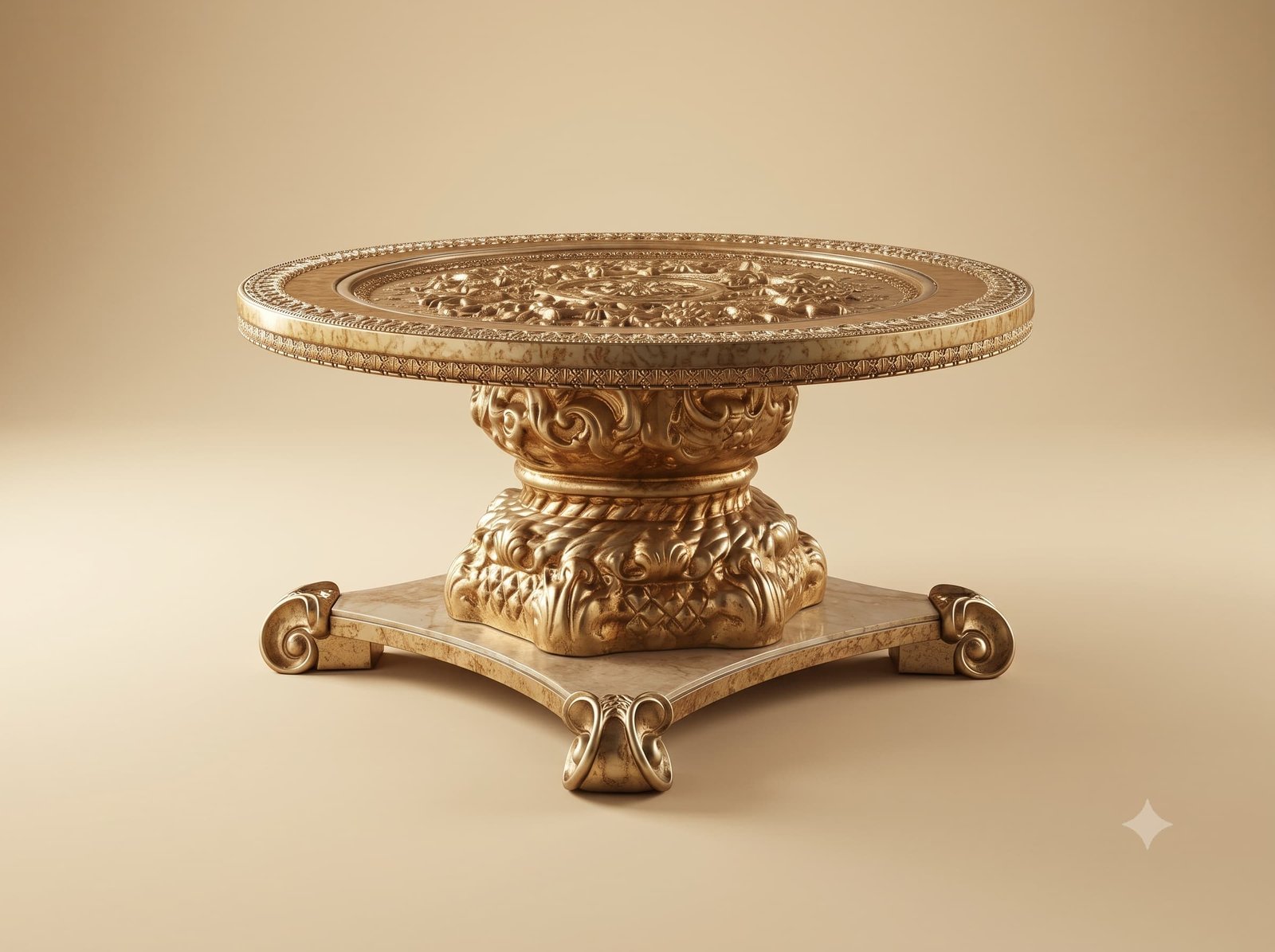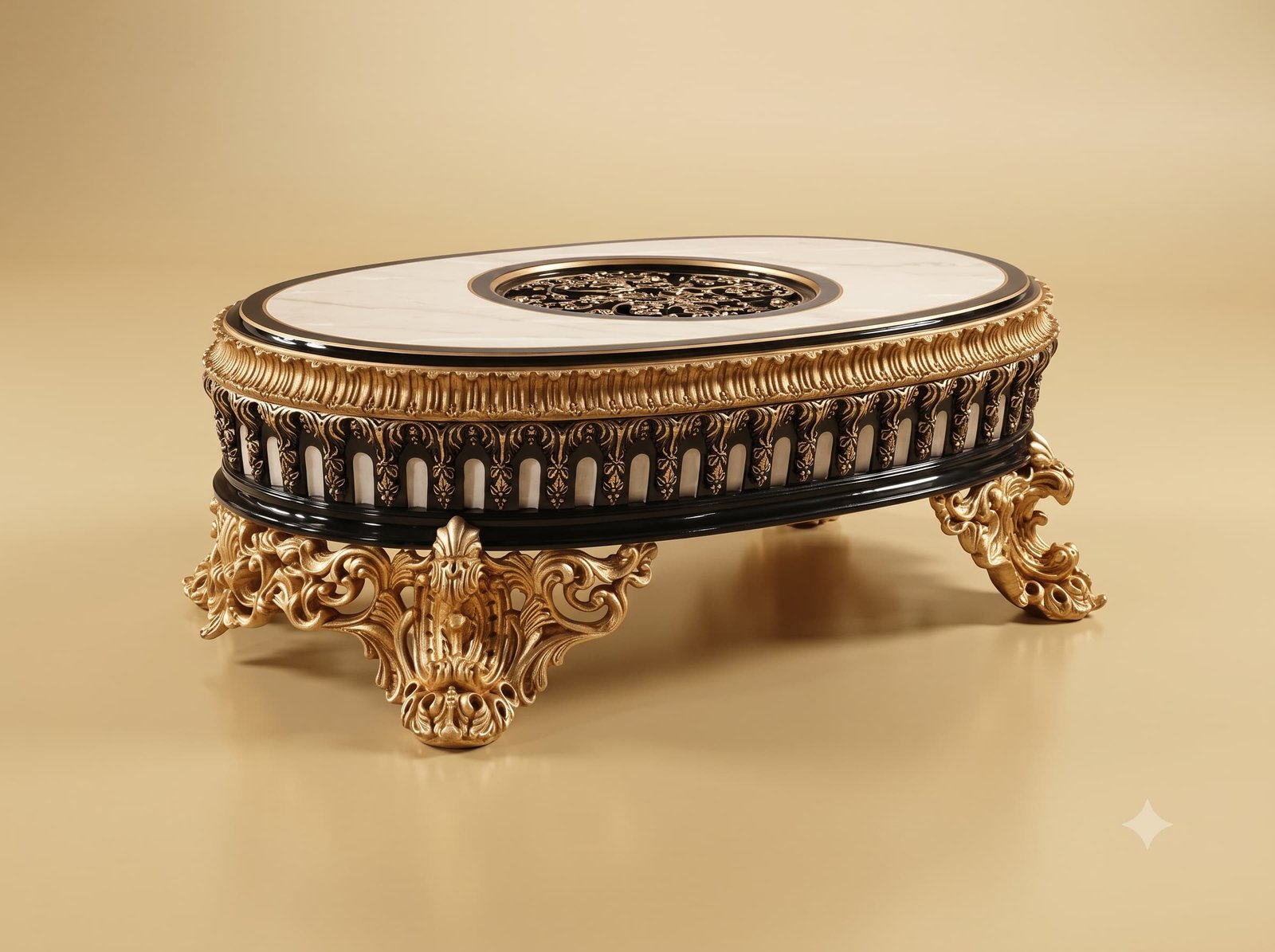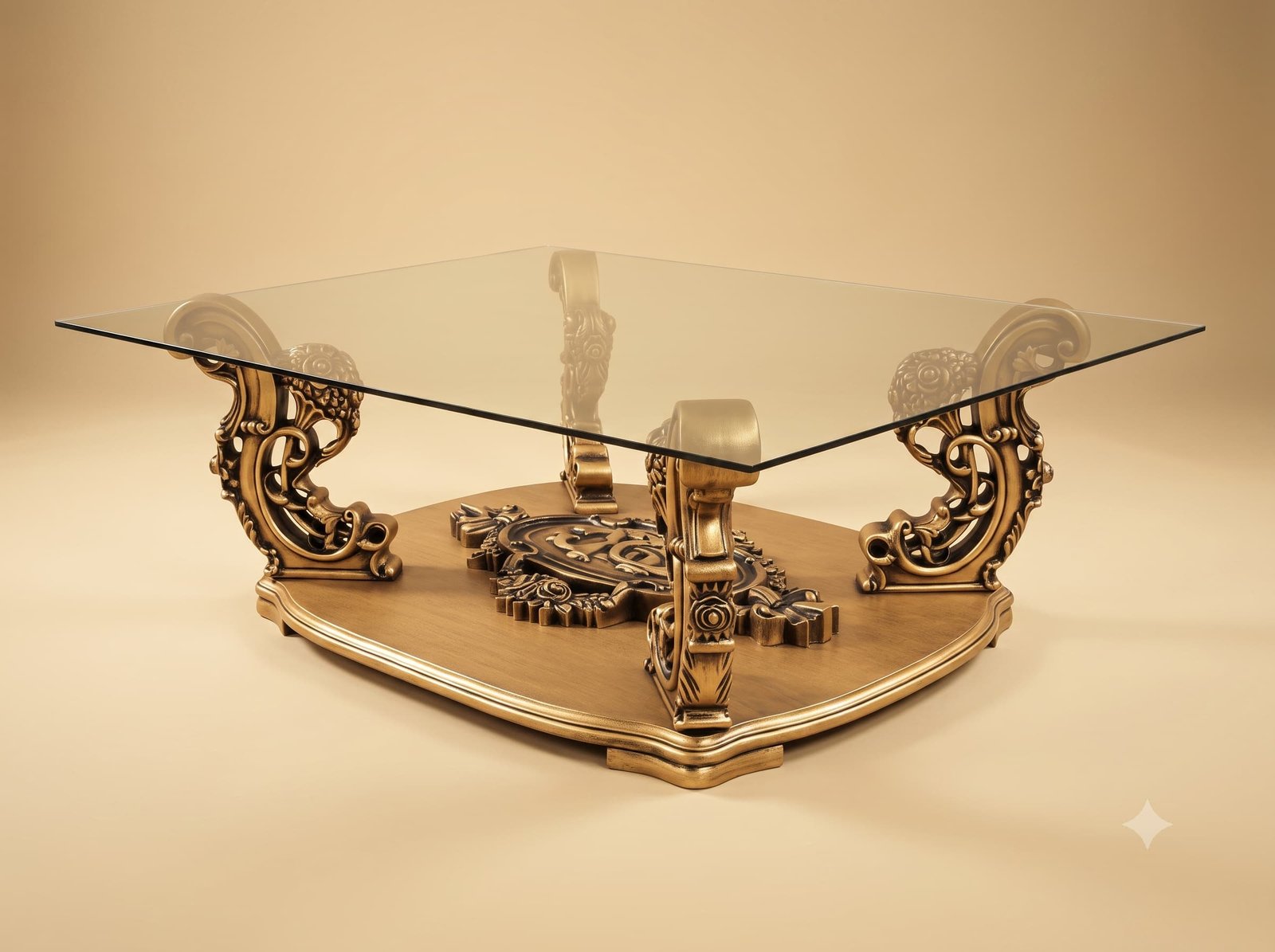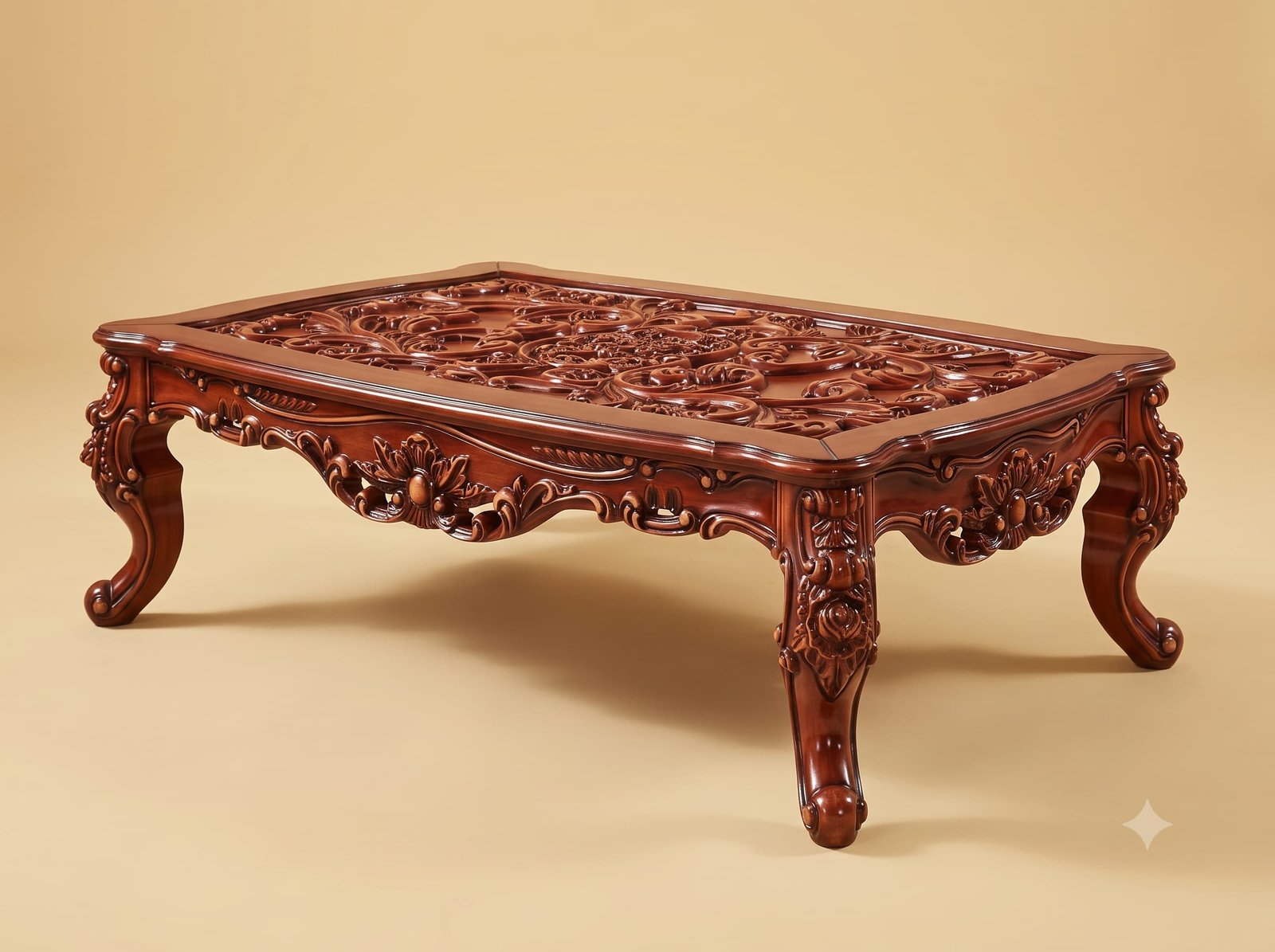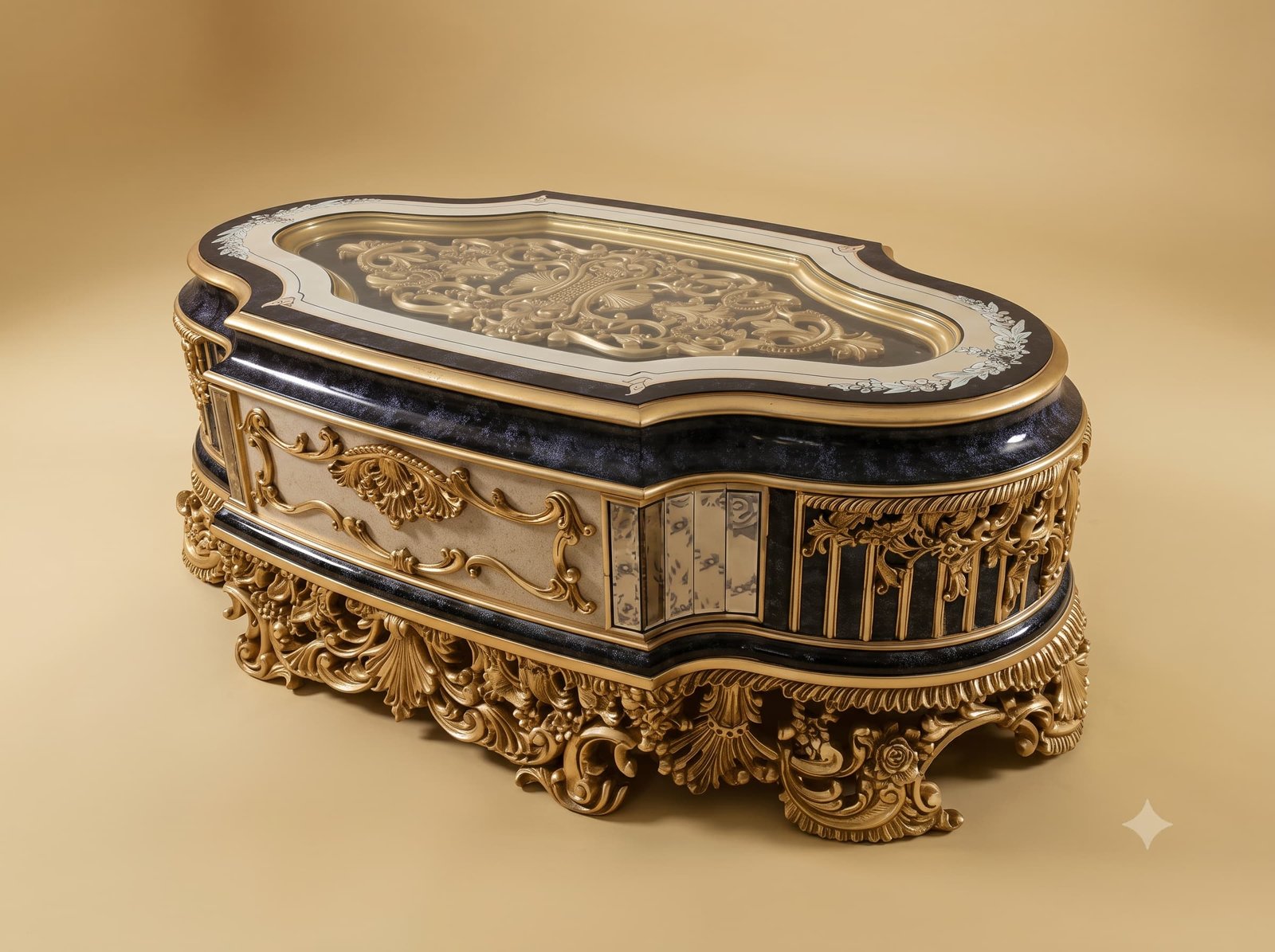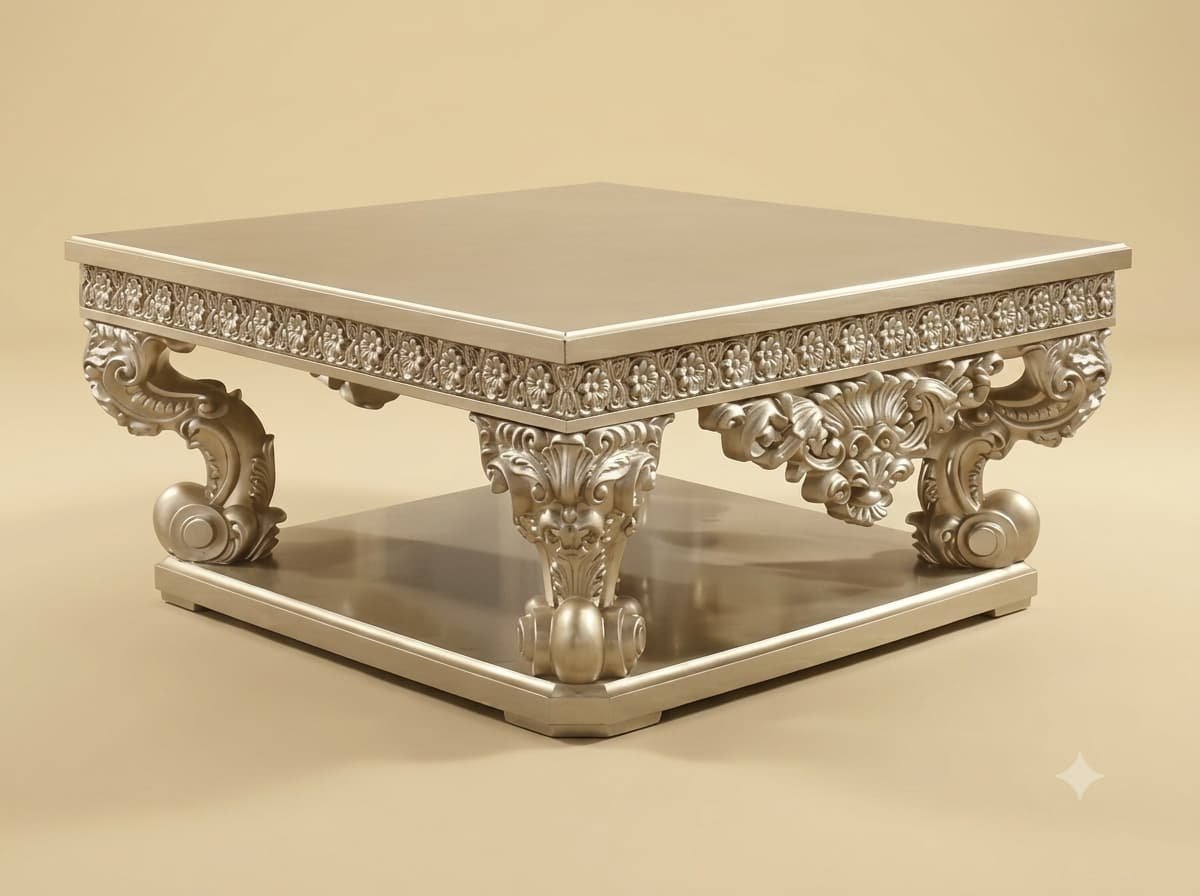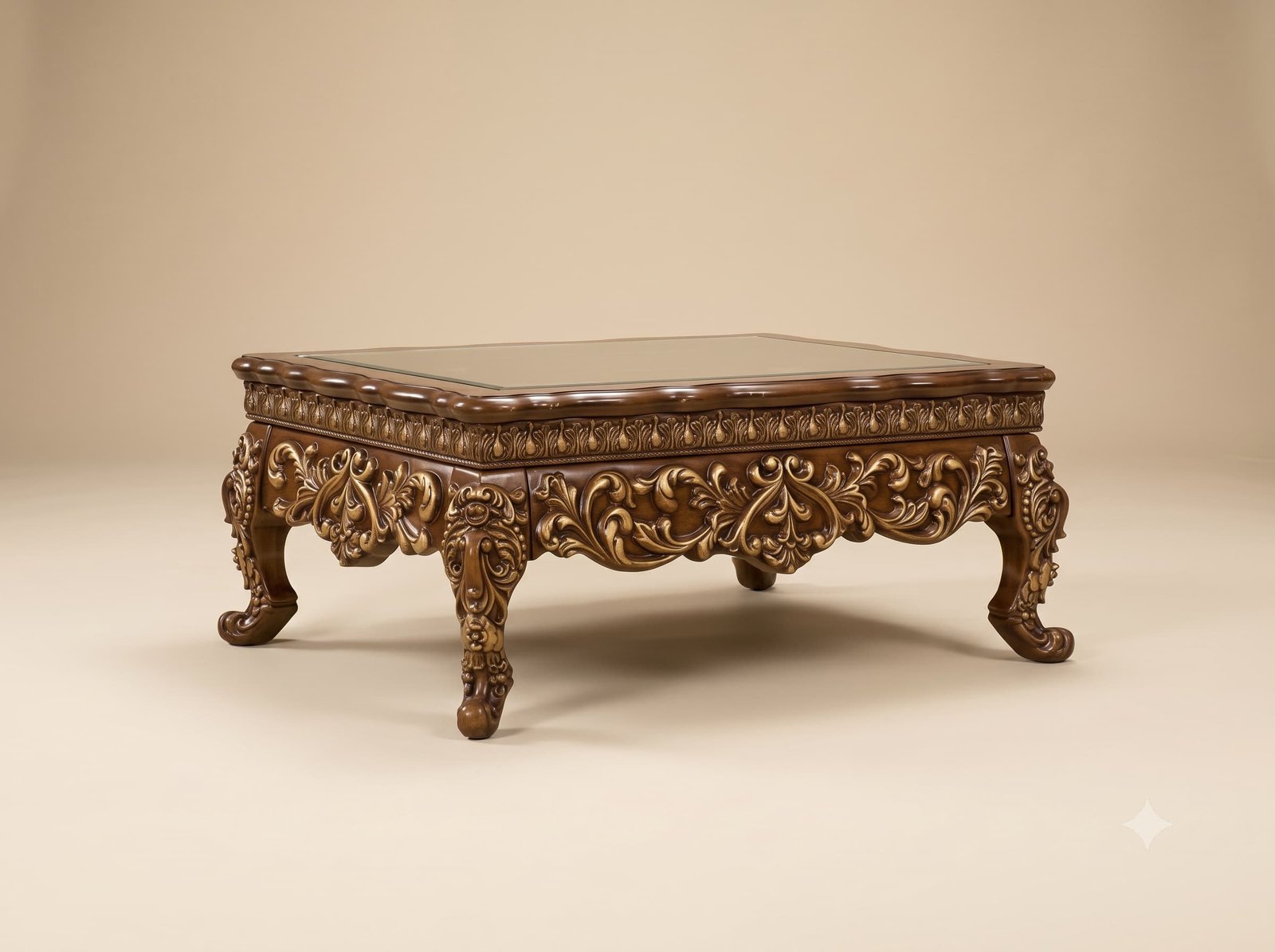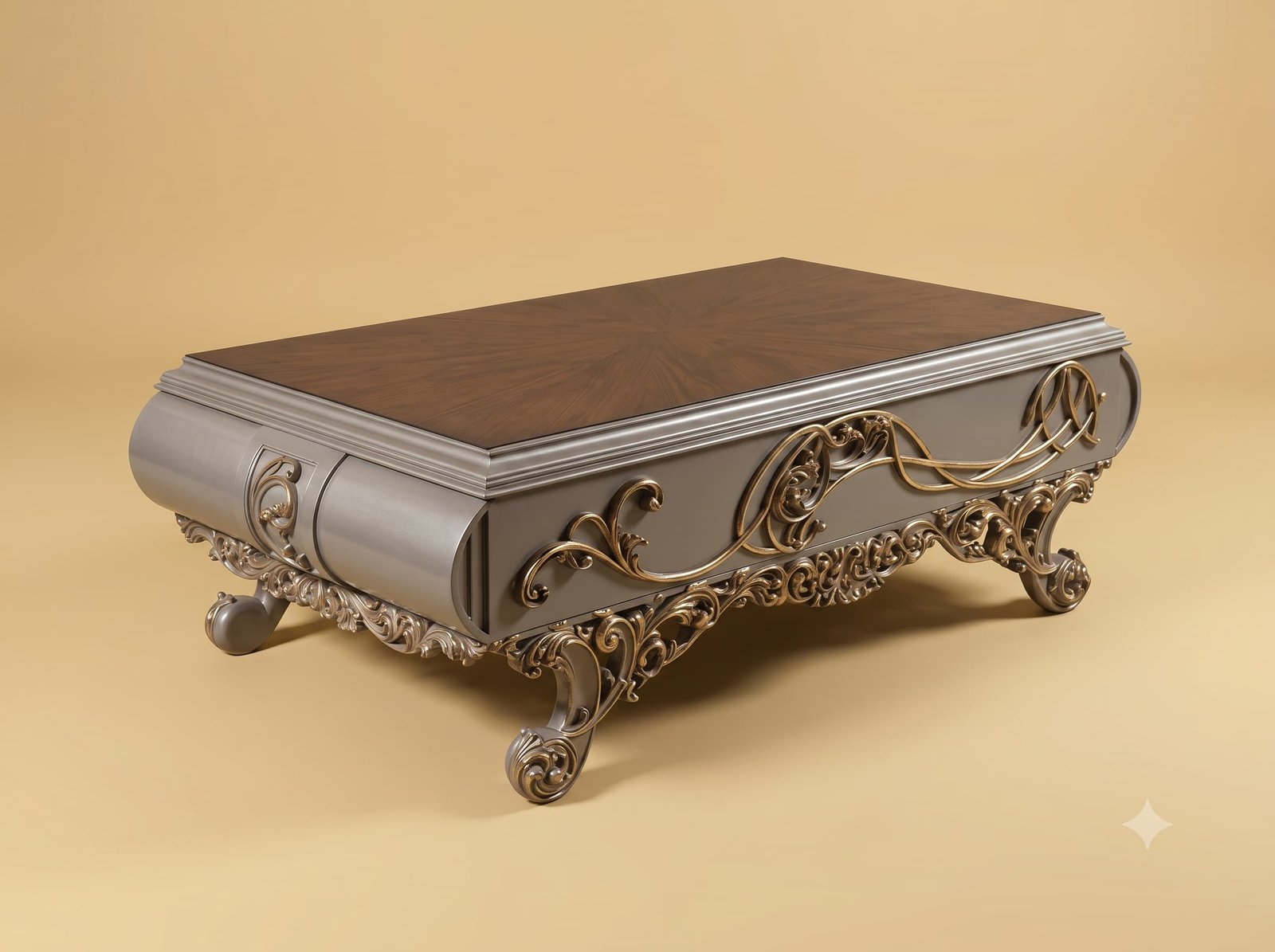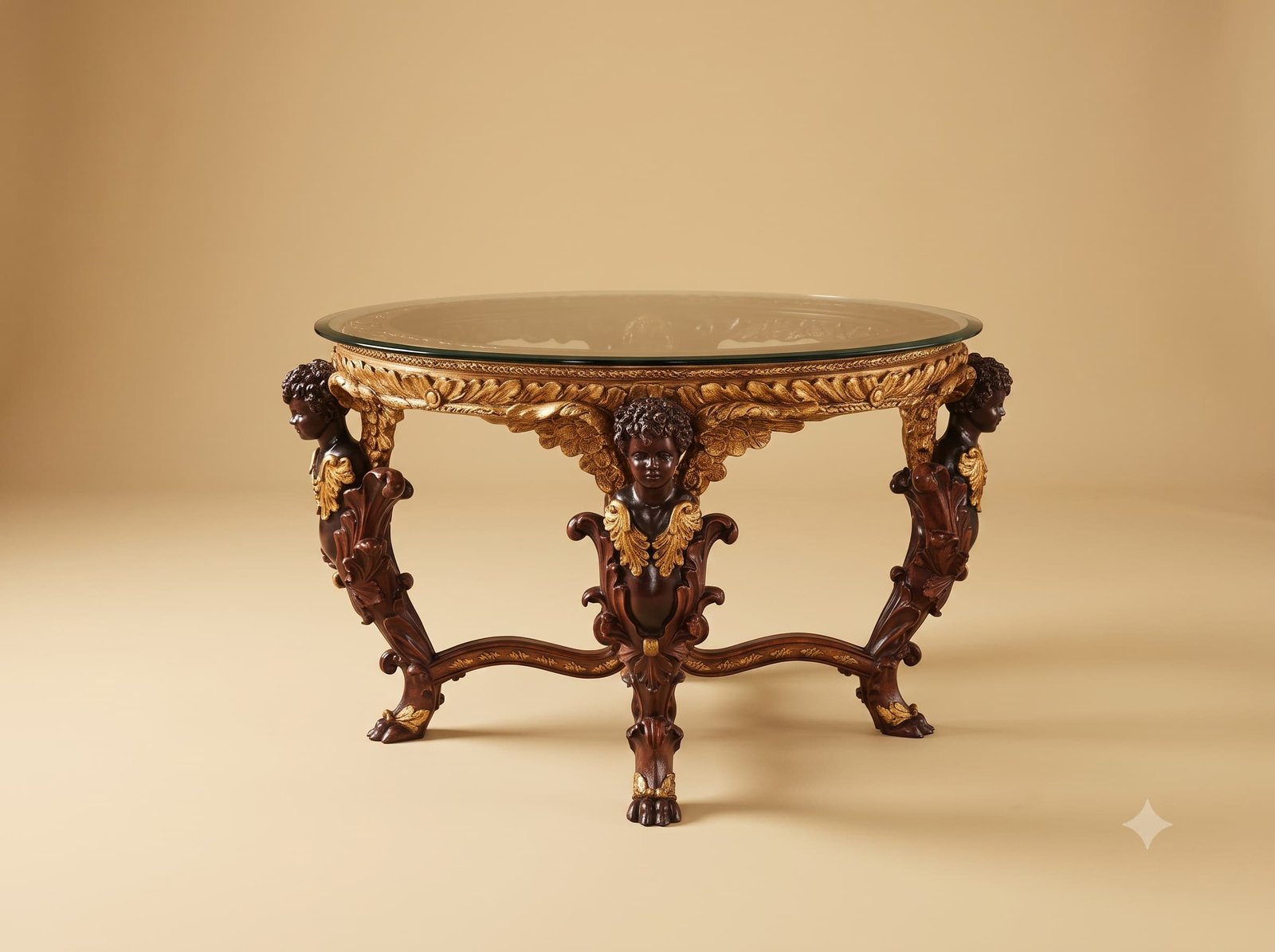
Three legs are not a stylistic flourish on this table. They are the reason it will never rock.
Any three points define a plane - it is simple geometry, and it means a three-legged table sits solid on any floor, however uneven. A four-legged table has no such guarantee: the four feet have to lie in a plane themselves, and the floor has to be flat, and if either is out by a millimetre the table rocks. Every wobbling restaurant table in the world is a four-legged one, and no amount of folded paper truly fixes it.
Old workshops knew this, which is why three-legged tables were the traditional choice for uneven stone and timber floors - and why so many of them survive.
The trade-off is that a three-legged table is easier to tip if you lean on one edge, so the geometry has to be right: the legs splay wider than the top, and the serpentine stretcher ties them together low down where it adds the most resistance to spreading. Set out properly, you get a table that is both steady on the floor and steady under a hand.
 Ask Price On WhatsApp