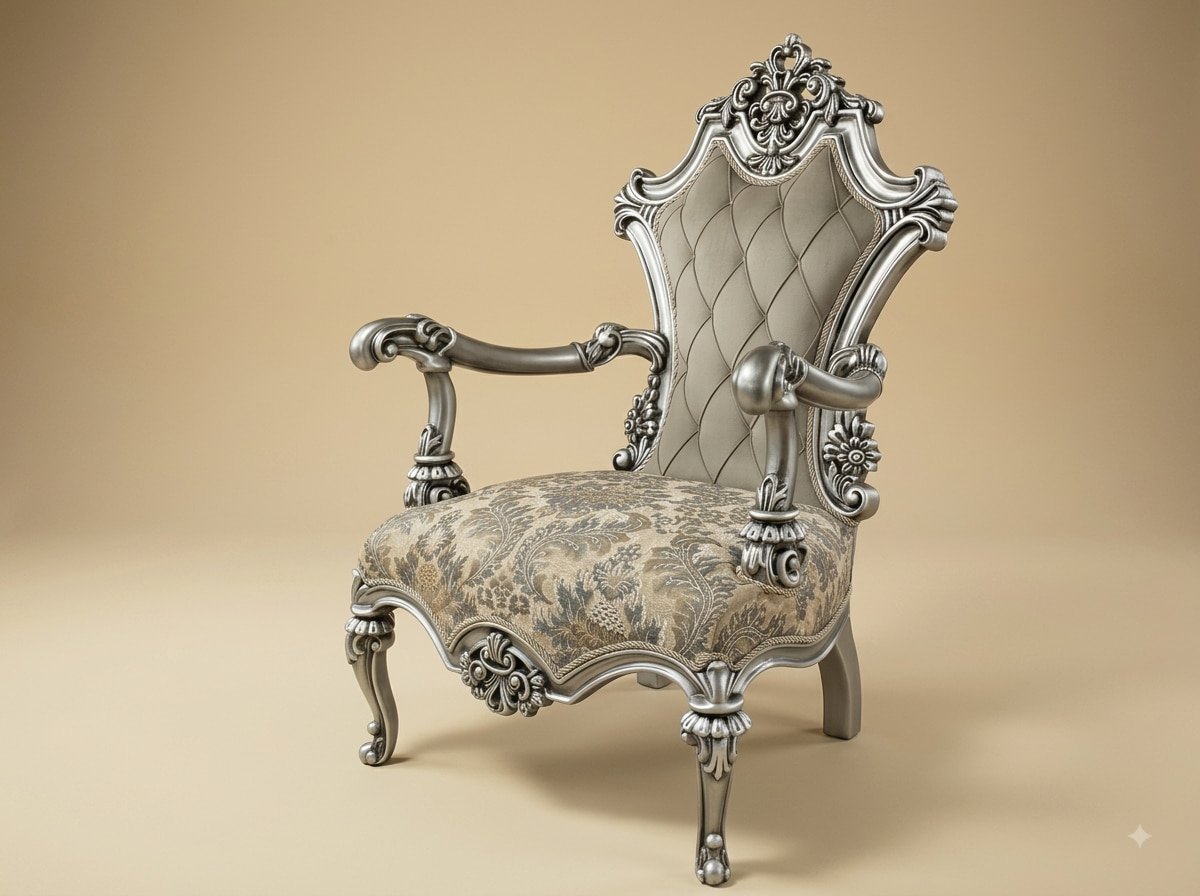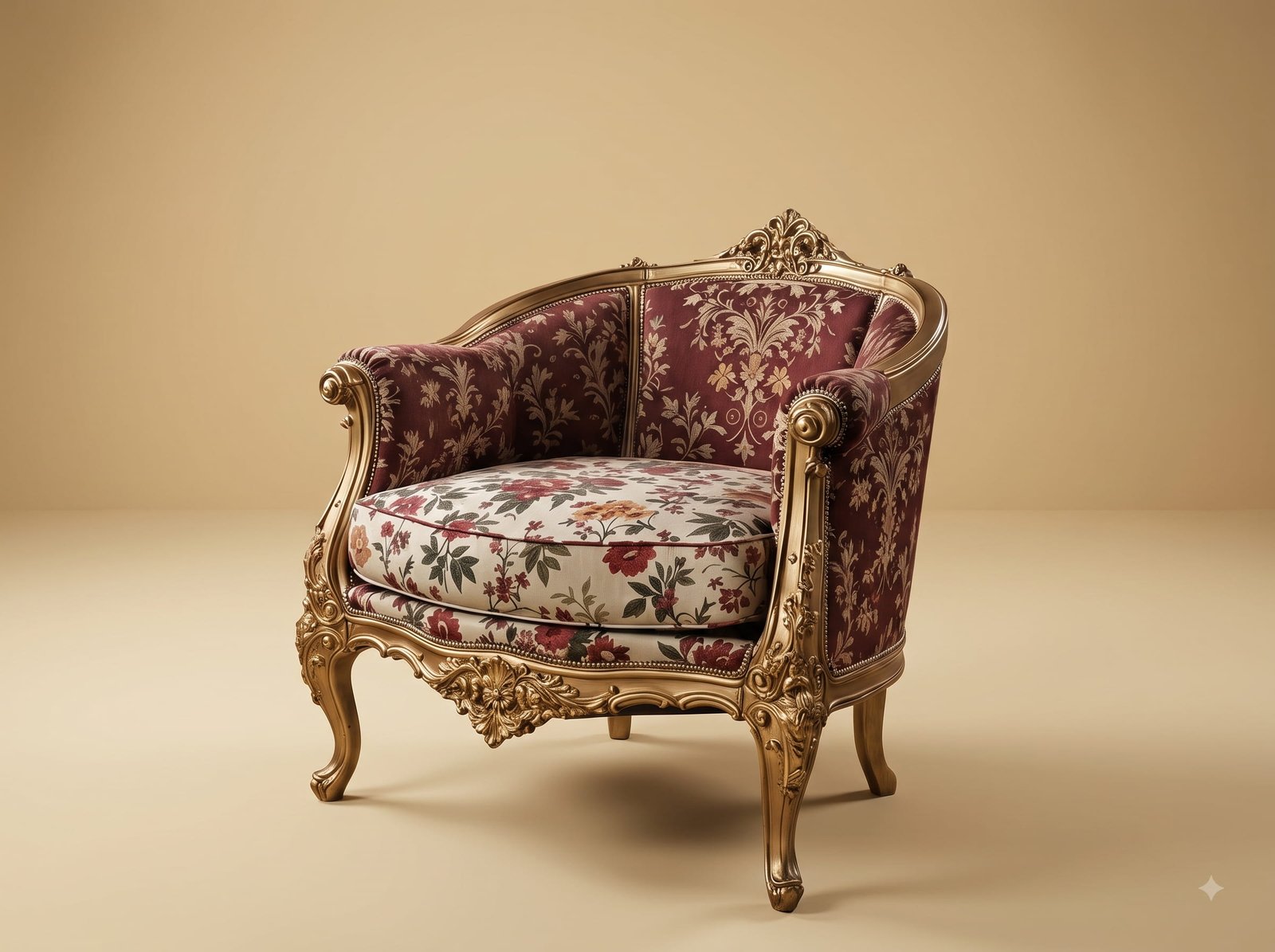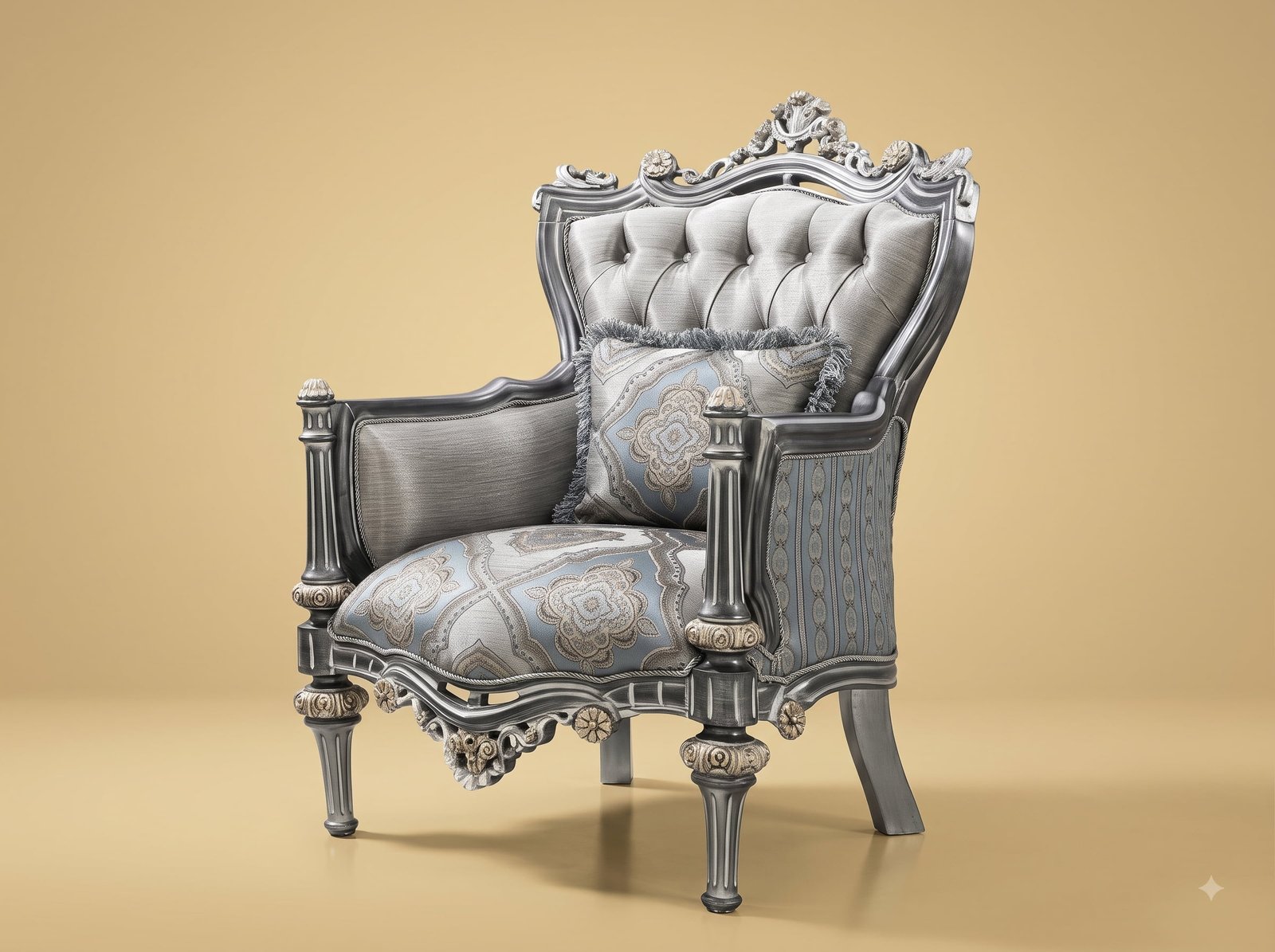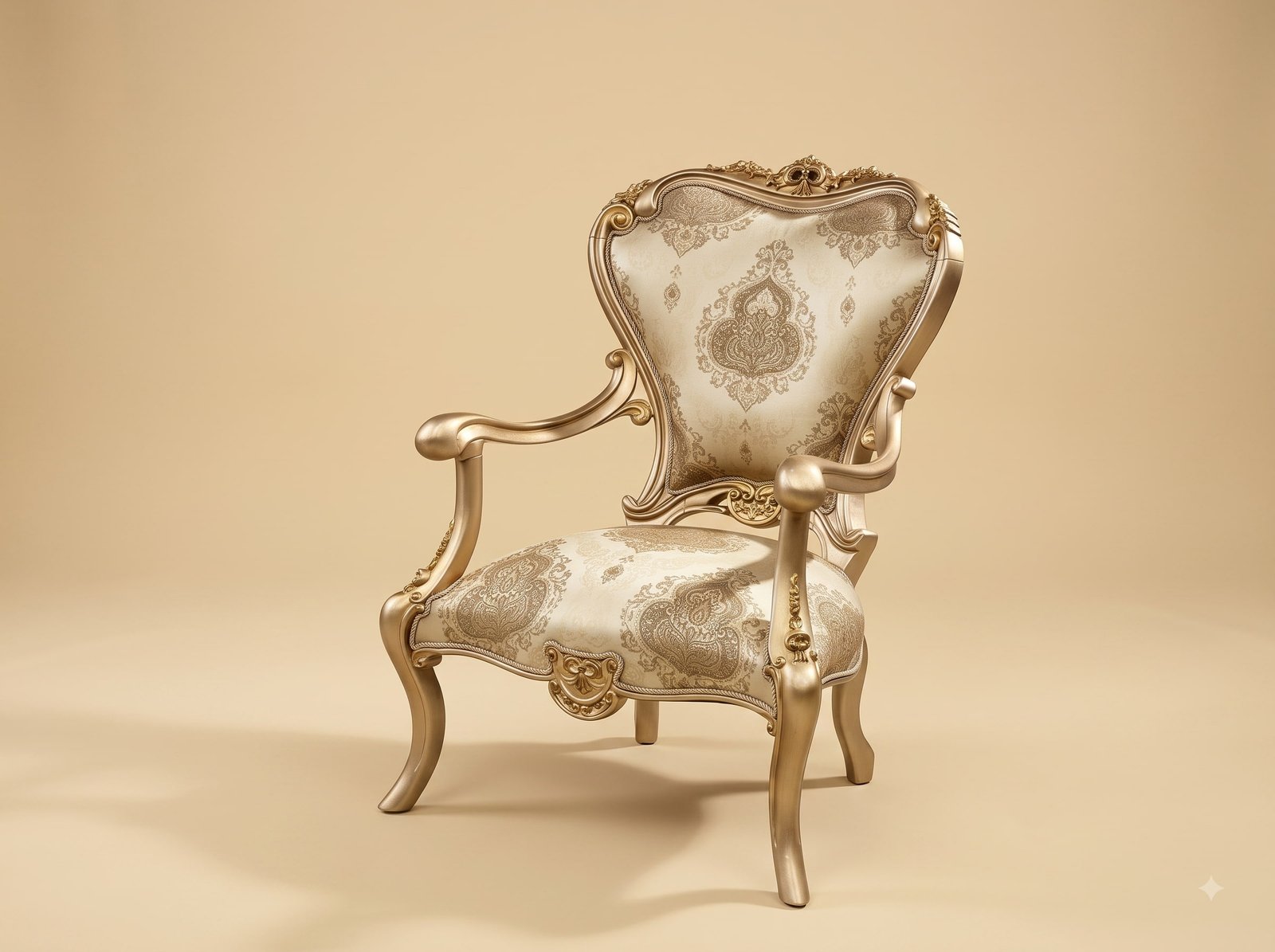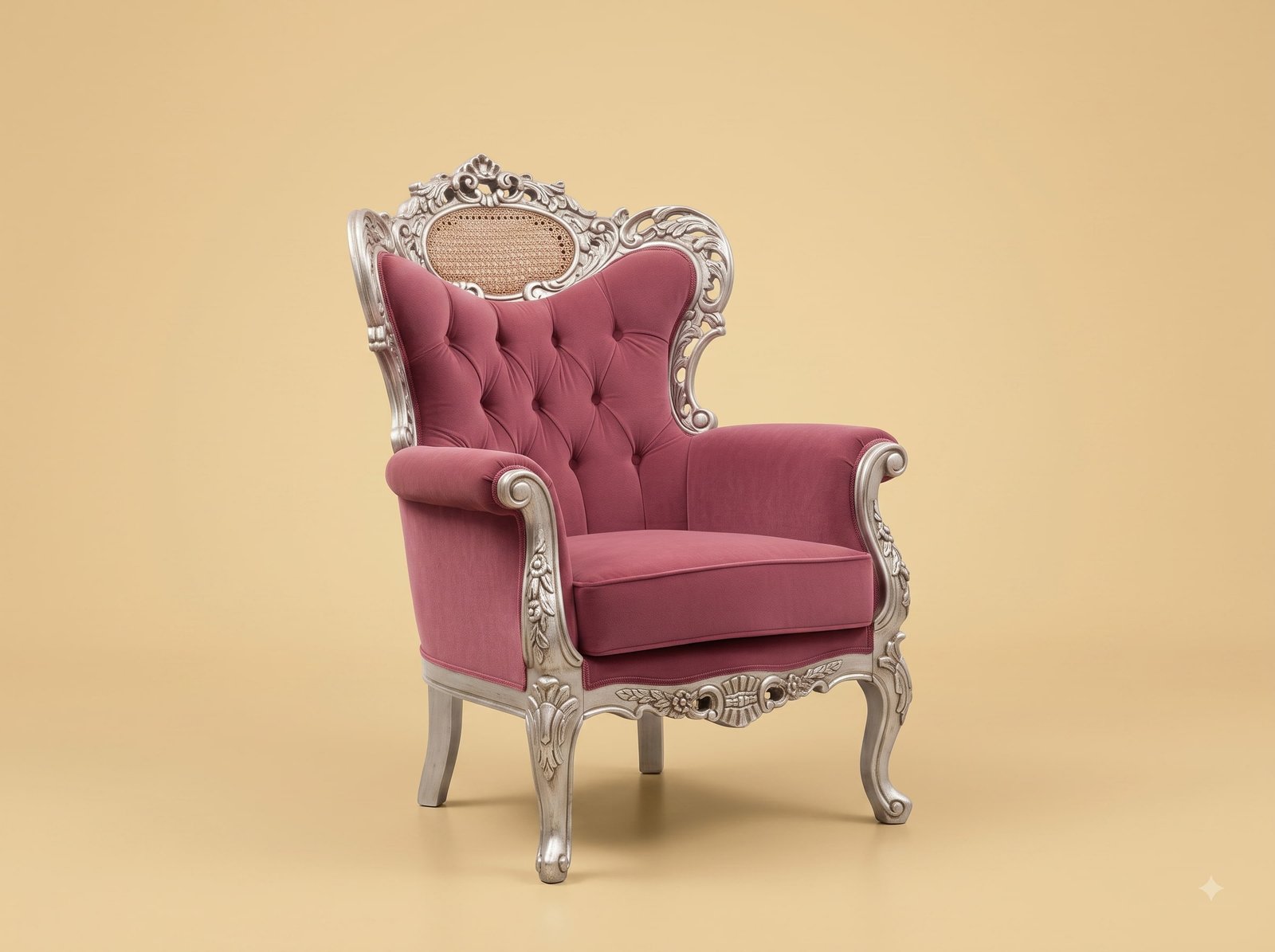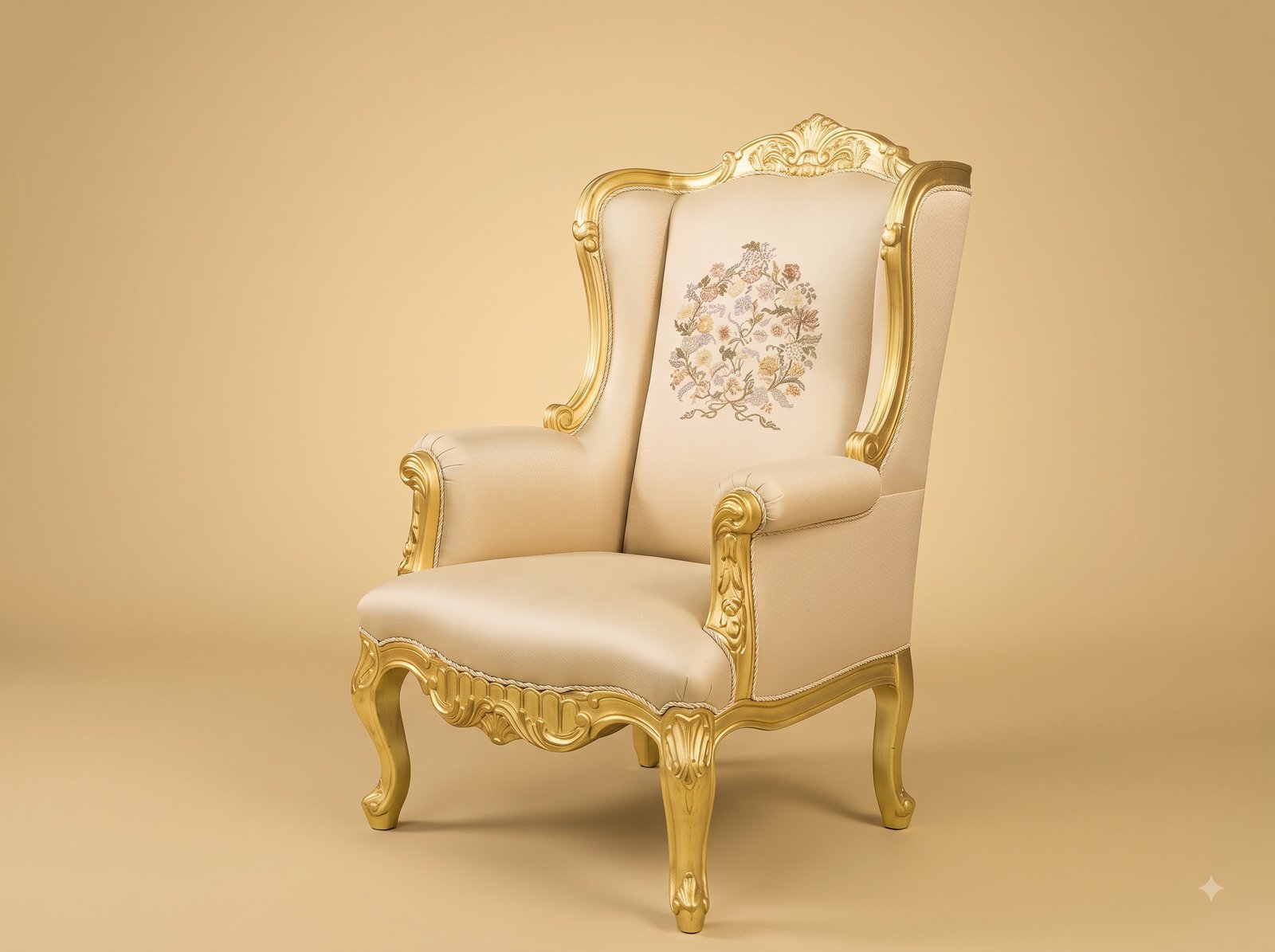
Wings were invented to stop draughts. A chair placed near a fire in a cold house is warm on one side and cold on the other, and putting panels either side of the head keeps the heat in and the draught out. That is the whole origin, and it is entirely practical.
What kept them in use long after houses stopped being draughty is a different benefit nobody designed for.
A wing chair changes how a room feels to the person sitting in it. Peripheral vision is cut off on both sides, so movement across the room stops pulling at your attention. Sound arriving from beside you is absorbed by the padded panel rather than reaching your ear directly. And other people read the chair as occupied territory in a way they do not read an open chair - a wing chair signals that whoever is in it is doing something.
The design decision that matters is where the wings sit relative to your shoulders. Set too far back they do nothing; set too far forward they close the chair in and make it hard to talk to anyone. The useful position is just forward of the shoulder line, high enough to support the side of the head when you lean.
Because that depends on the person, we ask before we build. It is one of the few dimensions on a chair that is genuinely worth getting right for an individual.
 Ask Price On WhatsApp