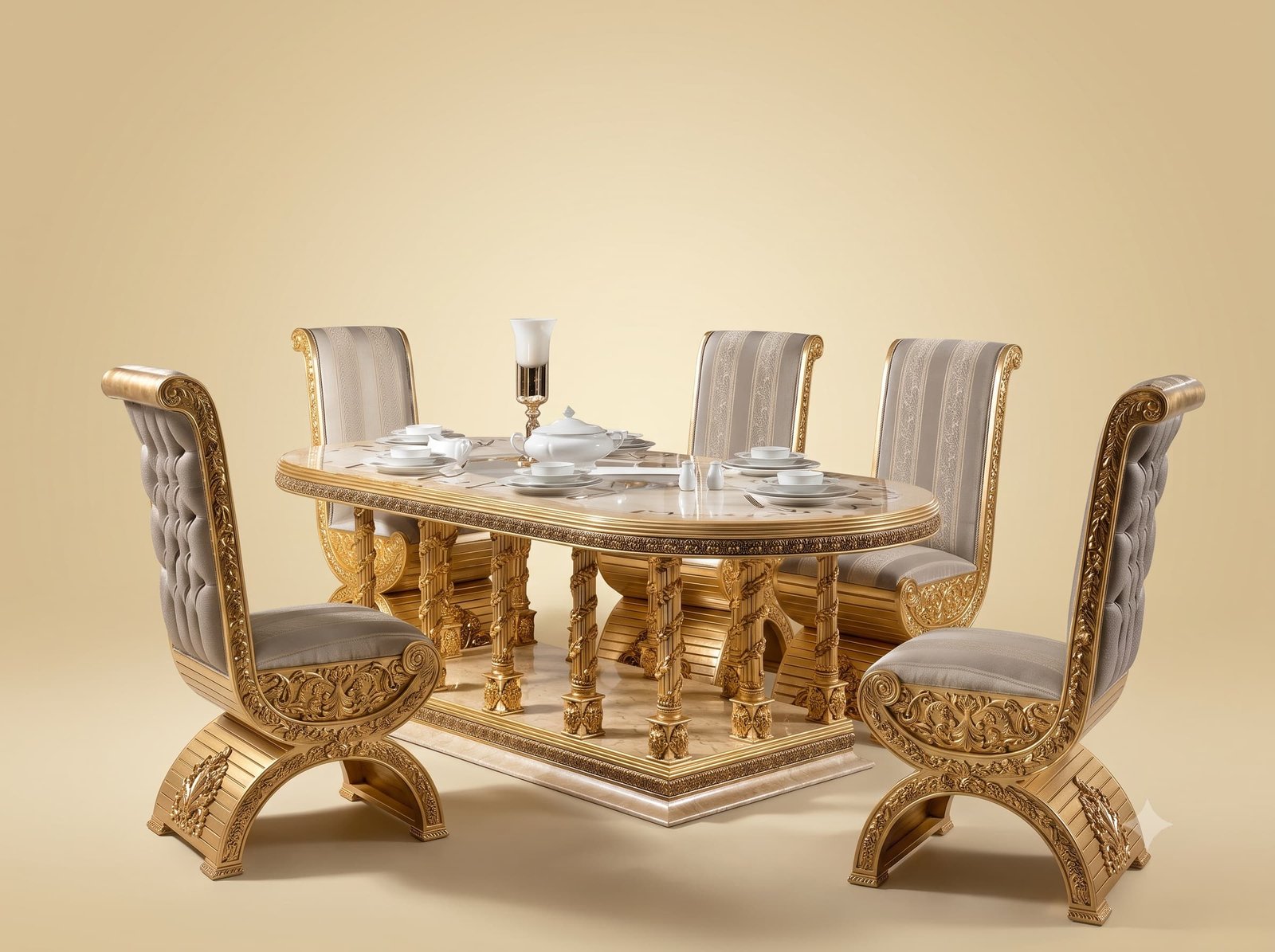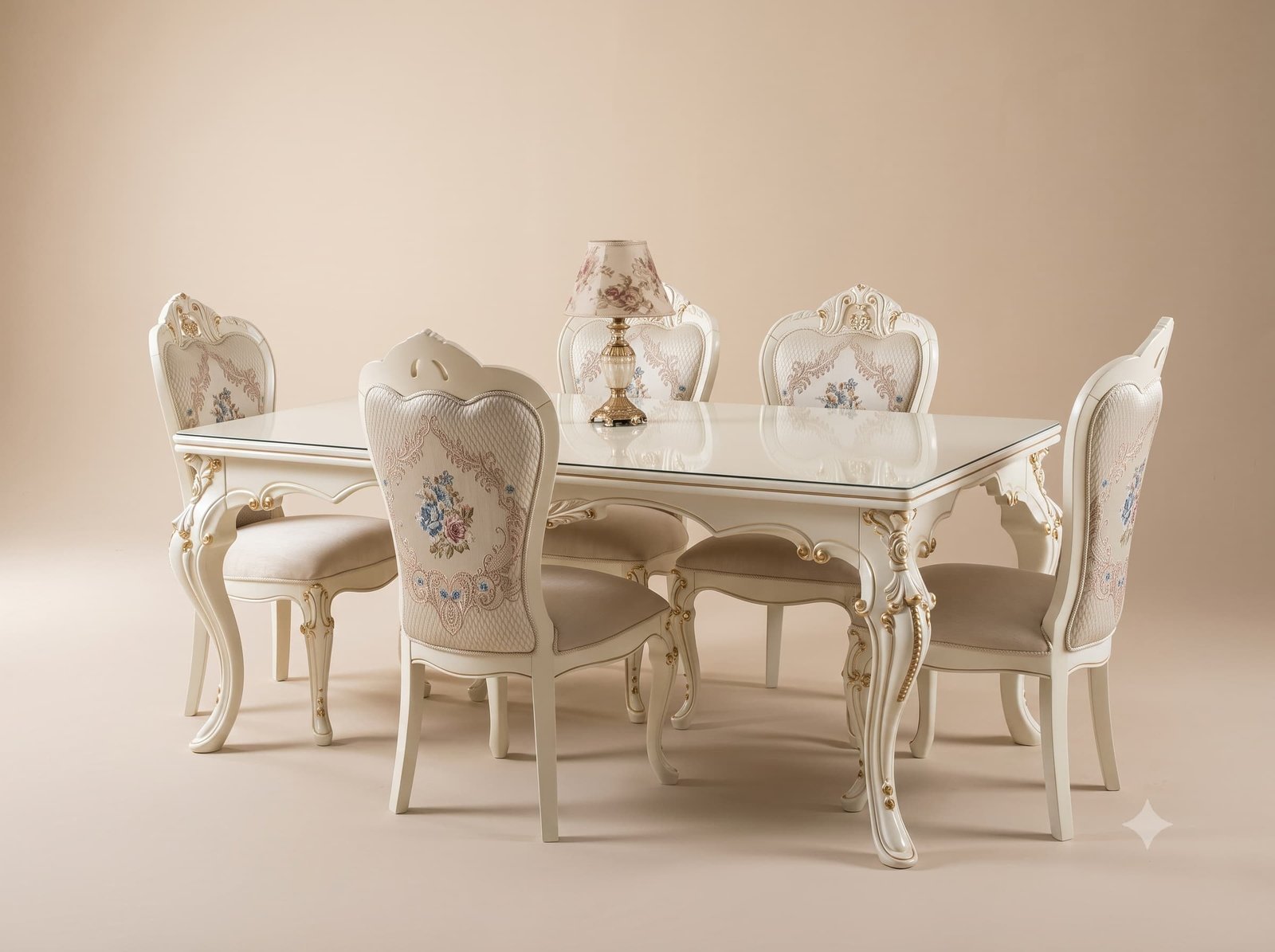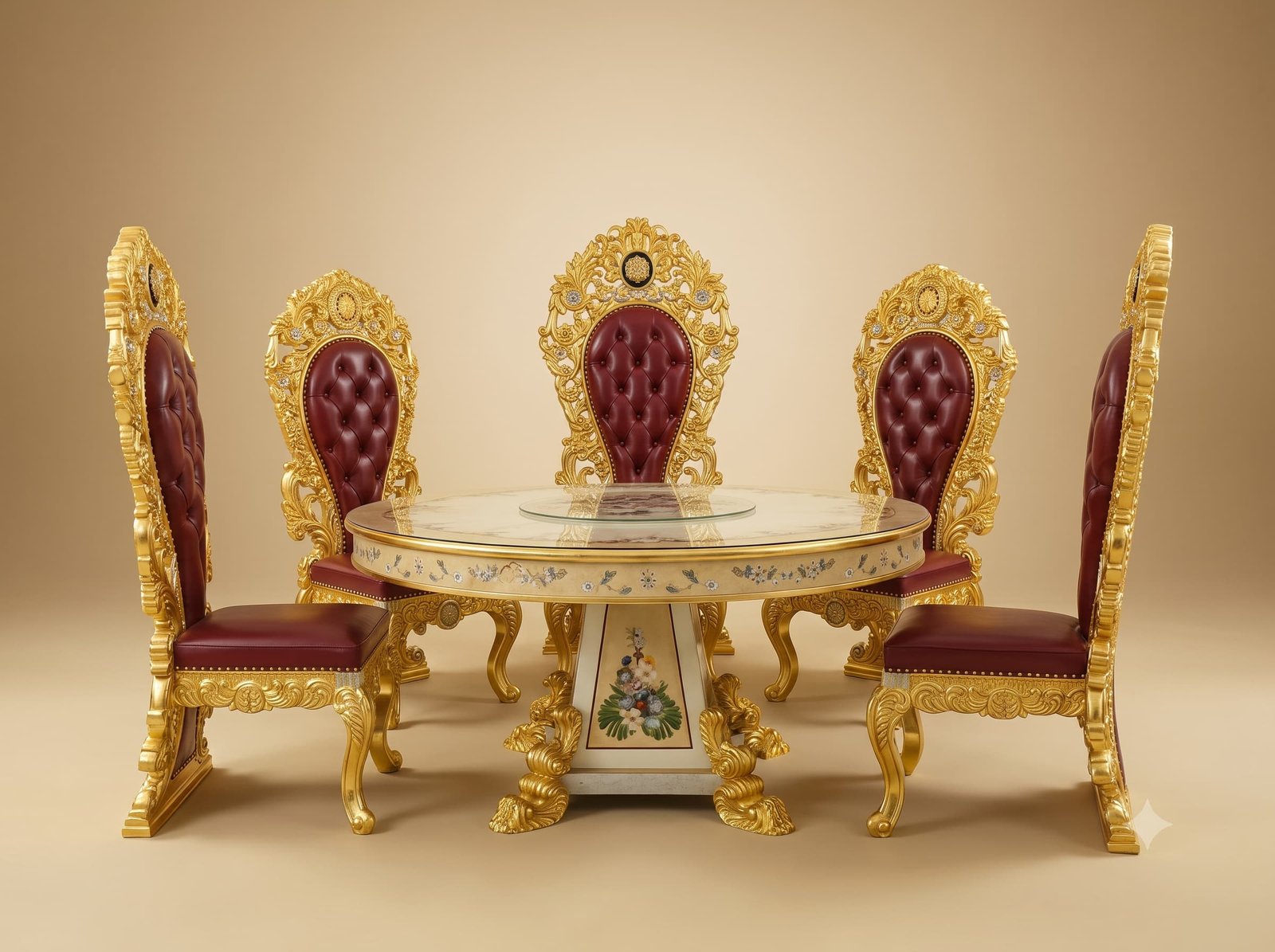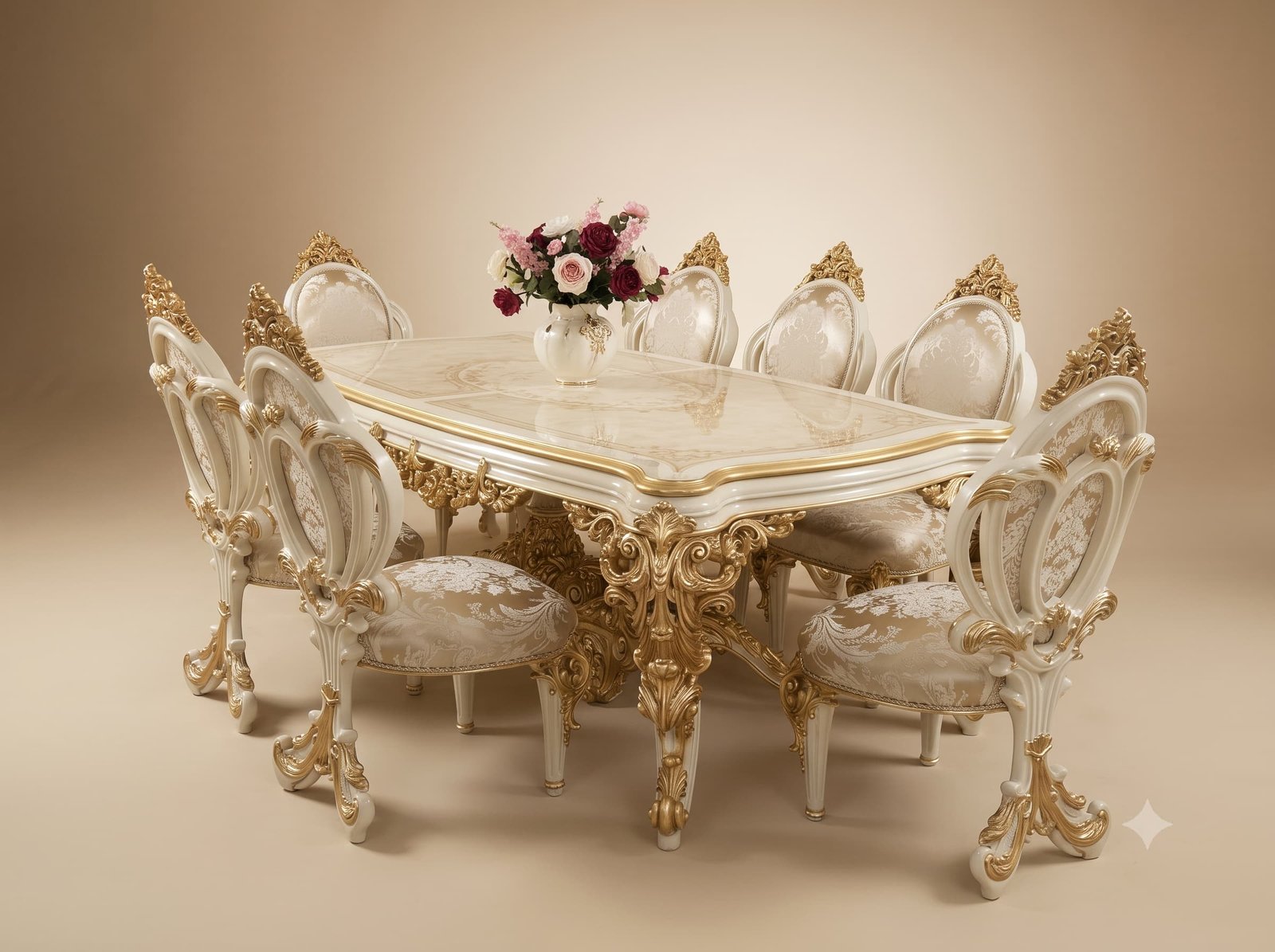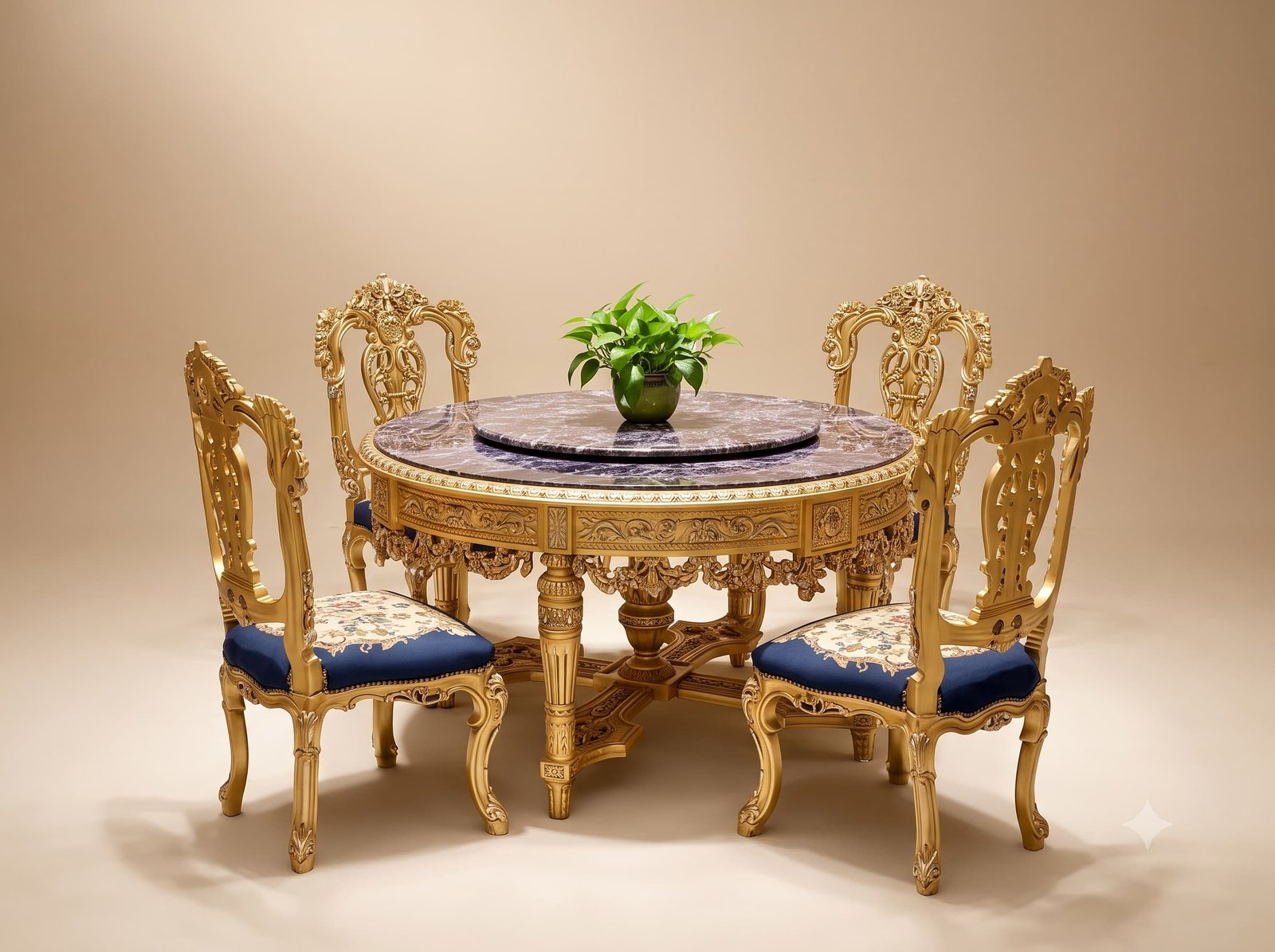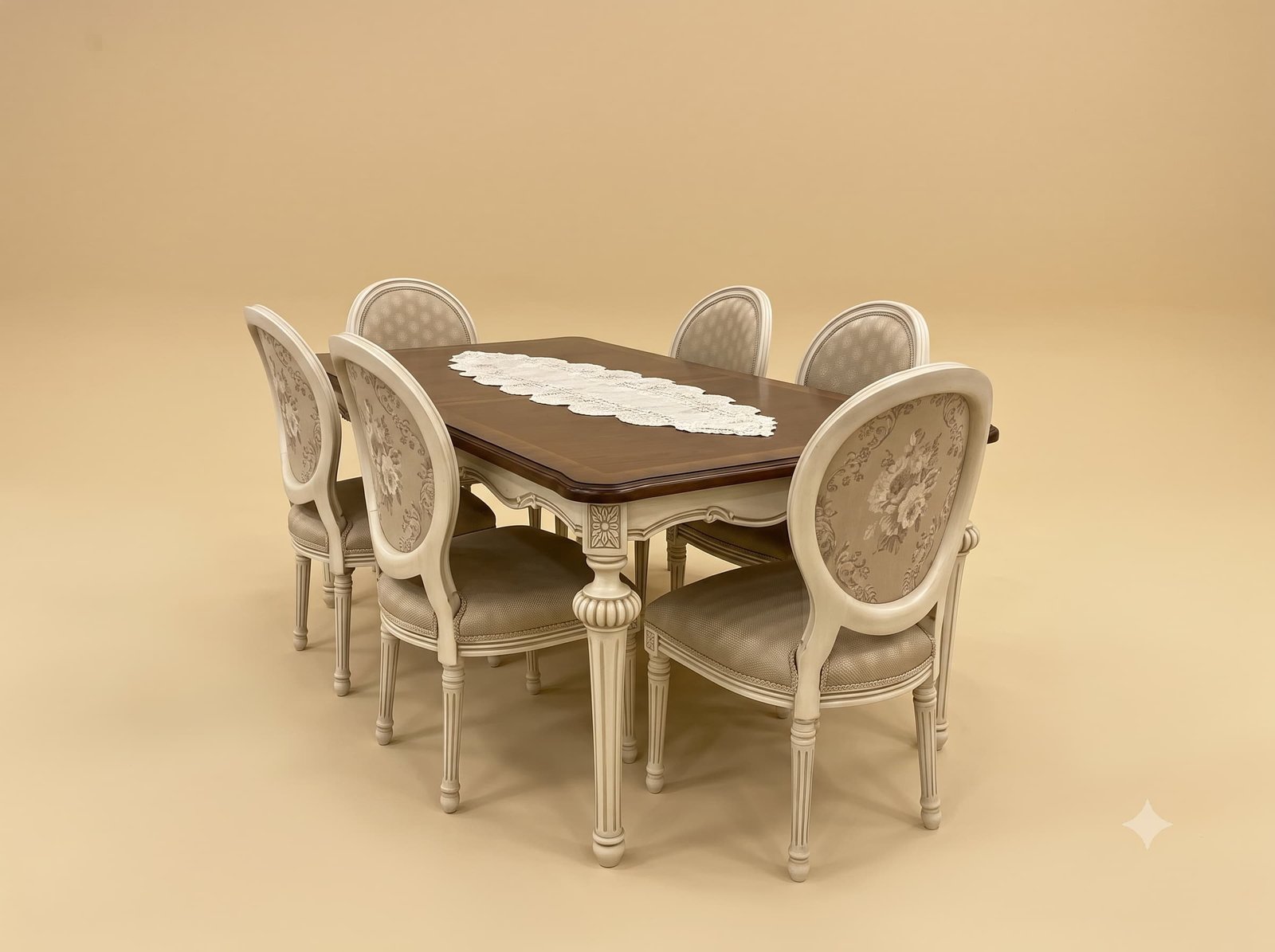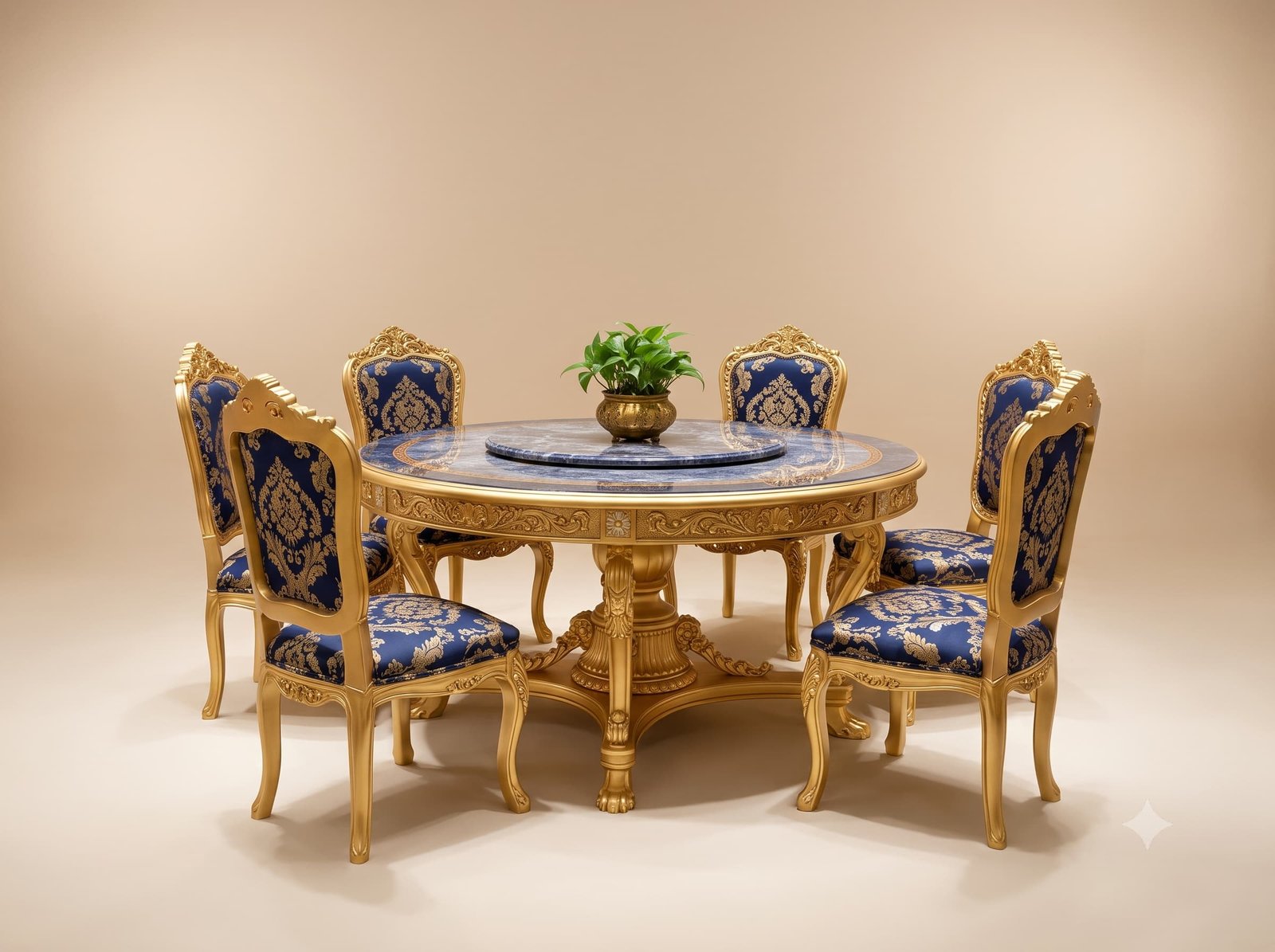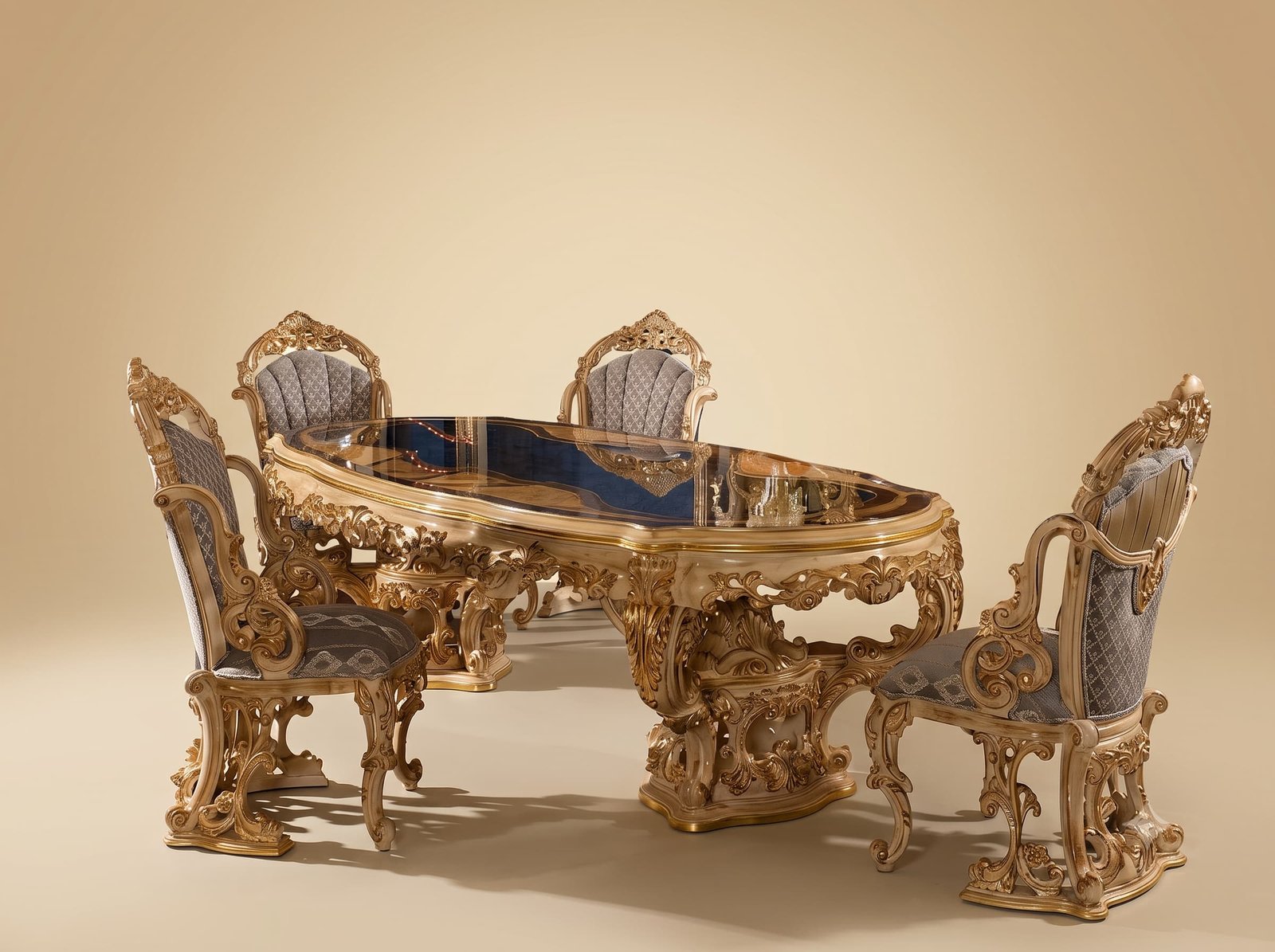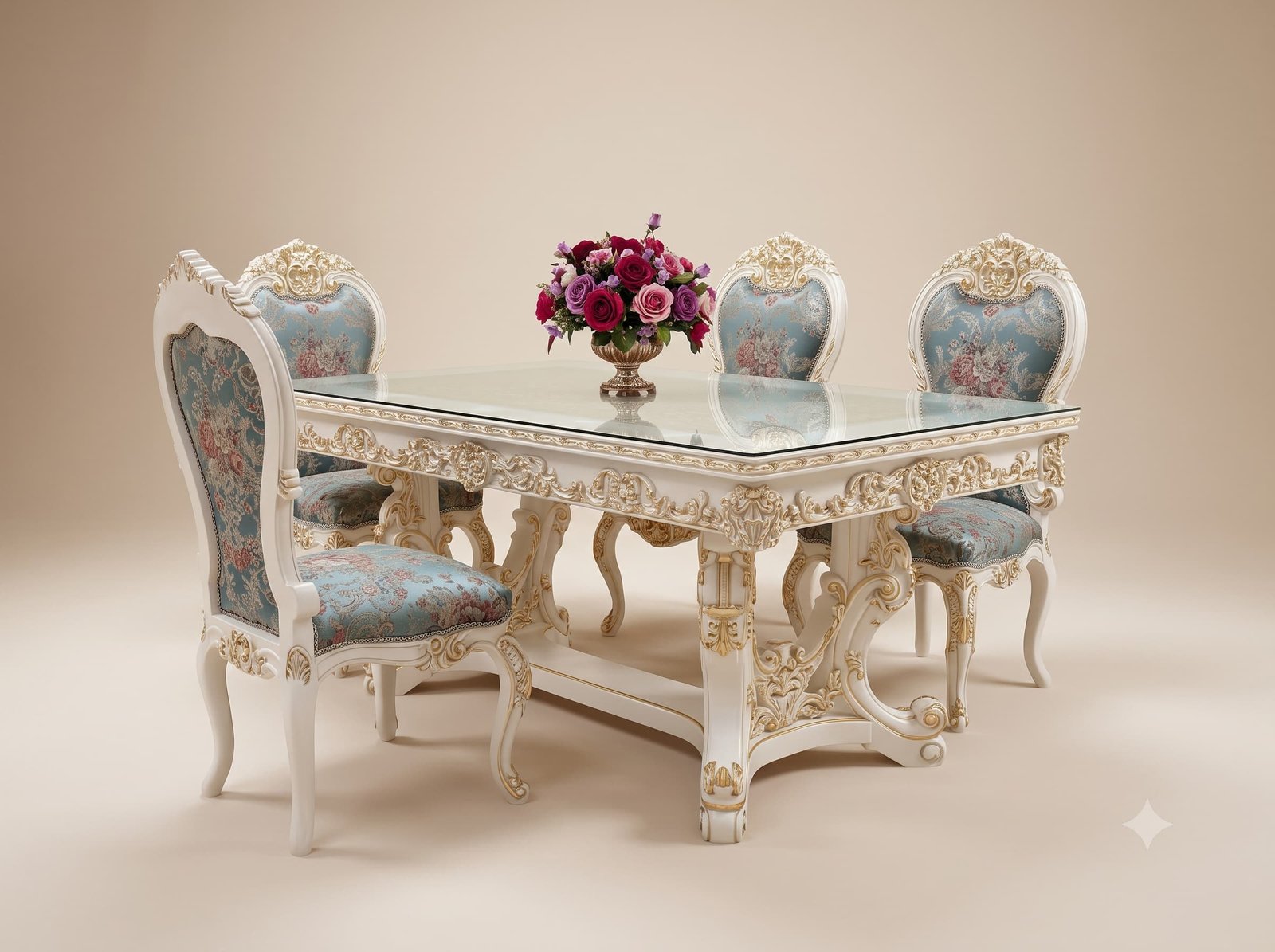
Glass is the most unforgiving thing you can put on a table, because it is perfectly flat and the timber underneath is not. A frame that is a whisker out of true will let the glass rock, and once it rocks, every plate set down on it announces the fact.
So the frame is checked on a flat table with a straightedge before the glass is ever ordered. The rim is tested corner to corner and along both diagonals, and any high point is taken down with a scraper rather than shimmed - a shim under glass is a repair, not a build.
Then the bearing points are set. Clear soft buffers are let into the timber rim so their tops sit fractionally proud of the wood, which means the glass rests on the buffers and never on the timber itself. Timber moves with the seasons; the buffers absorb that movement, and they also stop the glass sliding if the table is knocked.
The buffers are recessed rather than stuck on top, so no gap shows between the glass and the rim when you look along the table edge. From the side it reads as glass sitting straight on carved wood, which is exactly what it should look like and not at all what is happening.
 Ask Price On WhatsApp