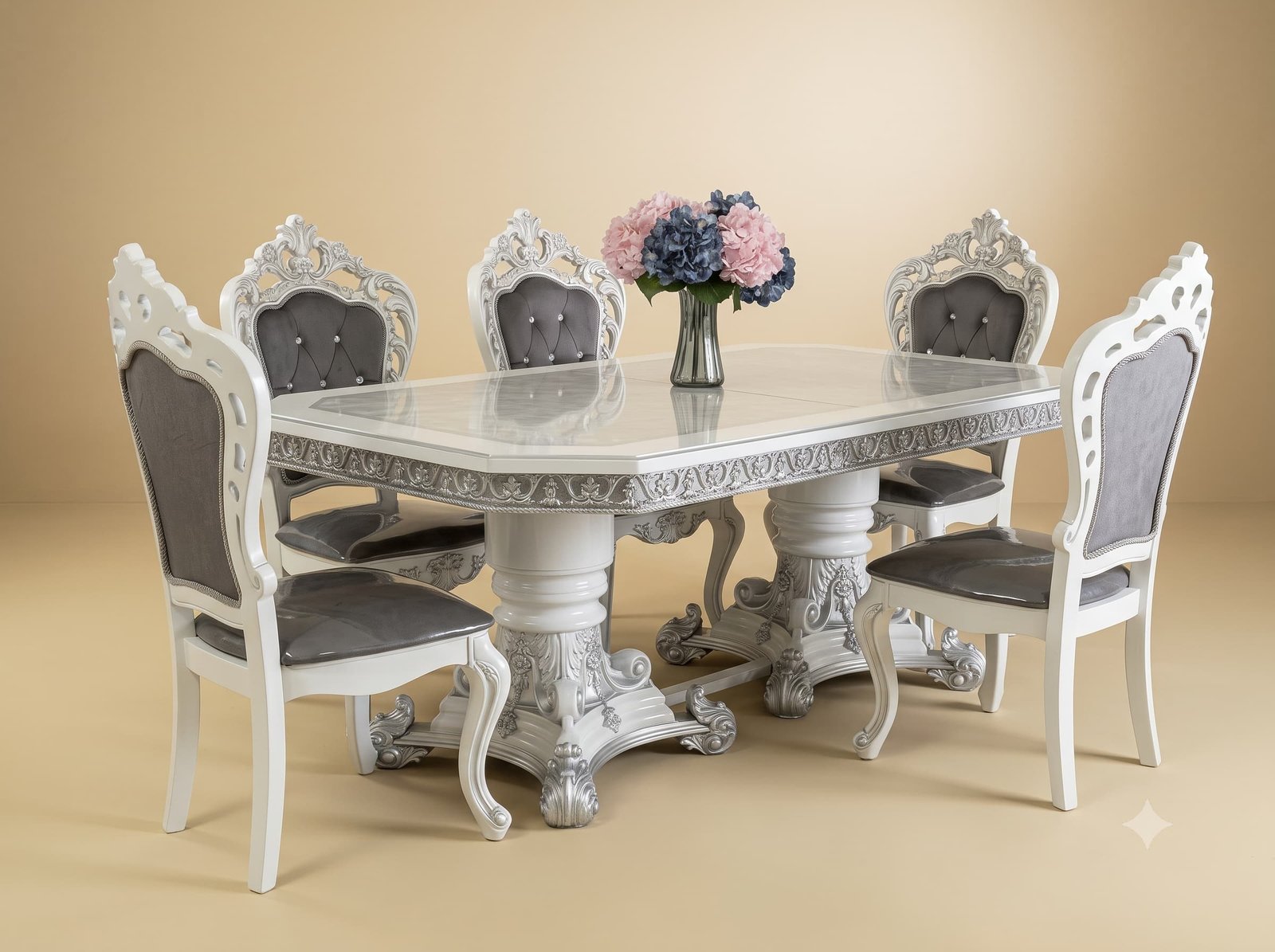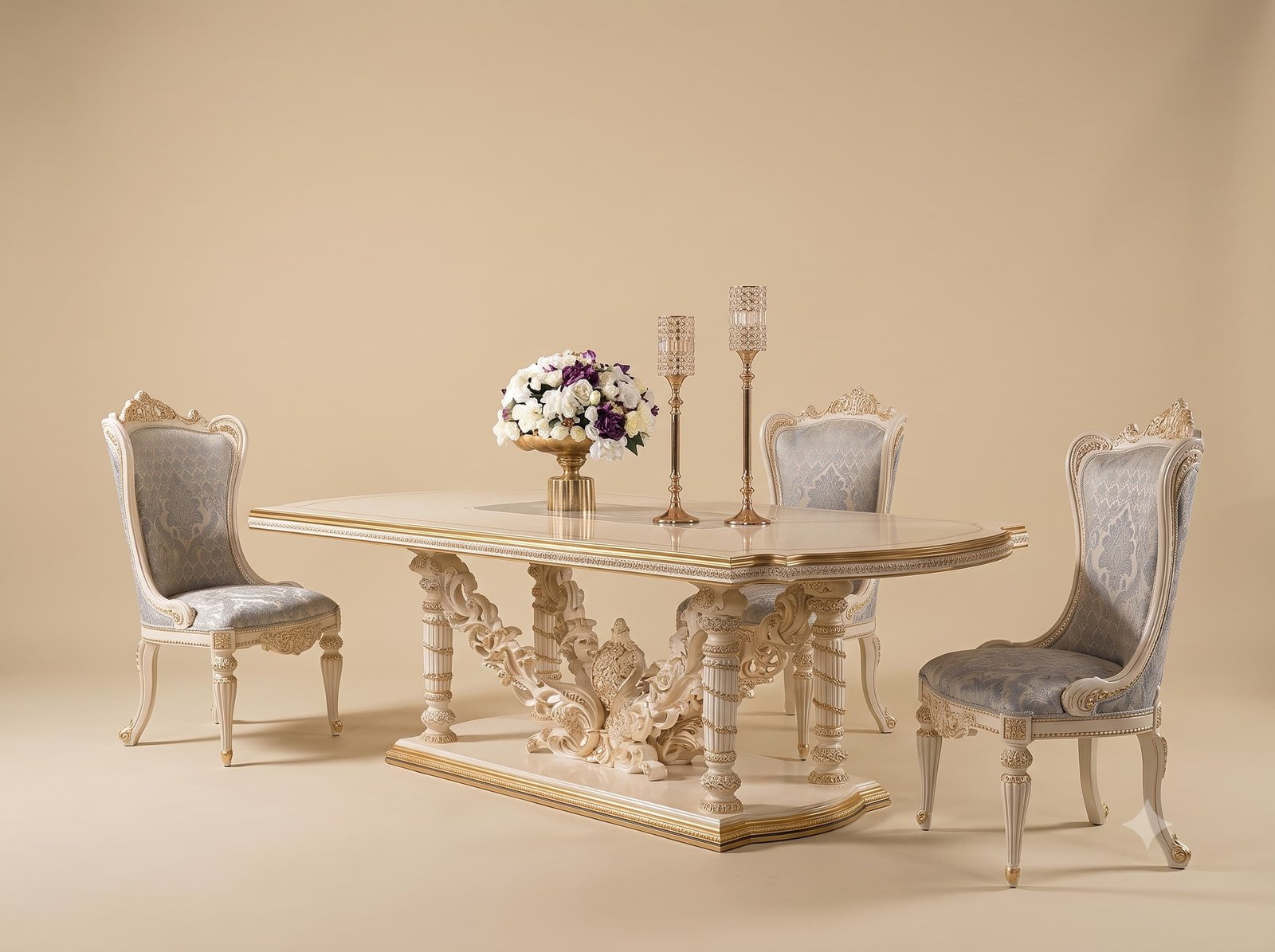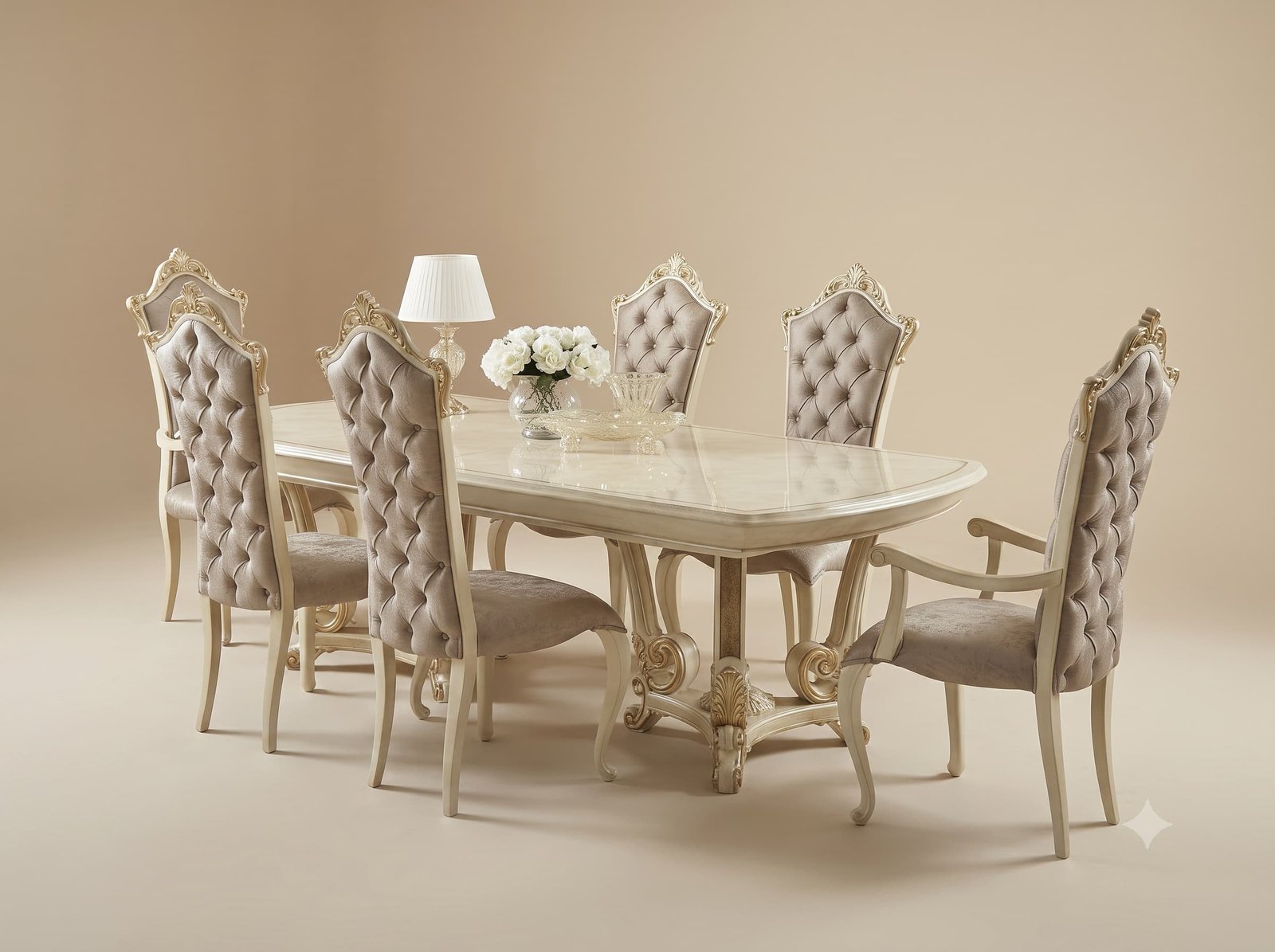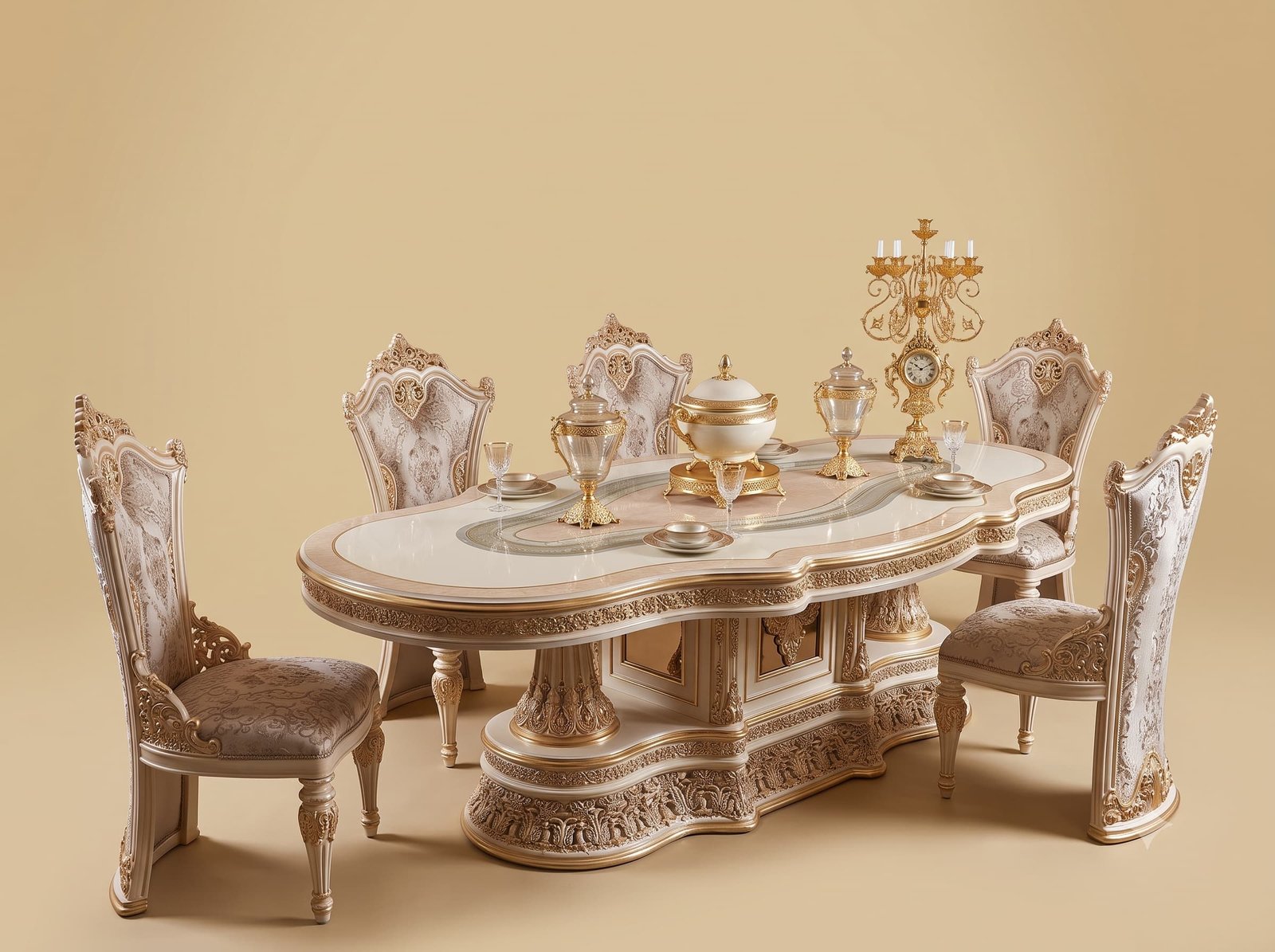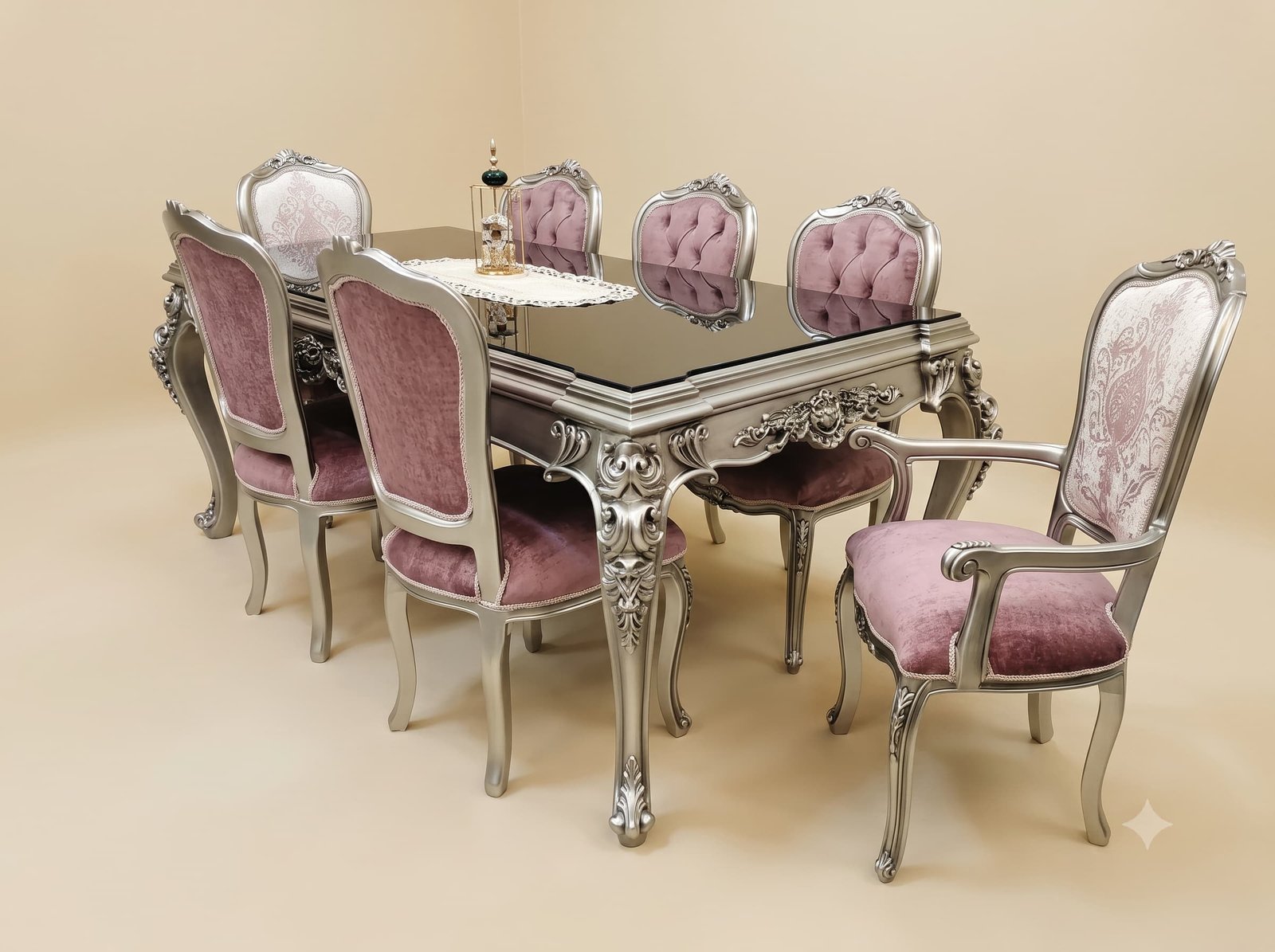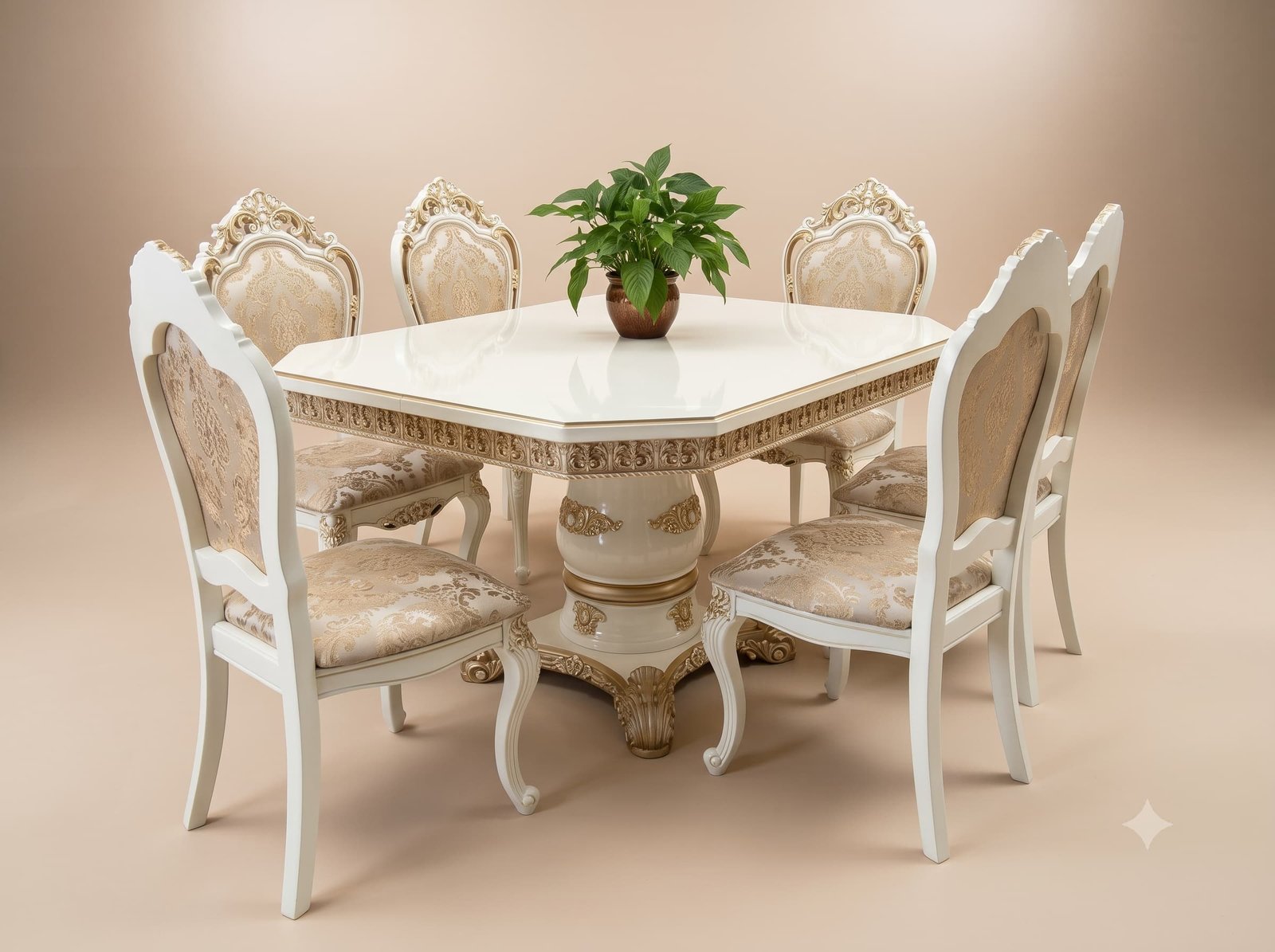
The hardest measurement on a pedestal table is not the top. It is the foot.
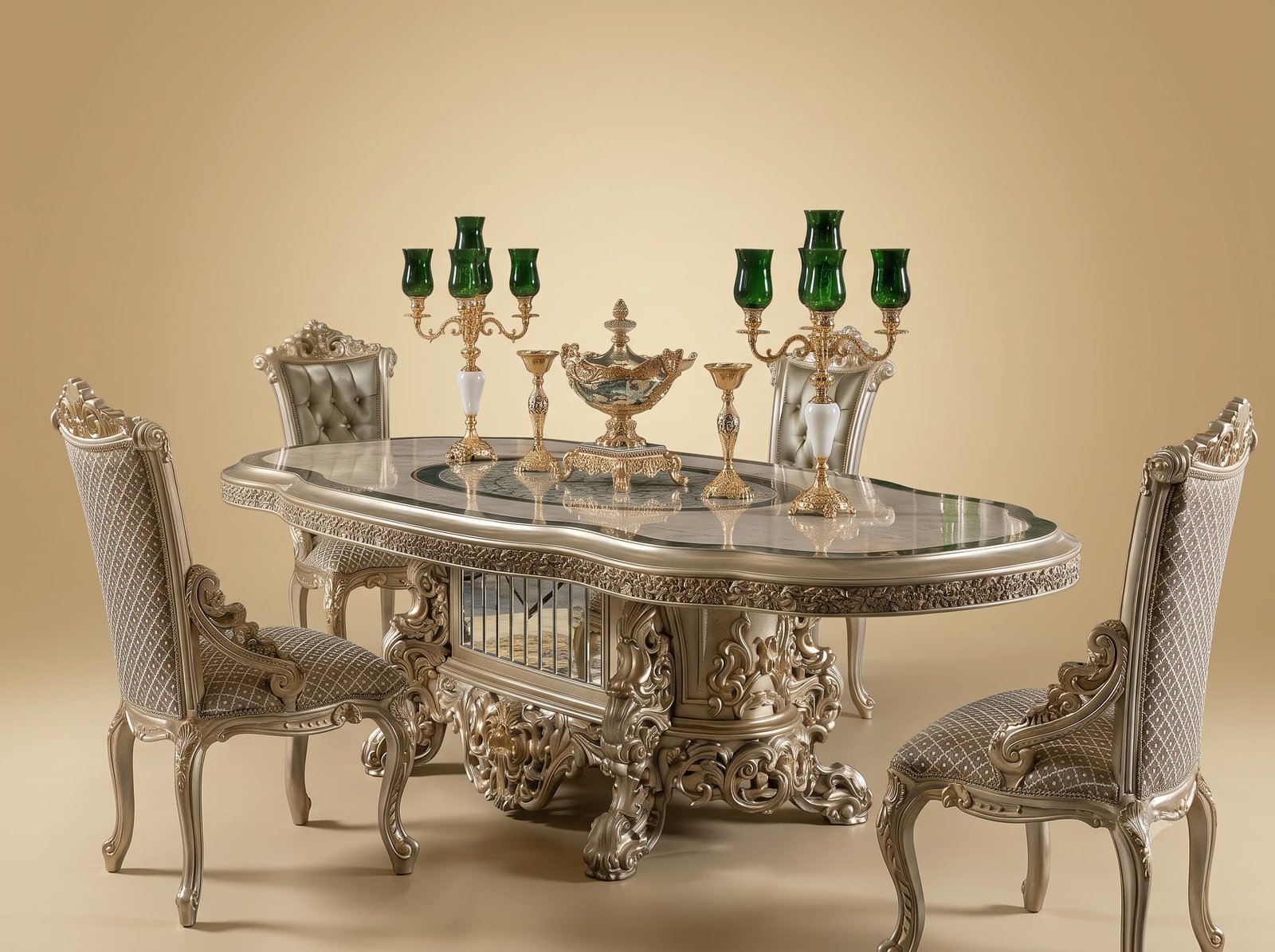
A pedestal foot spreads outward to keep the table from tipping when someone leans on the edge - the wider it spreads, the steadier the table. But the floor it spreads across is exactly where six people want to put their feet, and a scrolled foot arriving under someone's shoe is a fault they will feel at every meal for twenty years.
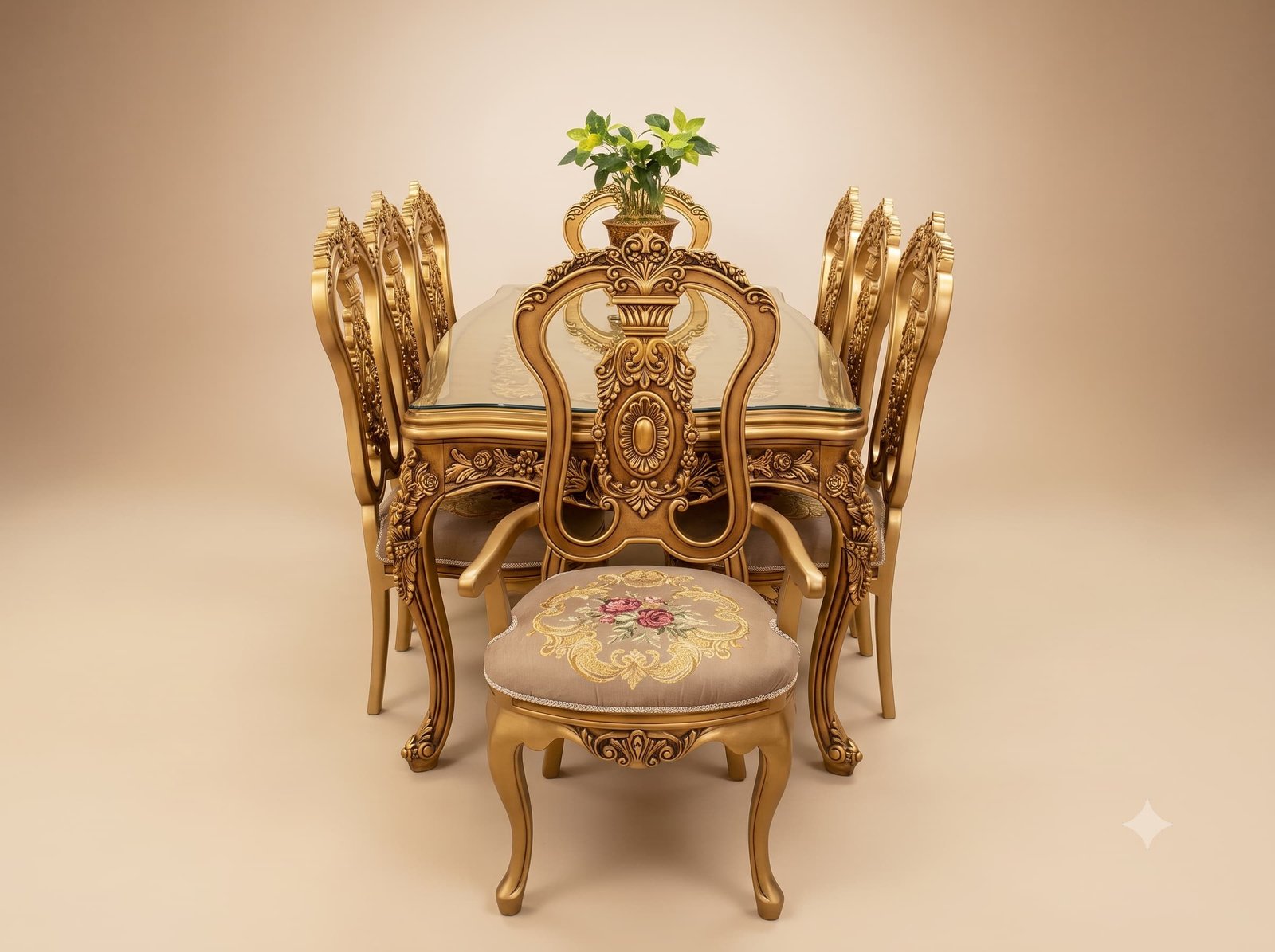
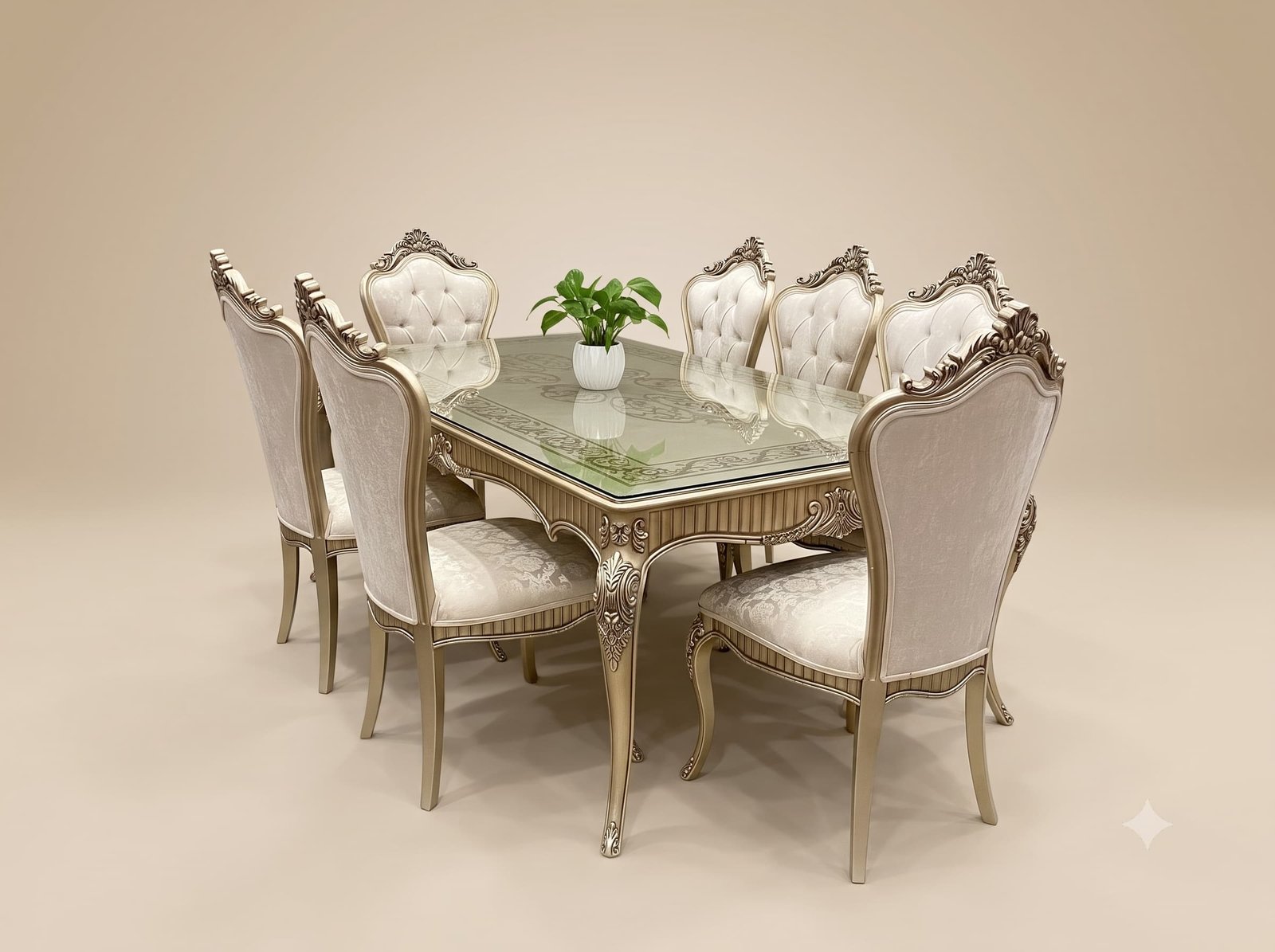
So we set the foot from the chairs, not from the table. The chair positions are laid out around the intended top, a seated depth is marked in from each chair, and the foot is drawn to finish inside that line at every point where a diner sits. On a canted-corner top like this one, the corners are where the geometry is tightest, and the scrolls are shaped to reach out between the seats rather than toward them.
Where a client wants a longer top than the standard spread would carry, we widen the foot along the length of the table only - the direction where nobody sits - and keep it tucked in across the width.
It is why we ask how many chairs you want before we draw the base, rather than after.
 Ask Price On WhatsApp