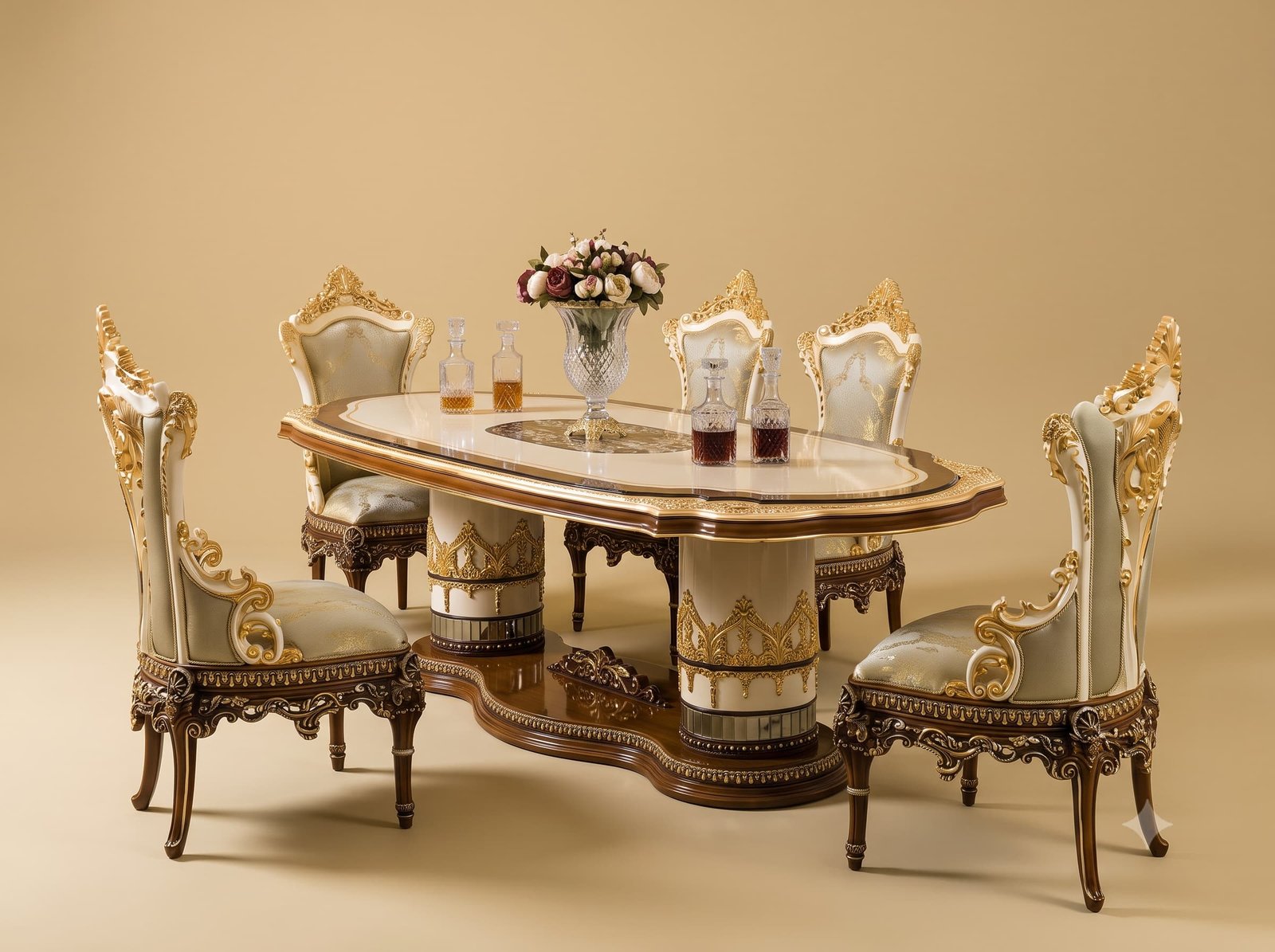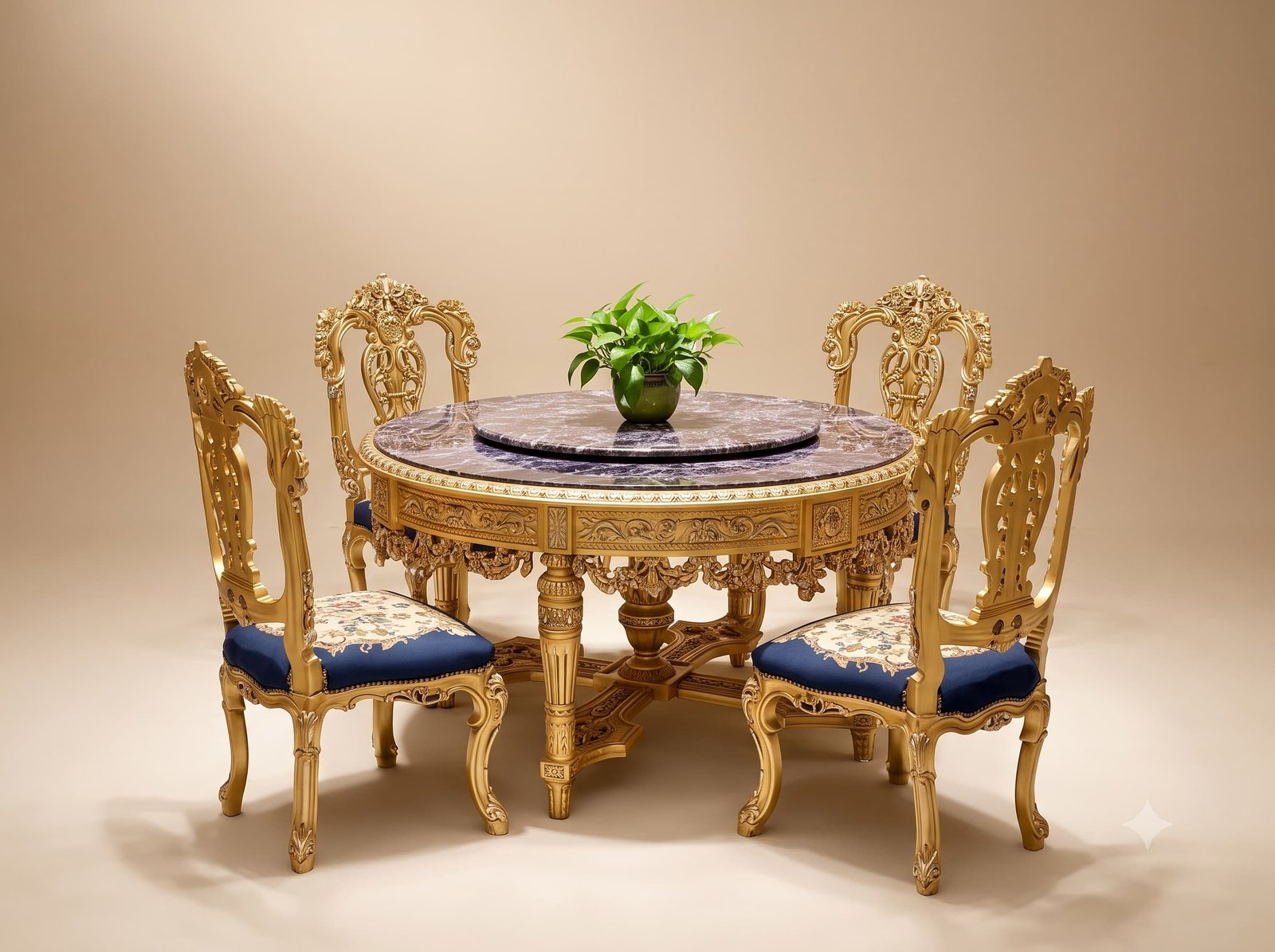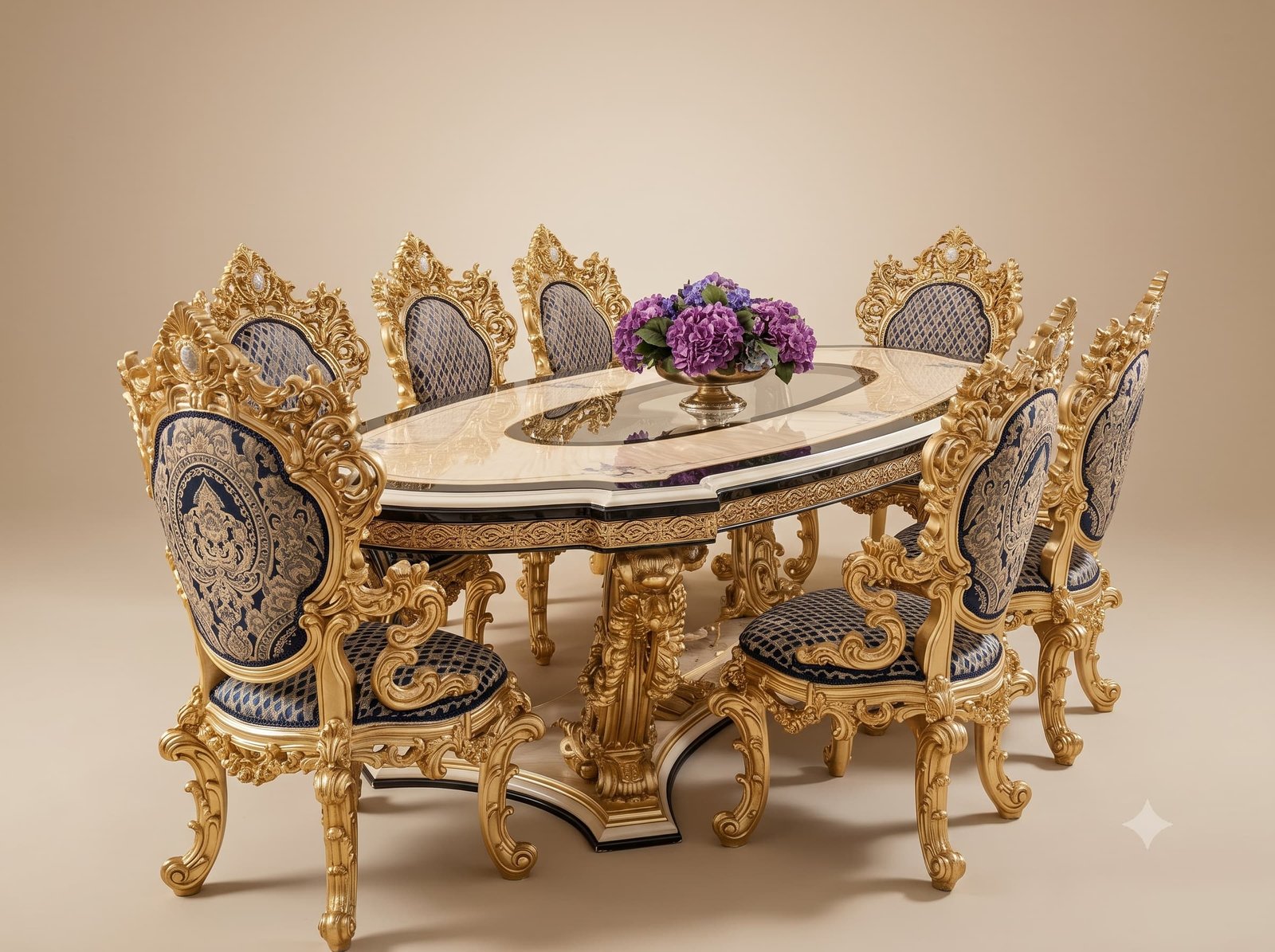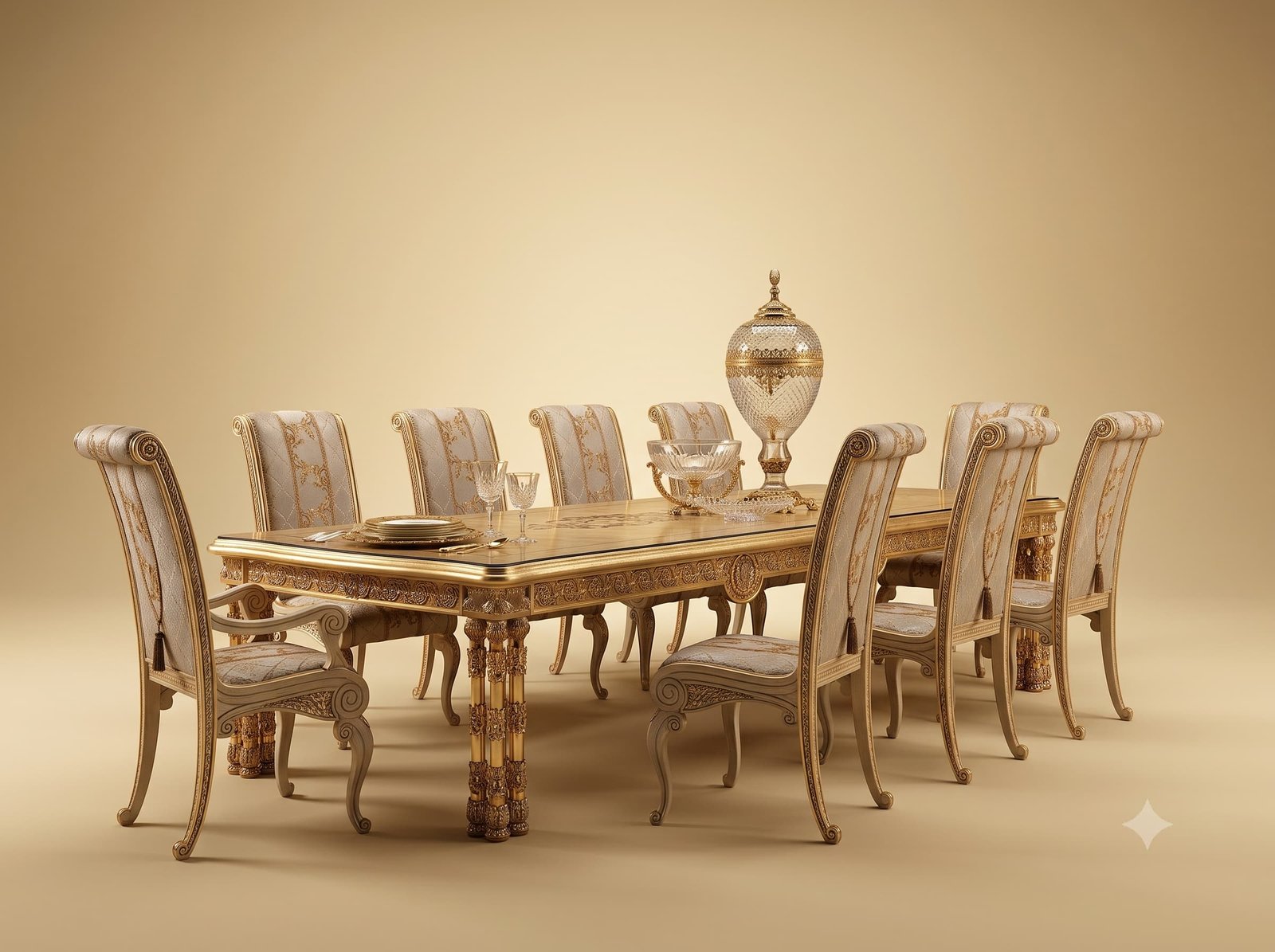
The joint that fails first in any dining set is the one between the seat rail and the back leg, and it fails for a reason that has nothing to do with sitting.
It is dragging. Every time a loaded chair is pulled sideways rather than lifted, the whole force goes through that joint as a twist. Do it three times a day for twenty years and even a well-cut mortise and tenon will work loose, because glue in a joint under repeated racking eventually gives.
So on a set this size we drawbore the tenons. The mortise is cut, the tenon fitted, and then a peg hole is bored through both - but the hole in the tenon is offset by a fraction of a millimetre toward the shoulder. When the tapered peg is driven, it cannot line up with both holes unless the tenon is pulled deeper into the mortise, so the peg forces the joint tight as it goes home.
The result is a joint held mechanically as well as by glue. If the glue ever tires, the peg is still doing its work - and unlike glue, the peg can be driven out, the joint cleaned and re-pegged decades later.
It is an old technique and a slow one, and it is the reason a well-made chair outlives the person who bought it.
 Ask Price On WhatsApp