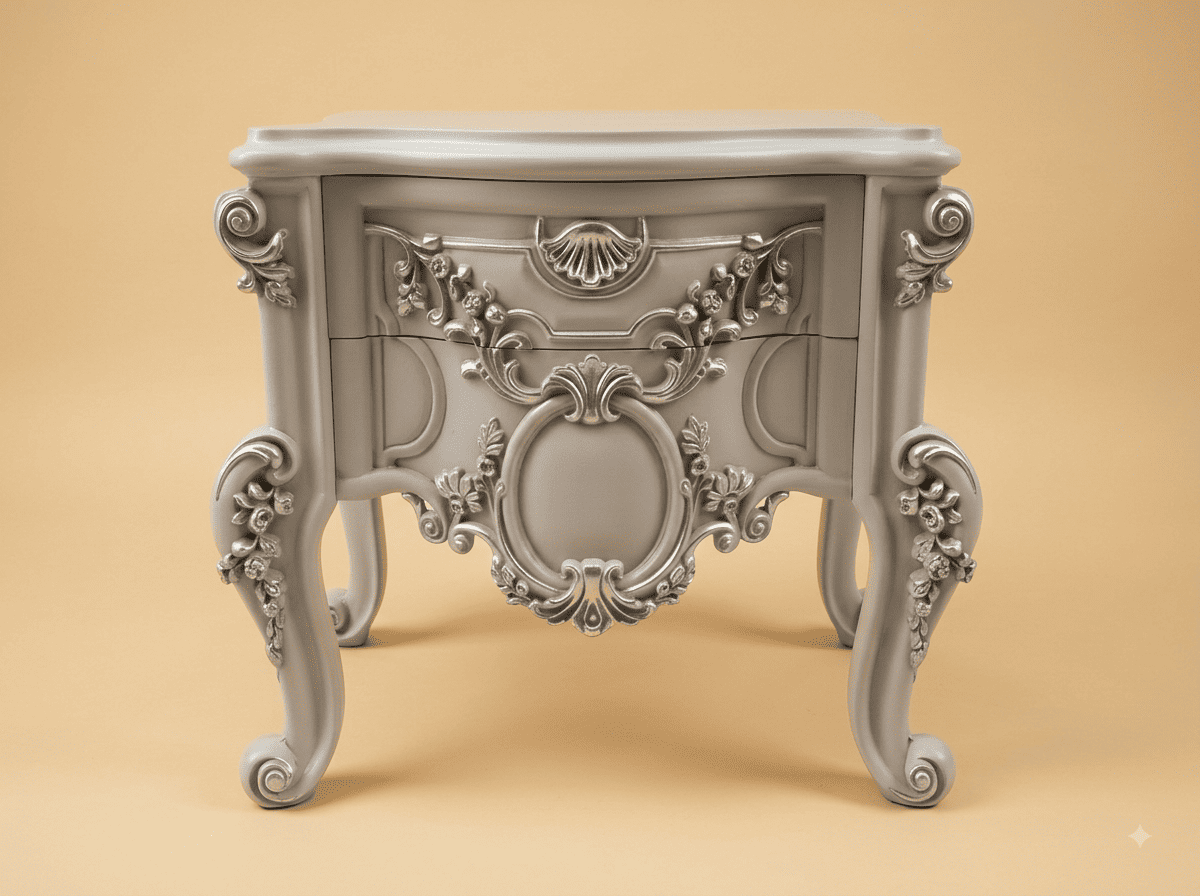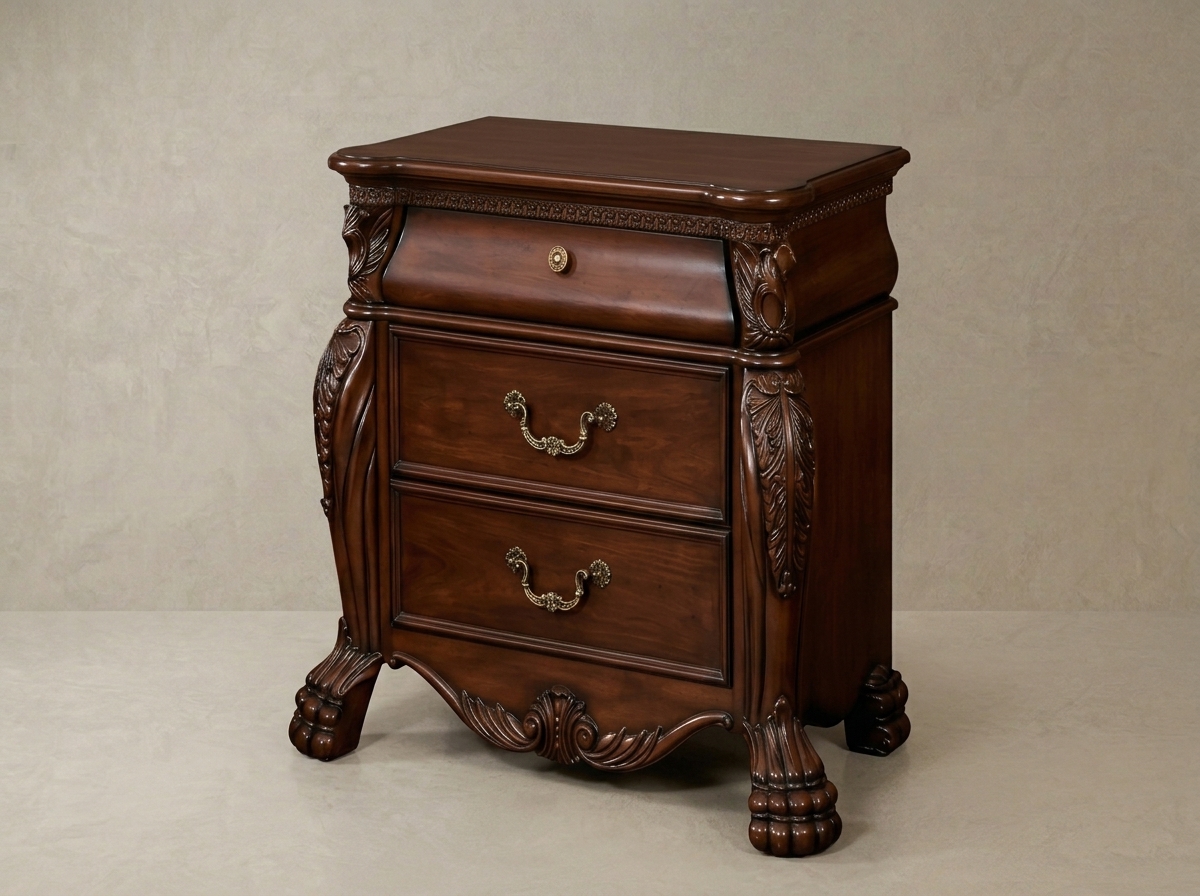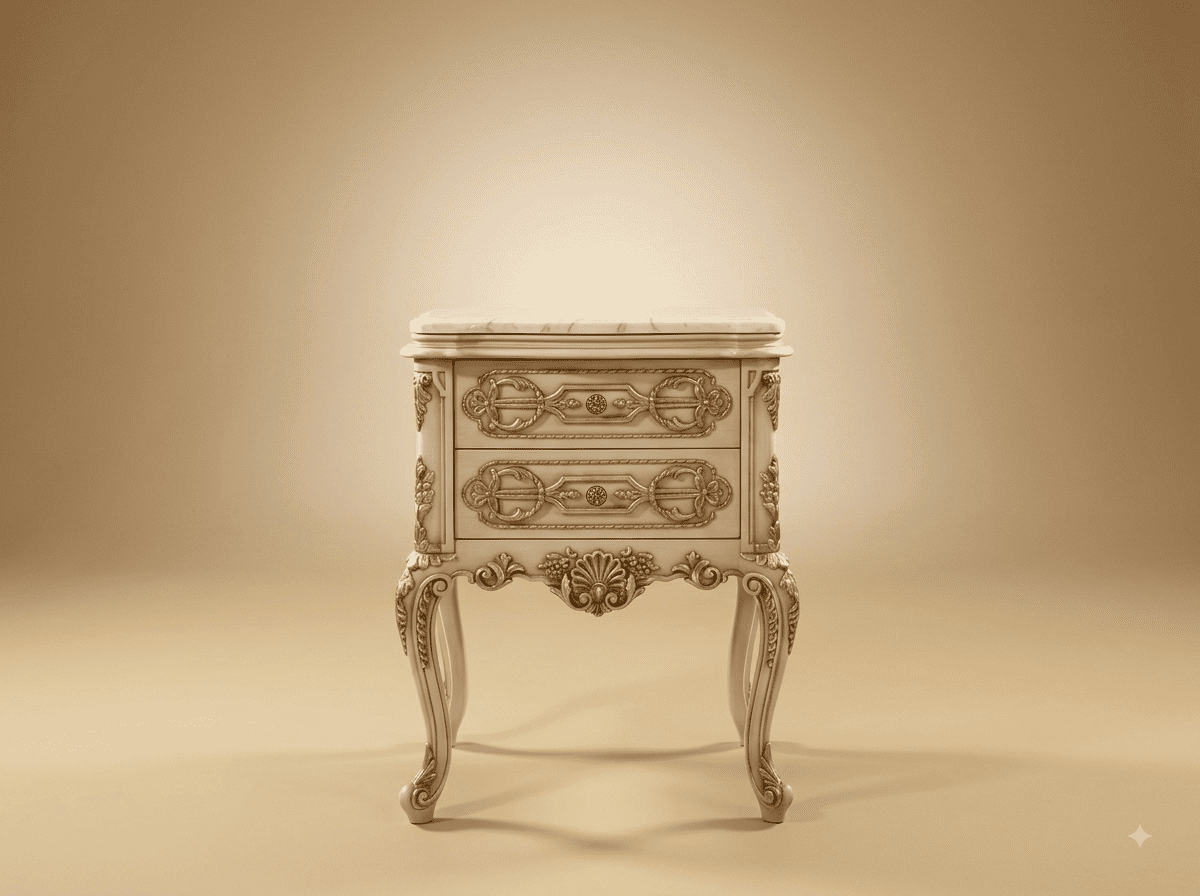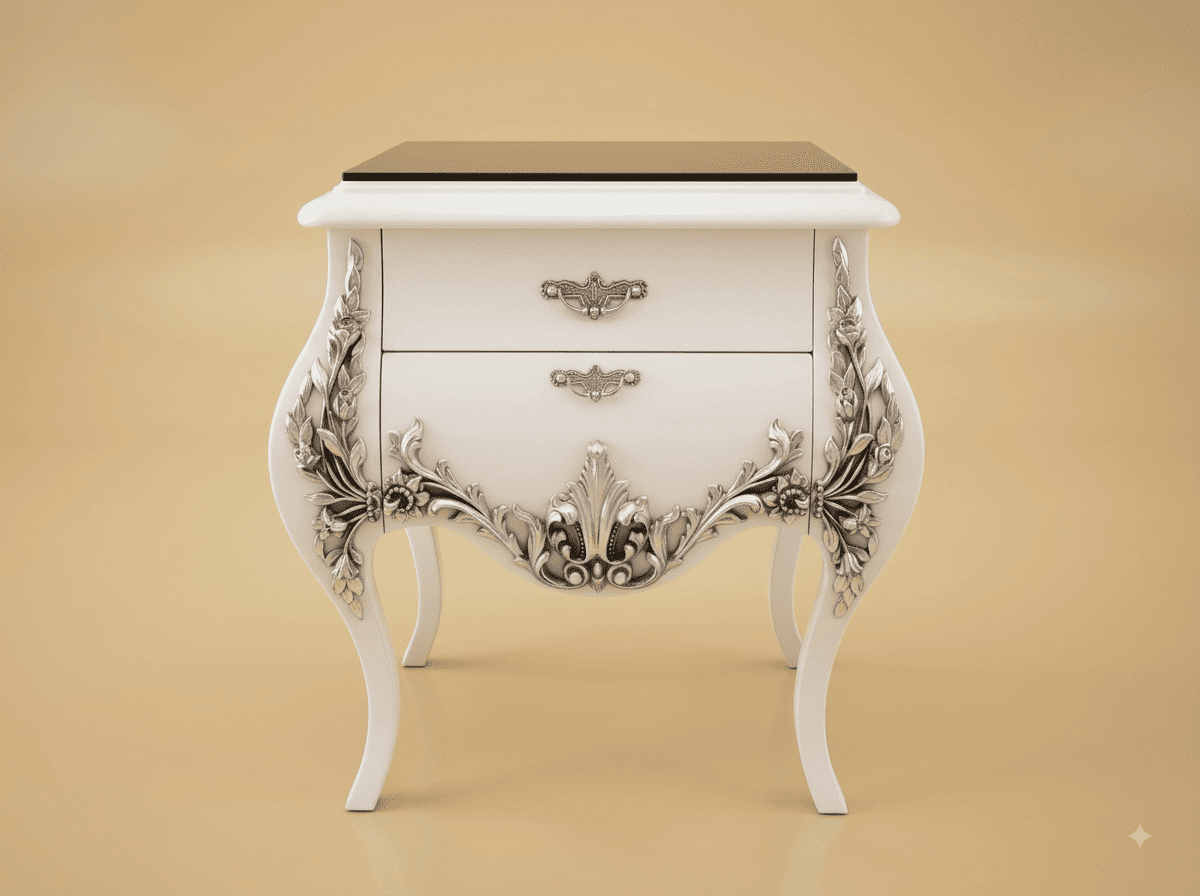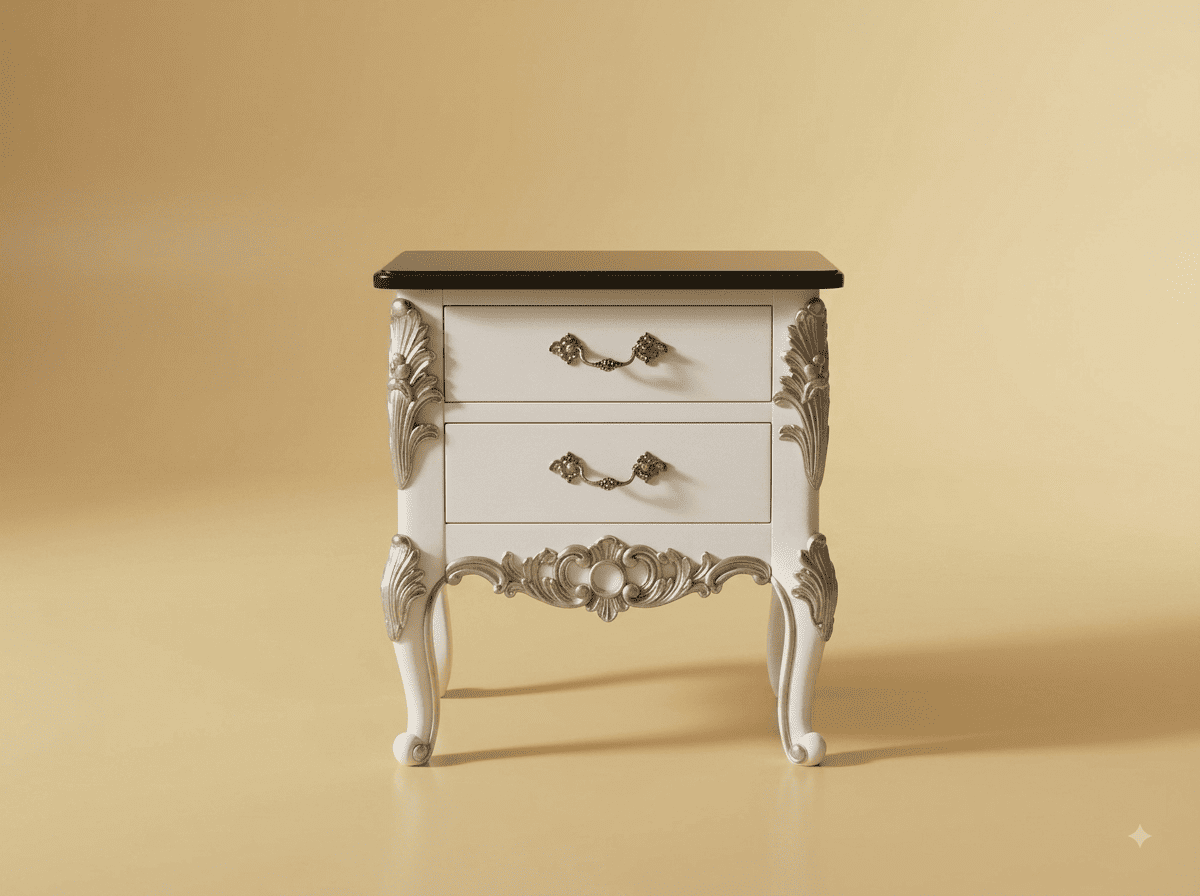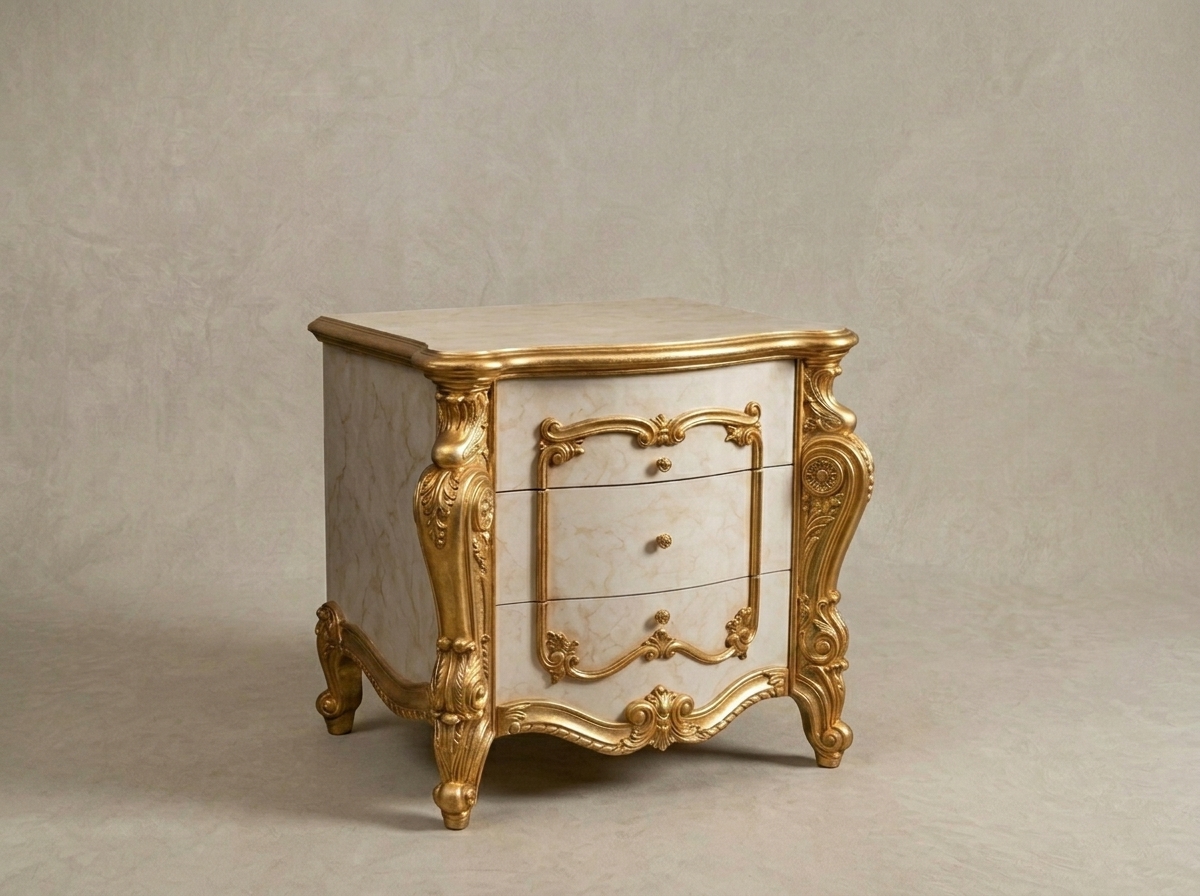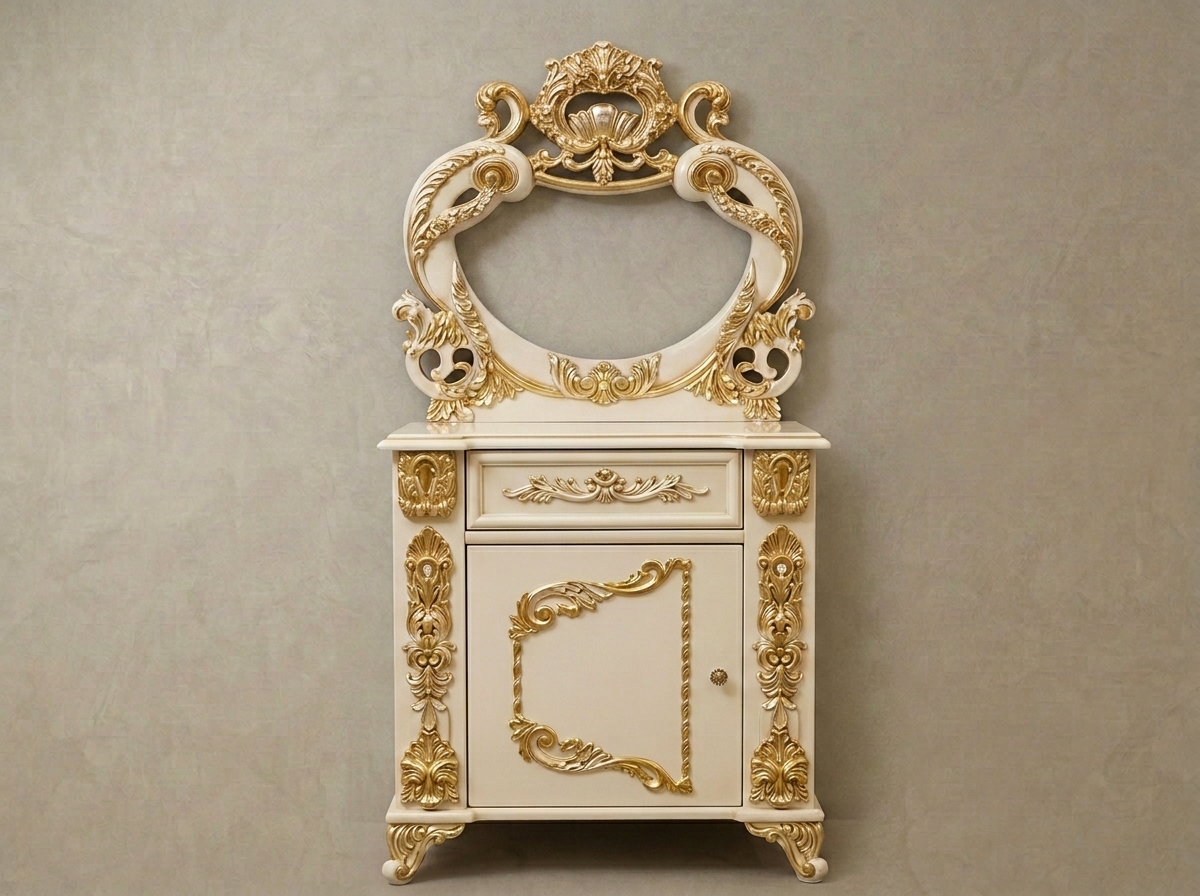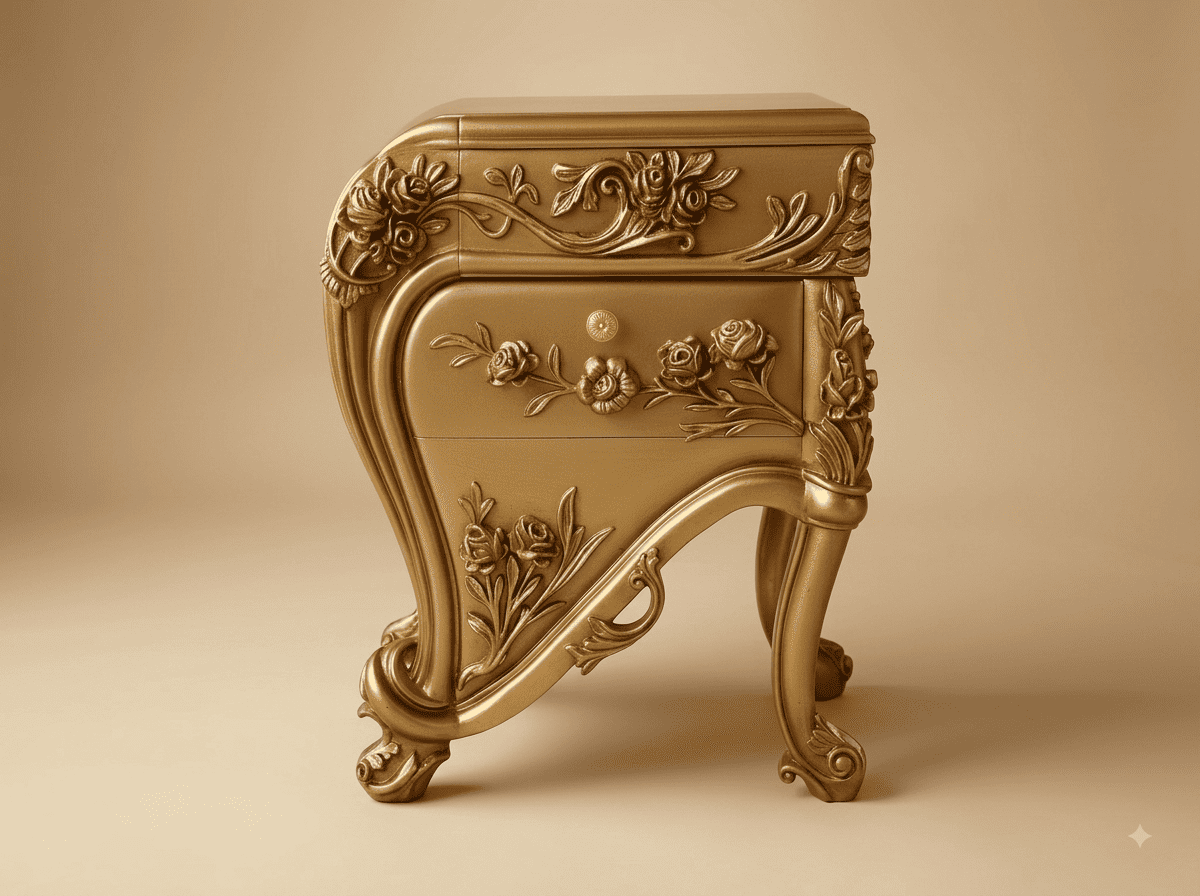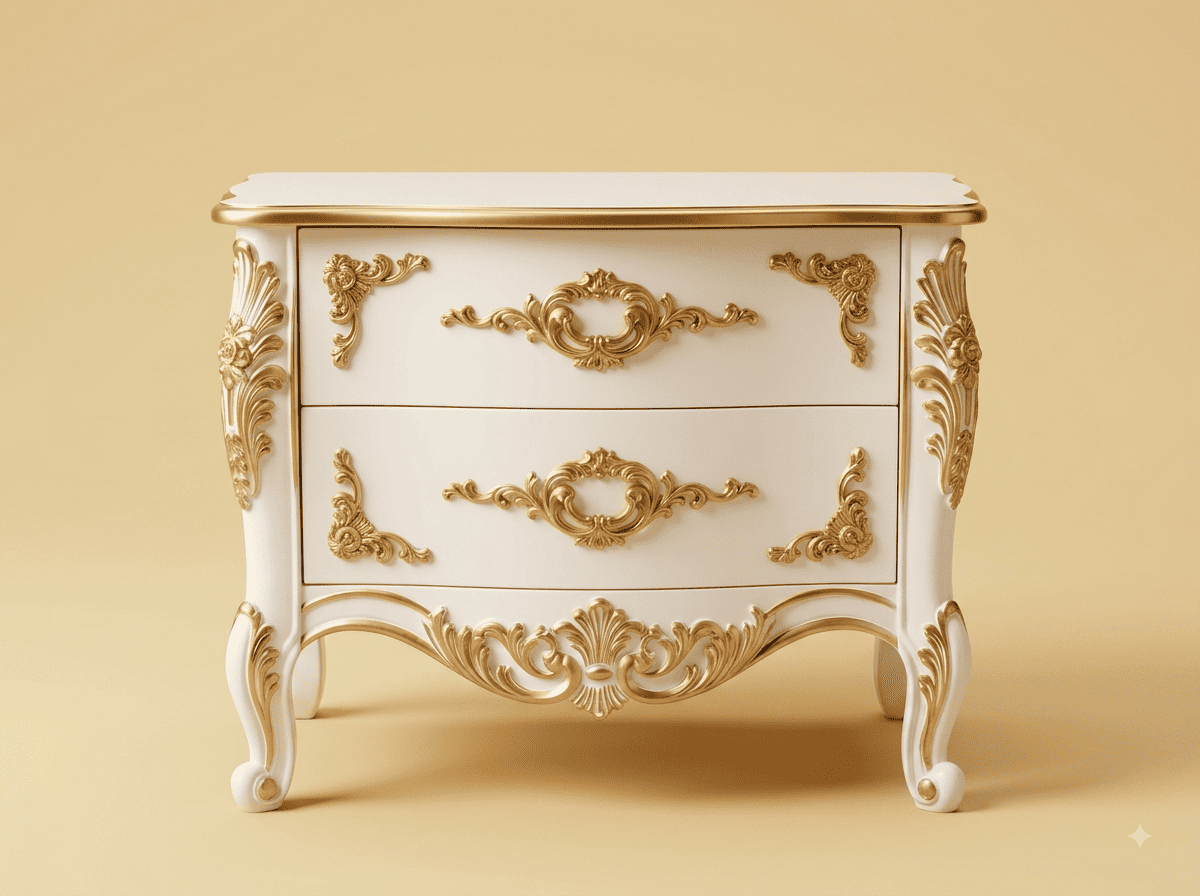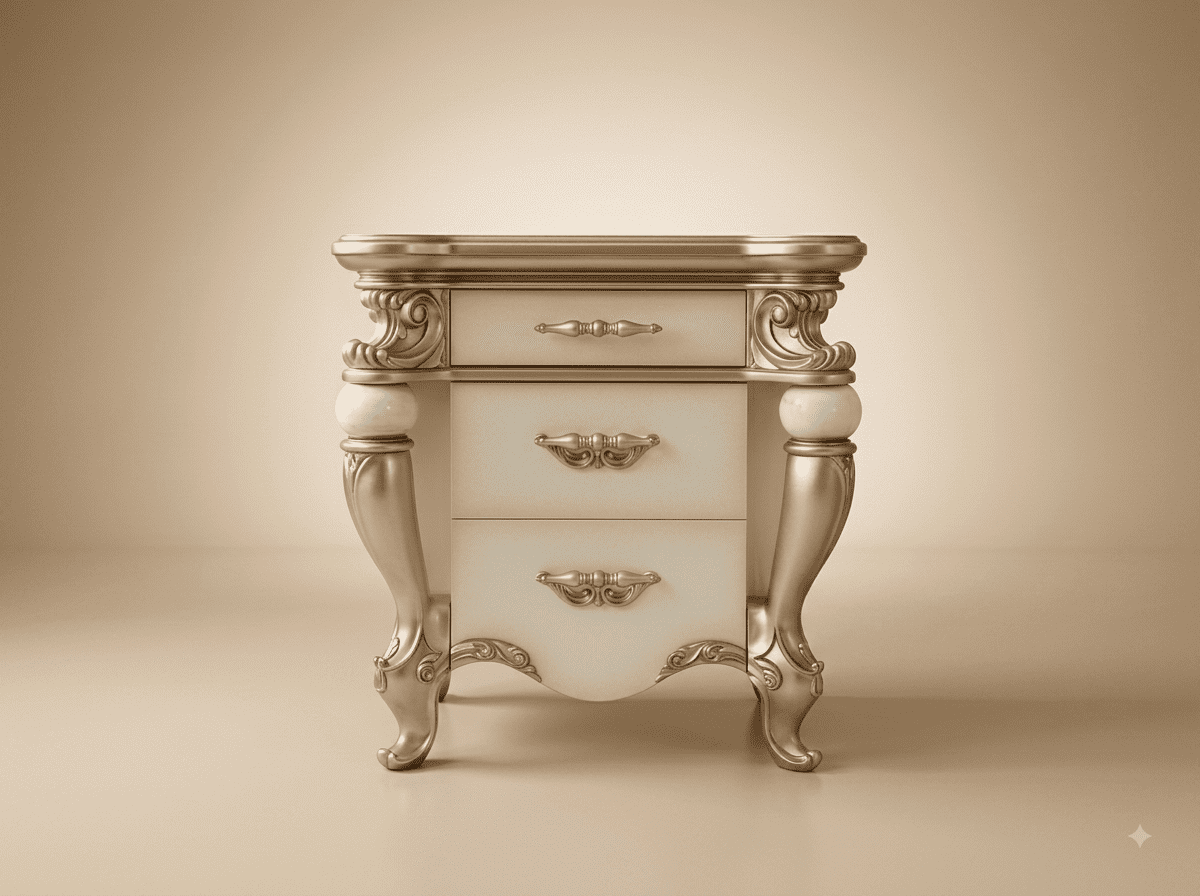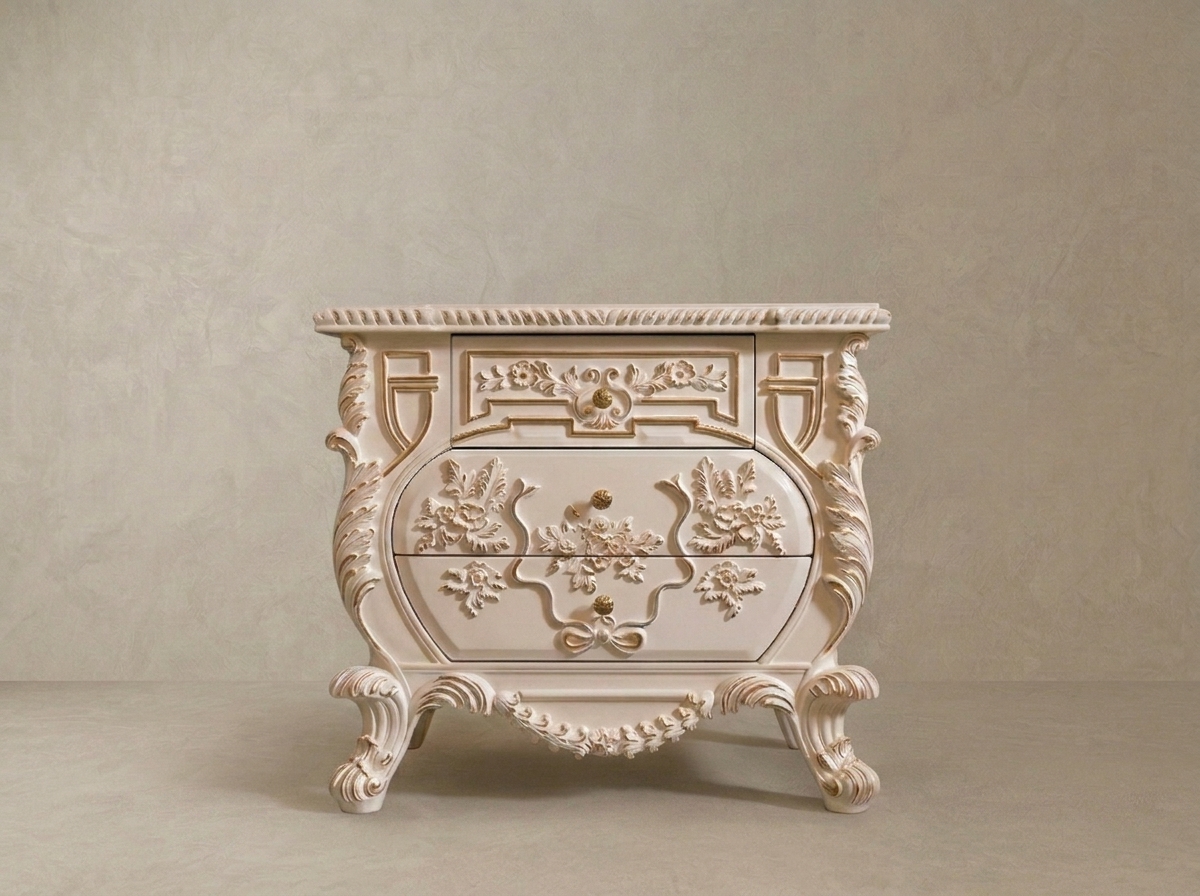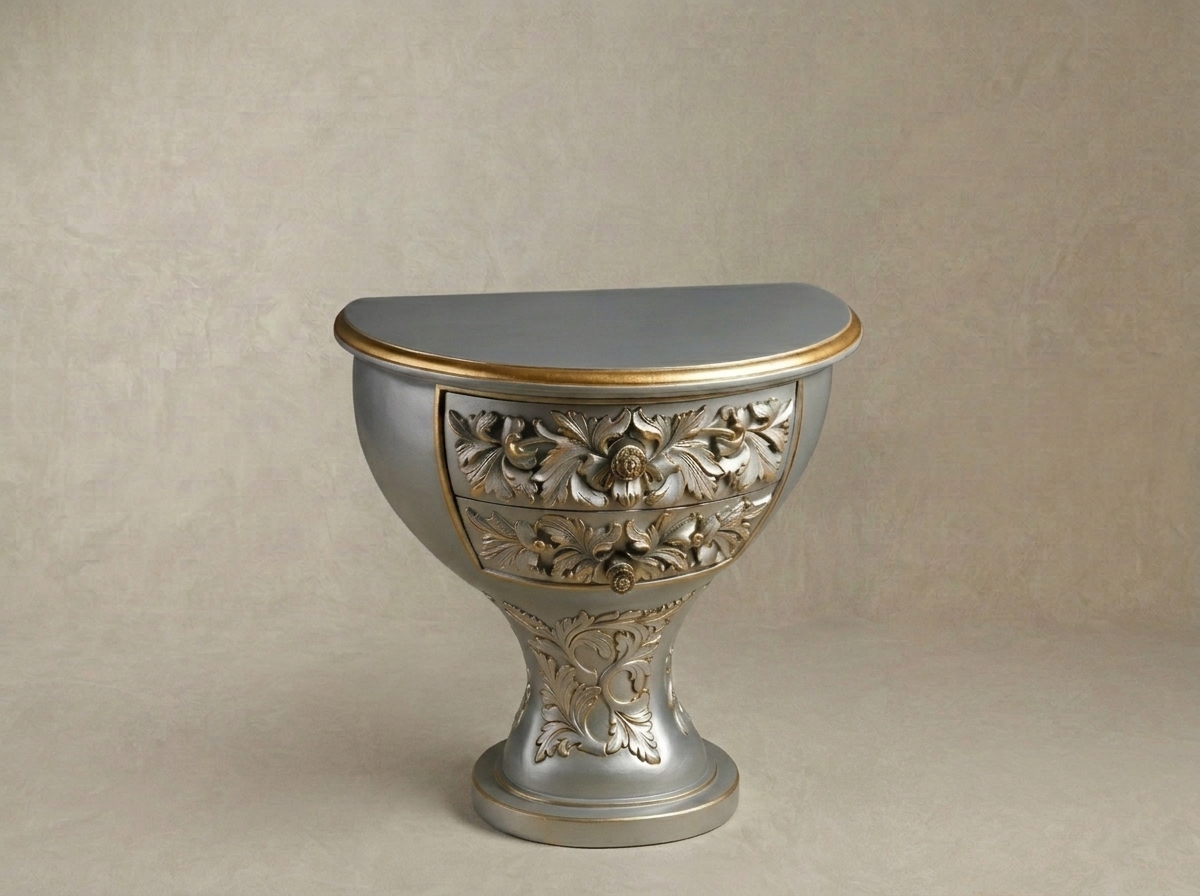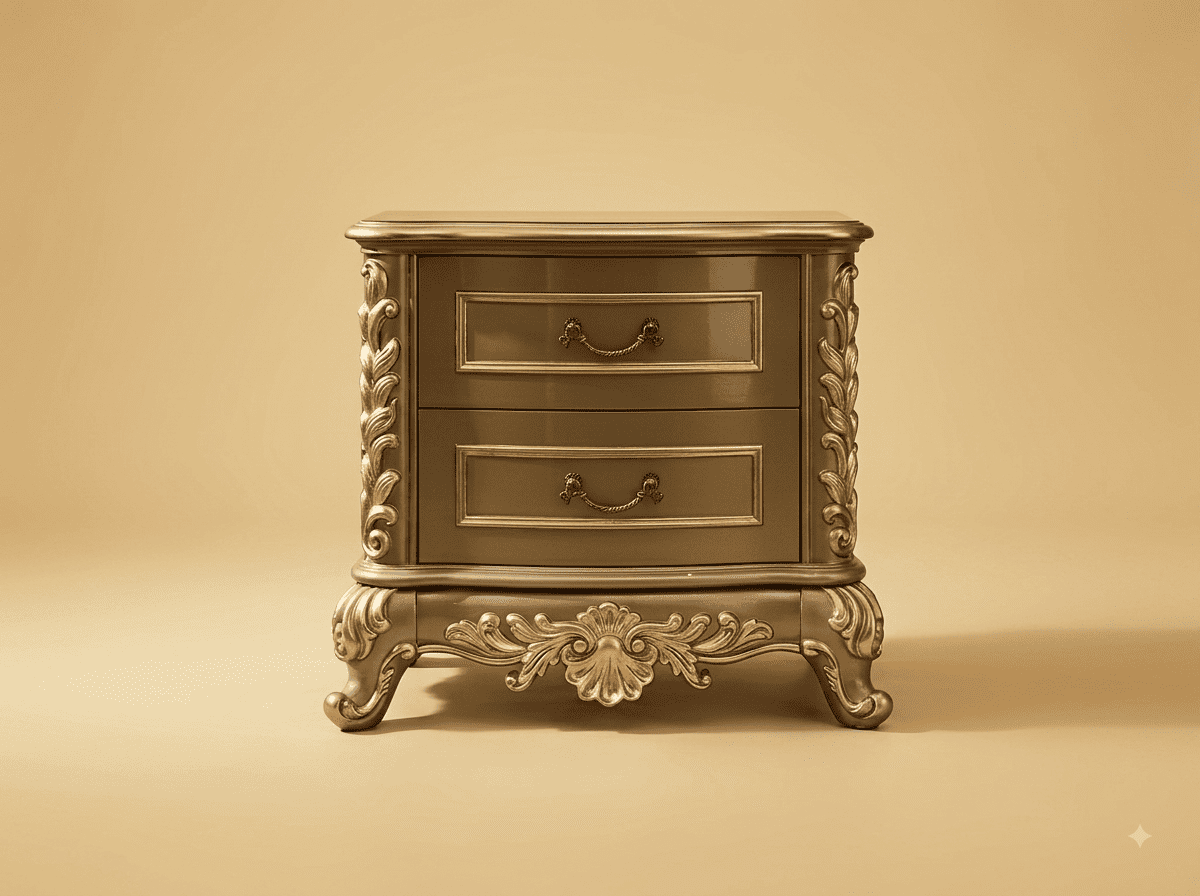
A case standing on a separate carved base is an old arrangement, and it survives because it solves two problems at once.
The first is structural. A carcass and a stand are different kinds of object - one is a box that must stay square, the other is a frame of curved members that must flex slightly under load without cracking. Building them as one piece forces a compromise on both. Building them separately lets each be made the way it wants to be made, and joins them where the forces are simplest.
The second is practical, and anyone who has moved house knows it. Two lighter pieces go up a staircase and round a landing in a way one heavy one does not, and a carved base that has taken a knock can be worked on without the case being involved.
The join is what makes it work. Our craftsmen cut locating blocks into the top of the base and matching recesses into the underside of the case, so the two drop together in one position and one only, and the weight of the case holds them. Nothing is screwed through a carved surface, and nothing is glued - because a glued join between two pieces that move at different rates is a crack waiting for its first monsoon.
Lift the case off and the base is a complete carved object on its own. That is the test of whether it was designed properly.
 Ask Price On WhatsApp