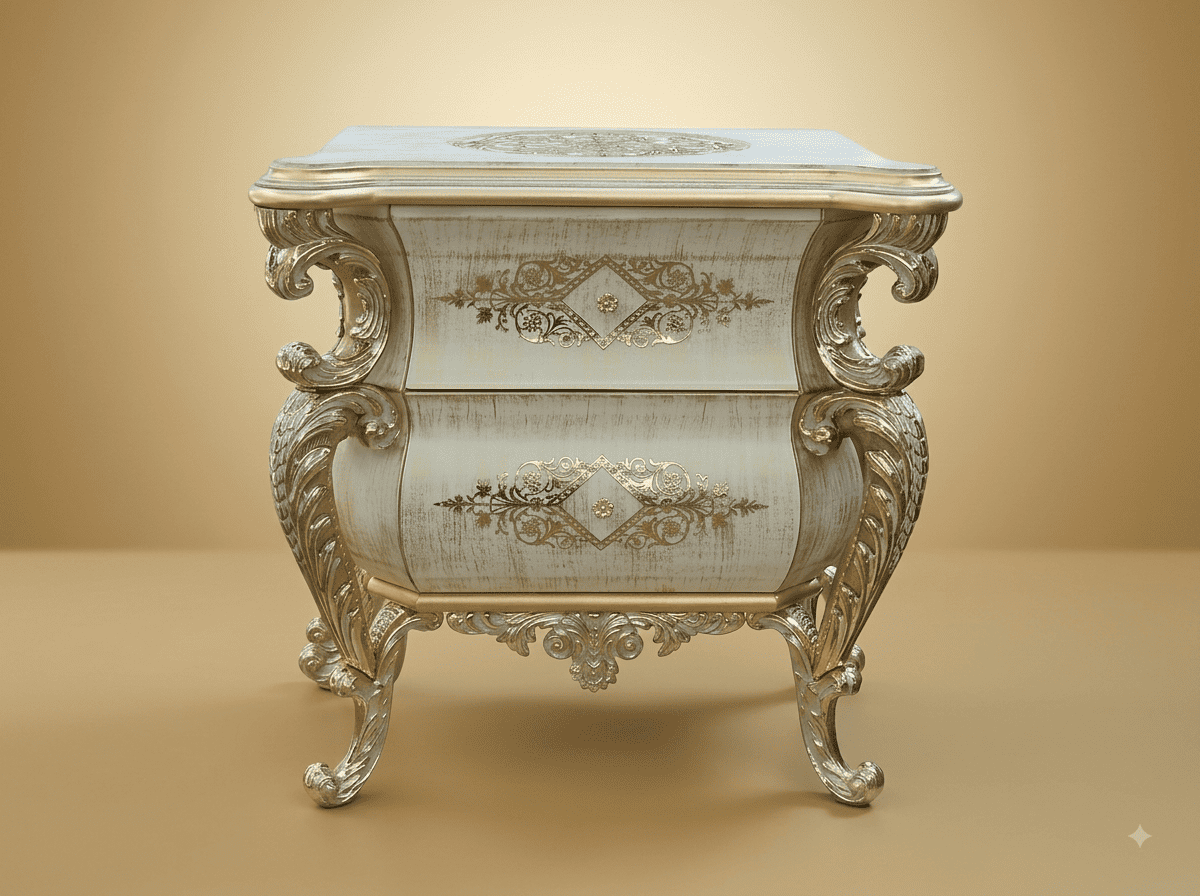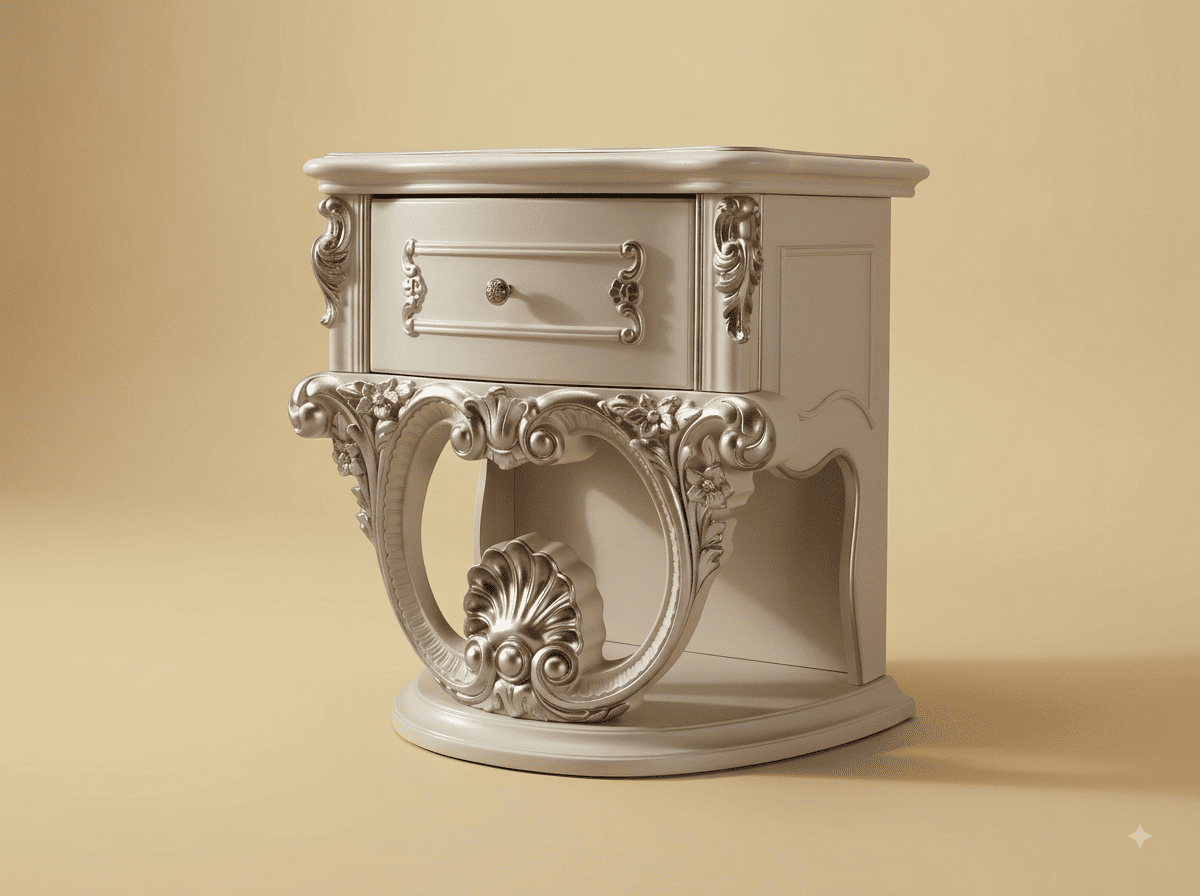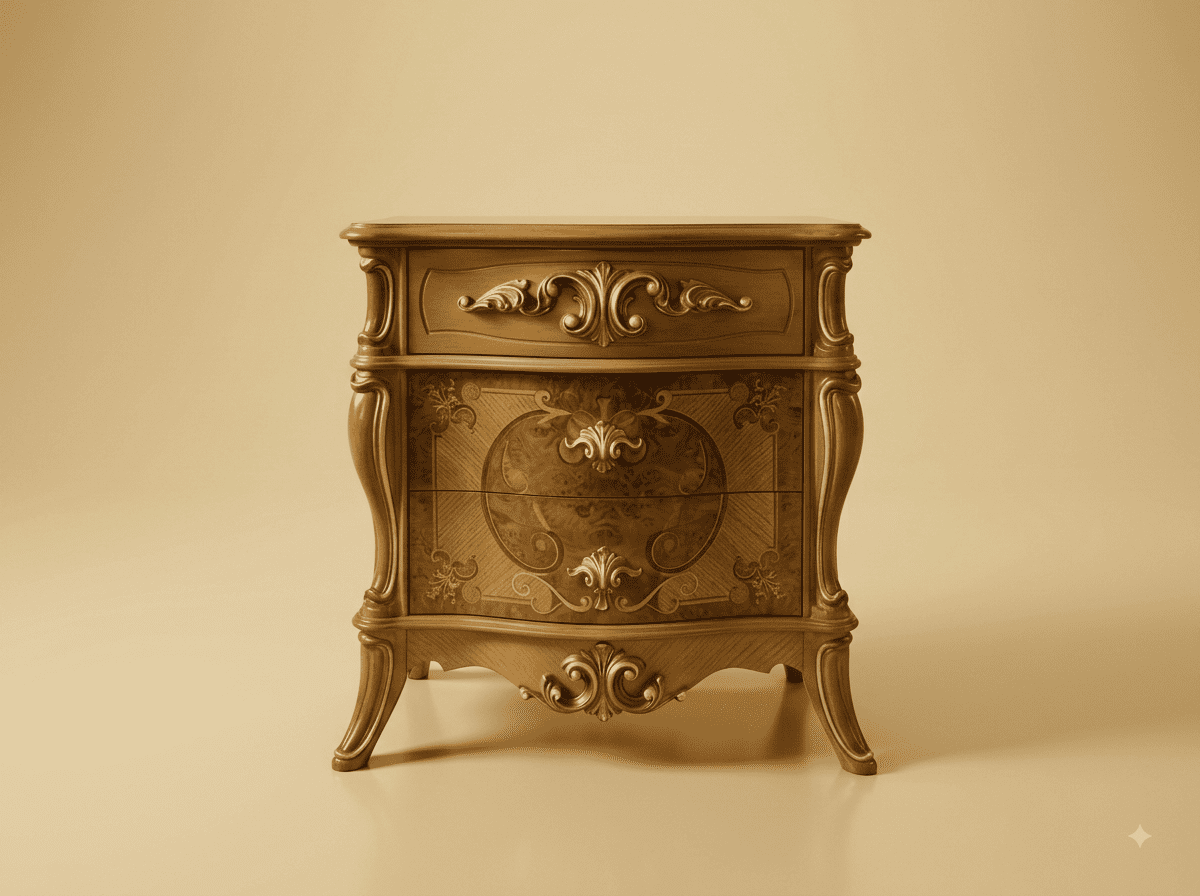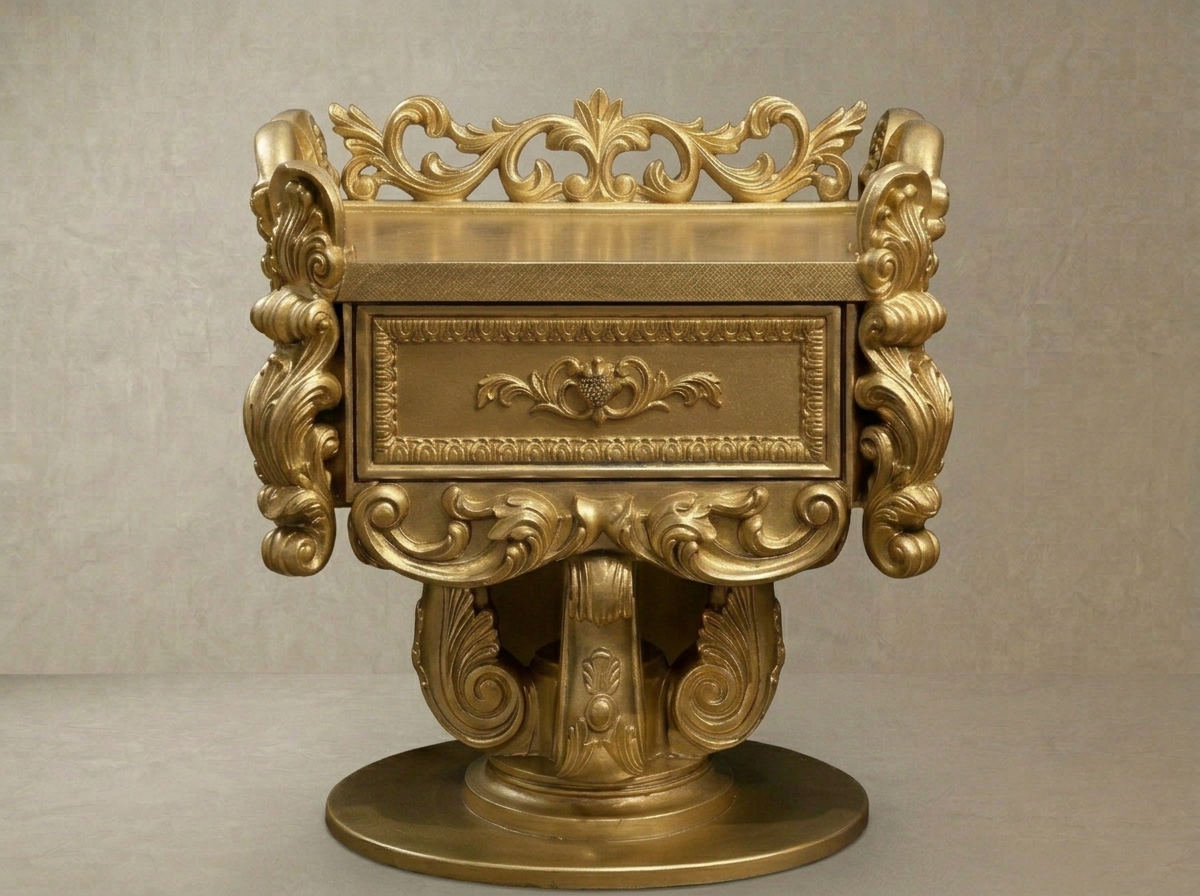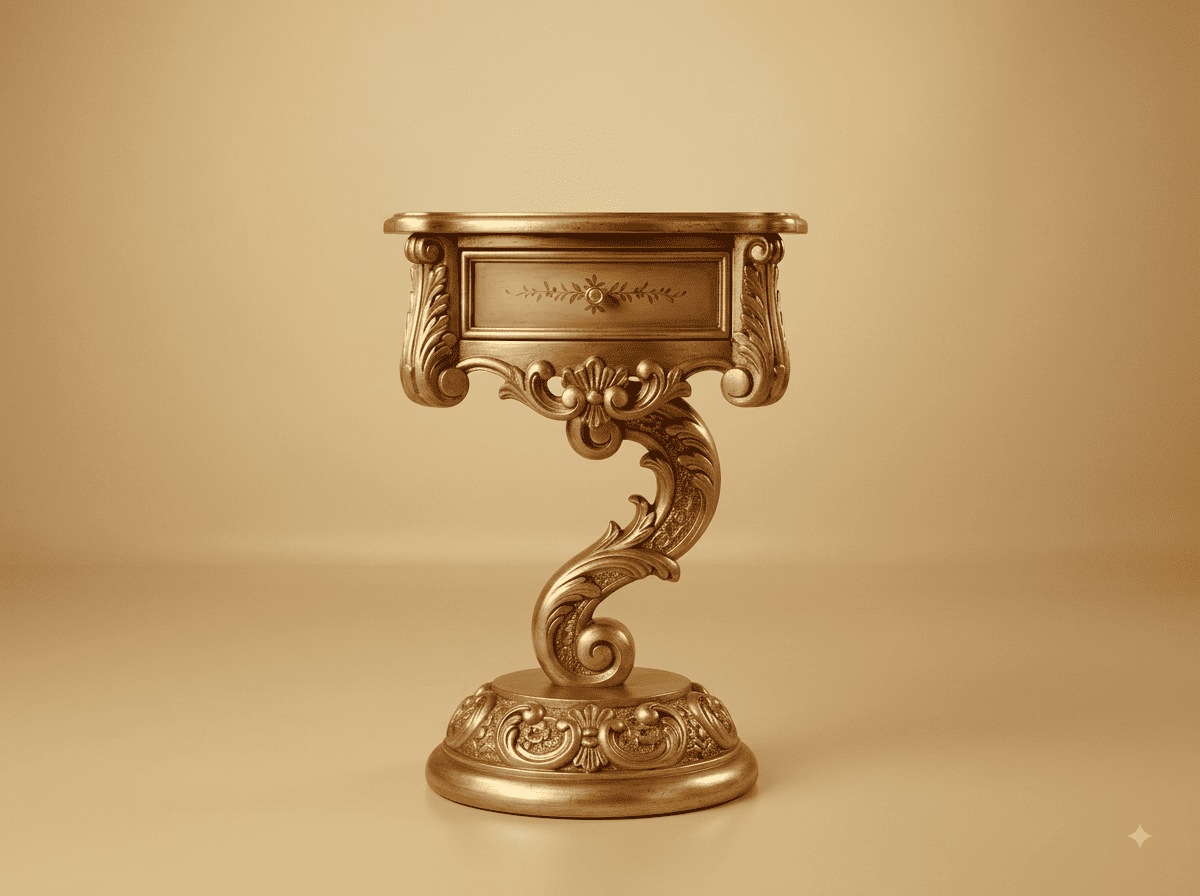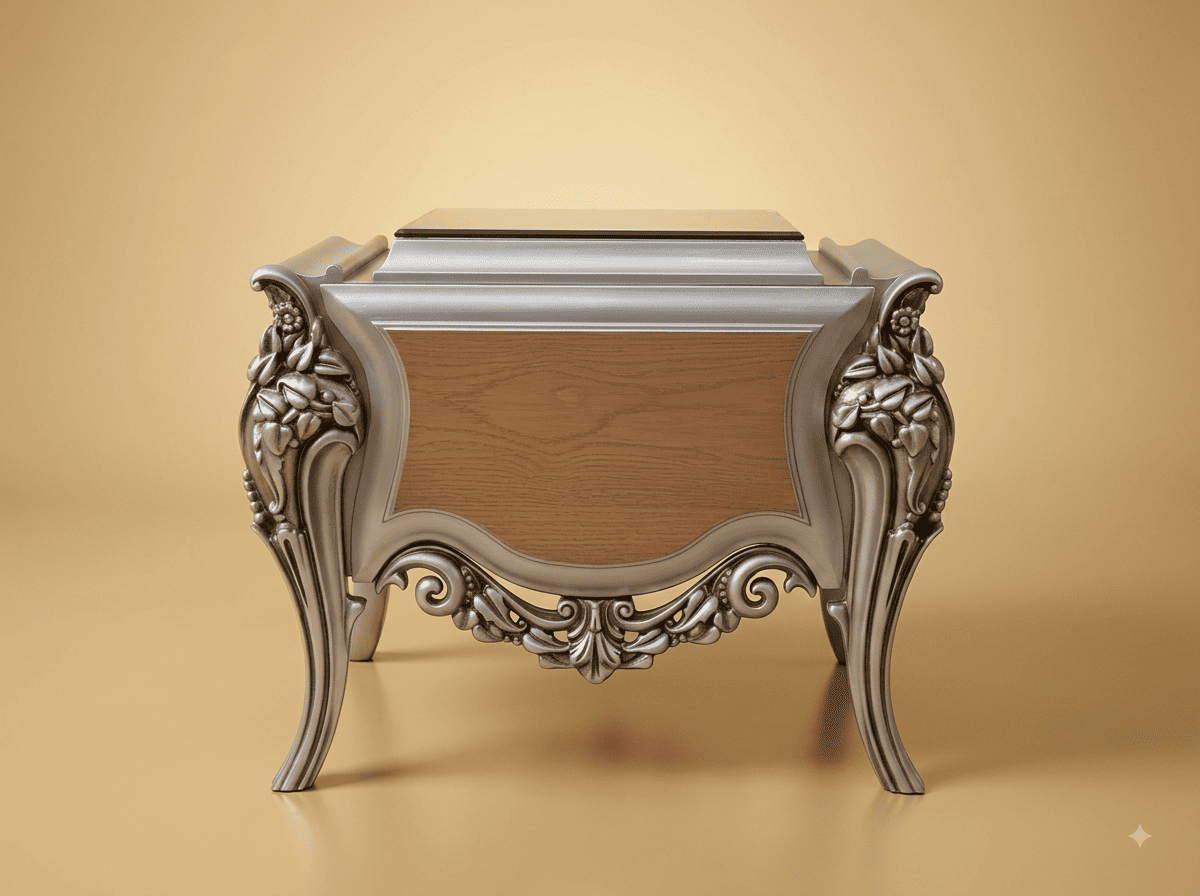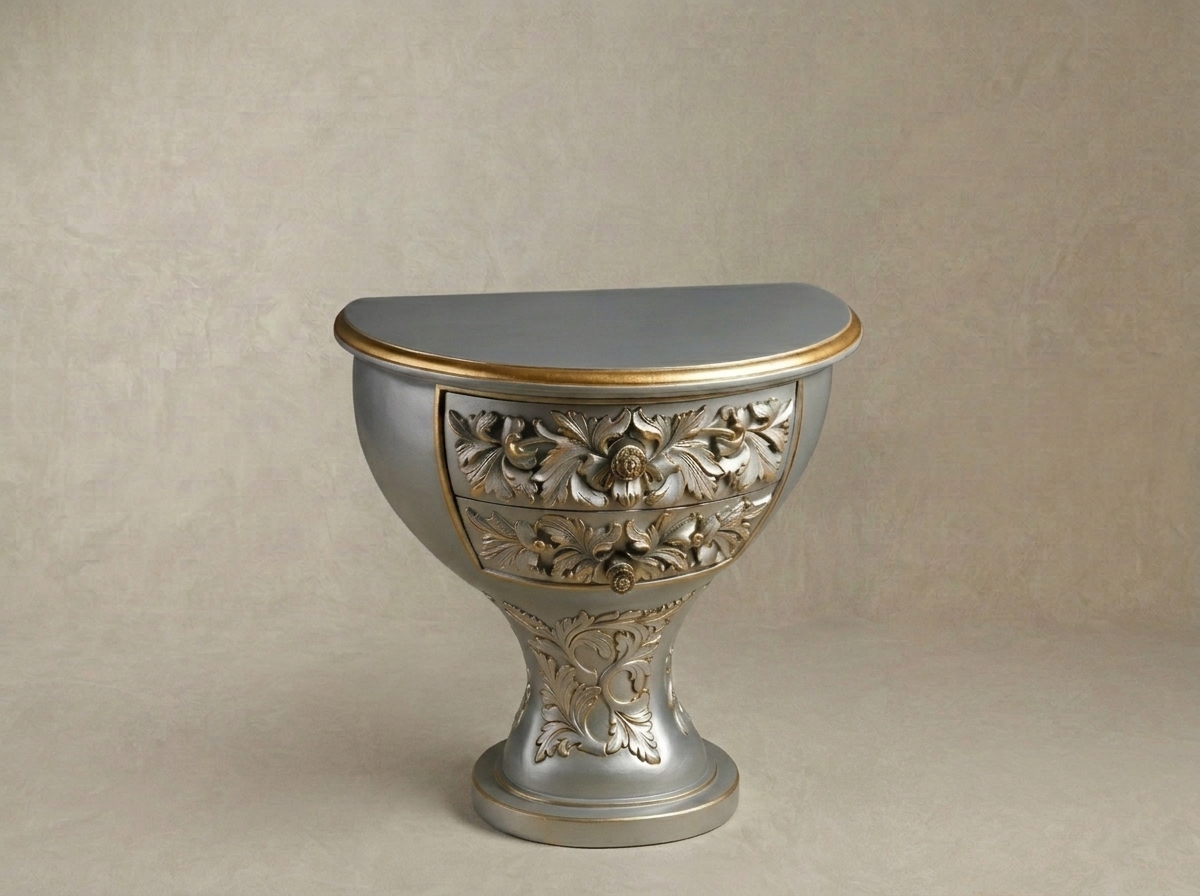
A table on one pedestal has to earn its stability, because it has no legs spreading out to catch a push.
Four legs give a table a wide footprint automatically - tip it and one leg is always out there resisting. A pedestal has only its plinth, and the temptation is to make that plinth as small as the design will allow, because a large one looks heavy.
So the balance is worked out rather than guessed. The plinth is made wider than the top's overhang requires, and the extra width is disguised by a moulding that steps in as it rises, so the eye reads a smaller foot than the table actually stands on.
Inside, the pedestal is not a hollow column. A cross-halved bearer is jointed into the plinth and runs up inside the waist to meet the underside of the drawer case, so the load from the top passes down through solid timber into the centre of the plinth rather than through the outer skin of the column.
The result is a table you can lean a hand on without thinking about it, which is what a side table beside a bed or a sofa is for.
 Ask Price On WhatsApp