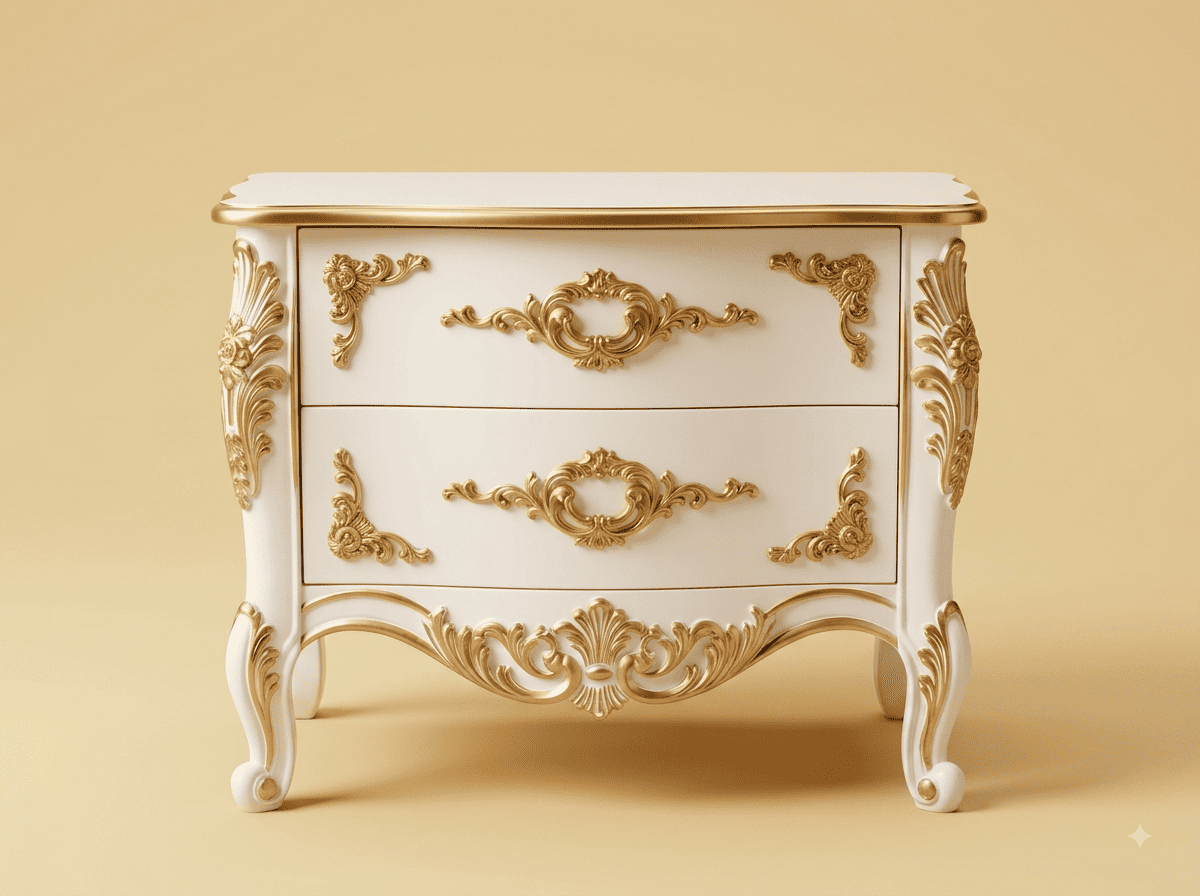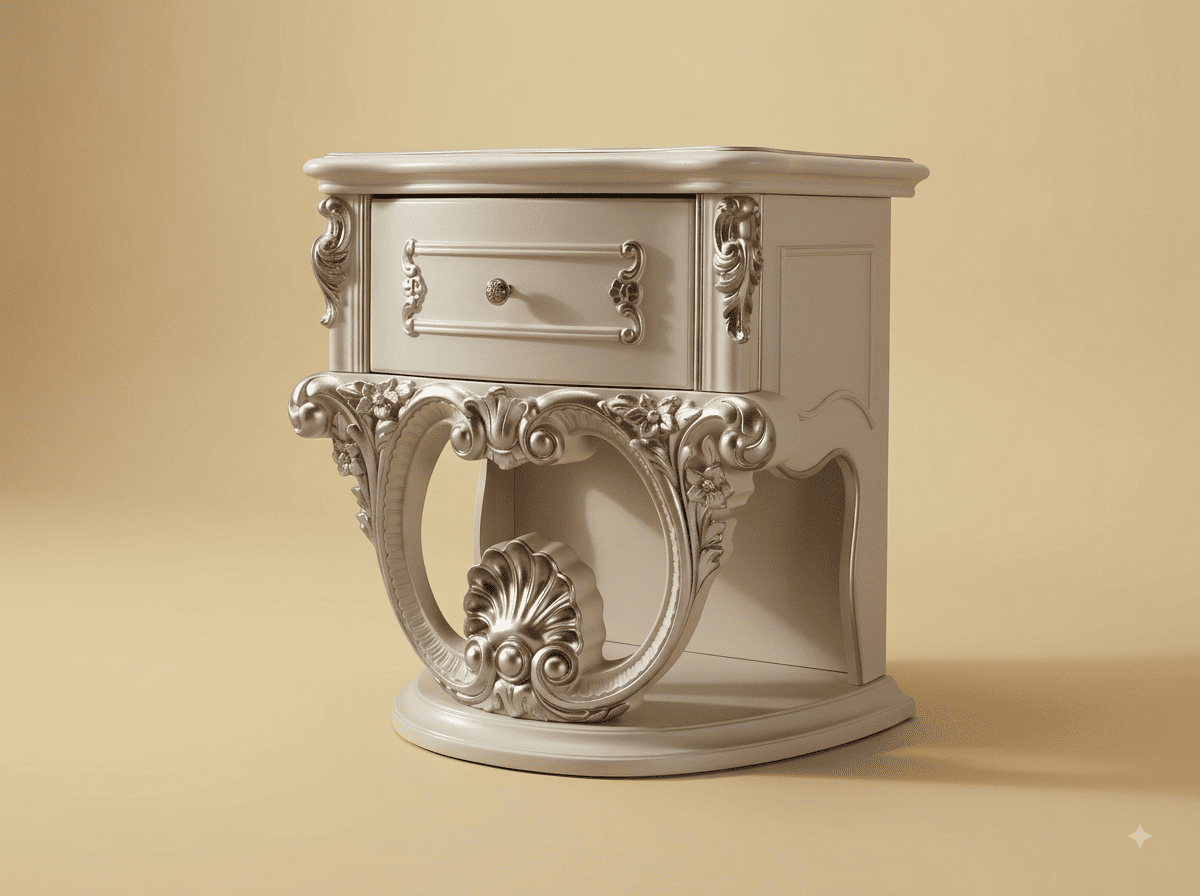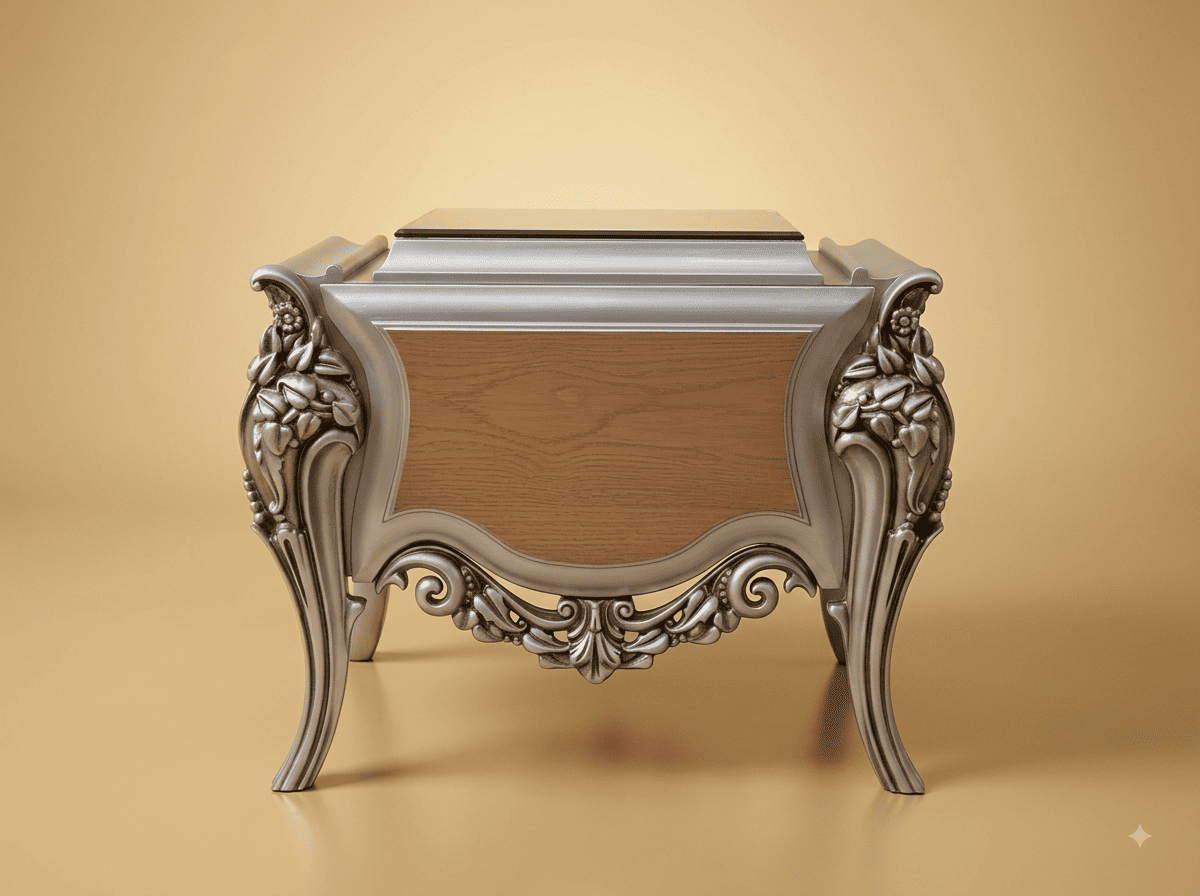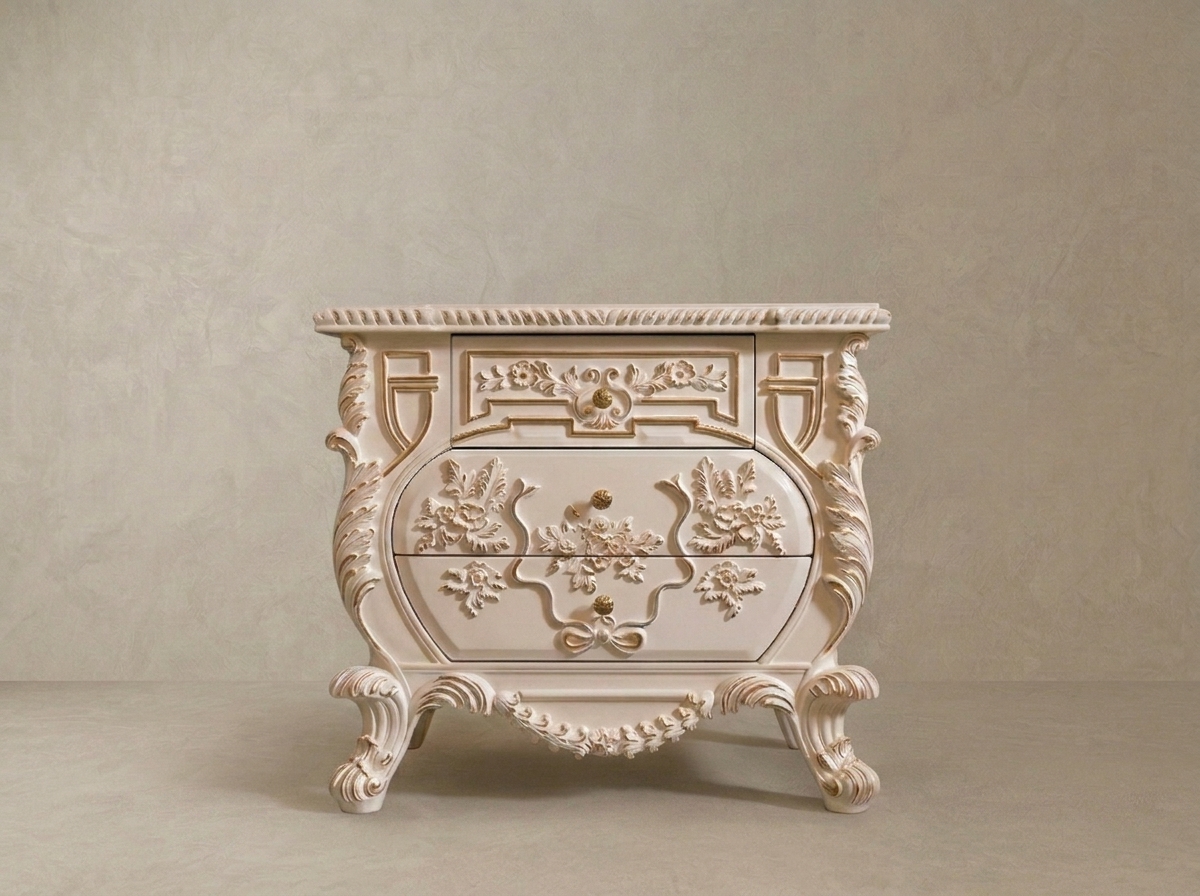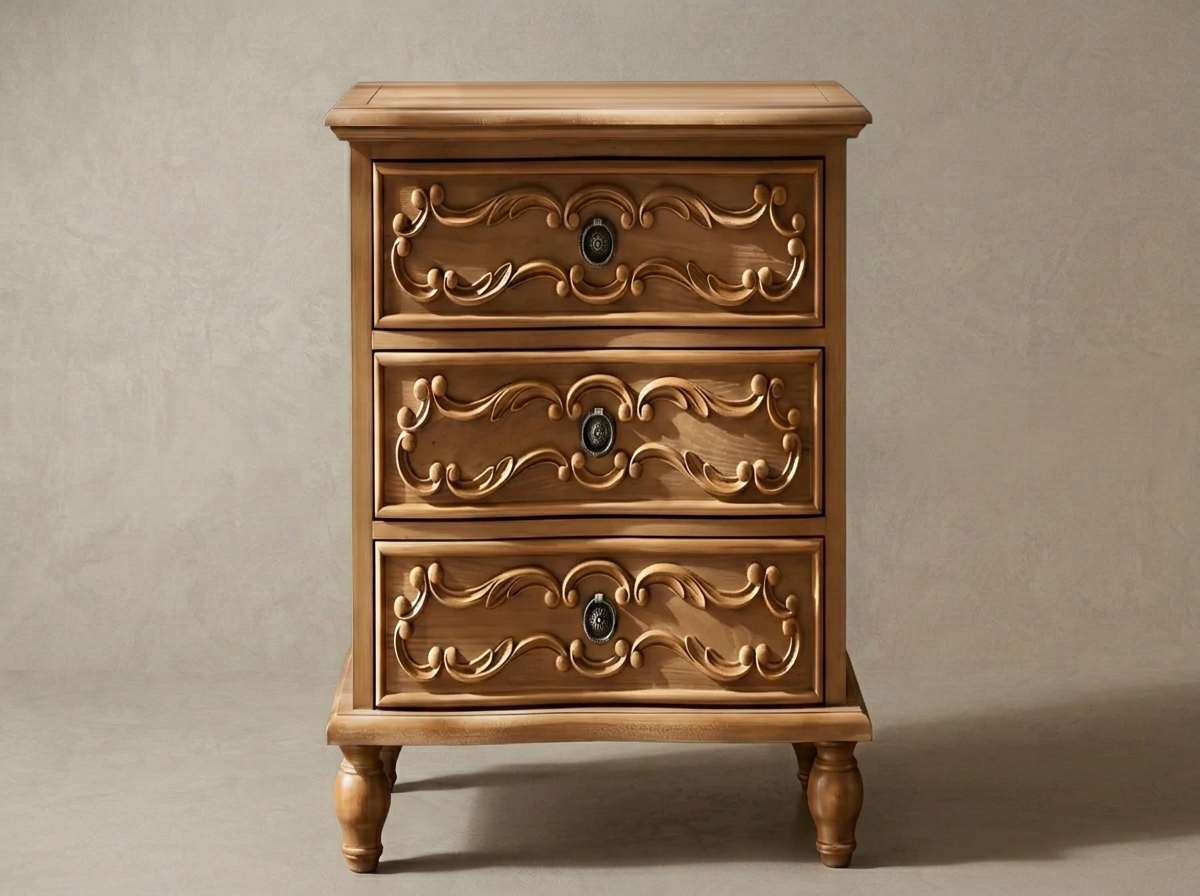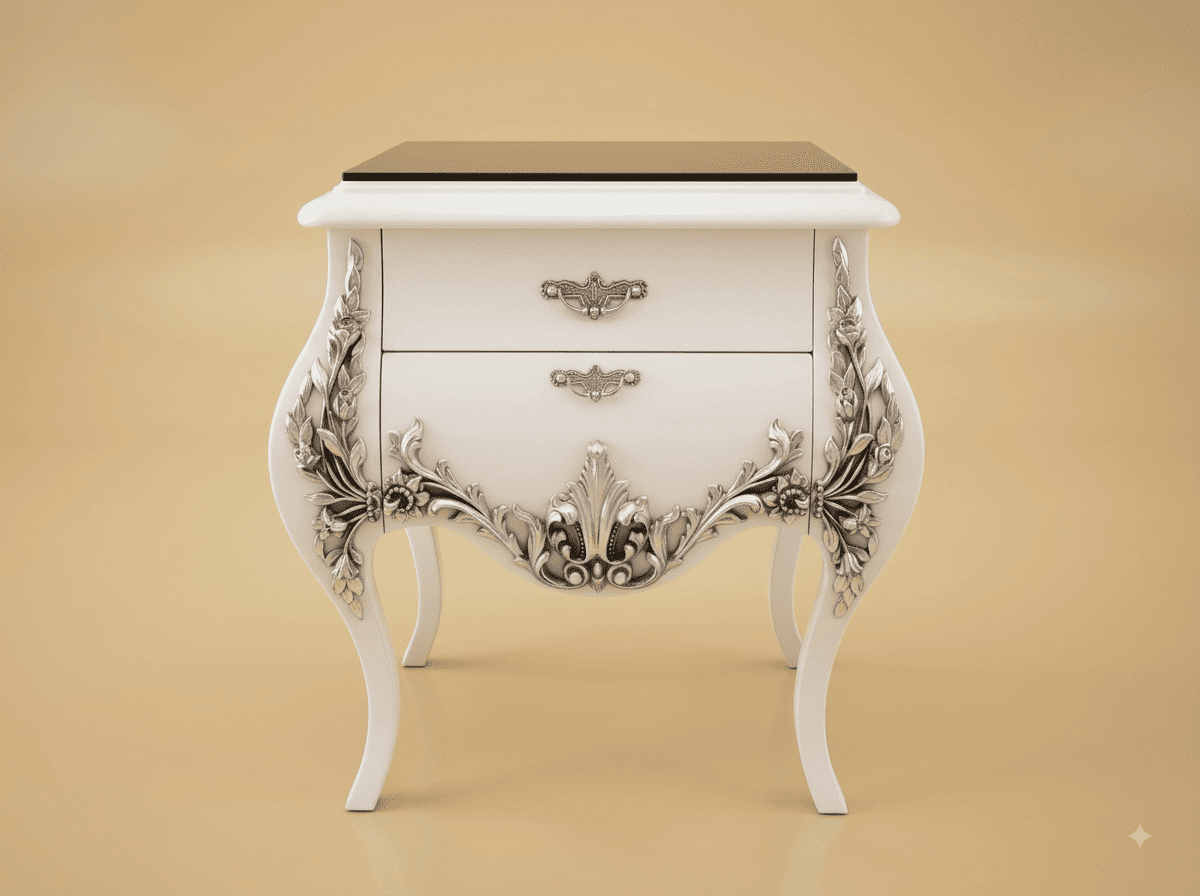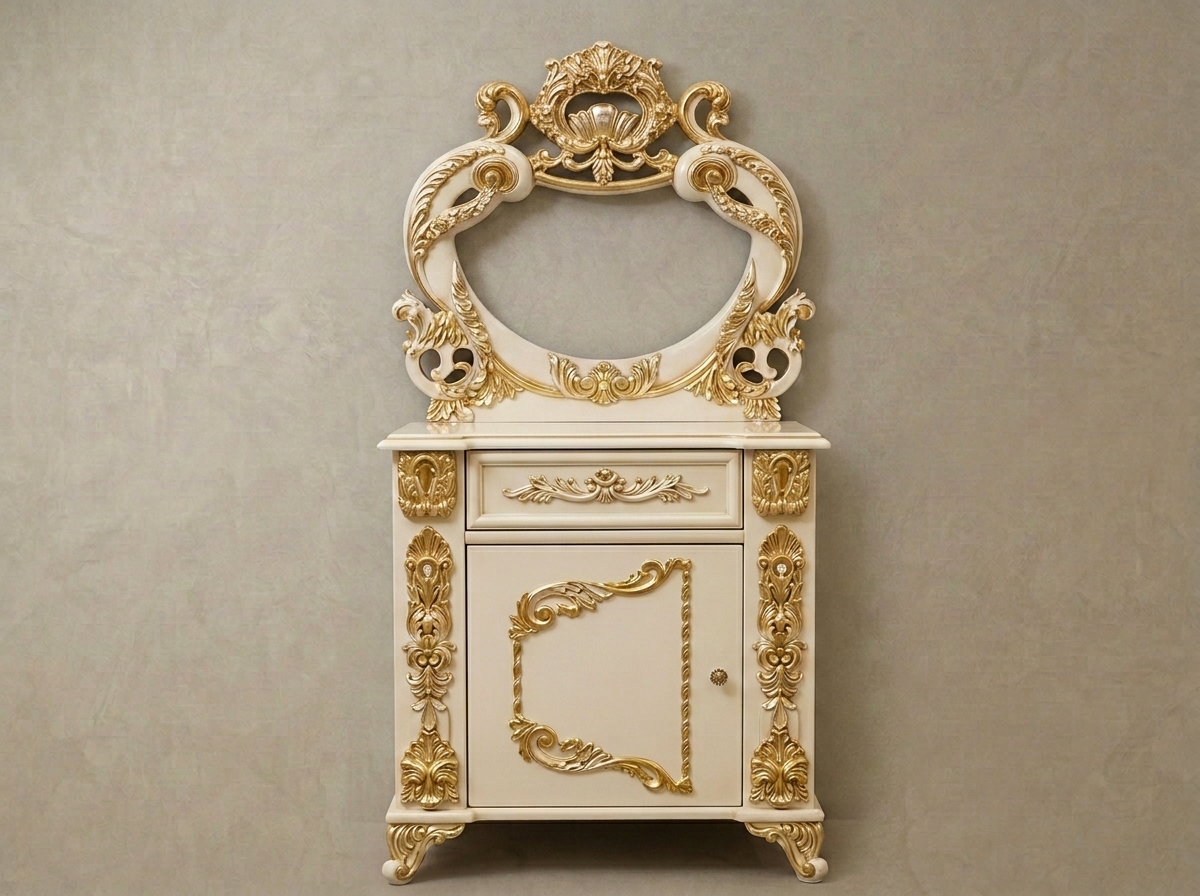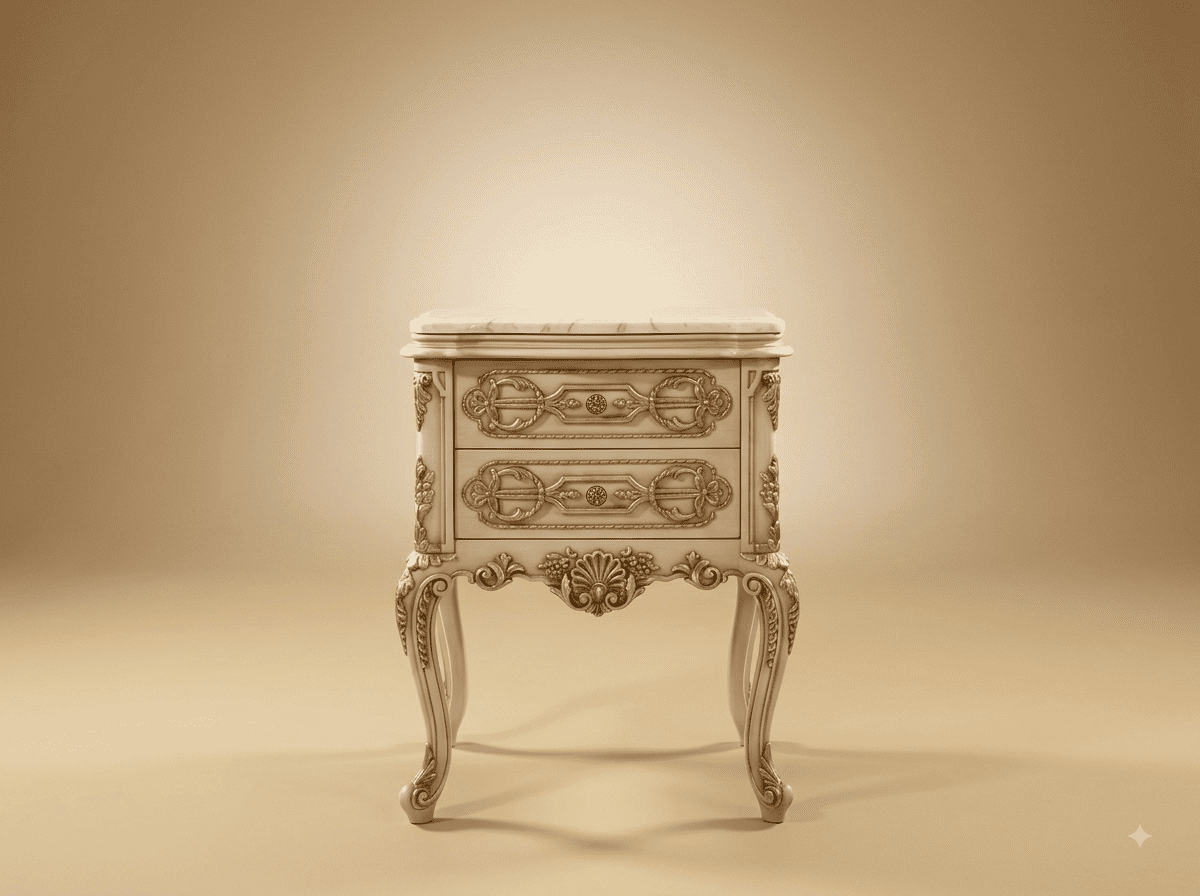
Almost every complaint about a side table is really a complaint about its height.
The rule is straightforward and almost never followed: the top of the table should be level with the top of the mattress, or level with the arm of the chair it stands beside. Level - not close to. A few centimetres below and you are reaching down, which is exactly the movement that knocks a glass over. A few above and the table looms into the bed, and anything on it is in your eyeline when you lie down.
The trouble is that beds and sofas are not standard, and they have changed. Mattresses have got deeper, bases have got higher, and modern sofas sit lower with higher arms than they used to. A table built to a stock height was matched to furniture that no longer exists.
There is a second effect that people notice without identifying. A taller, lighter table with visible floor beneath it makes a room read as larger, because the eye sees more of the floor plane. A low, solid table of the same volume does the opposite.
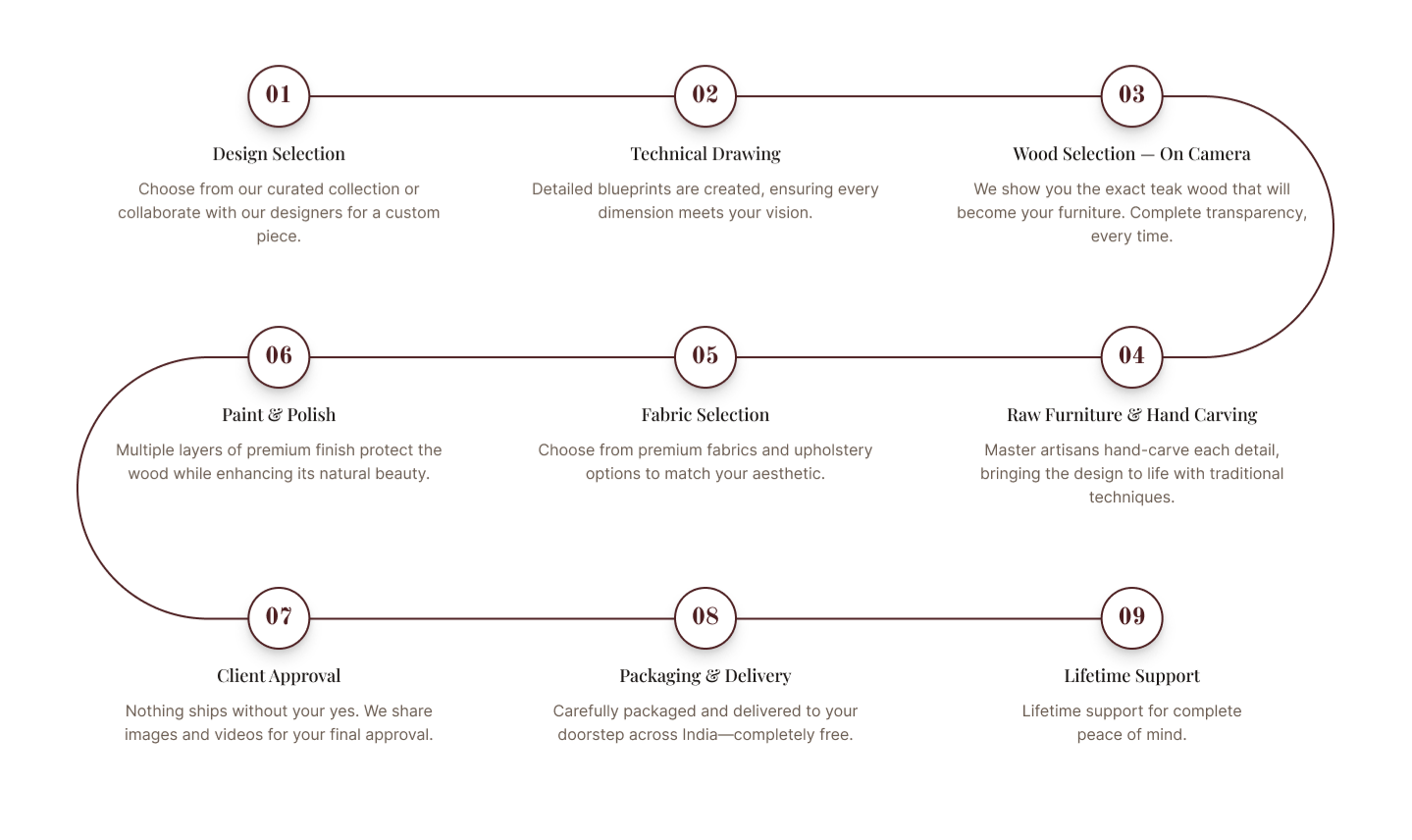
Which is why we ask for one measurement before anything else: the height of what it will stand beside. Everything about this table - leg length, case depth, apron position - is then set from that number rather than from a catalogue.
 Ask Price On WhatsApp