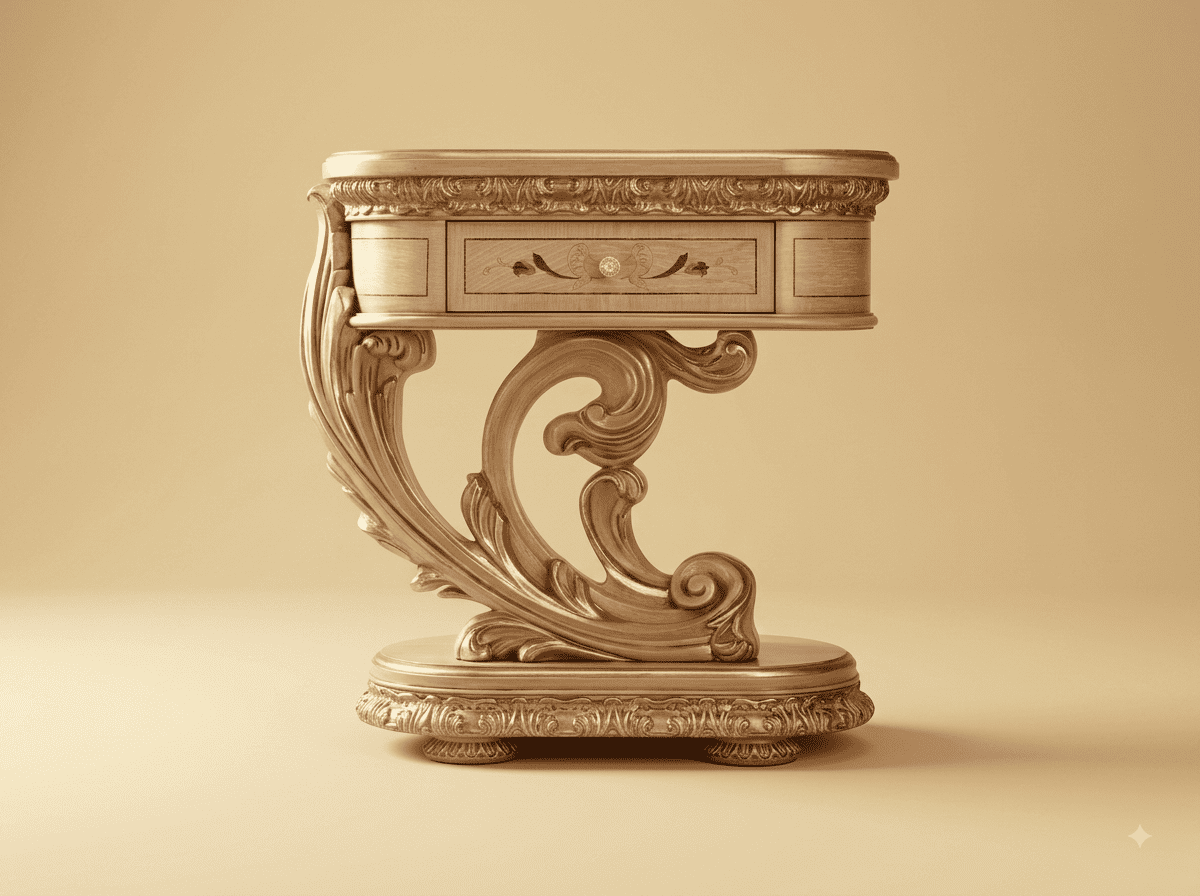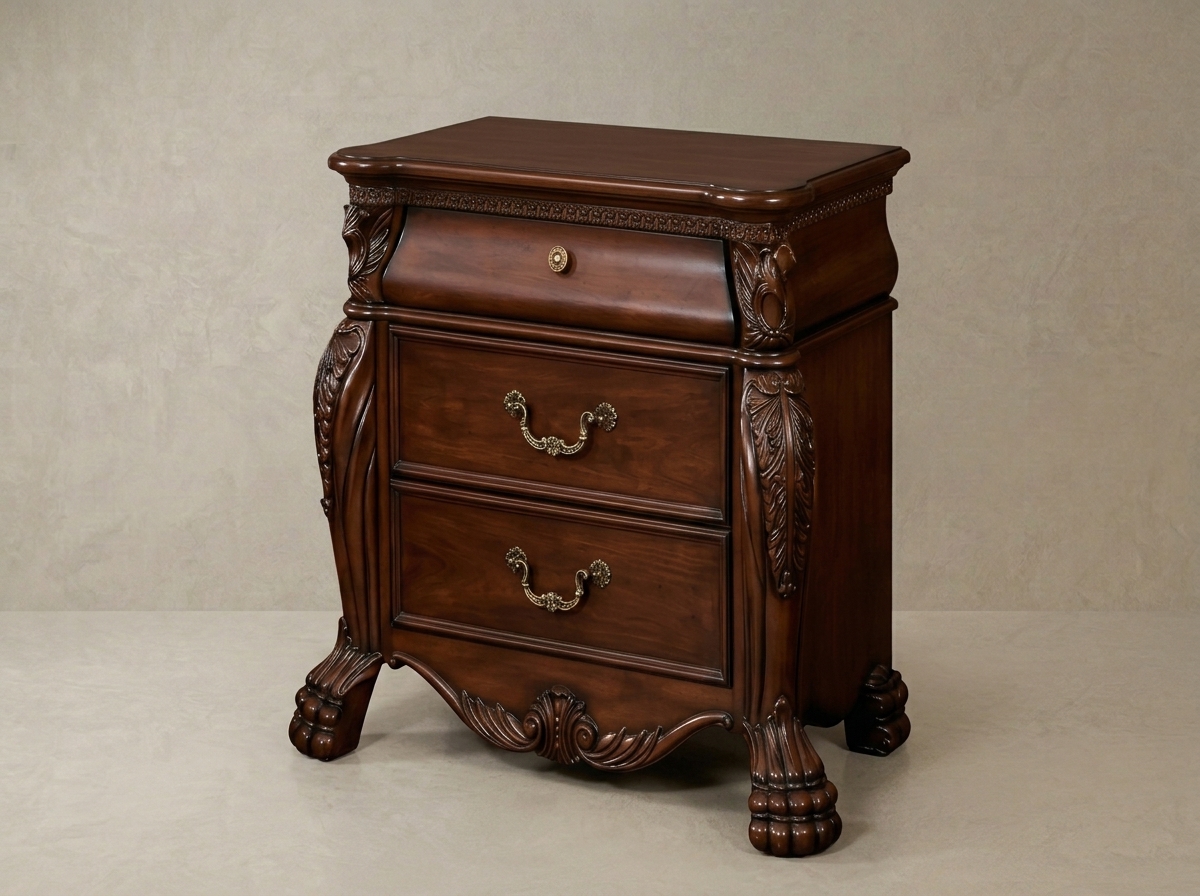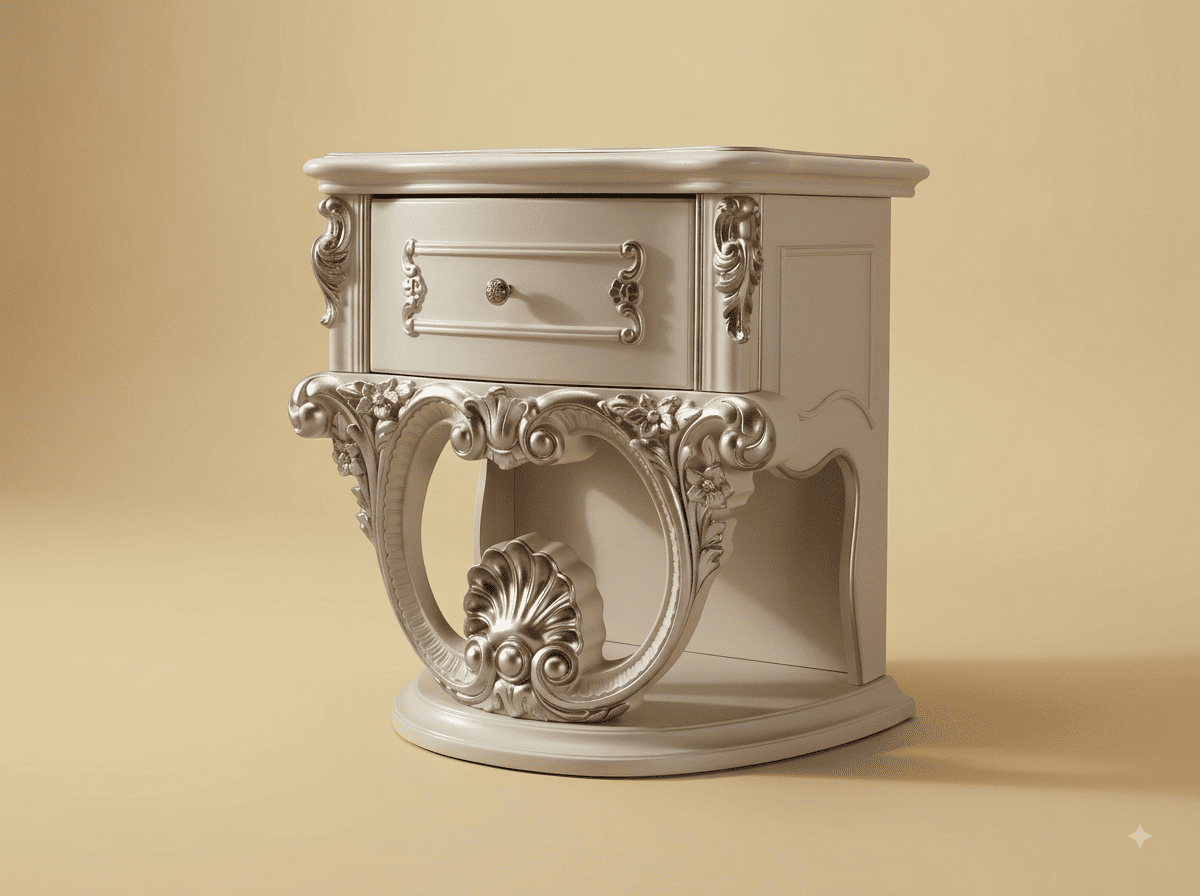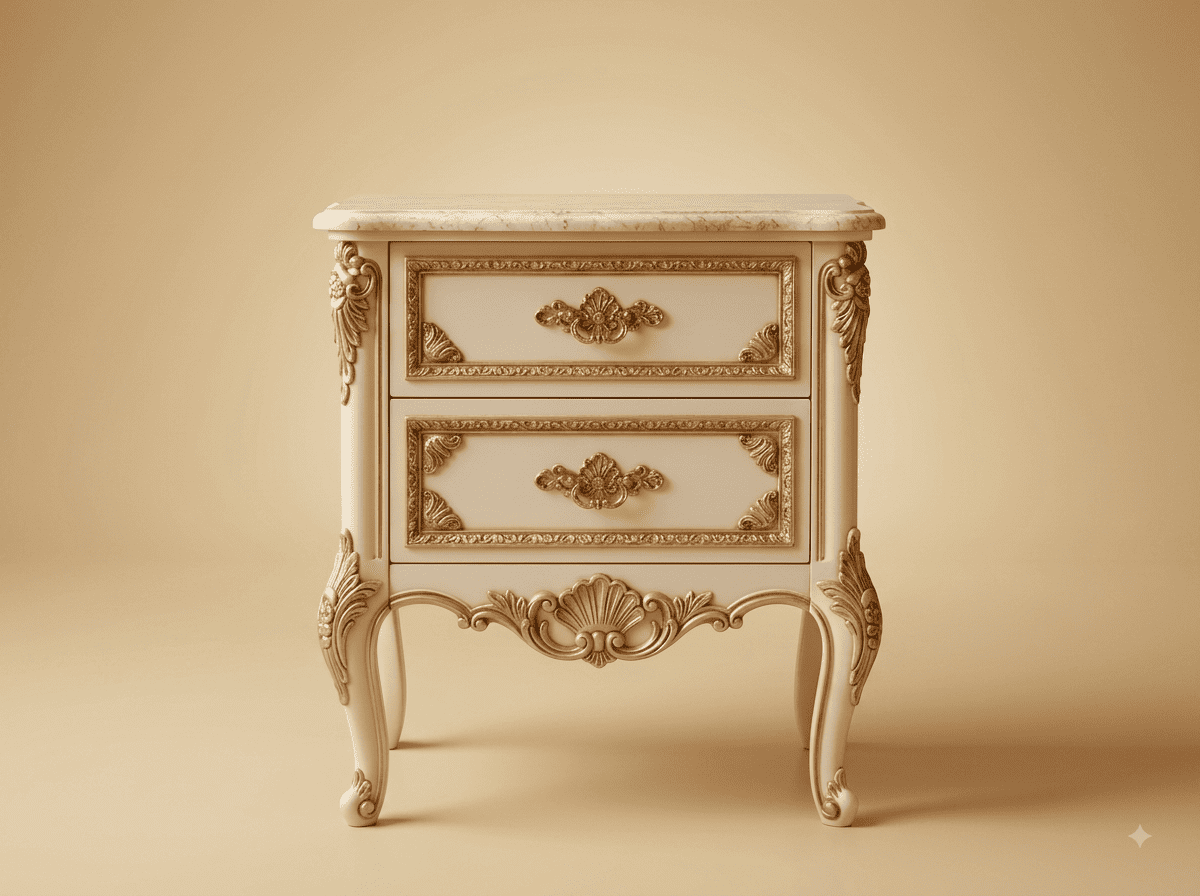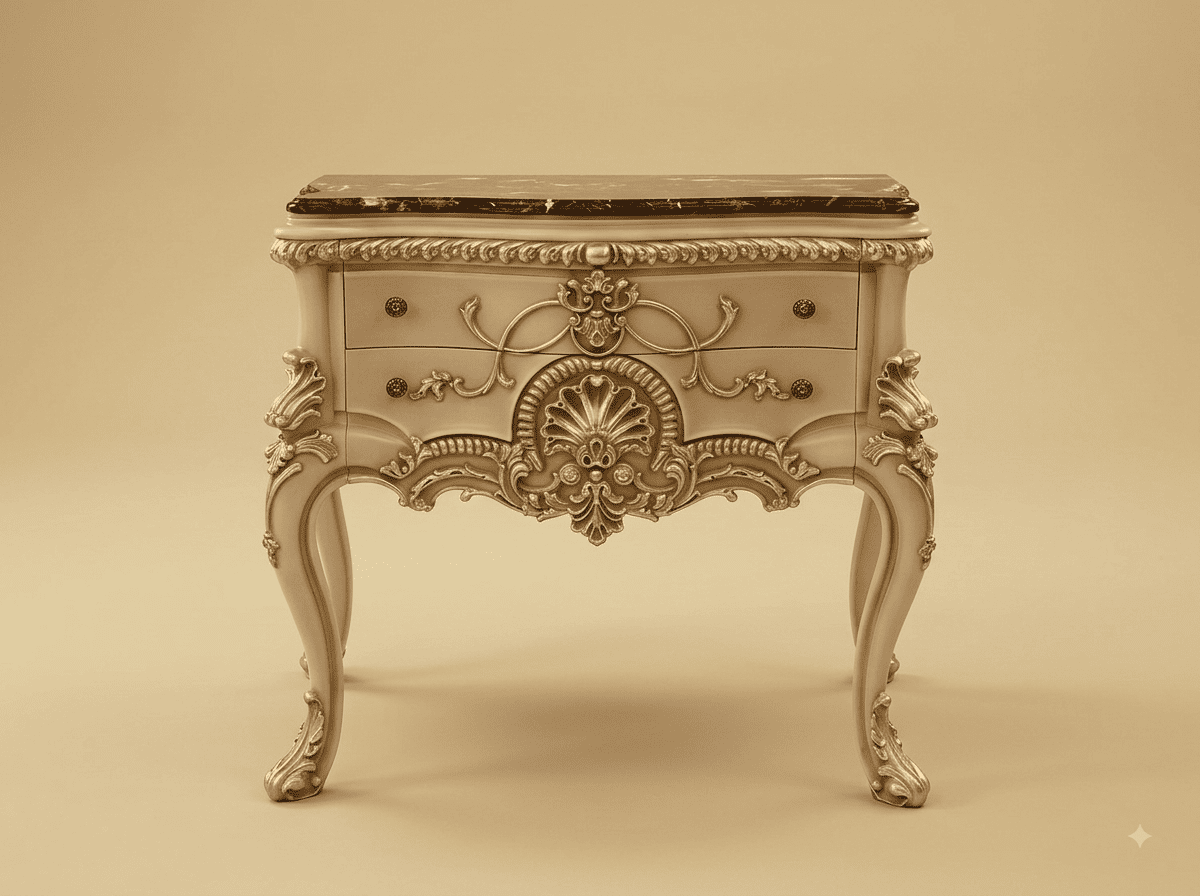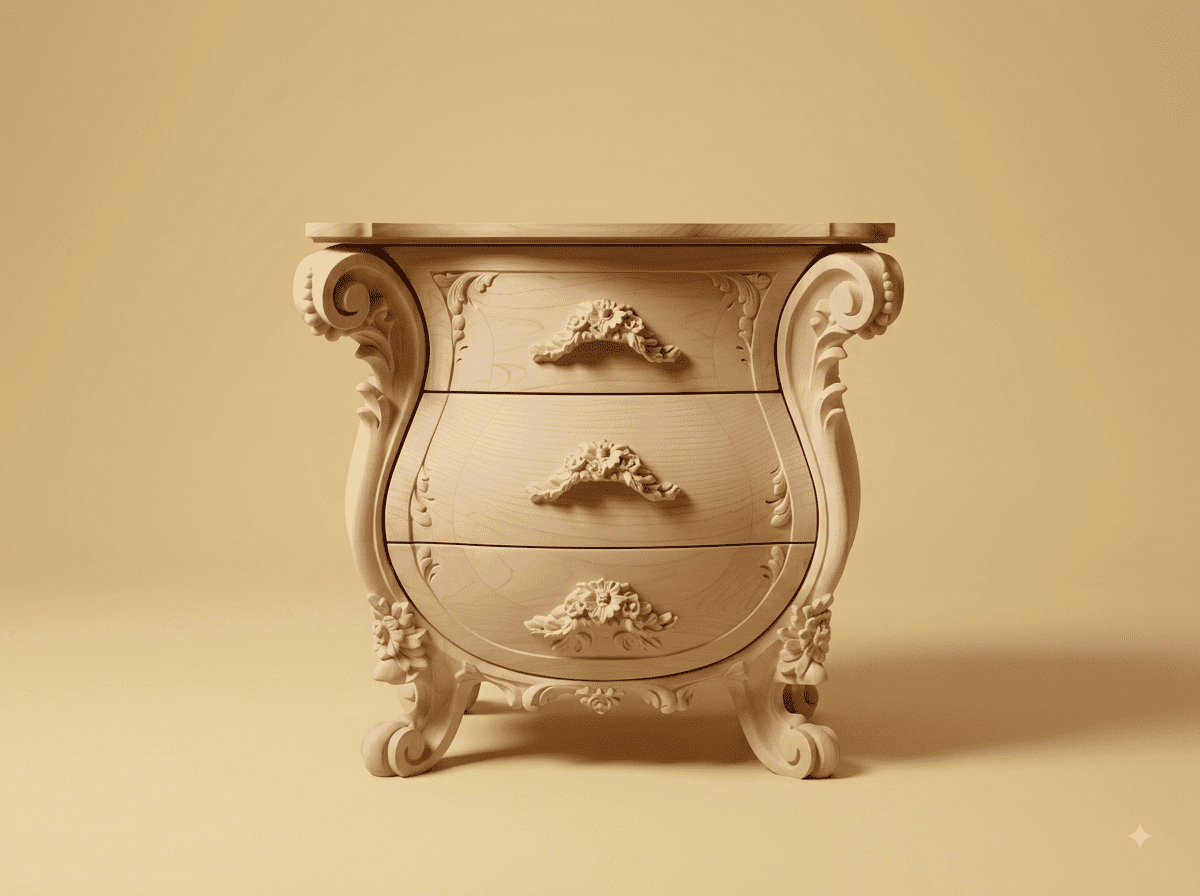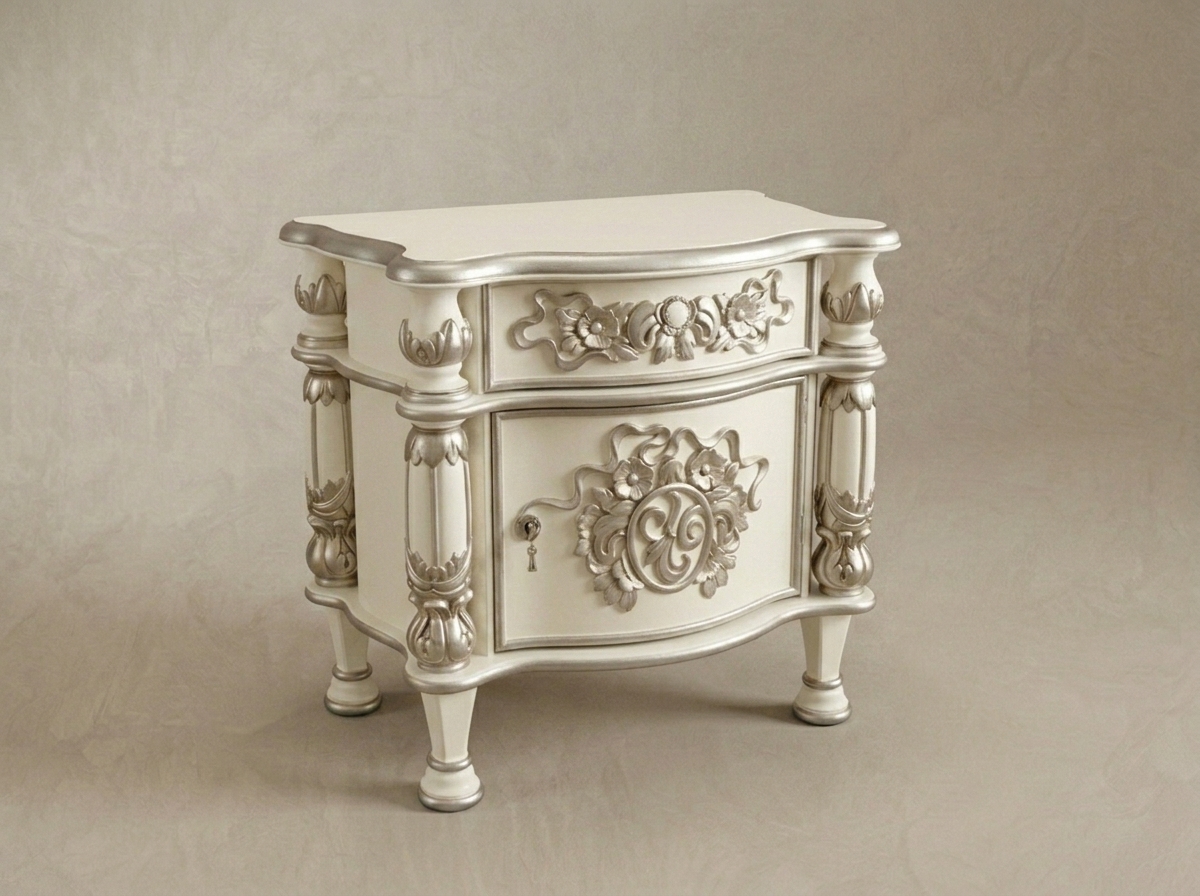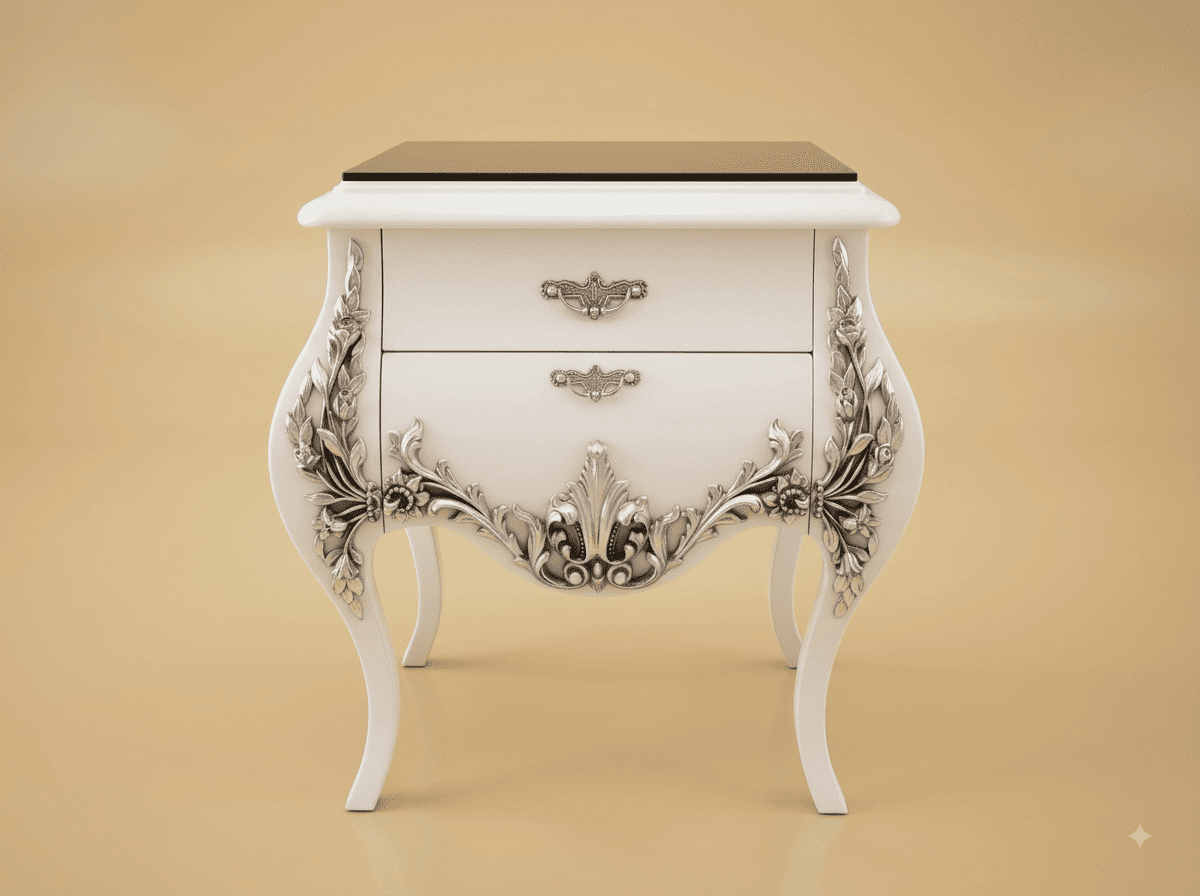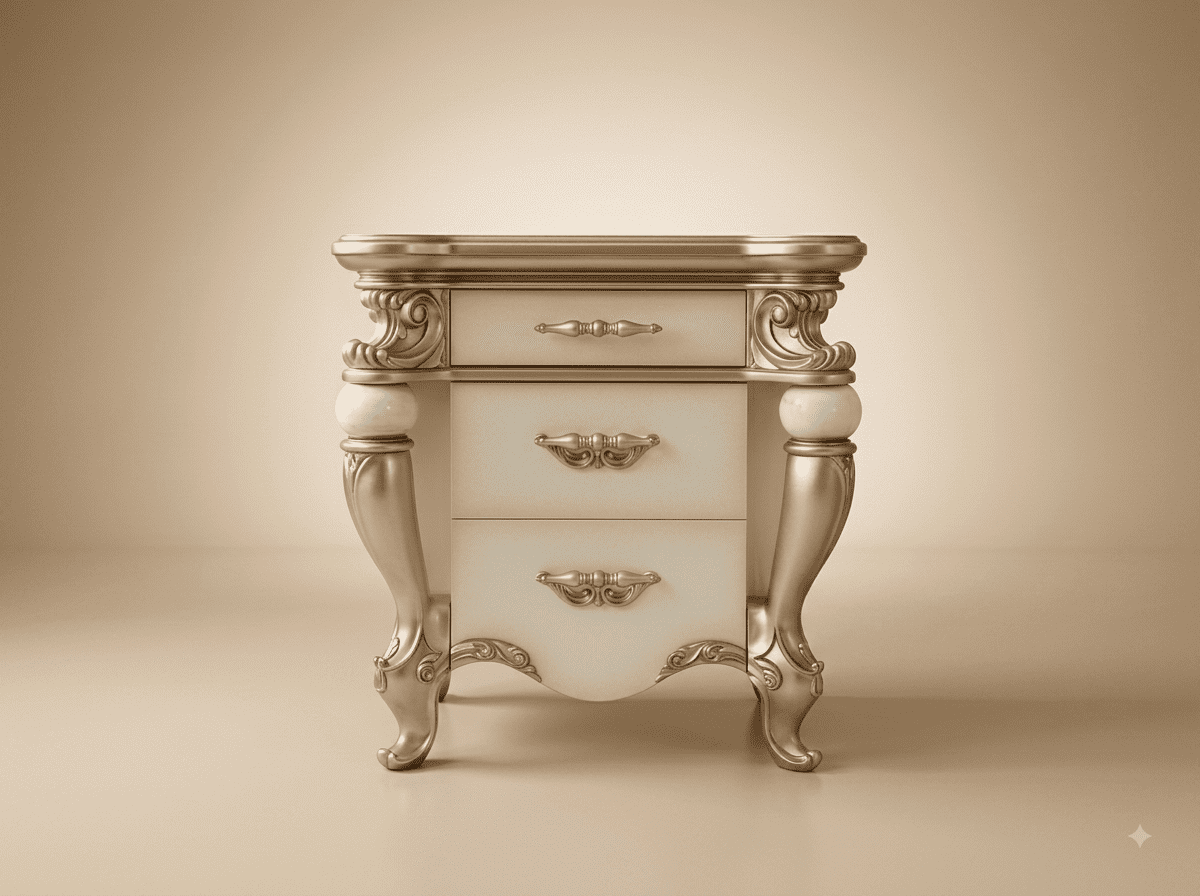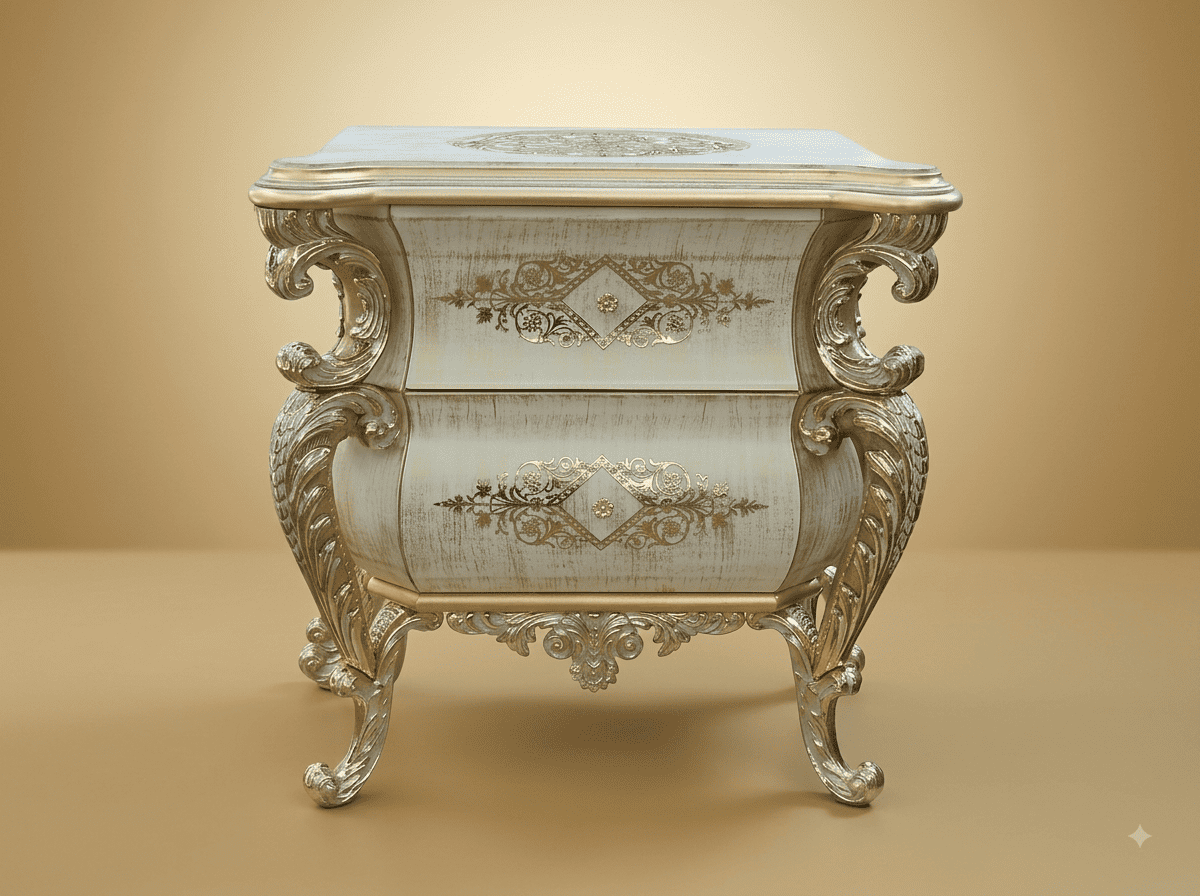
Antiquing a new piece is easy to do and hard to do well, and the difference is entirely about where the wear goes.
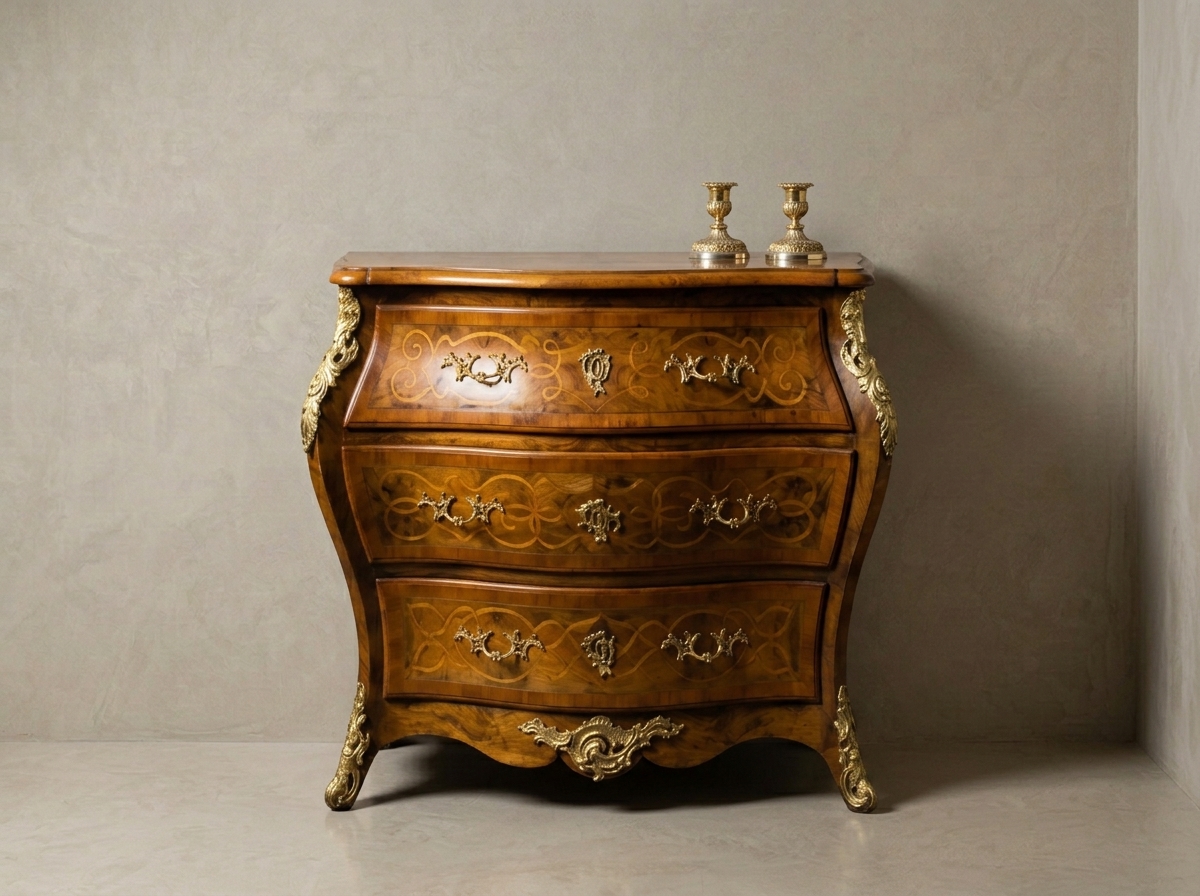
Real furniture does not wear evenly. It wears where hands touch it - around the drawer pulls, along the front edge of the top, on the outer face of a corner that people brush past. It wears where cloth has passed over it a thousand times. It does not wear in the middle of a flat panel, or inside a recess, or on the underside of a moulding, because nothing ever touches those places.
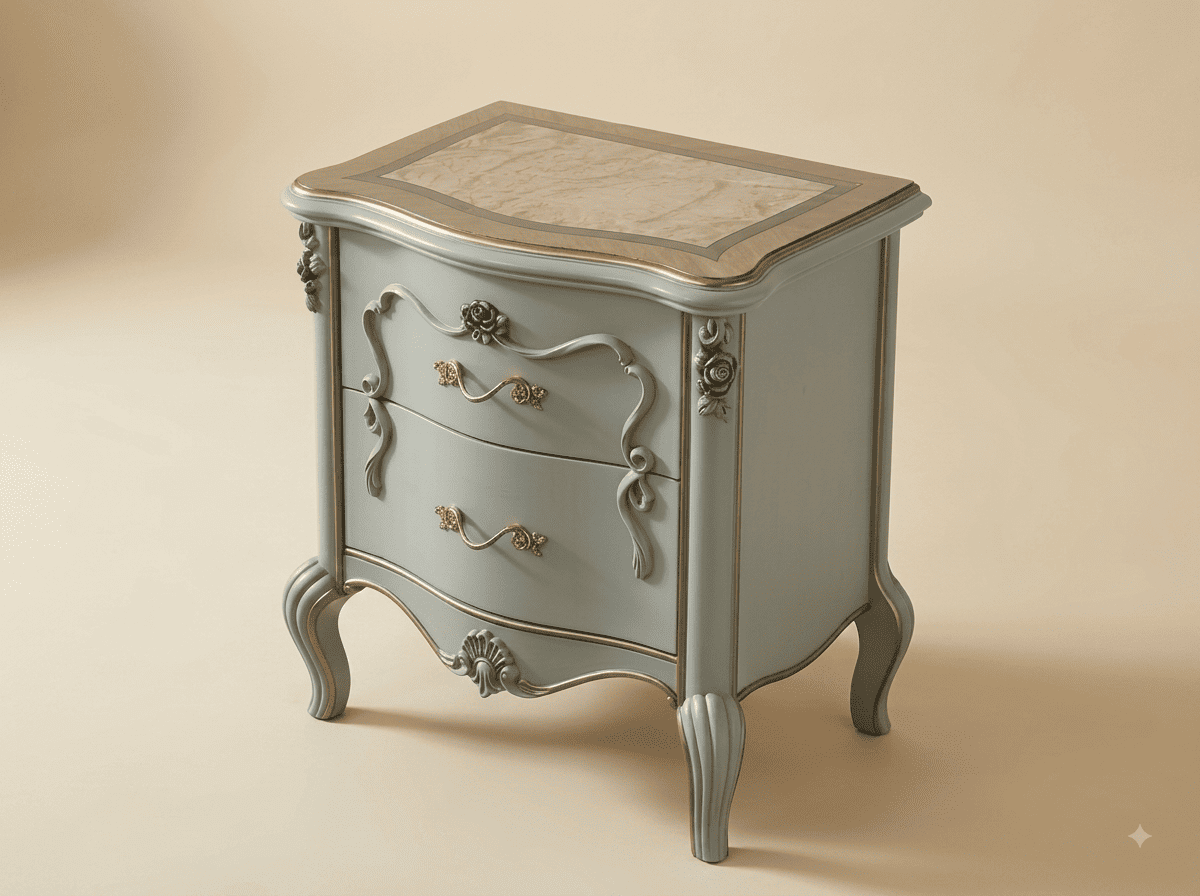
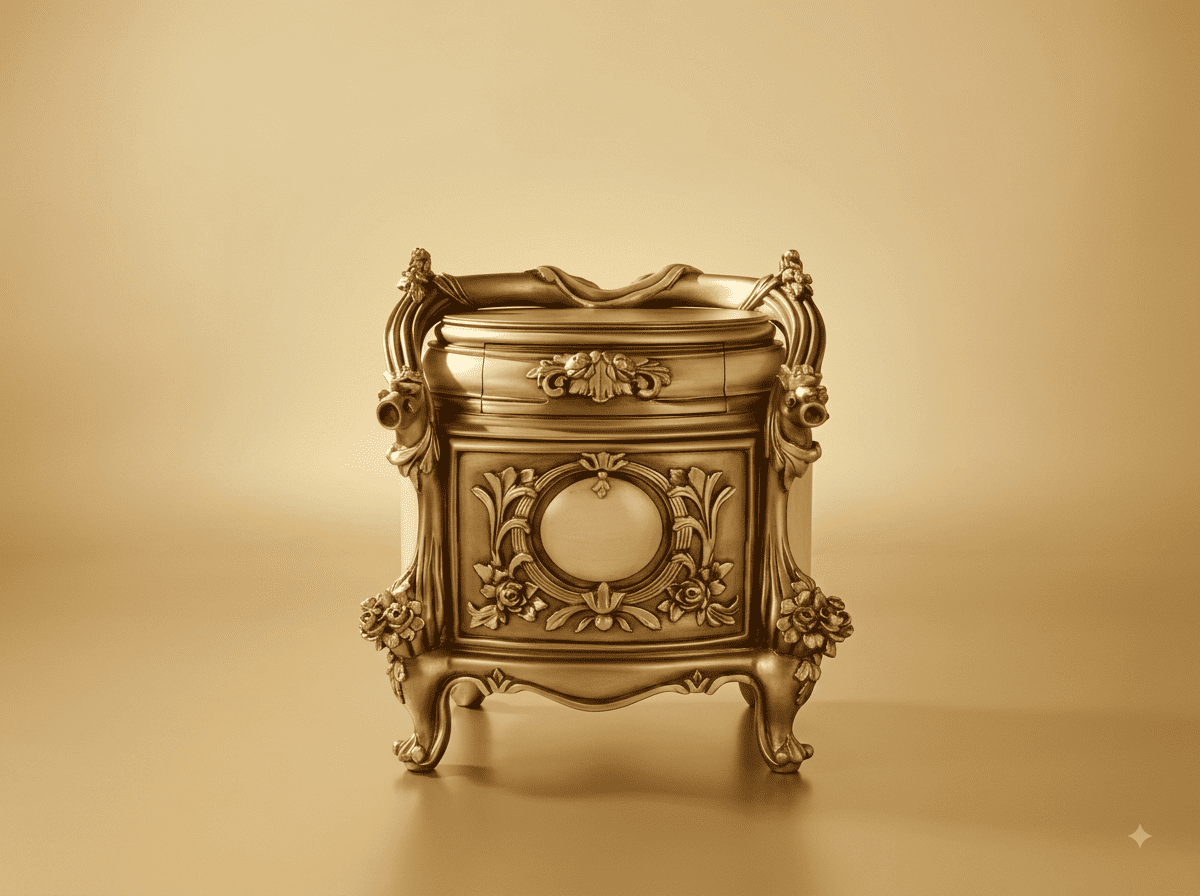
So our finishers do not scatter distressing across a surface. They rub back at the points a hand would have reached for over decades, and leave the sheltered areas alone. On this table that means the raised centres of the acanthus scrolls, the leading edge of the top, the area around each drawer front's centre - and nowhere else.
The colour underneath matters too. Where a real finish has worn through, you see the ground beneath it, not bare wood - so the cream is laid over a warmer tone and it is that tone which shows through, rather than raw teak.
The test is simple. If you can look at the piece and believe every worn spot was made by a person, it has been done properly. If a worn patch is somewhere no hand could reach, it has not.
 Ask Price On WhatsApp