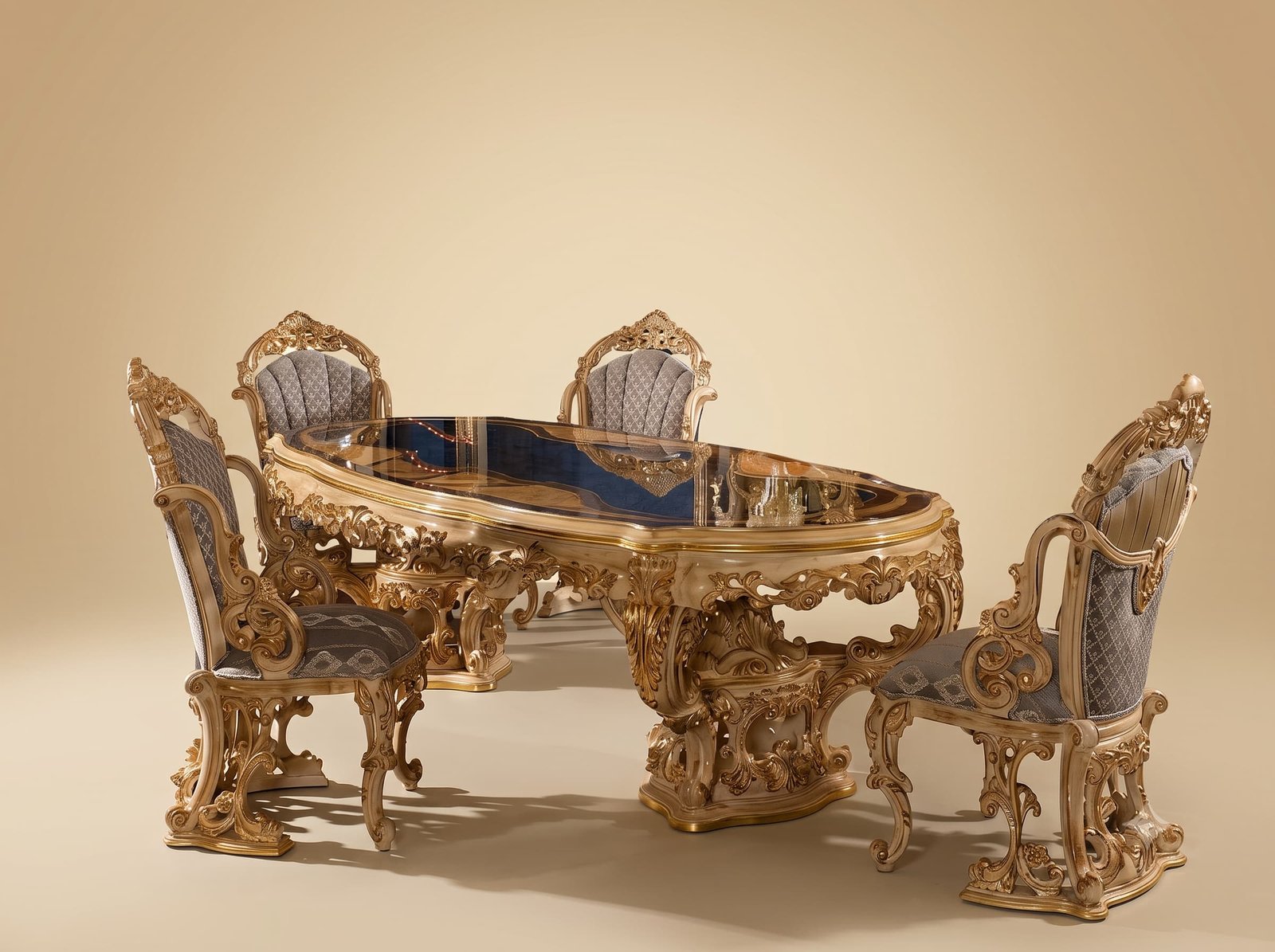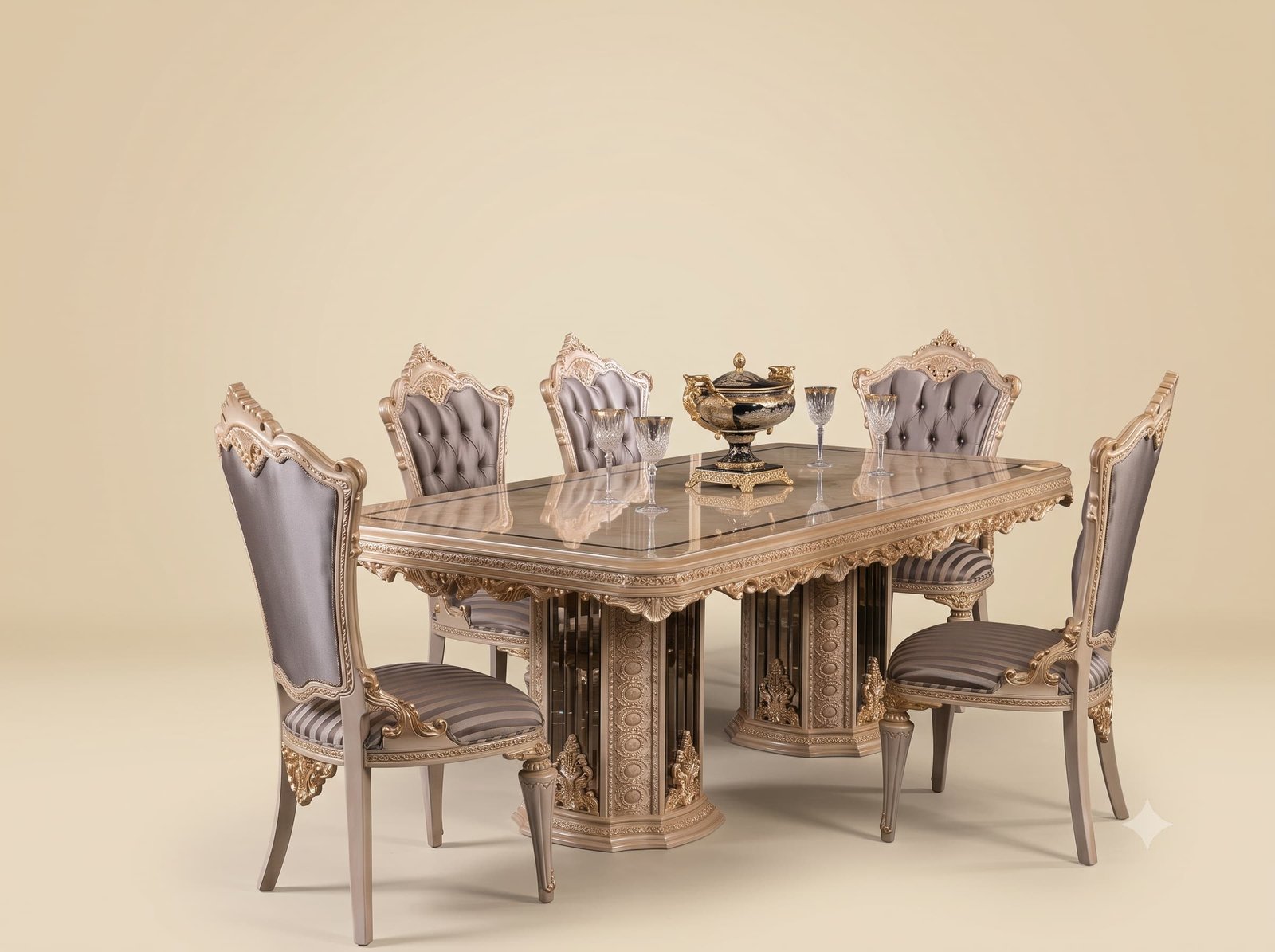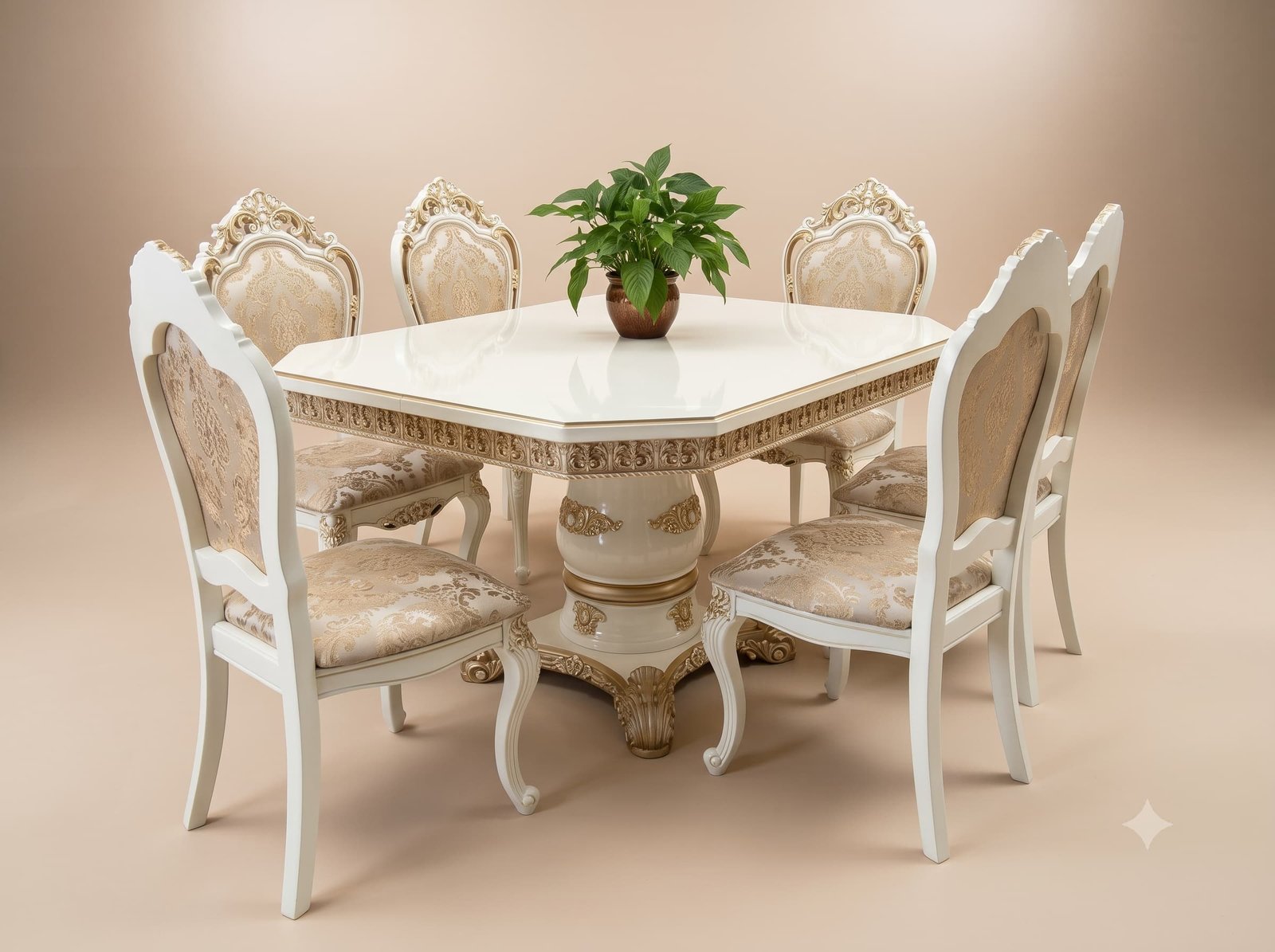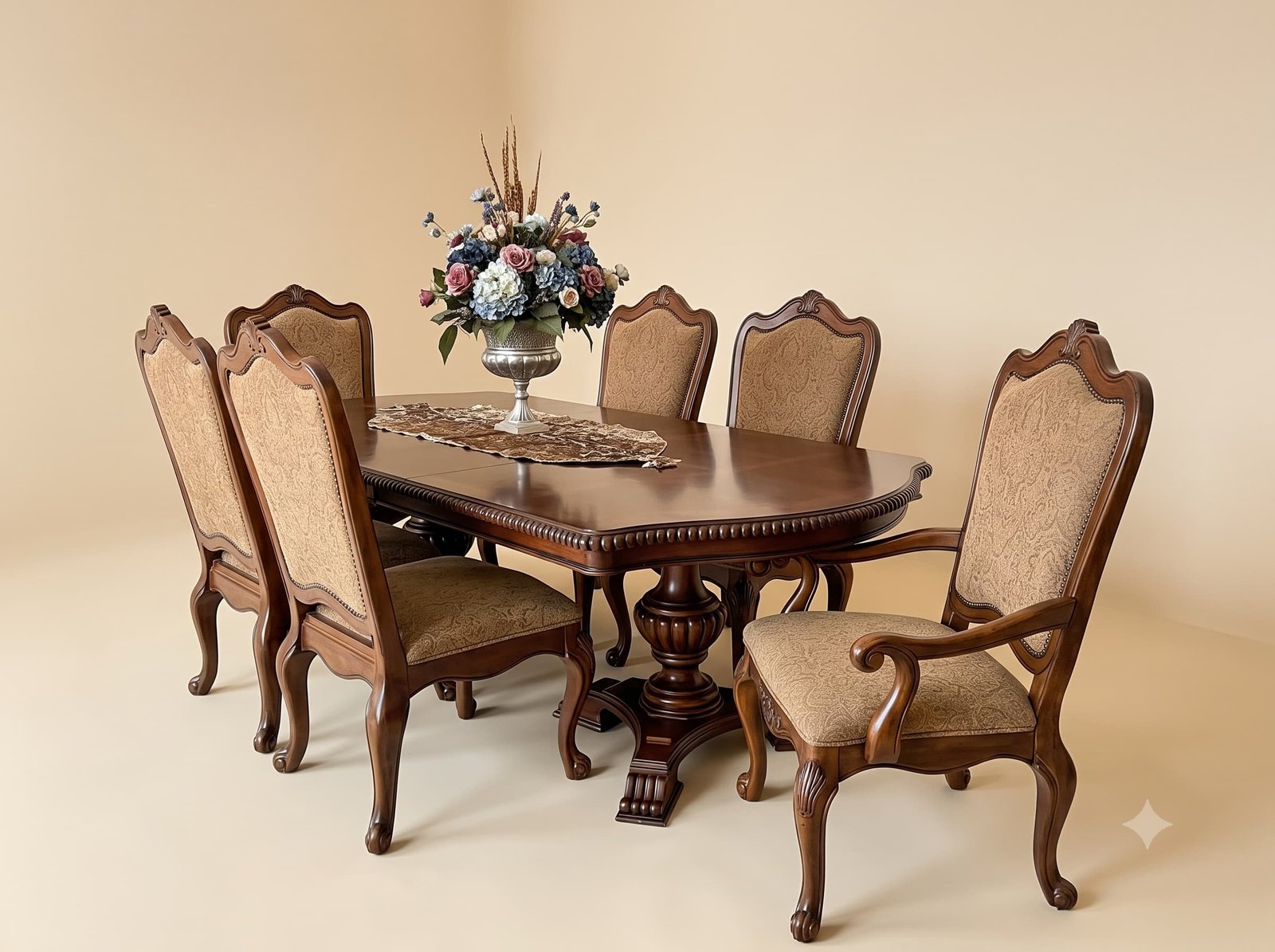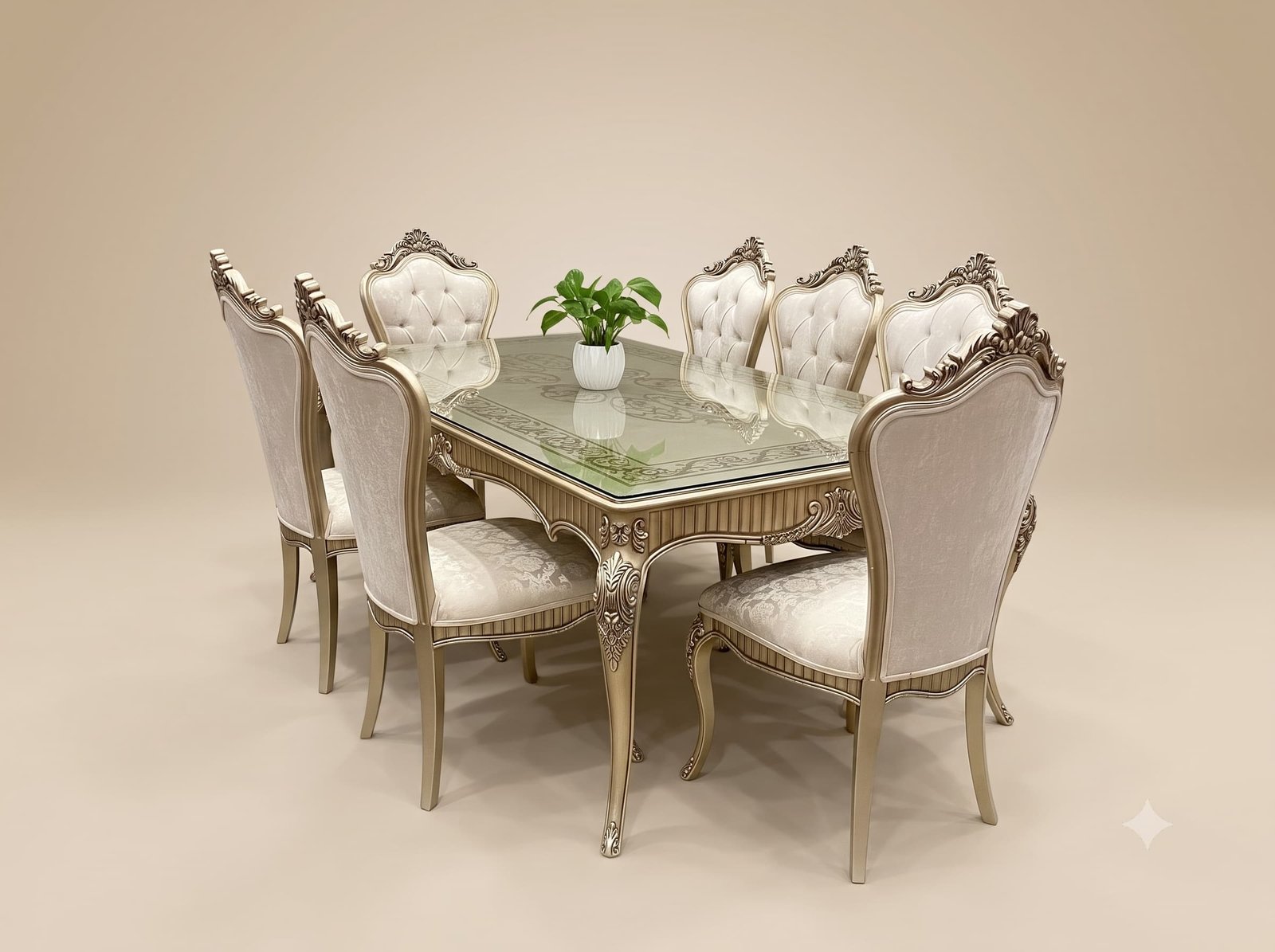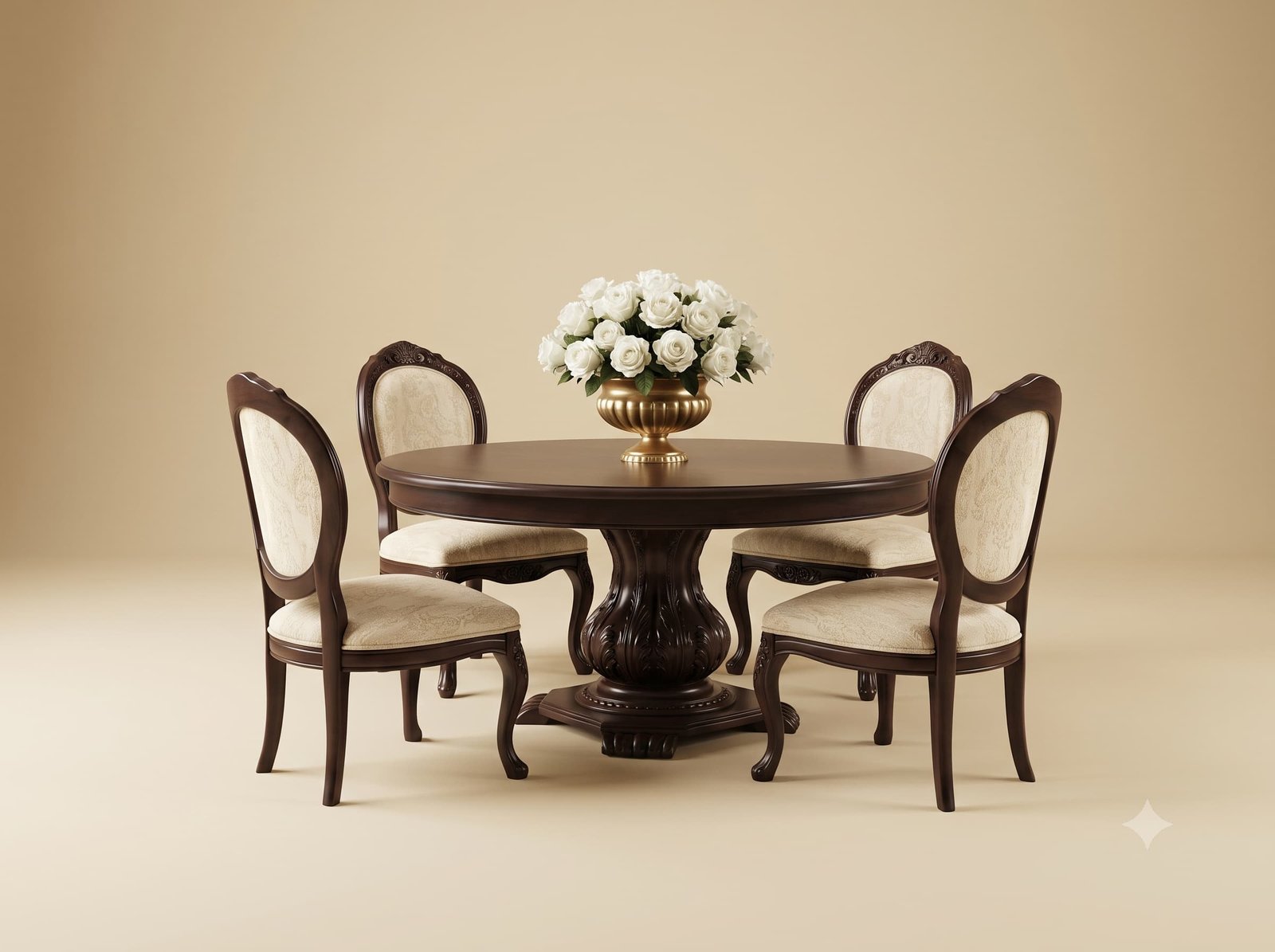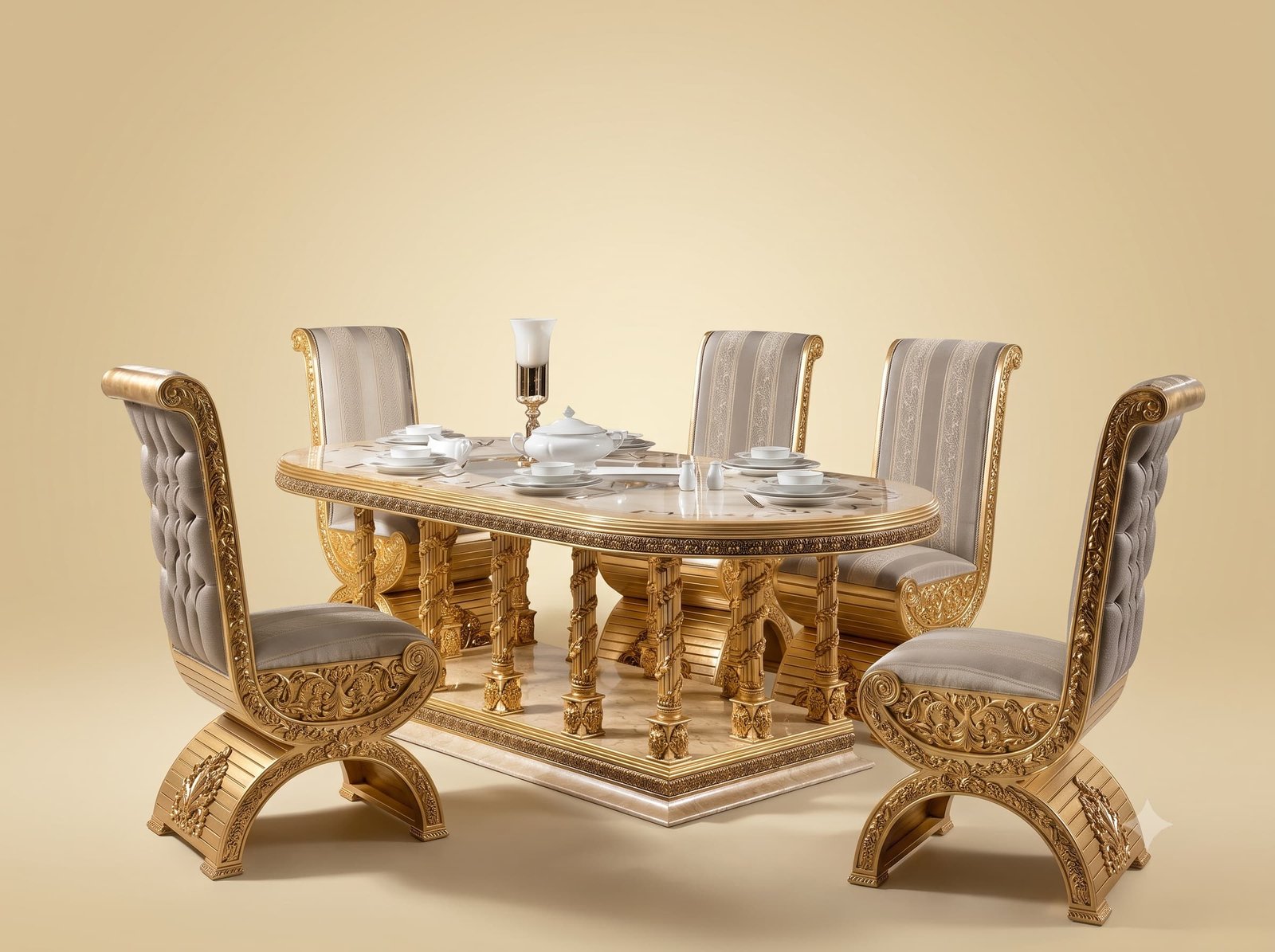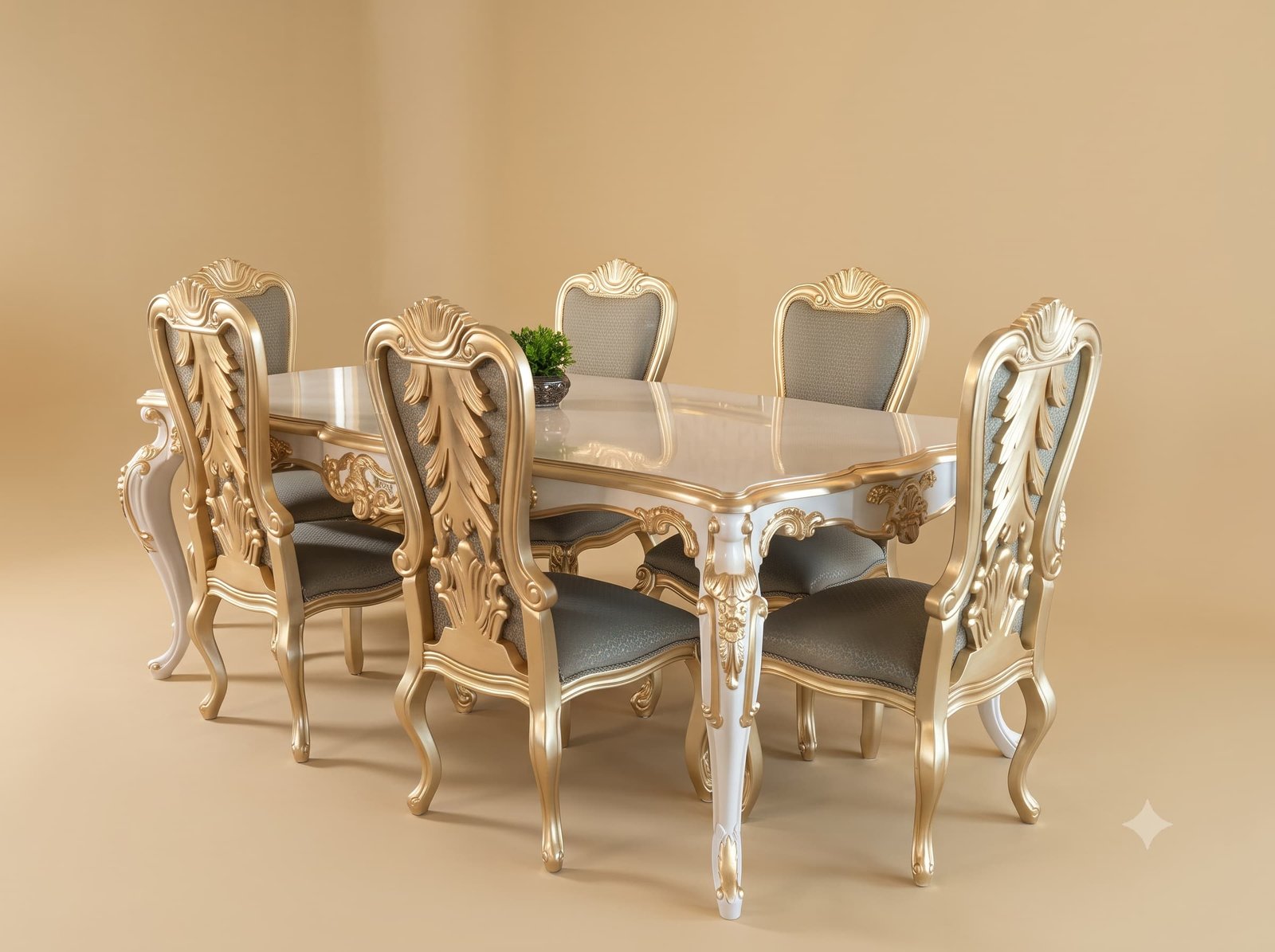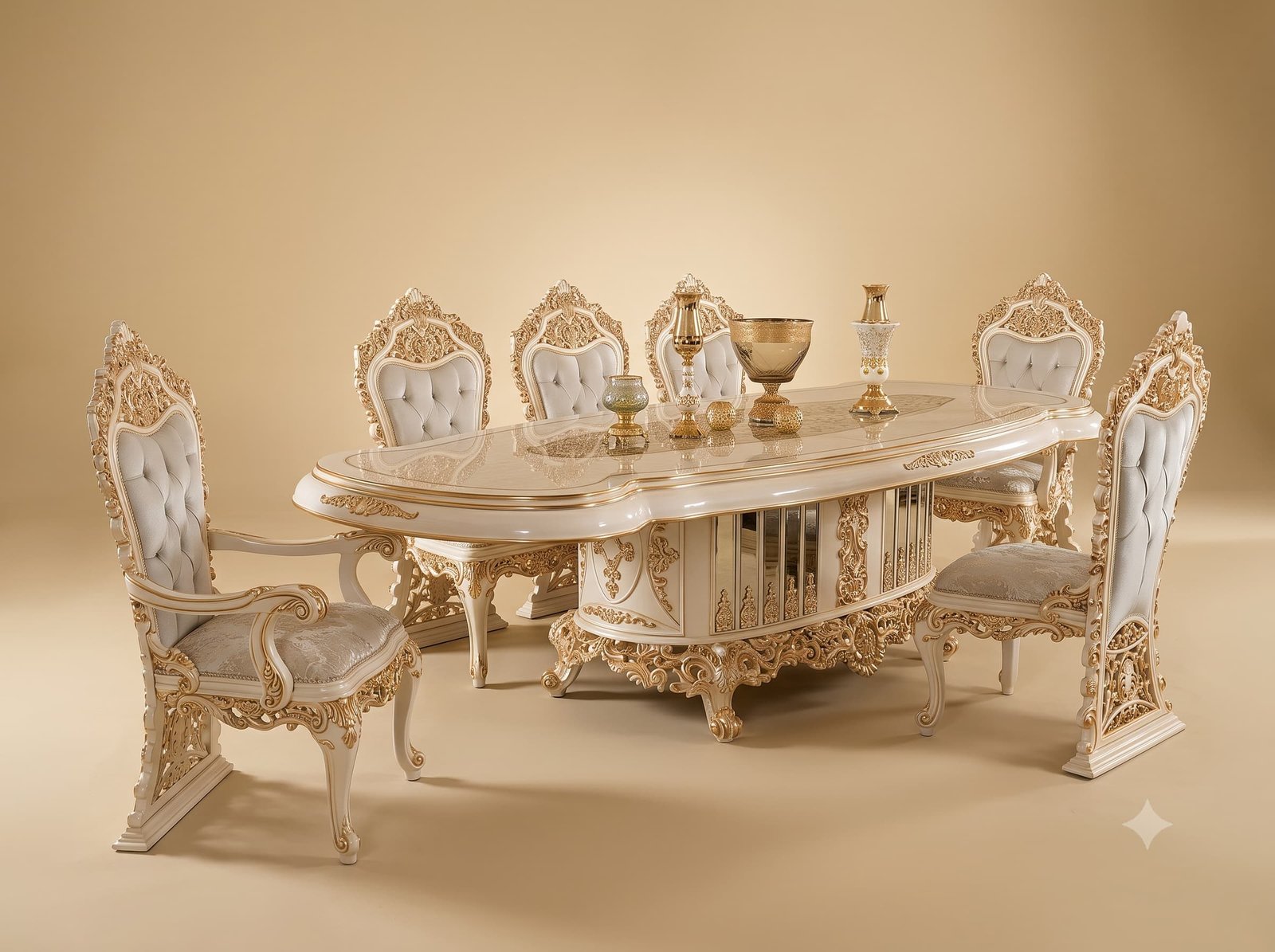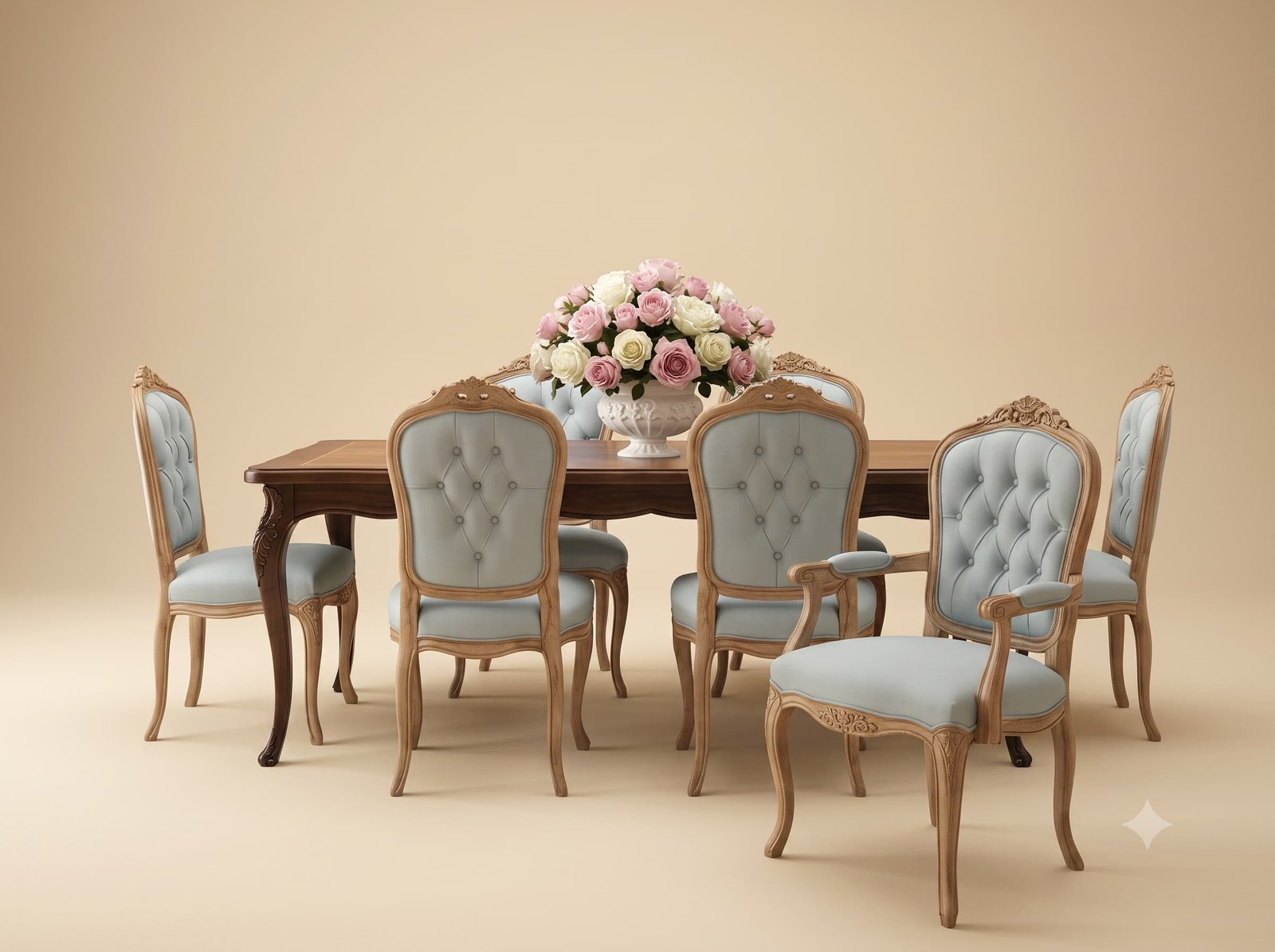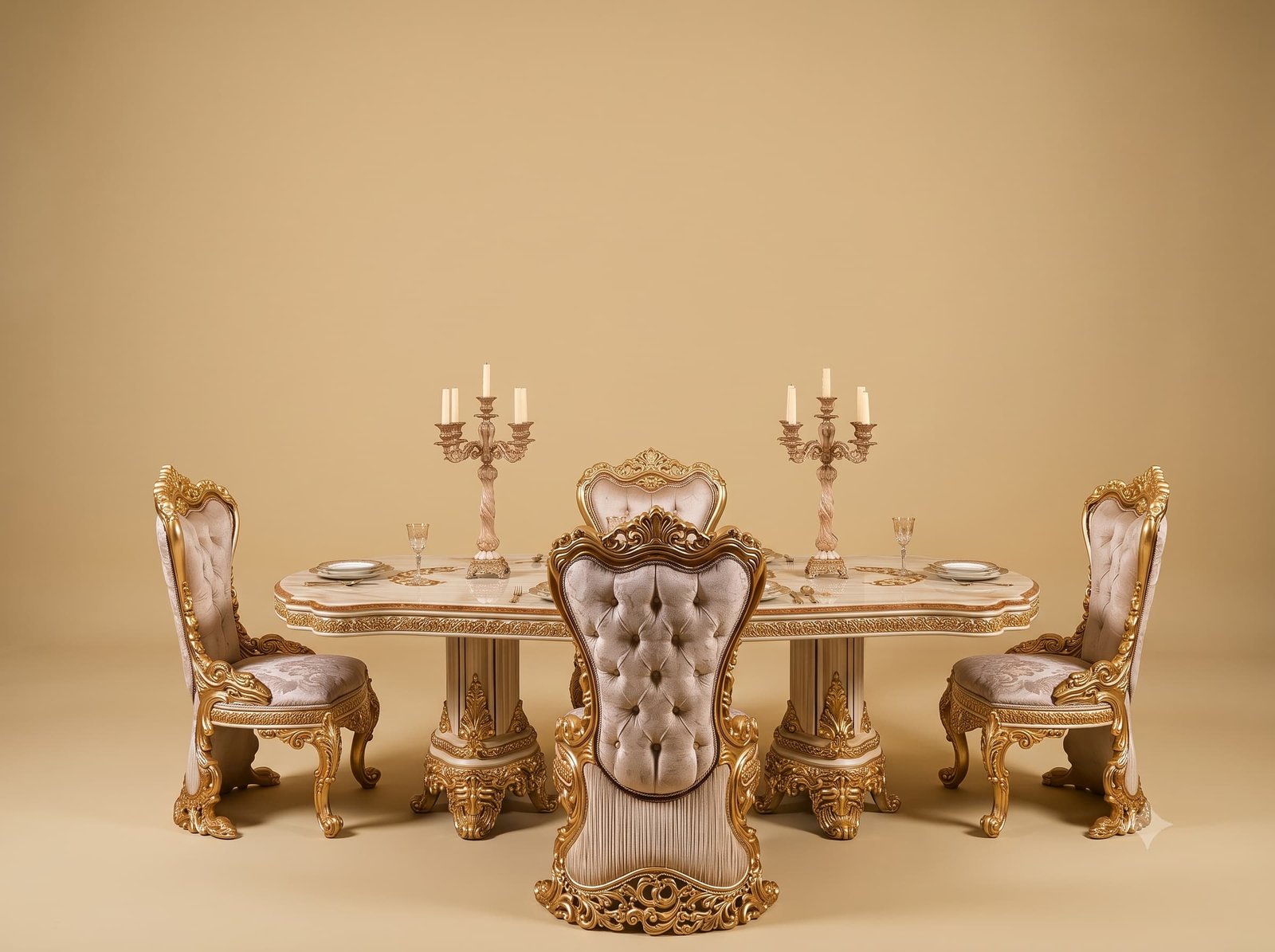
Two pedestals under one top have to be exactly the same height. Not nearly - exactly. A difference of a millimetre puts a twist into the top, and a twisted top on a table is something you notice every single time you set a glass down at one end.
Cutting them to the same figure from a drawing is not enough, because a pedestal is an assembly - a plinth, a column, a capital - and each joint closes by a hair when it is glued and clamped. Three joints, two pedestals, and the accumulated differences are exactly the size of the problem.
So the pedestals are finished as a pair, after assembly, on a shared reference. Both are stood on the same flat plate, a single height line is marked around both from that plate, and the plinths are then planed down to that line. Whichever assembly ended up taller loses the difference; the line does the arithmetic.
Then they are checked with the actual top laid across them and a level run along it in both directions before anything is fixed.
It is twenty minutes at the end of a job that has taken weeks, and it is the difference between a table that sits flat and one that never quite does.
 Ask Price On WhatsApp