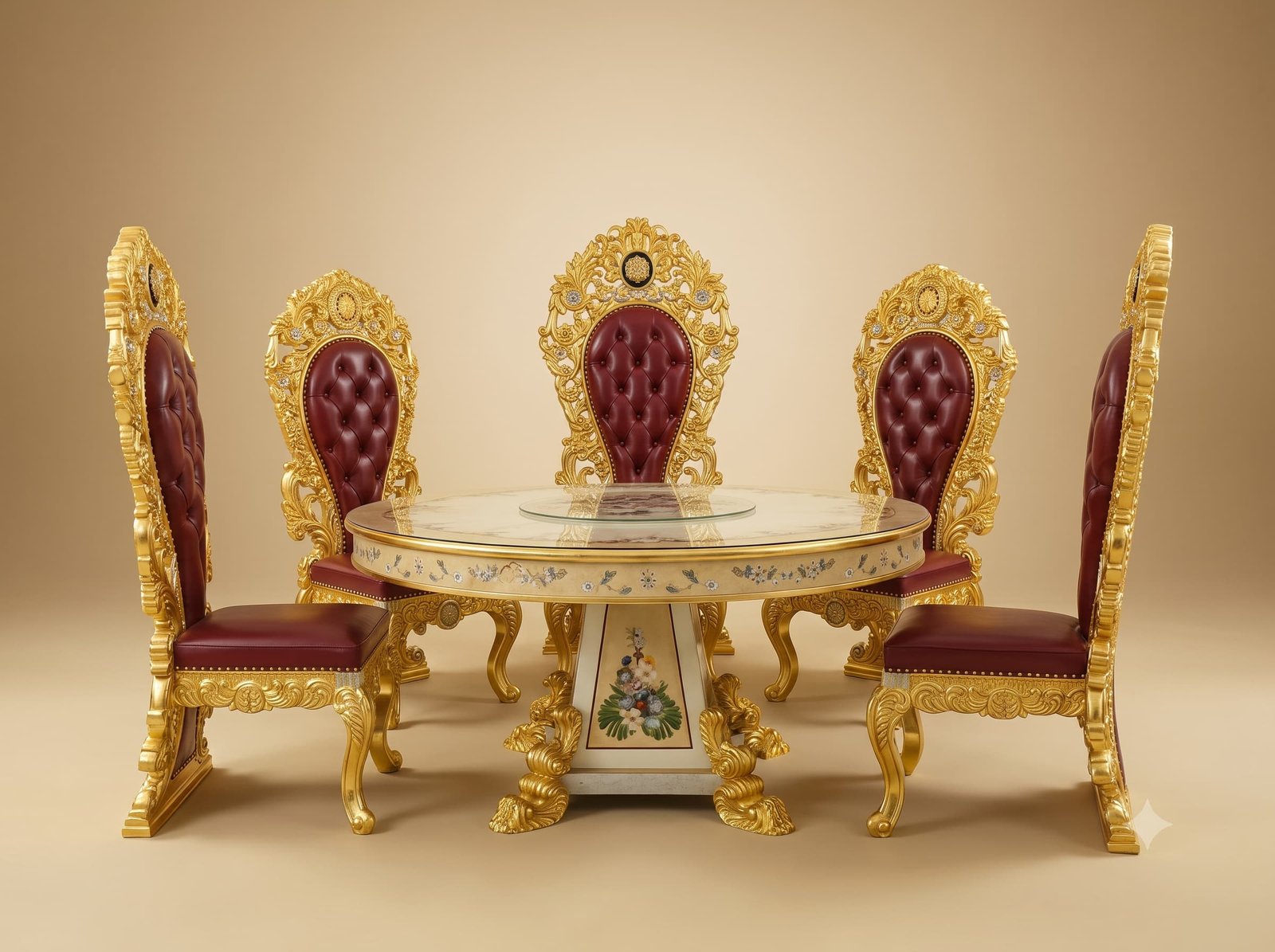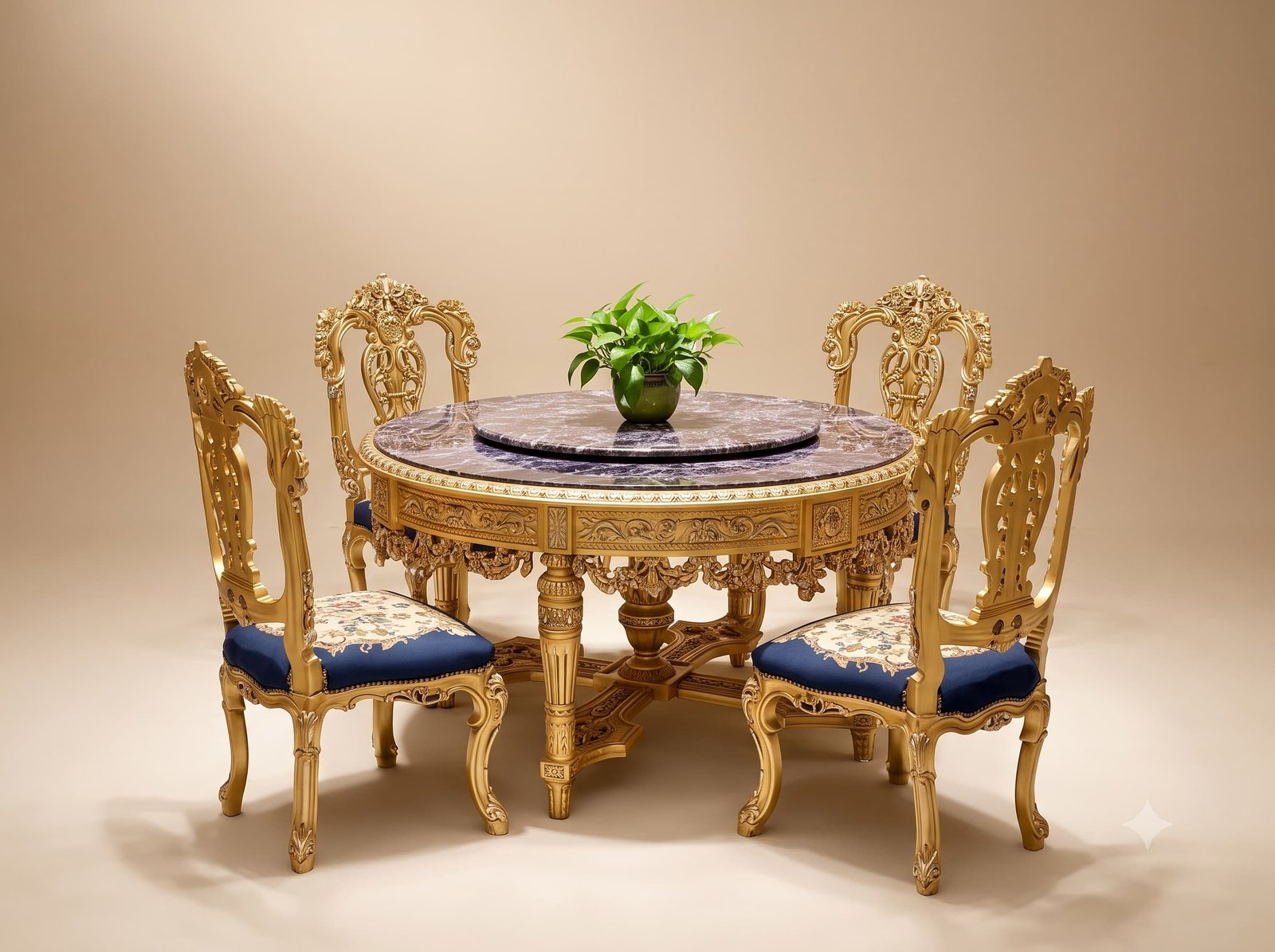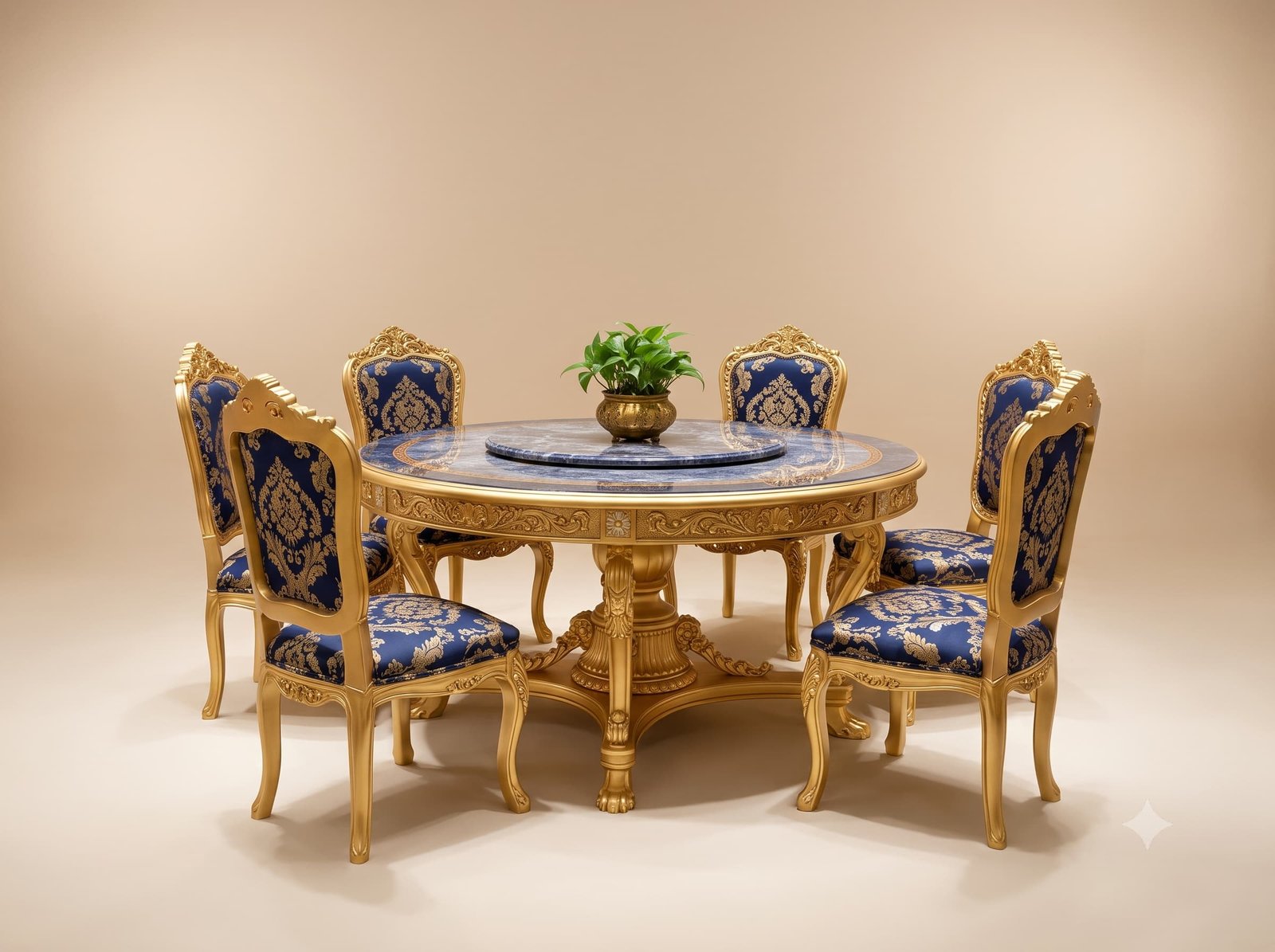
A revolving centre either works beautifully or it becomes the thing everybody at the table apologises for. What separates the two is a fraction of a millimetre.
Set the disc slightly proud and every plate pushed across the table catches its edge. Set it slightly low and gravy pools in the step around it. The disc has to finish dead level with the surrounding top, and it has to stay that way once the polish is on - which is why the bearing is fitted after finishing, not before.
The recess is cut, the whole top is finished, and only then is the bearing seated, with the disc trial-fitted and the bearing housing adjusted until a straightedge laid across the join rocks on neither side. Fitting the bearing first and finishing afterwards is quicker, and it puts an unpredictable thickness of polish on one side of the join.
The gap around the disc is set generously enough that seasonal movement in the timber cannot bind the turn, and the edge of the disc is worked with a very slight relief so nothing catches even at the widest point of that gap. The result is a centre that turns with one finger and a surface a plate crosses without knowing it is there.
 Ask Price On WhatsApp