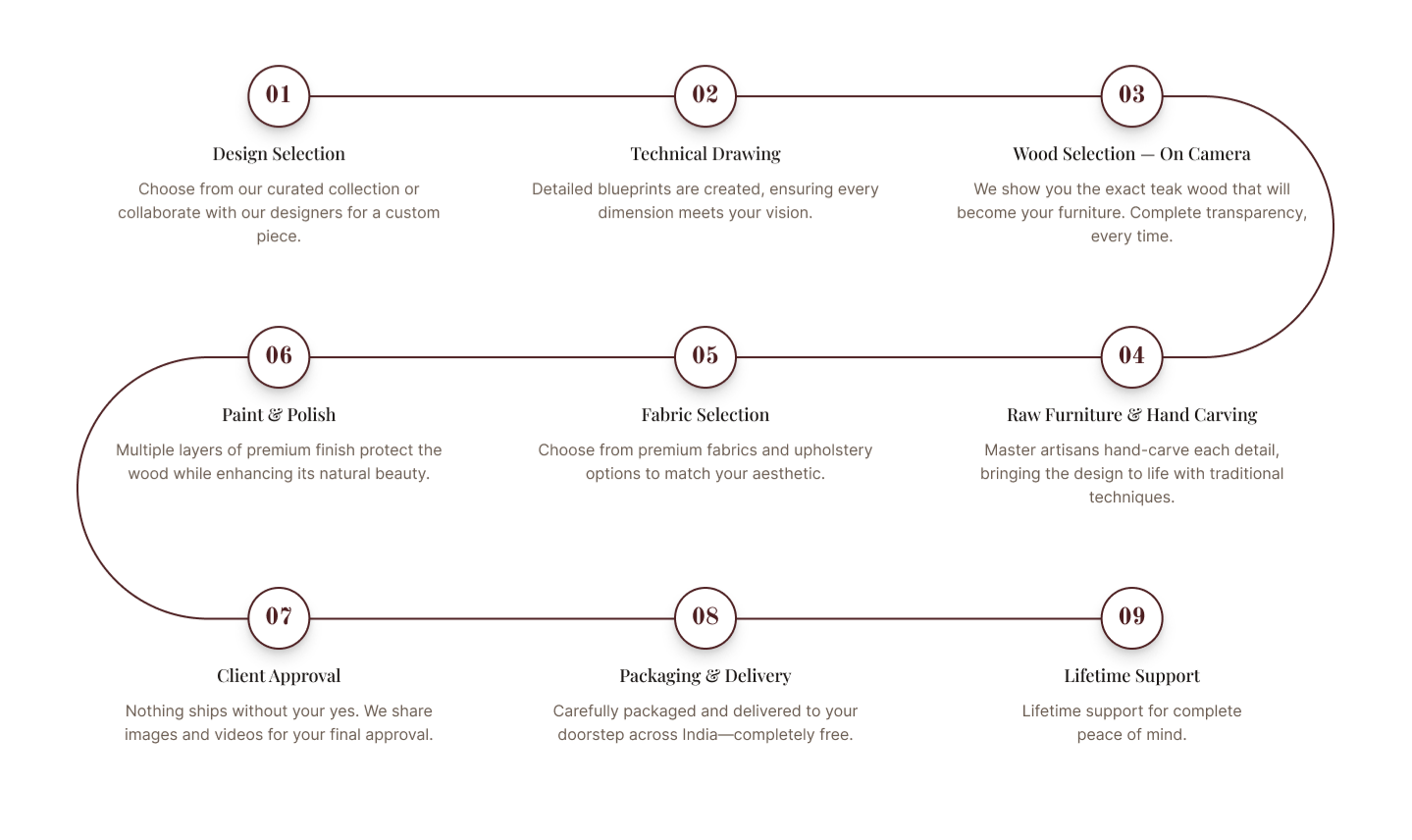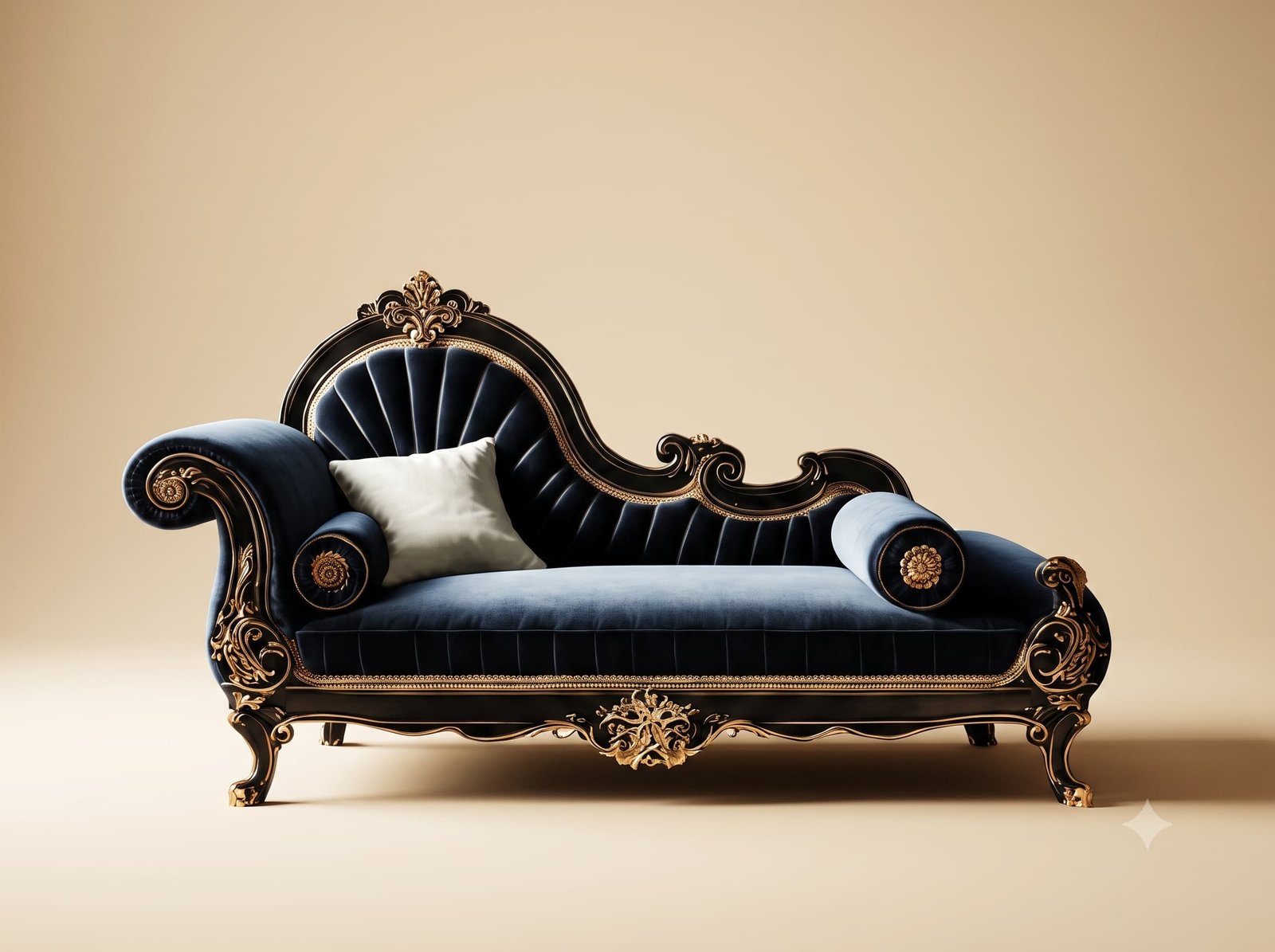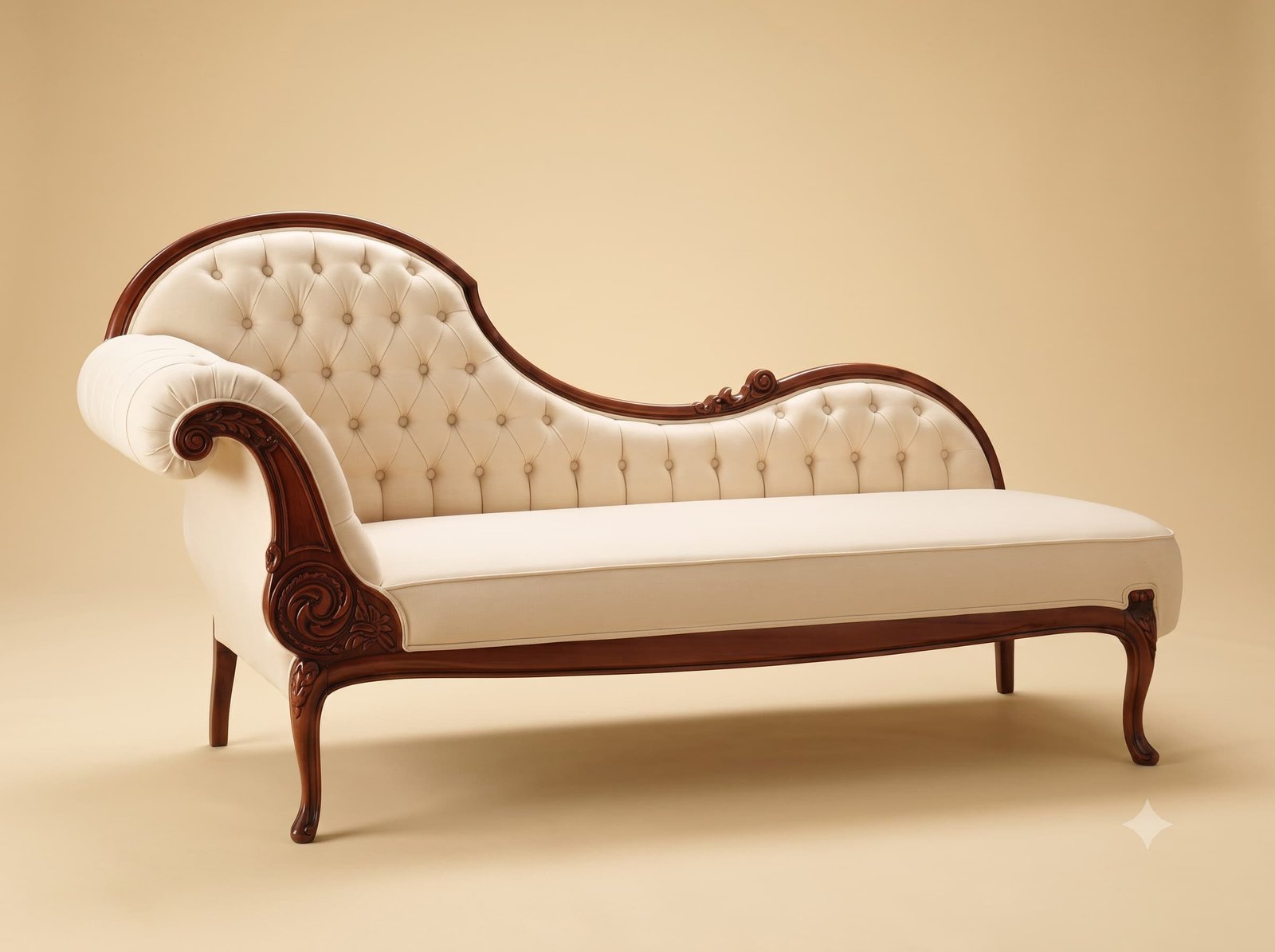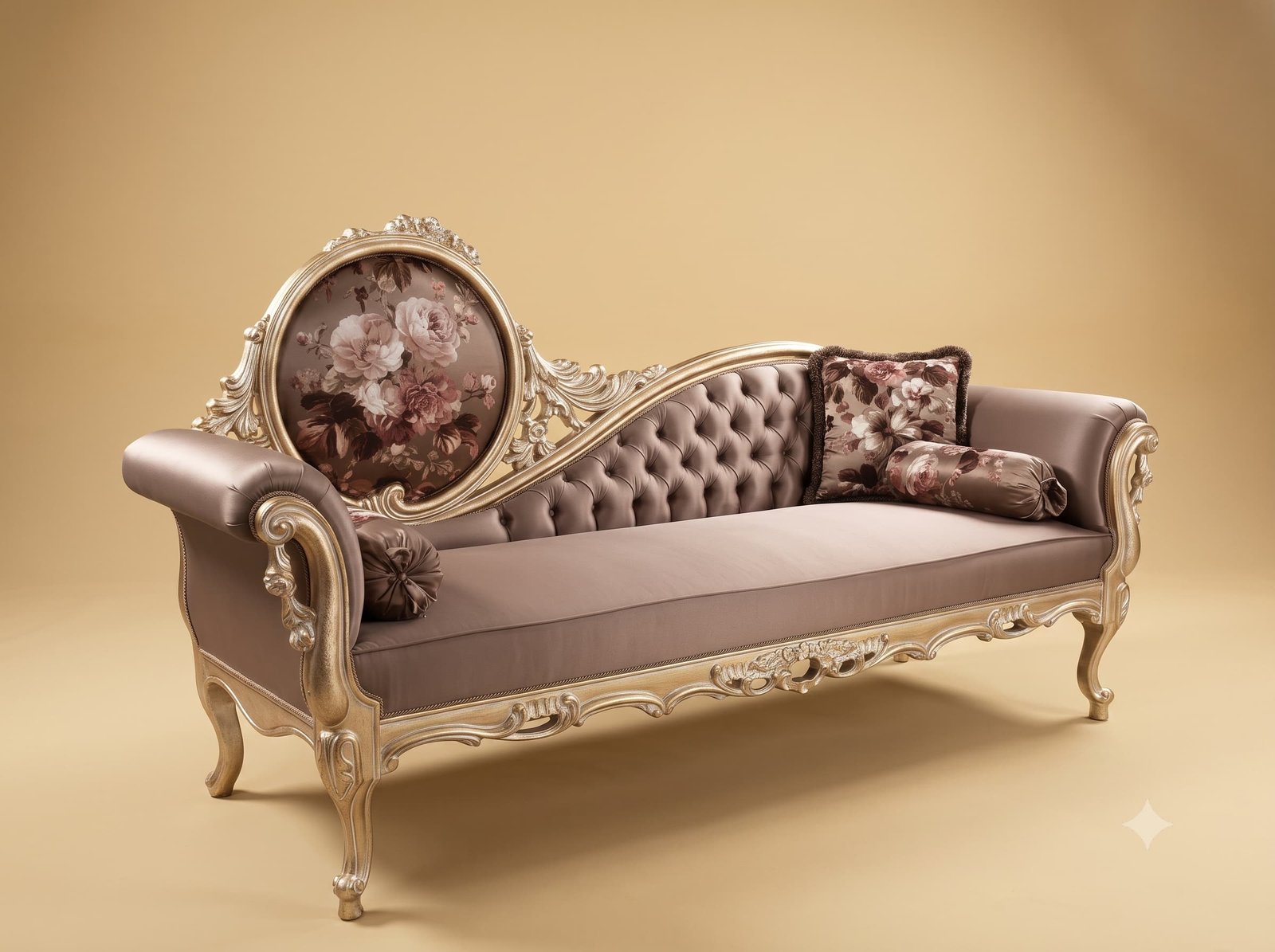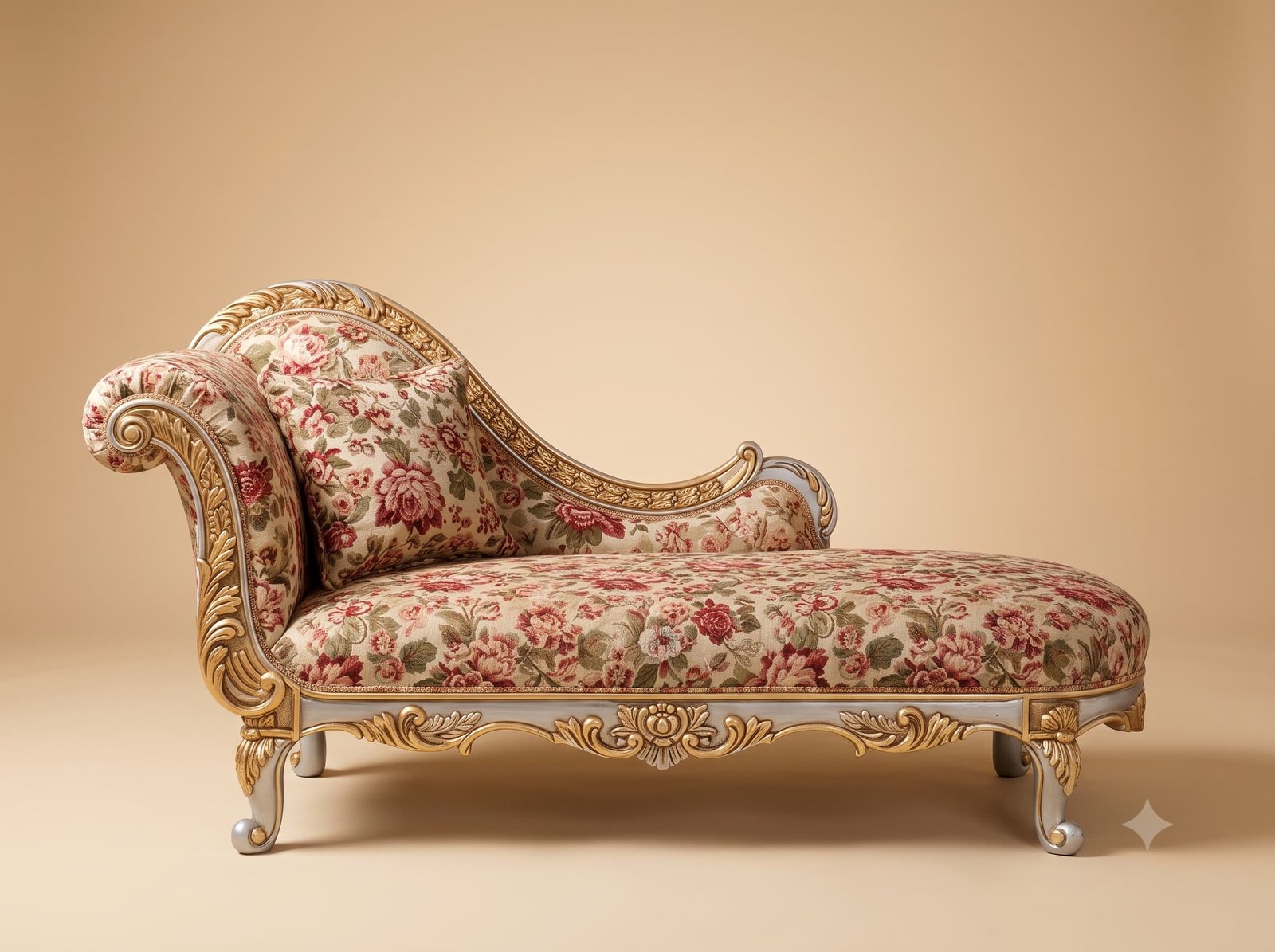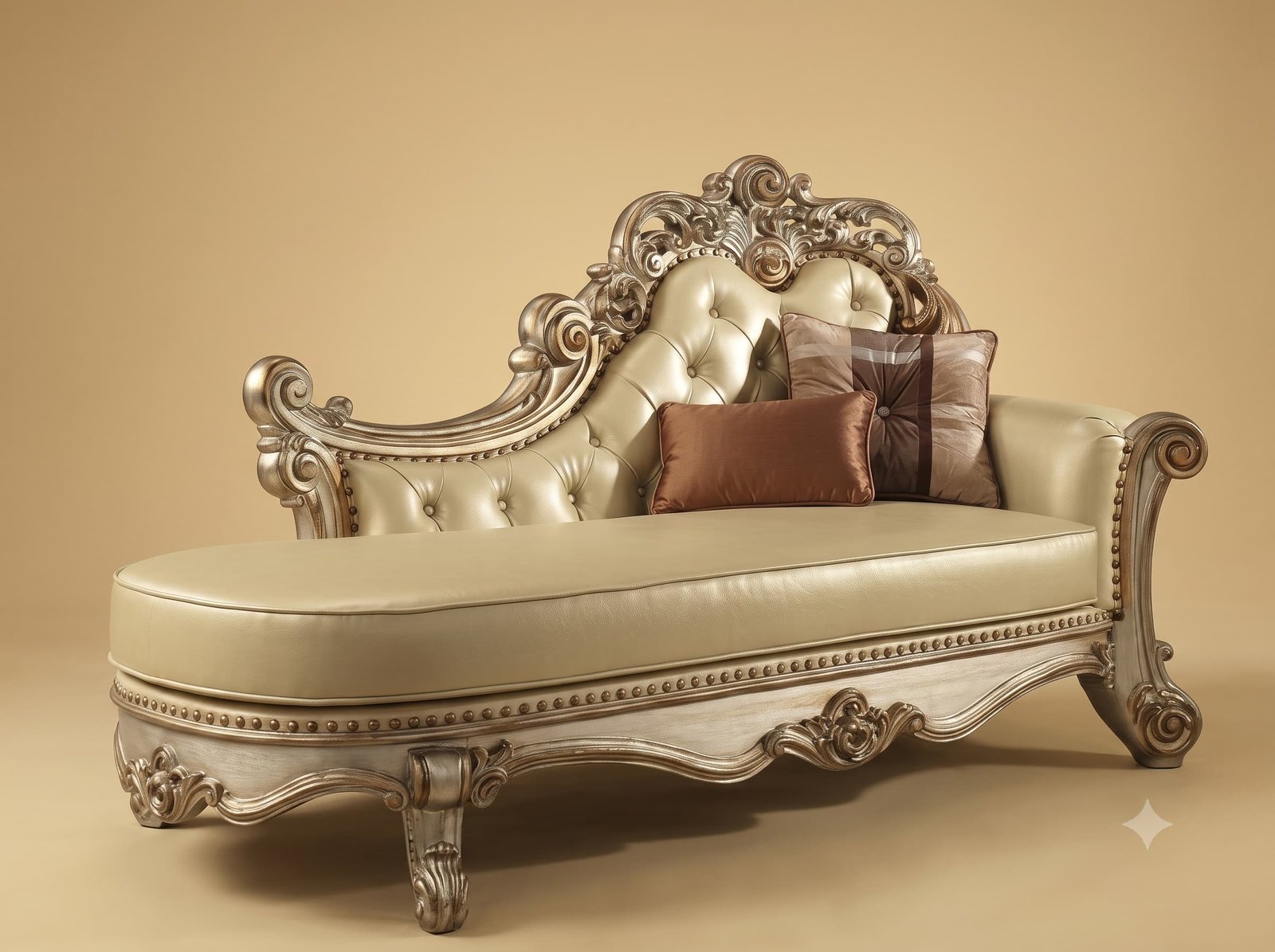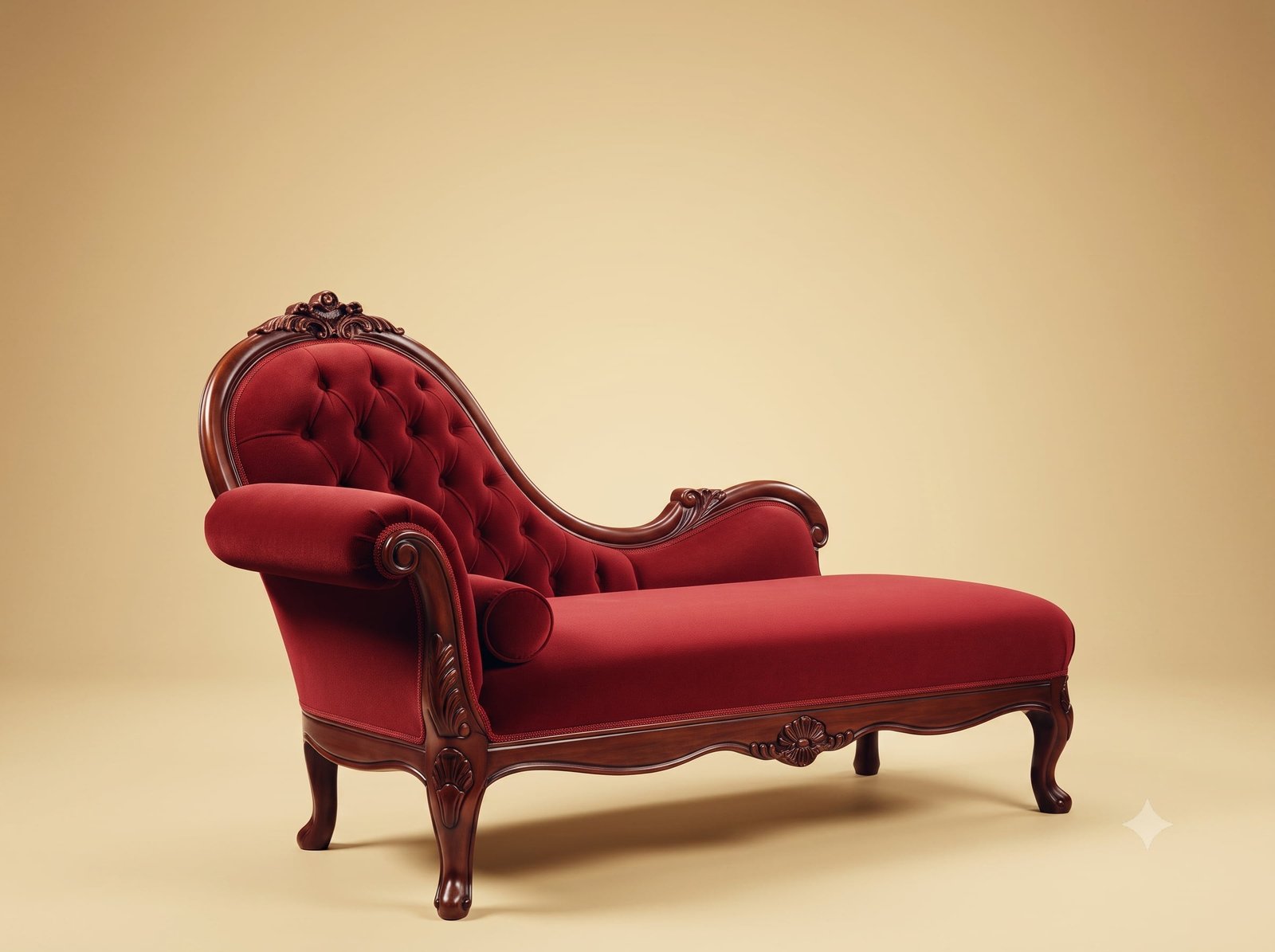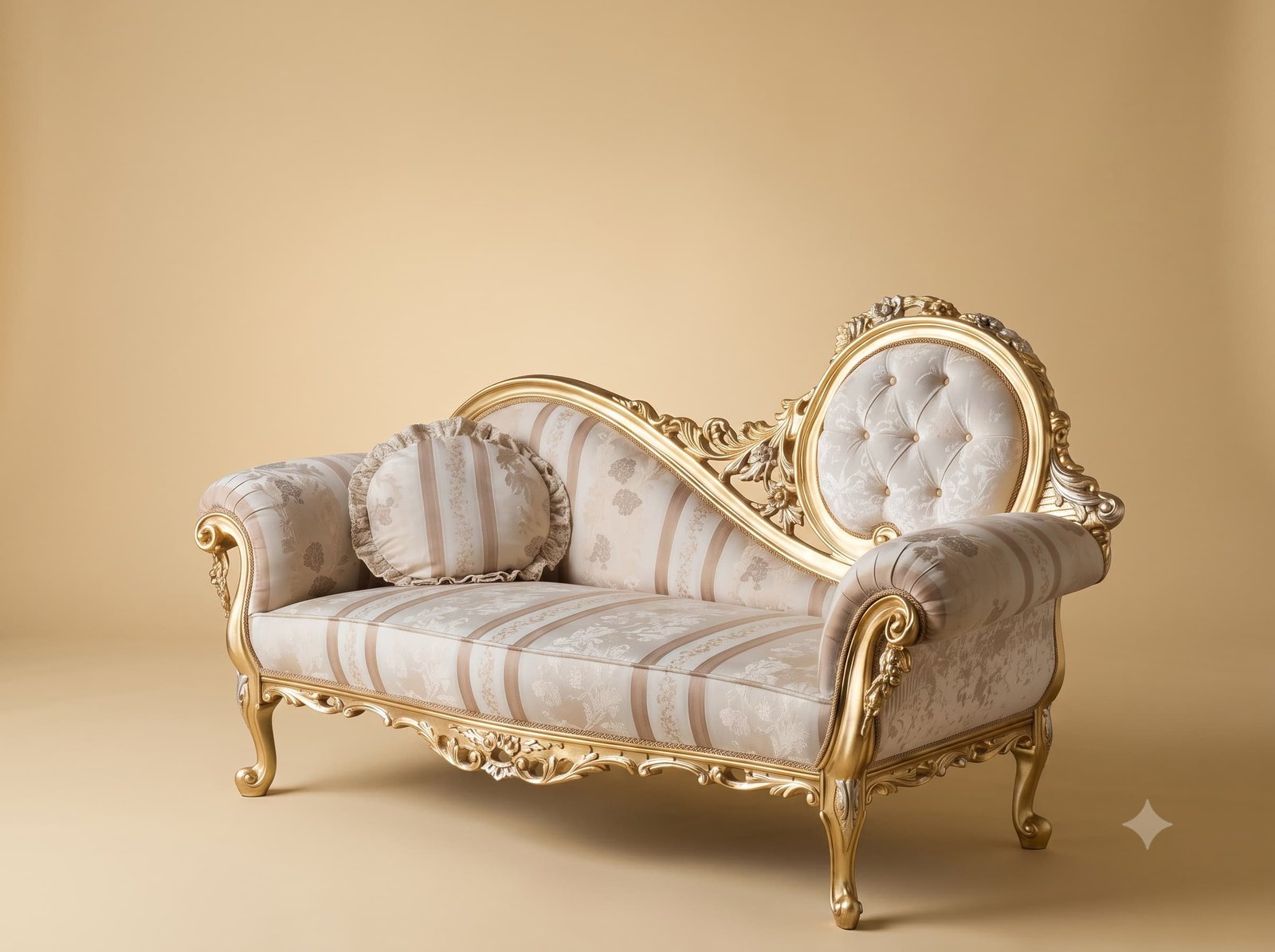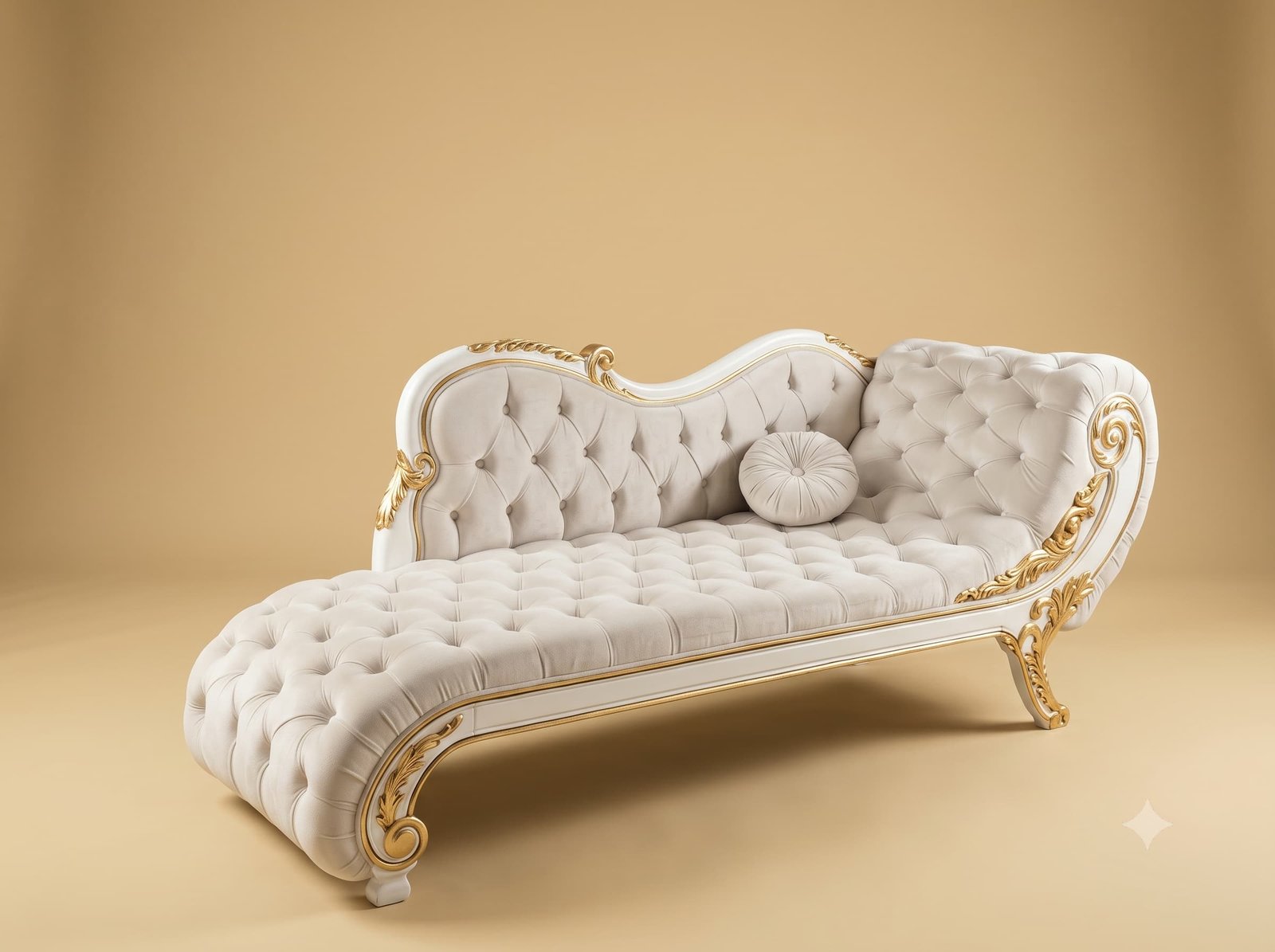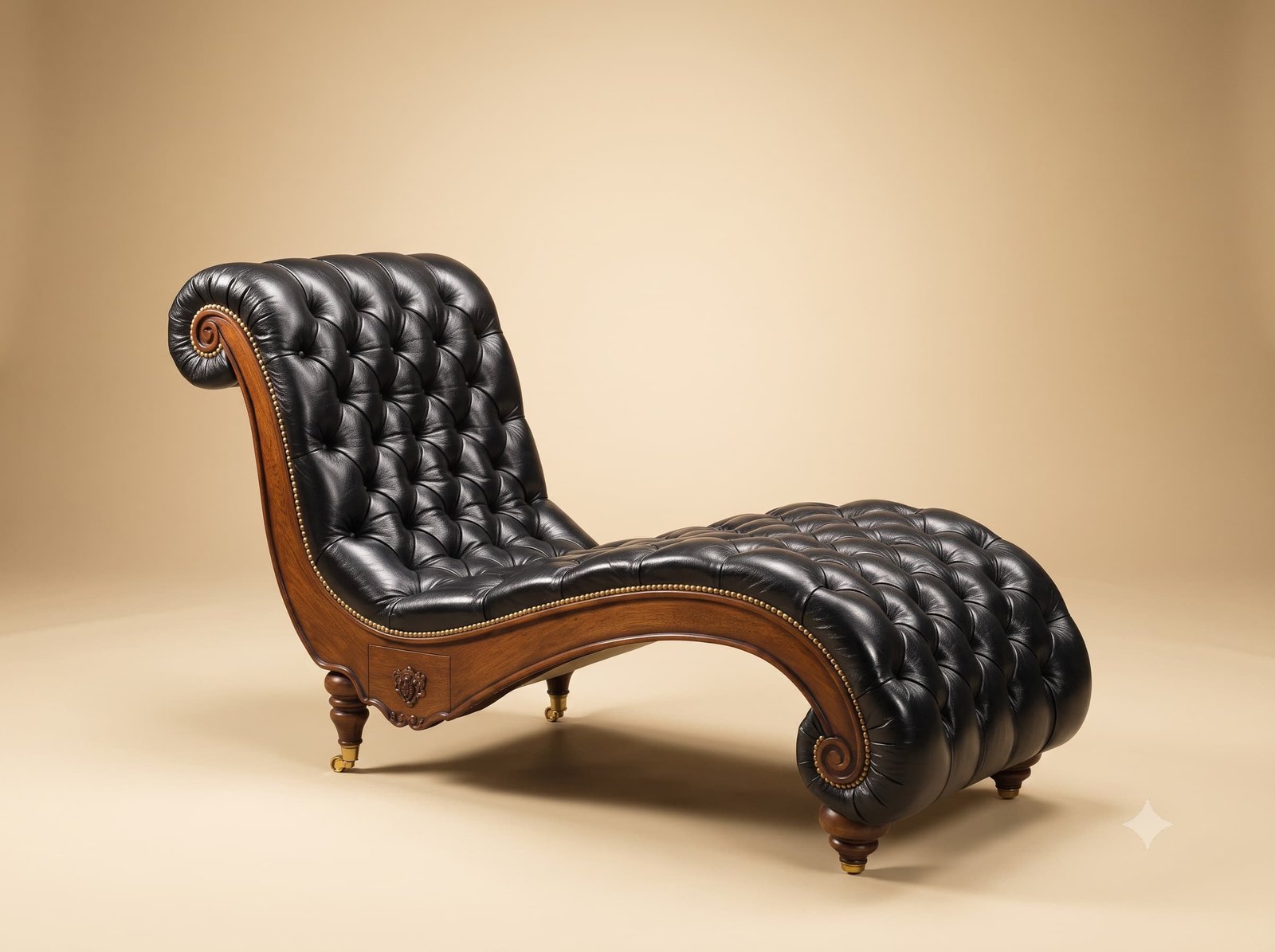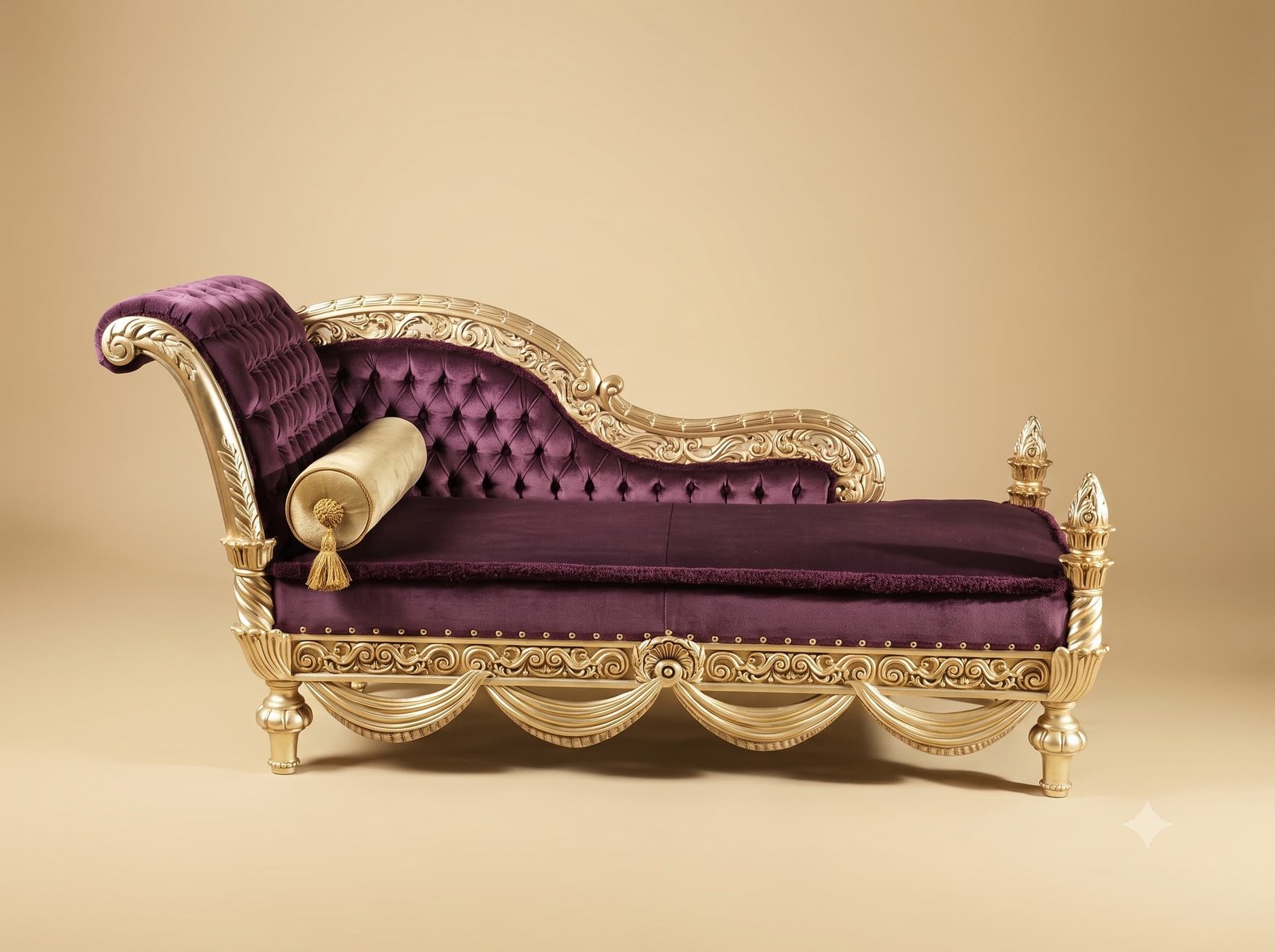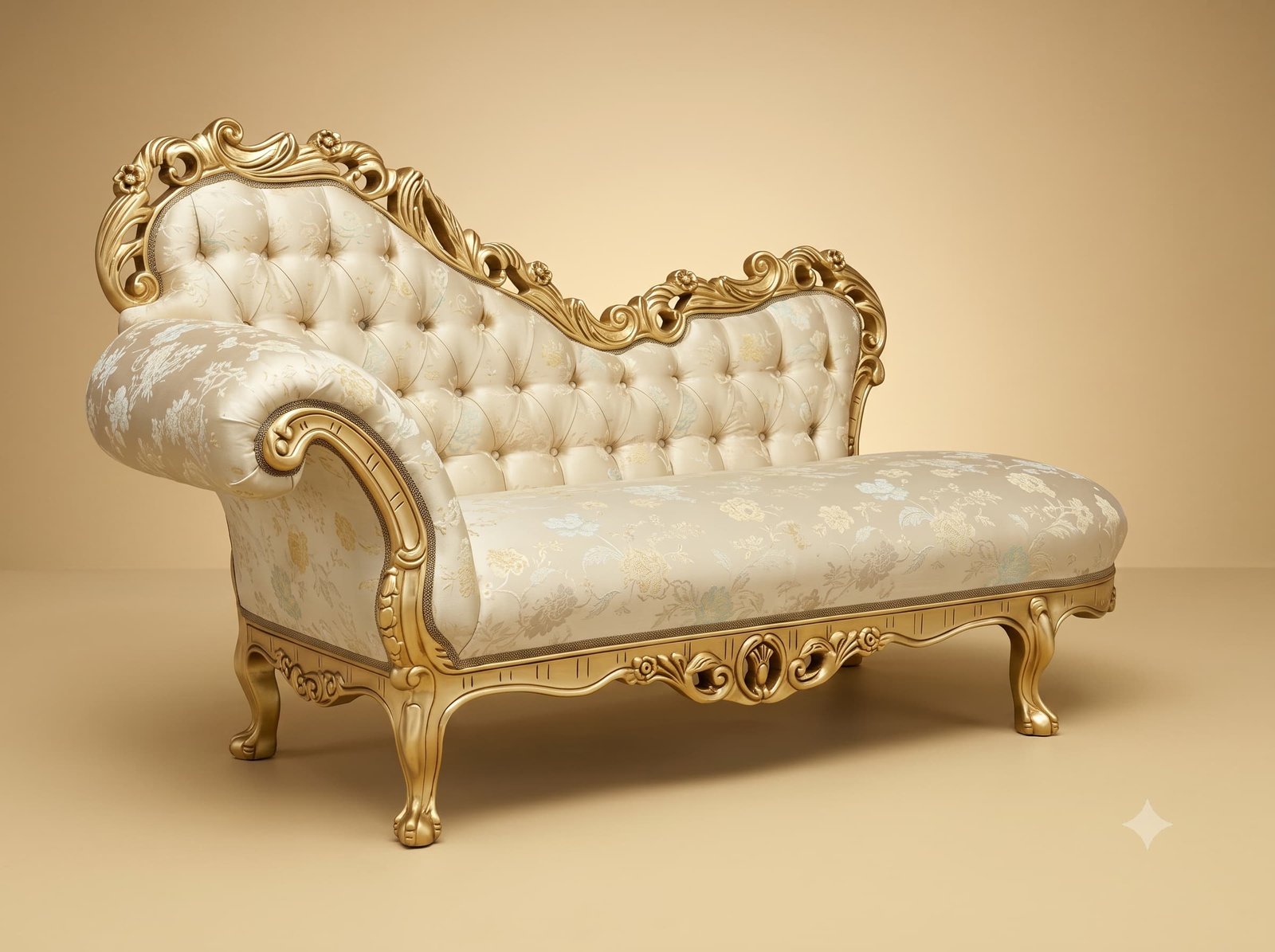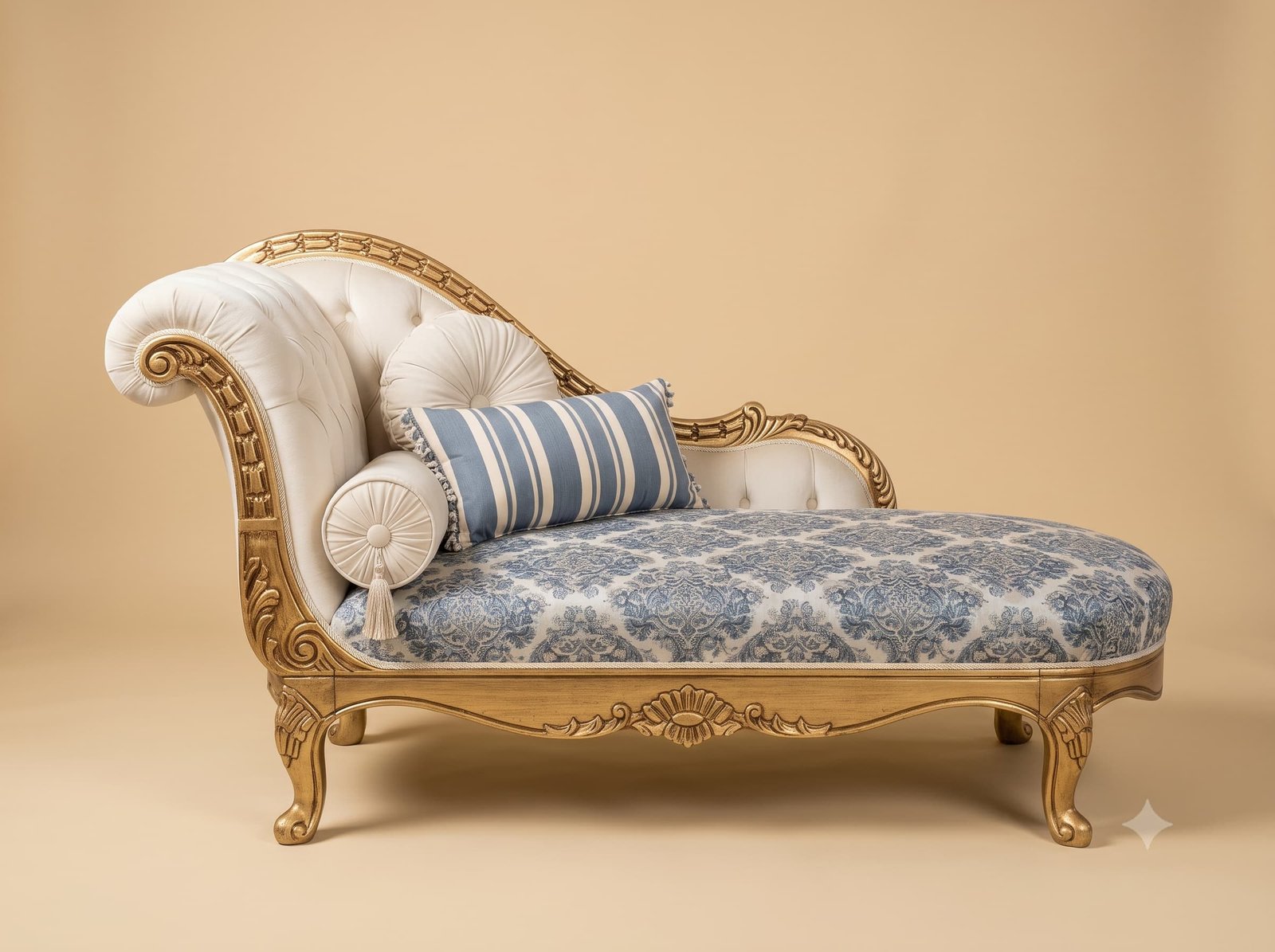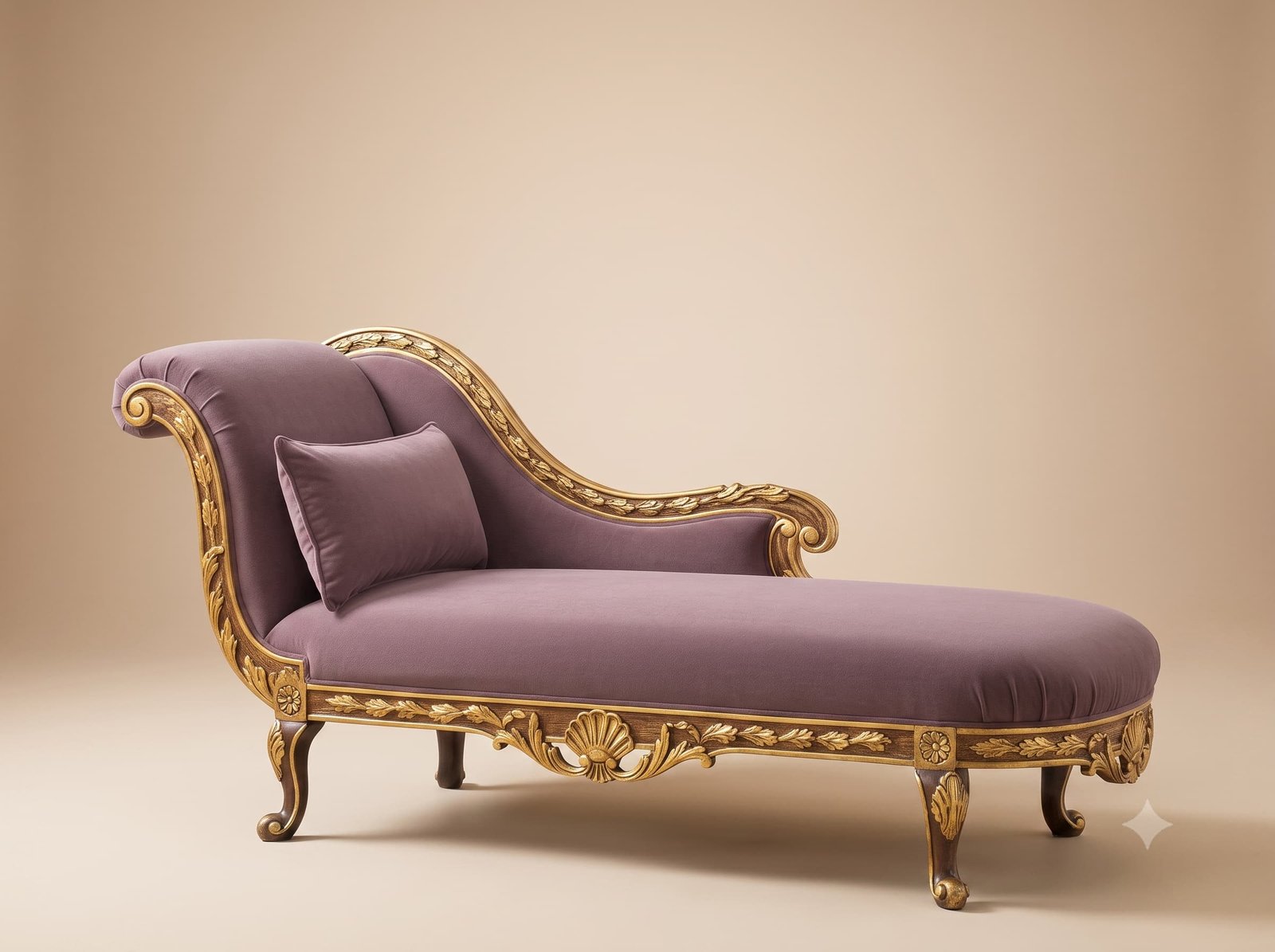
Plain upholstery is harder than buttoned upholstery, which is the opposite of what most people assume.
Buttoning is forgiving. Each button pulls the covering down to a fixed point and the fullness between them becomes part of the design - any small variation in the stuffing underneath disappears into the diamond pattern. That is one of the reasons the technique became popular.
A plain surface has none of that. There is nothing to break it up, so it is read as a single plane, and any lump, hollow or thin patch in the wadding beneath shows immediately - particularly in velvet, which changes tone with the angle it lies at and so exaggerates every dip.
So the stuffing under a plain surface is built up in layers and then regulated: worked through from above with a long needle, teasing material from where it is proud into where it is thin, a little at a time. It is checked with a straightedge laid across the surface and looked at in raking light from the side, which is the only way an unevenness of any consequence shows itself.
Only when the plane is right does the velvet go on - once, in one piece, and eased rather than pulled.
 Ask Price On WhatsApp