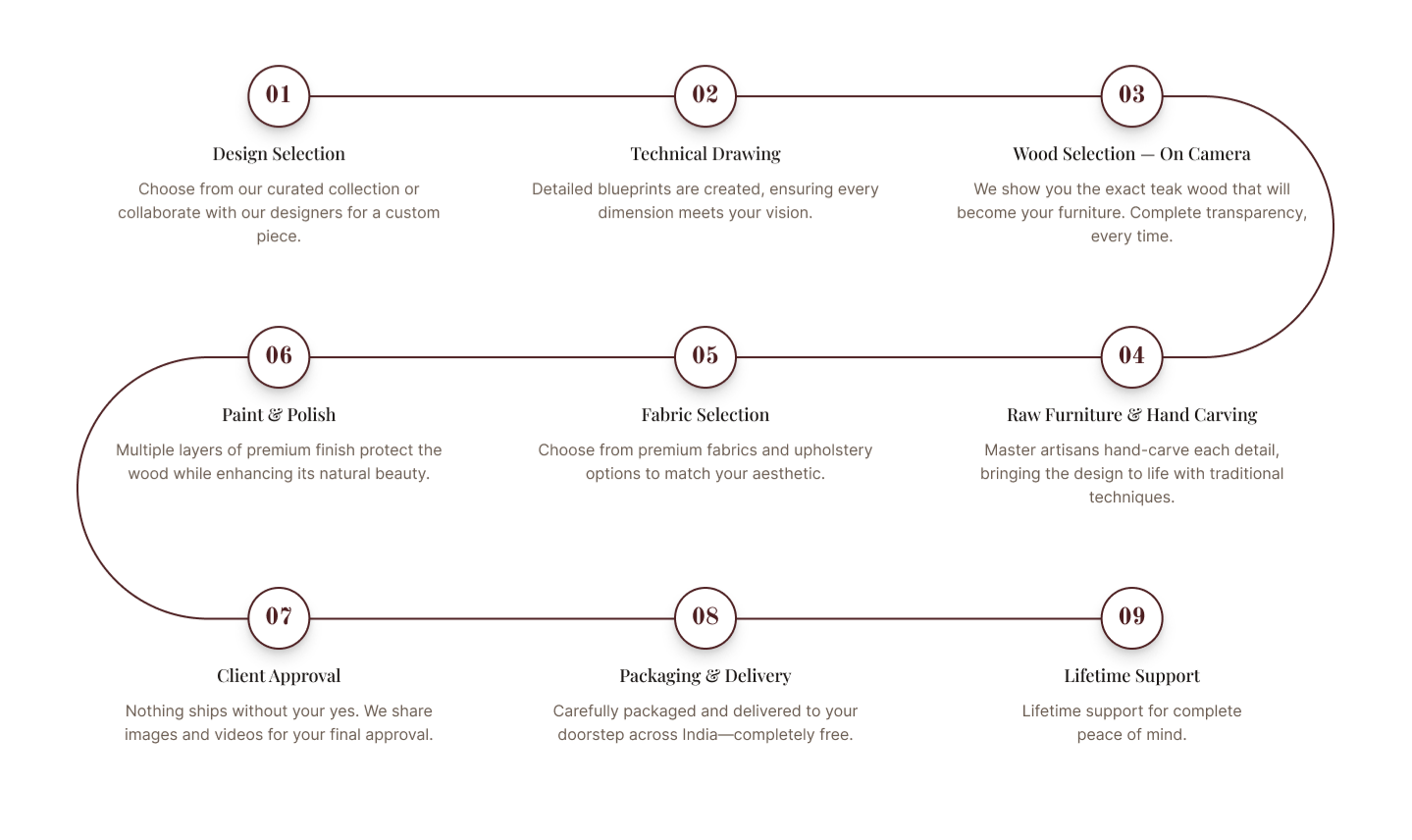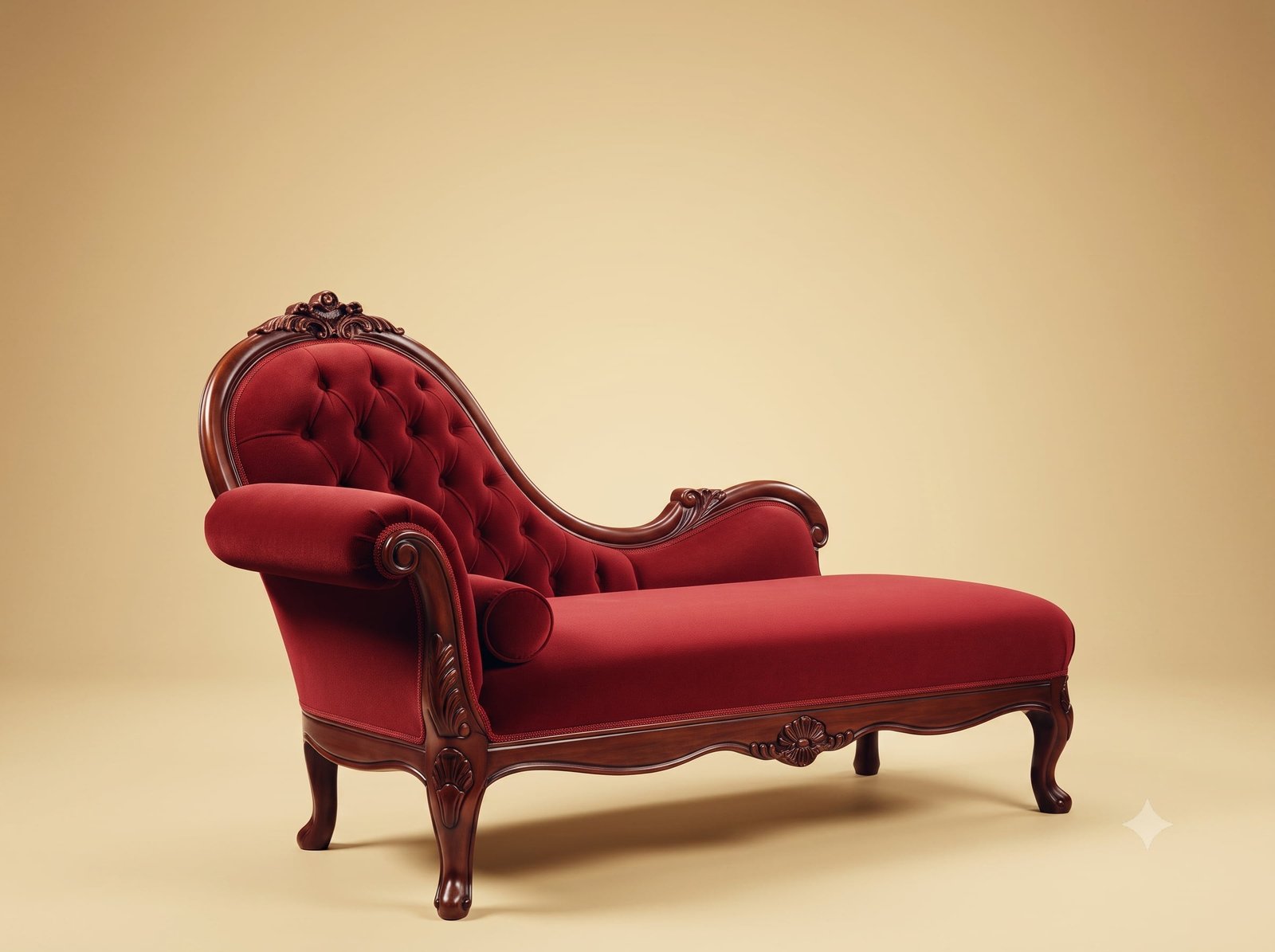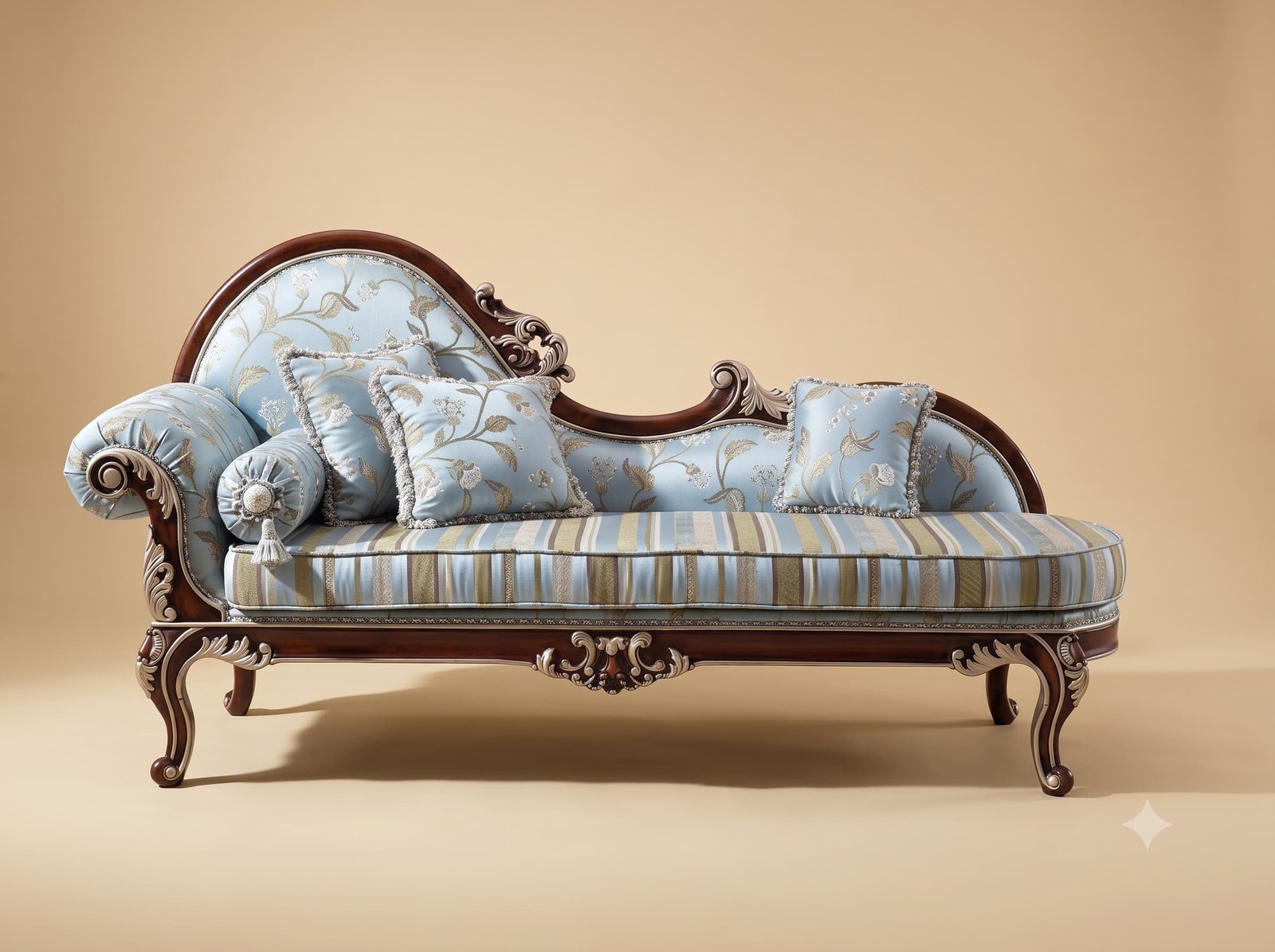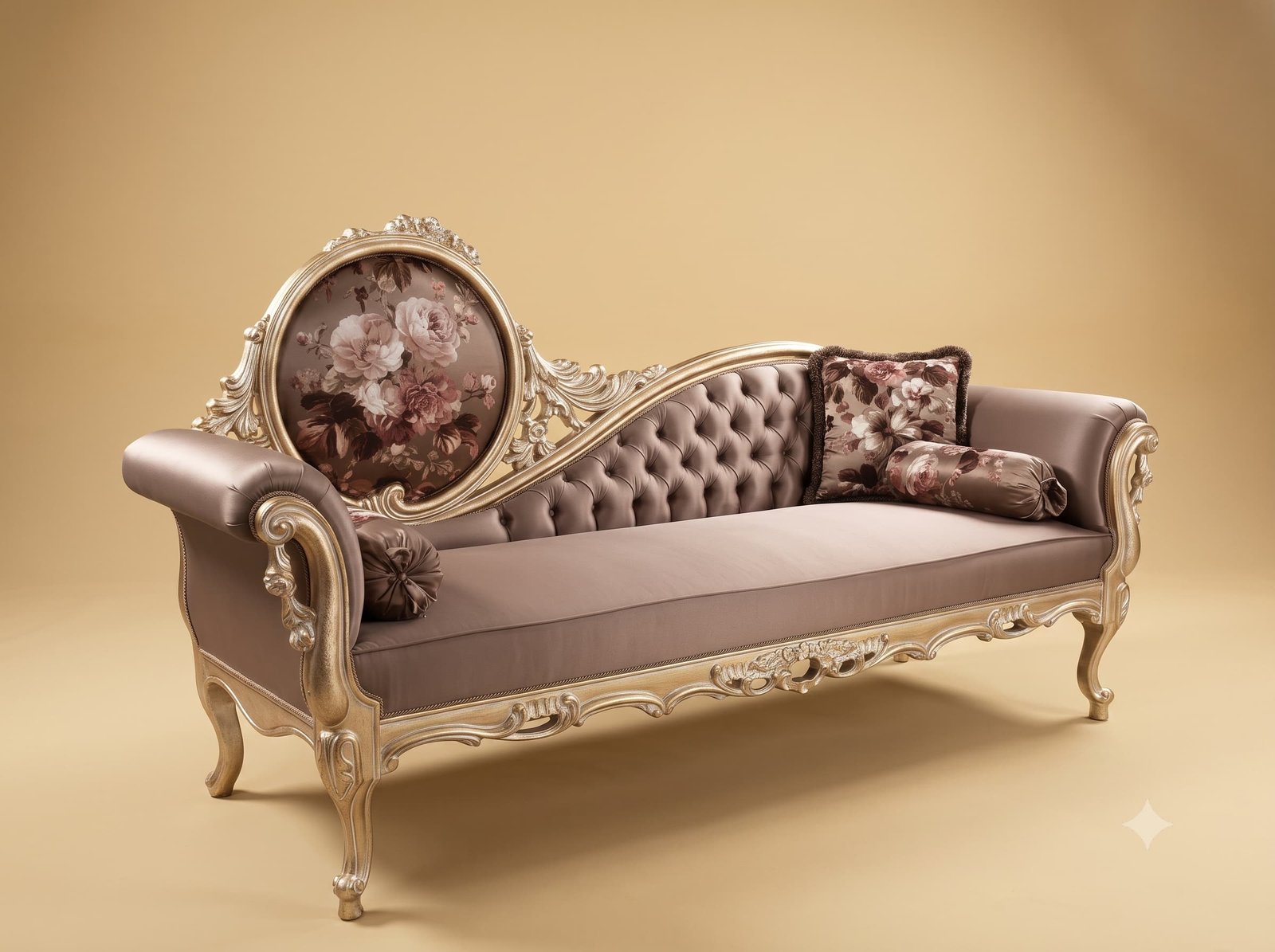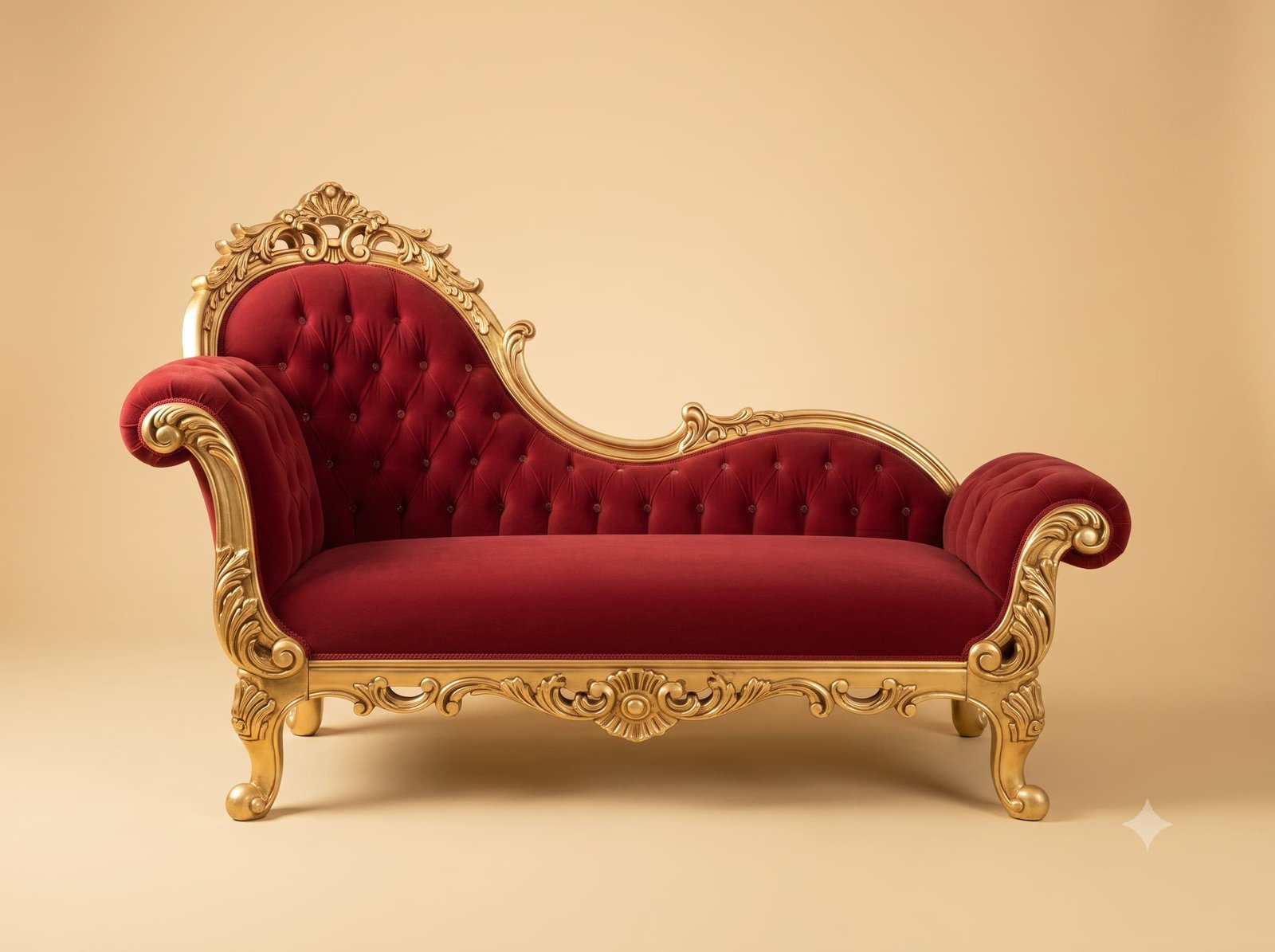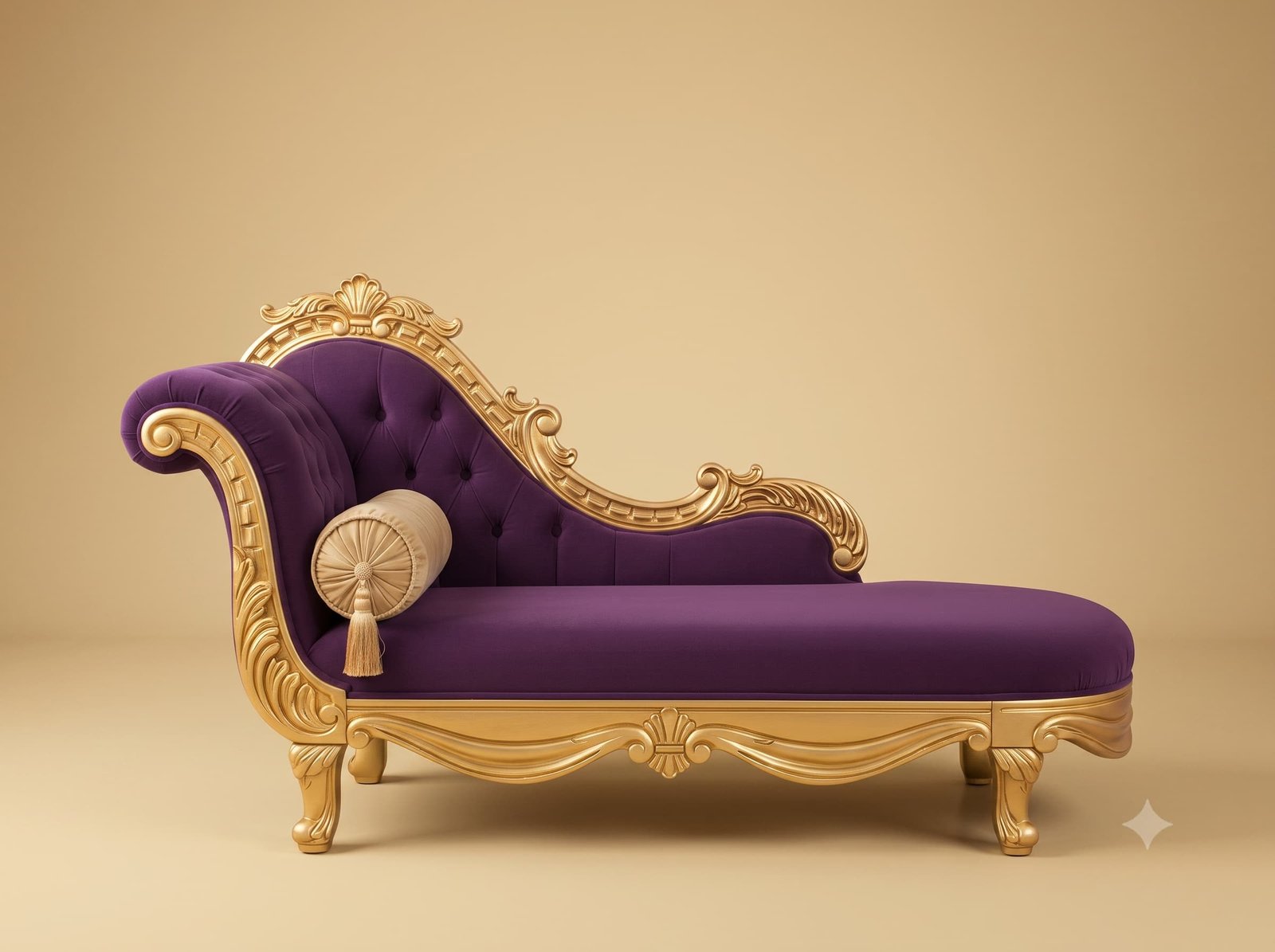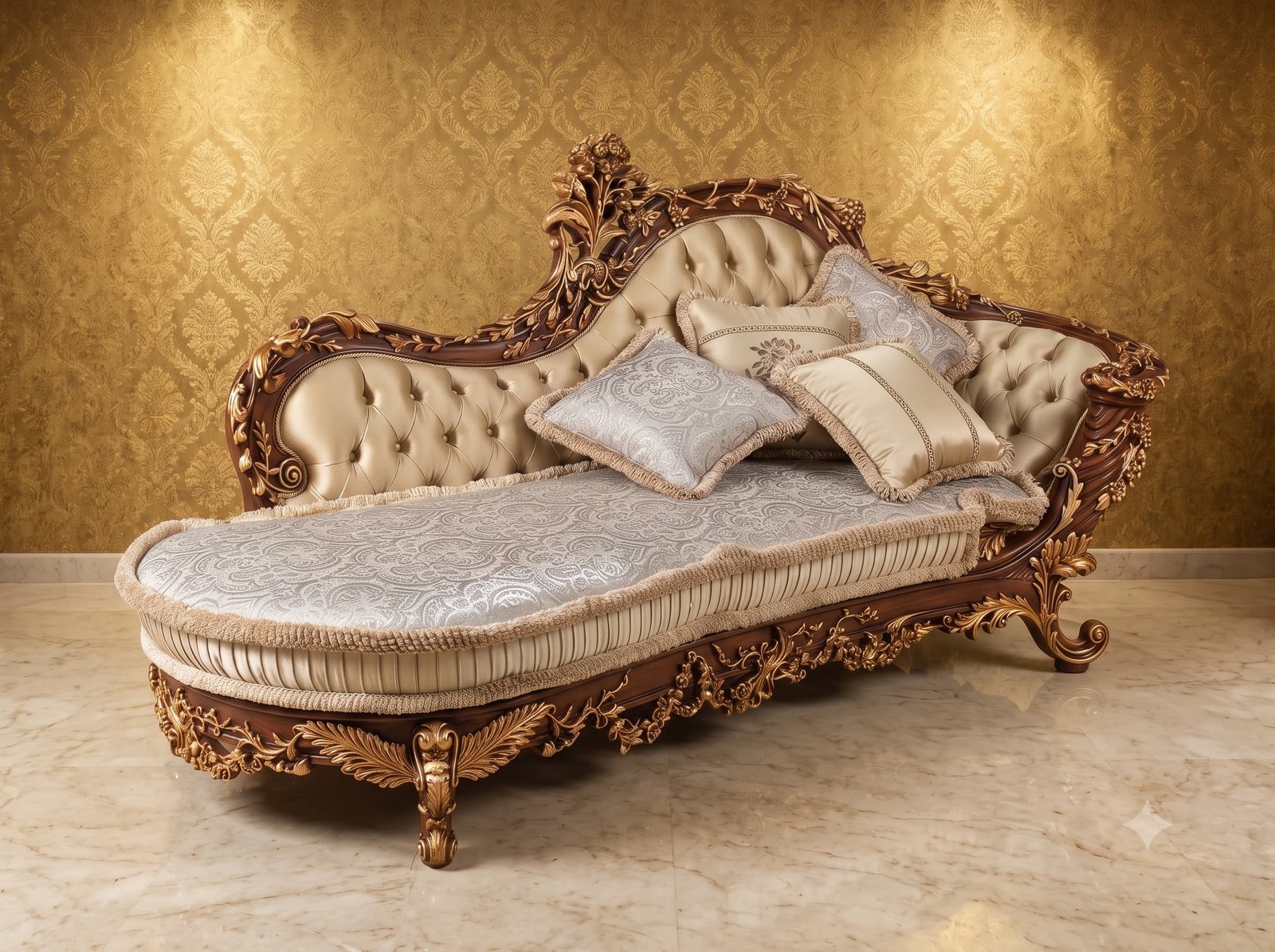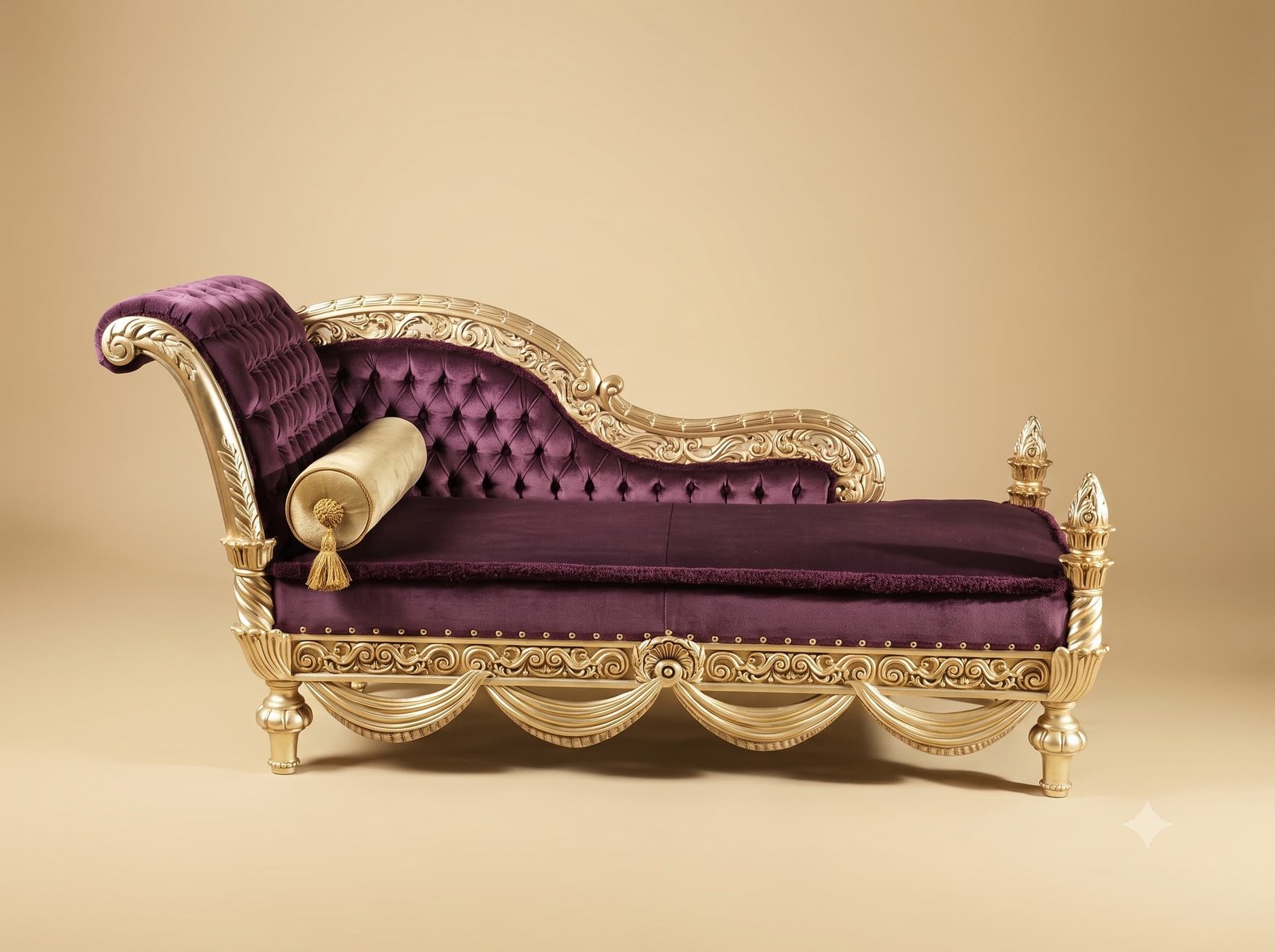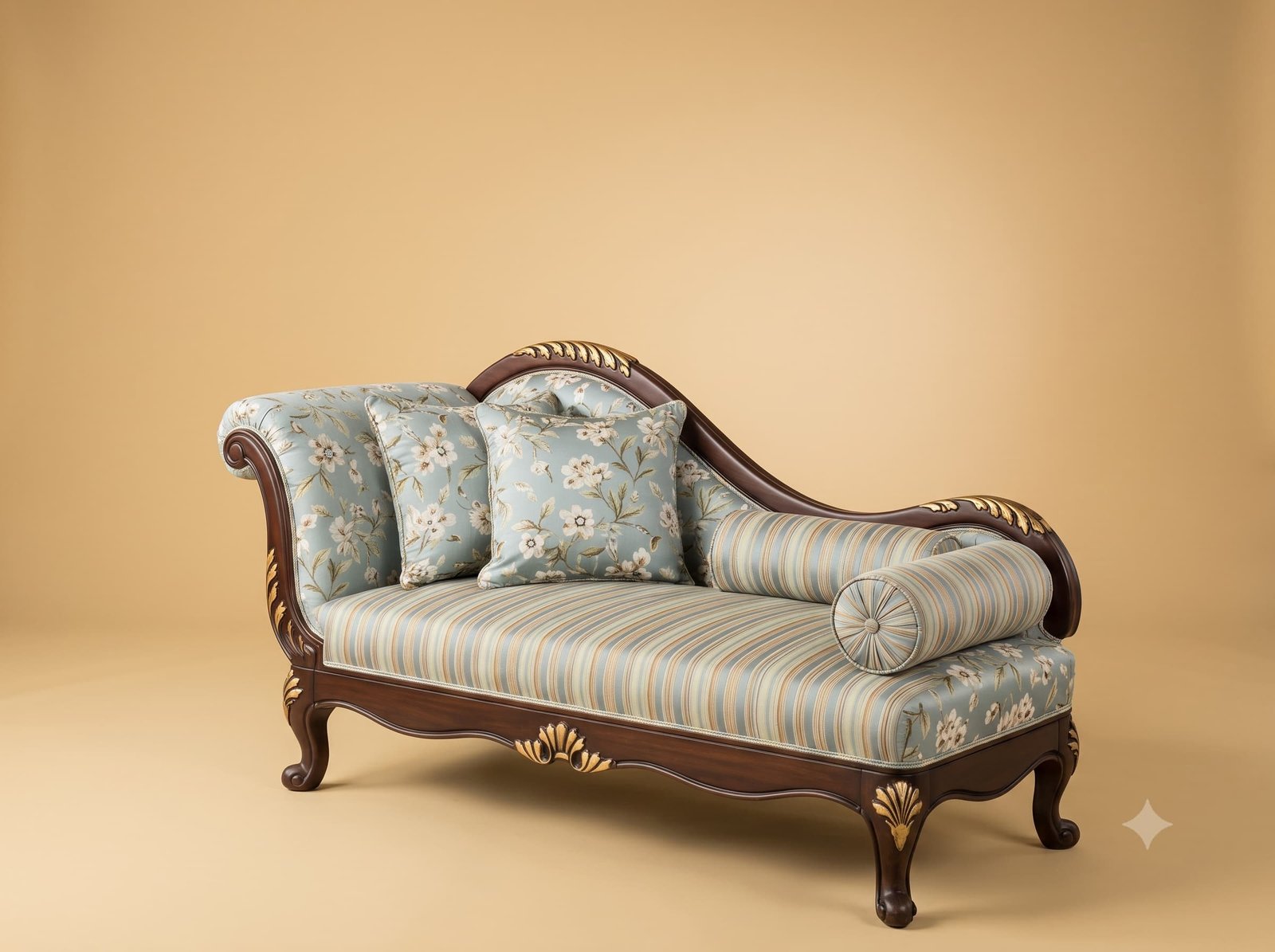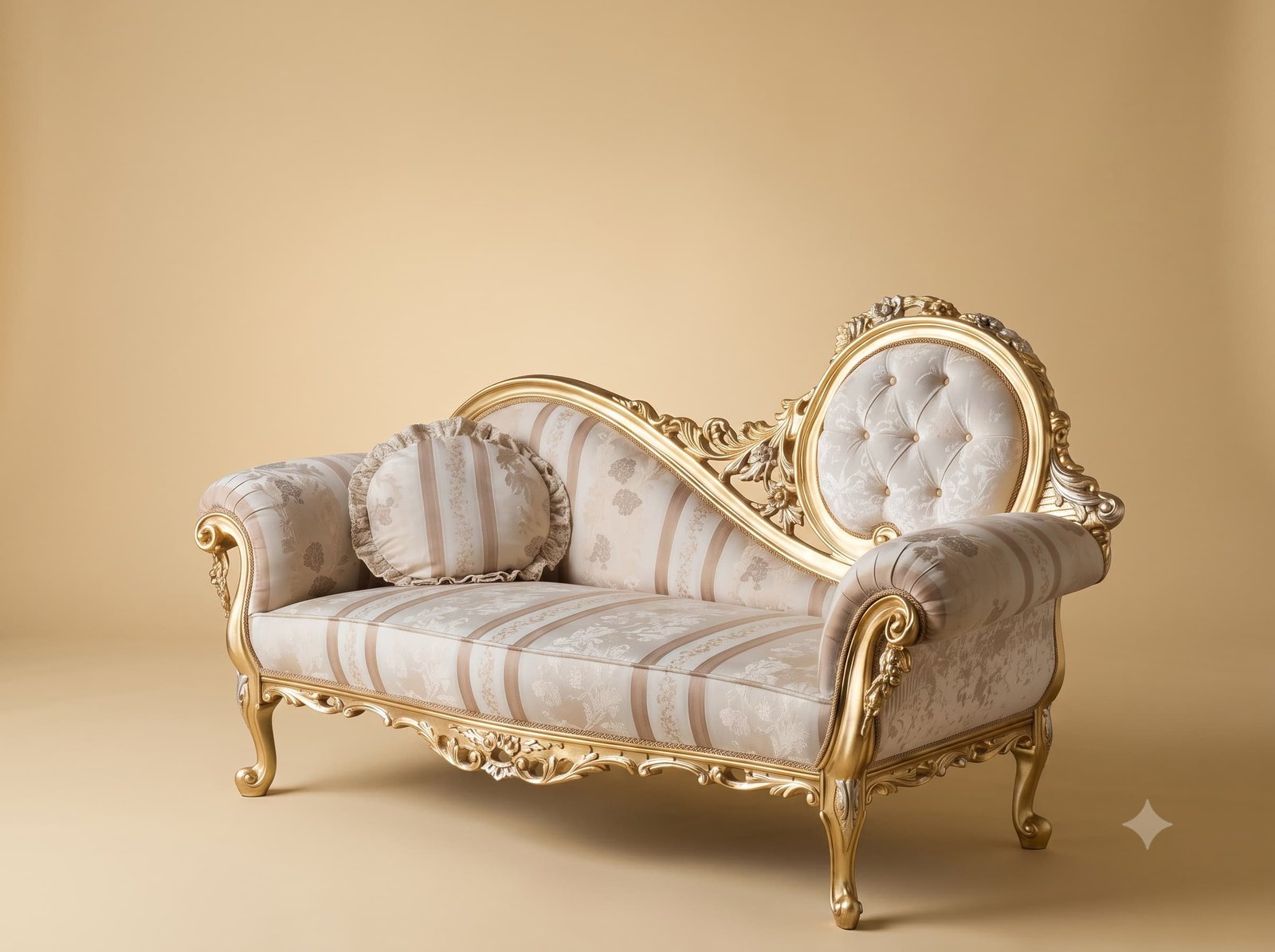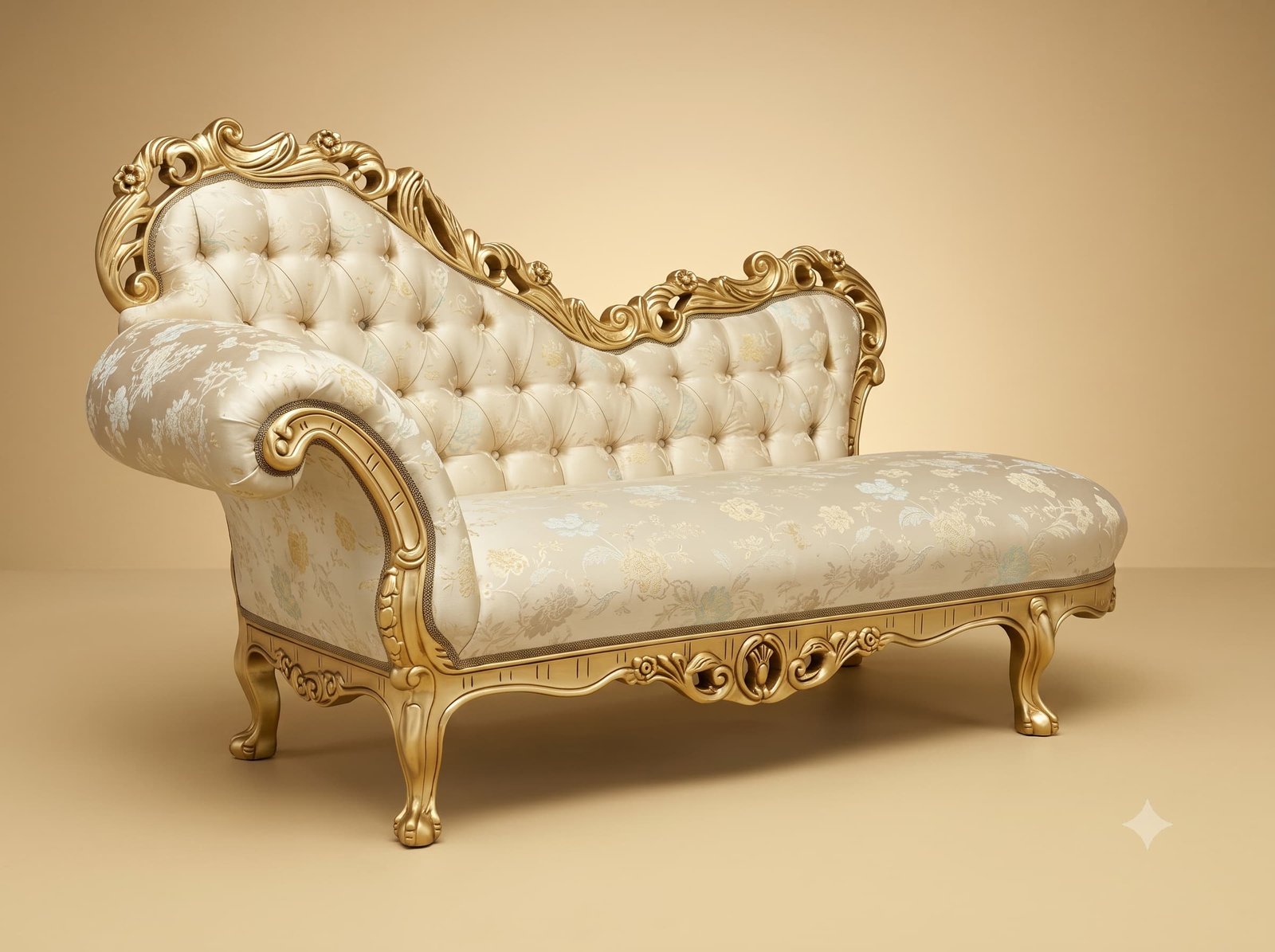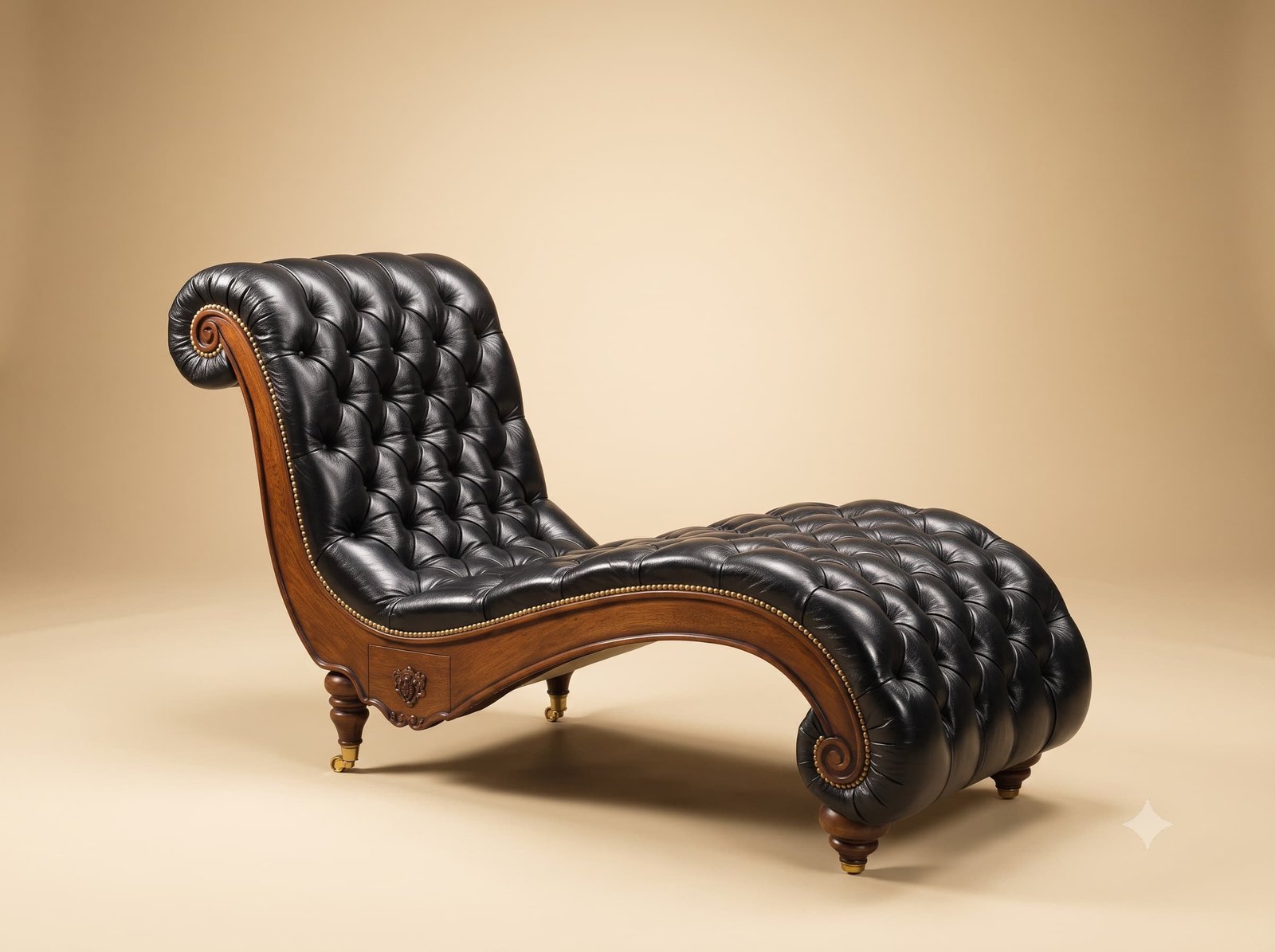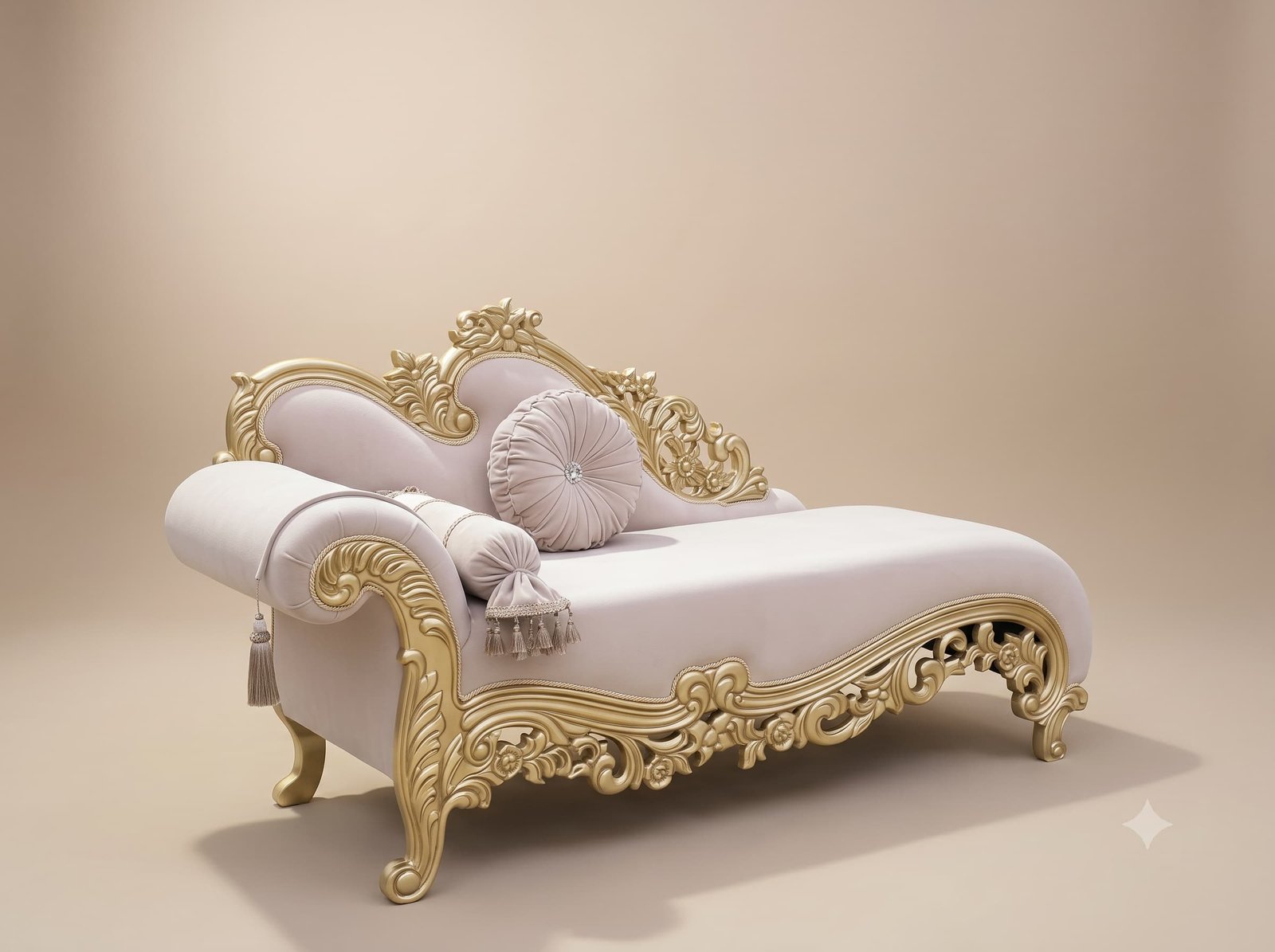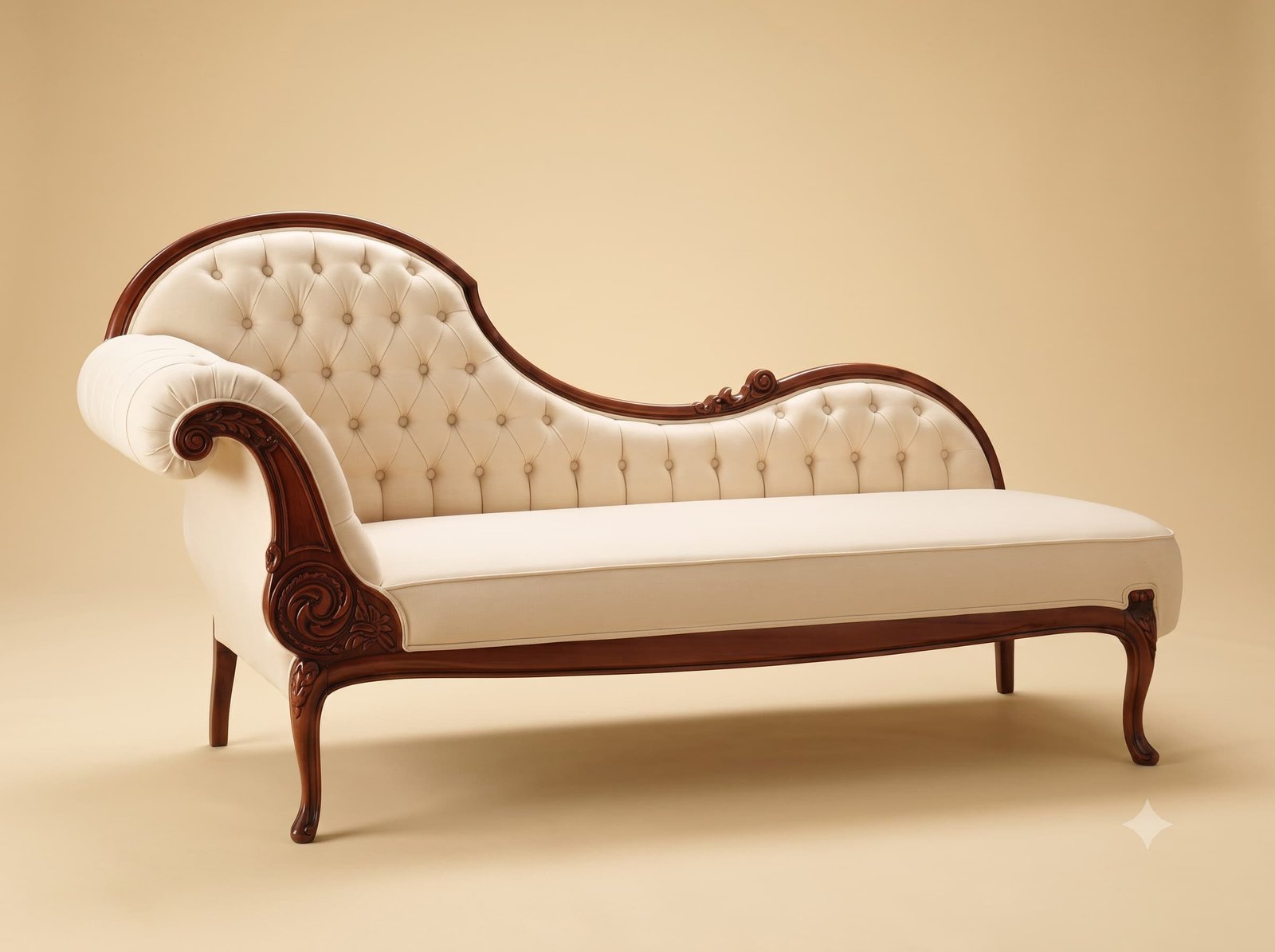
The moulding around the back of this diwan changes direction three times, and where it does is exactly where its joints are hidden.
A continuous moulded frame around a curved back cannot be made from one piece of timber. The curve is too long and it doubles back on itself, so somewhere the moulding has to be jointed. The question is where.
Put a joint in the middle of a smooth curve and the eye finds it, because along a steady curve any small change in the profile or the grain direction shows as an interruption. But at a point of inflection - the exact place where the curve stops bending one way and begins bending the other - the eye is already dealing with a change of direction. Put the joint there and it disappears into a change that was going to happen anyway.
So the frame is set out first as a drawing, the points of inflection are found on it, and the moulding lengths are cut to meet at those points. Each segment is then cut with its grain running along its own portion of the curve, so no length has weak short grain in it.
Run a hand along the finished back and you will feel a continuous moulding. Look for the joints and you will have to work at it.
 Ask Price On WhatsApp