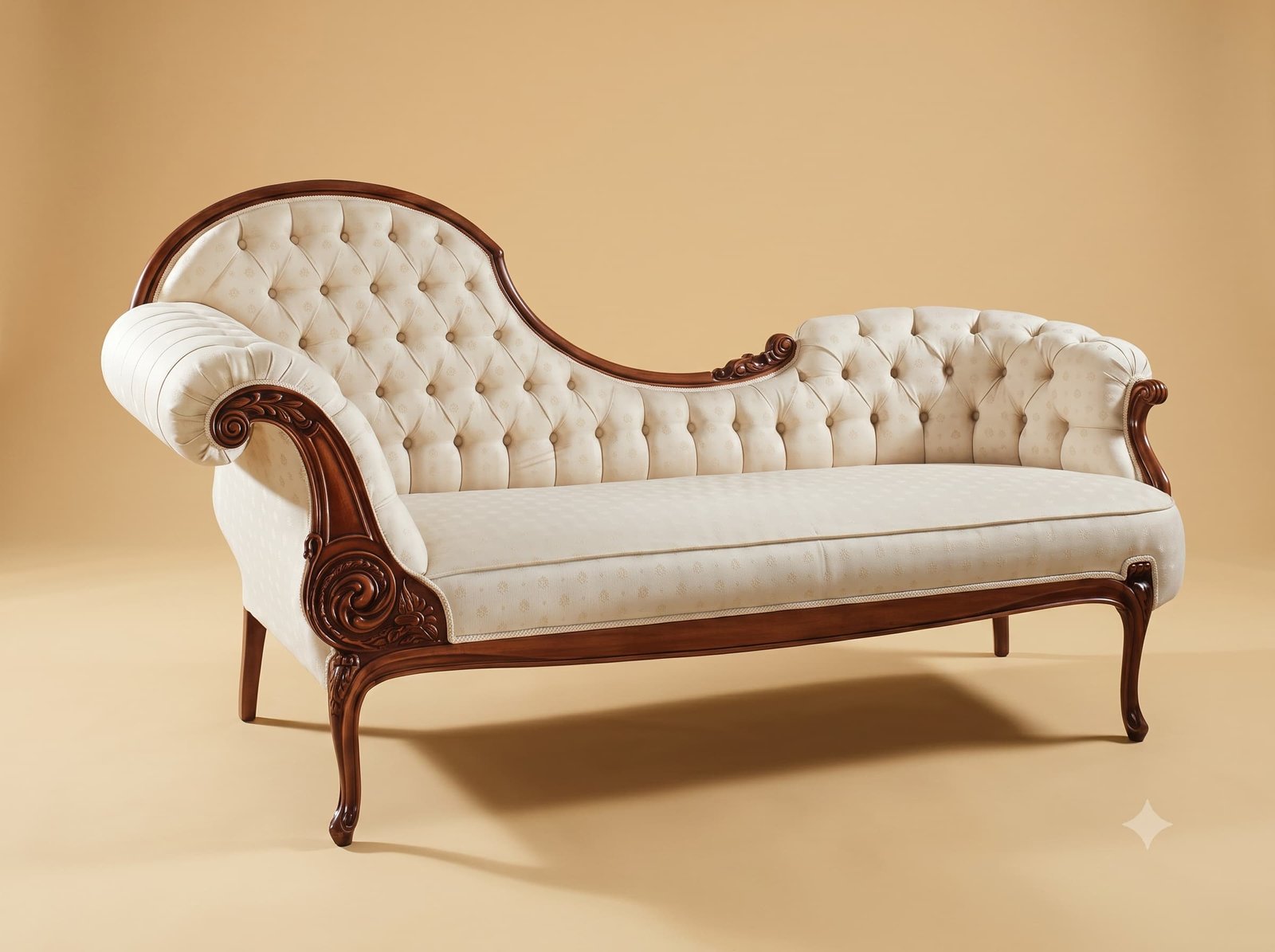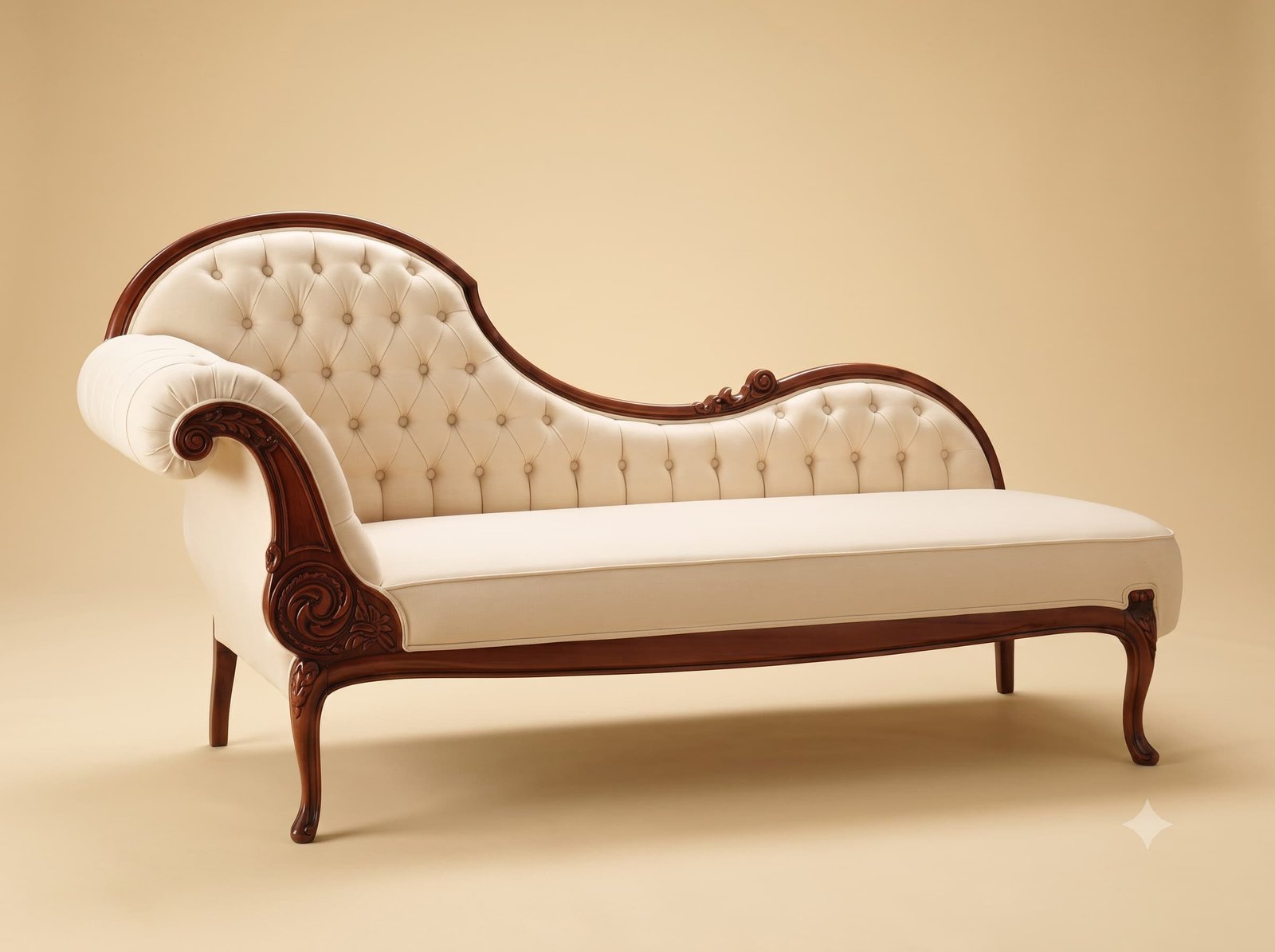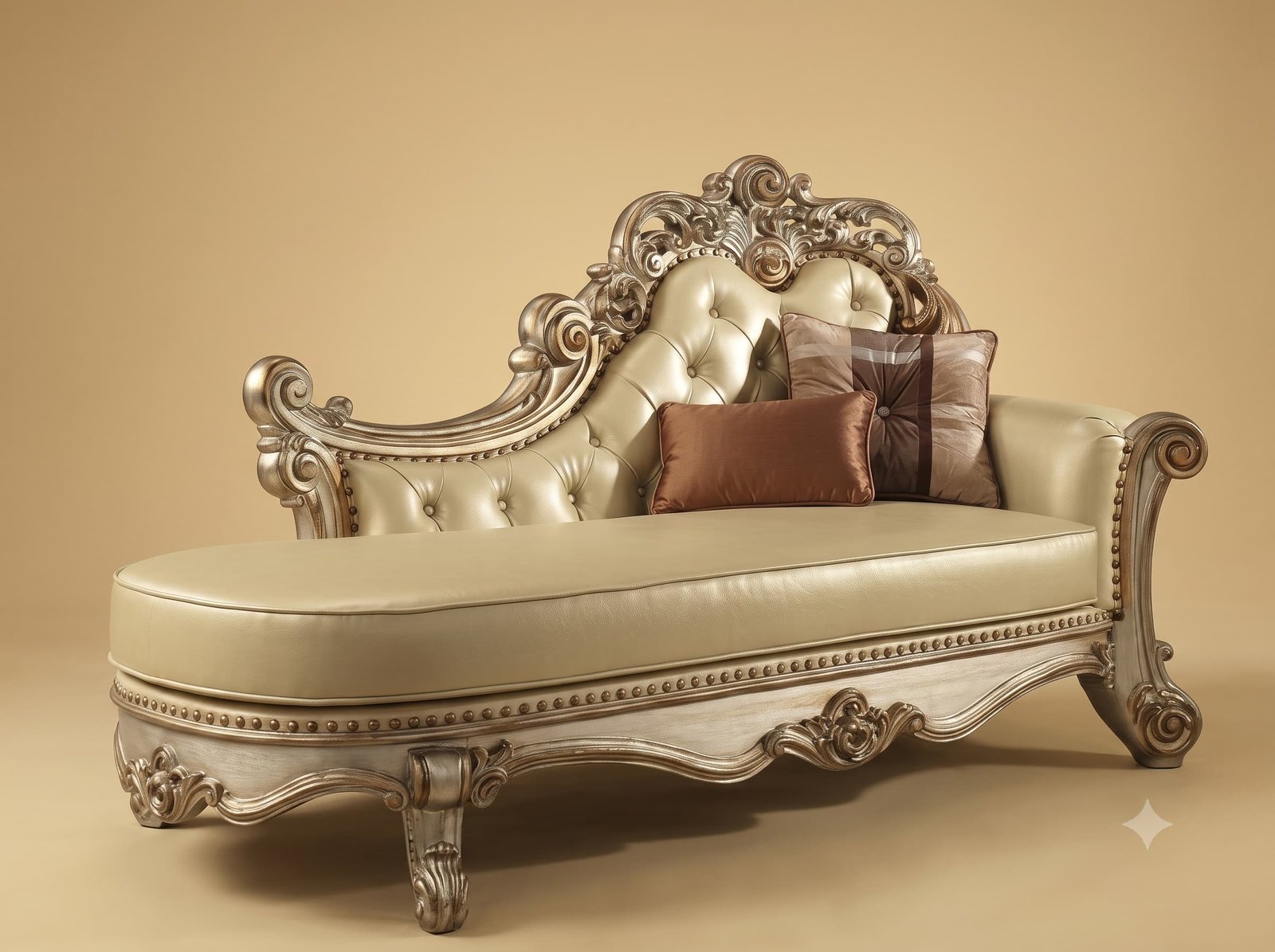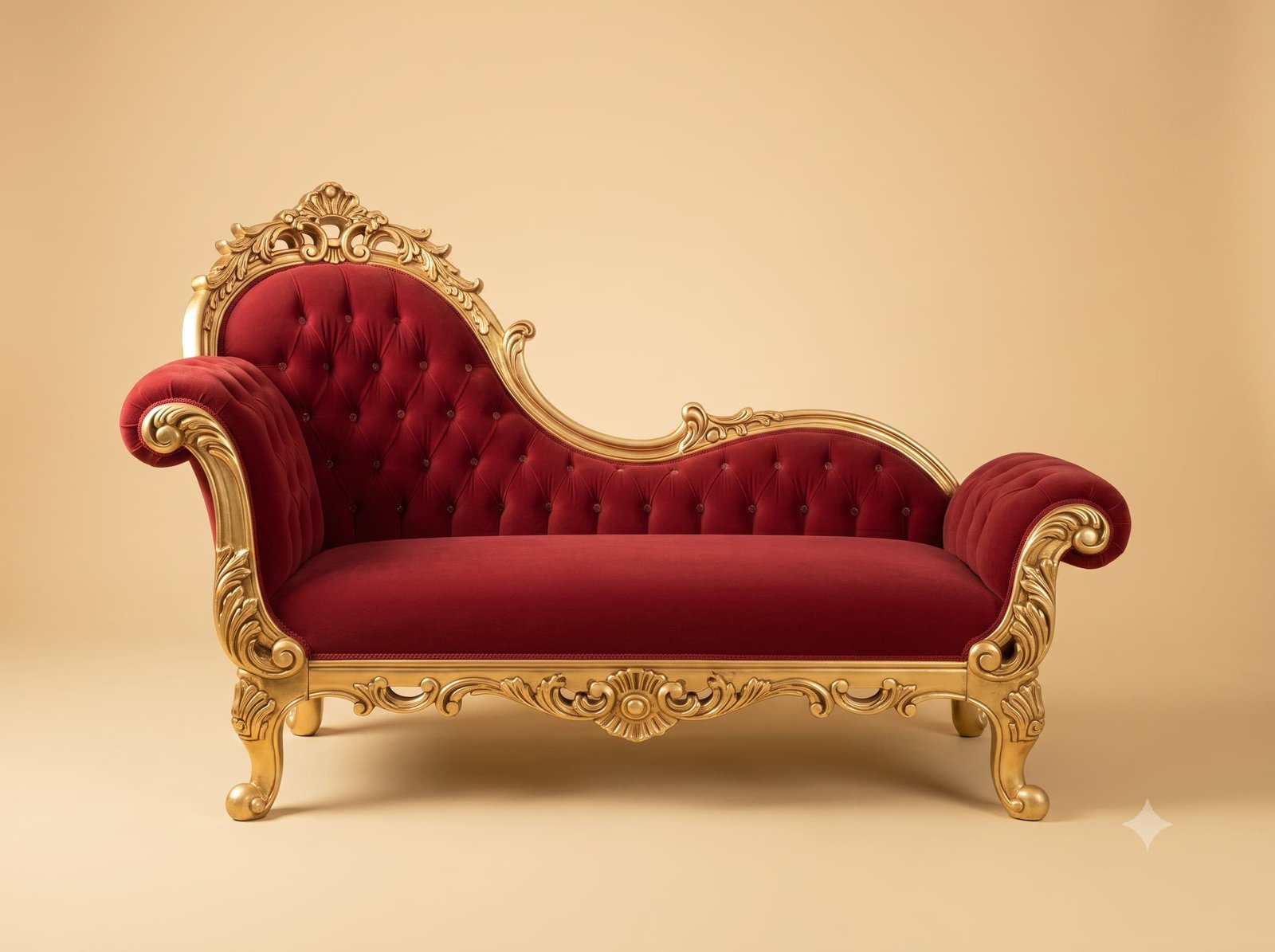
Buttoning hide is not the same job as buttoning cloth, and anyone who treats it as one produces a poor result.
Cloth has give. Pull a button into fabric and the surplus around it eases naturally into pleats - the material stretches slightly, the folds find their own way, and a skilled hand simply guides them.
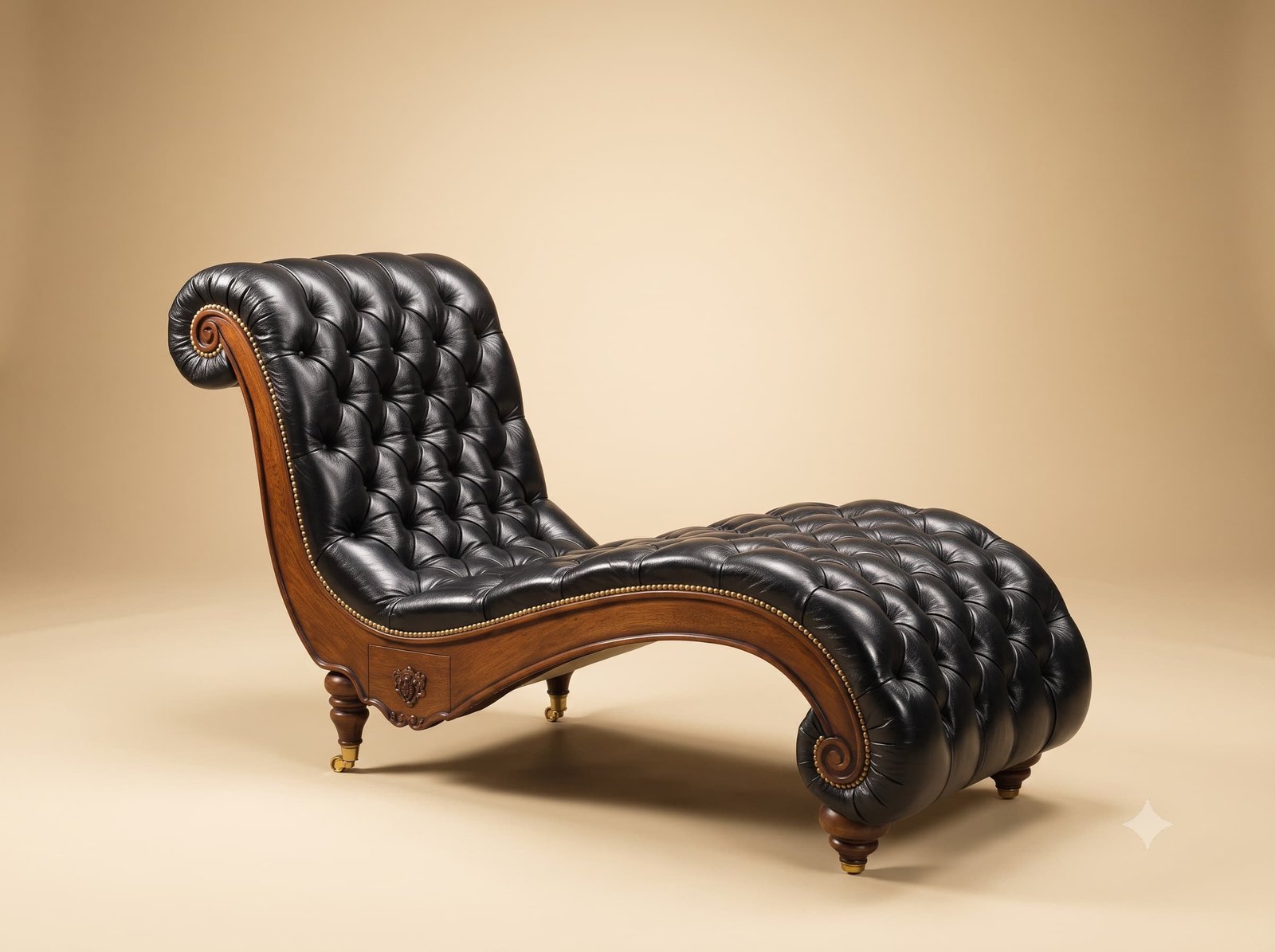
Hide does almost none of that. It has very little give and it does not recover, so it cannot be persuaded into fullness; whatever surplus exists has to be planned before the button is pulled. Every pleat between every pair of buttons is therefore set deliberately - marked, folded and worked into place by hand, one at a time - and once a fold is in hide it is permanent. There is no second attempt on that pleat.
The hide is also worked warm, because warm hide is fractionally more willing, and it is buttoned in sequence from the centre outward so that no area is asked to take up someone else's surplus.
On a continuous curve like this one, with the buttoning running over two rolls and a dip, that sequence is the entire craft of the piece.
 Ask Price On WhatsApp