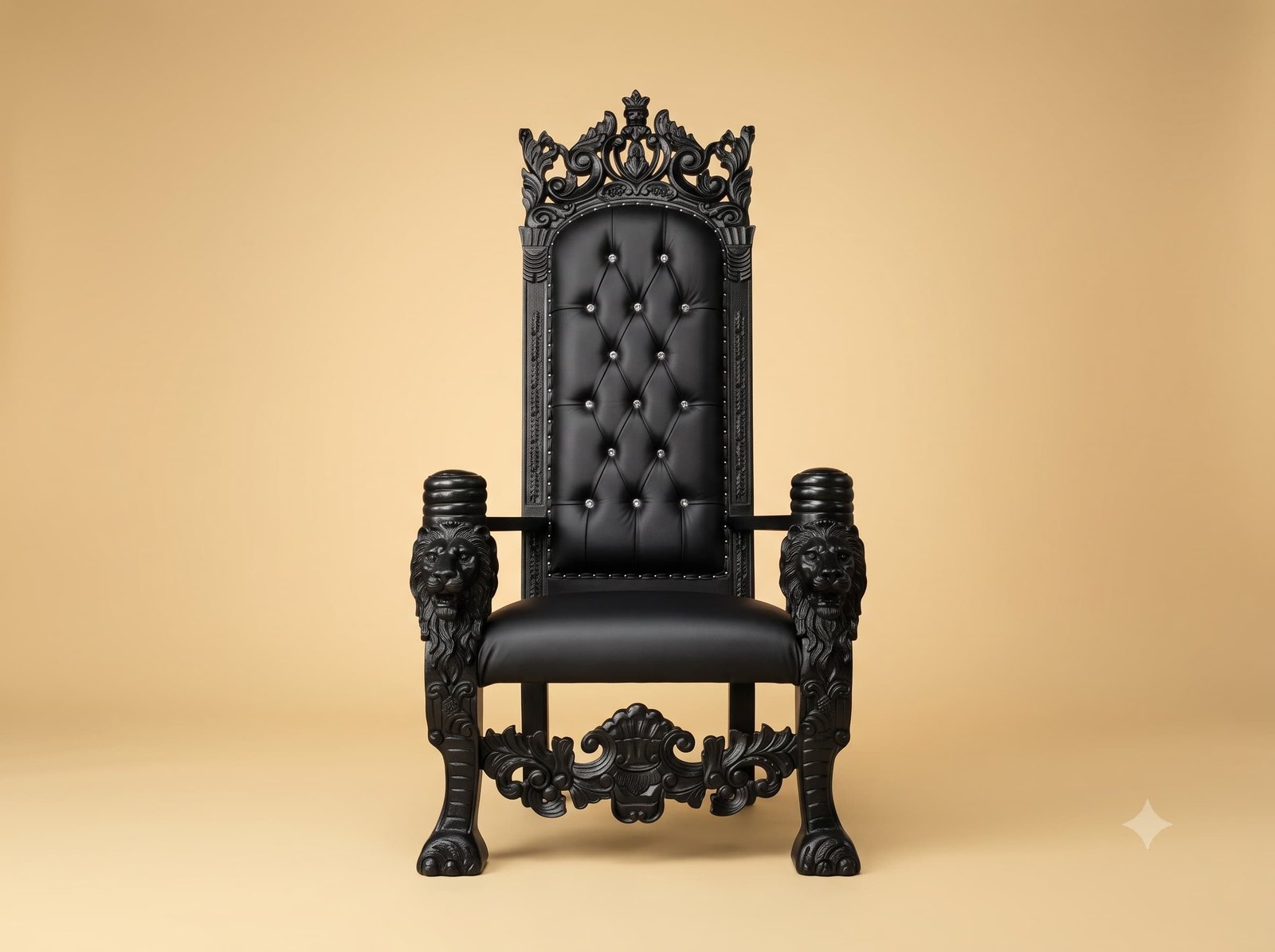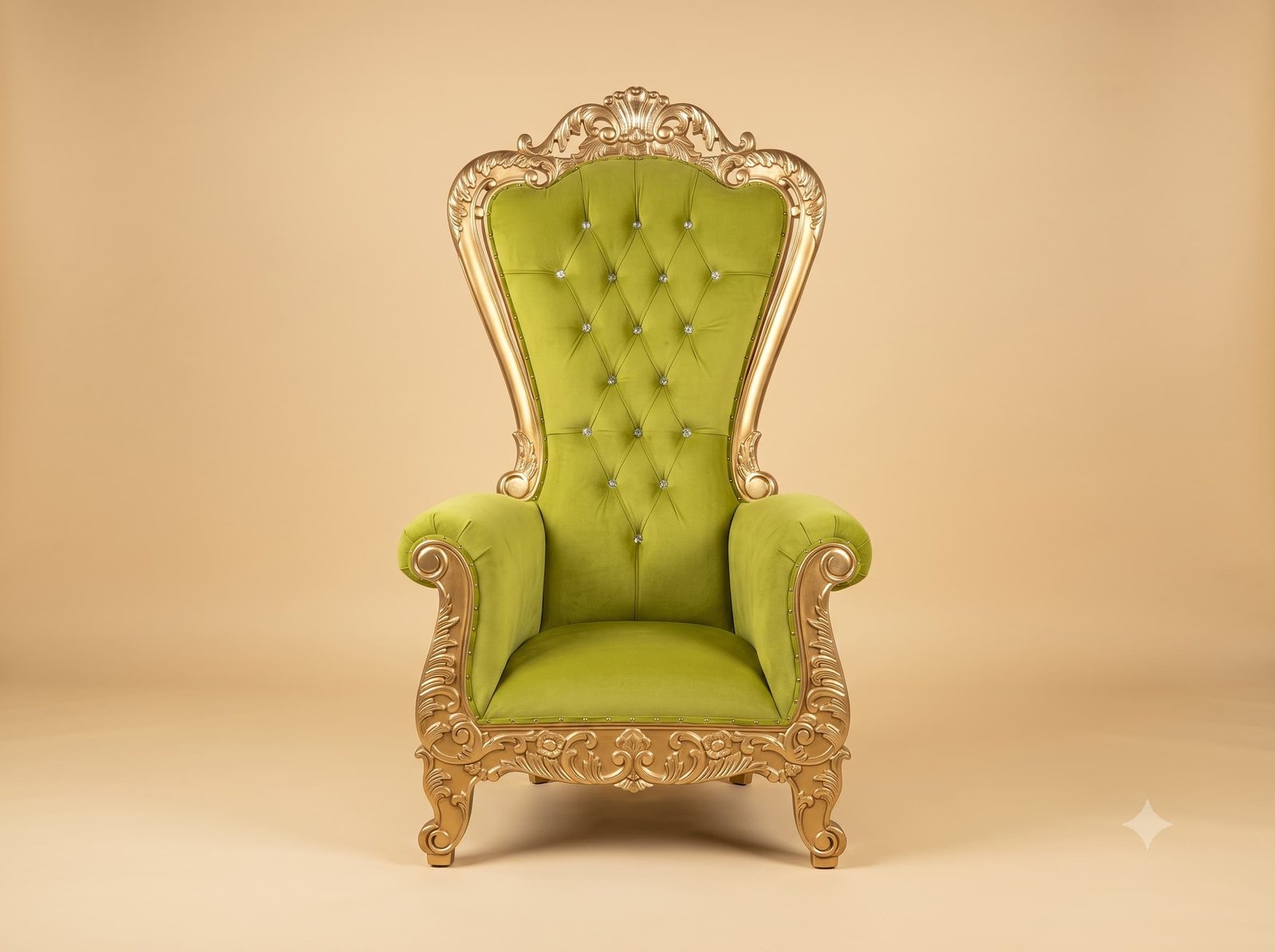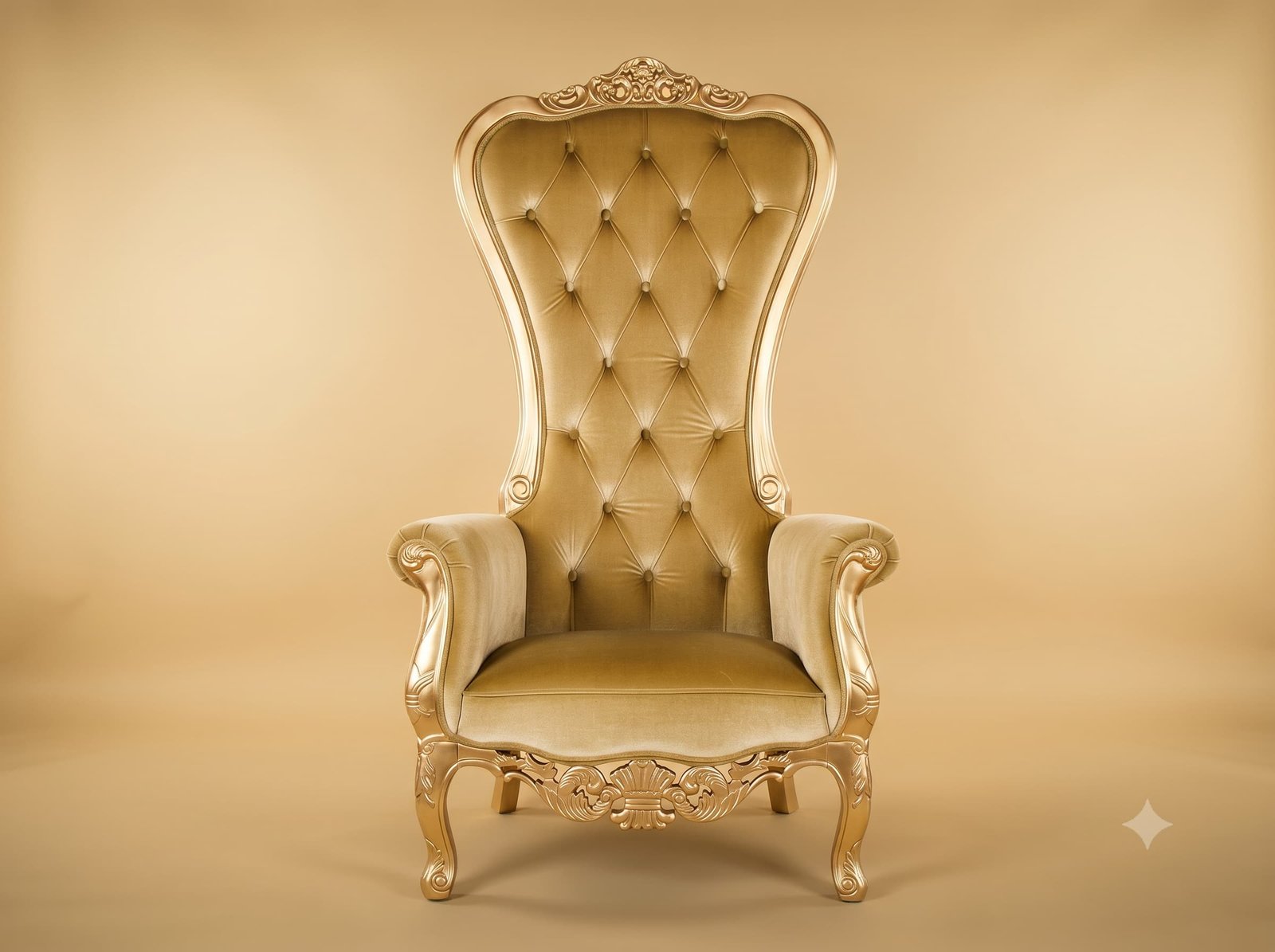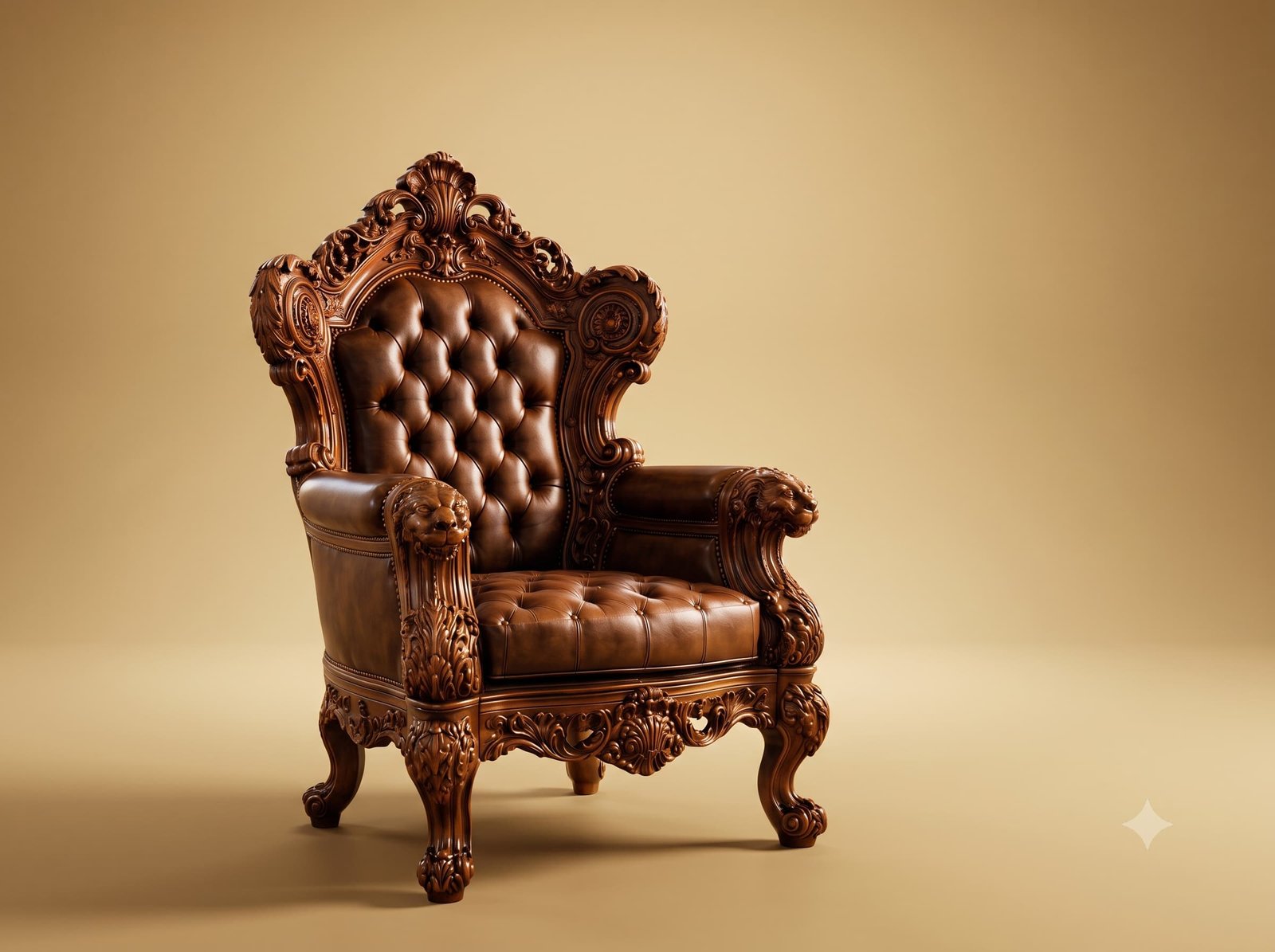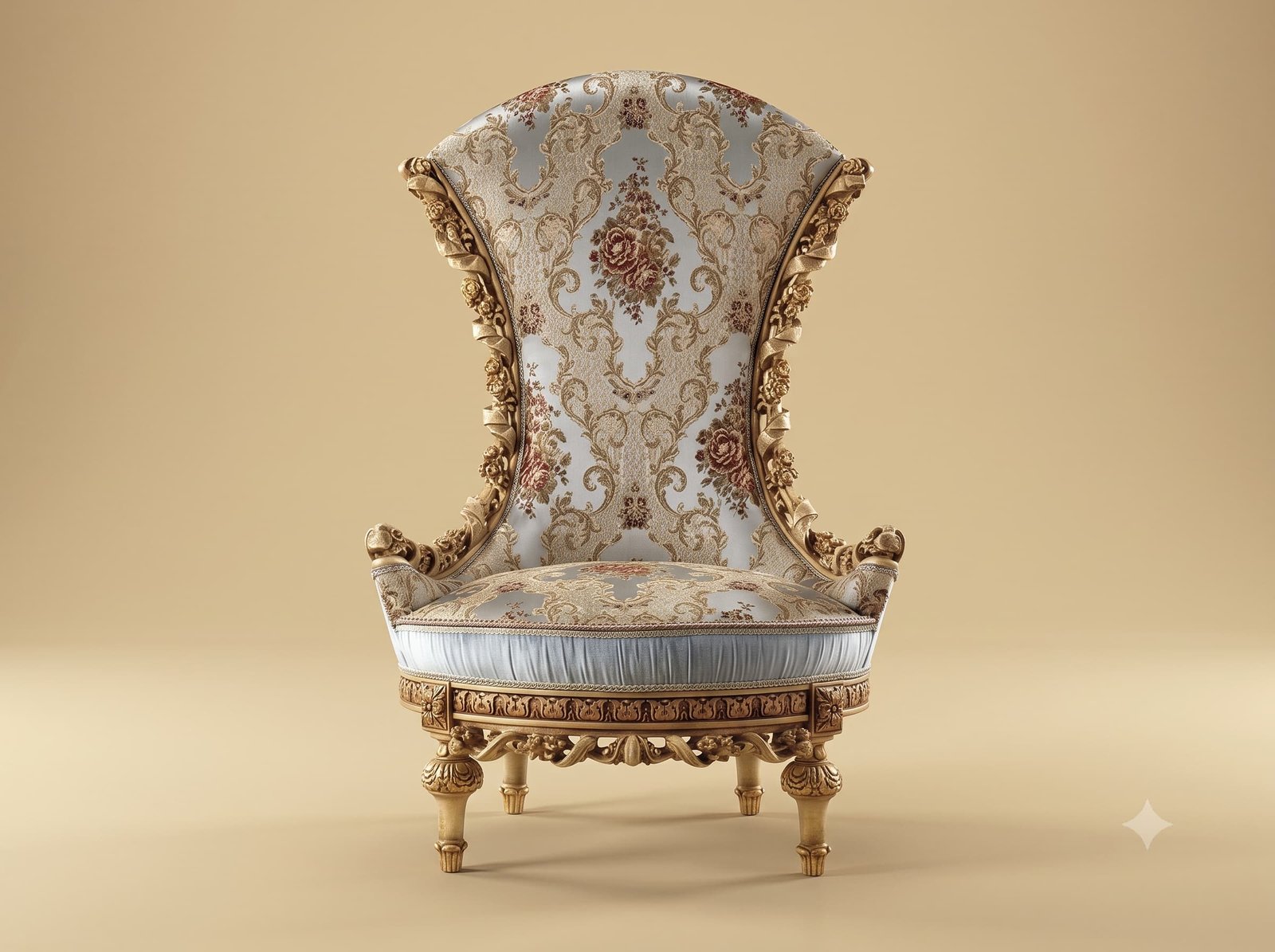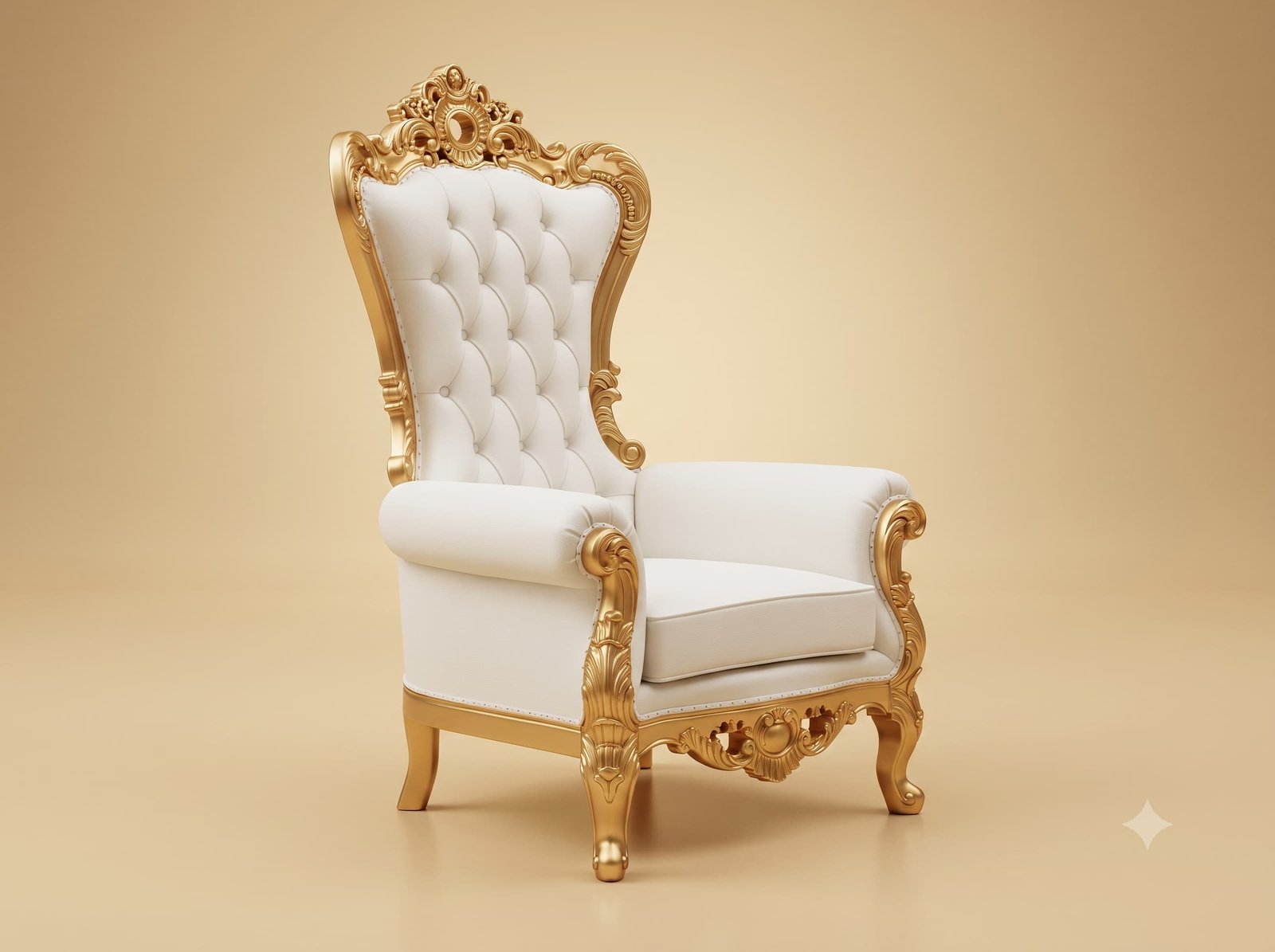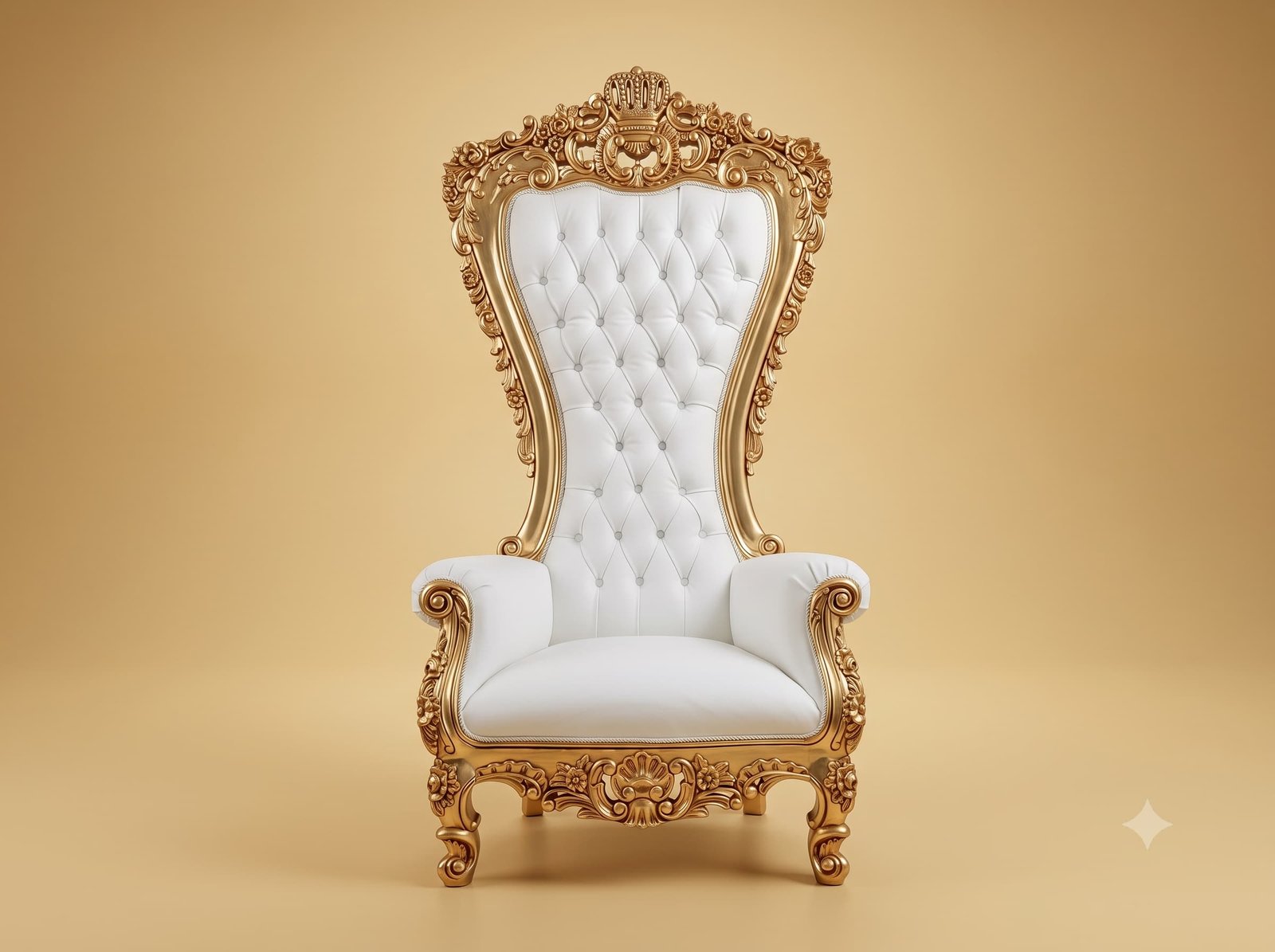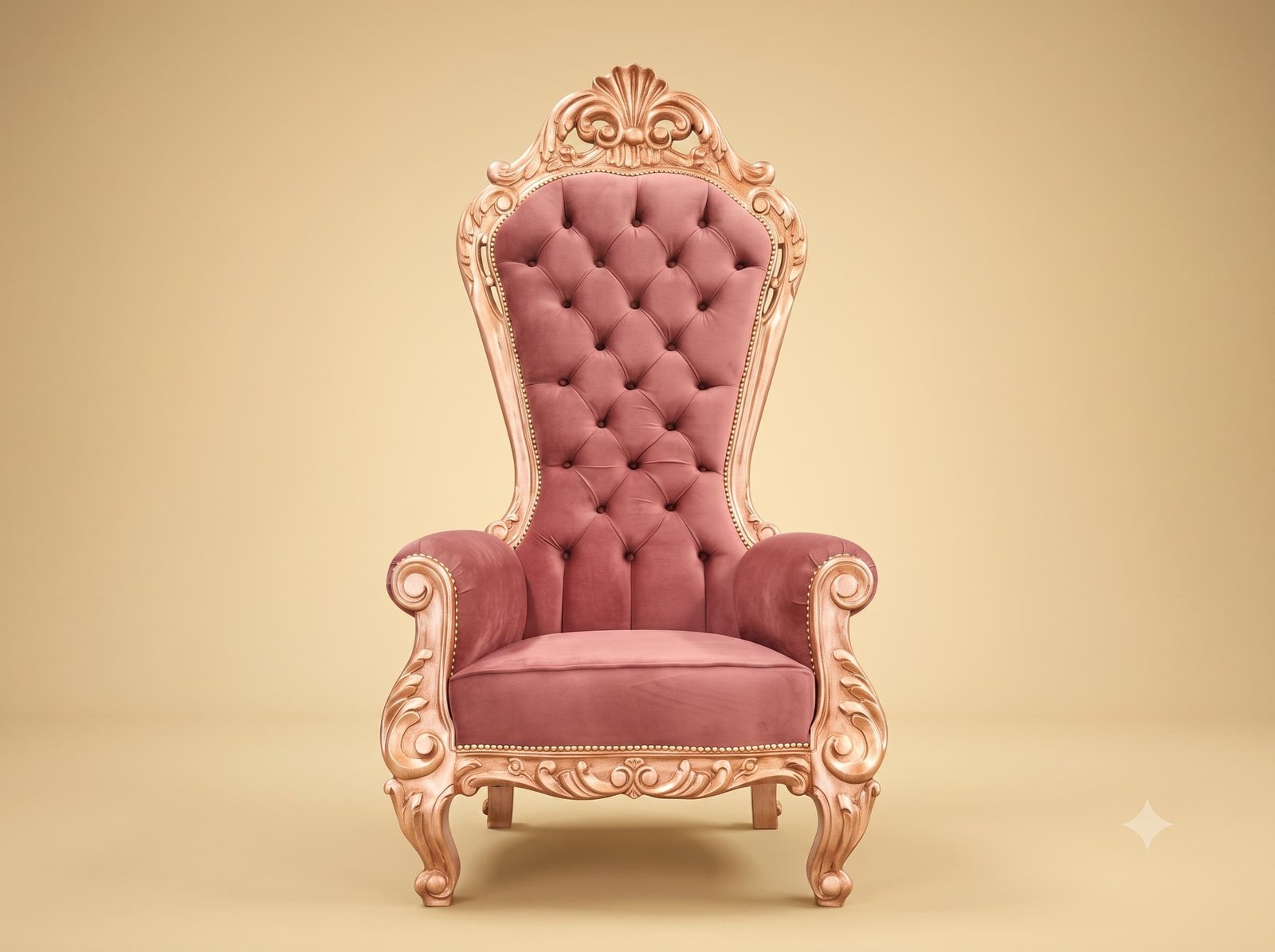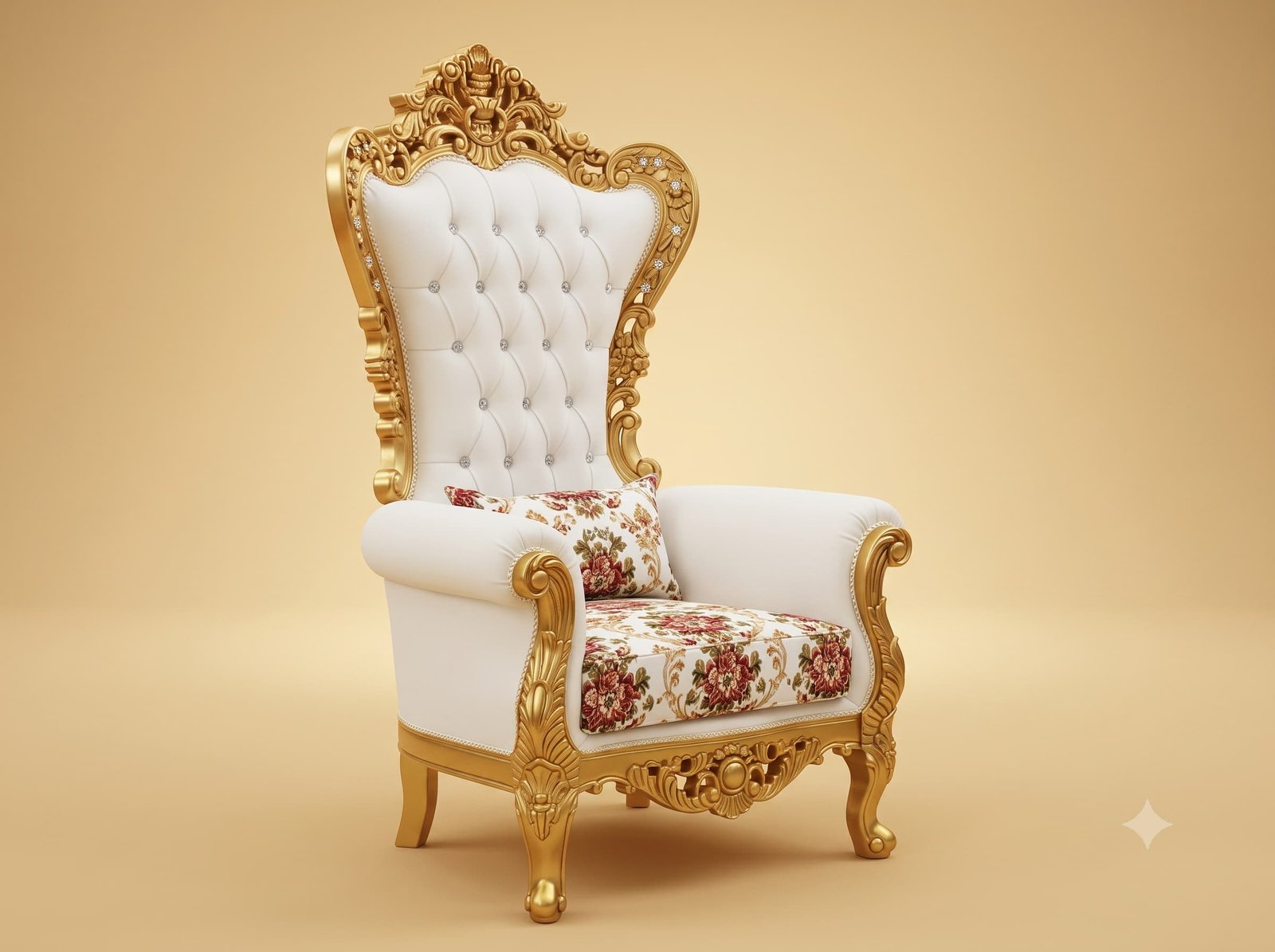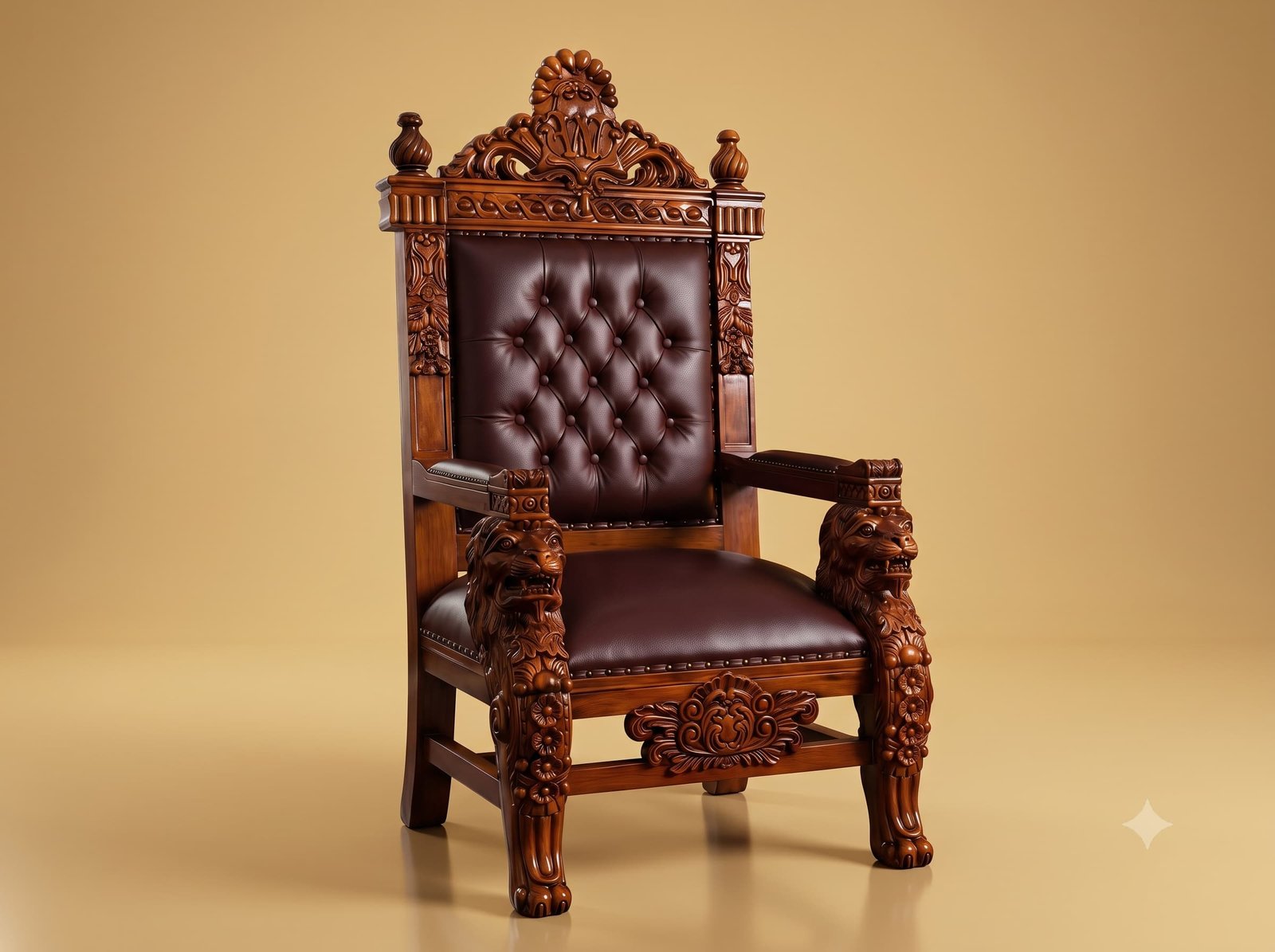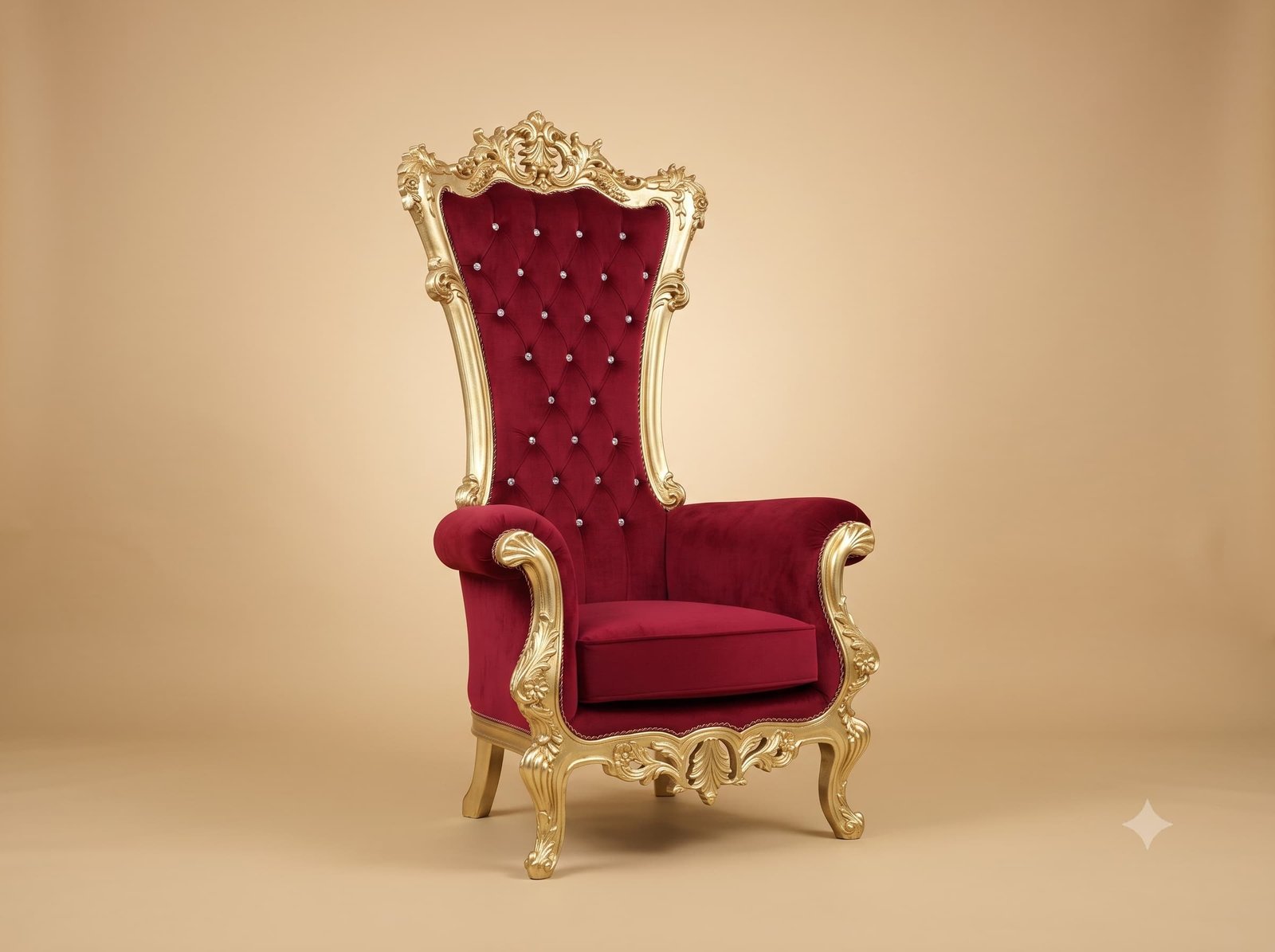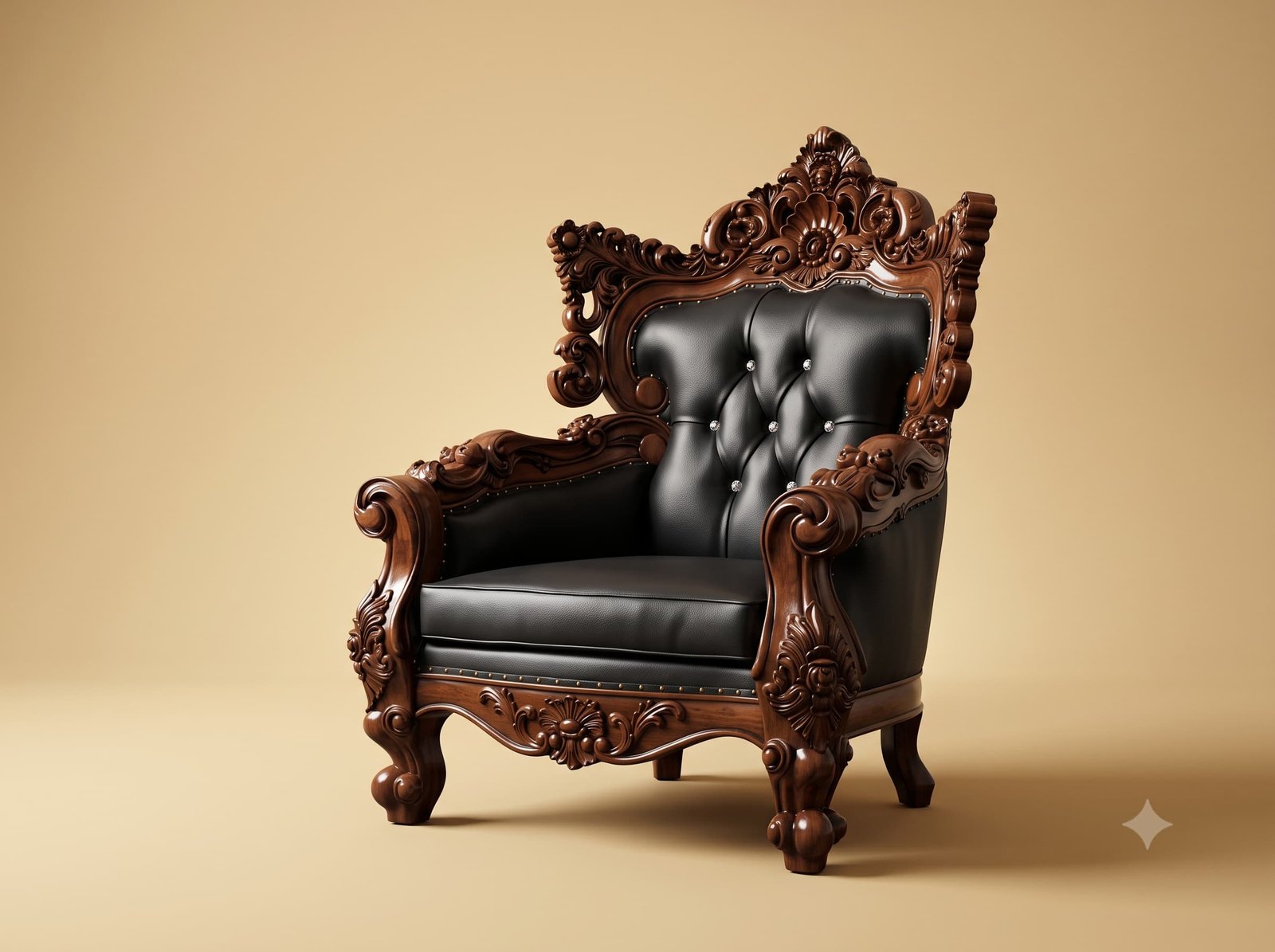
The crest on this chair is not carved from the back frame. It is a separate cresting board, carved on its own and then pinned to the frame from behind, and that choice is made for the direction of the grain.
If the crest were cut from the top rail, its scrolls and pierced openings would run across the grain at the outer ends, where the timber is narrowest. Short grain in a thin, deeply undercut section is the classic place for a carving to snap - not in the workshop, but years later when someone lifts the chair by the top of the back.
Carved as its own board, the crest can be oriented so the long grain runs the length of the scrollwork. Every fragile projection then has fibre running along it rather than across it.
The fixing goes in from the back, through the frame into the crest, so nothing shows on the face. A carved plug over each screw head is cut from the same offcut, so even the back reads as solid timber rather than as a joint. The join is there; it is simply not where anyone looks, and the carving is stronger for it.
 Ask Price On WhatsApp