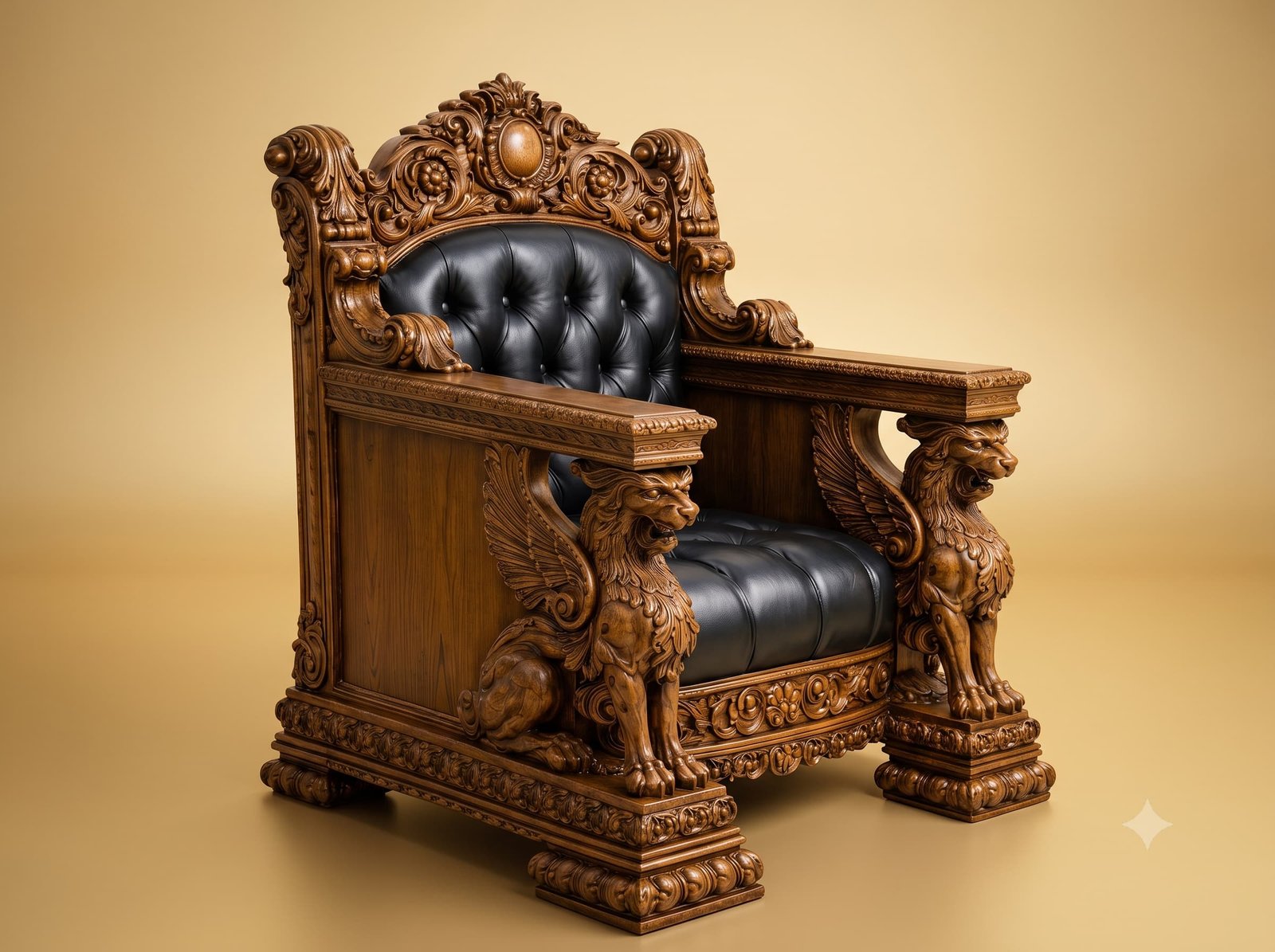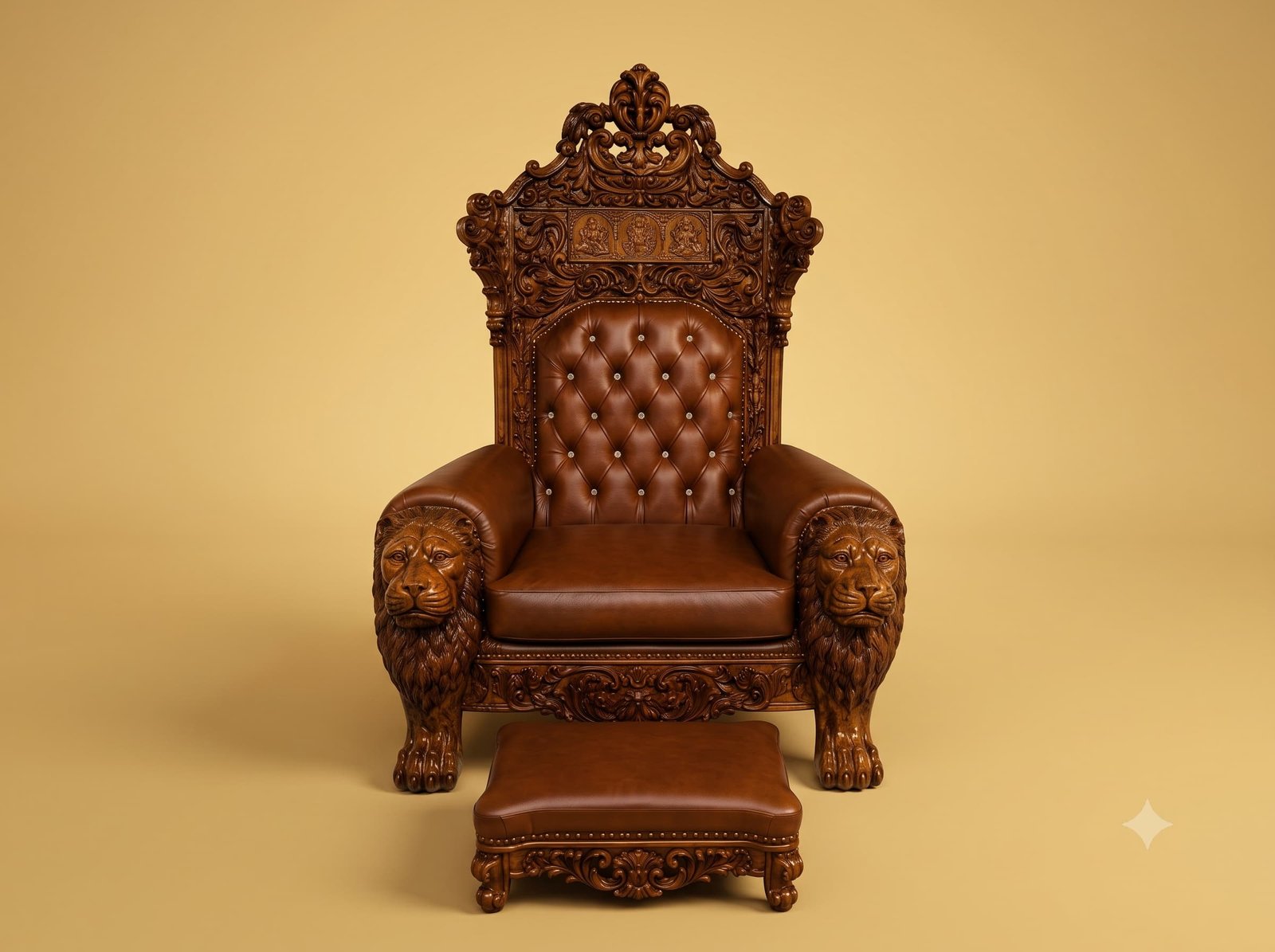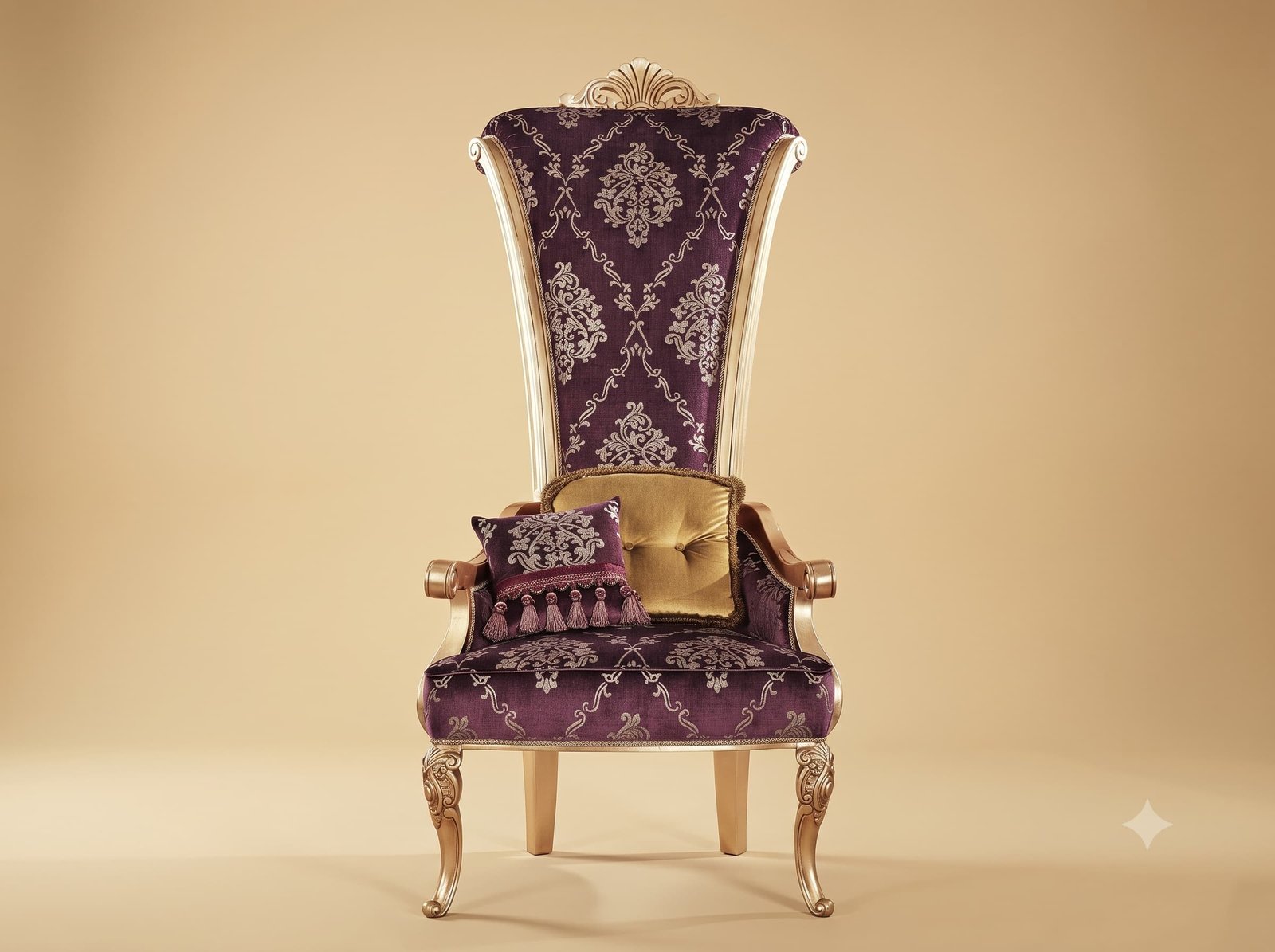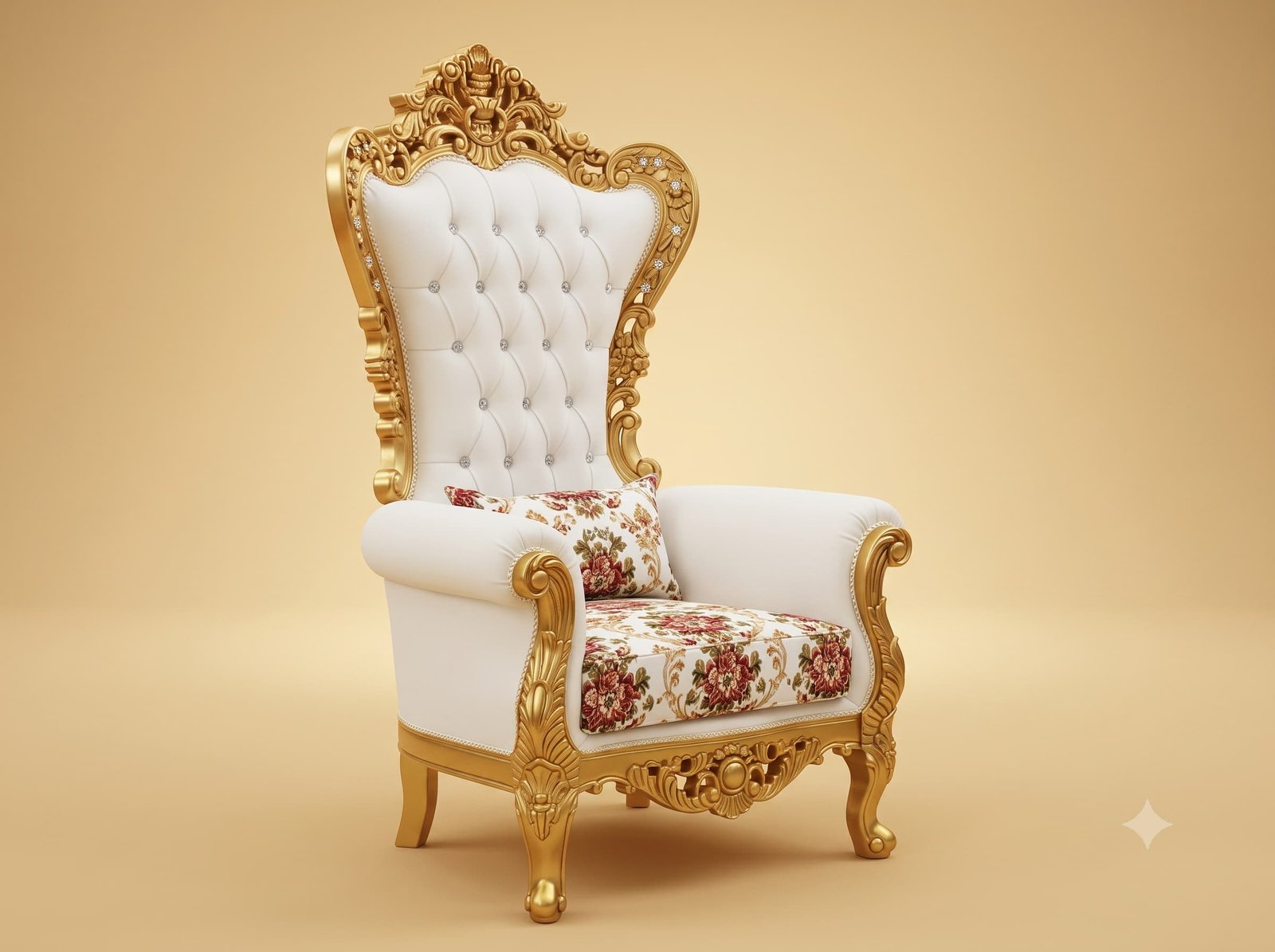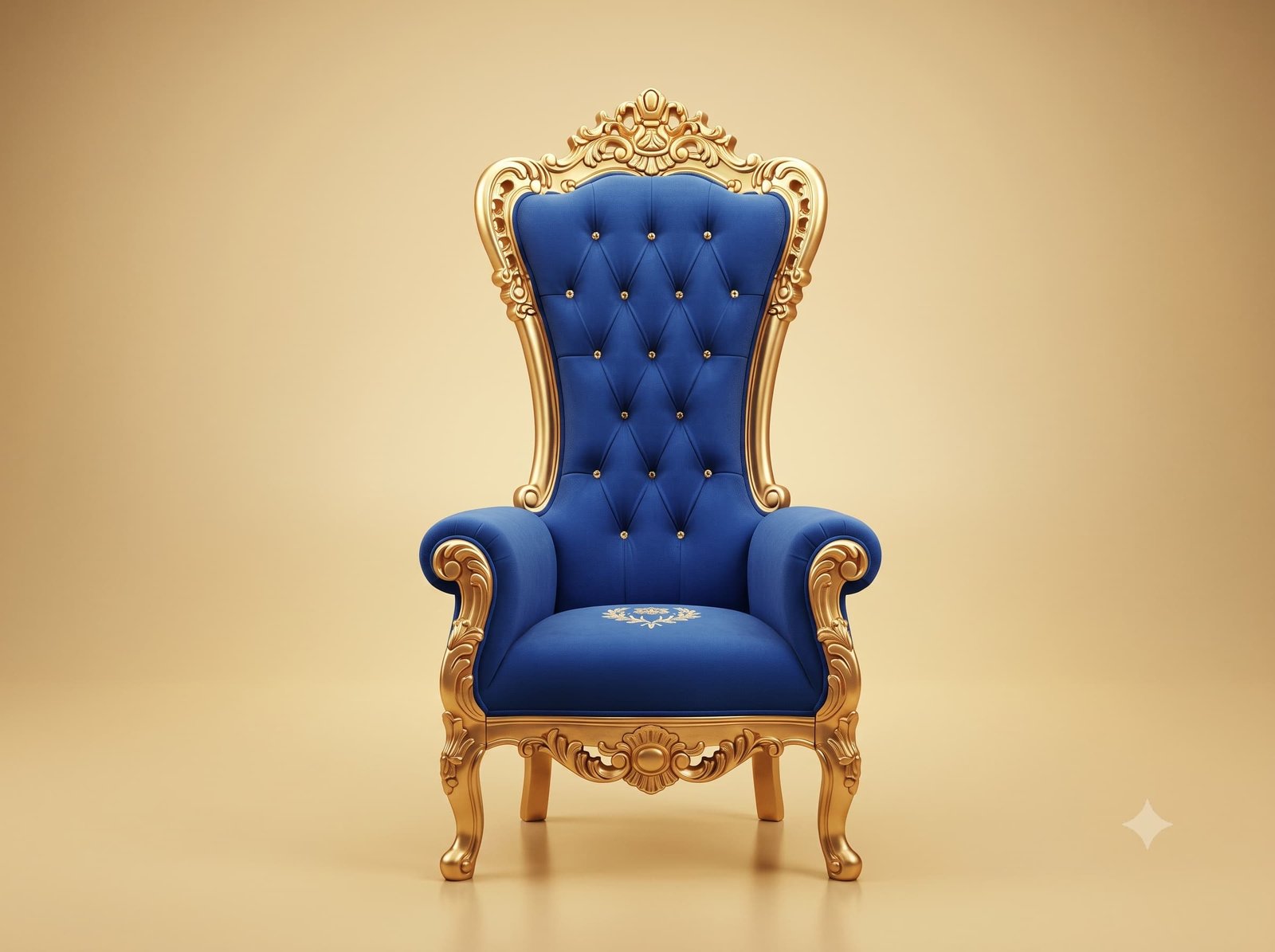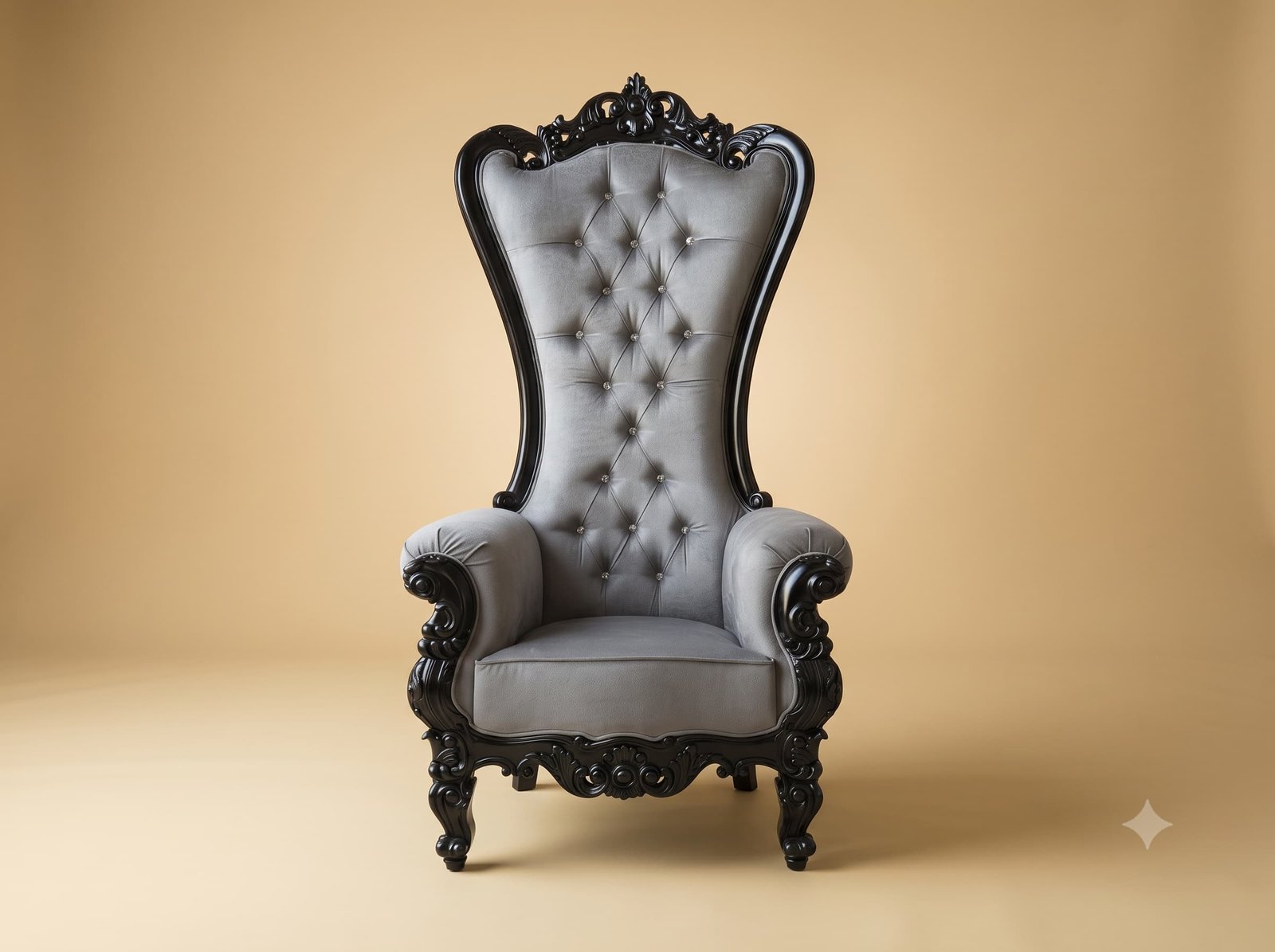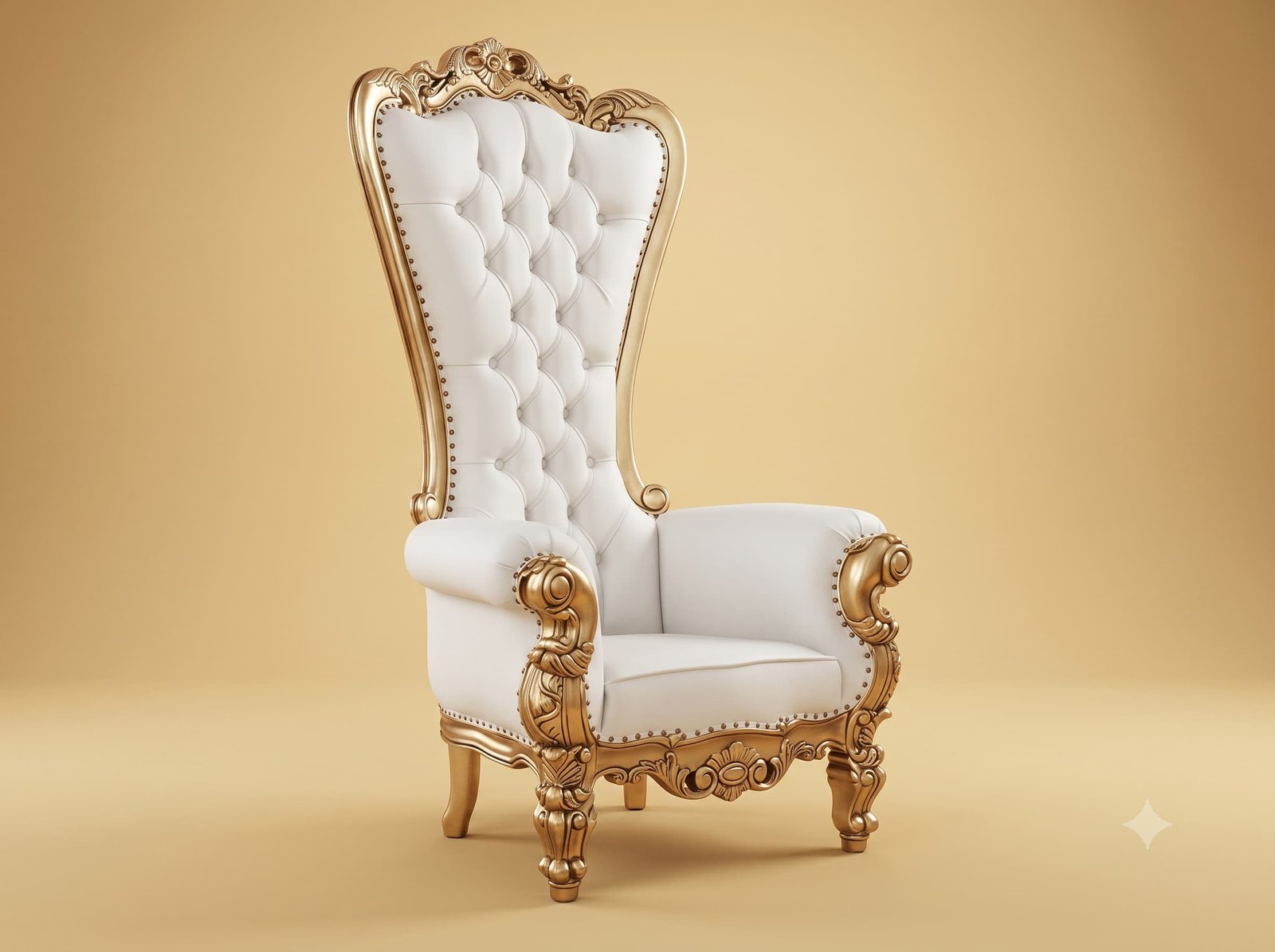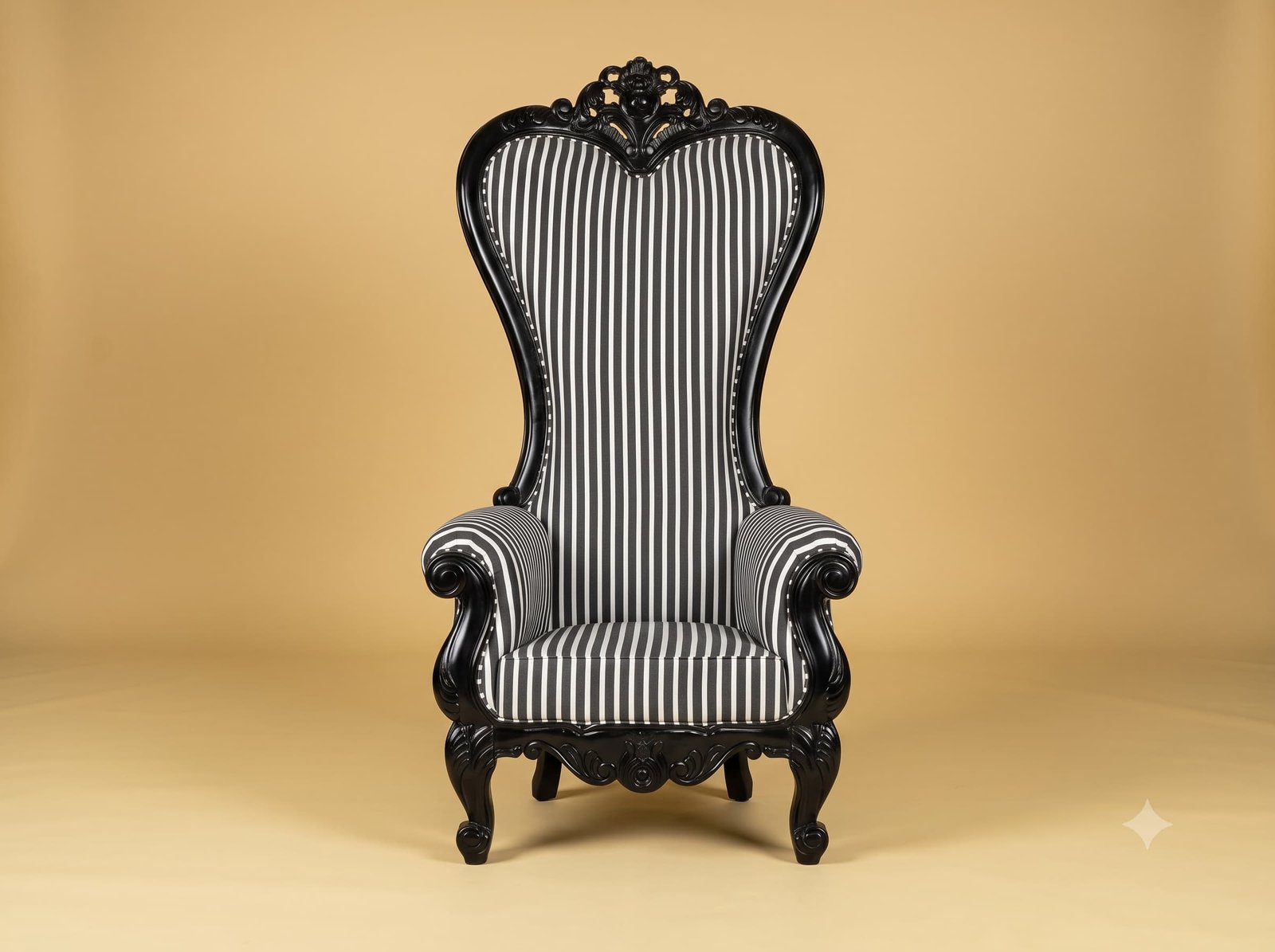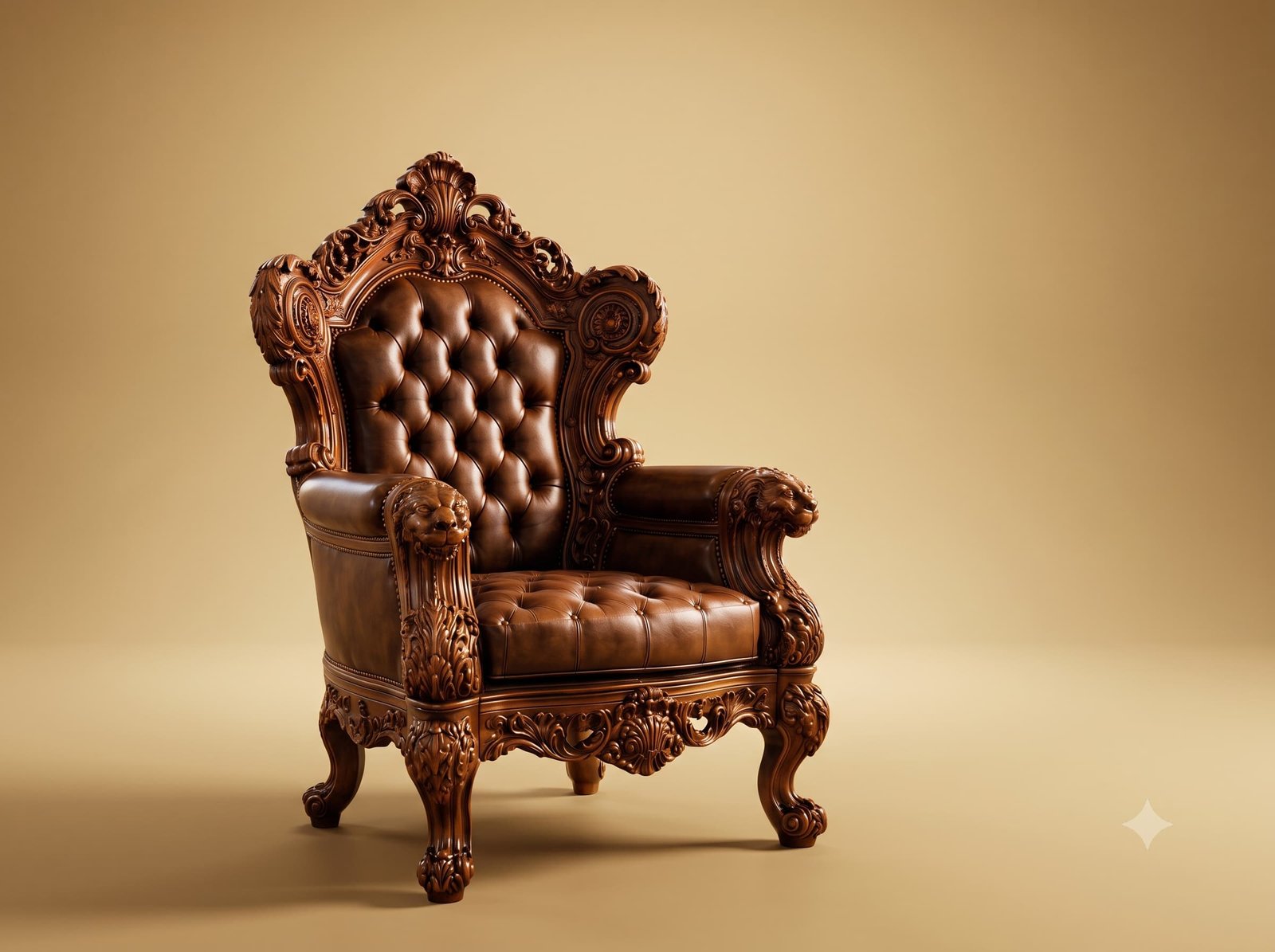
A chair on four carved paws has a problem a chair on flat pads does not: a paw is a sculpted shape, and the point it actually stands on is not obvious. Cut all four to the same length on the bench and the chair can still rock on a real floor, because the contact point on a curved paw sits wherever the carving happens to bottom out.
So the paws are finished last, and they are finished on a levelling slab rather than by measurement. The assembled chair is stood on a flat plate, weighted at the seat, and the carver scribes a line around each paw from the plate itself. Anything below that line comes off. The scribing tool does the arithmetic, so the four contact points end up in one plane regardless of how the carving fell.
Then it is tested off the slab, on an ordinary floor, and turned a quarter turn and tested again. A chair that sits still in one orientation and rocks in another has a twisted frame, not an uneven paw, and that is worth finding before the upholstery goes on.
Nobody looks at the underside of a paw. They notice the chair not moving.
 Ask Price On WhatsApp