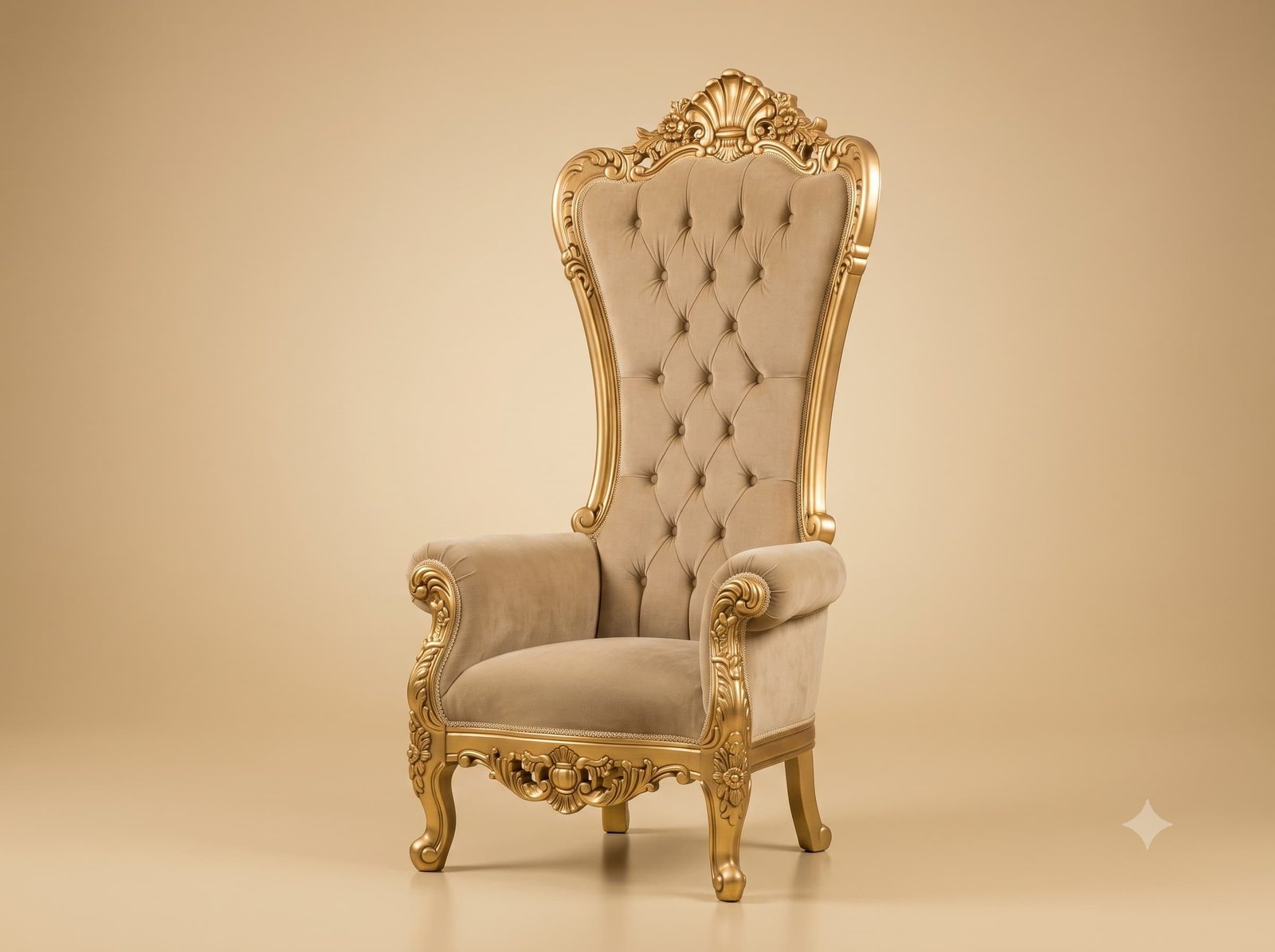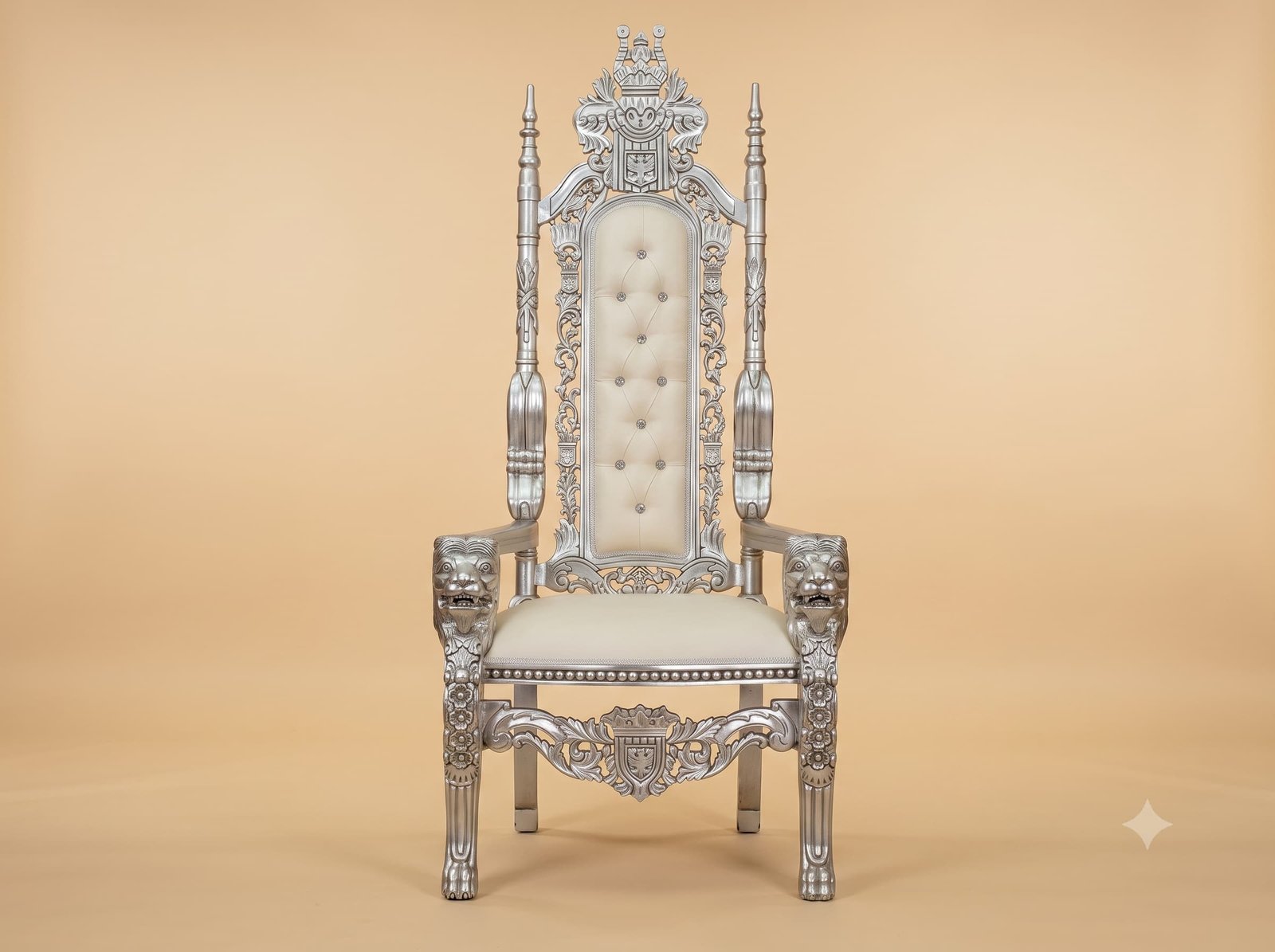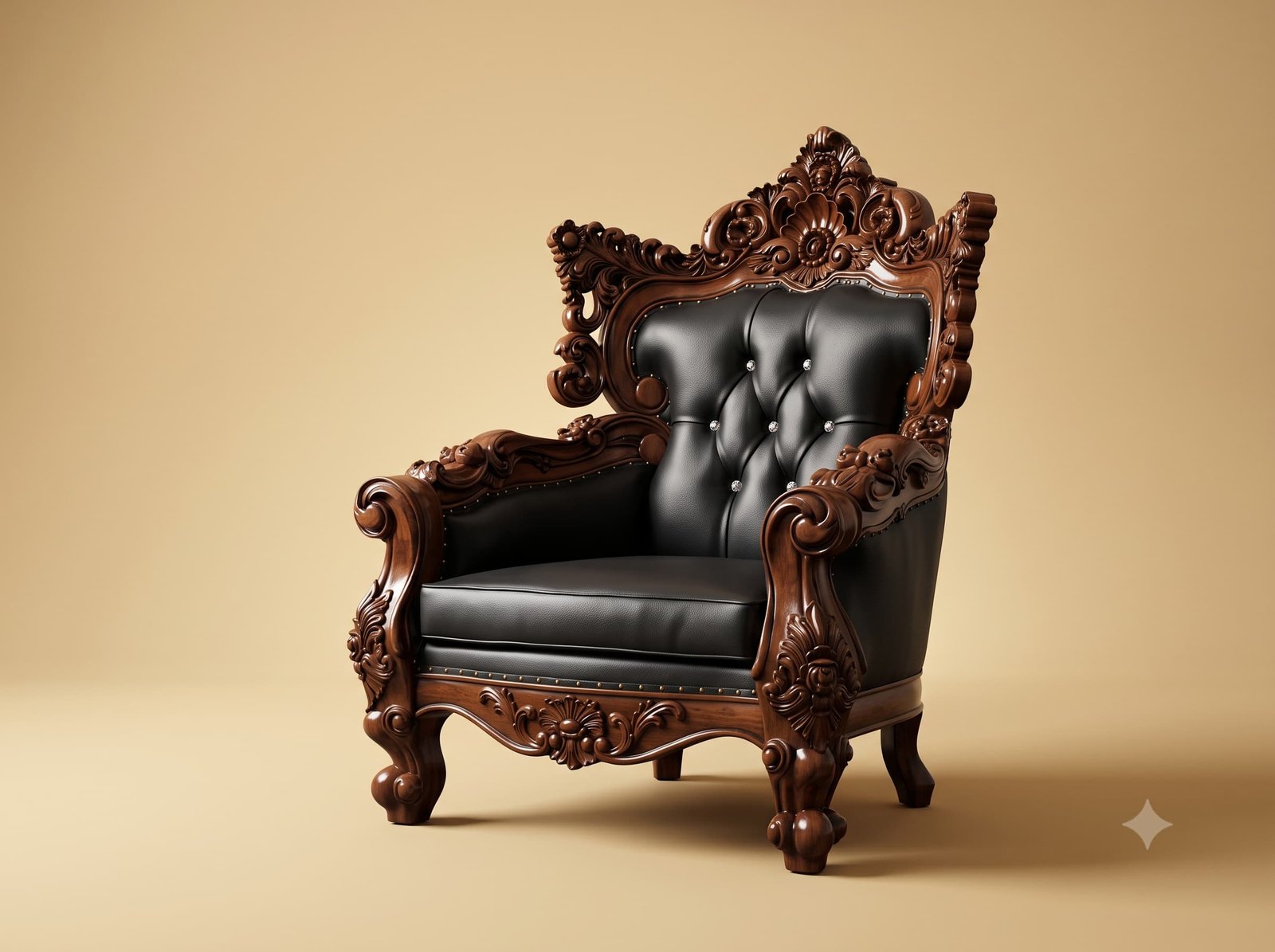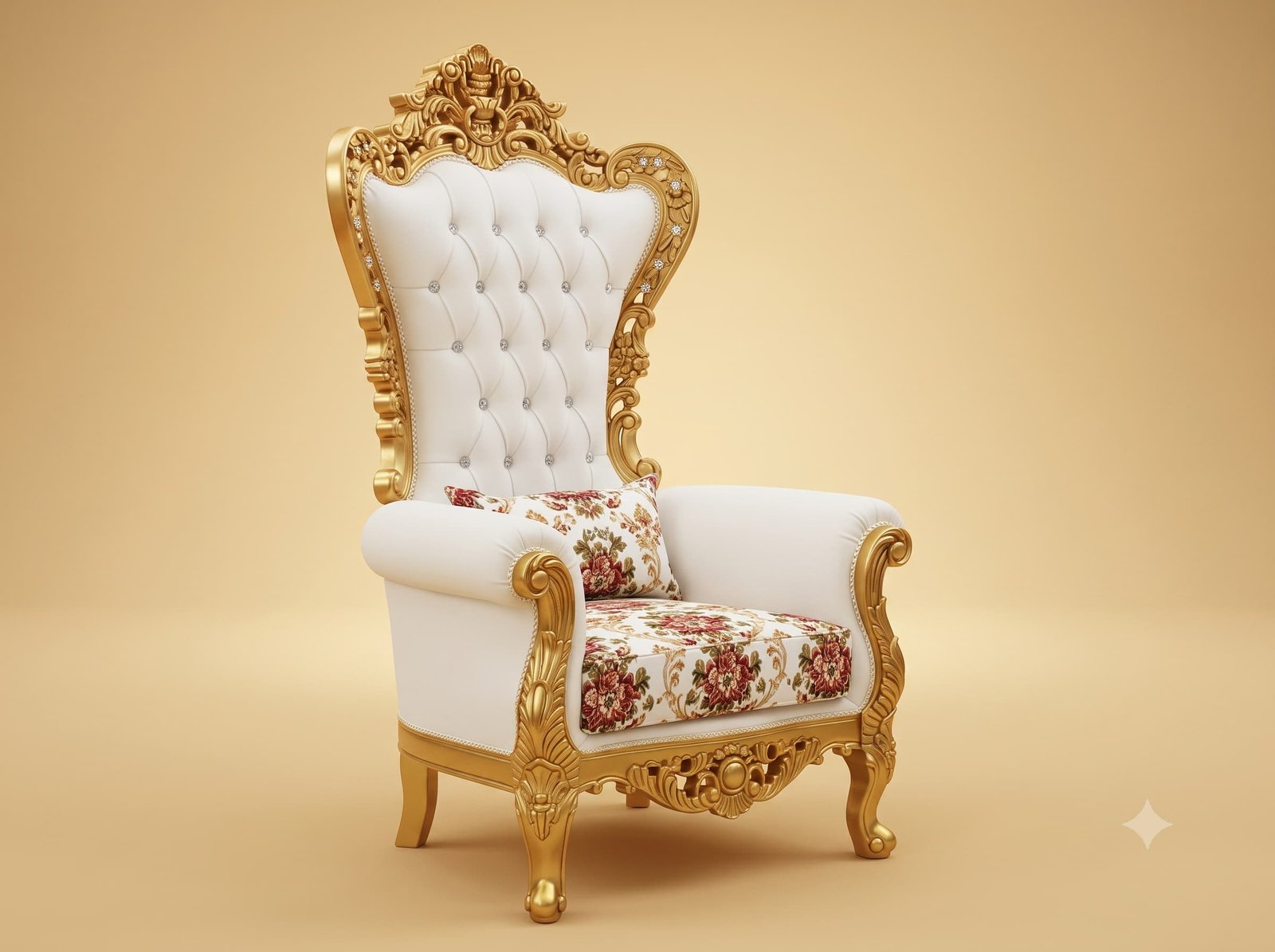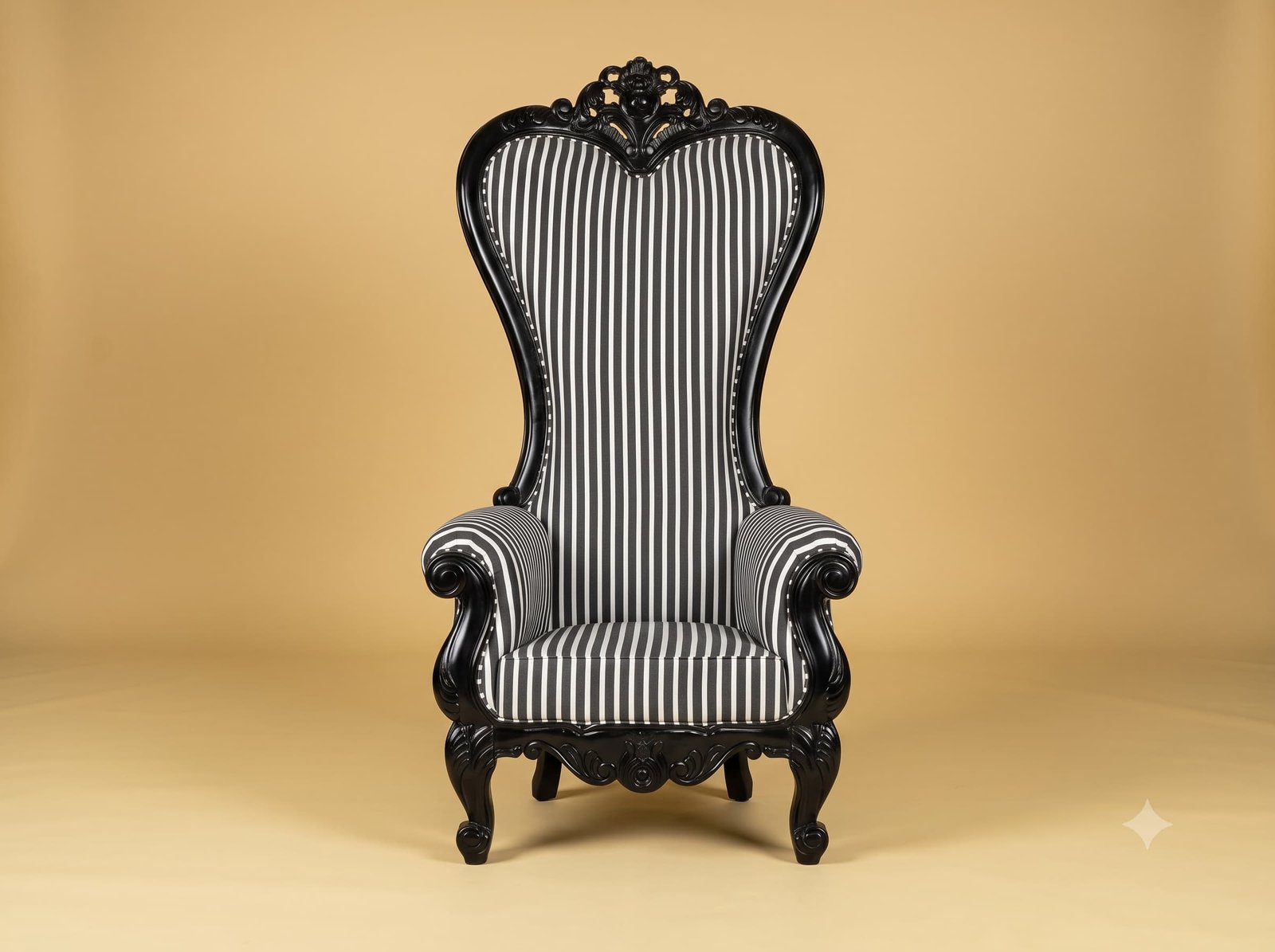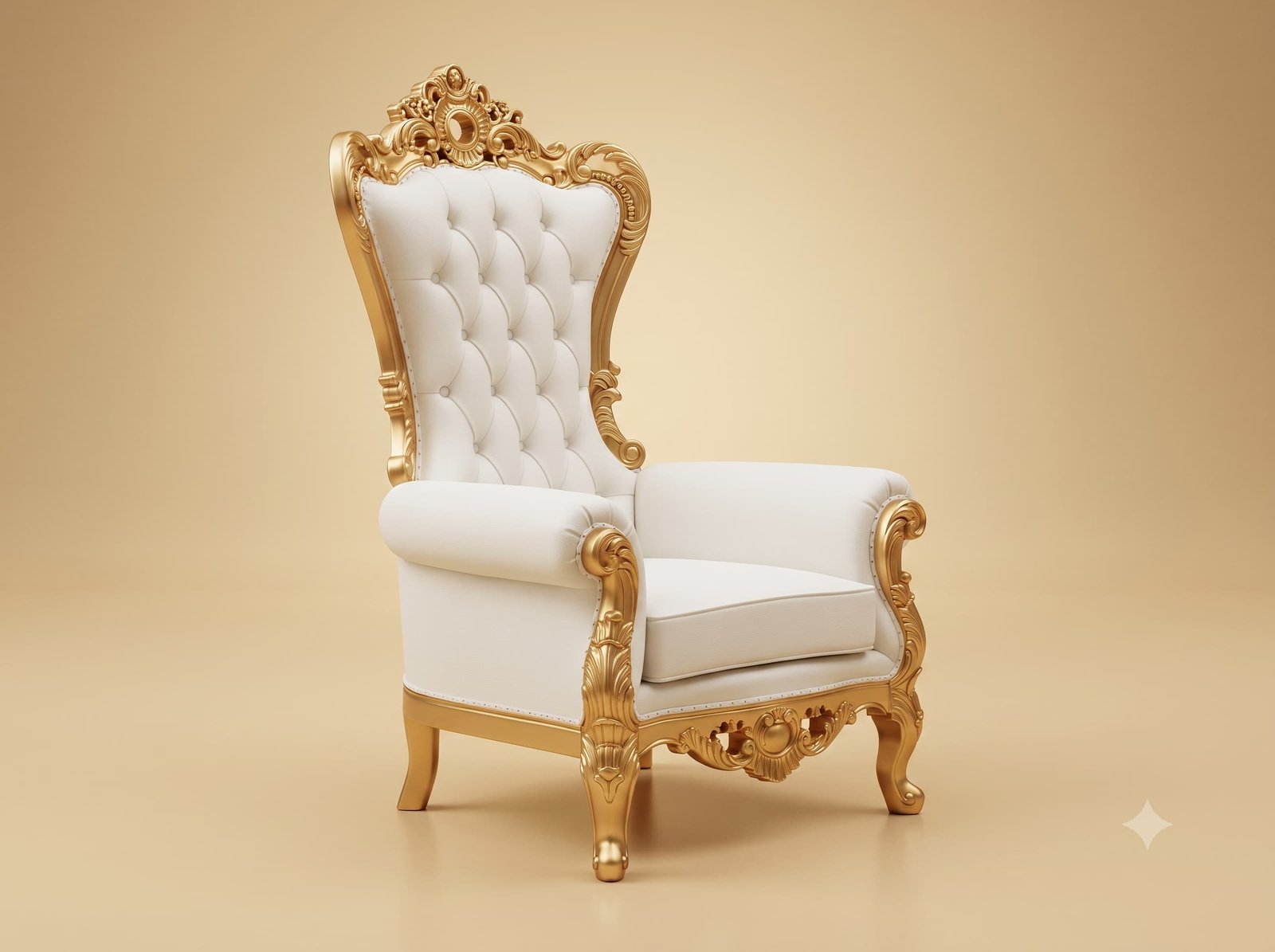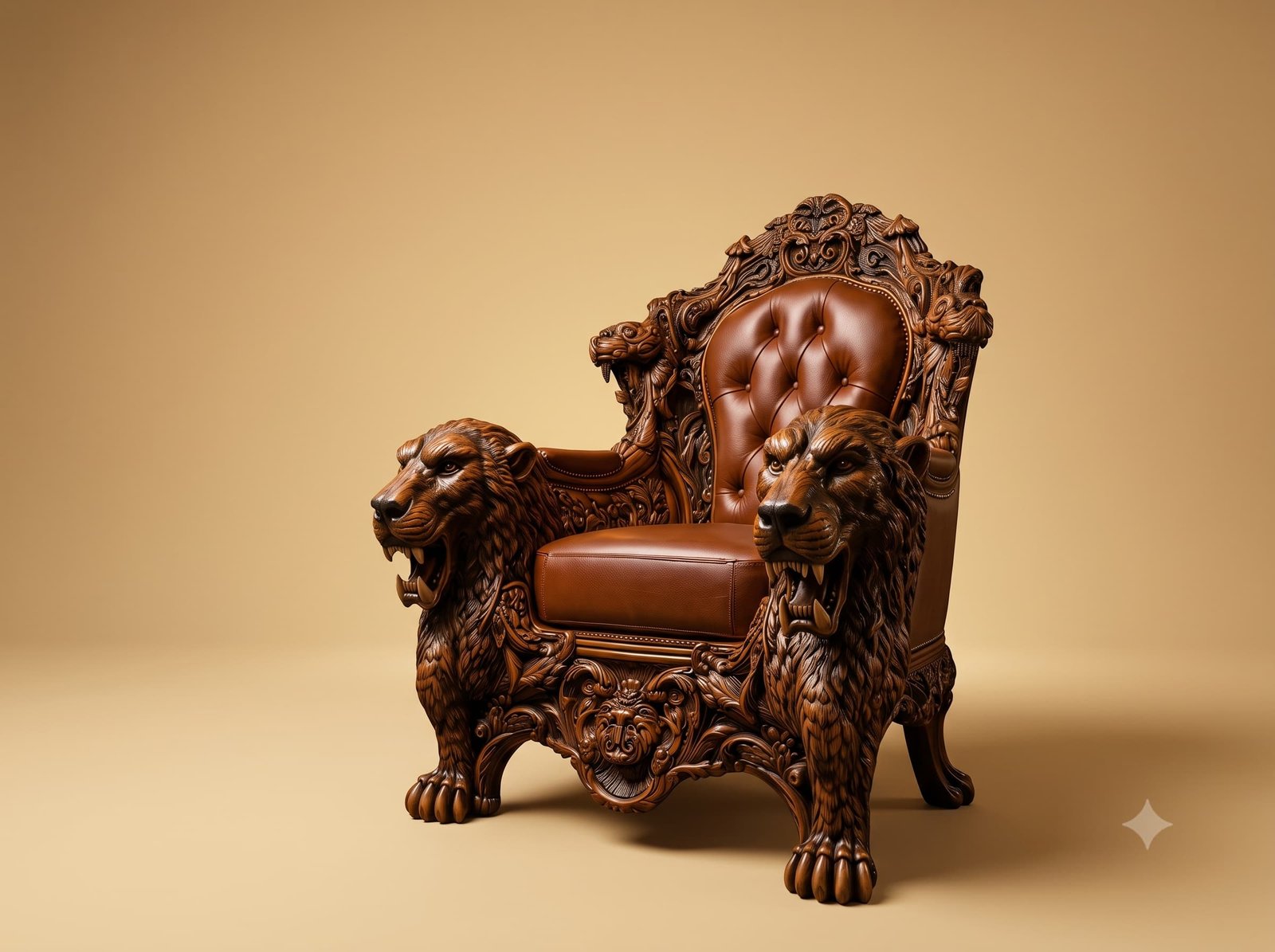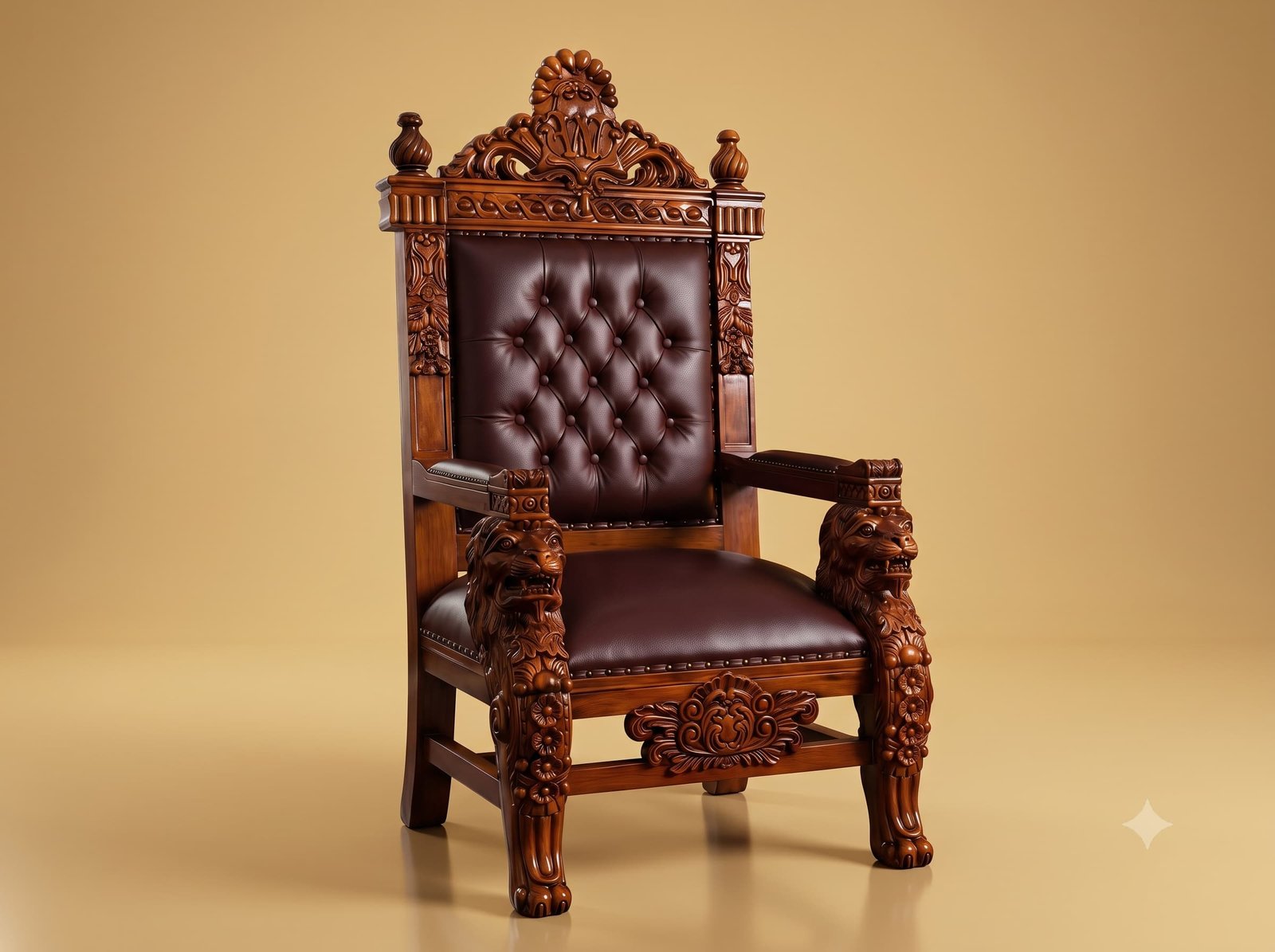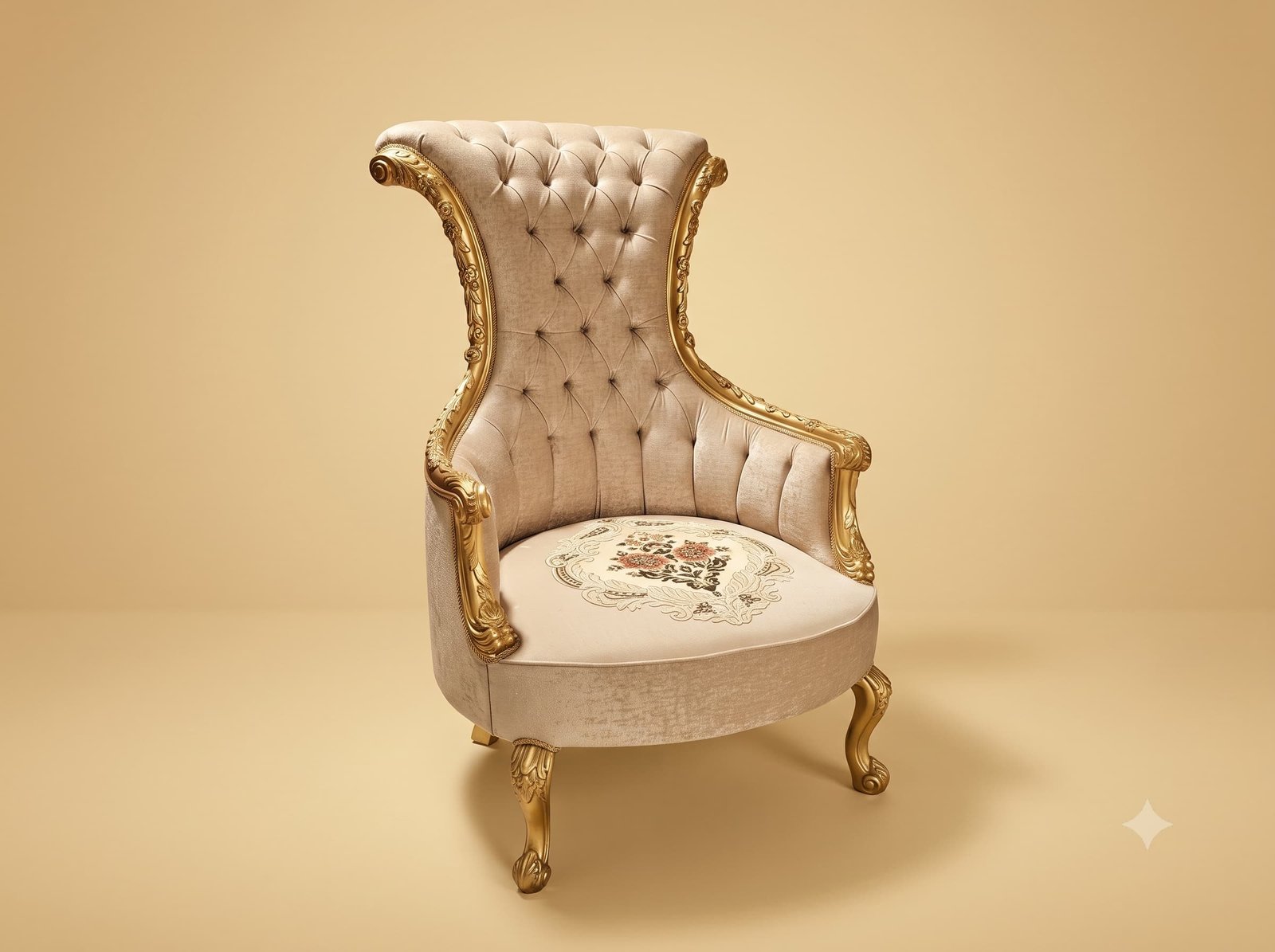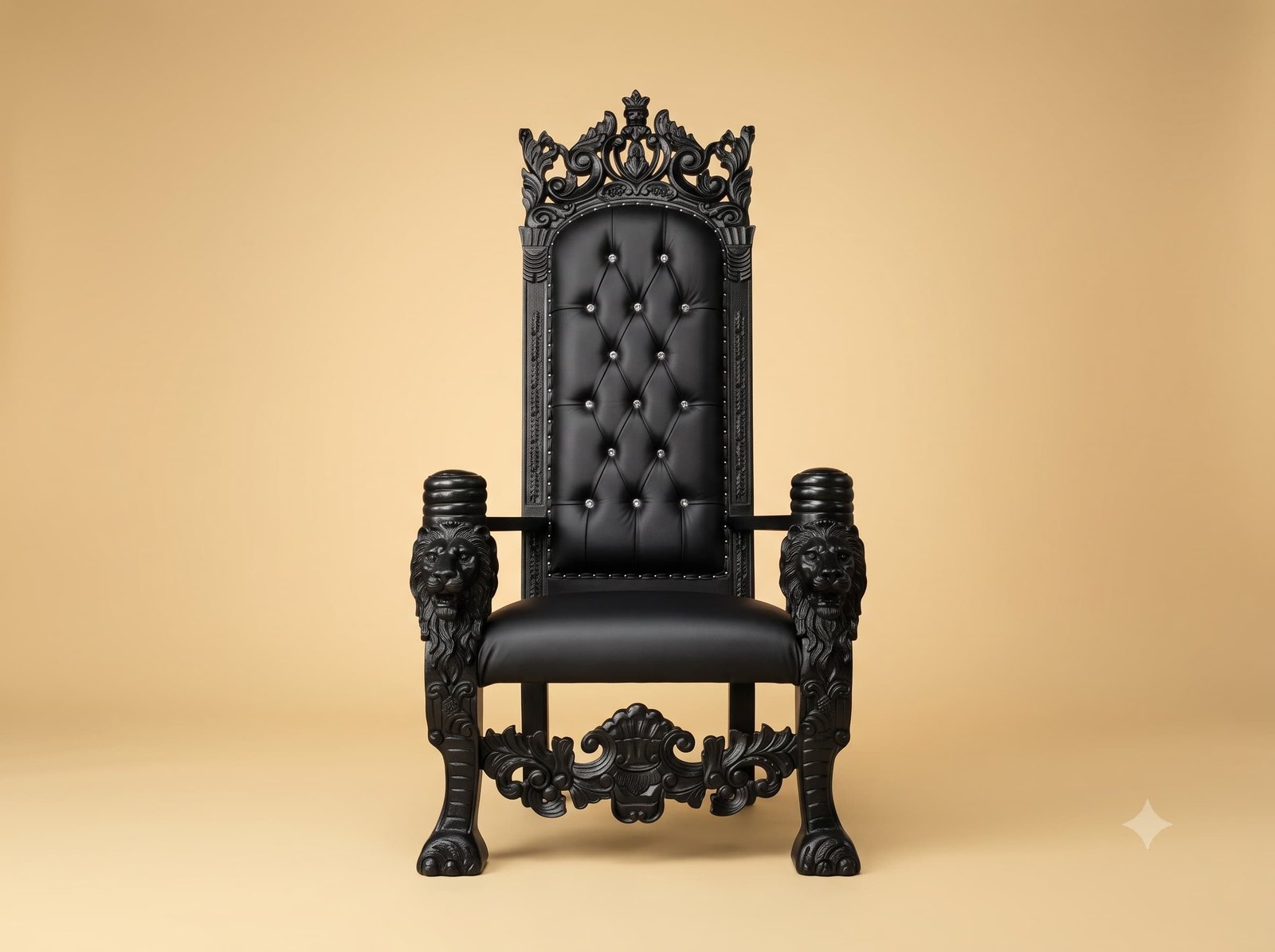
Carving that will be finished black has to be cut deeper than carving that will be gilded, and the reason is that black loses shadow.
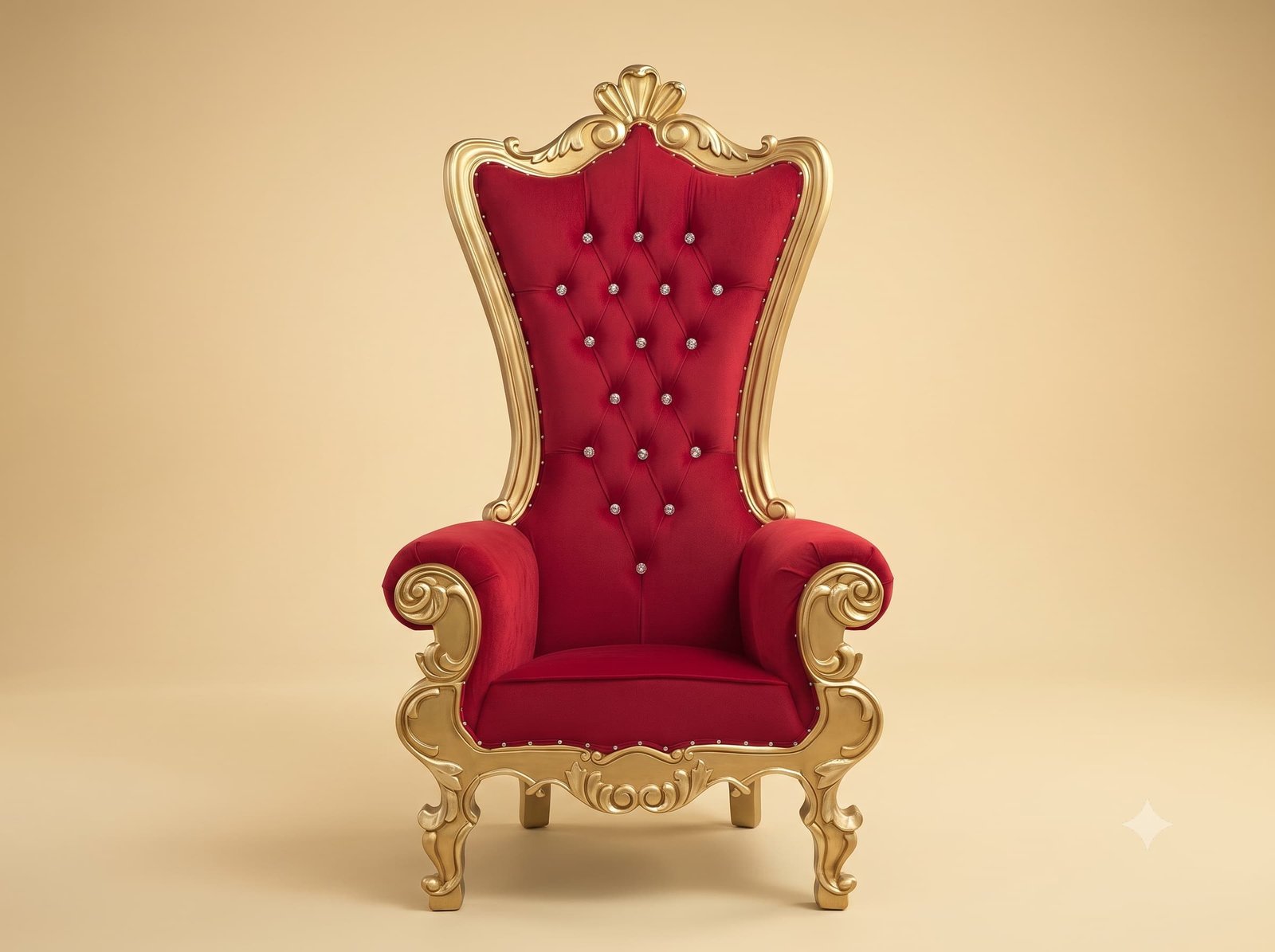
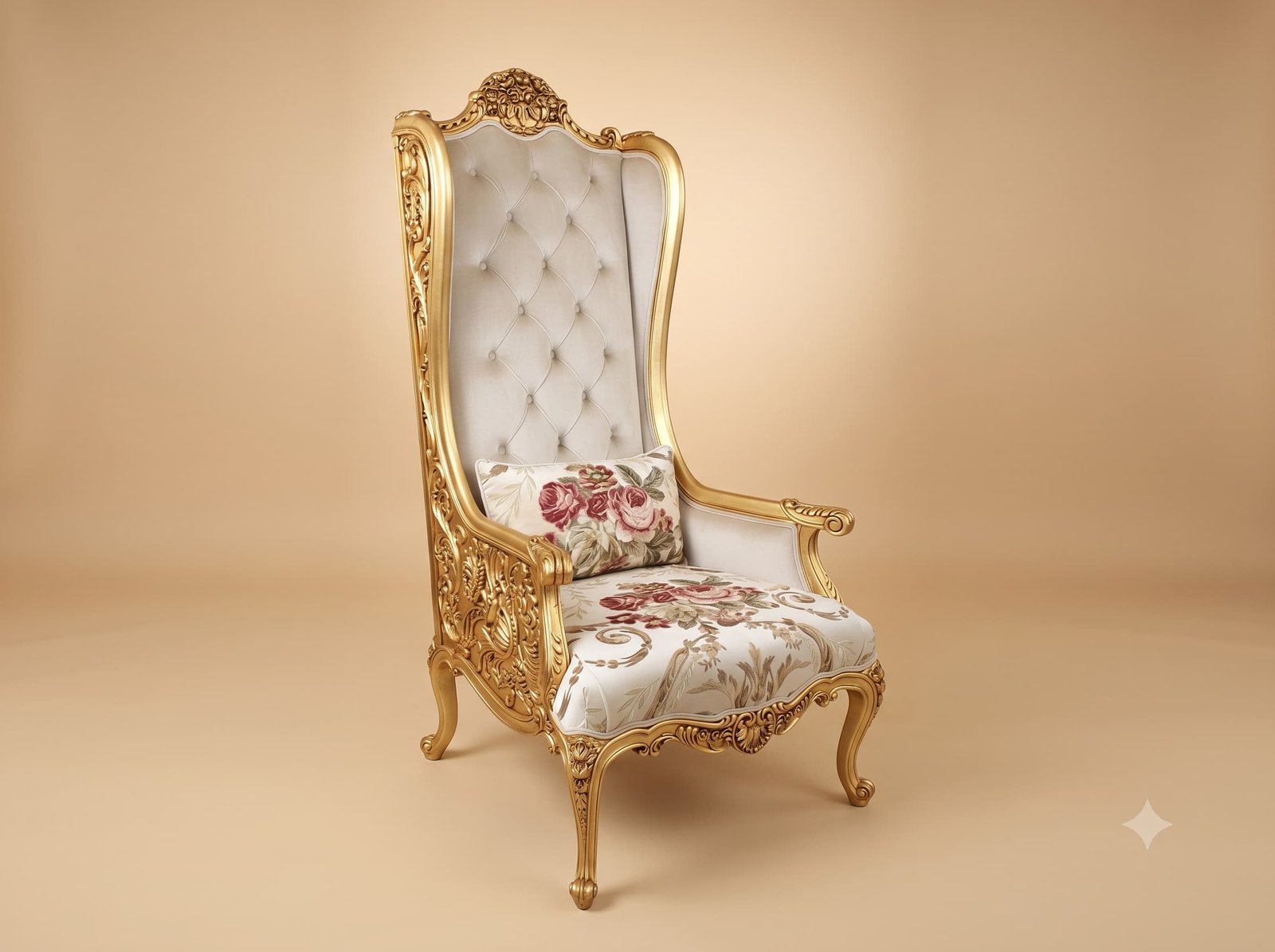
Gold reflects light back out of a recess, so even a shallow cut reads clearly - the bottom of the groove is brighter than its walls, and the eye picks up the shape. Black absorbs light instead, so a shallow recess and the surface around it become the same flat tone at more than a couple of metres, and the carving vanishes.
So on an ebonised piece our artisans increase the depth of every cut and, more importantly, sharpen the arrises - the edges where two surfaces meet. On black, an edge catching a highlight is the only thing that describes the form, so the crispness of that edge is doing all the work that gold would otherwise do.
The same logic decides the finish sheen. A dead matt black would kill the highlights entirely; a high gloss would produce reflections that confuse the shape. The finish is set between the two, dark and low in sheen but capable of holding a bright line along every edge.
 Ask Price On WhatsApp